Share
Disposable Cervical Sampler Explained for the United States Market
Quick Answer

A disposable cervical sampler is a single-use medical device designed to collect cells or secretions from the cervix for screening, diagnostic, and laboratory testing. In the United States, it is commonly used for Pap testing, HPV testing, STI sampling, and gynecologic specimen collection in hospitals, OB-GYN clinics, family planning centers, laboratories, and public health programs. Most products work by gently contacting the transformation zone of the cervix with a brush, broom, spatula, or combined head so clinicians can capture an adequate sample while reducing contamination and improving patient comfort.
For practical buying decisions, U.S. providers usually compare sterile status, sample adequacy, compatibility with liquid-based cytology media, packaging format, regulatory documentation, and supply reliability. Commonly recognized companies in this space include CooperSurgical, Cardinal Health, Puritan Medical Products, DTR Medical, and Medgyn Products, while qualified international manufacturers with strong compliance records can also be worth considering for better cost-performance. In that category, suppliers with certifications such as ISO 13485, CE, FDA-related compliance support, and responsive pre-sales and after-sales service may offer meaningful value for distributors and healthcare buyers.
What a Disposable Cervical Sampler Is

A disposable cervical sampler is a sterile, one-time-use collection device developed to obtain representative cervical material from the ectocervix, endocervix, or both. The device is discarded after a single patient encounter, which helps lower cross-contamination risk and supports modern infection-control protocols. In U.S. practice, these samplers are selected based on the testing method, clinician preference, and laboratory workflow. Some are optimized for conventional smear preparation, while others are made for transfer into liquid-based cytology vials used for HPV or Pap analysis.
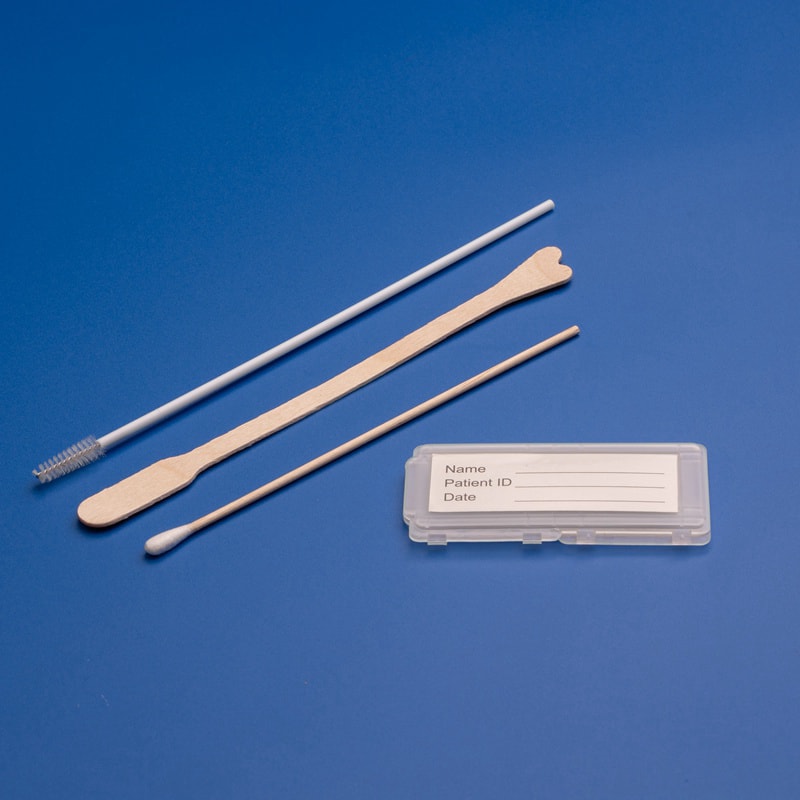
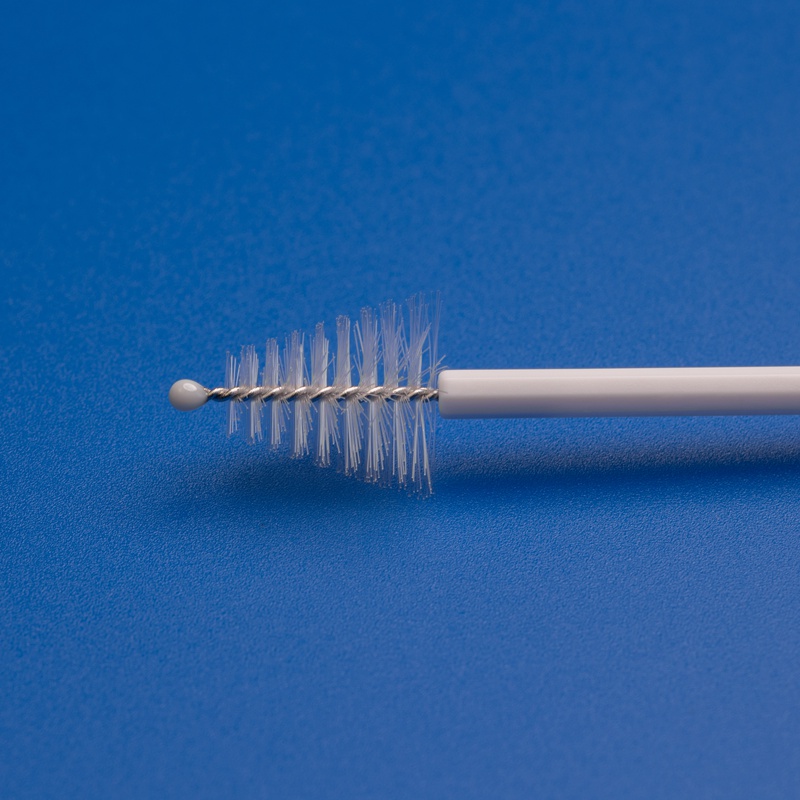
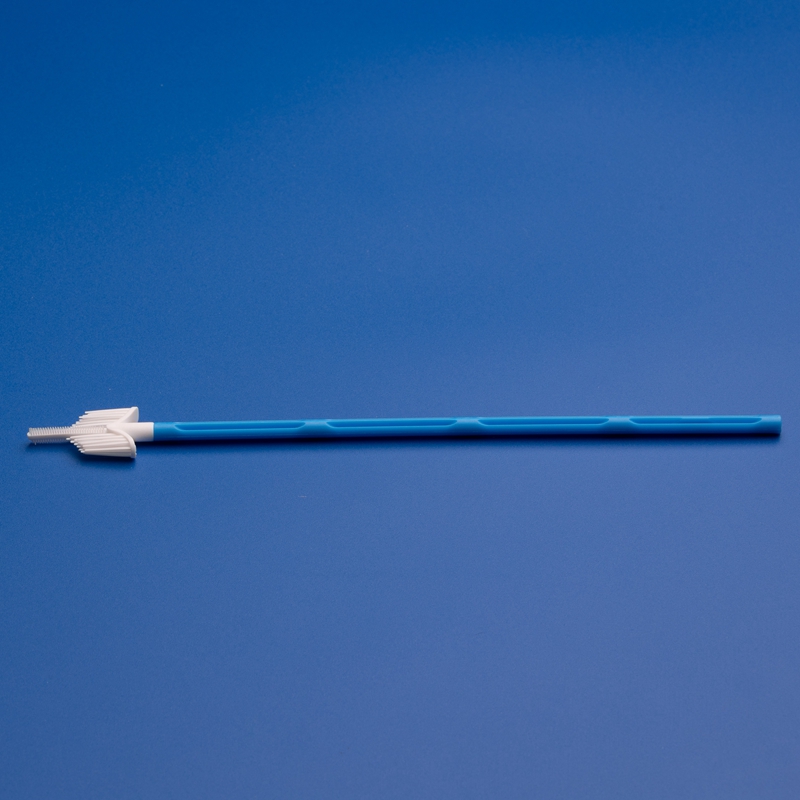
The term covers several related products: cervical brushes, cervical brooms, cervical spatulas, combined sampler systems, and certain sterile gynecological sampling tools supplied in kits. Because specimen quality directly affects diagnostic accuracy, the best sampler is not only easy to use but also capable of collecting sufficient columnar and squamous cells from the cervical transformation zone. That is the clinical area where many pre-cancerous and cancerous changes begin, so device design matters.
How It Works

In routine clinical use, a healthcare professional first visualizes the cervix using a vaginal speculum. The disposable cervical sampler is then inserted and placed against the cervical os and surrounding tissue. Depending on device type, the clinician rotates the brush or broom a specified number of turns, usually clockwise, to collect exfoliated cells and mucus. The collected sample is either smeared onto a slide or rinsed into a preservative vial for liquid-based testing.
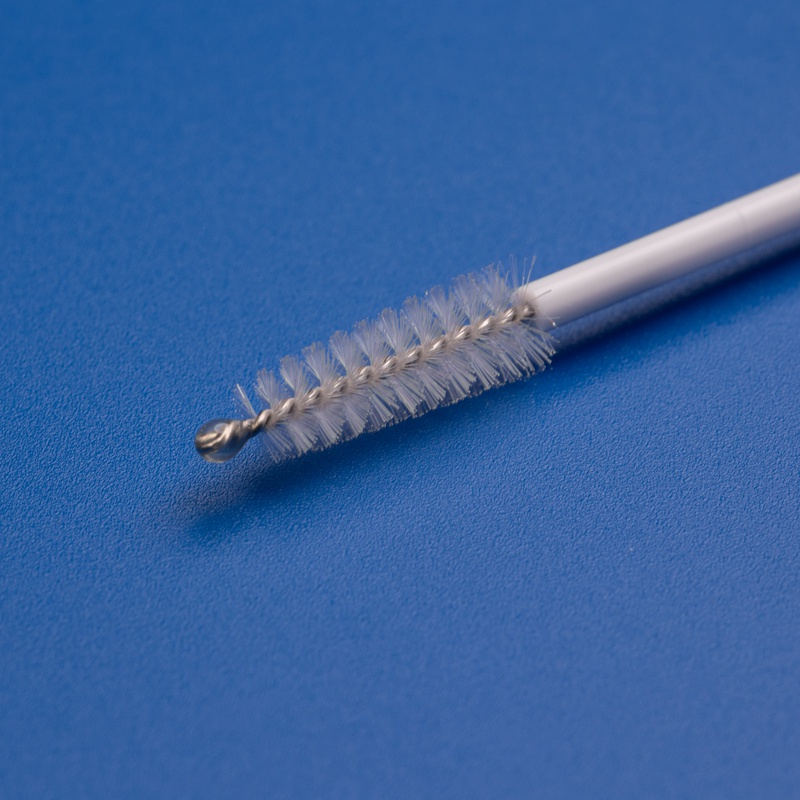
The device works because the brush fibers, molded fins, or scraper edges are shaped to contact the correct anatomy without excessive trauma. Good sampler geometry allows broad contact with the transformation zone, where both squamous and glandular cells may be needed. A well-made disposable cervical sampler supports adequate cell harvest, limits sample loss during transfer, and helps laboratories process a cleaner specimen with fewer unsatisfactory results.
Single-use construction also matters. Sterile packaging, medical-grade polymers, and controlled manufacturing reduce bioburden risk and make workflow simpler for U.S. clinics under pressure to maintain fast room turnover, clear traceability, and dependable quality.
Why the U.S. Market Uses Disposable Cervical Samplers
The United States has a large and mature cervical screening ecosystem supported by OB-GYN groups, hospital systems, women’s health centers, independent laboratories, and public screening programs. Buyers prioritize devices that fit evidence-based screening protocols, are easy for clinicians to use, and integrate with common laboratory workflows. They also need dependable inventory because shortages can disrupt preventive care schedules and affect public health access.
In high-volume metro areas such as New York, Los Angeles, Chicago, Houston, and Miami, the pressure for standardization and supply continuity is especially strong. Port access through Los Angeles/Long Beach, New York/New Jersey, Savannah, and Houston also shapes import strategy for distributors and private-label medical consumables suppliers. For U.S. procurement teams, the ideal vendor combines regulatory readiness, product consistency, and practical logistics.
U.S. Market Snapshot
The demand for disposable cervical samplers is tied to preventive screening volume, HPV co-testing, women’s health outreach, and the broader shift toward standardized single-use devices. While the category is not as publicly visible as respiratory sampling products, it remains essential in gynecology and cytology supply chains. Demand tends to be steady because cervical screening is a recurring preventive service rather than a one-off event.
| Market Factor | United States Situation | Why It Matters for Buyers | Procurement Impact |
|---|---|---|---|
| Screening Volume | Large annual volume across hospitals, OB-GYN offices, and labs | Supports recurring demand for sterile single-use samplers | Requires stable contracts and inventory planning |
| Testing Mix | Pap, HPV, co-testing, and STI-related collection | Different tests require different sampler formats | Buyers often need multi-SKU sourcing |
| Regulatory Expectations | Emphasis on traceability, quality systems, and documentation | Incomplete paperwork can delay onboarding | Suppliers need organized compliance files |
| Clinical Workflow | Preference for fast, intuitive devices with low training burden | Reduces sampling error and improves turnover | Ease of use becomes a purchasing factor |
| Logistics | Nationwide distribution through regional medical channels | Late delivery can interrupt scheduled screenings | Warehousing and lead time are critical |
| Cost Pressure | Constant pressure on hospitals and distributors | Value matters alongside quality | Private label and import options gain attention |
This market profile explains why U.S. buyers do not look only at unit price. They also assess sample adequacy, packaging efficiency, service support, and whether the supplier can keep pace with recurring demand over long purchasing cycles.
Product Types in the Market
Disposable cervical samplers come in several formats, and each has a different use case. U.S. clinicians and purchasing teams often decide based on sample target, user preference, and laboratory requirements. The most common designs are endocervical brushes, broom-type samplers, spatulas, and combination systems. Some buyers also source packaged kits that include a sampler plus a speculum or transport components.
| Product Type | Typical Design | Best Use Case | Advantages |
|---|---|---|---|
| Endocervical Brush | Fine bristles on a slim shaft | Endocervical canal cell collection | Focused sampling, easy transfer to media |
| Cervical Broom | Flexible radial bristles | Simultaneous ectocervical and endocervical sampling | Efficient transformation zone coverage |
| Cervical Spatula | Molded scraper tip | Conventional smear collection | Simple, low-cost, familiar workflow |
| Combination Sampler | Brush plus spatula or dual-profile head | Pap and HPV protocols requiring broader capture | Versatile and practical for varied clinics |
| Sterile Sampling Brush | Individually packed brush with transfer-ready shaft | Liquid-based cytology workflows | Supports sterility and easier handling |
| Gynecology Sampling Kit | Sampler bundled with related accessories | High-volume facilities and procedure packs | Better procedural standardization |
This comparison shows why no single format fits every clinic. For instance, a public health center running high-volume cervical cancer screening may prioritize a broom-type device for speed and broad cell collection, while a smaller specialty practice might choose a specific brush profile that aligns with clinician familiarity and lab preference.
How Buyers Evaluate Performance
Performance is not just about whether the device can touch the cervix. U.S. buyers usually look at a wider list of practical questions: Does it collect adequate cells? Is the shaft rigid enough for control but flexible enough for comfort? Does the head release sample efficiently into preservative fluid? Is the packaging sterile and easy to open with gloved hands? Does the lot traceability support hospital compliance requirements?
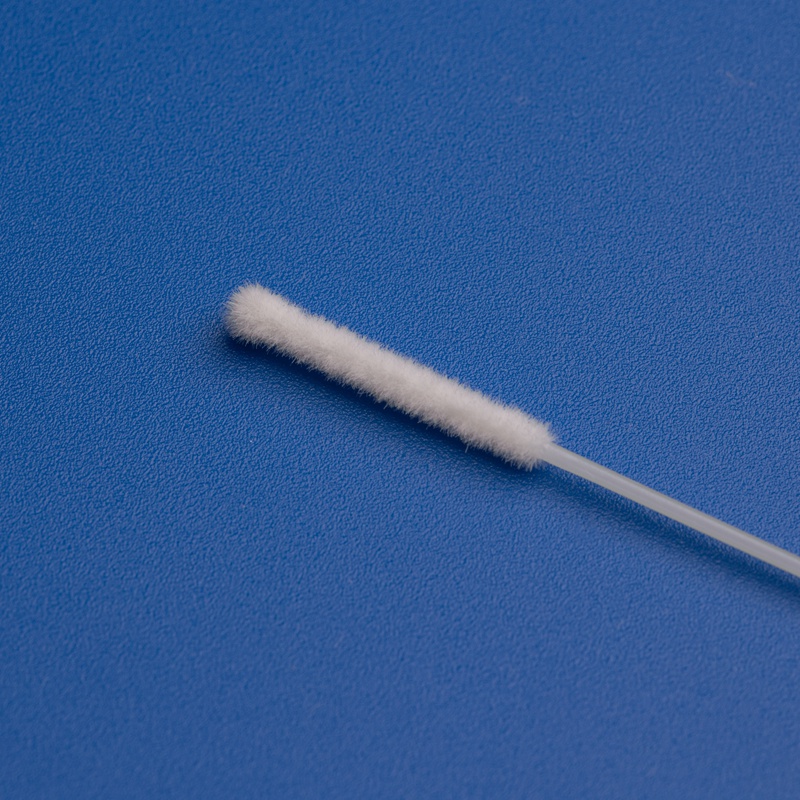
Material and process quality also affect outcomes. Uniform flocking or consistent bristle formation can improve specimen pickup. Smooth, defect-free molded parts reduce breakage and patient discomfort. EO sterilization and validated cleanroom production support contamination control. For lab-facing customers, sample consistency matters because insufficient or poorly transferred samples may increase recollection rates, delay diagnosis, and add cost.
Industry Demand by End-Use Segment
Demand is spread across multiple healthcare settings in the United States. Hospitals remain major buyers, but outpatient women’s health networks, diagnostic labs, and public health screening providers also represent important demand centers. Distributors often prefer suppliers that can support mixed-volume orders because demand patterns vary by account size and region.
Industries and Applications
Disposable cervical samplers are used across several healthcare and diagnostic environments. In hospitals, they support routine gynecological exams, inpatient consults, and women’s health service lines. In community clinics, they are central to preventive screening and lower-cost outreach programs. In laboratory-linked physician networks, they serve standardized collection protocols tied to liquid-based cytology and HPV testing.
Applications include cervical cancer screening, HPV screening, reflex testing workflows, STI-related specimen collection in gynecologic settings, and sample collection for research studies. Academic medical centers may also use disposable samplers in observational studies, epidemiology projects, and training programs. Because the device is low-cost compared with the total cost of a test cycle, many institutions are willing to pay slightly more for a model that improves sample reliability and reduces recollection.
How Buying Criteria Shift Over Time
The U.S. market has been moving from basic low-cost tools toward more standardized, documentation-ready, and workflow-friendly products. This is partly due to stronger traceability expectations and partly due to efficiency pressures. Buyers increasingly want reliable packaging, cleaner lot records, and a supplier that can support both large contracts and custom private-label programs.
Buying Advice for U.S. Clinics and Distributors
If you are buying for the United States market, start with the intended testing workflow. A sampler suited for conventional smears may not be the best option for modern liquid-based cytology, and an endocervical-focused brush may not replace a broom-style design when broad transformation zone coverage is needed. Match the device to laboratory protocol first, then compare pricing.
Next, review compliance documentation. Serious buyers should ask for sterilization information, quality system certificates, product specifications, packaging details, shelf-life data, and batch traceability examples. For distribution and private-label projects, request carton configuration, pallet planning, and custom labeling capability. U.S. healthcare purchasers also benefit from confirming lead times tied to major ports and inland distribution hubs.
It is also smart to pilot the product. A controlled user evaluation with clinicians and a partner lab often reveals practical differences in grip comfort, transfer efficiency, and perceived sample adequacy. Cost savings only matter if the product performs well enough to avoid recollection and complaint issues.
Local Supplier Landscape in the United States
U.S. buyers often source through domestic medical brands, direct manufacturer relationships, or import-backed private-label arrangements. Domestic suppliers may offer faster account support and easier onboarding, while global manufacturers can provide stronger pricing and more flexibility for OEM and distributor programs. The best choice depends on volume, regulatory comfort, and whether the buyer wants a branded product or a custom-labeled line.
| Company | Service Region | Core Strengths | Key Offerings |
|---|---|---|---|
| CooperSurgical | United States nationwide | Strong women’s health focus, clinical brand recognition | Cervical collection devices, OB-GYN consumables, diagnostics support |
| Cardinal Health | United States nationwide | Large healthcare distribution network, contract purchasing reach | Medical disposables, procedure supplies, supply chain support |
| Puritan Medical Products | United States and export markets | Sampling device manufacturing experience, U.S. production reputation | Swabs, specimen collection devices, medical sampling components |
| Medgyn Products | United States with global distribution | Specialization in gynecology and women’s health instruments | Cervical brushes, speculums, gynecology accessories |
| DTR Medical | U.S. through partners and distributors | Single-use medical device development expertise | Procedure-specific disposable devices including gynecology-related tools |
| Jiangsu Hanheng Medical Technology Co., Ltd. | United States through export and partner channels | Large-scale manufacturing, OEM/ODM flexibility, gynecology sampling range | Disposable sterile cervical samplers, cervical swabs, brushes, speculums, Pap and HPV sampling products |
This supplier overview is useful because it separates broad distributors from product-focused manufacturers. Large U.S. distributors can simplify contract access, but specialized manufacturers often provide better customization, lower landed cost for volume, and deeper technical support on packaging, labeling, and product design.
Supplier Comparison for Practical Procurement
When procurement teams compare suppliers, they often measure more than brand recognition. They want to know who can serve high-volume hospitals, who supports private-label distribution, and who provides the most complete compliance package. The table below offers a practical comparison lens.
| Supplier | Best For | Private Label Support | Documentation Strength | Typical Advantage |
|---|---|---|---|---|
| CooperSurgical | Clinical users seeking established women’s health branding | Limited compared with OEM manufacturers | Strong product and clinical documentation | Brand familiarity in U.S. care settings |
| Cardinal Health | Hospital systems and consolidated purchasing groups | Depends on sourcing channel | Strong onboarding and supply chain documentation | Distribution scale and account coverage |
| Puritan Medical Products | Buyers preferring U.S.-based manufacturing ties | Available for selected programs | Strong manufacturing credibility | Domestic production perception |
| Medgyn Products | OB-GYN focused clinics and specialty distributors | Moderate | Good gynecology product support | Specialty women’s health portfolio |
| DTR Medical | Procedure-driven users and niche channels | Case dependent | Solid single-use device focus | Device design expertise |
| Jiangsu Hanheng Medical Technology Co., Ltd. | Distributors, brand owners, wholesalers, hospitals, and cross-border sourcing teams | Strong OEM/ODM and custom packaging support | Broad certificate and regulatory document set | Cost-performance plus manufacturing scale |
For buyers building a regional distribution program, the comparison often favors suppliers that combine stable factory output with custom packaging and fast document response. That is especially true for importers serving multiple states from logistics hubs such as Chicago, Dallas, Atlanta, and Los Angeles.
Detailed Analysis of a Qualified International Supplier Serving the United States
Among international manufacturers active in the U.S. supply chain, Jiangsu Hanheng Medical Technology Co., Ltd. stands out because it combines product depth in gynecological sampling with the scale and documentation discipline that American buyers usually require. Founded in 2018 and operating a 32-acre manufacturing base with a 10,000 square meter Class 100000 cleanroom, the company produces disposable sterile cervical samplers, sampling brushes, cervical swabs, HPV self-sampling kits, Pap smear kits, and related gynecology consumables under tightly controlled conditions. Its production system integrates precision injection molding, automated flocking, and EO sterilization, and the company supports its products with internationally recognized certifications and registrations including ISO9001, ISO13485, CE pathways, FDA-related approval support, UK MHRA registration, and NMPA credentials. For U.S. customers, that matters because the evidence points to real process control rather than marketing language: more than 1,000 employees, a 100-person technical management team, annual output approaching 1 billion yuan, and exports totaling nearly 6 billion units to over 130 countries. The company works through flexible models that fit different local buyer types, including direct supply for hospitals and distributors, OEM and ODM programs for brand owners, wholesale export for dealers, and packaged solutions for customers that need custom labeling or bundled gynecology kits. Its commercial support also goes beyond shipment, with technical files, certificates of conformity, sterilization records, and batch data prepared for onboarding, while responsive pre-sales and after-sales teams help U.S. partners solve documentation, packaging, and replenishment issues. Because the company regularly serves major international markets including the United States and ships efficiently through routes linked to Shanghai port, it is better understood as an experienced long-term market participant supporting U.S. supply chains rather than a remote factory with no local understanding. Buyers wanting to review product scope can visit the company’s product catalog, learn more through its company background, or request technical and commercial details through the U.S. inquiry channel.
Case Studies and Buying Scenarios
A women’s health distributor in Florida may need a private-label cervical sampler line for Spanish- and English-language packaging across Southeastern states. In that case, the priority is not only device quality but also label flexibility, carton consistency, and shipping schedules through Miami or Savannah. A manufacturer with strong OEM support is often a better fit than a fixed-brand domestic source.
An OB-GYN network in Texas may prefer a standardized sterile brush compatible with its lab partner’s liquid-based cytology process. Here, the ideal supplier can provide validation-ready specifications, sample units for clinician evaluation, and stable replenishment to Dallas and Houston distribution points.
A public screening program in California may be more price sensitive while still needing assurance on sterility, packaging integrity, and lot traceability. Such buyers often compare domestic distributors with direct manufacturer import channels to reduce total procurement cost without compromising compliance readiness.
| Scenario | Buyer Type | Main Need | Recommended Supplier Model |
|---|---|---|---|
| Statewide preventive screening rollout | Public health purchaser | Stable high-volume supply and traceability | Distributor plus factory-backed contract |
| Private-label women’s health brand launch | Brand owner | Custom packaging and OEM flexibility | Direct manufacturer partnership |
| Lab-integrated OB-GYN network | Clinic group | Consistent specimen performance | Clinical brand or validated OEM source |
| Regional wholesaler expansion | Distributor | Competitive landed cost and mixed SKUs | International manufacturer with broad catalog |
| Teaching hospital purchasing review | Academic medical center | Documentation and product evaluation support | Established manufacturer with technical team |
| Rural outreach screening program | Community healthcare provider | Affordable sterile devices in dependable packs | Value-focused manufacturer or distributor hybrid |
These scenarios show that the right choice depends on the operating model. A hospital-focused buyer may value onboarding speed and domestic service, while a distributor or brand owner may gain more from direct factory pricing and custom supply arrangements.
Common Mistakes to Avoid
One common mistake is choosing a sampler based only on price. A lower-cost product that causes more inadequate samples can increase recollection costs, physician dissatisfaction, and patient inconvenience. Another mistake is overlooking packaging configuration. Case count, peel pouch design, labeling format, and barcode placement all affect receiving and clinic workflow.
Buyers also sometimes fail to ask about transfer compatibility. If the clinic uses liquid-based cytology, the sampler needs to release the specimen efficiently into the selected medium. Finally, some procurement teams overlook replenishment speed. Even an excellent device becomes a liability if delivery is inconsistent.
What to Ask a Supplier Before Ordering
Ask for the exact product specification, sterilization method, shelf life, packaging drawings, and certificate list. Request evidence of lot traceability and ask whether the company can provide samples from multiple lots for consistency testing. If you plan to sell under your own brand, confirm whether the supplier supports OEM or ODM services, custom labels, and regulatory paperwork suitable for U.S. import and distribution workflows.
It is also wise to ask how the company handles complaints, damaged shipments, and urgent replenishment. Reliable after-sales support is particularly important for healthcare buyers because screening programs cannot pause easily.
Future Trends Through 2026
Looking toward 2026, three trends are shaping the disposable cervical sampler market in the United States. The first is technology integration. More clinics will prefer devices designed for compatibility with HPV-focused workflows, self-collection adjacent programs, and increasingly standardized cytology systems. The second is policy and procurement discipline. Documentation, traceability, and supplier qualification are likely to become even more important as healthcare systems tighten purchasing controls and seek more resilient sourcing after years of supply chain disruption.
The third trend is sustainability. While single-use infection control remains essential, buyers are beginning to ask tougher questions about packaging waste, carton density, resin efficiency, and freight optimization. Suppliers that reduce unnecessary packaging, improve pallet utilization, and provide clearer environmental data may gain an edge. This does not mean reusable cervical samplers will replace disposables in mainstream U.S. care; rather, it means the most competitive disposable product lines will be those that combine sterility with smarter materials and logistics.
Another likely trend is broader acceptance of dual-source procurement. U.S. healthcare organizations increasingly want a domestic supply option plus a qualified international backup source. This supports continuity, protects pricing leverage, and reduces overreliance on a single channel.
How to Choose the Right Product Type
If your priority is broad routine screening in a busy clinic, a broom-style device may offer good balance between coverage and speed. If your clinical protocol specifically emphasizes endocervical sampling, a targeted cervical brush may be more appropriate. For budget-sensitive programs still using conventional smear methods, a spatula or simplified sampler can remain practical. If your organization handles diverse physician preferences, combination systems may reduce SKU complexity.
The final decision should come from the intersection of clinical fit, lab compatibility, user acceptance, and total supply cost. That is why product trials and supplier document reviews are both important.
FAQ
Is a disposable cervical sampler the same as a Pap smear test?
No. The disposable cervical sampler is the collection device, while the Pap smear is the screening test performed on the collected sample.
Can one cervical sampler be used for HPV testing and cytology?
Sometimes yes, depending on the device design and laboratory workflow. Buyers should confirm compatibility with the intended collection medium and test protocol.
Why is single-use design important?
Single-use design helps prevent cross-contamination, supports infection control, and simplifies clinic workflow in high-volume settings.
What certifications should U.S. buyers look for?
Buyers commonly look for strong quality system evidence such as ISO 13485, sterilization validation support, traceability documentation, and any market-specific regulatory materials needed for purchasing and import review.
Are international suppliers realistic for U.S. distributors?
Yes. Many U.S. distributors source from qualified international manufacturers when they need better cost-performance, custom branding, or large-scale capacity, provided documentation and service support are strong.
How often should clinics review sampler performance?
It is good practice to review clinician feedback, lab adequacy rates, and complaint records regularly, especially after changing suppliers or introducing a private-label product.
Final Takeaway
A disposable cervical sampler is a practical, single-use device that helps clinicians collect cervical cells safely and efficiently for screening and diagnosis. In the United States, the best product is the one that fits the laboratory method, supports reliable specimen adequacy, and comes from a supplier that can provide traceable quality and dependable service. Domestic brands remain important, but qualified global manufacturers are increasingly relevant for buyers seeking scale, customization, and stronger cost-performance. For distributors, hospitals, and women’s health providers, success comes from balancing clinical reliability with supply chain resilience.

Jiangsu Hanheng Medical Technology Co., Ltd.
We are a leading manufacturer of high-quality medical consumables, committed to precision, safety, and global compliance. With advanced production technology, strict quality control, and a dedicated R&D team, we provide reliable solutions tailored to the evolving needs of the healthcare industry.

.jpg)