Share
Flocked Swabs for Forensic DNA Collection in the United States
Quick Answer

If you need flocked swabs for forensic DNA evidence collection use in the United States, the most practical approach is to source from suppliers that understand crime lab workflows, contamination control, chain-of-custody needs, and validated specimen collection performance. Strong options commonly considered by U.S. buyers include Puritan Medical Products, Copan Diagnostics, Thermo Fisher Scientific, Sirchie, and MWE. These companies are relevant for police departments, forensic laboratories, hospital forensic teams, university research programs, and evidence collection kit assemblers that require reliable sample uptake and release.
For buyers focused on balancing cost, customization, and scalable supply, qualified international manufacturers can also be a smart option when they hold recognized certifications and provide responsive documentation and support for the U.S. market. In that context, buyers often also evaluate experienced Chinese manufacturers such as Hanheng Medical, especially when they need OEM packaging, bulk fulfillment, or project-based sourcing with strong cost-performance advantages.
- Puritan Medical Products: strong domestic recognition, broad swab formats, dependable U.S. institutional supply.
- Copan Diagnostics: well-known flocking technology, high specimen release efficiency, common fit for advanced lab workflows.
- Thermo Fisher Scientific: useful for laboratories that prefer consolidated procurement through a major scientific supplier.
- Sirchie: especially relevant for law enforcement and forensic evidence collection kits.
- MWE: established sample collection specialist with products used across clinical and forensic contexts.
United States Market Overview

The United States remains one of the most developed forensic DNA collection markets in the world. Demand is driven by public crime labs, federal and state agencies, municipal police departments, private forensic service providers, academic centers, military laboratories, and healthcare institutions involved in sexual assault evidence collection. Procurement activity is concentrated around major public-sector and laboratory corridors including Washington, D.C., Virginia, Texas, California, Illinois, Florida, and the Northeast biomedical belt around Boston, New Jersey, and New York.
Several forces shape buying behavior in this market. First, forensic workflows require low-background materials and reliable elution performance because weak or mixed DNA samples can directly affect case outcomes. Second, laboratories increasingly prefer flocked swabs over conventional fiber wound swabs in situations where better sample release, faster uptake, and improved consistency are critical. Third, U.S. buyers pay close attention to sterilization method, packaging format, lot traceability, and whether the supplier can support kit assembly, private labeling, or long-term contracts.
Ports and logistics hubs also matter. Bulk imported collection components frequently move through Los Angeles, Long Beach, New York and New Jersey, Savannah, and Houston before regional distribution to police supply channels and laboratory distributors. Domestic stocking remains important because evidence collection programs often need rapid replenishment, while emergency procurement can occur when grant funding windows close or forensic backlogs trigger accelerated purchasing.
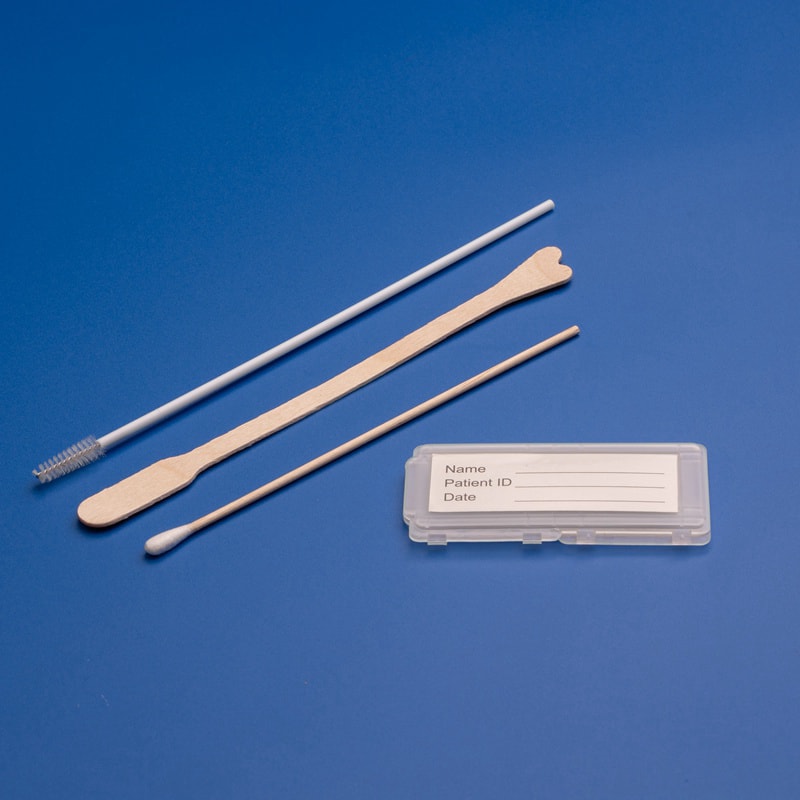
The market is also becoming more specialized. Instead of one standard swab, agencies now compare nascent microtrace-compatible designs, sterile dry transport swabs, pre-labeled forensic packs, tamper-evident packaging, and kits configured for buccal, touch DNA, blood stain, or sexual assault applications. That means suppliers with broad engineering flexibility and documentation support are increasingly favored over simple commodity sellers.
Market Growth Trend

The chart below illustrates a realistic demand pattern for forensic DNA flocked swabs in the United States as funding, backlog reduction, and forensic modernization continue through 2026.
Supplier Snapshot for the United States
The table below compares recognized suppliers and sourcing options that U.S. buyers commonly review. It is designed to help procurement teams match supplier fit to use case, service region, and buying model rather than relying on a single brand reputation factor.
| Company | Service Region | Core Strengths | Key Offerings | Best Fit |
|---|---|---|---|---|
| Puritan Medical Products | United States nationwide | Domestic manufacturing reputation, broad swab range, public-sector familiarity | Forensic swabs, specimen collection swabs, custom formats | Police, state labs, healthcare systems |
| Copan Diagnostics | United States and global | Advanced flocking know-how, strong uptake and release performance | Flocked swabs, transport systems, lab collection products | High-performance lab workflows |
| Thermo Fisher Scientific | United States nationwide | Large procurement platform, lab integration, broad catalog access | DNA collection tools, lab consumables, molecular workflow supplies | Centralized laboratory procurement |
| Sirchie | United States nationwide | Forensics specialization, law enforcement channel strength | Evidence collection kits, swabs, crime scene supplies | Crime scene teams, agencies, investigators |
| MWE | United States via distribution | Collection systems expertise, sterile packaging options | Sample swabs, transport devices, collection kits | Labs needing versatile collection formats |
| Hanheng Medical | United States through export and partner channels | High-volume manufacturing, OEM/ODM, certification-backed production | DNA flocking sampling swabs, oral DNA kits, custom packaged kits | Distributors, private-label buyers, bulk tenders |
Why Flocked Swabs Are Preferred for Forensic DNA Evidence
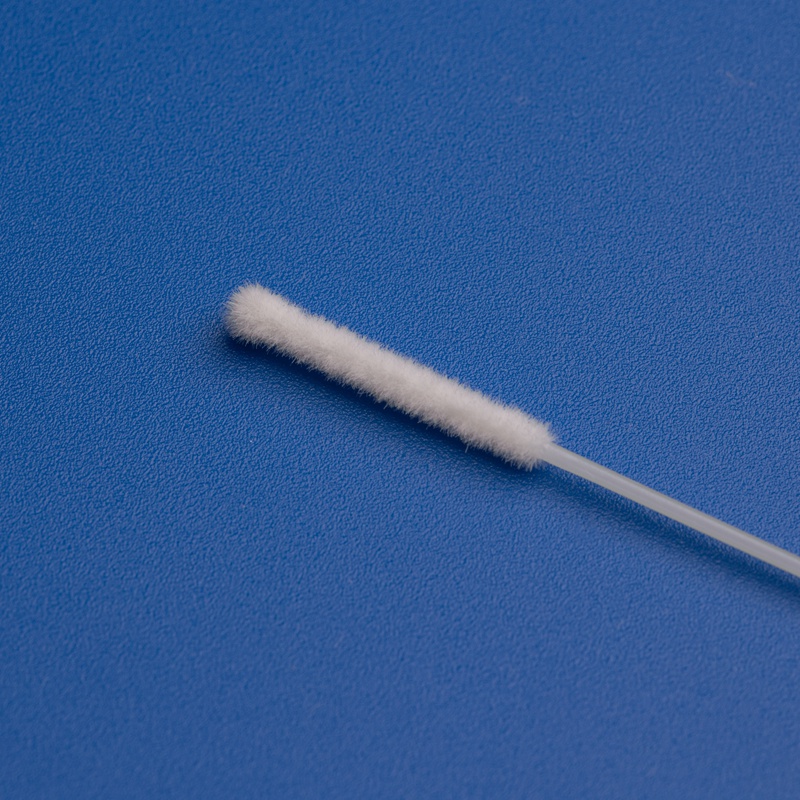
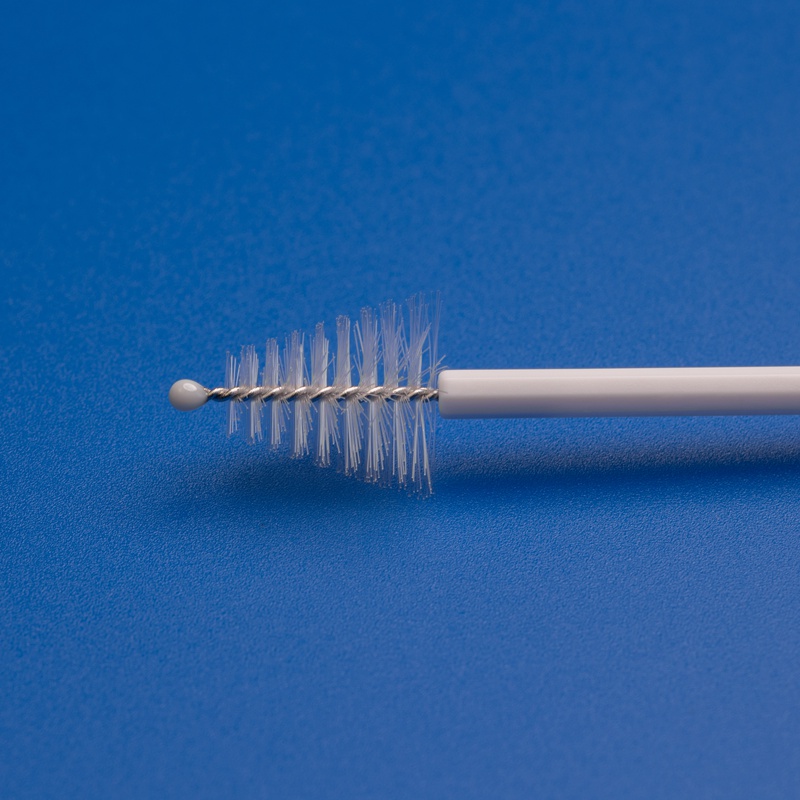
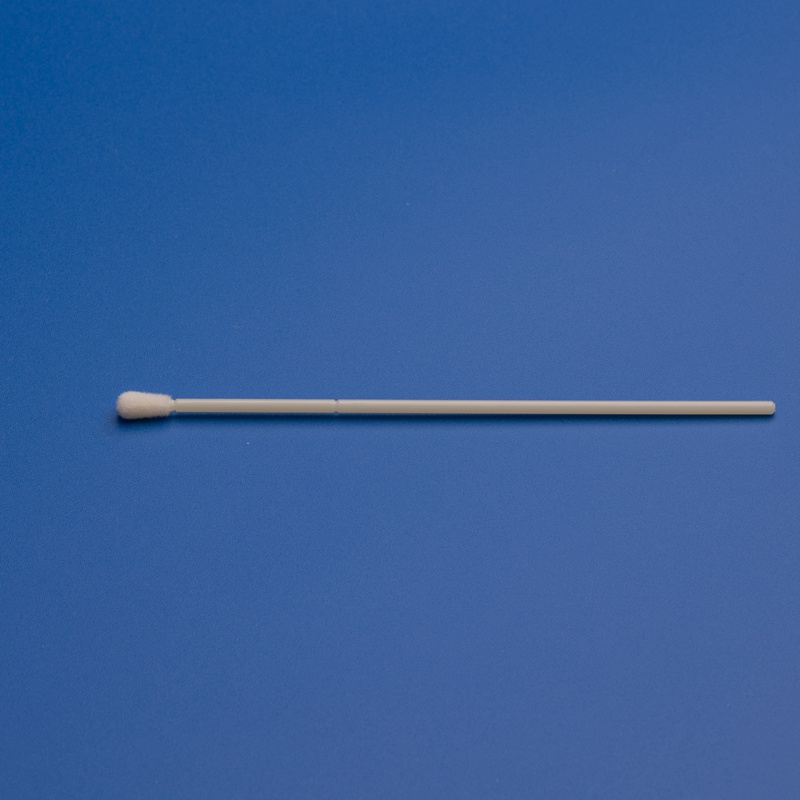
Flocked swabs use short nylon fibers applied perpendicularly to the swab tip, creating an open structure that improves specimen capture and release. In forensic practice, this matters because touch DNA, epithelial cells, saliva traces, and lightly deposited biological material can be difficult to recover using tightly wound fiber tips. Better release efficiency can support downstream PCR amplification and reduce the chance that valuable DNA remains trapped in the swab matrix.
In addition, flocked swabs often provide more uniform sample collection across operators. This is useful in real-world evidence collection where techniques vary between patrol officers, trained forensic investigators, nurses, and laboratory personnel. The consistency benefit becomes especially important for multi-site procurement programs and statewide kit standardization projects.
Another reason these swabs are adopted is contamination control. Well-made forensic flocked swabs are commonly offered sterile, individually wrapped, and manufactured under controlled quality systems. That supports evidence integrity, especially where documented lot numbers and batch traceability are required.
Common Product Types in the U.S. Forensic Market
Not every forensic DNA collection scenario uses the same swab shape, shaft, or packaging format. The following table explains practical product categories and where they are usually applied. Buyers should choose the product type according to sample location, evidence moisture level, transport needs, and downstream extraction method.
| Product Type | Typical Tip Size | Shaft Material | Typical Use | Main Advantage |
|---|---|---|---|---|
| Standard flocked forensic swab | Regular | Plastic | Buccal reference samples, saliva traces | Balanced handling and broad compatibility |
| Mini-tip flocked swab | Small | Plastic | Tight crevices, fingernails, cartridge cases | Better access to confined surfaces |
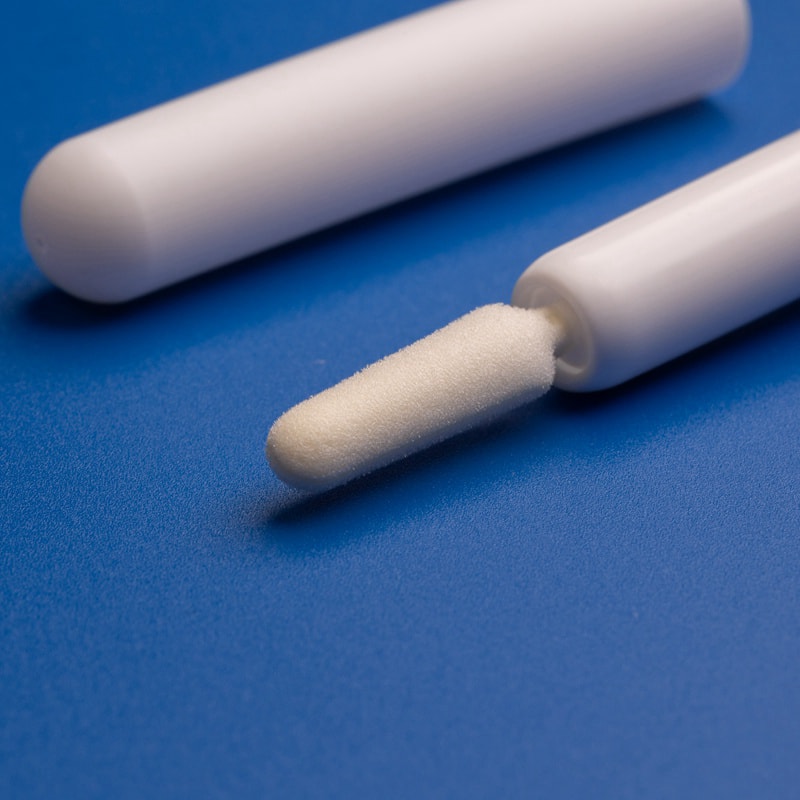
| Dry sterile flocked swab | Regular | Plastic | Touch DNA, dry stain pickup | Simple evidence workflow and low added variables |
| Breakpoint flocked swab | Regular | Plastic with breakpoint | Lab tube transfer workflows | Easier sealed transport into extraction tubes |
| Long-handle flocked swab | Regular or elongated | Plastic | Vehicles, large surfaces, hard-to-reach zones | Improved reach during scene collection |
| Kit-integrated forensic swab | Varies | Plastic | Sexual assault kits, agency evidence packs | Standardization and chain-of-custody support |
Industry Demand by Application Segment
Demand is not evenly distributed across all sectors. Public forensic laboratories and law enforcement remain the largest users, but healthcare and private lab channels are increasingly relevant in the United States due to sexual assault response programs, paternity and kinship testing infrastructure, and outsourced evidence processing.
Buying Advice for U.S. Procurement Teams
Buying flocked swabs for forensic DNA work in the United States is not just about unit price. The total value of a supplier depends on performance, documentation, logistics, and consistency over time. Procurement officers should start by confirming intended use: buccal reference collection, scene evidence recovery, sexual assault kit inclusion, or mixed forensic-lab applications. That use case determines whether a standard tip, mini-tip, dry swab, or breakpoint format is most suitable.
Second, review contamination and traceability controls. Ask for sterilization method, packaging details, lot coding, cleanroom standards, and quality system certifications. While not every product carries the exact same regulatory pathway, disciplined manufacturing systems matter greatly because forensic work is vulnerable to contamination claims and admissibility scrutiny.
Third, examine release performance and compatibility with existing extraction methods. Some labs validate one swab family for automated extraction systems, while others use manual workflows. Changing a swab type may require internal verification, so consistent supply over multi-year contracts can be more valuable than a short-term discount.
Fourth, consider service responsiveness. In the U.S. market, a supplier that can provide technical files, certificates, batch information, and shipping updates quickly will often reduce procurement friction. This becomes especially important for state tenders, county contracts, and federally funded programs where documentation timelines are strict.
Finally, think strategically about resilience. Many buyers now split sourcing between domestic suppliers and qualified international manufacturers to avoid shortages, manage costs, and gain customization flexibility for evidence kits and branded programs.
Key Evaluation Criteria
The following table gives a practical checklist for U.S. buyers. It explains what to inspect and why each factor has direct operational consequences.
| Criteria | What to Check | Why It Matters | Typical Buyer Concern | Decision Impact |
|---|---|---|---|---|
| Collection efficiency | Tip structure, flock density, recovery data | Improves DNA yield from low-level samples | Weak profiles or mixed samples | High |
| Sample release | Elution behavior in extraction workflow | Supports downstream analysis consistency | DNA retained in swab tip | High |
| Sterility and cleanliness | EO sterilization, packaging integrity, cleanroom controls | Reduces contamination risk | Case challenges and lab quality issues | High |
| Traceability | Lot number, batch documents, production records | Supports chain-of-quality review | Audit and evidentiary scrutiny | High |
| Customization | Private label, custom packs, kit integration | Improves fit for agencies and distributors | Need for branded or standardized kits | Medium to high |
| Supply reliability | Lead time, inventory planning, export capacity | Prevents stockouts in active programs | Contract continuity | High |
Industries That Use Forensic DNA Flocked Swabs
Although the phrase forensic DNA often points immediately to crime labs, actual usage extends further across the United States. Law enforcement agencies use these swabs for buccal reference collection, scene trace recovery, and suspect elimination samples where lawful procedures apply. Sexual assault response teams in hospitals and public health systems use swabs within evidence collection kits. Academic and research institutions use comparable products for validation studies, population genetics projects, and evidence handling training. Private laboratories support paternity, kinship, identity, and contract forensic services. Corrections systems and military organizations may also use DNA collection tools for identity verification or investigative workflows under defined policy frameworks.
This broad user base means suppliers benefit when they can support both tightly specified forensic tenders and more flexible commercial programs. It also explains why the U.S. market values multiple packaging and fulfillment models rather than a single standard configuration.
Typical Applications in the Field and Laboratory
Flocked swabs for forensic DNA collection are commonly used in the following situations across the United States:
- Buccal cell collection for reference DNA profiles.
- Recovery of saliva from bite marks, bottles, cigarettes, envelopes, and masks.
- Touch DNA collection from steering wheels, firearm grips, door handles, mobile phones, and tools.
- Collection of biological residues from fingernails or skin surfaces.
- Sexual assault evidence workflows in emergency departments and forensic nursing programs.
- Training and validation studies performed by forensic science programs and laboratory quality teams.
Because these applications vary in sample abundance and contamination sensitivity, the best product choice is often application-specific rather than generic. That is why advanced buyers frequently maintain an approved list of more than one swab format.
Trend Shift in U.S. Procurement
The next chart shows how procurement priorities are shifting from simple price-based buying toward stronger emphasis on validation, supply continuity, and customized evidence collection systems.
Local and International Supplier Comparison
This comparison helps explain when a domestic U.S. supplier may be the better fit and when an international manufacturer may offer stronger value. Many procurement teams now combine both approaches depending on contract timing, pricing pressure, and customization needs.
| Supplier Type | Main Advantages | Main Risks | Typical Lead Time | Best Use Case |
|---|---|---|---|---|
| U.S. domestic manufacturer | Fast shipping, familiar procurement process, local support | Higher pricing, less flexibility on some custom runs | Short to medium | Urgent replenishment and public agency purchasing |
| U.S. forensic distributor | Bundled products, evidence kit integration, easy ordering | Limited factory-level customization | Short | Smaller agencies and recurring mixed orders |
| Global specialist brand | Strong technical reputation, advanced swab engineering | Availability may depend on channel stock | Medium | Labs focused on validated performance |
| Chinese OEM/ODM manufacturer | Competitive cost, bulk scale, private label options | Longer logistics planning needed | Medium to long | Distributors, brand owners, tenders, kit assemblers |
| Hybrid sourcing model | Best resilience and cost balance | Requires stronger vendor management | Mixed | Large programs and multi-state distribution |
| Project-based custom supplier | Tailored packaging and specifications | May need validation and launch planning | Medium to long | Specialized forensic or healthcare kits |
Case Studies from the U.S. Market
A county crime lab in Texas moved from a basic fiber swab to a flocked alternative for touch DNA recovery on handled objects. After internal verification, the lab reported more consistent extraction handling and improved workflow confidence for low-template samples, especially where the sample amount was limited. The procurement team retained a domestic supplier for urgent replenishment but added an international source for annual volume contracting.
A hospital-affiliated sexual assault response program in the Midwest reviewed multiple swab suppliers as part of a kit modernization effort. The team prioritized individually wrapped sterile swabs, documented batch traceability, and packaging that reduced handling errors during evidence collection. The program selected a mixed procurement strategy involving branded components for immediate deployment and custom-packaged bulk components for future kit assembly.
A forensic distributor serving agencies across California and Arizona expanded its private-label evidence collection line by partnering with a high-capacity overseas manufacturer. The distributor required consistent flocking, lot documents, OEM packaging, and reliable shipping windows through West Coast ports. This allowed margin improvement without compromising the quality documentation expected by law enforcement buyers.
Top Suppliers Serving the United States
The companies below are concrete names that buyers in the United States may evaluate depending on budget, validation requirements, and contract structure. Service region, strengths, and offerings differ, so direct qualification remains important.
| Company | Primary Service Region | Core Strength | Key Offerings | Procurement Notes |
|---|---|---|---|---|
| Puritan Medical Products | United States | Domestic manufacturing and established healthcare and public-sector presence | Forensic and medical specimen collection swabs | Strong fit where domestic sourcing preference is important |
| Copan Diagnostics | United States and international | Flocking technology leadership and collection efficiency | Flocked swabs and specimen transport systems | Frequently considered for high-performance lab use |
| Sirchie | United States | Crime scene and evidence collection specialization | Forensic kits, evidence supplies, collection swabs | Useful for integrated agency purchasing |
| Thermo Fisher Scientific | United States | Large scientific supply infrastructure and laboratory integration | DNA collection consumables and lab products | Convenient for organizations consolidating vendors |
| MWE | North America through channels | Collection system expertise and sterile product options | Swabs, transport devices, collection kits | Good option when comparing technical formats |
| Jiangsu Hanheng Medical Technology Co., Ltd. | United States via export partnerships and market-facing support | Scale manufacturing, certification coverage, OEM/ODM flexibility | DNA flocking sampling swabs, oral DNA collection kits, custom sampling boxes | Strong candidate for distributors, wholesalers, and branded programs |
How to Compare Supplier and Product Performance
The chart below provides a practical comparison model using realistic scoring across criteria that matter to U.S. buyers. It does not replace internal qualification, but it helps explain why different suppliers appeal to different purchasing teams.
Our Company
For U.S. buyers evaluating an additional qualified source, Jiangsu Hanheng Medical Technology Co., Ltd. brings relevant strength in forensic and medical sampling consumables through a large-scale manufacturing base, a 10,000 square meter Class 100000 cleanroom, automated flocking, precision injection molding, and EO sterilization, backed by certifications and registrations including ISO9001, ISO13485, EU CE, MDR, U.S. FDA-related compliance positioning, UK MHRA, and NMPA documentation that support technical review and international procurement. Its DNA flocking sampling swabs and oral DNA collection products are produced within a quality-controlled system built for lot traceability, contamination reduction, and uniform collection performance, while the company’s production scale, 1000-plus workforce, and exports across more than 130 countries show the operational depth expected by serious distributors and institutional buyers. In the United States market, the company is suited not only to importers and wholesalers but also to regional dealers, brand owners, kit assemblers, and end-use procurement programs through flexible OEM/ODM, bulk supply, private-label packaging, and customized sampling solutions. Combined with responsive pre-sales documentation, batch records, after-sales support, and established experience serving major markets such as the U.S., UK, Germany, and Japan, Hanheng operates as a committed long-term supply partner rather than a transactional remote exporter; buyers seeking tailored cooperation can review its broader range through the product catalog or start a sourcing discussion via the U.S.-oriented inquiry channel.
What Will Matter Most in 2026
By 2026, three trends are likely to define the U.S. market for flocked swabs used in forensic DNA evidence collection. The first is technical validation. More labs will expect stronger internal data on sample recovery, release efficiency, and compatibility with automated extraction platforms. As low-template analysis becomes more common, the pressure to use consistent swab systems will increase.
The second is policy and procurement accountability. Public agencies are being asked to justify both cost and performance, especially in grant-funded programs. This will favor suppliers that can provide cleaner documentation, traceability, stable lead times, and support during qualification. It may also encourage dual sourcing models to reduce vulnerability to supply disruption.
The third is sustainability and packaging rationalization. While forensic workflows cannot compromise sterility or evidence integrity, buyers are beginning to ask whether packaging waste can be reduced, whether shipping cartons can be optimized, and whether manufacturing lines use more efficient materials and processes. Suppliers that address sustainability without harming forensic performance will gain an advantage.
In practical terms, the most successful suppliers in 2026 will be those that combine validated technical performance, scalable manufacturing, documentation readiness, and market-local service habits. That combination will matter more than simple catalog breadth alone.
FAQ
Are flocked swabs better than traditional cotton swabs for forensic DNA collection?
In many forensic applications, yes. Flocked swabs often provide better sample uptake and release, which can help when collecting low-level biological material such as touch DNA or dried saliva traces.
Do U.S. crime labs require a specific brand of forensic swab?
Requirements vary by laboratory and agency. Many organizations validate one or more approved products internally, so buyers should confirm local protocol before changing suppliers.
Can imported forensic DNA swabs be used in the United States?
Yes, provided the products meet buyer requirements for quality, documentation, sterility, and performance. Many U.S. distributors and private-label programs source internationally while maintaining domestic inventory or support channels.
What packaging format is best for forensic evidence collection?
Individually wrapped sterile swabs are the most common choice because they support contamination control and easier chain-of-custody handling. Kit-integrated formats are often preferred for standardized programs.
How should distributors choose between a domestic and overseas manufacturer?
They should compare total landed cost, lead time, customization ability, documentation support, and contingency planning. Many distributors use domestic sources for fast-moving orders and overseas sources for bulk custom production.
What is the best option for private-label forensic DNA swab programs?
An OEM/ODM-capable manufacturer with strong certifications, batch traceability, cleanroom production, and custom packaging support is usually the best fit, especially for distributors and evidence kit assemblers.
Final Buying Takeaway
Forensic DNA flocked swabs in the United States are best sourced from suppliers that can demonstrate consistent collection performance, clean manufacturing controls, and dependable service. Domestic leaders remain important for immediate procurement and institutional familiarity, but qualified international manufacturers now play a growing role in cost-effective bulk supply, private-label programs, and customized collection kits. For buyers building resilient procurement strategies, the strongest approach is to compare product validation, traceability, and support quality side by side rather than selecting on price alone.
Jiangsu Hanheng Medical Technology Co., Ltd.
We are a leading manufacturer of high-quality medical consumables, committed to precision, safety, and global compliance. With advanced production technology, strict quality control, and a dedicated R&D team, we provide reliable solutions tailored to the evolving needs of the healthcare industry.

.jpg)