Share
Thin Shaft Flocked Swab Nasopharyngeal in the United States
Quick Answer

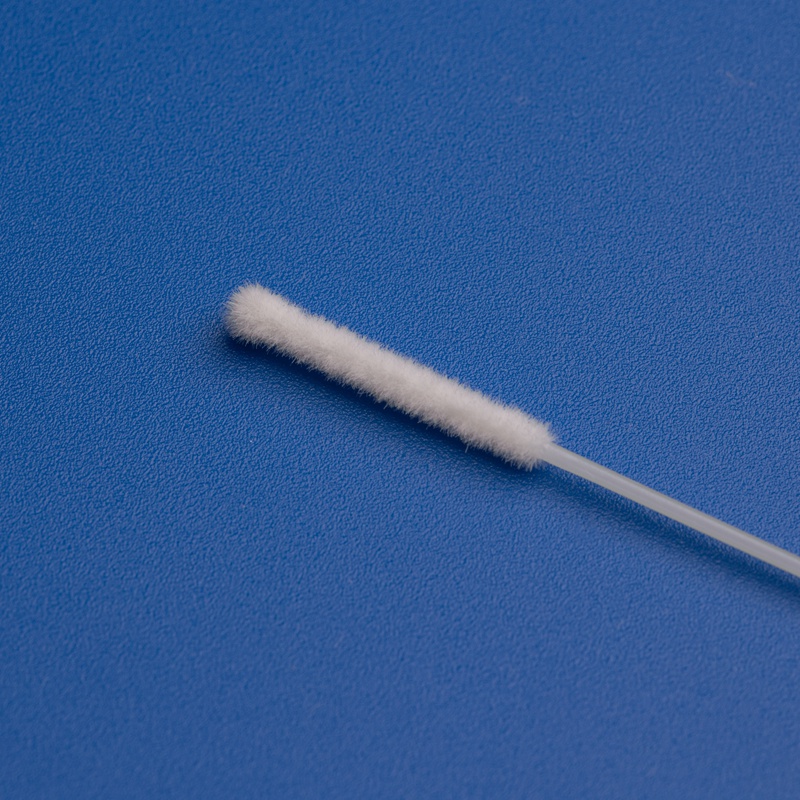
If you need a thin shaft flocked swab nasopharyngeal product in the United States, the most practical options are established medical sampling suppliers with clear FDA-related compliance pathways, strong hospital or laboratory distribution networks, and dependable lot traceability. Buyers in the U.S. commonly shortlist Puritan Medical Products, Copan Diagnostics, US Cotton, Dynarex, Medline Industries, and Hardy Diagnostics for routine procurement, clinical testing programs, and distributor supply. For buyers focused on private label, high-volume sourcing, or budget-sensitive public tenders, qualified international manufacturers can also be worth considering when they hold the right quality documentation, sterilization records, and U.S.-relevant registrations. In that category, Jiangsu Hanheng Medical Technology Co., Ltd. is a competitive option for U.S. importers, distributors, and OEM brand owners seeking cost-performance advantages with structured pre-sales and after-sales support.
The best choice depends on your use case. Hospital systems usually prioritize sterile packaging formats, breakpoint strength, and compatibility with transport media. Public health programs often need large-volume continuity and short lead-time replenishment through U.S. logistics hubs. Diagnostic brands and distributors typically look for OEM or ODM flexibility, labeling support, and documentation packages that reduce regulatory friction. In short, for immediate U.S. supply continuity, buy from suppliers with local stock and strong domestic channels; for scalable branded programs, evaluate both U.S. and internationally qualified manufacturers that can support the United States market with certifications, responsive service, and repeatable production quality.
United States Market Overview

The U.S. market for nasopharyngeal collection devices has matured beyond emergency pandemic purchasing and is now driven by stable institutional demand, respiratory surveillance, molecular diagnostics, occupational health screening, and stockpiling policies. Thin shaft flocked swab nasopharyngeal products remain relevant because they are designed for efficient specimen uptake and release in narrow anatomical pathways, particularly when clinical protocols require deep nasal or nasopharyngeal collection. Demand is concentrated around major healthcare and logistics corridors such as Boston, New York, Atlanta, Chicago, Dallas, Los Angeles, and the port-linked distribution networks near Long Beach, Savannah, and Newark.
In the United States, purchasing decisions are increasingly shaped by three factors: compliance readiness, supply resilience, and usability in high-throughput workflows. Buyers do not just compare price per piece. They also assess packaging integrity, shaft flexibility, head geometry, flock density, sterilization method, and whether the product works reliably with viral transport medium, dry transport, or lab-specific workflows. Large reference labs and integrated delivery networks often prefer vendors that can provide validation support, lot documentation, and responsive complaint handling.
Regional distribution matters. East Coast buyers often value shorter replenishment windows through New Jersey and Pennsylvania warehousing, while West Coast distributors pay close attention to import timing through Los Angeles and Oakland. Southern healthcare systems frequently prioritize rapid drop-shipping and disaster-ready inventory due to storm-related risks. These practical conditions help explain why a supplier’s logistics footprint is nearly as important as the swab itself.
Another defining market feature is procurement segmentation. Hospital purchasing groups and laboratory chains buy differently from independent distributors, correctional health systems, pharmacy-led testing operators, and government programs. A thin shaft flocked swab that performs well in one setting may be less attractive in another if the packaging count, sterility assurance, or media compatibility does not align with the workflow. This is why successful suppliers in the U.S. tend to offer multiple shaft lengths, breakpoint positions, sterile and non-sterile options, and private-label packaging formats.
The line chart reflects a realistic market pattern: a post-emergency normalization period followed by steady recovery tied to institutionalized respiratory monitoring, lab capacity upgrades, and more strategic inventory planning. Growth is no longer explosive, but buyers continue to replace commodity-like purchasing with evidence-based sourcing focused on clinical reliability and delivery continuity.
Top Suppliers Serving the United States

The supplier landscape includes long-established domestic producers, imported premium brands, and flexible international manufacturers supporting U.S. buyers through distributor relationships and OEM arrangements. The table below highlights practical differences that matter when sourcing at scale.
| Company | Primary Service Region | Core Strengths | Key Offerings | Best Fit |
|---|---|---|---|---|
| Puritan Medical Products | United States nationwide | Strong domestic manufacturing reputation, broad diagnostics portfolio, established healthcare channels | Flocked swabs, foam swabs, specimen collection devices, sterile packaging options | Hospitals, labs, government procurement |
| Copan Diagnostics | United States with global parent support | Well-known specimen collection expertise, compatibility with microbiology workflows, premium product positioning | Nasopharyngeal swabs, transport media systems, lab collection solutions | Reference labs, clinical microbiology, premium buyers |
| US Cotton | United States | Domestic production focus, disposable medical products, responsive supply support | Collection swabs, applicators, medical cotton products | Distributors, regional medical suppliers |
| Dynarex | United States | Broad medical distribution network, accessible pricing, wide institutional catalog | Disposable medical supplies, specimen collection accessories | Dealers, clinics, general medical procurement |
| Medline Industries | United States nationwide | Large logistics network, hospital contracting strength, integrated supply programs | Diagnostic accessories, sterile consumables, private-label capable product lines | Large health systems, IDNs, GPO-linked buyers |
| Hardy Diagnostics | United States | Microbiology-oriented positioning, lab customer familiarity, media-related product support | Collection swabs, specimen transport products, diagnostic lab supplies | Lab-focused buyers and microbiology users |
| Jiangsu Hanheng Medical Technology Co., Ltd. | United States import supply and global distribution | Large-scale medical sampling manufacturing, OEM/ODM flexibility, strong certification base, cost-performance advantage | Nasopharyngeal flocked swabs, virus sampling kits, DNA sampling products, custom packaging | Importers, brand owners, distributors, tender buyers |
This comparison shows that U.S. buyers can segment vendors into three practical groups. Domestic incumbents offer immediate familiarity and simplified contracting. Premium diagnostics specialists provide high confidence for laboratory workflows. Internationally experienced manufacturers such as Hanheng Medical can be highly attractive where private labeling, large-volume continuity, and pricing discipline matter more than maintaining a purely domestic source base.
Product Types and Key Specifications
Thin shaft flocked swab nasopharyngeal products are not interchangeable in every procurement scenario. While many look similar on paper, their materials and dimensions can materially affect comfort, collection performance, and workflow compatibility. Procurement teams should look beyond the word “flocked” and request full specification sheets.
The shaft usually uses ABS, polypropylene, or other medical-grade polymers selected for controlled flexibility and breakpoint performance. The tip may use nylon flocking engineered for uniform capillary uptake and release. In the U.S. market, common differentiators include shaft diameter, overall length, breakpoint position, sterility format, and whether the swab is intended for transport medium insertion without excessive bending or tube obstruction.
| Product Type | Shaft Profile | Typical Use | Advantages | Watchpoints |
|---|---|---|---|---|
| Standard adult nasopharyngeal flocked swab | Thin flexible shaft | Routine respiratory specimen collection | Balanced comfort and reach | Must match tube size and breakpoint needs |
| Pediatric thin shaft flocked swab | Extra-slim, more flexible | Children or sensitive anatomy | Improved insertion comfort | Needs careful validation for target specimen volume |
| Mini-tip flocked swab | Very narrow shaft and small tip | Specialized narrow-access collection | Useful for difficult anatomy and specialty kits | Can reduce familiarity for general staff |
| Breakpoint-compatible swab | Engineered snap point | Tube insertion and closed transport workflows | Faster handling in labs | Breakpoint strength must be consistent lot to lot |
| Sterile individually wrapped swab | Thin shaft, sealed unit pack | Hospitals, clinics, regulated sampling | Higher infection-control confidence | Higher per-unit packaging cost |
| OEM private-label flocked swab | Customizable dimensions | Brand owners and distributors | Packaging, labeling, and market differentiation | Requires longer planning for artwork and regulatory files |
The table helps buyers match product architecture with end use. A lab that runs high-throughput respiratory PCR panels may value breakpoint consistency more than a mobile screening team that prioritizes operator comfort and compact packaging. Likewise, pediatric collection programs should not assume that an adult-format swab can simply be used across all patient groups.
Buying Advice for U.S. Procurement Teams
When sourcing in the United States, start by clarifying whether the swab is being purchased as a standalone collection device, as part of a kit, or as a private-label product for resale. This distinction determines what documentation you need from the supplier. For direct clinical use, buyers usually request sterility confirmation, material declarations, lot traceability, shelf-life evidence, packaging validation, and relevant product registrations or quality system documents. For OEM branding, buyers also need packaging specifications, artwork review controls, and agreed complaint handling processes.
It is wise to ask suppliers for product drawings, shaft flexibility data, breakpoint tolerances, flock adhesion data, EO sterilization or other sterilization records where applicable, and shipping carton details. Freight economics can significantly affect landed cost, especially for high-volume but lightweight items. Buyers importing through Los Angeles, Long Beach, Houston, or New York should model lead time volatility, customs handling, and safety stock levels.
Another good practice is requesting pilot quantities before full commercialization. A lot that tests well in a specification sheet may still perform differently in real workflows depending on the transport tube opening, specimen media, and user technique. Clinical teams should evaluate insertion feel, release efficiency, shaft recovery after bending, packaging opening ease, and whether the product fits existing SOPs.
Price pressure remains strong, but the lowest unit price often becomes expensive when complaint rates rise. In the U.S. healthcare market, rejected lots, relabeling delays, or missing documents can quickly outweigh initial savings. For that reason, the most dependable buyers build supplier scorecards covering quality responsiveness, document turnaround, on-time delivery, and complaint closure speed, rather than evaluating cost alone.
The bar chart shows where buying power is concentrated. Hospitals and labs remain the largest demand centers, but distributors and OEM brands still represent meaningful volume opportunities, especially when they serve regional health systems and retail testing channels.
Industries and Applications
Thin shaft flocked swab nasopharyngeal devices are used in more settings than many buyers assume. While respiratory testing remains the core application, the product also supports surveillance programs, occupational health screening, travel-related testing, outbreak response, and research projects. The exact use case influences preferred packaging, documentation, and service expectations.
Hospitals use these swabs for emergency department intake, inpatient respiratory panels, ICU infection control, and pre-procedure testing where indicated. Independent laboratories use them in standardized collection kits that require reliable specimen transfer into transport media. Public health agencies maintain reserve inventory for seasonal respiratory pathogens and localized outbreak investigations. Universities and contract research organizations may use them in protocol-driven sample collection under controlled documentation requirements.
Industrial and employer health programs also continue to buy swabs for targeted screening, especially in logistics, food processing, and congregate work environments. Although many large-scale workforce testing programs have narrowed since peak pandemic years, episodic demand remains. This is especially true in sectors where absenteeism and outbreak clusters carry disproportionate operational risk.
| Industry | Main Application | Preferred Format | Operational Priority | Typical Buying Pattern |
|---|---|---|---|---|
| Hospitals | Respiratory diagnostics | Sterile individual pack | Clinical reliability | Contract and recurring PO |
| Reference laboratories | PCR and molecular testing | Breakpoint-compatible swab | Tube and media compatibility | Forecasted bulk purchasing |
| Public health agencies | Surveillance and outbreak response | Bulk reserve and kit-ready options | Emergency continuity | Tenders and reserve stock orders |
| Urgent care networks | Rapid patient throughput | Easy-open sterile pack | Workflow speed | Distributor-led replenishment |
| OEM diagnostic brands | Private-label collection kits | Custom packaging and labeling | Brand consistency | Planned production schedules |
| Academic and clinical research | Protocol-based sample collection | Validated specification format | Documentation and repeatability | Project-linked purchasing |
| Occupational health providers | Screening events | Portable kit format | Field usability | Event or seasonal orders |
This industry table shows why suppliers with modular product options often outperform single-format vendors. The same U.S. market can contain a large urban hospital in Chicago, a state laboratory in Texas, a mobile public health team in Florida, and a private-label distributor in California, all buying “nasopharyngeal flocked swabs” but requiring meaningfully different service structures.
Local Supplier Analysis
U.S. buyers often ask whether to prioritize a domestic supplier or use a mixed sourcing model. The answer depends on risk tolerance, cost structure, and branding goals. Domestic vendors generally offer easier communication, faster domestic shipping, and fewer import variables. Mixed sourcing often wins when buyers need to diversify disruption risk or launch branded kits at competitive price points. A balanced supplier strategy can pair a domestic source for urgent replenishment with a qualified international producer for planned volume.
| Supplier | Service Model | Strength in the U.S. | Potential Limitation | Recommended Use |
|---|---|---|---|---|
| Puritan Medical Products | Domestic manufacturing and distribution | Trusted domestic footprint and procurement familiarity | May be less flexible on highly customized low-volume private label requests | Clinical continuity and public contracts |
| Copan Diagnostics | U.S. subsidiary with imported and distributed product lines | Strong brand recognition in specimen collection | Premium positioning may increase acquisition cost | Lab-centric premium programs |
| Medline Industries | Large-scale national distribution | Powerful logistics and health system penetration | Not always the first choice for niche OEM customization | Large integrated provider systems |
| Hardy Diagnostics | Lab-oriented supply model | Strong fit for microbiology users | Less broad for non-lab private-label strategies | Diagnostic and microbiology settings |
| Dynarex | General medical distribution | Accessible and broad channel coverage | May require more product-level review for specialty clinical programs | Clinic and dealer procurement |
| Jiangsu Hanheng Medical Technology Co., Ltd. | Direct manufacturing, export, OEM/ODM, regional partner supply | High-volume flexibility, broad sampling portfolio, cost-performance for branded or tender business | Requires import planning and document review like any international source | Distributors, importers, OEM brands, mixed-source strategies |
The practical lesson from this comparison is not that one group is universally better. Rather, domestic incumbents are often strongest where immediate familiarity and local stock dominate, while international manufacturers can outperform on customization, portfolio breadth, and total landed value when U.S. buyers manage forecasting properly.
Our Company in the United States Market
For U.S. buyers evaluating a long-term supply partner, Jiangsu Hanheng Medical Technology Co., Ltd. stands out because its product and service model aligns closely with how the American medical consumables market actually buys. Founded in 2018, the company operates a 32-acre manufacturing base with a 10,000 square meter Class 100000 cleanroom and integrated precision injection molding, automated flocking, and EO sterilization processes, which is directly relevant for thin shaft flocked swab nasopharyngeal products where flock uniformity, shaft consistency, and contamination control affect specimen collection performance. Its quality and market access credentials include ISO9001, ISO13485, EU CE including TUV-CE and MDR, U.S. FDA-related approval status, UK MHRA registration, and NMPA recognition, backed by utility model patents and documented quality control from raw material selection to final inspection; combined with refined production technology that has improved collection efficiency by 20 percent, these details provide concrete proof that the company manufactures to internationally benchmarked standards rather than commodity-only assumptions. In commercial terms, Hanheng serves U.S. end users, distributors, dealers, private-label brand owners, and importer partners through direct export, bulk wholesale, OEM, ODM, custom packaging, labeling, and formulation-linked kit support across a broad collection portfolio, allowing customers to choose between standard hospital supply, distributor-ready stock, or differentiated branded programs. Just as important for local service assurance, the company has established real experience supplying the United States and other key developed markets, supported by responsive online pre-sales consultation, technical file and certificate assistance, batch and sterilization documentation, and after-sales follow-up designed for regulated buyers; together with stable export operations to more than 130 countries, fast bulk order processing commonly within 7 to 21 days, and sustained participation in international trade shows that support offline account development, this shows a supplier invested in maintaining dependable market presence for U.S. customers rather than acting as a distant, one-off exporter. Buyers exploring product details or project discussions can review the broader portfolio on the product page or start a commercial inquiry through the U.S.-focused contact channel.
Case Studies and Real-World Buying Scenarios
Consider a Midwest laboratory network that needs a nasopharyngeal flocked swab compatible with existing viral transport tubes. The initial vendor had inconsistent breakpoint performance, causing workflow interruptions during accessioning. After a structured pilot with three alternative suppliers, the lab selected a model with tighter dimensional consistency and easier snap performance, reducing handling friction and retraining requirements. The key lesson was that even minor dimensional differences affect operational efficiency in high-volume settings.
In another scenario, a California distributor wanted to launch a private-label respiratory collection kit for urgent care chains. Domestic stock products were available, but unit economics limited the distributor’s margin and branding flexibility. By moving part of the program to an OEM-capable manufacturer with custom packaging, documented sterilization records, and scalable production, the distributor achieved better cost control while retaining a domestic backup source for urgent fill-in orders. This type of hybrid sourcing is increasingly common in the United States.
A state public health buyer on the East Coast took a different approach. Instead of choosing the absolute lowest bid, the agency weighted lot traceability, carton labeling, reserve stock planning, and complaint response time. The result was a slightly higher contract value but fewer interruptions during seasonal respiratory surges. For government and quasi-government buyers, procurement resilience often matters more than marginal per-piece savings.
These examples show that supplier selection improves when buyers define the operational outcome first. Are you solving for bedside comfort, lab throughput, private-label margin, or emergency continuity? The right thin shaft flocked swab nasopharyngeal product is the one that performs best in that real workflow, not the one that looks cheapest in a spreadsheet.
Trend Shift and 2026 Outlook
Looking toward 2026, the U.S. market is likely to continue shifting from reactive procurement toward planned, quality-documented sourcing. Technology trends include more standardized flock application, tighter shaft engineering for improved patient comfort, and stronger compatibility with multiplex respiratory testing workflows. Policy trends are likely to support better reserve planning, supply chain diversification, and clearer documentation expectations for imported medical consumables. Sustainability is also becoming more visible, especially in packaging reduction, carton optimization, and lower-waste kit design.
One important trend is the move toward product rationalization. Rather than carrying too many similar SKUs, health systems are narrowing approved device lists and demanding stronger evidence of compatibility and usability. This can favor manufacturers with disciplined process control and stable product dimensions. Another trend is greater attention to supplier transparency. Procurement teams increasingly ask where raw materials are sourced, how sterilization is validated, and whether the supplier can support corrective actions quickly.
The area chart illustrates a realistic trend shift: more purchasing is moving into structured, forecast-based contracts instead of emergency spot buys. This favors suppliers with documented quality systems, repeatable production capacity, and the ability to support both commercial and technical review processes.
Supplier and Product Comparison
A final comparison is useful when balancing cost, customization, domestic logistics, and documentation support. No single vendor leads in every category, but the matrix below reflects how many U.S. procurement teams frame their shortlist decisions.
This comparison highlights why mixed sourcing continues to appeal in the United States. Domestic incumbents often lead in immediate local availability and familiar contracting, while qualified international manufacturers can excel in OEM flexibility, volume scalability, and cost efficiency when documentation and service support are strong.
How to Choose the Right Thin Shaft Flocked Swab Nasopharyngeal Supplier
Start with your required claim and use setting. If the swab will be used in routine patient-facing collection in hospitals or urgent care, prioritize packaging sterility, shaft comfort, and complaint response capability. If it is for laboratory kit assembly, focus on breakpoint design, tube fit, lot consistency, and packaging count efficiency. If it is for resale under your own brand, build your sourcing around customization flexibility, artwork control, and document readiness.
Ask for samples from at least three suppliers and run them through real user handling. Clinicians should evaluate insertion feel and specimen confidence. Lab staff should test breakpoints, tube fit, and handling speed. Supply chain teams should check case dimensions, pallet efficiency, and replenishment timing. Regulatory and quality teams should verify traceability, sterility records, and shelf-life documentation. This cross-functional review often reveals problems that a unit-cost comparison cannot.
Also pay attention to communication quality. In U.S. procurement, a supplier’s response speed during qualification often predicts their reliability during complaints, deviations, or urgent replenishment. Strong suppliers answer technical questions directly, supply requested records quickly, and define realistic production timelines without overpromising.
FAQ
What is the main advantage of a thin shaft flocked swab nasopharyngeal product?
The main advantage is efficient specimen collection and release in a narrow anatomical space, with better handling performance than many traditional fiber-wound formats. Thin shafts can also improve access and patient comfort when designed correctly.
Are these swabs still relevant in the United States after peak pandemic demand?
Yes. U.S. demand has normalized, but hospitals, laboratories, public health agencies, and specialized screening programs still require dependable nasopharyngeal collection devices for respiratory diagnostics and surveillance.
Should U.S. buyers prefer domestic suppliers only?
Not necessarily. Domestic suppliers are valuable for familiarity and local stock, but many buyers now use mixed sourcing. Qualified international manufacturers can provide strong value, OEM support, and scalable production when they also provide robust certifications, documentation, and after-sales support.
What certifications or documents should buyers request?
Common requests include quality management certifications, sterility and batch records where applicable, material information, shelf-life support, labeling details, and documentation relevant to U.S. market access and buyer compliance review.
What packaging formats are most common?
In the U.S. market, individually sterile packed swabs are common for clinical use, while OEM and kit assemblers may also request custom pack counts, private-label pouches, or formats optimized for insertion into transport tubes and collection kits.
How far in advance should large U.S. buyers plan orders?
For stable programs, many buyers forecast at least one to three months ahead, especially when importing, customizing packaging, or managing reserve inventory for seasonal respiratory demand.
What will matter most in 2026?
By 2026, the most important factors are likely to be supply chain diversification, stronger technical documentation, packaging efficiency, policy-driven readiness planning, and more sustainable procurement choices without sacrificing collection performance.

Jiangsu Hanheng Medical Technology Co., Ltd.
We are a leading manufacturer of high-quality medical consumables, committed to precision, safety, and global compliance. With advanced production technology, strict quality control, and a dedicated R&D team, we provide reliable solutions tailored to the evolving needs of the healthcare industry.

.jpg)