Share
U.S. Guide to Cervical Lesion Biopsy Scraper Suppliers
Quick Answer

If you need a gynecological scraper cervical lesion biopsy product in the United States, the most practical route is to buy from medical device suppliers that already serve hospital systems, OB-GYN clinics, pathology networks, and women’s health distributors across major hubs such as New York, Los Angeles, Chicago, Houston, Atlanta, and Miami. For buyers focused on immediate availability, regulatory documentation, and routine clinic use, established brands and distributors with U.S. coverage are usually the fastest option.
Shortlist these real companies first: CooperSurgical, Medgyn Products, Cardinal Health, McKesson Medical-Surgical, Henry Schein, and Medline Industries. These companies are relevant because they support physician offices, ambulatory surgery centers, hospitals, and distributor channels in the United States, and they typically offer adjacent cervical sampling, biopsy, or gynecologic procedure products through direct sales teams or distribution networks.
For procurement teams, the best choice depends on use case: CooperSurgical is strong for women’s health portfolios; Medgyn is highly focused on OB-GYN instruments and disposables; Cardinal Health, McKesson, Henry Schein, and Medline are efficient when you need bundled purchasing, recurring supply contracts, and broad domestic logistics. Qualified international suppliers can also be worth considering, especially manufacturers with U.S.-recognized certifications, OEM or private-label capabilities, and dependable pre-sale and after-sale support. This is where cost-performance can be compelling for distributors and brand owners that want a customized cervical lesion biopsy scraper or a disposable gynecological sampling line at a more competitive landed cost.
United States Market Overview

The United States remains one of the most important markets for cervical screening and biopsy-related consumables because it combines large screening volumes, broad private and public healthcare coverage, advanced pathology infrastructure, and sustained demand from women’s health clinics. Demand is not limited to large academic hospitals. Community OB-GYN practices, federally qualified health centers, women’s specialty clinics, mobile screening programs, and regional labs all contribute to recurring purchasing activity for cervical collection and gynecologic examination tools.
Demand patterns vary by region. The Northeast, especially New York, Boston, and Philadelphia, tends to concentrate high-volume hospital systems and academic women’s health centers. The Midwest, with Chicago and Minneapolis as logistics anchors, often favors structured group purchasing and standardized product lines. The South, including Houston, Dallas, Atlanta, and Miami, is particularly important for fast-turn outpatient demand and import logistics because of strong port and airport connectivity. The West Coast, especially Los Angeles, Long Beach, Oakland, and Seattle, plays a major role in product entry, warehousing, and distribution for imported medical consumables.
U.S. buyers increasingly want products that reduce specimen handling issues, maintain consistent sample quality, and fit into established clinical workflows. As a result, gynecological scrapers used in cervical lesion biopsy guidance are often evaluated together with cervical brushes, spatulas, transport media, sterile packaging, and training materials. Procurement decisions are also shaped by FDA status, lot traceability, sterilization records, packaging clarity, and customer service response time.
Another key market factor is the procurement split between direct clinical users and channel buyers. Hospitals and integrated delivery networks often prefer contract-based vendors with clear compliance files and dependable fill rates. Independent distributors and private-label brands, by contrast, may prioritize flexible minimum order quantities, OEM packaging, and faster product development support. This creates room for both large U.S. distributors and experienced international manufacturers to participate in the market.
Market Growth Outlook

The chart below illustrates a realistic market growth pattern for U.S. cervical sampling and lesion biopsy consumables, driven by preventive care programs, continuing HPV-related screening demand, and broader access to women’s health services.
This growth is supported by three practical realities. First, healthcare systems continue to prioritize early identification of cervical abnormalities. Second, more outpatient procedures are being handled in ambulatory and office settings, which favors convenient disposable devices. Third, procurement teams are paying more attention to total cost of ownership, not just unit price, which means they value packaging efficiency, training support, and fewer rejected samples.
Top Suppliers Serving the United States
The following table compares suppliers and channels that are relevant for buyers sourcing a gynecological scraper cervical lesion biopsy product or closely related women’s health sampling devices in the United States. The value of this comparison is that it separates broad medical distributors from women’s health specialists and from manufacturing partners that can support private-label or regional distribution strategies.
| Company | Service Region | Core Strengths | Key Offerings | Best Fit |
|---|---|---|---|---|
| CooperSurgical | United States nationwide | Strong women’s health specialization, established clinical reputation, hospital and clinic access | OB-GYN devices, fertility and diagnostics products, procedure support tools | Hospital systems and specialist clinics |
| Medgyn Products | United States and international distributors | Focused OB-GYN product portfolio, procedural familiarity, private practice relevance | Gynecologic instruments, exam devices, cervical sampling and biopsy-related products | OB-GYN clinics and women’s health distributors |
| Cardinal Health | United States nationwide | Large-scale distribution, recurring supply contracts, logistics reach | Medical-surgical consumables, procedure room supplies, bundled sourcing | IDNs, hospitals, purchasing groups |
| McKesson Medical-Surgical | United States nationwide | Broad catalog, dependable domestic fulfillment, clinic supply programs | Medical consumables, office-based procedure products, private practice supply support | Physician groups and outpatient centers |
| Henry Schein | United States nationwide | Strong office-based healthcare network, customer service, repeat ordering systems | Clinical consumables, physician office products, procurement support | Private clinics and multisite practices |
| Medline Industries | United States nationwide | Large domestic distribution footprint, contract pricing, product breadth | Disposable procedure products, exam room supplies, custom sourcing support | Hospitals and regional distributors |
| Jiangsu Hanheng Medical Technology Co., Ltd. | United States via export, OEM/ODM, distributor partnerships | Manufacturing scale, regulatory documentation, custom packaging and private-label flexibility | Disposable gynecological scrapers, cervical samplers, sampling brushes, Pap smear kits, HPV self-sampling kits | Importers, brand owners, wholesalers, regional distributors |
This table is useful because many U.S. buyers are not looking for a single product in isolation. They want a supplier that can support ordering consistency, compliance review, and adjacent gynecologic product needs. Buyers who require a ready-to-use domestic sales channel usually start with the large U.S. names, while buyers trying to build a differentiated brand or reduce procurement cost often evaluate a manufacturer partner alongside local distribution.
Product Types and Selection Criteria
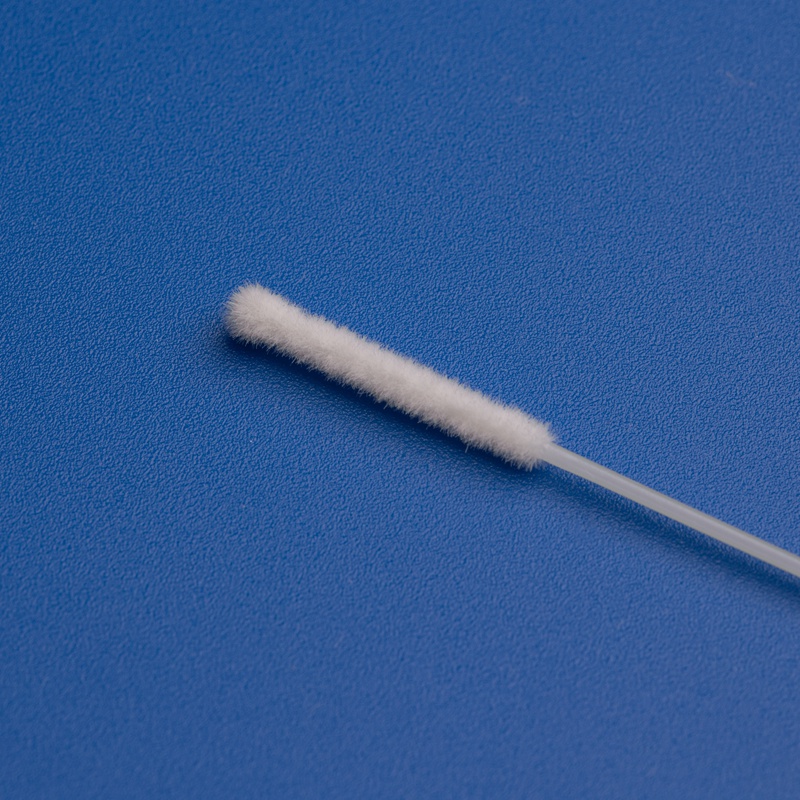
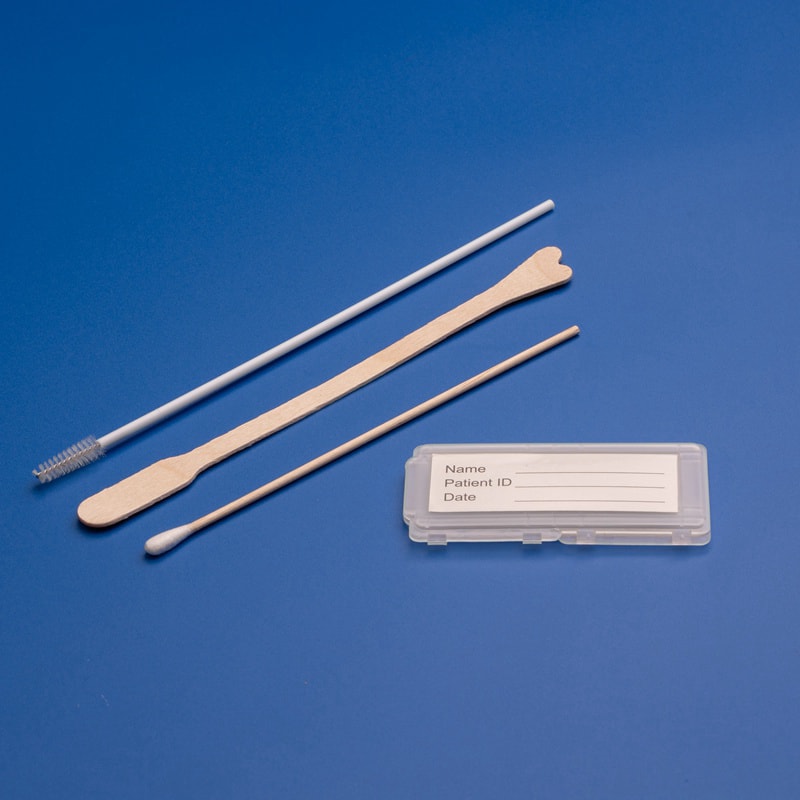
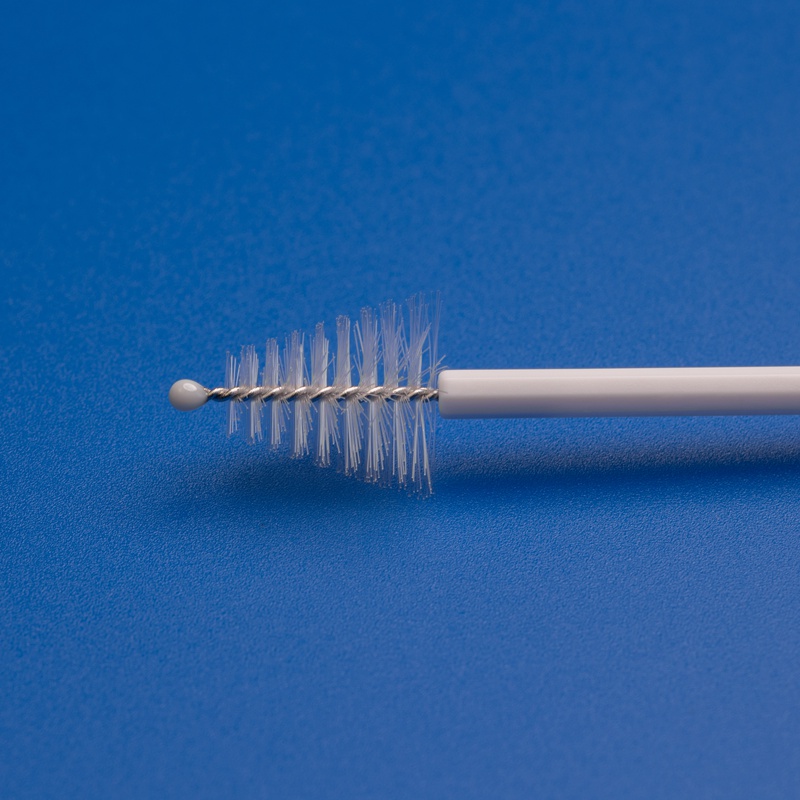
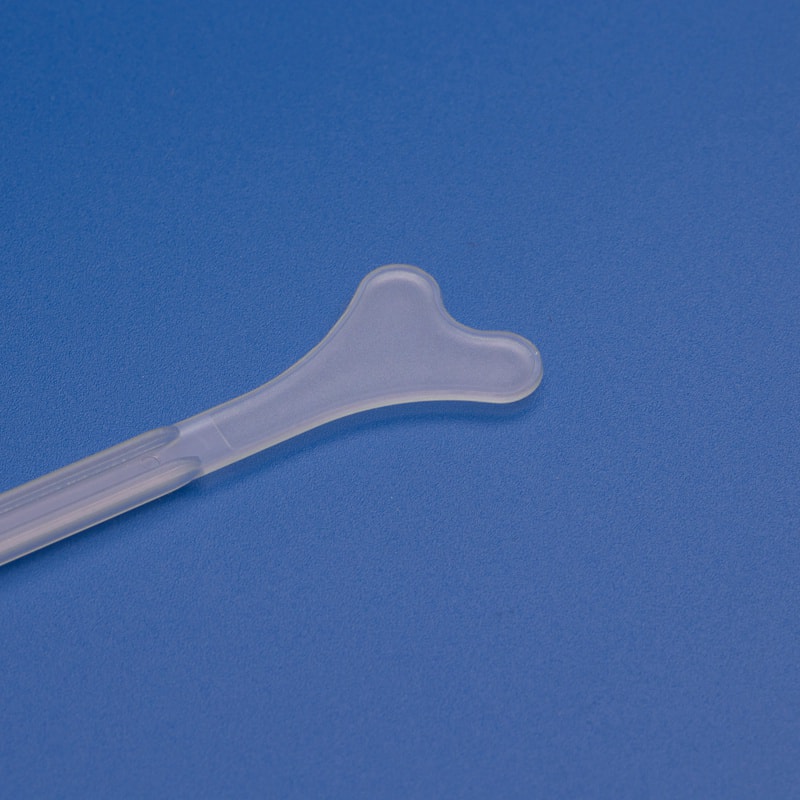
Not every cervical lesion biopsy workflow uses the same disposable format. Some clinicians prefer a scraper-like collection profile for lesion-directed sampling support, while others prefer a brush, spatula, or combined sampler depending on specimen objectives, cytology protocols, and physician preference. Understanding the practical differences helps avoid mismatched purchases.
| Product Type | Typical Use | Advantages | Potential Limitation | Common Buyer |
|---|---|---|---|---|
| Disposable gynecological scraper | Cervical surface sample collection and biopsy guidance workflows | Simple handling, single-use hygiene, low unit cost | May require clinician preference validation | OB-GYN clinics |
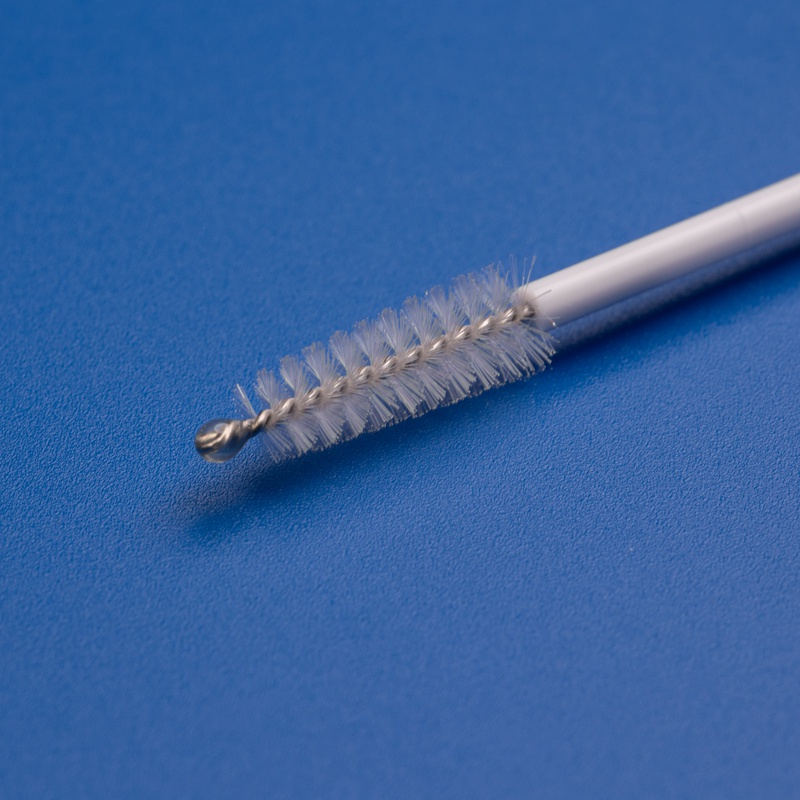
| Cervical sampling brush | Cell collection for screening and lesion assessment | Good cellular yield, familiar in many practices | Not identical to scraper feel or technique | Hospital labs and gynecology offices |
| Cervical spatula | Ectocervical sampling | Low complexity and broad familiarity | Less versatile in some collection scenarios | Screening programs |
| Combined broom-style sampler | Broad cervical sampling | Workflow convenience, integrated design | Usually higher cost than simple scraper types | Large clinics and health systems |
| Biopsy punch or forceps adjunct | Tissue biopsy after lesion identification | Precise tissue retrieval | Different category from basic scraper consumables | Specialty OB-GYN and colposcopy centers |
| Packaged procedure kit | Complete exam or sampling setup | Reduces picking time, improves standardization | Less flexible than individual SKU selection | ASCs and multisite practices |
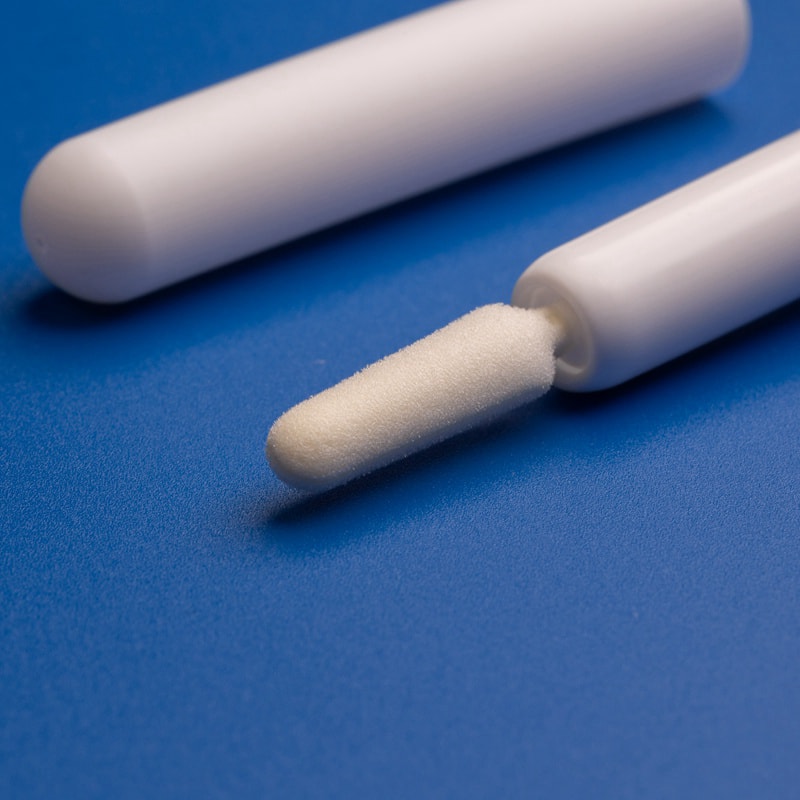
For most U.S. buyers, the right product selection depends on sterility method, tip geometry, material consistency, packaging integrity, and compatibility with clinic routine. A disposable gynecological scraper should feel predictable in the hand, maintain structural integrity during sampling, and arrive with clear labeling for lot control. If the buyer is building a private-label line, packaging artwork support and carton optimization become equally important.
Industry Demand by End-Use Segment
Demand is strongest in clinical segments that manage routine cervical screening, follow-up diagnostic work, and women’s health procedures. The chart below shows a realistic comparison of annual demand intensity across U.S. end-user categories.
The strongest direct-use segment is office-based OB-GYN practice because clinicians in that setting need convenient disposable tools with low training burden. Hospitals represent another large segment because of centralized procurement and broader women’s health services. Distributors matter more than they appear at first glance because many local and regional clinics buy through familiar channel partners rather than directly from manufacturers.
Buying Advice for U.S. Procurement Teams
When comparing suppliers for gynecological scraper cervical lesion biopsy devices, U.S. buyers should use a structured checklist. Start with regulatory and documentation review. Even when a product category is straightforward, purchasing teams usually want proof of manufacturing controls, sterilization records if applicable, shelf-life information, and clear lot traceability. For imported products, customs readiness and labeling accuracy also matter because delays can disrupt recurring contracts.
Next, validate product performance at the user level. Physicians and nurses usually care about grip comfort, tip shape, consistency from lot to lot, and whether the device integrates naturally into existing cervical lesion assessment routines. A low-cost product that causes variation in handling or specimen quality can create downstream cost in sample recollection, physician dissatisfaction, and delayed reporting.
Price should be evaluated as landed and usable cost rather than invoice cost alone. This means adding freight, warehousing, breakage risk, documentation handling, reorder speed, and minimum order quantity constraints. Domestic distributors may have higher unit prices but lower onboarding friction. Experienced international manufacturers may offer better economics and customization, especially for distributors, brand owners, and healthcare groups building a proprietary supply program.
For high-volume buyers, it also helps to ask about backup production capacity, packaging formats, and lead times around peak ordering periods. U.S. buyers often benefit from suppliers that understand the realities of port congestion, seasonal forecasting, and domestic replenishment windows.
Application Areas
Gynecological scrapers used in cervical lesion biopsy guidance sit within a broader women’s health diagnostic workflow. In practice, they support several application areas. Routine follow-up after abnormal screening is one of the most common. Colposcopy-oriented clinics may use related disposable devices during lesion evaluation, while community women’s health centers rely on simple, standardized consumables for consistent patient throughput.
Academic and teaching hospitals often buy these products in conjunction with training needs, which means packaging instructions, product consistency, and stable supply are especially important. Public health initiatives can also create recurring demand when programs target screening accessibility in underserved communities. In all these settings, the practical requirement is the same: a reliable, easy-to-handle disposable tool that fits protocol, supports sample integrity, and arrives on time.
Use Cases by Industry
The table below translates the product into real buyer situations. This helps both first-time and repeat purchasers understand why one supplier model may fit better than another.
| Industry | Main Need | Preferred Supply Model | Decision Driver | Typical Volume Pattern |
|---|---|---|---|---|
| Hospital systems | Standardized women’s health procedure supplies | Contract distribution or approved manufacturer | Compliance, continuity, price agreement | Steady and planned |
| Private OB-GYN clinics | Easy ordering and reliable clinical handling | Distributor or medical-surgical supplier | Convenience and familiarity | Moderate recurring |
| Ambulatory surgery centers | Procedure-ready disposables | Bundled sourcing partner | Case efficiency | Moderate scheduled |
| Regional distributors | Margin-friendly supply with dependable quality | Direct manufacturer or OEM partner | Private label and landed cost | Bulk periodic |
| Brand owners | Customized packaging and differentiation | OEM/ODM manufacturer | Brand control and exclusivity | Launch-based then recurring |
| Public health programs | Cost-conscious, traceable disposable products | Tender or approved supplier list | Availability and documentation | Campaign-driven |
The explanation here is straightforward: clinical buyers often prioritize simplicity and approved channels, while commercial buyers care more about customization, margin control, and long-term supply resilience. Knowing which side of that divide you are on saves time during vendor qualification.
Trend Shift in the U.S. Market
The U.S. market is shifting from generic procurement toward more specialized and integrated women’s health sourcing. Buyers increasingly prefer products that fit screening pathways, specimen workflows, and branded clinical programs. The area chart below highlights this trend shift over time.
This shift is particularly visible in large metro regions and port-linked trade corridors such as Los Angeles-Long Beach, Houston, Savannah, and New York-New Jersey, where distributors and importers are building broader women’s health portfolios instead of selling standalone consumables.
Local Supplier Landscape in the United States
In the United States, local sourcing does not always mean local manufacturing. It often means a supplier has warehousing, account coverage, customer support, or distributor relationships inside the country. That distinction matters because many imported devices are sold effectively through established U.S. channel partners.
Large national distributors are often strongest at fill rate, catalog integration, and broad geography. Specialist women’s health companies are often better when clinicians want product familiarity, procedure-specific expertise, and narrower but deeper catalogs. Regional distributors can be excellent for fast service and account management in states where personal relationships still influence recurring clinic purchasing.
For buyers who want a branded product or a differentiated price point, direct factory sourcing paired with U.S. warehousing or a domestic distribution agreement can be a strong model. That approach is especially relevant for wholesalers around Chicago, New Jersey, Southern California, Texas, and Florida, where logistics links and customer density support faster turnover.
Supplier Comparison by Purchasing Priorities
This comparison helps procurement teams match supplier type to practical buying goals rather than relying on broad marketing claims.
| Priority | Best Supplier Type | Why It Fits | Main Trade-Off | Ideal Buyer |
|---|---|---|---|---|
| Fast domestic delivery | National U.S. distributor | Strong warehousing and route density | Less flexibility on custom branding | Hospitals and clinics |
| Women’s health specialization | OB-GYN focused supplier | Better clinical alignment and product familiarity | Narrower general catalog | Specialty practices |
| Lowest landed cost at scale | Qualified manufacturer direct | Better factory pricing and bulk economics | Longer setup process | Distributors and tenders |
| Private label launch | OEM/ODM manufacturer | Custom packaging, labeling, formulation support where relevant | Requires forecast discipline | Brand owners |
| Documentation-heavy bids | Certified manufacturer with export experience | Technical files and batch records available | May need local stocking plan | Government and institutional buyers |
| Bundled purchasing | Integrated medical-surgical distributor | One-order convenience across many SKUs | Not always the best unit economics | Multisite healthcare groups |
For many U.S. purchasers, the winning strategy is hybrid: qualify a domestic source for immediate continuity and a manufacturing partner for strategic cost control and private-label growth.
Case Examples
A regional women’s health distributor in Texas may begin by importing a standard disposable cervical scraper under its own packaging, then expand into a full gynecology line including cervical samplers, sampling brushes, and Pap smear kits once demand stabilizes. In this model, the supplier must provide artwork support, lot-level traceability, and shipment planning that aligns with warehouse turnover.
A hospital network in the Midwest often takes a different route. It may prefer a national distributor that can bundle gynecologic scrapers with exam room consumables, minimizing administrative burden. Here, the deciding factor is less about private labeling and more about fill rate, training consistency, and simplified contracting.
A specialist OB-GYN clinic group in California might test two or three cervical lesion sampling formats with physician champions before standardizing. In that case, sample availability, clinician feedback loops, and quick commercial response are more important than broad national branding.
These cases show that there is no single best supplier for every buyer. The best supplier is the one whose operational model matches your purchasing structure, clinical routine, and growth plans.
Our Company
Jiangsu Hanheng Medical Technology Co., Ltd. is a practical option for U.S. buyers that want a manufacturing partner behind disposable gynecological scrapers and related cervical sampling products, especially when private label, wholesale scale, or multi-SKU sourcing matters. Founded in 2018, the company operates a 32-acre manufacturing base with a 10,000 square meter Class 100000 cleanroom and integrates precision injection molding, automated flocking, and EO sterilization to keep product dimensions, cleanliness, and microbial control aligned with international medical consumable expectations. Its women’s health line sits inside a broader export portfolio that includes disposable gynecological scrapers, sterile cervical samplers, sampling brushes, cervical spatulas, Pap smear kits, HPV self-sampling kits, and specimen transport solutions, supported by ISO9001, ISO13485, EU CE including TUV-CE and MDR, U.S. FDA approval, UK MHRA registration, and CFDA/NMPA credentials, with technical files, certificates of conformity, sterilization records, and batch details available for buyer review. For the U.S. market, the company works flexibly with distributors, dealers, brand owners, hospitals, and procurement organizations through direct manufacturing, export supply, OEM and ODM, customized packaging and labeling, and regional distribution cooperation, allowing both established channels and new entrants to build a differentiated product line. With more than 1,000 employees, a 100-person technical management team, output approaching 1 billion yuan annually, and exports totaling nearly 6 billion units to over 130 countries and regions, it brings measurable production depth rather than small-batch trading activity. Buyers in the United States can use the company’s documented pre-sale support, responsive after-sales service, and fast bulk shipping windows that typically range from 7 to 21 days to reduce sourcing risk, while the firm’s ongoing participation in major trade shows and established business in core markets such as the U.S., UK, Germany, and Japan show long-term market commitment. Buyers can review the company background on the about us page, explore related women’s health lines in the product catalog, or connect with the team through the U.S. inquiry channel for specifications, samples, or OEM discussion.
Comparison of Supplier Models
The chart below summarizes how different sourcing models compare across speed, customization, compliance support, and cost efficiency. It helps buyers decide whether to prioritize immediate domestic supply or strategic manufacturing partnerships.
No single model wins on every metric. Domestic distribution is best for speed and simplicity. Specialist suppliers are valuable when physician acceptance matters most. Qualified manufacturers stand out when customization, documentation depth, and long-term cost control become central to the sourcing strategy.
Buying Checklist for 2026
Looking ahead to 2026, three trends will shape purchasing decisions for gynecological scraper cervical lesion biopsy products in the United States. The first is technology. Buyers will increasingly prefer consumables designed to support standardized sample quality and smoother integration with digital pathology, structured screening programs, and telehealth-linked follow-up pathways. The second is policy. As reimbursement and preventive care frameworks continue to favor early detection and traceable quality systems, buyers will expect stronger documentation, clearer shelf-life validation, and cleaner supplier qualification processes. The third is sustainability. Even in disposable medical products, large health systems are beginning to ask about carton efficiency, material reduction, transport optimization, and waste-conscious packaging design.
For suppliers, this means the competitive edge will come from combining clinical usability with documentation strength and supply-chain discipline. For buyers, it means a simple low-price decision will become less common. Instead, teams will compare lifecycle value, risk resilience, and product adaptability across a wider range of procurement criteria.
Frequently Asked Questions
What is the main difference between a gynecological scraper and a cervical brush?
A gynecological scraper usually emphasizes a scraping or surface collection action, while a cervical brush is designed around bristle-based cell collection. Physician technique, clinic protocol, and specimen goals determine which format is preferred.
Can U.S. buyers source these products from overseas manufacturers?
Yes. Many U.S. distributors and brand owners import gynecologic consumables from qualified international manufacturers, especially when the supplier can provide U.S.-relevant compliance documentation, reliable lead times, and strong after-sales support.
What documentation should buyers request?
Typical requests include manufacturing certifications, FDA-related documentation where applicable, sterilization records if the product is sterile, lot traceability data, shelf-life information, and packaging specifications. For tenders or hospital onboarding, technical files may also be important.
Are OEM and private-label options common in this category?
Yes. They are especially common for regional distributors, importers, and medical brands that want customized packaging, labeling, carton design, and broader women’s health product portfolios under their own identity.
Which U.S. regions are strongest for distribution?
Southern California, Texas, New Jersey, Illinois, Georgia, and Florida are especially important because they combine logistics infrastructure, dense healthcare demand, and strong distributor activity tied to ports, airports, and interstate warehousing.
How should a clinic choose between a distributor and a manufacturer-direct source?
If the clinic values speed, easy ordering, and low administrative burden, a domestic distributor is usually the best fit. If a buyer wants custom branding, better scale pricing, or a dedicated women’s health supply line, manufacturer-direct sourcing may be more advantageous.
What should be tested before a large purchase?
It is wise to verify handling comfort, tip consistency, packaging clarity, clinician acceptance, and ordering reliability. Even inexpensive disposables should be tested in actual clinical workflow before standardization.

Jiangsu Hanheng Medical Technology Co., Ltd.
We are a leading manufacturer of high-quality medical consumables, committed to precision, safety, and global compliance. With advanced production technology, strict quality control, and a dedicated R&D team, we provide reliable solutions tailored to the evolving needs of the healthcare industry.

.jpg)