Share
Disposable Anoscope vs Rigid Sigmoidoscope: When Each Device Makes Sense in the United States
Quick Answer

In the United States, a disposable anoscope is usually the right choice when the clinical target is the anal canal or very distal rectum, the exam is being done in an office, urgent care, ambulatory surgery center, colorectal clinic, gastroenterology practice, or emergency department, and the priority is speed, single-patient use, simplified turnover, and lower reprocessing burden. A rigid sigmoidoscope is the better option when the clinician needs a deeper visual exam of the rectum and distal sigmoid, needs better reach for selected diagnostic or therapeutic procedures, or is evaluating symptoms that extend beyond what a standard anoscope can assess.
The practical rule is simple: choose a disposable anoscope for hemorrhoids, fissures, perianal bleeding assessment, anorectal inspection, and many routine lower anorectal evaluations; choose a rigid sigmoidoscope when the indication requires greater insertion depth, broader rectal visualization, or procedural access that a short anoscope cannot provide.
For buyers in the United States, the most useful shortlist often includes established domestic suppliers and major clinical brands such as McKesson, Medline, Henry Schein, Sklar Surgical, Integra LifeSciences, and Welch Allyn distribution channels, depending on the exact instrument format and purchasing contract. Qualified international manufacturers can also be worth considering, especially when they hold relevant U.S. and international certifications and provide responsive pre-sales and after-sales support, because the cost-performance advantage can be meaningful for distributors, private-label programs, and high-volume healthcare systems.
Why This Comparison Matters in the U.S. Market

Across the United States, lower gastrointestinal and anorectal evaluation happens in very different settings: private physician offices in Chicago and Dallas, colorectal surgery groups in New York, ambulatory centers in Los Angeles, community hospitals in Atlanta, Veterans facilities, and high-throughput procurement systems connected to major medical distributors near logistics hubs such as Long Beach, Houston, Savannah, and the Port of New York and New Jersey. Because these settings vary widely in procedure volume, infection prevention protocols, staff capacity, and capital budgets, the choice between a disposable anoscope and a rigid sigmoidoscope is not just clinical. It is also operational, financial, and regulatory.
U.S. buyers increasingly evaluate devices through a broader lens: patient throughput, staff training time, processing costs, packaging waste, storage efficiency, and risk management. In facilities where central sterile departments are already stretched, disposable tools often appeal because they reduce the time and documentation linked to reprocessing. In specialty centers that perform a wider range of rectal procedures, rigid sigmoidoscopes remain essential because their depth and access profile support examinations that a short single-use anoscope cannot replace.
This means procurement teams should not ask which device is universally better. The better question is which device aligns with the actual clinical indication, site of care, and reimbursement environment in the United States.
Core Differences at a Glance

The most important distinction is exam depth. A disposable anoscope is designed for the anal canal and immediate distal rectal view. A rigid sigmoidoscope extends the field farther into the rectum and distal sigmoid area. That single difference affects lighting needs, patient positioning, procedure setup, clinician training, and total cost per encounter.
| Criteria | Disposable Anoscope | Rigid Sigmoidoscope | Why It Matters in the United States |
|---|---|---|---|
| Primary exam area | Anal canal and very distal rectum | Rectum and distal sigmoid reach | Determines whether the device fits office anorectal screening or deeper rectal assessment |
| Typical setting | Office, urgent care, ED, ASC | GI, colorectal, surgery, hospital outpatient | Different departments in the U.S. buy through different budgets and contracts |
| Reprocessing need | None after use | Usually requires cleaning and sterilization unless single-use format is supplied | Labor shortages and infection prevention programs affect total ownership cost |
| Setup time | Fast | Moderate | High-volume clinics value shorter room turnover times |
| Procedure depth | Short exam depth | Longer rigid access | Impacts diagnostic capability and procedural planning |
| Best fit | Hemorrhoids, fissures, targeted anorectal inspection | Broader rectal visualization, selected biopsy or procedural work | Choosing the wrong tool can create repeat visits or incomplete evaluation |
The table shows why the comparison cannot be reduced to single-use versus reusable alone. In U.S. care delivery, the depth requirement and workflow burden often matter more than the unit price on a distributor catalog page.
When to Use a Disposable Anoscope
A disposable anoscope is most appropriate when the clinician needs a quick, focused examination of the anal canal or the immediate distal rectal area. This commonly includes suspected internal hemorrhoids, anal fissures, anal itching, minor rectal bleeding with a clear anorectal suspicion, foreign body check near the anal opening, and procedural support for selected office-based interventions. In family medicine, colorectal surgery follow-up, OB-GYN crossover cases, and emergency medicine triage, the disposable format simplifies preparation and disposal.
Single-use anoscopes are also popular where staffing models favor fast room turnover. Clinics with limited sterile processing capacity often prefer them because they reduce cleaning documentation, instrument loss, and cross-contamination concerns. For group practices spread across multiple states, standardizing on a disposable model can simplify training and purchasing consistency.
Another strong U.S. use case is decentralized care. Satellite clinics and urgent care networks may not maintain the same sterilization infrastructure as large hospital campuses. For these locations, a disposable anoscope can support predictable inventory management, especially when purchasing teams want packaged, sterile, shelf-ready units compatible with routine supply chain systems.
When to Use a Rigid Sigmoidoscope
A rigid sigmoidoscope is the better choice when visualization needs extend beyond the anal canal and lower rectum. It supports examination of the rectal lumen at greater depth and can be selected when symptoms suggest pathology that cannot be adequately assessed with an anoscope alone. It is often used in colorectal surgery, gastroenterology, and some hospital-based diagnostic settings where a more extended rigid examination remains clinically useful.
Rigid sigmoidoscopy can also be more suitable when the provider anticipates targeted intervention, better access for suction or instrumentation, or a need for a more structured procedural field. While flexible endoscopy has expanded significantly in the United States, rigid sigmoidoscopy continues to retain value in selected workflows, especially in specialty practices familiar with the technique and in training environments where anatomical access and direct visualization are important.
For procurement teams, the key point is that a rigid sigmoidoscope is not a substitute for every office anorectal exam, and a disposable anoscope is not a substitute for deeper rectal inspection. Facilities that perform both routine anorectal visits and more advanced rectal assessments often need both categories in their instrument plan.
Clinical Scenarios and Recommended Device
| Clinical Scenario | Preferred Device | Reason | Common U.S. Care Setting |
|---|---|---|---|
| Suspected internal hemorrhoids | Disposable anoscope | Provides direct view of the anal canal with rapid setup | Primary care, colorectal office, urgent care |
| Anal fissure and localized pain | Disposable anoscope | Short exam depth is usually sufficient and less burdensome operationally | Office practice, emergency department |
| Rectal bleeding requiring deeper rectal assessment | Rigid sigmoidoscope | Allows more proximal visualization than an anoscope | GI clinic, hospital outpatient department |
| Follow-up after anorectal procedure | Disposable anoscope | Efficient for localized postoperative inspection | Colorectal surgery clinic |
| Need for structured rectal procedural access | Rigid sigmoidoscope | Supports deeper rigid access and selected instrument use | Specialty surgery or GI setting |
| High-volume office screening of anorectal complaints | Disposable anoscope | Reduces sterilization steps and supports consistent turnover | Multi-site physician group |
| Evaluation where distal sigmoid visibility is relevant | Rigid sigmoidoscope | Anoscope reach is insufficient for this indication | Hospital or specialty center |
This table is useful because it converts product features into real buying decisions. In the U.S., matching the device to the actual use case prevents overbuying and reduces procedure inefficiency.
U.S. Market Direction for Anorectal and Rectal Examination Devices
The United States market for lower GI access devices is influenced by outpatient migration, infection-control standards, and pressure on labor costs. As more care shifts to ambulatory and office-based settings, demand for products that save staff time tends to rise. At the same time, specialty centers continue to require durable visualization systems for deeper rectal examination. That creates a dual-track market rather than a winner-take-all shift.
Procurement managers in regions such as California, Texas, Florida, Illinois, and the Northeast corridor are increasingly comparing not just product price but also storage density, disposable packaging quality, lot traceability, and whether vendors can support GPO-linked purchasing, private-label needs, and rapid replenishment. Ports and freight lanes matter too. Products entering through Los Angeles/Long Beach, Houston, or the East Coast often face different timing and inventory planning considerations than domestic warehouse stock.
The line chart illustrates a realistic growth pattern: steady rather than explosive. That reflects the mature nature of the U.S. clinical device market, where growth often comes from replacement cycles, outpatient expansion, and conversion from reusable to single-use categories in selected settings.
Product Types in This Category
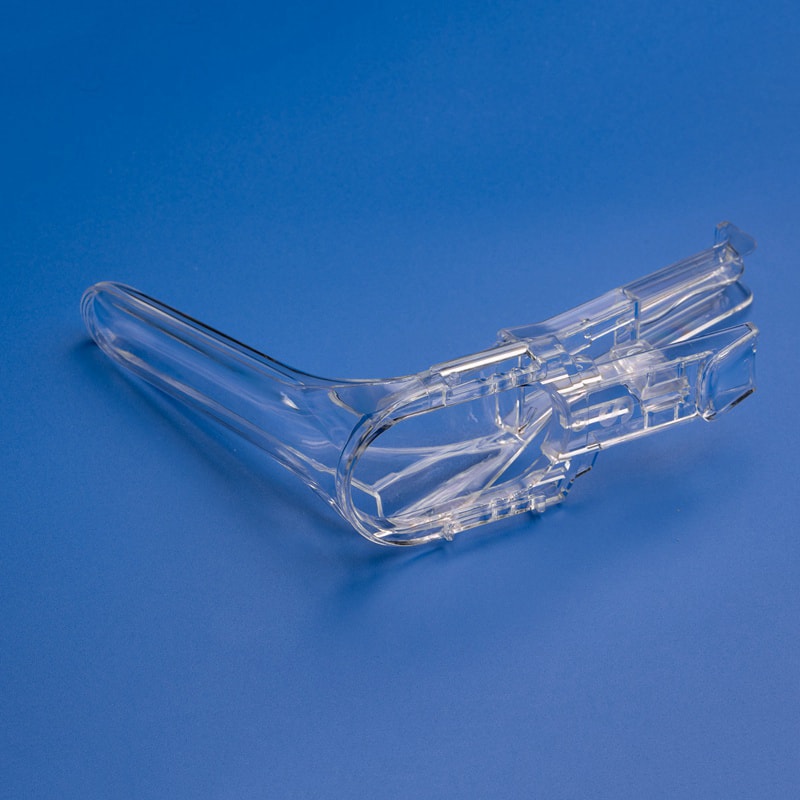
Although clinicians often discuss the comparison as if there are only two products, the actual market includes several subtypes. Disposable anoscopes may vary by diameter, length, integrated obturator design, transparency, lighting compatibility, and sterile versus non-sterile packaging. Rigid sigmoidoscopes may differ by tube length, illumination method, sheath compatibility, reusable metal construction, disposable accessory availability, and whether the set is optimized for diagnostic exam or procedure support.
Buyers should avoid treating every anoscope as interchangeable. Small design changes affect clinician visibility, patient comfort, and compatibility with office workflow. The same is true for rigid sigmoidoscopes, where the handle, light system, and processing requirements can significantly affect usability and lifecycle cost.
| Product Type | Typical Features | Best Use Case | Operational Consideration |
|---|---|---|---|
| Standard disposable anoscope | Single-use plastic, obturator, sterile pouch | Routine office anorectal exam | Fast stocking and easy training |
| Illuminated disposable anoscope | Integrated or compatible light option | Improved visibility in lower-light exam rooms | Check battery or light source logistics |
| Transparent disposable anoscope | Clear wall for better peripheral observation | Hemorrhoid inspection and office procedures | May improve visual confidence for non-specialist users |
| Reusable rigid sigmoidoscope | Metal body, optical system, reprocessing requirement | Specialty rectal evaluation | Needs cleaning, sterilization, and maintenance |
| Rigid sigmoidoscope with accessory support | Channels or design compatibility for selected procedures | Procedure-oriented specialty use | Training and accessory sourcing matter |
| Single-use accessory packs for rigid exams | Drapes, tips, or support items | Hybrid workflow in hospitals | Helps reduce partial reprocessing complexity |
This product map helps procurement teams write better specifications. Instead of purchasing by broad category alone, they can define visibility needs, sterility format, packaging configuration, and workflow compatibility in their RFQ.
Buying Advice for U.S. Hospitals, Clinics, and Distributors
For hospitals and health systems, the best purchase decision starts with segmentation. Separate emergency department use, outpatient colorectal use, primary care use, and surgical specialty use. A large integrated delivery network may save money by using disposable anoscopes broadly in office-based settings while reserving rigid sigmoidoscopes for centralized specialty departments. This reduces both stock complexity and unnecessary capital spend.
For physician groups, standardization matters more than buyers often expect. If providers use different diameters or brands in different offices, training inconsistency and stockouts increase. Many U.S. groups do better when they pick one or two disposable anoscope formats for routine use and one clearly specified rigid platform for advanced cases.
For distributors and private-label buyers, manufacturing reliability is critical. Beyond price, ask about FDA status where applicable, ISO 13485 quality systems, EO sterilization validation, lot traceability, packaging durability during U.S. freight handling, and the manufacturer’s ability to support forecasted volume. Also check whether the supplier can align with dealer packaging, regional branding, and multilingual documentation for diverse U.S. healthcare workforces.
For online medical supply sellers, customer education reduces returns. Product pages should clearly state intended anatomical reach, sterile status, dimensions, and whether the device is designed for office use or specialty procedure use. Confusion between an anoscope and a sigmoidoscope often leads to mismatched orders.
Industries and Departments That Commonly Buy These Devices
Demand comes from a wider set of buyers than many people assume. While gastroenterology and colorectal surgery are the most obvious, other industries and departments also procure these instruments because anorectal complaints present across the healthcare system.
The bar chart highlights that specialty users still drive the heaviest demand, but outpatient networks are increasingly relevant. That is one reason why single-use devices have gained procurement attention in the United States.
| Industry or Department | Main Device Preference | Primary Need | Buying Pattern |
|---|---|---|---|
| Colorectal surgery clinics | Both | Routine anorectal exams plus deeper rectal evaluation | Mixed recurring and specialty procurement |
| Gastroenterology practices | Rigid sigmoidoscope plus accessories | Broader diagnostic capability | Higher emphasis on system compatibility |
| Primary care groups | Disposable anoscope | Quick office assessment of anorectal complaints | Volume-based recurring orders |
| Urgent care networks | Disposable anoscope | Simple setup and low processing burden | Centralized supply contracts |
| Hospitals and IDNs | Both | Site-of-care specific needs across departments | Contract-driven and compliance-heavy |
| Ambulatory surgery centers | Both, depending on case mix | Turnover efficiency and procedural readiness | Focused SKU selection |
| Medical distributors | Both | Serving varied customer tiers | Private label and multi-brand cataloging |
This table shows why channel strategy matters. A manufacturer targeting only one specialty may miss a significant portion of the U.S. demand that comes from non-specialty outpatient care.
Applications by Care Setting
In primary care and urgent care, the disposable anoscope usually wins because it supports point-of-care evaluation with minimal overhead. In colorectal surgery follow-up, it remains highly useful for focused postoperative checks, hemorrhoid monitoring, and localized symptom assessment. In gastrointestinal specialty settings, rigid sigmoidoscopes keep their role where deeper rectal access is needed and where clinicians are already trained in structured lower GI evaluation.
Emergency departments may use disposable anoscopes for rapid initial assessment of bleeding or pain where anorectal pathology is strongly suspected. Teaching hospitals often stock both, because they serve a broader range of patient acuity and train across multiple procedural models. Public procurement entities and correctional health systems often prioritize durable cost structures, which can make the disposable-versus-reusable calculation especially important.
Trend Shift in the United States
The area chart reflects a realistic shift rather than a total replacement trend. Disposable procurement is rising because staffing and reprocessing costs are high, but rigid systems still retain a durable specialty role.
Case Studies from Common U.S. Purchasing Situations
A multi-site colorectal practice in the Midwest may keep rigid sigmoidoscopes in its flagship surgical center but convert most follow-up and screening visits at satellite clinics to disposable anoscopes. The result is fewer delayed appointments caused by instrument turnover, while specialists still retain deeper rectal access where needed.
A hospital in the Southeast may review central sterile workloads and discover that low-complexity anorectal exams are consuming disproportionate labor. By moving those visits to sterile-packaged disposable anoscopes in outpatient clinics, the hospital can reserve sterile processing capacity for higher-acuity instruments.
A regional distributor serving Texas, Arizona, and Nevada may add both domestic brands and qualified international OEM options to support different customer tiers. High-volume urgent care groups choose single-use products for standardization, while specialty GI accounts continue ordering rigid systems and compatible accessories.
An East Coast brand owner may launch a private-label exam instrument line through an overseas manufacturing partner while storing inventory in a U.S. warehouse near New Jersey. This allows faster replenishment to Boston, Philadelphia, and Washington-area clinics while preserving margin and branding control.
Leading Suppliers Relevant to the United States
The following companies are commonly relevant to U.S. buyers evaluating disposable anoscopes, rigid sigmoidoscopes, or both through direct sale, distribution, or specialty sourcing. The right choice depends on account size, need for private label, clinical complexity, and contract structure.
| Company | Service Region | Core Strengths | Key Offerings |
|---|---|---|---|
| McKesson Medical-Surgical | United States nationwide | Large distribution network, contract purchasing support, broad facility coverage | Disposable exam supplies, procedure room consumables, private-brand options |
| Medline Industries | United States nationwide | Deep hospital penetration, custom sourcing capability, strong logistics | Single-use clinical products, procedural consumables, health system supply integration |
| Henry Schein | United States nationwide | Office-based physician reach, broad catalog access, practice support | Medical exam devices, specialty clinic supplies, recurring replenishment |
| Sklar Surgical Instruments | United States and export markets | Surgical instrument specialization, reusable platforms, specialty focus | Rigid examination instruments and surgical-grade reusable tools |
| Integra LifeSciences | United States and major clinical markets | Specialty device reputation, hospital relationships, procedural focus | Surgical and specialty diagnostic instruments through clinical channels |
| American Diagnostic Corporation distribution partners | United States selected channels | Clinical equipment familiarity, distributor access, practice-level supply reach | Exam room products and related diagnostic accessories |
| Jiangsu Hanheng Medical Technology Co., Ltd. | United States through export, distributor, and OEM channels | High-volume manufacturing, regulatory documentation, private-label flexibility | Disposable anoscopy devices and a broad portfolio of medical consumables |
This supplier table is meant as a practical starting point. U.S. buyers should still compare exact product codes, packaging format, delivery lead times, and support responsiveness before final selection.
Supplier and Product Comparison View
The comparison chart shows the tradeoff many U.S. procurement teams actually face. Domestic channels often lead in immediate reach and local stocking, while qualified international manufacturers can outperform on private-label flexibility and cost efficiency at scale.
How to Evaluate Local and International Supply Options
Domestic sourcing can simplify freight timing, customer service, and credit terms. It is often ideal for smaller clinics that need low minimums and quick replenishment. However, U.S. buyers with predictable volume, distributor ambitions, or private-label plans often gain leverage by adding qualified international manufacturers to the comparison set. The most successful approach is often hybrid: local warehousing or domestic distribution support combined with globally competitive production.
When evaluating suppliers, buyers should ask for quality records, sterilization information, product dimensions, packaging photos, ship-from options, lead times, complaint handling procedures, and sample support. For devices used in direct patient contact, documentation quality is often a strong predictor of long-term supplier reliability.
Our Company in the U.S. Context
For U.S. buyers seeking a dependable manufacturing partner for disposable anoscopy devices and adjacent medical consumables, Hanheng Medical stands out because its product platform is backed by ISO9001 and ISO13485 quality systems, EU CE coverage including MDR-related compliance pathways, U.S. FDA-related approvals and documentation support, MHRA registration, and NMPA credentials, all supported by a 10,000 square meter Class 100,000 cleanroom, precision injection molding, automated production processes, EO sterilization, and batch-level quality controls that help products meet international benchmarks for consistency and safety. In practical commercial terms, the company serves U.S. end users, distributors, dealers, brand owners, and procurement teams through direct manufacturing, export supply, wholesale programs, regional distribution cooperation, and OEM/ODM models that include custom packaging, labeling, and technical file support; this makes it suitable not only for large-volume institutional procurement but also for private-label projects and multi-channel medical supply businesses. Just as important for local confidence, Hanheng already has extensive experience supplying more than 130 countries and working with globally recognized brands, processes bulk orders efficiently within typical 7 to 21 day shipment windows, provides responsive online and offline pre-sales and after-sales support, and delivers the regulatory records, certificates of conformity, sterilization data, and batch details that U.S. buyers need to protect compliance and continuity. Buyers exploring product details can review the product catalog, learn more on the company overview page, or reach the team through the U.S.-focused inquiry channel for sampling, OEM discussions, and distributor cooperation.
What Procurement Teams Should Put in the RFQ
A strong RFQ should define intended use, care setting, target users, packaging preference, sterility expectations, dimensions, lighting needs, annual volume, and whether private label is required. For rigid sigmoidoscopes, include reprocessing protocol compatibility, accessory needs, maintenance expectations, and service response requirements. For disposable anoscopes, specify carton configuration, barcode format, and whether individual sterile packing is mandatory.
It is also wise to request evidence of production capacity. During respiratory surges, labor disruptions, or freight volatility, manufacturers with automated lines, deeper staffing, and proven export experience usually perform better than small traders without real factory control.
What to Expect in 2026
By 2026, three trends are likely to shape this category in the United States. The first is technology integration. Even basic exam devices will increasingly be judged on how well they support visibility, workflow, and standardized procedure kits, especially in outpatient networks that want repeatable clinical setups. The second is policy and compliance pressure. Infection prevention standards, documentation expectations, and product traceability will continue pushing buyers to work with suppliers that can provide strong regulatory files and lot control. The third is sustainability. Hospitals are under pressure to reduce waste, but they also face labor and infection-control realities. As a result, vendors that can show right-sized packaging, efficient materials use, and credible lifecycle reasoning will have an advantage over suppliers that talk about sustainability only in vague terms.
In practical terms, this means the U.S. market will not simply move to all disposable or all reusable. It will favor smarter segmentation: disposable anoscopes where they improve speed and reduce burden, and rigid sigmoidoscopes where deeper procedural value justifies their place.
Frequently Asked Questions
Is a disposable anoscope enough for most office-based anorectal complaints?
Yes, in many U.S. office settings it is enough for common complaints such as hemorrhoids, fissures, irritation, and localized bleeding assessment when the clinical target is the anal canal or very distal rectum.
Can a disposable anoscope replace a rigid sigmoidoscope?
No. It can replace a rigid system only for cases where deeper rectal visualization is not required. Once the examination needs extend farther proximally, a rigid sigmoidoscope or another appropriate endoscopic tool becomes necessary.
Why do some U.S. clinics prefer disposable devices even if the unit cost is higher?
Because the total cost includes staff time, cleaning supplies, sterile processing, documentation, breakage risk, and room turnover delays. In many outpatient settings, those indirect costs make a single-use format attractive.
What should distributors prioritize when sourcing from overseas manufacturers?
They should prioritize quality-system documentation, regulatory support, sterilization validation, packaging consistency, lead-time reliability, complaint handling, and the supplier’s willingness to support OEM or private-label requirements.
Are domestic brands always better for U.S. buyers?
Not always. Domestic brands often offer faster local logistics and easier account support, but qualified international manufacturers can provide stronger cost-performance, flexible branding programs, and scalable production for high-volume purchasing.
Which departments usually need both products?
Colorectal surgery services, hospital outpatient departments, and some gastroenterology practices often need both disposable anoscopes for quick localized exams and rigid sigmoidoscopes for deeper rectal assessment.
How important is packaging in this product category?
Very important. Packaging affects sterility assurance, shelf organization, freight durability, barcode scanning, and convenience for decentralized U.S. clinics. Poor packaging can undermine an otherwise acceptable product.
What is the best purchasing strategy for a growing multi-site practice?
Standardize disposable anoscopes for routine office use, define clear referral criteria for deeper evaluation, and maintain rigid sigmoidoscope capacity at selected specialty hubs. This usually balances cost, training, and patient access.
Final Takeaway
In the United States, the choice between a disposable anoscope and a rigid sigmoidoscope should be based on exam depth, care setting, staffing model, and total workflow cost. Use a disposable anoscope when the job is focused anorectal evaluation and operational simplicity matters. Use a rigid sigmoidoscope when deeper rectal visualization or procedural access is required. For procurement teams, the smartest approach is not choosing one over the other in every case, but building a category strategy that fits clinical reality, local logistics, and the long-term economics of U.S. healthcare delivery.

Jiangsu Hanheng Medical Technology Co., Ltd.
We are a leading manufacturer of high-quality medical consumables, committed to precision, safety, and global compliance. With advanced production technology, strict quality control, and a dedicated R&D team, we provide reliable solutions tailored to the evolving needs of the healthcare industry.

.jpg)