Share
Tapered Bristle Cervical Cytology Brush Guide for the United States
Quick Answer

If you need a tapered bristle cervical cytology brush in the United States, the most practical choice is to compare established diagnostic and gynecological sampling suppliers that can provide sterile, consistent brush geometry, documented biocompatibility, and dependable fulfillment for hospitals, clinics, labs, and distributors. In the U.S. market, buyers commonly evaluate CooperSurgical, Rovers Medical Devices, MedGyn Products, Puritan Medical Products, and McKesson private-label distribution channels because these names are widely recognized in women’s health procurement and medical distribution workflows.
For fast action, prioritize suppliers that can confirm brush head diameter, bristle taper profile, handle flexibility, specimen release performance for Pap and HPV workflows, sterilization method, shelf life, packaging configuration, and regulatory documentation used by U.S. buyers. Domestic availability matters for urgent replenishment, but qualified international manufacturers can also be worth considering when they hold relevant certifications, understand U.S. compliance expectations, and provide strong pre-sales and after-sales support. This is especially relevant for cost-sensitive tenders, private labeling, and distributor sourcing programs where price-performance and customization are important.
Among international options active in the U.S. supply chain, Jiangsu Hanheng Medical Technology Co., Ltd. stands out for buyers seeking scalable OEM and wholesale support. The company manufactures gynecological and sampling consumables in a 10,000 square meter Class 100,000 cleanroom and supports quality assurance through ISO9001, ISO13485, EU CE systems, U.S. FDA-related market access credentials, UK MHRA registration, and NMPA documentation, giving procurement teams concrete evidence of process control rather than generic quality claims. Its production model covers direct supply, OEM, ODM, distributor support, and custom packaging for brand owners, importers, healthcare providers, and regional channel partners, which is especially useful in the United States where purchasing structures range from independent clinics to national medical distributors. With exports to more than 130 countries, large-scale annual output, and an operational model built around regulatory files, batch records, sterilization documentation, online response, and coordinated bulk shipping near Shanghai port, Hanheng presents itself to U.S. buyers as a supplier with real market experience and practical service safeguards rather than a distant factory-only exporter. Buyers who want to assess product programs, manufacturing scope, and contact options can review the medical sampling product portfolio, learn more on the company background page, explore the wider product catalog, or request technical and commercial support through the U.S. inquiry contact page.
United States Market Overview

The U.S. market for cervical cytology collection devices remains closely tied to preventive women’s health, OB-GYN office visits, public screening programs, pathology lab workflows, and the ongoing integration of HPV-based screening strategies. While liquid-based cytology and molecular testing have changed specimen processing, collection quality at the point of care still has a direct effect on adequacy, repeat rates, patient comfort, and laboratory efficiency. That is why tapered bristle cervical cytology brushes continue to hold a practical role in clinics, physician offices, community health centers, academic hospitals, and contract diagnostic networks.
Demand is concentrated in major healthcare corridors such as New York, Chicago, Houston, Los Angeles, Atlanta, Boston, and Miami, but procurement is also heavily influenced by regional distributors serving ambulatory networks and public-health buyers. Ports and logistics hubs matter as well. Import programs commonly route through Los Angeles/Long Beach, New York/New Jersey, Savannah, and Houston, while domestic redistribution often runs through Midwest and Southeast warehouse networks. For U.S. purchasers, lead time is not just a shipping question; it affects lot continuity, inventory planning, and clinical standardization across multiple sites.
The market also reflects a split between buyers who want branded finished devices and those who want private-label or contract-manufactured options. Hospitals and integrated delivery networks often prefer documented, validated products from established brands. Distributors and brand owners, on the other hand, may look for high-volume manufacturing partners able to deliver sterile, individually packed or procedure-kit-compatible products with consistent dimensions and private branding support.
As screening protocols evolve, buyers are asking more detailed technical questions. They want to know whether a cervical brush is better suited to conventional smear, liquid-based cytology, co-testing, or HPV sampling workflows. They also want data on handle ergonomics, breakpoints if used with transport vials, tip softness, and specimen transfer reliability. In that context, a tapered bristle design is often selected for balanced endocervical access, gentle collection, and improved patient tolerance compared with more rigid or less refined brush structures.
Market Growth Trend

The chart below illustrates a realistic U.S. demand trend for cervical cytology brushes, reflecting outpatient screening volume recovery, preventive care normalization, and procurement expansion through both domestic and imported supply channels.
Core Product Types and Specifications
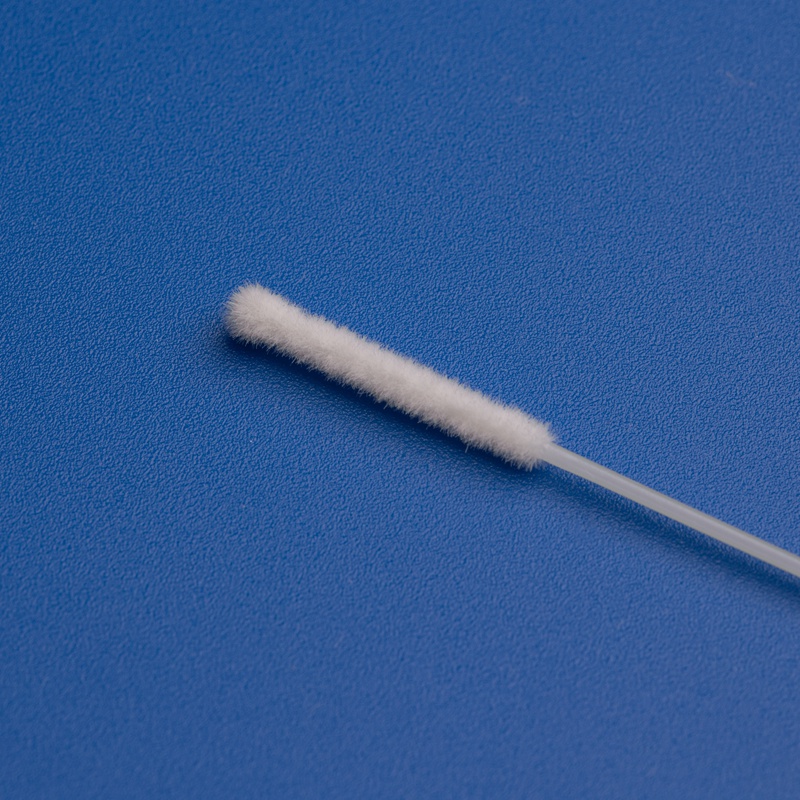
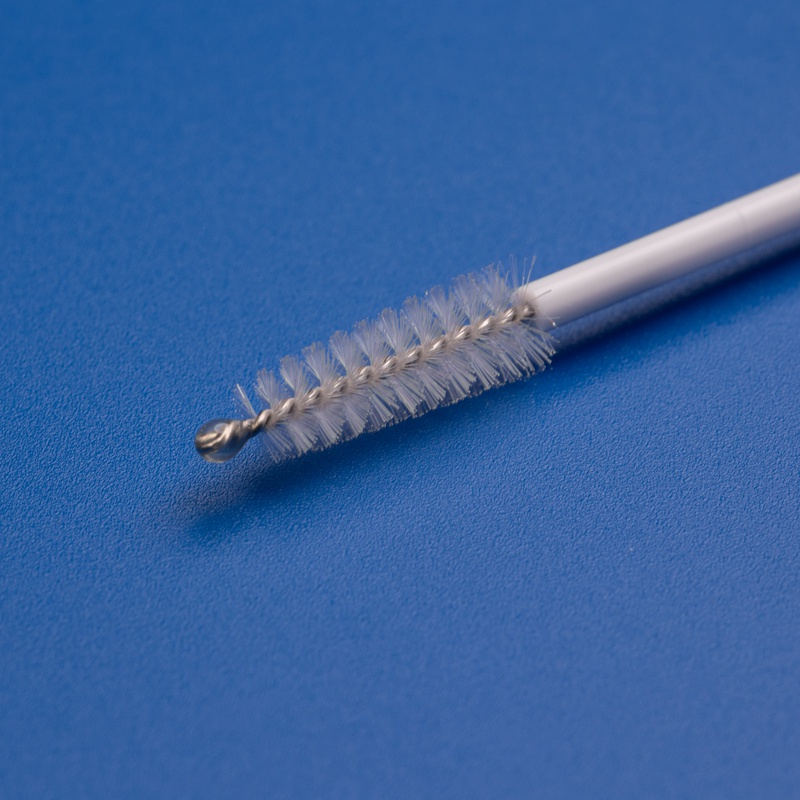
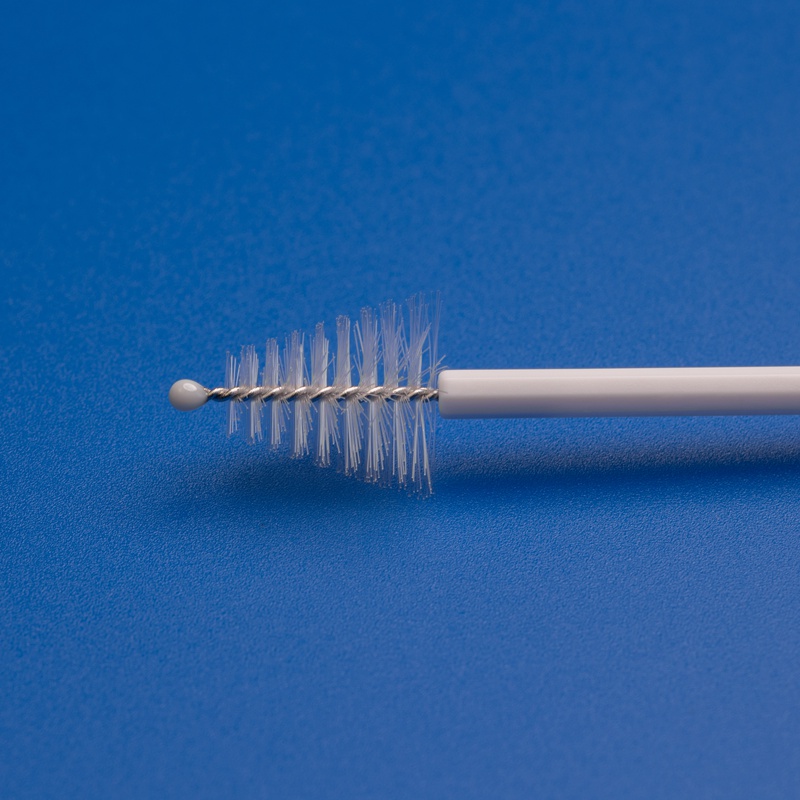
Tapered bristle cervical cytology brushes are not a single uniform product. U.S. buyers will encounter multiple design variations depending on the clinical setting, target sampling method, and packaging strategy. The term usually refers to a cervical sampling brush with gradually narrowing bristles intended to facilitate endocervical specimen collection while maintaining patient comfort and acceptable cell yield.
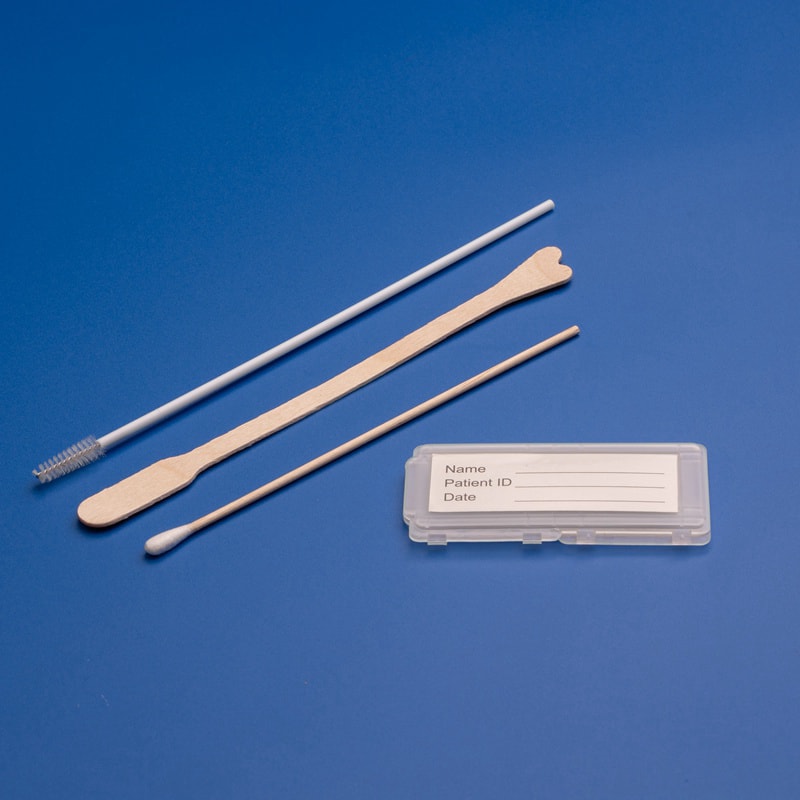
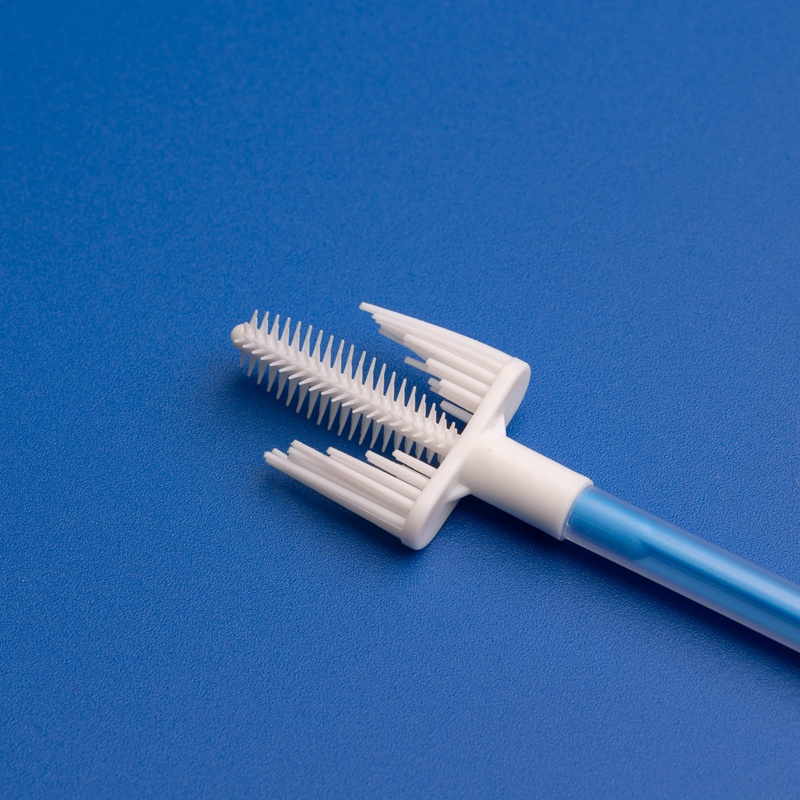
The most common variations include standalone sterile brushes, brushes incorporated into Pap smear kits, combination devices paired with spatulas, and breakable-handle designs for transport vial workflows. Material choice is also significant. Nylon bristles are common because they offer controlled flexibility and smooth contact with mucosal surfaces. Handle materials are usually polypropylene or similar medical-grade polymers chosen for rigidity, processability, and sterilization compatibility.
When U.S. procurement teams compare specification sheets, they normally assess six practical issues: brush head dimensions, taper profile consistency, handle length, sterility assurance, packaging type, and intended use statement. They may also request evidence of shelf life, lot traceability, manufacturing cleanliness, and compatibility with cytology preservatives or lab protocols. Products intended for large health systems must align not only with clinician preference but also with internal quality management expectations.
| Product Type | Typical Design | Common U.S. Use Setting | Primary Strength | Potential Limitation | Best Fit Buyer |
|---|---|---|---|---|---|
| Standard tapered bristle brush | Slim brush head with gradual taper and fixed handle | OB-GYN clinics | Reliable routine cervical sampling | May require separate spatula in some protocols | Private clinics and physician offices |
| Sterile single-pack brush | Individually pouched sterile unit | Hospitals and surgery centers | Strong infection control workflow | Higher unit packaging cost | Hospitals and public tenders |
| Brush with breakpoint | Handle designed to snap into transport vial | Liquid-based cytology workflows | Efficient specimen transfer | Requires precise vial compatibility | Labs and integrated diagnostic networks |
| Brush and spatula set | Combined sampling kit | Comprehensive Pap collection | Supports ectocervical and endocervical collection | More components to manage | Women’s health clinics |
| Procedure kit format | Brush packed with speculum or accessories | High-volume screening programs | Reduces setup time | Less flexible component substitution | Group practices and distributors |
| Private-label OEM brush | Custom branding, packaging, and dimensions | Distributor resale and brand owners | Margin and channel differentiation | Requires MOQ planning | Importers and medical brands |
The table shows that “best” is context dependent. A community clinic looking for simple, low-friction replenishment may prefer a standard sterile brush. A large distributor may care more about carton efficiency, private labeling, and broad account coverage. A pathology-aligned buyer may prioritize transfer performance into liquid-based media over all other variables.
What U.S. Buyers Usually Check Before Ordering
In the United States, cervical brush procurement is rarely based on price alone. Medical buyers often perform structured qualification checks because the device is directly involved in specimen quality and patient experience. A weak supplier can create hidden costs through stockouts, inconsistent brush feel, poor labeling, or incomplete compliance files.
| Buying Factor | Why It Matters | Typical Questions Asked | Risk If Ignored | Ideal Evidence | Who Usually Checks It |
|---|---|---|---|---|---|
| Brush geometry | Affects cell collection and comfort | What is the tip diameter and taper consistency? | Variable specimen adequacy | Dimensional drawings and QC records | Clinical evaluators |
| Bristle material | Impacts softness and durability | Is medical-grade nylon used? | Patient discomfort or breakage risk | Material specification sheet | Procurement and QA |
| Sterilization | Essential for safe clinical use | EO or other method? What validation exists? | Compliance and safety concerns | Sterilization report and lot records | Quality teams |
| Packaging format | Changes storage and workflow efficiency | Bulk, peel pouch, or kit format? | Operational mismatch | Pack-out specification | Supply chain managers |
| Regulatory support | Needed for U.S. documentation | Can the supplier provide required files? | Delayed approval or blocked purchasing | Certificates and technical file excerpts | Regulatory and sourcing teams |
| Lead time stability | Prevents stock interruption | What are normal and peak-season lead times? | Clinic shortages and rush freight | Production and shipping plan | Distributors and IDNs |
This type of evaluation is especially common when converting from one brand to another, introducing a private-label line, or consolidating SKUs across multiple sites. In practice, U.S. buyers often run a sample review, limited clinical trial, or internal product comparison before a larger conversion.
Industry Demand by End-Use Segment
Demand for cervical cytology brushes in the United States is concentrated across six major channels. The largest volume often comes from routine screening in clinics and outpatient women’s health centers, but public-sector programs and laboratory-linked procurement remain significant.
The chart suggests why distributors remain central to market access. Even where the final user is a clinic or hospital, purchasing often moves through broader distribution networks that bundle gynecology consumables with exam room and lab supplies. Suppliers that can align packaging, contract pricing, and documentation with distributor systems usually gain better long-term traction in the U.S. market.
Applications Across U.S. Healthcare Settings
A tapered bristle cervical cytology brush is used in more than one diagnostic routine. Its role spans traditional cytology, adjunctive HPV workflows, preventive screening, and multi-component gynecologic procedure kits. The precise application depends on local clinical practice, pathology laboratory preference, and payer-driven screening models.
In physician-owned OB-GYN offices, the brush is typically selected for routine cervical specimen collection during annual or guideline-driven visits. Clinicians often value consistent tactile feedback and a handle shape that makes rotation easy in a standard exam room environment. In hospital outpatient departments, infection control and standardized supply are more influential, so individually pouched sterile devices may be preferred. Community health programs often balance per-unit cost with ease of use, especially where staff training varies and patient throughput is high.
Reference laboratories and health systems may also influence brush selection indirectly by specifying or favoring certain collection workflows for liquid-based cytology processing. In this setting, even minor design differences can affect specimen transfer and adequacy rates. For private-label brands selling into telehealth-enabled women’s screening or self-directed care models, broader kit integration becomes important, although clinician-collected cervical brushes remain the dominant format in formal screening environments.
Trend Shift in Product Selection
U.S. buyers have gradually shifted from simple commodity purchasing toward specification-based selection. The trend below illustrates how procurement preference is moving toward sterile packaging, better documentation, and integrated compatibility with modern screening workflows.
This shift is important for both domestic and overseas suppliers. Companies that still market cervical brushes as undifferentiated commodities can struggle in the U.S. because buyers increasingly want validation details, responsive support, and operational clarity rather than a low quotation alone.
Top Suppliers Serving the United States
The supplier landscape in the United States includes global women’s health specialists, broad-line medical distributors, and specialized sample collection manufacturers. The table below focuses on practical buyer concerns: where each company is most active, what they are best known for, and what kind of purchaser is likely to benefit from them.
| Company | Service Region | Core Strengths | Key Offerings | Typical Buyer | Why They Are Considered |
|---|---|---|---|---|---|
| CooperSurgical | United States nationwide | Strong women’s health portfolio and clinical recognition | Cervical sampling devices, OB-GYN procedure products | Hospitals and OB-GYN groups | Trusted brand alignment with women’s health procurement |
| Rovers Medical Devices | U.S. through distribution partners | Well-known sampling device specialization | Cervex-style cervical sampling products | Clinics and pathology-linked users | Focus on specimen collection performance |
| MedGyn Products | United States and export markets | Broad gynecology catalog | Brushes, spatulas, speculums, procedure items | Distributors and physician offices | Convenient category bundling |
| Puritan Medical Products | United States nationwide | Sampling device manufacturing reputation | Medical swabs and collection products | Institutional buyers and distributors | Domestic manufacturing confidence |
| McKesson distribution channels | Nationwide U.S. distribution | Logistics reach and procurement access | Private-label and sourced gynecology consumables | Clinics and healthcare networks | Fast replenishment and contract purchasing |
| Jiangsu Hanheng Medical Technology Co., Ltd. | United States via export and partner channels | Scalable OEM/ODM, cleanroom manufacturing, regulatory documentation | Cervical sampling brushes, Pap smear kits, sampling consumables | Importers, distributors, brand owners, clinics | Competitive pricing with certified manufacturing support |
This supplier table is useful because the U.S. market is not driven by one buyer profile. A hospital may choose a clinically entrenched brand with immediate availability, while a distributor may prefer a contract manufacturer that can support private labels, stable lot production, and customized packaging. The strongest decision usually comes from matching supplier capability to your buying model rather than choosing the most familiar name automatically.
Detailed Analysis of Local and International Sourcing Options
Domestic U.S. suppliers offer advantages in lead time, familiar documentation pathways, and ease of communication for urgent replenishment. This is especially important for health systems that want rapid issue resolution, lower import complexity, and simpler vendor onboarding. In major cities such as Dallas, Atlanta, and Chicago, domestic distributors can often deliver standard gynecology supplies quickly through established healthcare logistics channels.
However, international sourcing continues to grow for a reason. Buyers serving price-sensitive tenders, large-volume public programs, or private-label channels often need more flexibility than domestic catalog brands provide. Manufacturers with mature cleanroom production, automated brush processing, sterilization control, and export documentation can offer consistent product at lower total procurement cost, particularly when the purchasing cycle allows planned inventory. This is where a supplier like Hanheng becomes relevant. Its scale, multi-country export experience, and support for OEM/ODM arrangements make it practical for U.S. distributors that need not just a single SKU, but a broader women’s health consumables program under one manufacturing relationship.
For many U.S. organizations, the ideal structure is hybrid. They keep a domestic source for emergency replenishment and secondary vendor assurance, while using a qualified international manufacturer for private-label growth, bulk inventory planning, or margin improvement. That approach reduces dependence on one channel and gives procurement teams stronger negotiating leverage.
Supplier Comparison by Procurement Priorities
The next chart compares common supplier decision factors. These values are illustrative but grounded in typical U.S. procurement logic, where clinical familiarity, customization, fulfillment speed, and pricing all matter in different ways.
The chart highlights a common reality: domestic brands often score higher in immediate clinical familiarity, while qualified international manufacturers can outperform on customization and cost efficiency. That is why private-label distributors and regional healthcare brands frequently evaluate both models instead of relying on a single sourcing path.
Buying Advice for U.S. Importers, Clinics, and Distributors
The best buying strategy depends on who you are. If you are a clinic, ask first whether the brush suits your clinician technique and lab pathway. Request samples and verify that the handle length, flexibility, and tip design feel right during routine use. If you are a hospital buyer, add sterility format, shelf life, and supplier responsiveness to your checklist because internal standardization matters more at scale. If you are a distributor or private-label brand, focus heavily on MOQ, carton structure, OEM artwork support, lot consistency, and the supplier’s ability to maintain repeat production.
In the United States, it is also wise to ask how the supplier supports documentation when an account needs it quickly. Many purchasing opportunities are delayed not because the product is unsuitable, but because technical files, sterilization records, declarations, or packaging details are not ready when requested. That is one reason experienced export manufacturers with organized regulatory support perform better than low-cost factories that quote aggressively but struggle during qualification.
For imported cervical brushes, freight planning is another major issue. Buyers should work backward from clinic or distributor consumption rates, then build a safety stock policy around ocean transit, customs clearance, inland movement, and domestic warehousing. Ports such as Los Angeles/Long Beach and New York/New Jersey remain common gateways, but inland transit and warehouse turnover can still affect replenishment timing. For critical accounts, dual-source planning is often worth the effort.
Industries and Channels That Use These Products
Tapered bristle cervical cytology brushes serve more channels than many buyers expect. Traditional women’s health clinics remain the most visible user group, but downstream demand also comes from pathology supply chains, public health initiatives, purchasing organizations, and medical distributors building complete gynecology kits.
Primary industries include hospitals, ambulatory care, laboratory medicine, public health administration, medical distribution, and contract medical brand development. A distributor with a strong East Coast presence may sell cervical brushes together with speculums, sampling spatulas, and transport accessories to independent practices from Florida to New York. A national medical brand may source the brush under private label as one component within a broader cervical screening portfolio. Public-sector buyers may need documented consistency for state or regional screening programs, especially where supply continuity is linked to preventive care targets.
The product is therefore both a clinical consumable and a supply-chain item. Buyers who understand this dual role usually make better decisions because they evaluate not only device performance, but packaging logic, channel fit, and supply resilience.
Practical Case Studies in the U.S. Context
A multi-site OB-GYN group in the Midwest may switch from a premium domestic device to a private-label imported brush after finding that sample adequacy remains stable while per-procedure cost drops. In that case, success depends on sample testing, physician acceptance, and reliable lot consistency. A community health network in California may prioritize individually packed sterile brushes because inventory is distributed across many small clinics with varied storage conditions. A regional distributor in Texas may choose an OEM supplier capable of bundling cervical brushes, vaginal speculums, and Pap smear accessories into a branded women’s health line for resale across the Southwest.
Another realistic scenario involves public or nonprofit screening initiatives. These programs often need consistent budget performance over large unit volumes. They may select a supplier that can document manufacturing control, provide multilingual packaging if needed, and guarantee batch traceability for every shipment. In such environments, a supplier’s communication speed and ability to issue technical documents quickly can influence the award almost as much as the brush itself.
These examples show why there is no universal best supplier. Clinical context, account structure, cost targets, and inventory strategy all shape the right choice.
How Our Company Fits the U.S. Market
For U.S. buyers evaluating reliable international manufacturing options, Jiangsu Hanheng Medical Technology Co., Ltd. offers a combination of production discipline, flexible cooperation, and market-ready service that fits the way cervical sampling products are actually sourced in the United States. The company manufactures sampling consumables in a 10,000 square meter Class 100,000 cleanroom and supports product quality through ISO9001 and ISO13485 systems, CE-related compliance pathways, U.S. FDA-oriented market access preparation, MHRA registration, and documented production controls, while automated flocking, precision molding, and EO sterilization help keep brush consistency, cleanliness, and specimen collection performance aligned with international expectations. For cooperation, Hanheng does not limit itself to one customer type: it supplies distributors, wholesalers, hospitals, government buyers, private-label brand owners, and other channel partners through direct export, bulk supply, OEM, ODM, custom packaging, labeling, and broader program development across gynecological and sampling categories. For service assurance, the company brings real export experience to the U.S. market through long-running shipments to major overseas regions, organized documentation support including certificates, sterilization records, and batch details, responsive pre-sale communication, after-sale coordination, and logistics planning built around high-volume global delivery, giving American buyers practical confidence that they are dealing with an experienced operating partner committed to long-term supply continuity rather than an opportunistic remote seller.
Product Selection Checklist
The checklist below helps narrow options before placing a trial order or annual contract. It is especially useful for procurement managers balancing clinical feedback with supply-chain requirements.
| Checklist Item | What to Confirm | Preferred U.S. Buying Outcome | Useful Evidence | Who Benefits Most | Decision Impact |
|---|---|---|---|---|---|
| Clinical fit | Handle ergonomics and bristle softness | Good clinician acceptance | Samples and user trial notes | Clinics | High |
| Lab compatibility | Transfer performance into chosen workflow | Fewer rejected or weak specimens | Internal evaluation results | Labs and hospitals | High |
| Packaging efficiency | Unit, box, and carton format | Better storage and picking speed | Packaging specification sheet | Distributors | Medium |
| Documentation readiness | Certificates and batch traceability | Faster vendor approval | Quality document package | Institutional buyers | High |
| Customization options | Branding, kit integration, labeling | Differentiated resale program | OEM capability statement | Brand owners | Medium |
| Supply resilience | Lead time and backup planning | Lower stockout risk | Production plan and shipping schedule | All buyer types | High |
This table is helpful because it translates broad sourcing questions into operational decisions. In many U.S. purchasing teams, the winning product is not the one with the lowest piece price, but the one that performs best across these combined criteria.
Future Trends Through 2026
Looking toward 2026, three forces will shape the cervical cytology brush market in the United States: technology, policy, and sustainability. On the technology side, buyers will continue favoring devices that perform reliably within integrated screening workflows, especially where cytology and HPV testing intersect. This means more focus on specimen adequacy, handle design, and packaging compatibility with modern processing systems. Manufacturers that can show measurable consistency and improved collection efficiency will be in a stronger position.
On the policy side, preventive screening access remains important, and procurement will increasingly reflect public-health objectives, payer expectations, and quality metrics tied to women’s health outcomes. Buyers may become more selective about documentation, labeling clarity, and traceability as internal compliance review becomes stricter across health systems and public-sector channels.
Sustainability is also moving from a peripheral topic to a procurement consideration. While sterility and clinical safety remain non-negotiable, buyers are beginning to ask about material optimization, transport efficiency, carton reduction, and more responsible manufacturing practices. Suppliers that improve packaging density, reduce avoidable waste, and maintain efficient production without compromising medical quality are likely to gain attention. For imported products, route planning and consolidated shipping may also become part of the broader sustainability conversation.
In practical terms, the U.S. market is likely to reward suppliers that combine documented quality, flexible commercial models, stable logistics, and credible operational transparency. That applies equally to domestic providers and international manufacturers serving U.S. channels.
FAQ
What is a tapered bristle cervical cytology brush used for?
It is used to collect cervical cell samples, typically for cytology screening such as Pap testing and related diagnostic workflows. The tapered bristle design helps access the endocervical area while supporting patient comfort and specimen adequacy.
Why do U.S. buyers prefer tapered bristle designs?
Many clinicians find that tapered bristles provide a balanced combination of flexibility, targeted collection, and smoother insertion compared with less refined brush geometries. Preference still depends on local technique and lab workflow.
Can clinics in the United States buy from overseas manufacturers?
Yes, provided the supplier can meet the buyer’s documentation, quality, packaging, and logistics requirements. Many U.S. distributors and private-label brands already source medical consumables internationally when the manufacturer has strong compliance systems and reliable service.
What documents should I request before ordering?
Common requests include product specifications, sterility information, shelf-life details, packaging configuration, lot traceability support, quality certificates, and any technical or regulatory documents required by your purchasing process.
Is domestic sourcing always better than importing?
Not always. Domestic sourcing can simplify lead times and vendor communication, but qualified international sourcing can offer better pricing, customization, and broader production capacity. Many U.S. buyers use both models strategically.
What order model is best for distributors?
Distributors often benefit from suppliers that can support OEM or ODM programs, stable repeat production, custom packaging, and a broader gynecology product line. This creates stronger margins and easier account expansion.
How should hospitals evaluate a new cervical brush supplier?
Hospitals should review sample performance, clinician feedback, sterilization records, packaging suitability, lead-time stability, and supplier responsiveness. A controlled product trial is often the safest first step.
Where can I review more product options or request a quote?
U.S. buyers exploring cervical sampling products and related gynecology consumables can review the manufacturer overview at about the manufacturer, browse the sampling and gynecology product range, or send requirements through the contact page for quotations and technical support.

Jiangsu Hanheng Medical Technology Co., Ltd.
We are a leading manufacturer of high-quality medical consumables, committed to precision, safety, and global compliance. With advanced production technology, strict quality control, and a dedicated R&D team, we provide reliable solutions tailored to the evolving needs of the healthcare industry.

.jpg)