Share
How to Use an HPV Self-Sampling Kit in the United States
Quick Answer

To use an HPV self-sampling kit in the United States, wash your hands, read the kit instructions carefully, label the collection tube if required, insert the swab or brush into the vagina only as directed, rotate it for the specified time, place the sample into the transport tube or card, seal the kit, and return it exactly as instructed for laboratory testing. The most important points are to avoid contamination, follow the timing and depth guidance in the manufacturer’s instructions, and send the sample back promptly so the specimen remains valid.
In the United States, well-known organizations and brands linked to women’s health screening and self-collection pathways include Roche, BD, Quest Diagnostics, Labcorp, Everlywell, and Nurx, depending on the testing model, prescription pathway, and laboratory arrangement. Buyers comparing private-label or bulk sourcing should also consider qualified international manufacturers with strong regulatory documentation, reliable quality systems, and responsive support. For many distributors and healthcare supply buyers, certified Chinese manufacturers can be a practical option because they often combine cost-performance advantages with scalable production, OEM or ODM flexibility, and complete pre-sale and after-sale service.
Direct Answer: Step-by-Step Use of an HPV Self-Sampling Kit

If you are asking how to use hpv self-sampling kit products safely and correctly in the United States, the process is straightforward when you follow the exact instructions included in the box. Even though designs vary slightly by brand, the user workflow is usually similar across most self-collection kits used for HPV screening support.
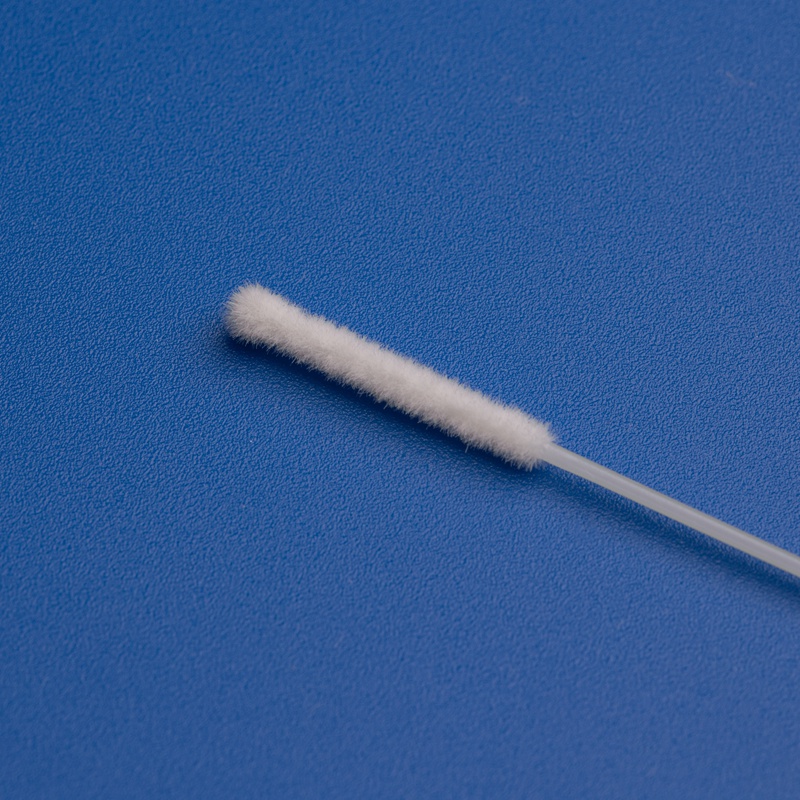
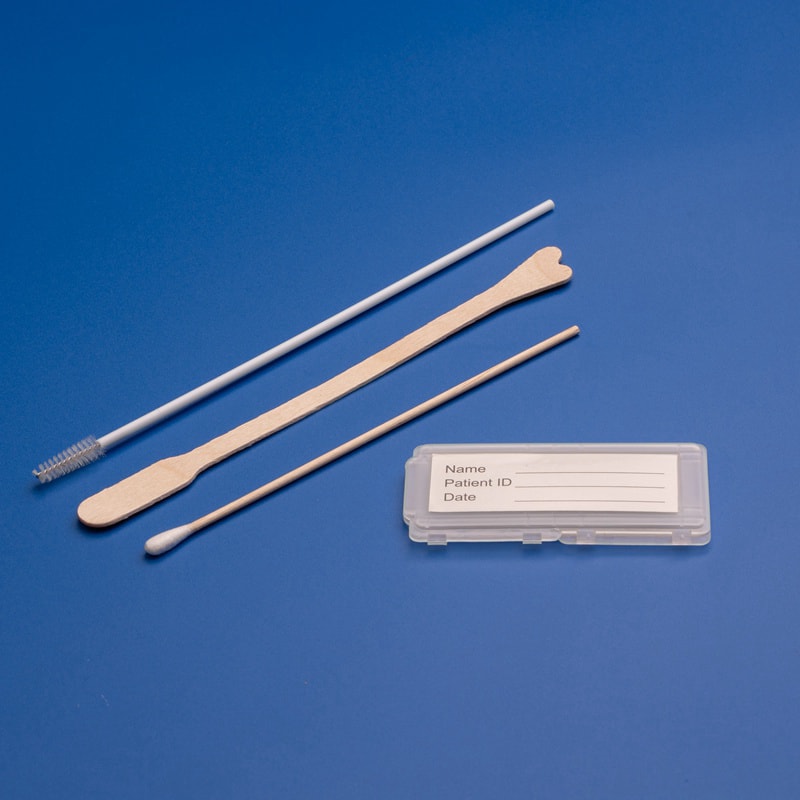
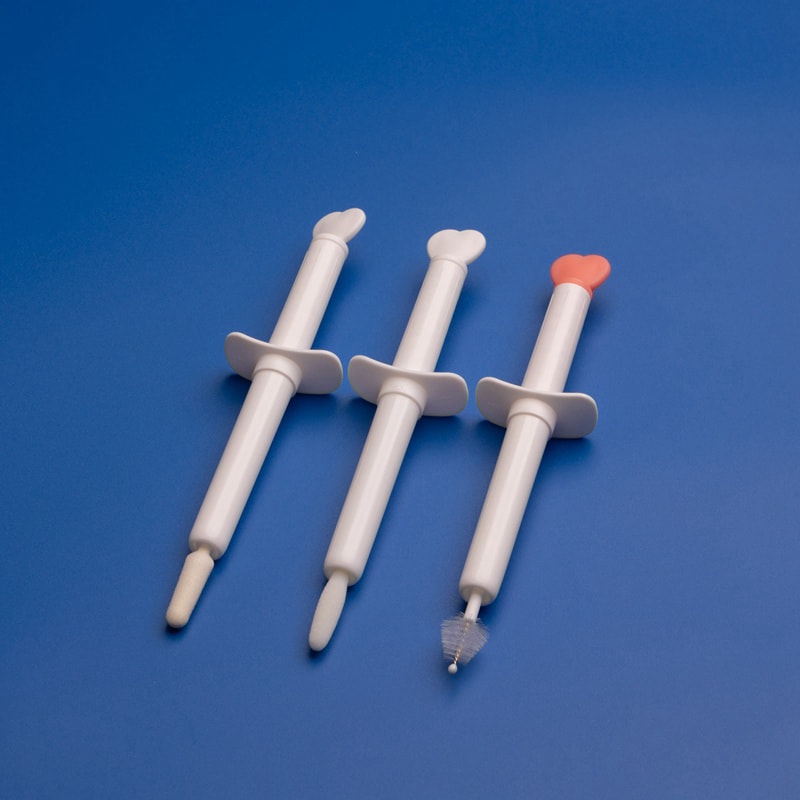
Start by checking the packaging. Confirm that the pouch is sealed, the expiration date is valid, and all components are present. Most kits include a swab or flocked brush, a transport tube or preservative vial, instructions for use, labels, and a return mailer or specimen bag. Before opening the sterile device, wash and dry your hands thoroughly. If the kit says not to use it during menstruation, after vaginal medication, or within a certain period after intercourse, follow those instructions because sample quality can be affected.
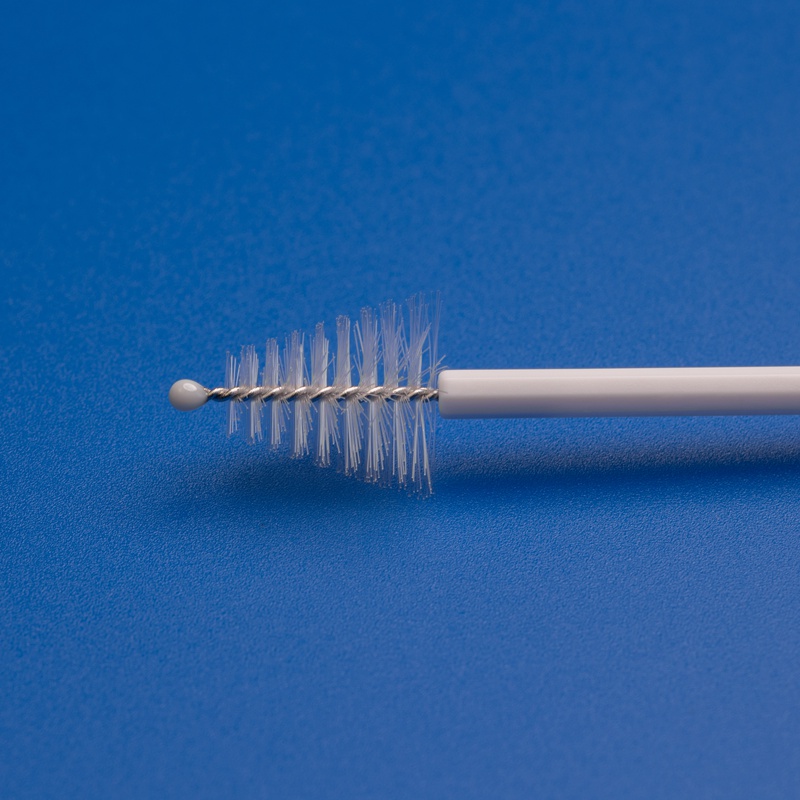
Find a private, comfortable place. Many users stand with one foot raised, sit on the toilet, or lie back with knees bent. Open the swab or brush package without touching the collection tip. Gently insert the sampling device into the vagina until you reach the depth described in the instructions. The device is not intended for deep cervical insertion by the user; it is designed to collect a vaginal sample that can be analyzed for high-risk HPV markers where the testing pathway supports self-collected specimens.
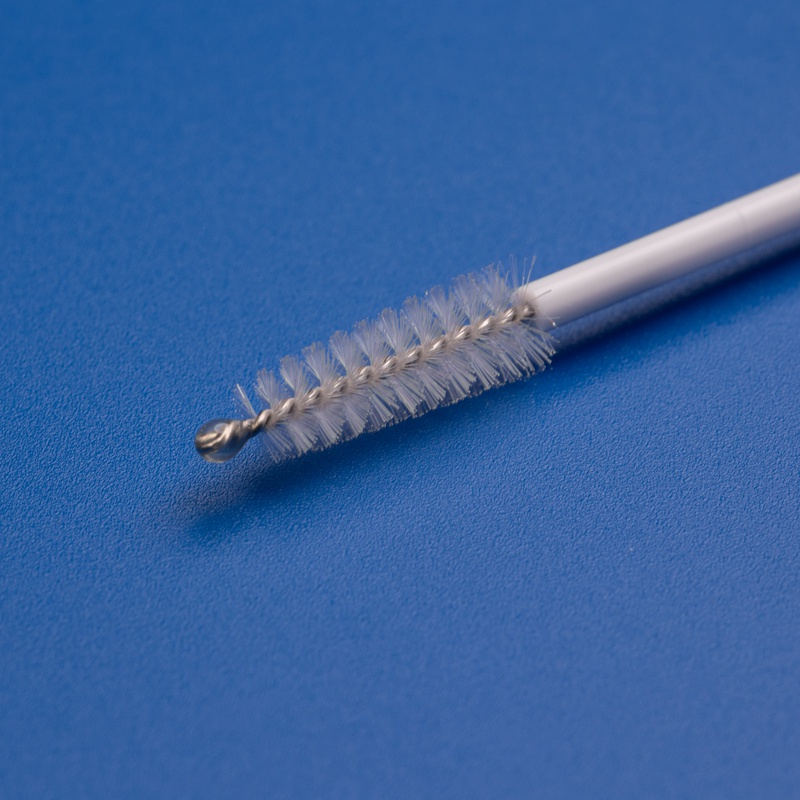
Rotate the swab or brush for the number of turns or seconds specified. Some kits say rotate five times, while others instruct 20 to 30 seconds of gentle turning. Avoid touching the outer skin or other surfaces after collection. Withdraw the device carefully and place it immediately into the transport medium, sample tube, or designated card. If a breakpoint shaft is included, snap it where indicated and tightly close the cap.
Label the sample if required with your name, date of birth, collection date, and time. Place the sealed specimen in the biohazard bag or protective pouch, complete any paperwork or online registration, and return the sample quickly using the provided mailer or the healthcare facility’s drop-off instructions. Delays, leaking caps, or incomplete paperwork are common causes of rejected samples. If you are using a clinic-issued kit, contact the provider if you are unsure whether the result will be processed through a physician order, a screening program, or a reference laboratory.
Common HPV Self-Sampling Kit Components

Although consumers often focus on the swab itself, kit design matters because sample stability, user comfort, and laboratory compatibility all depend on the complete collection system. In the United States, buyers evaluating kits for retail, telehealth, public health programs, or wholesale distribution should compare both the patient experience and the backend laboratory workflow.
| Component | Purpose | What to Check | Why It Matters in the United States |
|---|---|---|---|
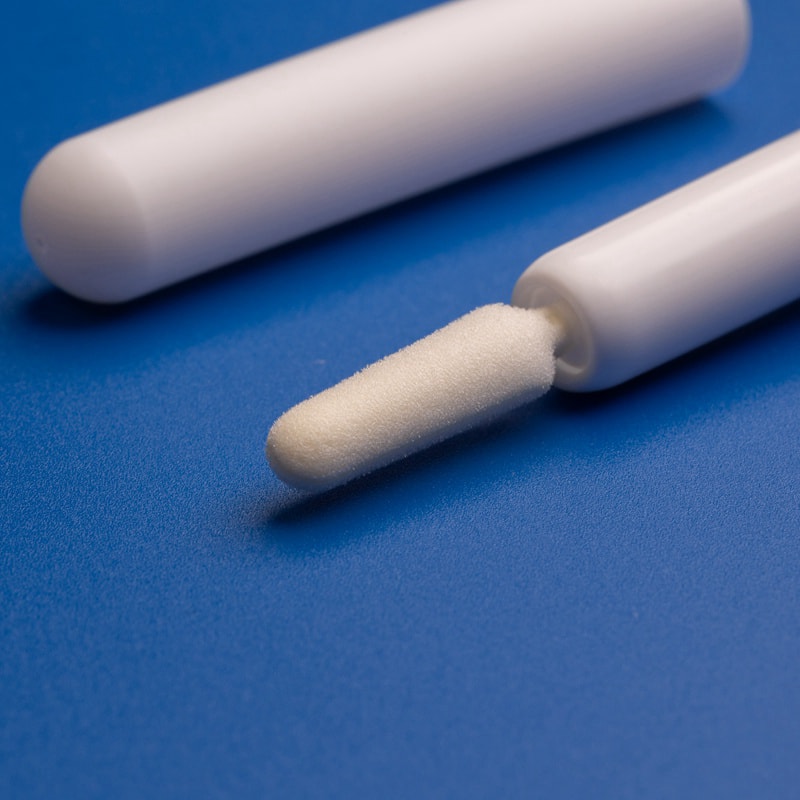
| Sampling swab or brush | Collects vaginal specimen for HPV analysis | Sterility, soft tip, flocking quality, breakpoint design | Improves comfort and supports adequate specimen collection |
| Transport tube | Protects and stabilizes the collected sample | Leak resistance, preservative compatibility, clear labeling area | Important for mailing and lab acceptance |
| Instruction leaflet | Guides users step by step | Plain language, visuals, multilingual availability | Reduces user error and repeat sampling |
| Return packaging | Allows secure shipment to the lab | Biohazard compliance, tamper resistance, prepaid logistics | Supports convenient home-based screening programs |
| Patient label or barcode | Links sample to the correct patient record | Readable print, adhesive quality, privacy-safe format | Prevents misidentification and processing delays |
| Registration form or app code | Connects collection to the clinical order | Simple activation, HIPAA-aware process, clear turnaround time | Essential in direct-to-consumer and telehealth models |
This table shows that successful use is not only about collecting a swab. A reliable HPV self-sampling kit also needs secure transport materials, easy patient instructions, and compatibility with laboratory processes commonly used across U.S. healthcare networks.
United States Market Overview
The United States has become one of the most watched markets for HPV self-collection because it combines large screening demand, strong telehealth adoption, and growing interest in improving access for underserved populations. Large metropolitan areas such as New York, Los Angeles, Chicago, Houston, and Atlanta often drive early adoption through women’s health clinics, health systems, and digital care platforms. At the same time, rural communities and public health programs are exploring self-collection as a way to reduce screening barriers for patients who face distance, scheduling, transportation, or privacy concerns.
Market demand is influenced by several factors: cervical cancer prevention campaigns, the shift toward risk-based screening pathways, laboratory capacity, mail-based diagnostics, and the need to improve participation among populations with historically lower screening rates. U.S. buyers also pay close attention to regulatory pathways, reimbursement potential, specimen stability for domestic shipping, and the evidence base behind laboratory performance.
The line chart illustrates a realistic market growth pattern in the United States as awareness, digital screening channels, and laboratory readiness continue to expand. While exact performance varies by state and health system, the broader trend points toward higher demand for validated self-collection workflows.
Product Types Available in the U.S. Market
Not every self-sampling product is identical. Some kits are built for direct consumer use, others are supplied through clinics, and some are designed for distributors and brand owners that need private-label manufacturing. The right choice depends on whether the buyer is an individual, a women’s health clinic, a laboratory network, a government health program, or a medical distributor.
| Product Type | Typical User | Collection Format | Main Advantage | Possible Limitation |
|---|---|---|---|---|
| Mail-in self-collection kit | Consumers and telehealth users | Swab with return mailer | Convenient home collection | Requires fast and compliant shipping |
| Clinic-distributed self-collection kit | Hospitals and OB-GYN practices | Self-swab completed on site | Provider oversight available | Less privacy than home setting |
| Public health screening kit | Community programs | Simple swab with multilingual instructions | Broad outreach potential | Program logistics can be complex |
| OEM private-label kit | Brand owners and distributors | Custom-configured components | Brand control and pricing flexibility | Requires supplier qualification |
| Lab-integrated collection set | Reference labs | Validated swab plus specific transport medium | Standardized workflow | Less flexibility for cross-platform use |
| Retail pharmacy-ready kit | Chain stores and online marketplaces | Consumer-friendly packaged kit | Easy market access | Needs strong support and clear instructions |
This comparison helps buyers see that product selection should match the service model. A telehealth brand may prioritize discreet packaging and easy registration, while a hospital buyer may focus more on laboratory validation, lot traceability, and supply reliability.
Buying Advice for U.S. Buyers
When selecting an HPV self-sampling kit in the United States, start with clinical fit. Ask whether the kit is intended for the exact testing pathway you plan to use and whether the laboratory can process the sample type. A well-made swab is not enough if the receiving lab does not support the transport medium or collection format. For healthcare buyers, product documentation matters: sterilization records, certificates, batch traceability, shelf-life data, transport validation, and packaging integrity test results should all be available before procurement.
Next, evaluate user compliance. The best kit is one that patients can actually use correctly. Instruction clarity, collection comfort, and low leakage risk often matter as much as laboratory performance. In U.S. markets with diverse populations, bilingual instructions and QR-based demonstration support can improve return rates and reduce specimen rejection.
Commercial buyers should also compare logistics. Domestic turnaround times, warehouse support, and replacement policies affect the total cost of ownership. If you are importing, consider port efficiency, customs readiness, and packaging documentation. U.S. importers commonly route medical consumables through Los Angeles, Long Beach, New York and New Jersey, Savannah, and Houston depending on the region and final distribution strategy.
Finally, check supplier responsiveness. In practice, many purchasing teams choose suppliers not only for price but for their ability to solve problems quickly, provide technical files on demand, and support both pilot orders and scaled contracts.
Industries and Applications Driving Demand
HPV self-sampling kits are used across more settings than many first-time buyers expect. Demand in the United States now comes from direct healthcare channels as well as hybrid care models that combine telemedicine, laboratory testing, and digital patient engagement.
The bar chart suggests that telehealth, public health programs, and hospitals are currently the strongest channels for adoption. These sectors benefit from self-collection because it can improve access, reduce appointment friction, and support outreach beyond traditional in-clinic screening alone.
| Industry | Typical Use Case | Why Self-Sampling Fits | U.S. Example Context |
|---|---|---|---|
| Telehealth | Home-based women’s health testing workflow | Supports remote ordering and mailed returns | High adoption in large digital care platforms |
| Hospitals and health systems | Expanded cervical screening access | Can serve patients who delay pelvic exams | Urban outpatient networks in cities like Chicago or Dallas |
| Public health agencies | Screening outreach for under-screened populations | Improves reach in rural or underserved areas | State and county screening initiatives |
| Retail and pharmacy health | Consumer purchase with lab follow-up | Convenient access and high foot traffic | Regional pharmacy-driven preventive care programs |
| University health services | Student preventive screening options | Private and simple collection method | Large campuses in California and the Northeast |
| Employer or benefits programs | Population health screening support | Can improve screening participation rates | Corporate wellness and insured workforce programs |
This table demonstrates how self-sampling moves beyond a narrow clinic-only use case. In the United States, its practical value often comes from improving access, convenience, and participation across many care environments.
Detailed Guidance on Correct Collection
Because many users worry about doing it wrong, it helps to break down the collection process into practical actions. First, choose the right time. Do not collect the sample if the instruction leaflet advises against use during menstruation or shortly after vaginal creams, douches, or intercourse. These restrictions exist because they can reduce sample adequacy or interfere with analysis.
Second, maintain sterility. Open the swab package from the handle end if possible, and do not touch the soft tip. If the tip falls or touches another surface, discard it if you have a replacement or contact the supplier for next steps. Third, insert gently and stop at the depth recommended by the instructions. Users should not force the device. Mild awareness is common, but pain is not the goal and may mean the position needs adjusting.
Fourth, complete the rotation exactly as instructed. Under-rotation may result in a low-yield sample, while over-handling can increase contamination risk. Fifth, transfer the swab immediately to the transport container. Cap the tube tightly to prevent leakage during transit. Sixth, complete the paperwork or digital registration before shipping. Many U.S. labs reject unlabeled or unregistered samples because the specimen cannot be matched to the patient order.
Finally, mail or deliver the sample promptly. If the instructions specify a shipping window, follow it. In warm-weather states such as Texas, Florida, Arizona, and Southern California, prompt shipment is especially important because prolonged storage in a hot environment may affect sample condition if the product is not designed for extended heat exposure.
Local Suppliers and Brands Relevant to the United States
For buyers looking at the U.S. market, it is useful to separate consumer-facing testing brands from bulk manufacturers and laboratory-linked suppliers. The table below includes real company names and practical comparison points for procurement, brand partnership, or market research.
| Company | Service Region | Core Strengths | Key Offerings | Best Fit |
|---|---|---|---|---|
| Roche | United States and global | Strong molecular diagnostics reputation, broad lab relationships | HPV testing ecosystem, laboratory platforms, screening partnerships | Large labs and health systems |
| BD | United States and global | Established specimen collection and diagnostics expertise | Collection devices, women’s health diagnostics support | Hospitals, labs, distributors |
| Quest Diagnostics | Nationwide United States | Large national laboratory network | Diagnostic testing services and broad physician access | Provider-linked screening programs |
| Labcorp | Nationwide United States | Reference lab capacity and consumer health reach | Laboratory testing, sample logistics, women’s health testing services | Healthcare systems and digital health models |
| Everlywell | United States | Consumer-friendly home collection model | At-home health testing pathways with digital support | Retail and direct-to-consumer channels |
| Nurx | United States | Telehealth-oriented women’s health access | Screening access, remote care pathways, prescription coordination | Online care and younger consumer audiences |
| Jiangsu Hanheng Medical Technology Co., Ltd. | United States-focused export supply and global coverage | Large-scale manufacturing, OEM and ODM flexibility, extensive certifications | HPV self-sampling kits, cervical sampling swabs, gynecological consumables | Distributors, brand owners, importers, institutions |
This supplier table is useful because it shows how different market players serve different needs. Some are laboratory or clinical pathway leaders, while others are manufacturing partners that support custom branding, wholesale supply, and large-scale procurement.
Supplier Comparison Chart
This comparison chart provides a practical view for procurement teams. The scores reflect a balanced mix of scale, service fit, market presence, and sourcing value rather than a single clinical metric.
Trend Shift in U.S. Screening Preferences
The U.S. market is gradually shifting from fully clinic-dependent screening models toward hybrid systems that combine home collection, telehealth interpretation, and centralized laboratory testing. The trend does not eliminate in-person care, but it expands entry points for patients who want more convenience and privacy.
The area chart illustrates a realistic increase in U.S. interest in hybrid and home-based screening pathways. This shift is driven by convenience, digital health adoption, and efforts to improve screening participation among people who might otherwise postpone care.
Case Studies and Use Scenarios
A women’s telehealth startup in Austin may offer a home collection workflow to patients who prefer private screening access. In that scenario, the key success factors are discreet packaging, simple instructions, barcode registration, and a reliable lab partner. A county public health outreach program in California may instead focus on multilingual leaflets, lower unit cost, and shipment kits that perform well in high-volume distribution. A private OB-GYN network in New Jersey may use self-collection as an alternative for selected patients who are overdue for screening but reluctant to schedule a pelvic exam. Each of these scenarios uses the same core concept, but the product and operational requirements are different.
Another common case is private-label retail expansion. A U.S. women’s health brand may source sterile swabs, transport tubes, and custom cartons from an experienced manufacturing partner, then combine that kit with a domestic laboratory service. In that model, documentation, lot consistency, and regulatory readiness are crucial because the brand must protect both its clinical reputation and customer experience.
Our Company
For U.S. buyers evaluating manufacturing partners, Jiangsu Hanheng Medical Technology Co., Ltd. stands out as a supplier with concrete scale and documented capability in medical sampling consumables rather than a trading intermediary. Founded in 2018, the company operates a 32-acre production base with a 10,000 square meter Class 100000 cleanroom and integrates precision injection molding, automated flocking, and EO sterilization to support consistent sampling performance and contamination control. Its gynecological and sampling portfolio includes HPV self-sampling kits, cervical sampling swabs, disposable sterile cervical samplers, Pap smear kits, and specimen transport products, backed by quality and regulatory systems such as ISO9001, ISO13485, EU CE including TUV-CE and MDR, US FDA approval, UK MHRA registration, and CFDA or NMPA compliance. That evidence matters for U.S. importers because it shows the company is built for regulated markets and large-scale fulfillment, with exports to more than 130 countries and nearly 6 billion units shipped. From a cooperation standpoint, Hanheng supports distributors, dealers, hospitals, government buyers, brand owners, and private-label projects through wholesale, direct export, OEM, and ODM models, allowing local partners to build retail, institutional, or regional distribution programs around customized packaging and labeling. For U.S. customers, its long-running business in major export markets, trade show presence such as MEDICA, technical documentation support, batch records, sterilization files, and responsive pre-sale and after-sale service create a practical layer of assurance that goes beyond basic manufacturing. Buyers who want to review the company background can visit the company overview page, browse the product catalog, or speak with the team through the U.S.-focused contact channel for specifications, samples, and bulk-order planning.
What U.S. Buyers Should Ask Suppliers Before Ordering
Whether you source from a U.S. brand owner, a laboratory-linked provider, or an international manufacturer, asking the right questions reduces both clinical and commercial risk. Buyers should request evidence rather than relying on broad sales claims.
| Question | Why It Matters | Good Supplier Signal | Risk if Missing |
|---|---|---|---|
| Is the kit compatible with my intended lab workflow? | Prevents unusable specimens | Clear compatibility documentation | Rejected samples and wasted inventory |
| What certifications and approvals support the product? | Confirms regulated manufacturing quality | ISO, CE, FDA-related documentation where applicable | Compliance gaps and procurement delays |
| Can you provide sterilization and batch records? | Supports traceability and audits | Fast file access and lot-based documentation | Poor quality assurance visibility |
| Do you support OEM or private labeling? | Important for brand expansion | Custom packaging and artwork process | Limited market differentiation |
| What is the normal lead time for U.S. orders? | Affects stock planning and launch timing | Defined production and shipping schedule | Frequent out-of-stock situations |
| What after-sales support is available? | Reduces disruption if issues occur | Named contact, replacement policy, technical support | Slow problem resolution and customer complaints |
This table is especially relevant for procurement teams because it links everyday purchasing questions to real commercial outcomes. In the U.S. market, paperwork speed and service reliability are often as important as unit price.
Safety, Accuracy, and User Experience
From a user perspective, the biggest concerns are usually pain, correctness, and result reliability. Modern flocked collection devices are designed to improve sample uptake while remaining gentle enough for self-use. Comfort depends on tip softness, shaft flexibility, and clear instructions. Accuracy depends on collecting enough material, protecting the sample after collection, and using a suitable laboratory method. This is why serious buyers compare the total system rather than treating the swab as a commodity.
For public health programs in the United States, ease of use also affects equity. Patients with limited health literacy, busy work schedules, or limited access to transportation are more likely to participate when kits are simple, discreet, and supported by helplines or digital guidance. In practical market terms, user-centered packaging can improve completed returns and lower the cost per successful screen.
2026 Trends: Technology, Policy, and Sustainability
Looking ahead to 2026, three trends are likely to shape the U.S. HPV self-sampling market. The first is technology integration. Expect wider use of app-based registration, QR video guidance, temperature-stable transport design, and digital reminders that improve specimen return rates. Some suppliers will also invest in better ergonomic swab handles and packaging designed to reduce user error.
The second trend is policy and program alignment. As evidence and clinical pathways evolve, more health systems and screening programs are likely to evaluate how self-collection can fit into preventive care strategies, particularly for under-screened populations. State-level implementation may vary, but the policy conversation is clearly moving toward broader access and better participation metrics.
The third trend is sustainability. U.S. buyers increasingly ask about material reduction, carton optimization, and shipping efficiency. While sterility and barrier performance remain non-negotiable, manufacturers that can reduce unnecessary packaging, improve freight efficiency, and document responsible production practices will be better positioned in both institutional and retail channels. Importers will also pay attention to how sustainable design choices affect container loading, warehouse handling, and e-commerce fulfillment.
Frequently Asked Questions
Can I use an HPV self-sampling kit during my period?
Usually no, unless the specific instructions say otherwise. Menstrual blood can affect sample adequacy or analysis, so most kits recommend waiting until bleeding has ended.
Does using the kit hurt?
Most users describe the process as mildly uncomfortable rather than painful. The sampling device is typically designed for gentle vaginal collection, not deep insertion.
How long does collection take?
The collection itself often takes only a few minutes. The actual swabbing or rotation step usually lasts several seconds to half a minute depending on the instructions.
What if I touch the swab tip by accident?
If the sterile tip touches your fingers, skin, or another surface before collection, the safest approach is to use a new device or contact the supplier or provider for guidance.
How soon should I mail the sample?
As soon as possible, following the instructions included in the kit. Prompt return reduces the chance of specimen degradation or administrative delay.
Can distributors in the United States source private-label kits?
Yes. Many distributors, digital health brands, and healthcare suppliers source OEM or ODM kits from qualified manufacturers, then pair them with domestic packaging, lab services, or brand-specific workflows.
What documents should a professional buyer request?
Ask for product specifications, certificates, sterilization records, batch traceability, shelf-life information, transport validation details, packaging data, and any market-specific compliance documents needed for your procurement process.
Final Takeaway
If you want to know how to use hpv self-sampling kit products in the United States, the practical answer is simple: follow the kit instructions exactly, maintain sterility, rotate the swab as directed, seal the sample correctly, and return it quickly for laboratory processing. For buyers, the bigger decision is choosing a kit and supplier that match the intended use case, laboratory workflow, regulatory expectations, and service model. In the U.S. market, success comes from combining patient-friendly design with dependable documentation, shipping readiness, and responsive support. Whether sourcing from domestic brands or from experienced international manufacturers such as Hanheng, the smartest approach is to evaluate the whole system: collection quality, compliance, logistics, and long-term service.

Jiangsu Hanheng Medical Technology Co., Ltd.
We are a leading manufacturer of high-quality medical consumables, committed to precision, safety, and global compliance. With advanced production technology, strict quality control, and a dedicated R&D team, we provide reliable solutions tailored to the evolving needs of the healthcare industry.

.jpg)