.jpg)
Share
Soft Tip Cervical Sampler Suppliers in the United States
Quick Answer

If you need a soft tip cervical sampler in the United States, the most practical options are established medical sampling and gynecology suppliers that can support hospitals, physician groups, laboratories, and distributors with documented quality systems, stable lead times, and packaging suitable for cervical screening workflows. Buyers in the U.S. typically prioritize soft-tip design for patient comfort, specimen adequacy for cytology or HPV workflows, sterile single-use packaging, and regulatory documentation that fits local procurement requirements.
Among the most relevant companies to evaluate are CooperSurgical, Cardinal Health, Puritan Medical Products, MedGyn Products, and McKesson as a major distribution channel. These companies are useful starting points because they already serve U.S. clinical networks, women’s health practices, and hospital supply teams. Qualified international manufacturers can also be strong candidates when they hold U.S.-relevant certifications, maintain responsive pre-sales and after-sales support, and offer better cost-performance for bulk orders. For that reason, buyers in the United States often compare domestic brands with experienced Chinese manufacturers such as Hanheng Medical when planning private label, OEM, or high-volume procurement.
United States Market Overview

The United States remains one of the most important markets for cervical sampling consumables because of its mature women’s health infrastructure, nationwide cervical cancer screening programs, extensive laboratory networks, and large purchasing volume from integrated delivery networks. Demand is concentrated in metropolitan healthcare hubs such as New York, Los Angeles, Chicago, Houston, Boston, Atlanta, and Miami, while logistics often move through trade gateways and medical distribution corridors linked to ports such as Los Angeles/Long Beach, New York/New Jersey, Savannah, and nearby international freight channels through Shanghai for imported medical consumables.
In this market, the soft tip cervical sampler is valued for a simple reason: clinical teams want a specimen collection device that supports patient comfort without compromising sample quality. U.S. purchasing teams generally compare devices by tip softness, shaft flexibility, break-point design if required, compatibility with transport media or cytology systems, individual sterile packing, and lot traceability. Cost matters, but so do workflow reliability, complaint rates, and consistency from batch to batch.
Screening protocols are also evolving. HPV primary screening, expanded self-collection conversations, and tighter inventory planning by health systems are changing how clinics buy gynecological sampling products. Instead of ordering single items in isolation, buyers increasingly look for complete category suppliers that can provide cervical samplers, cytology accessories, vaginal speculums, transport systems, and related disposable gynecology tools from one source.
The line chart shows a realistic upward market index for cervical sampling consumables in the United States. Growth is not explosive, but it is steady, supported by routine screening demand, public health outreach, and continuing procurement by private clinics and hospital systems. For suppliers, this means reliability and service depth are more important than short-term price cuts alone.
Supplier Snapshot for the United States

The table below compares notable suppliers and channels relevant to soft tip cervical sampler procurement in the United States. It highlights where each company is most useful and what type of buyer may benefit most from working with them.
| Company | Service Region | Core Strength | Key Offerings | Best Fit |
|---|---|---|---|---|
| CooperSurgical | United States nationwide | Strong women’s health focus and established clinical reputation | Cervical sampling devices, OB/GYN tools, reproductive health products | Hospitals, women’s health practices, IDNs |
| Cardinal Health | United States nationwide | Large-scale distribution and dependable supply chain reach | Medical disposables, procedure kits, sourcing support | Health systems, purchasing groups, distributors |
| Puritan Medical Products | United States and international | Sampling expertise and domestic manufacturing recognition | Specimen collection swabs, diagnostic sampling consumables | Labs, diagnostic suppliers, government channels |
| MedGyn Products | United States with global distribution | Focused gynecology portfolio and practical clinic-oriented products | Cervical samplers, cytology tools, speculums, gynecology disposables | OB/GYN clinics, outpatient centers, dealers |
| McKesson | United States nationwide | Broad procurement access and established healthcare distribution network | Medical consumables, clinic supply fulfillment, sourcing channels | Clinics, physician offices, ambulatory centers |
| Hanheng Medical | United States import supply and global markets | High-volume manufacturing, OEM/ODM flexibility, strong cost-performance | Cervical sampling swabs, Pap smear kits, HPV self-sampling kits, gynecology disposables | Importers, brand owners, wholesalers, hospital tenders |
This comparison shows that U.S. buyers usually choose between two paths: domestic or domestic-led distribution for convenience, and qualified international manufacturing for customization, better margin structure, and large-volume scalability. The right choice depends on whether speed, branding flexibility, or total landed cost is the top priority.
Product Types and Design Differences
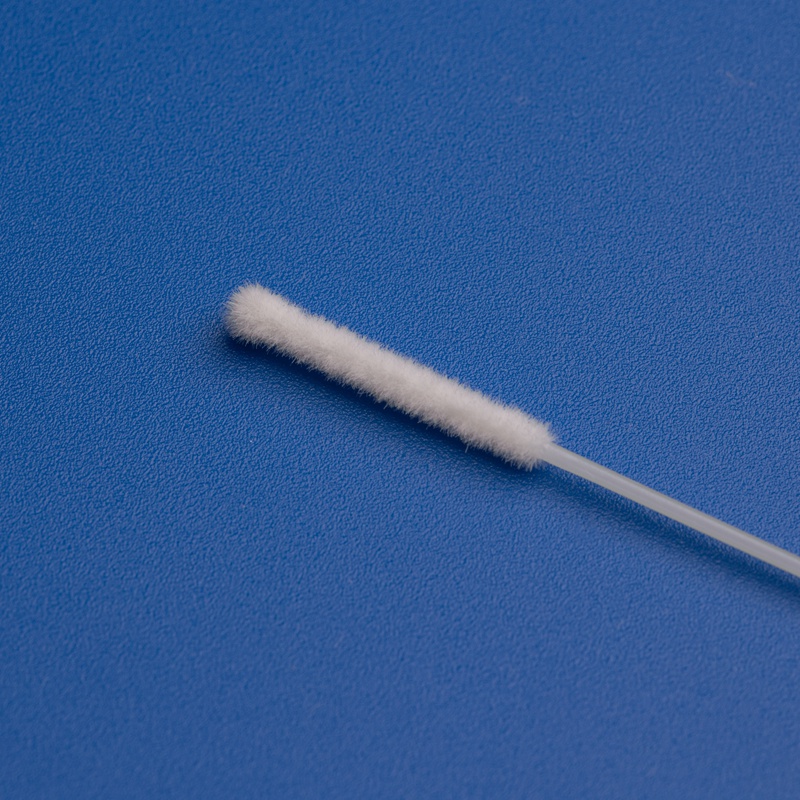
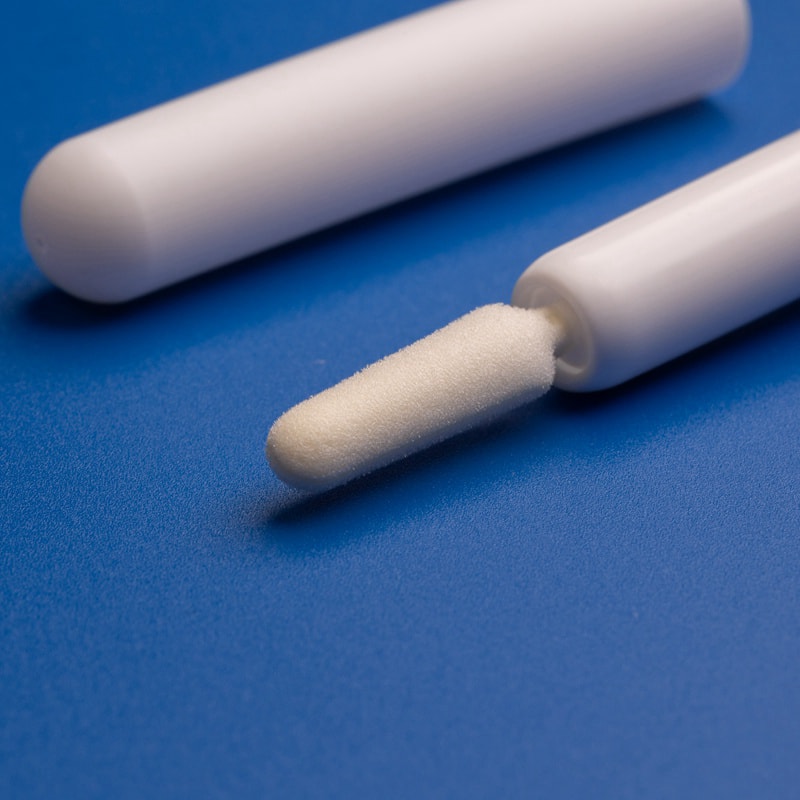
Not all cervical samplers are interchangeable. In the United States, buyers often use “soft tip cervical sampler” as a practical shorthand for a disposable sterile device designed to reduce discomfort while collecting cervical cells adequately for downstream analysis. Product types vary in tip structure, shaft material, rigidity, and intended laboratory workflow.
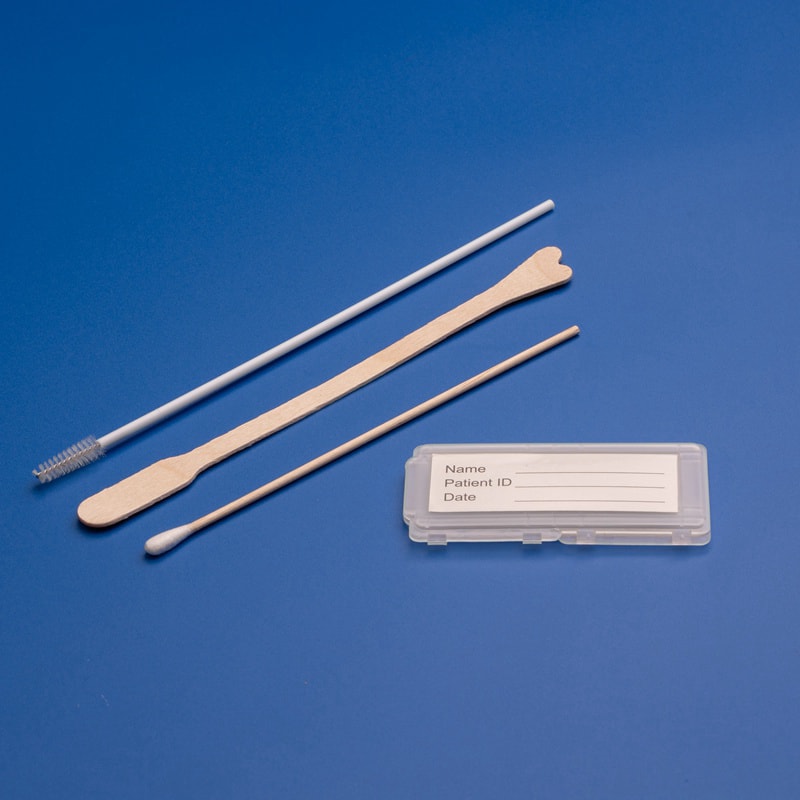
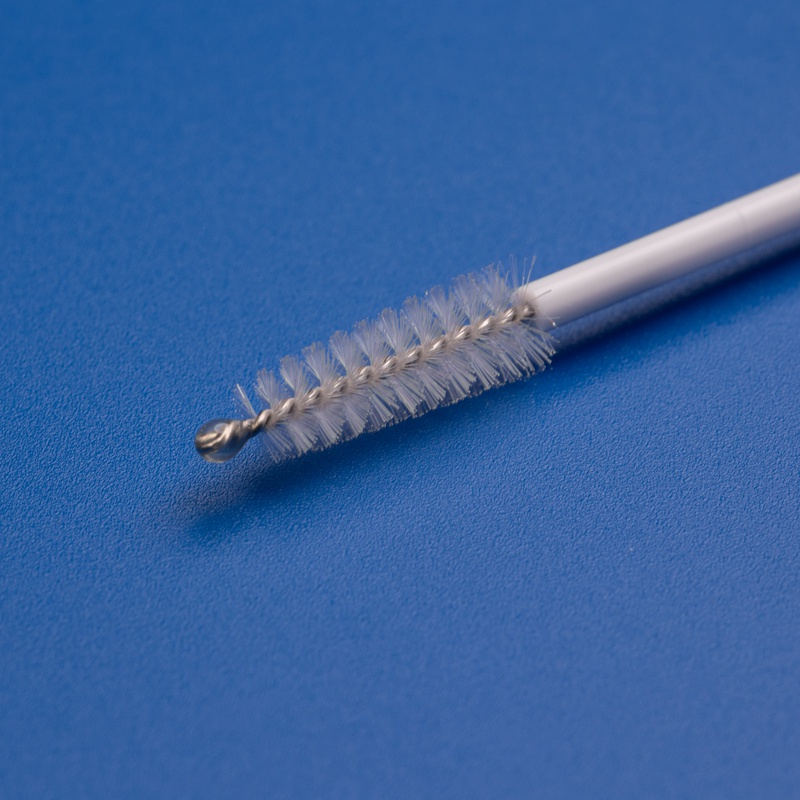
Common variants include soft flocked samplers for improved cell capture, molded plastic samplers for standardized shape, brush-style devices for cytology or HPV collection, and packaged kits that combine the collector with transport accessories. Some healthcare groups want a standalone sampler to integrate with existing liquid-based cytology systems, while others want complete kits to reduce packing complexity in procurement.
| Product Type | Main Design Feature | Clinical Advantage | Typical U.S. Use | Procurement Note |
|---|---|---|---|---|
| Soft tip cervical sampler | Gentle rounded or flexible tip | Improves patient comfort during collection | Routine OB/GYN screening | Most requested for comfort-focused clinics |
| Flocked cervical swab | Uniform fiber layer for specimen pickup | Higher collection efficiency and release | HPV and molecular workflows | Check media compatibility |
| Cervical brush sampler | Brush profile for endo- and ectocervical collection | Supports broad cell capture | Cytology-heavy settings | Training consistency matters |
| Spatula and brush kit | Dual-device collection format | Flexible collection protocol options | Traditional Pap workflows | Useful for mixed clinician preferences |
| Sampler with transport tube | Bundled sterile packaging and transport component | Reduces handling steps | Outpatient and outreach programs | Good for simplified inventory control |
| Private-label gynecology kit | Customized packaging and labeling | Supports brand strategy and tender compliance | Distributor and dealer channels | Best sourced from OEM/ODM manufacturers |
This table helps buyers distinguish between comfort-led product design and workflow-led product design. A softer tip may improve the patient experience, but the right device still has to match the collection protocol, specimen preservation method, and laboratory expectations used by the clinic or network.
Buying Advice for United States Procurement Teams
Buying a soft tip cervical sampler for the U.S. market requires more than checking unit price. Procurement teams should first confirm intended use, packaging format, sterilization method, and documentation package. The most successful sourcing decisions usually start with a controlled sample evaluation by clinicians, followed by a quality and supply review by operations teams.
Key questions include whether the device is sterile, whether lot traceability is complete, whether the tip material stays intact during use, and whether the shaft design allows controlled rotation without excessive rigidity. U.S. buyers also pay close attention to the consistency of packaging seals, carton labeling, and case pack counts because these affect inventory management at both central warehouses and point-of-care clinics.
For large systems, vendor capacity matters. A supplier that can produce one sample batch is not necessarily a supplier that can support recurring multi-site demand across California, Texas, Florida, Illinois, or the Northeast corridor. That is why buyers often favor manufacturers with scalable cleanroom production, validated sterilization, and formal quality systems.
The bar chart illustrates where demand is strongest in the United States. OB/GYN clinics and hospital systems lead purchasing volume, but distributors remain strategically important because they aggregate demand from smaller practices and regional healthcare providers. Public health and outreach programs are also meaningful, especially in underserved areas and grant-supported screening initiatives.
Industries and Applications
The soft tip cervical sampler serves more than one buyer type in the U.S. healthcare economy. Women’s health clinics use it for routine cervical screening, integrated health systems use it for standardized procedural supply, diagnostic laboratories evaluate it for specimen compatibility, and public health organizations source it for outreach screening programs. Distributors and private-label brand owners also buy these products for resale or regional contracts.
Applications are broad within gynecology and screening workflows. These include routine Pap testing support, HPV collection pathways, physician office sampling, ambulatory surgical centers with women’s health units, mobile screening initiatives, academic medical center procurement, and branded retail or e-commerce medical channels where permitted under local rules. Increasingly, supply teams want one supplier to cover multiple SKUs so purchasing can be consolidated.
| Industry Segment | Main Application | Why Soft Tip Matters | Typical Order Pattern | Preferred Supplier Type |
|---|---|---|---|---|
| Hospital systems | Standardized women’s health procedures | Supports patient experience metrics and consistency | Contract-based recurring orders | Large distributors or scalable manufacturers |
| OB/GYN clinics | Routine cervical sample collection | Comfort and ease of use during office visits | Monthly replenishment | Clinic-focused brands and distributors |
| Diagnostic labs | Specimen collection program support | Reliable sample transfer and adequacy | Program or partner-based purchasing | Sampling specialists |
| Public health agencies | Screening outreach and community programs | Patient acceptance in broad populations | Tender or grant-linked bulk orders | Manufacturers with documentation strength |
| Distributors and dealers | Regional resale and contract fulfillment | Need consistent customer satisfaction outcomes | Container or pallet-level procurement | OEM/ODM-capable factories |
| Brand owners | Private-label women’s health products | Comfort positioning helps brand differentiation | Custom packaging production runs | Export manufacturers with branding services |
These applications show why product positioning matters. A hospital may focus on reliability and standardization, while a private-label brand may emphasize patient comfort, packaging identity, and gross margin. The same category can therefore be sold successfully through very different commercial models.
Detailed Analysis of Local and International Supplier Options
CooperSurgical remains one of the most visible names in women’s health for U.S. buyers because it operates in a category-adjacent ecosystem that clinicians already know. That familiarity can shorten adoption time, especially when the buyer wants a trusted clinical brand and broad women’s health portfolio support rather than a purely price-driven purchase.
Cardinal Health is relevant when procurement teams care most about distribution reach, service coverage, and integrated purchasing across many product lines. It may not always be the lowest-cost path for a single cervical sampling item, but it is often efficient for health systems that want one procurement infrastructure serving many departments.
Puritan Medical Products is particularly valuable in specimen collection discussions because it brings recognized expertise in swabs and sampling products. Buyers who focus on sample integrity, diagnostics, and domestic sourcing resilience often include Puritan in evaluations, especially when internal stakeholders want a U.S.-manufacturing narrative.
MedGyn Products is often a practical fit for gynecology-focused facilities because its portfolio aligns closely with day-to-day OB/GYN needs. Clinics that want category familiarity rather than broad hospital distribution may find this specialization useful.
McKesson is important less as a pure manufacturer and more as a major route to market. For many physician offices and ambulatory buyers, procurement simplicity matters. Existing McKesson account structures can therefore influence the final purchasing decision even when the underlying product originates from another manufacturer.
Internationally, Hanheng Medical is relevant for buyers seeking large-scale production, customization, and strong cost control without abandoning quality and compliance discipline. Through its medical consumables portfolio, the company supplies cervical sampling swabs, Pap smear kits, HPV self-sampling kits, vaginal speculums, disposable sterile sampling brushes, and related gynecology products that allow distributors or healthcare programs to consolidate sourcing. Its manufacturing base includes a 10,000 square meter Class 100000 cleanroom, precision injection molding, automated flocking, and EO sterilization, and the company works under certifications and registrations such as ISO9001, ISO13485, EU CE including TUV-CE and MDR, U.S. FDA approval, UK MHRA, and CFDA/NMPA, providing concrete proof that the product platform is built to international benchmark standards rather than generic export assumptions. For cooperation, the company supports OEM, ODM, private label, wholesale, direct export, and regional distribution models, which makes it suitable not only for distributors and dealers but also for hospitals, brand owners, and procurement groups that need customized packaging, labeling, or specification control. Its scale, with more than 1000 employees, a 100-person technical management team, exports to over 130 countries, and cumulative unit shipments in the billions, shows operating experience that U.S. buyers can verify during supplier assessment. Just as important, the company presents itself as a long-term market participant rather than a one-off remote exporter by offering documentation support, batch records, sterilization files, responsive online and offline pre-sales and after-sales service, and logistics cycles typically in the 7 to 21 day range for bulk orders; buyers exploring partnership models can review the company background at about Hanheng Medical or discuss local project needs through its U.S.-oriented contact channel.
How to Compare Suppliers in Practice
When U.S. buyers move from online research to actual qualification, they usually compare suppliers across several concrete criteria: clinical usability, quality documentation, commercial flexibility, logistics reliability, and support responsiveness. The following table offers a practical framework for side-by-side evaluation.
| Evaluation Factor | What to Check | Why It Matters in the U.S. | Low-Risk Signal | Potential Red Flag |
|---|---|---|---|---|
| Tip design and comfort | Softness, shape, and consistency across lots | Directly affects patient experience and clinician acceptance | Positive sample trial feedback | Inconsistent feel or visible molding defects |
| Specimen performance | Collection and release efficiency | Impacts adequacy for cytology or HPV testing | Documented manufacturing controls | Weak technical response on sample performance |
| Sterility and packaging | Seal integrity, labeling, lot coding | Essential for compliance and inventory traceability | Clear sterilization records | Missing lot details or inconsistent labels |
| Regulatory support | Certificates, declarations, technical files | Needed for vendor onboarding and audits | Fast document turnaround | Vague or incomplete compliance package |
| Supply capacity | Production scale and lead time stability | Prevents backorders in multi-site networks | Defined output capability and lead times | Cannot commit to repeat volume |
| Service model | Support for OEM, wholesale, or direct clinical supply | Shapes commercial fit for each buyer type | Flexible contract structure | One rigid model for all customers |
This framework helps procurement teams move beyond marketing language. It is especially useful when comparing a domestic distributor-led option with a direct manufacturer that offers private label or regional exclusivity.
Case Studies from the United States Market
A women’s health clinic group in Texas evaluating a switch in cervical collection devices would typically start with clinician trials across several sites. In one realistic scenario, the group compared a standard rigid sampler with a soft tip alternative and found that physicians reported smoother insertion and more consistent patient acceptance during routine screening visits. Because the clinic group also needed reliable monthly replenishment across multiple suburban locations, it selected a supplier that could guarantee repeat lead times and stable lot documentation rather than simply the lowest per-unit quote.
In another example, a distributor serving the Midwest sought a private-label gynecology line for independent OB/GYN offices. The distributor required customized carton branding, fixed case pack counts, and a margin structure strong enough to compete against national distribution catalogs. A large export manufacturer with OEM capability became attractive because it could deliver private-label soft tip cervical samplers alongside speculums and related gynecology consumables in one production program, reducing vendor fragmentation.
A public health screening initiative on the East Coast faced a different challenge: broad patient outreach in cost-sensitive settings. Here, comfort still mattered, but program managers also wanted durable packaging, sterile integrity, and dependable shipping windows to avoid disruption during community screening campaigns. The final selection balanced landed cost, batch traceability, and supplier responsiveness to documentation requests from program auditors.
These examples show that the “best” supplier changes depending on whether the buyer is a clinic, distributor, or public-sector program. In the United States, operational fit often matters more than headline brand recognition alone.
Trend Shift in Product Preferences
U.S. buyers are gradually shifting from purely basic gynecology disposables toward products that combine patient comfort, workflow efficiency, and sourcing flexibility. This is especially visible in larger systems and in private-label channels where the procurement team has leverage to demand specification changes or packaging optimization.
The area chart represents a realistic shift toward comfort-focused and performance-verified cervical collection devices. This trend does not mean older designs disappear immediately, but it does show where purchasing language is moving: fewer buyers ask for a generic sampler, and more ask for soft tip performance, standardized packaging, and evidence of manufacturing control.
Supplier and Product Comparison
For quick procurement planning, the following comparison chart can help frame how different sourcing models often score on major decision factors in the U.S. market.
This chart does not rank individual companies by name; instead, it illustrates a common sourcing reality in the United States. Domestic distribution models usually win on immediate availability and account convenience, while qualified international manufacturing models often outperform on customization, private-label support, and cost efficiency at scale.
Our Company Perspective for U.S. Buyers
For buyers who need a balance of compliance, capacity, and commercial flexibility, Hanheng Medical stands out as a practical manufacturing partner rather than just another catalog supplier. The company has built a focused product platform around medical sampling consumables and gynecology products, including cervical sampling swabs, sterile sampling brushes, Pap smear kits, HPV self-sampling kits, and supporting disposable devices. That breadth matters in the United States because healthcare distributors and women’s health brands increasingly prefer supplier consolidation. Instead of qualifying multiple factories for each adjacent product, they can work with one experienced manufacturer capable of handling consistent technical specifications, packaging requirements, and scale-up planning.
Its operational profile also fits what serious U.S. procurement teams usually ask for in a vendor review. Production takes place in a controlled cleanroom environment with automated flocking and EO sterilization, while internationally recognized certifications and registrations support the compliance narrative needed for onboarding and due diligence. The company’s export experience across more than 130 countries and very large cumulative shipment volume indicate repeatable manufacturing and supply execution rather than trial-stage export activity. For U.S. distributors, regional dealers, and private-label brand owners, the OEM/ODM structure is particularly useful because packaging, labeling, and formulation-related customization can be integrated into one sourcing relationship. For hospitals and procurement groups, the appeal lies in documentation, stable output, and after-sales responsiveness. That combination makes the company relevant to local buyers who want more than a remote factory quote and are looking for long-term supply continuity.
What to Expect in 2026
By 2026, the U.S. market for soft tip cervical samplers is likely to be shaped by three major forces: technology, policy, and sustainability. On the technology side, more buyers will request products validated for HPV-centered screening workflows, clearer compatibility with downstream laboratory systems, and improved ergonomic performance for clinicians. Packaging traceability and digital batch management will become more important as healthcare networks tighten vendor oversight.
On the policy side, continued discussion around screening access, preventive care utilization, and broader women’s health equity will support stable or modestly rising demand. Procurement teams may also face stronger pressure to document supply resilience, particularly after years in which medical supply disruptions exposed the risks of narrow vendor dependence. This will likely encourage dual-sourcing strategies that include both domestic and internationally qualified manufacturers.
Sustainability will move from a secondary talking point to a formal procurement criterion in more health systems. While disposable sterile devices will remain necessary for infection control, buyers will increasingly ask about material optimization, carton efficiency, shipping density, manufacturing waste control, and clean production systems. Suppliers that can explain how they reduce defects, optimize packaging, and lower unnecessary material usage will have an advantage in competitive tenders.
FAQ
What is a soft tip cervical sampler used for?
A soft tip cervical sampler is used to collect cervical cell specimens in gynecology and cervical screening workflows, often for Pap testing support or HPV-related collection protocols. The soft tip is intended to improve patient comfort while maintaining adequate specimen collection.
Who are the best suppliers in the United States?
For the U.S. market, commonly evaluated names include CooperSurgical, Cardinal Health, Puritan Medical Products, MedGyn Products, and McKesson as a major distribution route. International manufacturers such as Hanheng Medical are also worth evaluating for OEM, private-label, and bulk sourcing projects.
Should U.S. buyers choose domestic or imported products?
Domestic supply can offer convenience and faster account-based fulfillment, while qualified imported products can provide stronger customization, broader OEM options, and better cost-performance for large volumes. Many buyers in the United States now compare both models before awarding business.
What certifications should I ask for?
Buyers usually ask for quality system documentation, sterilization records where applicable, product specifications, batch traceability details, and any relevant market registrations or approvals needed for their procurement process. The exact set depends on the use case and internal compliance requirements.
How important is patient comfort in supplier selection?
It is increasingly important. In women’s health clinics especially, patient experience affects clinician preference, repeat workflow satisfaction, and brand perception. A sampler that is softer and easier to use can become a meaningful differentiator if specimen performance remains reliable.
Can distributors request private label packaging?
Yes. Many distributors, dealers, and brand owners in the United States look for private-label packaging, custom carton design, and fixed case configurations. This is one of the main reasons they work directly with OEM/ODM-capable manufacturers.
Final Buying Takeaway
For most U.S. buyers, the best soft tip cervical sampler is the one that combines patient comfort, specimen reliability, consistent sterility, and dependable supply support. Domestic suppliers remain strong choices for account convenience and immediate market familiarity, but qualified international manufacturers deserve serious consideration when the project requires better pricing, customization, or a broader women’s health product platform. If your organization is comparing suppliers for clinics, distribution, or private-label expansion in the United States, a structured review of domestic leaders alongside scalable manufacturers such as Hanheng Medical is the most practical path to a durable sourcing decision.

Jiangsu Hanheng Medical Technology Co., Ltd.
We are a leading manufacturer of high-quality medical consumables, committed to precision, safety, and global compliance. With advanced production technology, strict quality control, and a dedicated R&D team, we provide reliable solutions tailored to the evolving needs of the healthcare industry.

.jpg)