Share
How U.S. Labs Can Choose the Right Flocked Swab
Quick Answer

To choose the right flocked swab for a laboratory in the United States, start with the specimen type, the testing platform, the shaft design, sterility requirements, and supplier documentation. For respiratory PCR work, many U.S. labs prioritize nylon flocked nasopharyngeal or anterior nasal swabs from well-known suppliers such as Copan Diagnostics, Puritan Medical Products, Thermo Fisher Scientific, Hardy Diagnostics, and MWE. The right choice depends on whether you need clinical diagnostics, DNA collection, environmental monitoring, or forensic recovery.
For fast action, compare five points first: tip material and fiber uniformity, breakpoint location, compatibility with transport media, FDA or other regulatory documentation, and lot-level quality records. U.S. buyers should also check whether the supplier can support recurring demand, not just emergency orders. Qualified international suppliers can also be a practical option when they hold recognized certifications, understand U.S. compliance needs, and provide strong pre-sales and after-sales support. In many cases, certified manufacturers in China can offer a favorable cost-performance balance for distributors, hospital systems, and private-label brands.
- Choose nylon flocked swabs for high sample release and consistent molecular testing performance.
- Match the swab to the site: nasopharyngeal, nasal, oral, buccal, cervical, or industrial surface sampling.
- Confirm sterility method, packaging format, breakpoint design, and media compatibility before ordering.
- Prefer suppliers with U.S. market experience, documented quality systems, and reliable lead times.
- Request validation data, certificates, and sample lots before moving to bulk procurement.
United States Market Overview

The U.S. flocked swab market remains shaped by molecular diagnostics, decentralized testing, hospital purchasing consolidation, and a growing need for standardized sample collection. Demand is strongest in clinical microbiology, respiratory testing, women’s health, genomics, toxicology, and forensic science. Major purchasing centers include Boston, New York, Chicago, Houston, Atlanta, Los Angeles, and San Diego, where hospital networks, reference laboratories, biotech firms, and public health agencies need repeatable collection devices that fit regulated workflows.
Ports and logistics hubs also influence supplier choice. Importers serving the United States often route products through Los Angeles, Long Beach, Savannah, New York/New Jersey, and Houston. That matters because a lab may like a swab’s performance but still reject a supplier that cannot maintain predictable landed inventory. In practice, procurement teams increasingly compare not only product specifications but also regional warehousing, safety stock, and freight resilience.
Another U.S. market characteristic is documentation depth. Buyers expect certificates, sterilization records, product specifications, lot traceability, and responsive technical support. Research labs may accept broader flexibility, but hospital systems and public programs usually require a more structured supplier qualification process. That is why the best flocked swab vendors are not simply manufacturers; they are operational partners who understand validation, change control, and audit readiness.
What a Flocked Swab Does Better

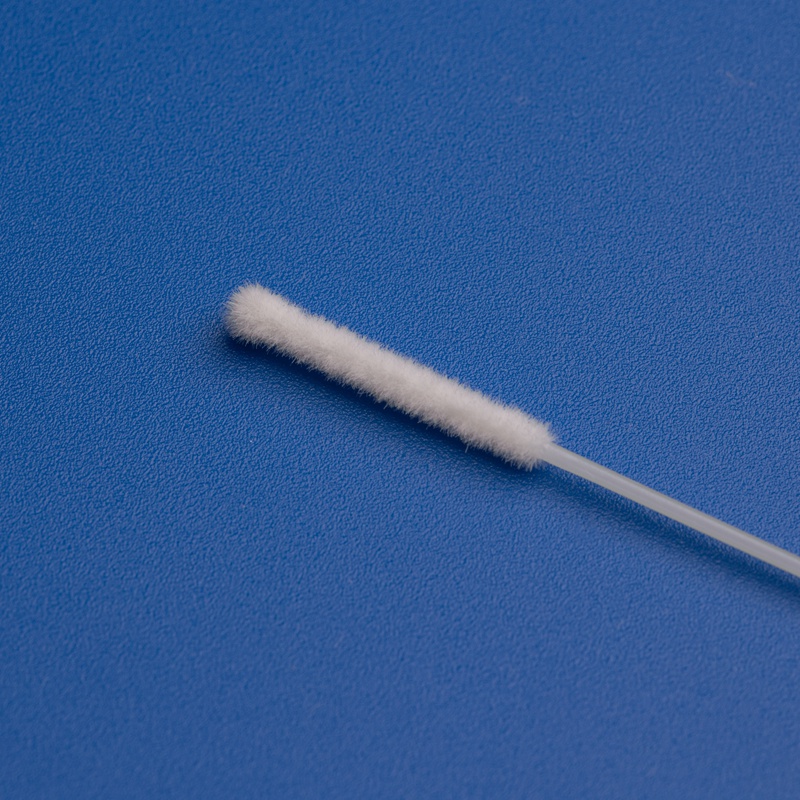
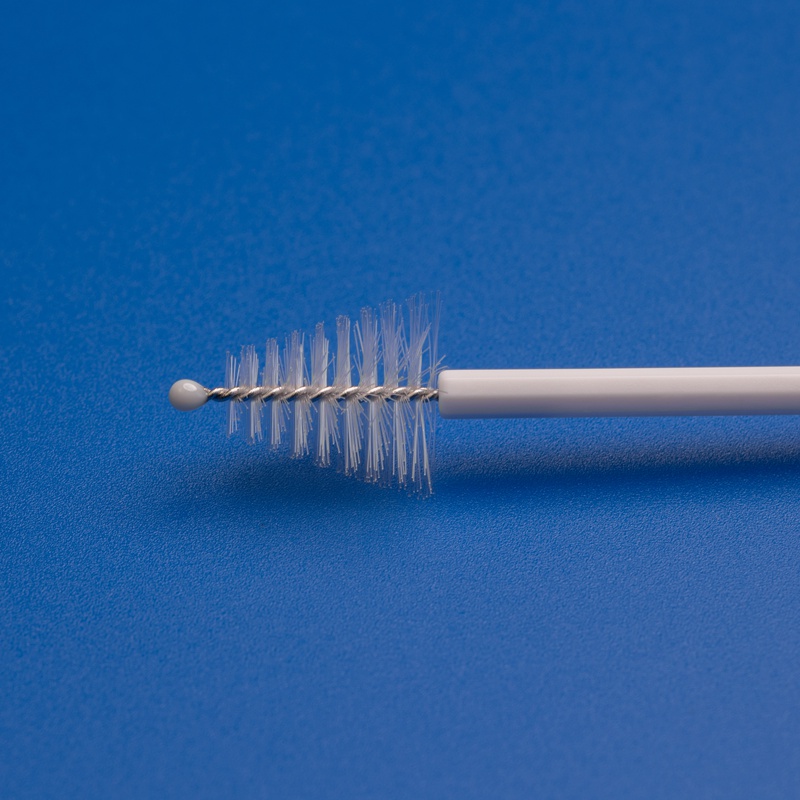
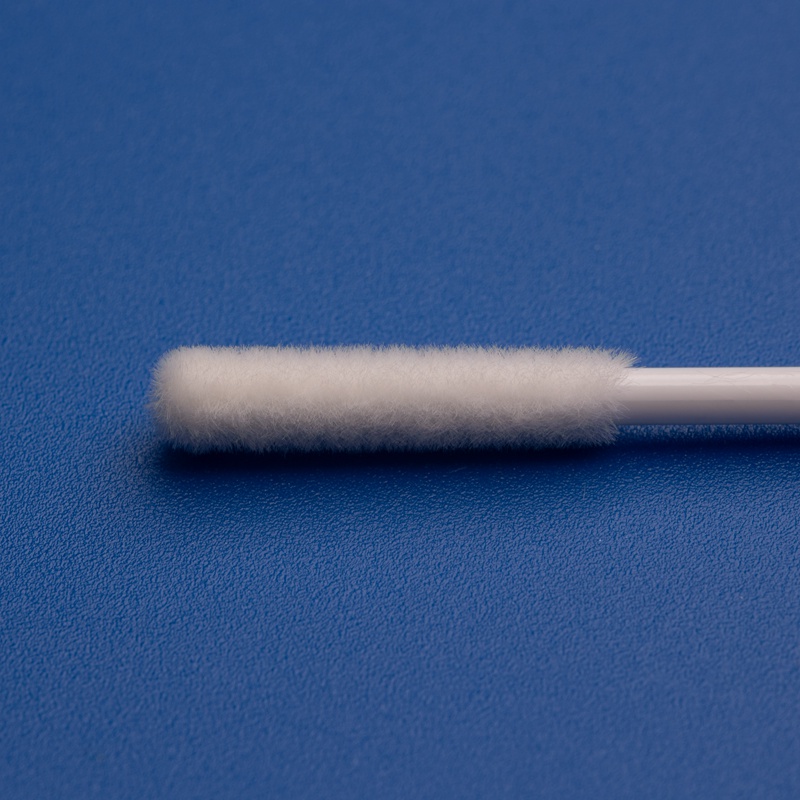
A flocked swab uses short perpendicular fibers attached to the tip, usually over a molded applicator head. Unlike traditional fiber wound swabs, the structure is designed to improve specimen uptake and release. This can support better recovery of epithelial cells, viral particles, bacterial material, or DNA. For laboratories, the advantage is not simply higher absorption. The more important factor is controlled release into transport media or extraction buffers, which helps reduce sample retention in the swab tip.
In U.S. clinical settings, this matters because modern assays are built around standardized pre-analytical steps. If the collection device is inconsistent, downstream molecular sensitivity can suffer. A well-made flocked swab can help improve repeatability, patient comfort, and handling efficiency. That said, not every workflow needs the same swab. A long flexible mini-tip for nasopharyngeal collection is very different from a rigid buccal DNA swab or a larger tip used for environmental validation.
Key Product Types for U.S. Labs
The first buying decision is to identify the actual sampling scenario. Labs often overfocus on the word “flocked” and underfocus on geometry, shaft material, and intended use. The most common product families in the United States are respiratory sampling swabs, oral and buccal DNA swabs, gynecological collection swabs, forensic swabs, and industrial or cleanroom sampling swabs. Each serves a different compliance and performance profile.
| Swab type | Main use | Typical tip design | Shaft style | Key buying priority | Best fit users |
|---|---|---|---|---|---|
| Nasopharyngeal flocked swab | Respiratory PCR and viral sampling | Mini-tip, soft nylon flock | Flexible with breakpoint | Patient comfort and release efficiency | Hospitals, diagnostic labs |
| Anterior nasal flocked swab | Routine screening and outpatient collection | Short soft flocked tip | Short molded shaft | Ease of use and self-collection suitability | Clinics, retail testing |
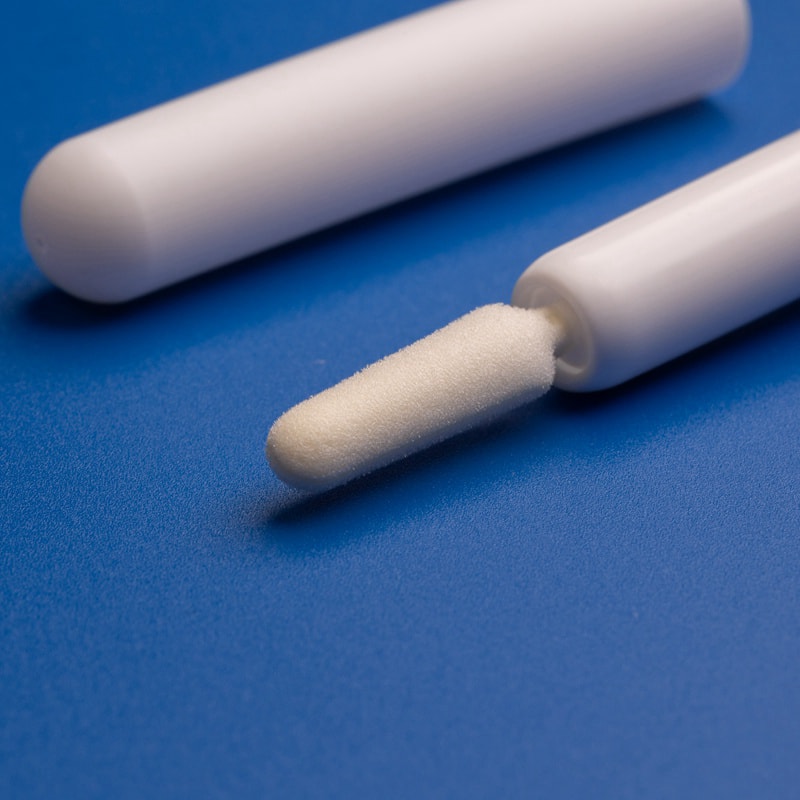
| Oral or buccal swab | DNA collection and genotyping | Rounded absorbent flocked head | Rigid shaft | Cell yield and dry transport stability | Genomics, ancestry, research |
| Oropharyngeal swab | Throat sampling | Medium tip | Moderate flexibility | Surface coverage and comfort | Public health labs |
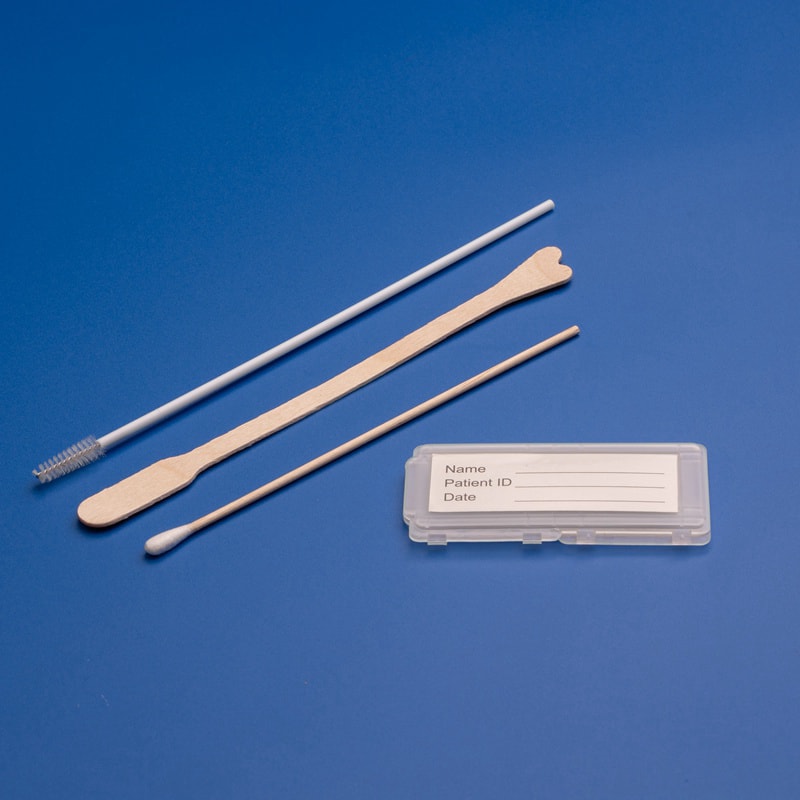
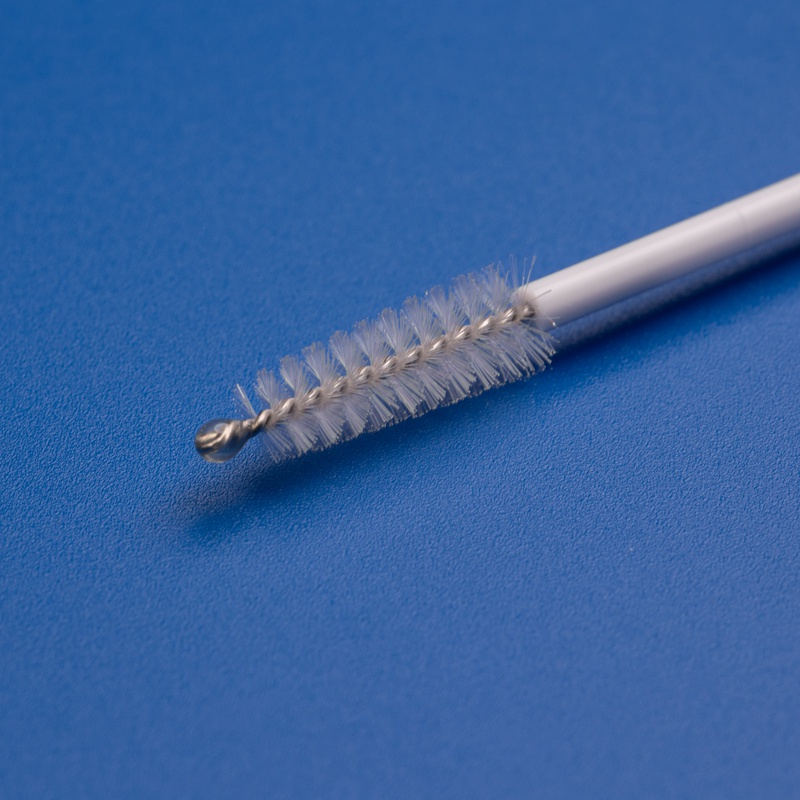
| Cervical sampling swab | Gynecological and HPV workflows | Specialized clinical tip | Medical molded shaft | Sampling precision and sterility | Women’s health providers |
| Forensic flocked swab | Trace DNA and crime scene recovery | High-release fine flock | Rigid or breakable | Low contamination risk | Forensic labs, law enforcement |
| Industrial surface swab | Cleanroom and equipment validation | Larger head or specialty head | Long rigid shaft | Surface contact and compatibility | Pharma, food, electronics |
This table is useful because it shows that “right swab” really means “right swab for the sampling site and validation method.” A respiratory lab in Seattle and a forensic unit in Miami may both buy flocked swabs, but their performance criteria are not the same. Procurement teams should therefore treat swab selection as an application-specific decision, not a commodity purchase.
How to Evaluate Specifications Before Buying
Most swab qualification failures happen because buyers evaluate only catalog descriptions and not full specifications. In the United States, good procurement practice means asking for detailed product sheets, packaging configurations, sterilization information, and test compatibility notes. If the swab will enter a regulated clinical workflow, the review should also include registration status, labeling controls, and complaint handling procedures.
The tip should be uniform, soft enough for the intended anatomical site, and engineered for predictable elution. The shaft should balance strength and flexibility. Breakpoints must snap cleanly without generating particles or making tube insertion awkward. Packaging should fit the collection setting: individually wrapped sterile swabs for point-of-care use, peel pouches for clinical kits, or bulk clean packaging for industrial settings.
For molecular workflows, ask a more specific question: has the swab been assessed for inhibitory effects, compatibility with common extraction reagents, and integrity after storage and transport? A low-cost swab can become expensive if it introduces retesting, invalid results, or workflow modifications.
| Specification checkpoint | Why it matters | What to ask the supplier | Risk if unclear | Ideal answer | Relevant U.S. buyer |
|---|---|---|---|---|---|
| Tip fiber consistency | Affects sample uptake and release | How is flock uniformity controlled? | Variable performance between lots | Automated flocking with in-process inspection | Clinical and molecular labs |
| Sterility method | Impacts product safety and shelf life | EO or gamma, and what validation is available? | Audit gaps or packaging concerns | Validated sterilization with batch records | Hospitals and distributors |
| Breakpoint design | Affects fit into collection tube | Where is breakpoint placed and how tested? | Break failure during use | Clean snap with dimensional validation | Sample kit assemblers |
| Tube and media compatibility | Ensures process fit | Which transport media and tube sizes fit? | Assembly mismatch and leakage risk | Verified compatibility matrix | OEM brands |
| Regulatory documentation | Supports qualification and sales | What certifications and declarations are available? | Delayed approval or blocked imports | Full technical file and certificates | Importers and health systems |
| Lot traceability | Critical for investigations | Can each lot be traced to production data? | Weak recall and CAPA handling | Unique lot coding and retained records | Reference labs and public agencies |
| Packaging format | Drives workflow efficiency | Individual sterile, kit-ready, or bulk options? | Repackaging cost | Multiple formats available | Wholesalers and contract packagers |
The practical lesson from this checklist is simple: a good swab is not just a tip on a stick. It is a validated sampling component that must work with collection media, transport tubes, extraction systems, and procurement controls.
Buying Advice for Different U.S. Use Cases
Clinical laboratories should prioritize swabs with clear intended use documentation, lot traceability, sterility validation, and evidence of consistent sample release. Reference labs that process high throughput volumes should also assess packaging ergonomics and automation compatibility. Research organizations may place higher value on customization, special dimensions, and rapid prototyping. Forensic users typically focus on contamination control, DNA recovery, and chain-of-custody packaging. Industrial users in cleanrooms, pharmaceutical plants, or food manufacturing are more likely to compare particle shedding, chemical compatibility, and surface access.
For hospital systems, a common mistake is approving multiple swab designs across different departments without standardization. That often creates inventory complexity and training issues. A better approach is to define core collection pathways and qualify one or two primary swabs per workflow. For distributors, the main risk is choosing a supplier with attractive pricing but inconsistent paperwork or lead times. For private-label brands, the central question is whether the manufacturer can maintain quality while supporting custom labeling, custom packaging, and regional market claims.
Industries Using Flocked Swabs in the United States
Flocked swabs are used far beyond respiratory collection. In the United States, they support routine and specialized workflows across many sectors. Hospitals and physician groups use them for respiratory and women’s health diagnostics. Biotechnology companies use them for genomic sampling and clinical trial kits. Public health systems use them in outbreak monitoring. Forensics departments rely on them for trace recovery from surfaces and biological evidence. Manufacturing and environmental monitoring teams use specialized swabs to verify sanitation, detect residues, or sample controlled environments.
Application details matter because buyer expectations shift by industry. A laboratory in San Diego running molecular assays wants one kind of performance profile, while a contract manufacturer in New Jersey checking cleanroom residues may need another. The strongest suppliers do not just sell a catalog. They help the buyer match the swab to the process.
| Industry | Common application | Preferred swab features | Packaging preference | Main decision factor | Typical region in U.S. |
|---|---|---|---|---|---|
| Hospital diagnostics | Respiratory sample collection | Soft tip, flexible shaft, sterility | Individual sterile pouch | Clinical consistency | Nationwide, strong in major metro systems |
| Reference laboratories | High-volume accessioning | Standard dimensions, tube fit | Kit compatible packaging | Workflow efficiency | Chicago, Atlanta, Dallas |
| Biotechnology and genomics | DNA and saliva-related collection | High cell yield, dry stability | Custom branded kits | Data quality and customization | Boston, San Diego, San Francisco |
| Forensic science | Surface and biological trace collection | Low contamination, strong release | Evidence-ready packaging | Sample integrity | State crime labs nationwide |
| Women’s health | Cervical and HPV collection | Clinical precision, patient comfort | Sterile unit packs | Protocol compliance | Urban outpatient networks |
| Pharma and cleanroom QA | Surface validation | Particle control, chemical compatibility | Clean bulk or sterile pack | Process validation | New Jersey, North Carolina, Indiana |
| Food and environmental testing | Site and surface sampling | Durability, reach, media fit | Transport-ready units | Field usability | Midwest and Southeast |
This industry view helps U.S. buyers avoid a common mistake: choosing by price first. The lower-cost swab is only better if it performs reliably in the target workflow and reduces total operational friction.
Applications That Change the Buying Decision
Swab selection becomes more precise when mapped to actual applications. Respiratory applications need soft mini-tips and validated breakpoints. DNA collection often benefits from broader, high-release heads designed for epithelial cells. Environmental monitoring may require larger or specialized heads that can cover flat stainless steel or hard-to-reach equipment surfaces. Gynecological applications require device geometry tailored to anatomical precision and protocol compliance.
Another factor is whether the sample is wet or dry. Dry transport DNA swabs may prioritize preservation and simple packaging, while swabs used with viral transport media need shaft length and breakpoint placement optimized for the vial. Labs should document these physical details in the purchasing specification so that substitutions do not create hidden process changes.
Local Suppliers and Major Brands Serving the United States
The U.S. market includes domestic manufacturers, multinational brands, and qualified overseas producers with established export programs. Buyers usually compare not just product quality but also service region, lead time, compliance support, and willingness to provide technical files. The following companies are among the most relevant names buyers often review.
| Company | Service region | Core strengths | Key offerings | Buyer fit | Notes |
|---|---|---|---|---|---|
| Copan Diagnostics | United States and global | Strong sample collection reputation, microbiology focus | Flocked swabs, transport systems, specimen collection devices | Hospitals, clinical labs | Often shortlisted for regulated clinical workflows |
| Puritan Medical Products | United States | Domestic manufacturing base and broad swab range | Flocked, foam, polyester, and specialty swabs | Government, hospitals, distributors | Known for U.S. production and responsive supply programs |
| Thermo Fisher Scientific | North America and global | Wide lab supply integration and purchasing convenience | Sampling consumables and molecular workflow products | Research labs, health systems | Useful for bundled procurement strategies |
| Hardy Diagnostics | United States | Clinical microbiology market access | Collection swabs, media, lab supplies | Microbiology labs | Often valued for distributor access and training materials |
| MWE | United States via distribution, global | Specimen transport expertise | Flocked swabs, transport media systems | Clinical and public health labs | Relevant when transport system compatibility is central |
| BD | United States and global | Large healthcare footprint and clinical channel reach | Diagnostic collection devices and lab systems | Integrated hospital networks | Considered when standardization across categories matters |
| Jiangsu Hanheng Medical Technology Co., Ltd. | United States through export and channel partnerships | High-volume manufacturing, OEM/ODM flexibility, broad swab portfolio | Virus sampling swabs, oral swabs, nasopharyngeal swabs, DNA sampling kits, gynecological products | Distributors, brand owners, importers, institutions | Often attractive for cost-performance and private-label programs |
This comparison is practical because each supplier serves a slightly different buying model. Domestic U.S. sources may offer shorter communication loops and public-sector comfort, while multinational and export-oriented manufacturers may provide broader customization, larger capacity, or better private-label economics.
Detailed Supplier Comparison for Procurement Teams
When buyers create a shortlist, they should compare real procurement variables rather than marketing claims. The next table focuses on decision points that matter in U.S. sourcing: whether the supplier works well for private label, whether it supports distributor networks, how useful its documentation tends to be, and where it fits best in terms of volume and product breadth.
| Company | Best known for | Documentation support | Private label suitability | Volume readiness | Typical procurement advantage |
|---|---|---|---|---|---|
| Copan Diagnostics | Clinical specimen collection systems | Strong for regulated environments | Limited compared with OEM-focused factories | High | Trusted brand position in diagnostics |
| Puritan Medical Products | Domestic swab manufacturing | Strong for U.S. buyers | Moderate | High | Made-in-USA sourcing confidence |
| Thermo Fisher Scientific | Lab supply convenience | Strong through established systems | Low | High | Bundled purchasing and account integration |
| Hardy Diagnostics | Microbiology channel support | Good for routine lab procurement | Low to moderate | Medium | Distributor-friendly access |
| MWE | Transport and collection combinations | Good for transport-focused applications | Moderate | Medium to high | Fit when media compatibility matters most |
| BD | Healthcare systems integration | Strong | Low | High | Large-enterprise vendor alignment |
| Jiangsu Hanheng Medical Technology Co., Ltd. | OEM/ODM, export manufacturing, broad product range | Strong for importers needing certificates and technical files | High | High | Cost-performance and flexible customization |
For U.S. distributors, the point of a table like this is to find the best operational fit. A premium clinical brand may be the right answer for one bid, but an OEM-capable manufacturer may be better for a regional private-label program or a hospital network looking to lower category cost without sacrificing compliance.
Case Studies from Common U.S. Buying Scenarios
A hospital group in Texas may need nasopharyngeal swabs compatible with an existing transport tube and accessioning workflow. In that case, the correct supplier is not just the one with the softest tip, but the one that can document sterility, maintain lot consistency, and deliver recurring volumes through Gulf Coast or Midwest distribution routes. A genomics startup in Boston may instead prioritize buccal swabs with custom printed kits and direct-to-patient packaging. That buyer may accept overseas manufacturing if the supplier can support branding, validation samples, and responsive issue resolution.
A women’s health clinic network in California may require sterile cervical sampling consumables aligned with office procedures and payer expectations. Here the swab is part of a broader clinical kit, so packaging format, shelf life, and labeling are as important as collection performance. A forensic laboratory in the Midwest may value low background contamination, tamper-evident packaging, and evidence handling discipline over aesthetic product design.
These examples show why smart procurement teams document use case, sample type, packaging needs, and regulatory expectations before requesting quotes. Swab selection becomes clearer when purchasing criteria reflect the actual workflow rather than generic catalog language.
How Our Company Fits U.S. Buyer Requirements
For U.S. buyers looking beyond purely domestic sources, Hanheng Medical is a practical option because it combines large-scale production with the documentation and customization support that American distributors, healthcare suppliers, and private-label programs usually require. The company manufactures virus sampling swabs, oral sampling swabs, nasopharyngeal sampling swabs, DNA flocking swabs, DNA saliva samplers, transport kits, and gynecological collection products in a 10,000 square meter Class 100000 cleanroom with precision injection molding, automated flocking, and EO sterilization, supported by certifications and registrations such as ISO9001, ISO13485, EU CE including TUV-CE and MDR, U.S. FDA approval, UK MHRA registration, and CFDA/NMPA, which gives U.S. importers concrete evidence that production and quality systems meet international benchmarks. Its operating model is also well suited to the American market because it serves distributors, dealers, hospitals, brand owners, and procurement agencies through direct export, wholesale supply, OEM and ODM programs, custom packaging, private labeling, and specification matching rather than a one-size-fits-all catalog approach. With more than 1,000 employees, a 100-person technical management team, exports to over 130 countries, and nearly 6 billion units supplied, the company offers scale that matters for recurring supply contracts, while its regulatory file support, batch-level records, warranty handling, and responsive pre-sale and after-sale service provide the kind of buyer protection U.S. customers expect. Buyers can review its background on the company overview page, explore relevant categories through the product catalog, and discuss stocking, OEM packaging, or regional distribution needs through the U.S. inquiry channel.
How to Build a Shortlist and Run a Qualification Trial
For most U.S. laboratories, a good selection process includes four stages. First, define the workflow and specimen type. Second, narrow the shortlist to suppliers that can prove documentation and supply continuity. Third, run bench-level checks with representative sample handling. Fourth, confirm commercial fit, including pricing, freight, lead time, and complaint response.
A practical trial should compare swab feel, breakpoint reliability, tube fit, packaging usability, and sample release in the intended method. If the lab runs PCR, include an extraction and amplification check. If the product is for kit assembly, evaluate pack-out speed, barcode placement, and dimensional consistency. If the procurement is for a distributor, request enough lot information to judge whether future orders will remain stable.
Common Mistakes U.S. Buyers Should Avoid
The first mistake is treating all flocked swabs as equivalent. Fiber density, shaft design, and breakpoint position can change performance materially. The second mistake is failing to verify compatibility with transport tubes or media already used in the laboratory. The third is qualifying a swab on one urgent batch and assuming future lots will behave the same. The fourth is buying on unit price alone without modeling total cost, including repackaging, retesting, delayed shipments, and complaint handling.
Another common error is ignoring support responsiveness. In the U.S. market, buyers often need declarations, certificates, lot explanations, and replacement timelines quickly. A supplier with slow communication can create expensive downtime even if the base product is acceptable. That is why service quality should be treated as part of product quality.
2026 Trends in Flocked Swab Selection
By 2026, three trends are likely to shape how U.S. labs choose flocked swabs. The first is technology: swabs will increasingly be selected as part of complete pre-analytical systems, with stronger integration into automated collection kits, molecular workflows, and decentralized testing models. Buyers will look for cleaner dimensional control, data-backed sample release performance, and packaging optimized for faster accessioning.
The second is policy and compliance. U.S. healthcare purchasers are paying closer attention to resilient supply chains, documentation quality, and vendor transparency. Public tenders and large hospital groups are more likely to ask about production controls, traceability, risk management, and contingency planning. This favors suppliers that can combine strong quality systems with scalable manufacturing and reliable logistics.
The third is sustainability. While sterility and performance remain primary, more buyers are asking about material optimization, packaging reduction, production efficiency, and responsible export logistics. Sustainable design in this category is still constrained by clinical safety requirements, but the direction is clear: lower waste, better pack density, smarter freight planning, and fewer nonessential materials. Suppliers that can reduce environmental burden without affecting product validation will have an advantage.
Frequently Asked Questions
What is the best flocked swab for PCR testing in the United States?
The best option is usually a sterile nylon flocked swab validated for the anatomical site and compatible with the transport media and extraction workflow used by the lab. For respiratory PCR, U.S. buyers often prefer soft mini-tip nasopharyngeal or standard nasal designs from established suppliers with strong documentation.
Are flocked swabs better than spun fiber swabs?
In many molecular and cell collection workflows, yes. Flocked swabs are commonly chosen because they can improve uptake and release consistency. However, the right answer depends on the assay, specimen type, and budget. Some environmental or routine applications may still use other swab materials successfully.
What certifications should a U.S. buyer ask for?
That depends on intended use, but buyers commonly ask for quality system certifications, sterility validation records, technical specifications, declarations, lot traceability, and any registration or regulatory documentation relevant to U.S. import and market use. Hospitals and distributors usually require a more complete file than research buyers.
Can overseas suppliers meet U.S. lab requirements?
Yes, if they provide recognized certifications, consistent manufacturing controls, reliable shipping, and responsive technical support. Many U.S. importers work with qualified international manufacturers when they need stronger customization, large volume support, or better cost-performance.
How many samples should a lab test before switching swab suppliers?
There is no universal number, but the trial should be large enough to evaluate handling, compatibility, and assay performance under real conditions. Labs often begin with a pilot lot, compare it with the current swab, and document acceptance criteria before approving wider rollout.
Should distributors buy standard products or OEM flocked swabs?
If the goal is speed and lower complexity, standard products may be sufficient. If the distributor needs custom branding, differentiated packaging, or market-specific dimensions, OEM or ODM production is usually the better route. The right decision depends on customer mix, forecast volume, and regulatory positioning.
Final Takeaway
If you are deciding how to choose flocked swab products for the United States, begin with the application, not the catalog. Identify the specimen type, required shaft geometry, sterility level, transport compatibility, and documentation needs. Then compare suppliers by evidence: consistency, certifications, lot traceability, service responsiveness, and real supply capability. U.S. buyers should absolutely review leading domestic and multinational brands, but they should also consider qualified international manufacturers that already support the American market with regulatory files, scalable production, and dependable pre-sale and after-sale service. In this category, the best swab is the one that fits the workflow, passes qualification smoothly, and stays dependable long after the first order.

Jiangsu Hanheng Medical Technology Co., Ltd.
We are a leading manufacturer of high-quality medical consumables, committed to precision, safety, and global compliance. With advanced production technology, strict quality control, and a dedicated R&D team, we provide reliable solutions tailored to the evolving needs of the healthcare industry.

.jpg)