Share
Pediatric 19mm Disposable Anoscope Suppliers in the United States
Quick Answer

If you need a 19mm disposable anoscope for pediatric exams in the United States, the most practical approach is to source from established clinical distributors and manufacturers that already serve colorectal, gastroenterology, pediatric surgery, and outpatient exam settings. For fast procurement, reliable documentation, and easier compliance, buyers commonly compare companies such as McKesson, Henry Schein, Medline, Cardinal Health, and CooperSurgical, depending on contract structure and facility type.
For local purchasing, McKesson and Henry Schein are often useful for broad distribution coverage across major U.S. healthcare markets, while Medline and Cardinal Health are strong options for hospitals, IDNs, ASCs, and large-volume procurement teams. CooperSurgical is often considered when buyers want women’s health and specialty procedure sourcing from a recognized medical brand with U.S. market familiarity. In parallel, qualified international manufacturers can also be worth evaluating, especially when they hold relevant certifications, provide batch traceability, support OEM or private label programs, and offer responsive pre-sale and after-sale support. Cost-performance advantages are often strongest with experienced Chinese manufacturers that already serve the U.S. market and understand regulatory documentation needs.
For buyers that need a balance of pediatric sizing, sterile packaging, OEM flexibility, and export readiness, it is sensible to compare U.S. distributors with globally active manufacturers such as Jiangsu Hanheng Medical Technology Co., Ltd., particularly when long-term supply, custom branding, and distributor partnerships are part of the procurement plan.
United States Market Overview

The U.S. market for pediatric anorectal examination devices is specialized rather than mass volume, but demand is steady because children’s hospitals, pediatric surgery departments, colorectal clinics, ambulatory surgery centers, and emergency departments all require appropriately sized, single-use diagnostic tools. A 19mm disposable anoscope sits in a practical middle range for pediatric and adolescent examination workflows, where clinicians need visibility, hygiene control, and a predictable insertion profile without the reprocessing burden associated with reusable instruments.
Across the United States, healthcare systems in cities such as New York, Chicago, Houston, Los Angeles, Boston, Philadelphia, Atlanta, and Seattle increasingly favor disposable exam tools for infection prevention and faster room turnover. This preference has been reinforced by stricter sterilization documentation expectations, staffing pressures in central sterile departments, and the broader trend toward single-use devices in office-based and outpatient settings. In pediatric care environments, the shift is even more visible because patient comfort, quick setup, and reducing cross-patient handling risk are all important purchasing criteria.
Procurement channels vary by buyer type. Major hospitals and integrated delivery networks often source through GPO-linked contracts or national distributors. Independent specialty clinics, school-linked pediatric practices, and physician-owned surgery centers may buy through regional medical suppliers or direct from manufacturers. Public sector institutions, including county hospitals and federally funded systems, usually place greater emphasis on documentation, lot traceability, product registration status, and consistent replenishment capability.
Another important feature of the U.S. market is geographic logistics. Products entering through Los Angeles/Long Beach, New York/New Jersey, Savannah, Houston, and Chicago distribution hubs can move efficiently into national clinical networks. For import buyers and private-label brands, coastal port proximity and domestic warehousing can affect landed cost, replenishment lead times, and safety stock strategy. Buyers looking for a pediatric 19mm disposable anoscope should therefore consider not only the instrument itself, but also packaging format, ship-ready carton configuration, and the supplier’s ability to support demand spikes.
Market Growth Trend

The following chart illustrates a realistic estimate of U.S. demand growth for disposable anoscopy products used across pediatric and small-bore exam settings. While exact demand depends on specialty adoption and reimbursement dynamics, the direction of travel remains positive due to infection control requirements and expanding outpatient procedural care.
Top Suppliers Serving the United States
The supplier landscape includes large national distributors, specialty device brands, and international manufacturers with U.S.-focused service capability. The table below compares concrete options buyers can review when sourcing a pediatric 19mm disposable anoscope or a similar small-bore anorectal exam device.
| Company | Service Region | Core Strengths | Key Offerings | Best Fit Buyers |
|---|---|---|---|---|
| McKesson Medical-Surgical | Nationwide United States | Large distribution network, contract procurement support, broad clinical catalog | Medical-surgical disposables, specialty exam products, hospital replenishment | Hospitals, physician groups, outpatient clinics |
| Henry Schein | Nationwide United States | Strong office-based care reach, practice support, dependable ordering systems | Procedure supplies, specialty clinic disposables, private practice sourcing | Pediatric practices, surgical clinics, specialty offices |
| Medline Industries | Nationwide United States | Private-label scale, hospital relationships, broad procedural portfolio | Disposable exam devices, sterile consumables, custom sourcing programs | IDNs, ASCs, hospital systems, regional distributors |
| Cardinal Health | Nationwide United States | Integrated healthcare supply chain, large account support, logistics depth | Medical consumables, specialty procedure products, inventory programs | Large health systems, government buyers, distribution partners |
| CooperSurgical | United States and selected global markets | Recognized specialty medical brand, procedural focus, clinical familiarity | Specialty examination and procedure devices, women’s health and related products | Specialty departments, hospitals, clinicians seeking branded options |
| Jiangsu Hanheng Medical Technology Co., Ltd. | United States import supply and global distribution | OEM/ODM manufacturing, certifications, high-volume production, export experience | Disposable anoscopy devices, sterile exam consumables, custom packaging and labeling | Brand owners, importers, distributors, wholesalers, institutional buyers |
This comparison matters because a local distributor may offer speed and low ordering friction, while a manufacturer-direct model can provide better control over cost, customization, and long-term margin. U.S. buyers handling annual tenders or private-label product lines often find that running both tracks in parallel creates stronger negotiating leverage.
Product Types and Selection Criteria
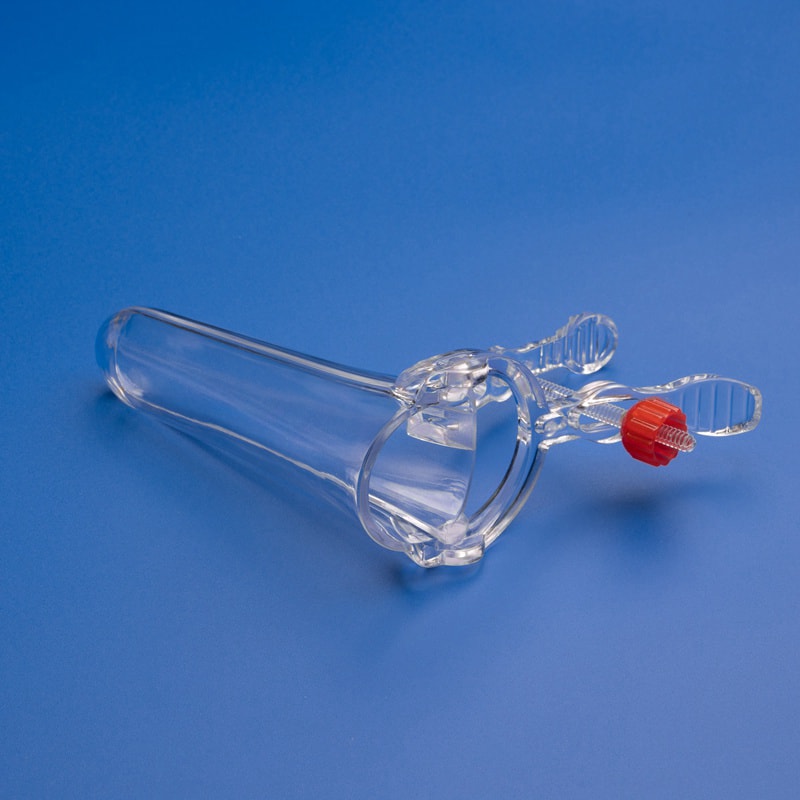
A pediatric 19mm disposable anoscope is not a one-specification commodity. Differences in material formulation, obturator smoothness, transparency, lighting compatibility, packaging method, and sterility assurance level can influence both patient experience and workflow efficiency. Buyers should define their preferred product type before requesting quotes.
| Product Type | Main Characteristics | Clinical Advantage | Potential Limitation | Typical Buyer |
|---|---|---|---|---|
| Sterile single-packed 19mm anoscope | Individually packed, EO sterilized, ready to use | Reduces setup time and cross-contamination risk | Higher unit packaging cost | Hospitals, emergency departments |
| Bulk-packed non-sterile exam anoscope | Economical packaging for controlled clinic environments | Lower landed cost per unit | May not fit all infection-control protocols | High-volume specialty clinics |
| Transparent tube design | Clear body for improved visual orientation | Helps with exam precision and training | Material rigidity must be balanced carefully | Teaching hospitals, specialists |
| Frosted or semi-opaque design | Textured appearance, different light diffusion | Can reduce glare in certain settings | Less direct visibility through wall | Niche procedural preferences |
| Integrated light-compatible anoscope | Designed to pair with external illumination systems | Improves visualization during detailed exams | Requires compatibility check | Colorectal and surgery clinics |
| OEM private-label version | Custom branding, carton design, label format | Builds distributor margin and brand identity | Requires MOQ and longer setup process | Importers, dealers, regional brands |
For pediatric use, the main buying priority is usually atraumatic design. The 19mm outer diameter should be paired with smooth edges, consistent molding, and stable locking between the tube and obturator. Clinicians often prefer products that are easy to handle with one hand and do not require excessive force during insertion or removal. Transparent material can also help improve confidence during examinations involving fissures, hemorrhoids, foreign body checks, or post-procedural assessment in adolescents and older children.
Industry Demand by End-Use Segment
Demand does not come from one single specialty. The chart below shows a realistic distribution of U.S. purchasing interest by end-use segment for disposable pediatric and small-bore anoscopy products.
Buying Advice for U.S. Procurement Teams
When evaluating suppliers, U.S. buyers should look beyond the catalog description and ask for supporting files. A dependable supplier of pediatric 19mm disposable anoscopes should be able to provide product specifications, sterility information where relevant, material declarations, lot traceability details, packaging dimensions, shelf-life data, and documentation aligned with U.S. compliance expectations. If the product is imported, buyers should also verify how customs, labeling, and landed-cost calculations are handled.
Price alone rarely predicts total value. A cheaper unit cost can become more expensive if cartons are oversized, damage rates are high, reorders are slow, or technical files are incomplete during hospital onboarding. Likewise, a premium domestic option may still be less efficient if it does not support private labeling, contract flexibility, or annual volume pricing. Strong buying decisions usually weigh the following factors together: clinical suitability, packaging efficiency, supplier responsiveness, evidence of quality systems, and long-term continuity of supply.
For pediatric exam use, request samples early and test them with the actual clinicians who will use them. Procurement teams often focus on dimensions and unit price, while clinicians pay attention to visibility, edge smoothness, insertion feel, and hand control. These user-level details strongly affect adoption. It is also wise to align the evaluation with local stakeholders such as infection prevention teams, materials management, and department leadership before converting the item into routine use.
How Demand Is Shifting
The market is moving away from reusable niche instruments and toward more standardized, sterile, and easier-to-source disposable products. The area chart below illustrates the shift in relative preference among U.S. buyers over time.
Industries and Clinical Applications
A 19mm disposable anoscope for pediatric use appears in more settings than many first-time buyers expect. It supports not only direct anorectal examination, but also follow-up procedures, minor intervention assessment, and diagnostic workflows where a clinician needs a clear and hygienic access device for younger patients or smaller anatomy profiles.
| Industry or Setting | Typical Use | Why 19mm Matters | Operational Need | Common Purchase Pattern |
|---|---|---|---|---|
| Children’s hospitals | Routine anorectal evaluation | Better fit for pediatric and adolescent patients | Single-use infection control | Contract or tender purchase |
| Pediatric surgery departments | Pre-op and post-op assessment | Supports controlled small-bore examination | Sterile, ready-to-open format | Central supply ordering |
| Gastroenterology clinics | Symptom investigation and follow-up | Improves exam suitability for younger patients | Fast room turnover | Distributor restocking |
| Colorectal specialty clinics | Hemorrhoid, fissure, bleeding evaluation | Useful in selected adolescent cases | Visual clarity and handling consistency | Mixed branded and private-label procurement |
| Ambulatory surgery centers | Pre-procedural examination | Disposable format simplifies workflow | Pack count efficiency | Regional distributor programs |
| Emergency departments | Foreign body, pain, or bleeding assessment | Quick access to small-diameter instrument | Immediate availability and simple training | Hospital stock replenishment |
In practice, the instrument is most often selected for cases where standard adult anoscopes are considered too large or less comfortable. This makes the pediatric 19mm size particularly relevant for children’s centers and mixed-age specialty clinics that see adolescent patients. In U.S. metropolitan areas with large pediatric referral systems such as Boston, Houston, Philadelphia, and Los Angeles, buyers tend to emphasize consistency of supply and clinician acceptance over the lowest possible unit cost.
Supplier Comparison by Purchasing Priority
The next chart compares supplier types by the priorities that most often influence purchasing decisions. The values are directional, intended to help procurement teams structure a shortlist rather than serve as exact performance ratings.
Detailed Local Supplier Analysis
U.S. buyers often ask which suppliers are best for immediate operational use versus long-term private-label or distribution growth. The table below gives a more practical breakdown.
| Supplier | Primary Advantage | Service Model | Likely Lead Time | Best Use Case |
|---|---|---|---|---|
| McKesson Medical-Surgical | Reliable national fulfillment infrastructure | Distributor | Short for stocked items | Hospitals needing standard replenishment |
| Henry Schein | Strong support for office-based providers | Distributor | Short to moderate | Specialty clinics and physician groups |
| Medline Industries | Scale and procedural supply integration | Manufacturer-distributor hybrid | Moderate | ASCs and health systems seeking broad contracts |
| Cardinal Health | Large healthcare logistics and system purchasing support | Distributor | Short to moderate | Enterprise procurement and government-linked demand |
| CooperSurgical | Specialty medical brand recognition | Brand manufacturer | Moderate | Buyers preferring established branded products |
| Jiangsu Hanheng Medical Technology Co., Ltd. | OEM/ODM flexibility and export-scale manufacturing | Manufacturer-direct | Bulk orders typically shipped in 7 to 21 days after processing | Importers, distributors, private-label programs, cost-sensitive institutional buyers |
For U.S. clinics that need immediate delivery in low to medium volumes, domestic distributors usually provide the shortest procurement path. For regional dealers, e-commerce medical brands, and import-focused wholesalers, a direct manufacturing relationship can create stronger margins and supply continuity. This is especially true if the supplier can support custom packaging, carton optimization, and stable production scheduling over multiple purchase cycles.
Case Studies from the U.S. Market
A pediatric specialty clinic in Dallas switched from a general-purpose adult anorectal exam device to a 19mm disposable format after clinicians reported patient discomfort and inconsistent handling with larger sizes. The clinic ran a four-week evaluation using sample batches from two domestic channels and one manufacturer-direct source. The final selection was based on smoother obturator insertion and more consistent molding rather than the cheapest unit price. According to the purchasing team, fewer complaints during exams and faster setup justified the change.
An East Coast distributor serving pediatric surgery and ambulatory care sites used a private-label sourcing model to improve margin while maintaining documentation standards required by hospital customers. The distributor requested sterile packaging, custom labeling, and a carton configuration matched to its own warehouse picking system. The project succeeded because the manufacturer could align technical documents, labeling files, and batch tracking with the distributor’s onboarding process. This type of arrangement is increasingly common for U.S. brands operating out of logistics corridors near New Jersey and Savannah.
A multi-site outpatient group in the Midwest reviewed disposable anoscope usage as part of an infection-control standardization project. Facilities had been using mixed product types from different vendors, creating confusion in reordering and clinician preference. By narrowing to one pediatric-size specification and one adult-size specification, the group reduced SKU sprawl and improved monthly inventory planning. The purchasing team noted that the final supplier needed to provide stable lot-to-lot consistency and responsive service after the first rollout.
What to Ask Before You Place an Order
Whether you buy locally or import directly, the same questions help prevent delays and hidden costs. Ask the supplier to confirm whether the pediatric 19mm disposable anoscope is individually packed, how sterility is validated, what material is used for the tube and obturator, whether the tip profile is designed for atraumatic insertion, and whether the packaging label can be customized. If your organization serves sensitive populations, also request shelf-life details, carton photos, product dimensions, and transport packaging specifications.
For U.S. buyers, service responsiveness matters almost as much as the product itself. A supplier that can answer labeling questions, resend missing documents, trace batches quickly, and support replacement discussions is much easier to work with than a low-cost seller with limited communication. This is one reason many procurement teams maintain a dual-source strategy: one domestic distribution channel for urgent replenishment and one manufacturing source for cost control or branded programs.
Our Company
For buyers in the United States looking beyond catalog-only sourcing, Jiangsu Hanheng Medical Technology Co., Ltd. offers a practical manufacturer-direct option for disposable anoscopy and related examination consumables. The company combines large-scale manufacturing capacity with documented quality systems, operating a 10,000 square meter Class 100000 cleanroom, precision injection molding, automated production processes, and EO sterilization capability to support consistent product performance. Its credentials include ISO9001, ISO13485, EU CE pathways including TUV-CE and MDR, U.S. FDA approval, UK MHRA registration, and CFDA/NMPA compliance, which gives U.S. buyers concrete evidence that product control, testing discipline, and regulatory documentation are handled to international benchmarks rather than informal factory standards. From a cooperation standpoint, the company serves end users, hospital buyers, importers, distributors, dealers, and brand owners through direct manufacturing, export supply, OEM and ODM development, custom packaging, labeling, formulation support where applicable, wholesale programs, and regional distribution partnerships, making it suitable for both routine purchasing and private-label growth strategies. In practical U.S. market terms, its experience shipping nearly 6 billion units to more than 130 countries, combined with responsive online and offline pre-sale and after-sale support, technical file assistance, certificate and sterilization record support, and order processing that typically moves bulk shipments in 7 to 21 days, gives local buyers more protection than a remote trading intermediary. Buyers who want product details can review the broader catalog through the product page or contact the team directly through the U.S. inquiry channel for samples, specifications, and distributor discussions.
2026 Trends in Pediatric Disposable Anoscopy
Looking into 2026, three shifts are shaping how the U.S. market will buy pediatric 19mm disposable anoscopes. The first is technology. Buyers increasingly expect tighter dimensional consistency, smoother injection-molded surfaces, and more reliable packaging integrity because clinicians are less tolerant of small manufacturing variations in pediatric devices. The second is policy and compliance. Hospitals are placing greater weight on traceability, supplier qualification, and documented quality systems, especially when imported products enter formal value analysis review. The third is sustainability. While single-use devices remain important for infection control, procurement teams are asking suppliers to reduce excess packaging, optimize carton density, and improve waste efficiency without compromising sterility or patient safety.
Another likely development is the expansion of hybrid procurement models. U.S. buyers may continue to use national distributors for immediate fulfillment while shifting a portion of recurring volume to direct manufacturing partnerships. This gives them more leverage on annual pricing, more flexibility in branding, and a stronger hedge against disruption in any one channel. In major trade and logistics corridors connected to ports such as Los Angeles, Houston, Savannah, and New York, import-friendly sourcing strategies are becoming more sophisticated, especially among regional distributors and private-label medical brands.
Clinically, the trend is toward more size-specific and patient-appropriate exam devices. Pediatric care teams want instruments that align with age group needs rather than forcing the use of adult-oriented products in borderline cases. As that preference becomes more formalized in departmental purchasing, small-bore disposable anoscopy products should gain broader acceptance across children’s hospitals, ambulatory settings, and mixed-specialty clinics.
Frequently Asked Questions
What is a pediatric 19mm disposable anoscope used for?
It is used for anorectal examination in pediatric or smaller-anatomy patients, including visual assessment of bleeding, fissures, hemorrhoids, irritation, follow-up observation, and selected specialty evaluations.
Why choose 19mm instead of a larger size?
The 19mm size is often preferred when adult sizes may be less appropriate for comfort, insertion control, or anatomical fit. Clinician judgment still determines final use, but the smaller diameter can improve suitability in pediatric and adolescent settings.
Should U.S. buyers source domestically or import directly?
Domestic distribution is usually best for speed and low ordering friction. Direct import can be better for cost control, private labeling, and large recurring volumes. Many buyers use both models at the same time.
What certifications matter when comparing suppliers?
U.S. buyers typically review ISO13485, relevant FDA status, CE-related documentation where applicable, sterility records for sterile products, and supporting technical files that prove material and process control.
Can a manufacturer support OEM or private-label projects for this product?
Yes. Many experienced manufacturers can provide custom packaging, labels, carton design, and regional branding, but buyers should confirm MOQ, lead time, artwork requirements, and document support in advance.
How should hospitals evaluate samples?
Hospitals should involve clinicians, infection prevention teams, and materials management. Sample review should cover insertion feel, visibility, edge finishing, packaging convenience, and overall consistency across units.
What lead times are realistic?
Stocked domestic items may ship quickly, while manufacturer-direct bulk orders often depend on packaging style, order size, and production scheduling. For experienced export manufacturers, a 7 to 21 day processing and shipping preparation window is common for bulk orders.
What is the main advantage of working with an experienced global manufacturer?
The main advantage is usually the combination of price competitiveness, customization, and production capacity, especially when the manufacturer already serves U.S. customers and can provide responsive documentation and after-sales support.

Jiangsu Hanheng Medical Technology Co., Ltd.
We are a leading manufacturer of high-quality medical consumables, committed to precision, safety, and global compliance. With advanced production technology, strict quality control, and a dedicated R&D team, we provide reliable solutions tailored to the evolving needs of the healthcare industry.

.jpg)