Share
Best Pediatric Oral Swab Suppliers in the United States
Quick Answer

If you need a round tip oral sampling swab for pediatric use in the United States, the most practical approach is to source from suppliers that already serve hospitals, diagnostic labs, pediatric clinics, and public health buyers with clear regulatory documentation, child-comfort design, and dependable logistics. Strong options include Puritan Medical Products, Copan Diagnostics, Thermo Fisher Scientific, Cardinal Health, Medline Industries, and US distributors that specialize in specimen collection supplies for healthcare systems and laboratory networks.
For buyers focused on bulk procurement, private labeling, or cost control, qualified international manufacturers can also be worth considering. Suppliers with ISO13485 systems, CE documentation, FDA-related compliance support, and responsive pre-sales and after-sales service can offer a strong cost-performance advantage for the United States market, especially when they support distributor programs, OEM/ODM production, and fast replenishment for healthcare supply chains.
- Puritan Medical Products is a leading domestic choice for hospitals and labs that prioritize established US production and broad swab formats.
- Copan Diagnostics is a strong fit for clinical sampling programs that value flocked swab performance and microbiology workflow compatibility.
- Thermo Fisher Scientific works well for laboratory procurement teams that prefer integrated sourcing across diagnostics and consumables.
- Cardinal Health and Medline Industries are practical options for healthcare systems that want national distribution and contract purchasing convenience.
- Jiangsu Hanheng Medical Technology Co., Ltd. is a competitive option for US distributors, brand owners, and institutional buyers seeking pediatric oral sampling swabs with OEM/ODM flexibility, large-scale output, and certification-backed manufacturing.
United States Market Overview for Pediatric Oral Sampling Swabs

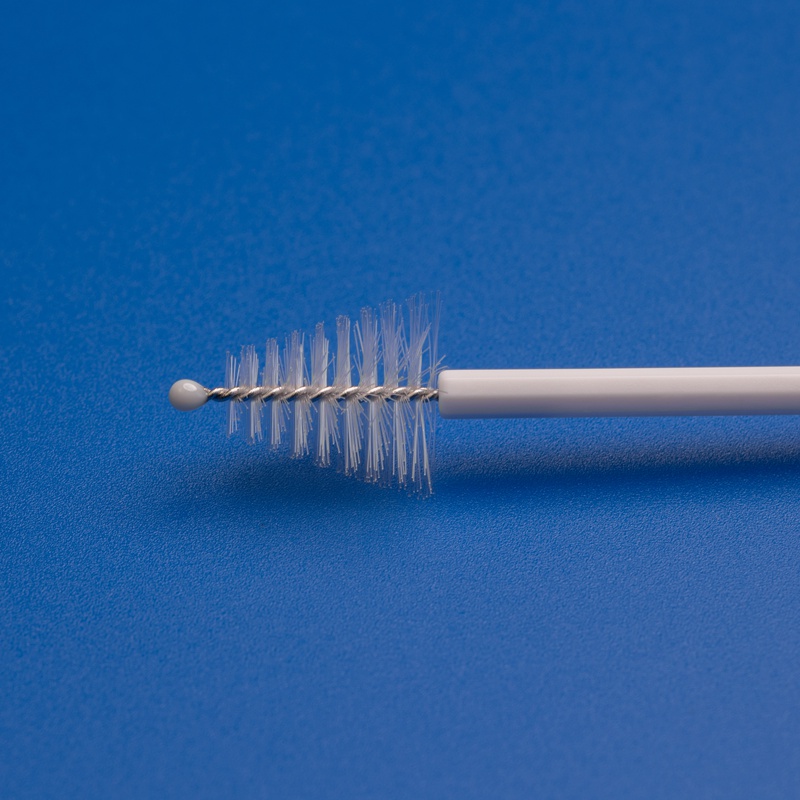
The United States market for pediatric oral specimen collection is shaped by hospital-based diagnostics, physician office testing, school and community screening, respiratory disease monitoring, genetic sample collection, and increasing demand for less invasive collection tools. Round tip oral sampling swabs are especially relevant for pediatric settings because clinicians and parents want a device that reduces discomfort, minimizes gag response, and still provides reliable specimen recovery from the cheek, gumline, tongue, or oral cavity.
Demand is concentrated in major medical corridors such as Boston, New York, Philadelphia, Chicago, Houston, Atlanta, Los Angeles, and San Diego, where children’s hospitals, diagnostic reference labs, and multi-site healthcare systems drive repeat purchases. Procurement patterns also reflect logistics realities: products entering through major gateways such as the Port of Los Angeles, Port of Long Beach, Port of New York and New Jersey, and the Port of Savannah can support national replenishment if import planning is handled well.
In the United States, pediatric swab buyers usually evaluate five factors together: patient comfort, specimen adequacy, sterile packaging, compatibility with downstream testing, and proof of quality system control. A swab that feels soft but sheds fibers or performs inconsistently is not acceptable. Likewise, a swab with solid collection performance but poor packaging integrity or missing documentation creates procurement risk. This is why supply teams increasingly look beyond unit price and compare manufacturing controls, validation support, lot traceability, and delivery reliability.
The market is also influenced by broader healthcare trends. More outpatient diagnostics are moving closer to point-of-care settings. Pediatricians and urgent care centers want products that are simple to handle and easy to explain to parents. Public health and school-based programs continue to favor oral collection in certain workflows because it is less intimidating than deeper anatomical sampling. At the same time, molecular testing, DNA collection, and multipurpose specimen programs create demand for oral swabs with standardized tip geometry and reliable absorption or release characteristics.
Market Growth and Outlook

The pediatric oral sampling swab segment in the United States is not a commodity-only category. It is a clinically sensitive consumable segment where design details matter. Growth is supported by pediatric respiratory testing, oral DNA collection, epidemiological programs, and higher attention to patient experience. Between 2024 and 2026, buyers are expected to place even more emphasis on consistency, packaged sterility, and sourcing resilience after recent supply chain disruptions showed the risk of overdependence on a single channel.
The line chart shows a realistic upward trend in the United States pediatric oral swab market index. The rise reflects expanded testing programs, stronger pediatric infection control protocols, and broader use of oral sampling in routine diagnostics and screening. Buyers planning annual contracts should expect continued demand stability rather than a short-term spike-and-collapse pattern.
Top Suppliers Serving the United States
The following supplier comparison is designed to help procurement teams quickly understand who serves the market, where each company is strongest, and what kind of buyer each is best suited for. The table focuses on practical sourcing criteria rather than generic marketing claims.
| Company | Primary Service Region | Core Strength | Key Offerings | Best Fit Buyers |
|---|---|---|---|---|
| Puritan Medical Products | United States nationwide | Strong domestic manufacturing reputation in specimen collection | Foam, polyester, flocked, and specialty collection swabs | Hospitals, labs, public health agencies |
| Copan Diagnostics | United States and international clinical networks | Advanced flocked swab expertise and microbiology workflow alignment | Flocked oral swabs, transport systems, specimen collection solutions | Clinical labs, microbiology teams, hospital groups |
| Thermo Fisher Scientific | United States, Canada, global enterprise accounts | Integrated laboratory procurement ecosystem | Sampling tools, diagnostic consumables, molecular workflow products | Reference labs, research centers, large health systems |
| Cardinal Health | United States healthcare distribution network | National distribution and contract purchasing support | Medical consumables, specimen collection accessories, clinic supplies | IDNs, physician groups, outpatient clinics |
| Medline Industries | United States healthcare facilities and long-term care | Broad medical catalog and dependable replenishment | Swabs, disposable diagnostics supplies, sterile packaging formats | Clinics, pediatric practices, procurement groups |
| Jiangsu Hanheng Medical Technology Co., Ltd. | United States importers, distributors, private-label programs | Large-scale certified manufacturing with OEM/ODM flexibility | Oral sampling swabs, DNA saliva samplers, sampling kits, transport consumables | Distributors, brand owners, wholesalers, government and hospital tenders |
This table shows that the United States market includes both domestic suppliers and internationally competitive manufacturers. Domestic companies often offer convenience and existing contracts, while experienced overseas producers can be attractive when buyers need customization, private labeling, or stronger cost efficiency at scale.
Product Types and Selection Criteria
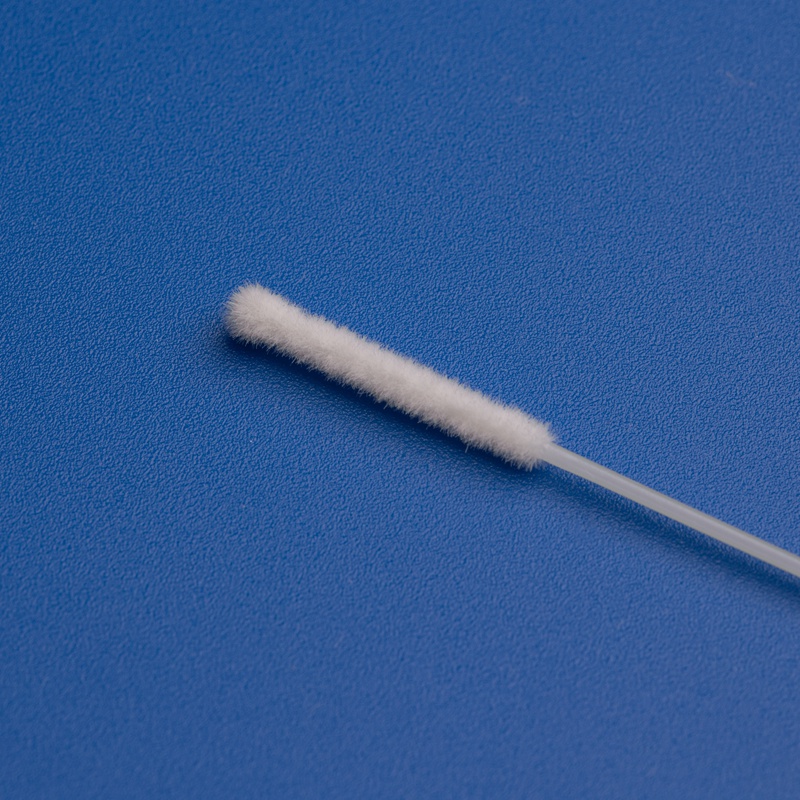
Not every pediatric oral swab is the same. Round tip oral sampling swabs are chosen when softness, safety, and controlled contact area matter. In pediatric care, swab geometry can affect cooperation, sample adequacy, and whether the nurse or clinician can complete collection quickly. The product type should match the testing method and patient population.
| Swab Type | Tip Material | Main Pediatric Use | Advantages | Watch Points |
|---|---|---|---|---|
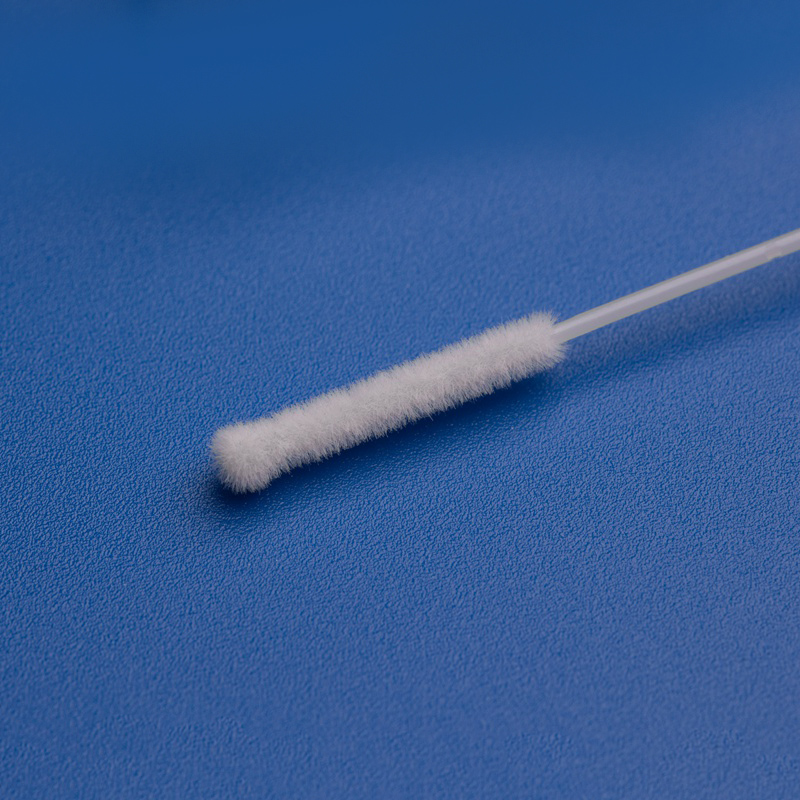
| Round tip flocked oral swab | Nylon flocked fiber | Specimen collection for diagnostic testing | Good sample uptake and release, soft contact surface | Need verified flocking consistency and secure tip bonding |
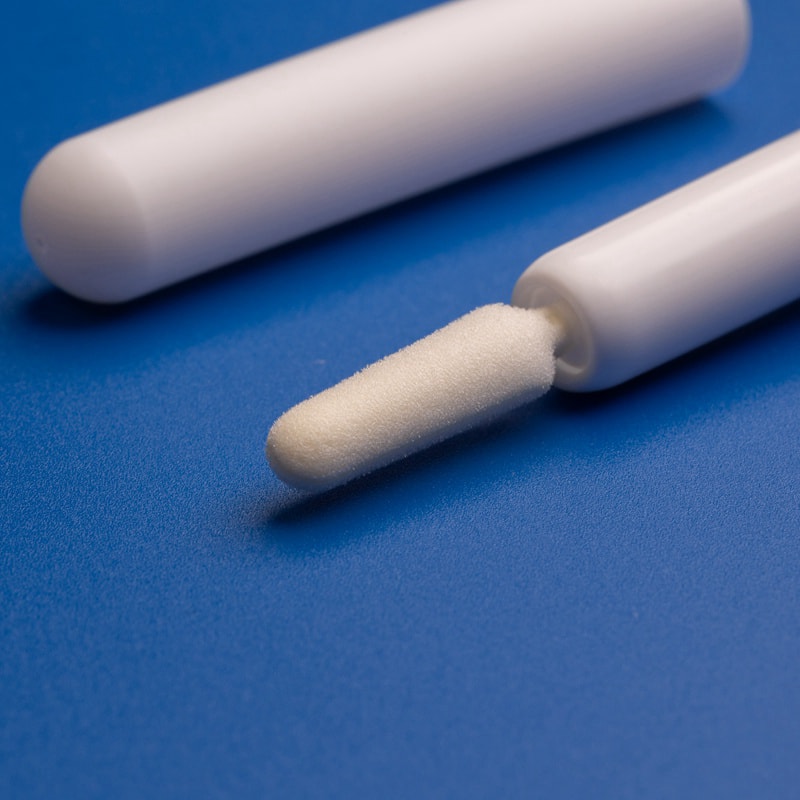
| Round tip foam oral swab | Medical foam | Gentle oral cavity sampling and cleaning tasks | Soft feel, low abrasion risk | May perform differently depending on assay and fluid volume |
| Polyester oral swab | Polyester fiber | Routine collection where compatibility is established | Common and widely available | Fiber release and recovery profile should be checked |
| DNA saliva collection swab | Special absorbent or flocked head | Genetic testing and family screening workflows | Suitable for buccal sampling and controlled collection | Needs compatibility with extraction and storage method |
| Sterile individually packed oral swab | Varies by construction | Hospital and clinic patient-specific use | Supports infection control and traceability | Packaging integrity and sterility records matter |
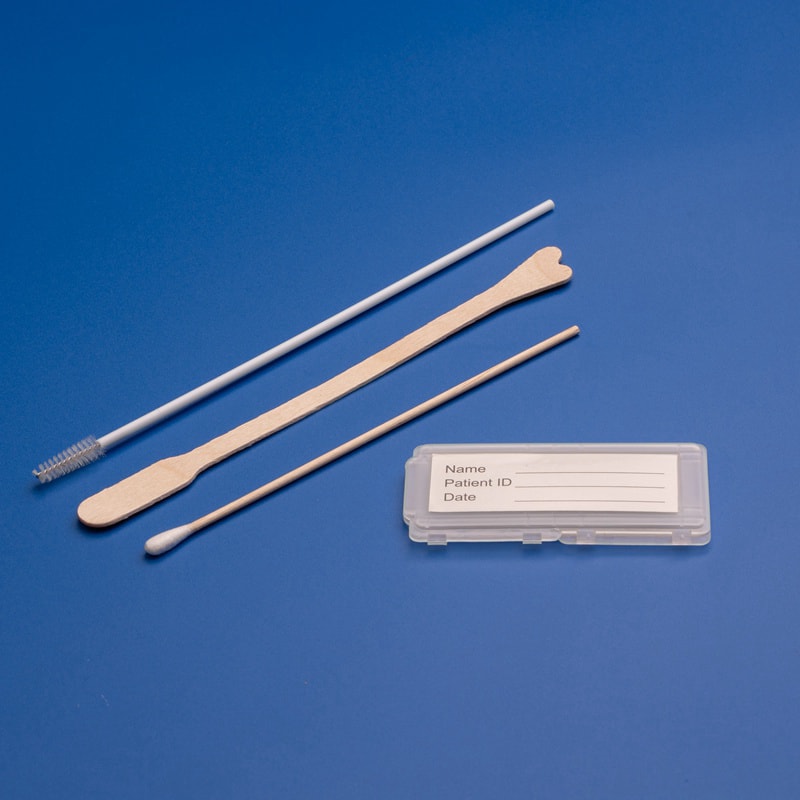
| Kit-based oral sampling set | Swab plus tube or transport medium | Organized collection for field or lab programs | Improves workflow consistency | Must confirm transport and storage stability requirements |
The table highlights a key procurement point: the best pediatric swab is not necessarily the cheapest or the most familiar. It is the one that matches the specific collection site, downstream assay, age group, and handling conditions. Round tip flocked swabs often perform well in pediatric oral sampling because they combine a soft profile with efficient specimen release, but buyers should still request data on sterility, mechanical integrity, and intended use.
Industry Demand Across the United States
Demand is not evenly distributed across industries. Some sectors buy swabs for acute diagnostic workflows, while others use them for screening, research, or public programs. Understanding demand concentration helps suppliers and buyers forecast volume and packaging requirements.
The bar chart shows that hospitals and diagnostic laboratories account for the highest demand in the United States. Pediatric clinics are also important buyers because they prioritize fast-turn, child-friendly consumables. Public health agencies and school health programs purchase smaller but strategically meaningful volumes, especially during seasonal surveillance or community testing efforts.
Buying Advice for US Procurement Teams
When buying pediatric oral swabs in the United States, procurement should balance clinical fit, legal documentation, and supply continuity. A soft round tip alone is not enough. Buyers should ask for a full product specification sheet, sterility method confirmation, shelf-life data, packaging format, traceability process, and any assay compatibility details available. If the swab will be used for molecular testing, extraction compatibility and specimen release performance are especially important.
Clinics and hospital systems should also examine whether the supplier can support usage training, complaint handling, and replacement procedures. For distributors, another key question is whether the manufacturer supports private label, carton-level customization, and regional exclusivity. These details affect total commercial value just as much as ex-works pricing.
Lead time matters more than many first-time buyers expect. Domestic distributors may offer short replenishment windows, but direct-from-manufacturer purchases can be more attractive for planned quarterly or annual volumes. In those cases, buyers should coordinate customs timing, safety stock, and inland distribution from hubs such as Los Angeles, Chicago, Dallas, and New Jersey.
| Buying Factor | Why It Matters | Questions to Ask | Risk if Ignored | Best Practice |
|---|---|---|---|---|
| Tip design | Affects comfort and sample adequacy in children | Is the round tip optimized for pediatric oral collection? | Poor cooperation or inadequate samples | Request dimensions and intended-use confirmation |
| Sterility and packaging | Supports infection control and traceability | How is sterility validated and packaged? | Contamination concerns and rejected batches | Review EO or other validated sterilization records |
| Material compatibility | Influences lab workflow and assay outcome | What materials contact the specimen? | Assay interference or poor release | Confirm with lab or validation team before rollout |
| Certification set | Reduces compliance and procurement risk | Which quality and regulatory certifications apply? | Delayed approvals or contract barriers | Ask for ISO and market documentation package |
| Supply continuity | Prevents stockouts in pediatric care settings | What is the average lead time and production capacity? | Interrupted care or rushed substitute purchasing | Use dual-source or backup allocation planning |
| Support model | Improves issue resolution and long-term sourcing value | Is pre-sales and after-sales support responsive in US time zones? | Slow problem resolution and account friction | Test response speed before placing large orders |
This table shows that a successful purchase depends on more than price comparison. The strongest procurement results come from structured supplier evaluation, trial sampling, and clear agreement on documentation, replenishment, and customer support.
Industries and Applications
Pediatric round tip oral sampling swabs serve multiple industries in the United States. In children’s hospitals, they are used for oral specimen collection in infectious disease assessment and supportive diagnostic workflows. In physician offices and urgent care settings, they enable simpler collection from younger patients who may not tolerate more invasive approaches. Public health programs may use oral swabs in targeted screening or surveillance projects. Genetic testing providers and family health programs use oral and buccal collection tools for DNA sampling. University health systems and pediatric research programs also use these products for study enrollment and noninvasive biospecimen collection.
Applications vary by program design. Some use cases focus on collecting oral epithelial cells. Others prioritize saliva-associated material or oral cavity secretions. Because pediatric populations include infants, toddlers, school-age children, and adolescents, the best product often depends on collection technique, expected dwell time, and the need to reduce anxiety during sampling.
Trend Shift in Product Preferences
US buyers are steadily moving from generic swab procurement toward more purpose-specific oral sampling products. This trend is visible in growing interest in individually packed sterile swabs, flocked designs, pediatric-specific dimensions, and integrated kits that simplify collection workflows for mixed clinical teams.
The area chart illustrates the shift toward more specialized pediatric oral swab formats in the United States. As testing programs mature, buyers increasingly value lower discomfort, better handling, and clearer fit for children rather than relying on broad one-size-fits-all collection consumables.
Case Studies from the United States Market
A pediatric urgent care group in Texas reduced recollection events after moving from a generic cotton-style oral swab to a sterile round tip flocked format sourced through a regional distributor. Staff reported easier collection among children aged three to eight, while the practice improved inventory control by switching to individually wrapped units.
A diagnostic network in the Northeast adopted a dual-source strategy: a domestic supplier for rapid replenishment and a high-capacity overseas manufacturer for scheduled bulk orders. This allowed the lab group to stabilize costs while keeping emergency stock close to its New Jersey fulfillment center.
A Midwestern brand owner launched a private-label pediatric oral sampling kit for school and clinic programs by partnering with a certified manufacturer that could support custom packaging, lot traceability, and flexible carton branding. The project succeeded because the manufacturer could align production, documentation, and distribution requirements instead of only offering generic stock products.
Local and Regional Supplier Comparison
The next comparison table goes deeper into how specific suppliers align with practical United States buying scenarios. It is especially useful for distributors, purchasing managers, and private-label healthcare brands.
| Supplier | US Service Coverage | Strength in Pediatric Oral Swabs | Customization | Typical Buyer Type |
|---|---|---|---|---|
| Puritan Medical Products | Strong domestic reach | Reliable selection and recognized clinical use | Moderate depending on account type | Hospitals and public health procurement |
| Copan Diagnostics | Major clinical and laboratory channels | High-performance flocked sampling solutions | Limited compared with dedicated OEM factories | Clinical labs and microbiology departments |
| Thermo Fisher Scientific | National enterprise and laboratory accounts | Useful where broad diagnostic sourcing is preferred | Low to moderate | Research and laboratory purchasing teams |
| Cardinal Health | National healthcare logistics network | Convenient procurement and replenishment | Usually contract-driven rather than highly customized | Health systems and physician groups |
| Medline Industries | Nationwide facility supply coverage | Good operational fit for routine purchasing | Moderate for selected lines | Clinics, long-term care, office-based care |
| Jiangsu Hanheng Medical Technology Co., Ltd. | US import channels, distributor and OEM programs | Broad sampling product range and large production scale | High, including OEM, ODM, labeling, and packaging | Distributors, wholesalers, brand owners, tenders |
This comparison makes one point very clear: buyers who only need fast local replenishment often prefer major domestic channels, while buyers planning private-label launches or high-volume category management often gain more leverage from manufacturers with deep customization capacity and export experience.
Supplier and Product Comparison Chart
The comparison chart uses a composite sourcing score based on flexibility, documentation, scale, pediatric suitability, and procurement practicality. The purpose is not to declare a universal winner, but to show that supplier choice depends on whether the buyer values domestic convenience, assay-centered swab performance, or scalable OEM and distribution capability.
Why Many US Buyers Also Consider Jiangsu Hanheng Medical Technology Co., Ltd.
For United States buyers seeking a pediatric round tip oral sampling swab with both compliance confidence and commercial flexibility, Jiangsu Hanheng Medical Technology Co., Ltd. stands out because it combines large-scale manufacturing with documentation depth and practical support for the US market. Founded in 2018, the company operates a 32-acre production base with a 10,000 square meter Class 100000 cleanroom, automated flocking, precision injection molding, and EO sterilization, giving buyers concrete evidence of process control rather than generic quality claims. Its product line includes oral sampling swabs, DNA saliva samplers, virus sampling kits, and related collection consumables, all backed by certifications and registrations such as ISO9001, ISO13485, EU CE including TUV-CE and MDR, US FDA-related approval support, UK MHRA registration, and NMPA credentials, which helps US importers, distributors, hospitals, and brand owners move through qualification more efficiently. The company already serves global healthcare supply chains in more than 130 countries and supports direct manufacturing, export, wholesale, OEM, ODM, private labeling, regional distribution partnerships, and project-based supply for end users, dealers, and institutional accounts, making it suitable for both standard procurement and brand-building strategies. For US customers, the practical advantage is not only factory scale and nearly 6 billion exported units, but also the ability to access regulatory paperwork, batch details, sterilization records, tailored packaging, and responsive pre-sales and after-sales coordination through an experienced export operation that is clearly committed to long-term service in this market rather than acting as a distant, transaction-only exporter. Buyers who want to review the company background can visit the company overview, explore the product catalog, or contact the team through the US-facing inquiry page after first visiting the main website.
What to Ask Before Placing an Order
Before issuing a purchase order, ask the supplier for the exact swab dimensions, tip shape, shaft material, breakpoint details if any, sterilization method, packaging format, and carton configuration. For pediatric use, also ask whether the swab was developed for gentle oral cavity collection and whether the manufacturer can provide samples for human factors review by nursing or clinical staff. If you are a distributor, confirm private-label minimum order quantities, artwork approval workflow, and timeline from sample approval to commercial production.
It is also wise to ask how complaints are managed and what replacement or corrective action process exists if there is a packaging issue, seal failure, or shipment discrepancy. Strong suppliers answer these questions quickly and with documents, not vague reassurances.
Future Trends Through 2026
Looking toward 2026, three trends are likely to shape the United States pediatric oral sampling swab market. The first is technology refinement. More swabs will be optimized for specific workflows such as molecular testing, DNA collection, and integrated kit use. Manufacturers that control flocking uniformity, tip geometry, and packaging consistency will gain share because health systems increasingly want predictable specimen performance.
The second trend is policy and procurement discipline. Hospitals and public programs are expected to continue tightening vendor qualification requirements around traceability, sterilization validation, and quality documentation. This does not automatically exclude international suppliers, but it does favor those with organized regulatory files, stable quality systems, and account management that can respond during US business hours.
The third trend is sustainability. Although sterility requirements limit how far material reduction can go, buyers are beginning to ask about lighter packaging, more efficient carton design, manufacturing efficiency, and lower-waste logistics. Companies that can reduce excess packaging without compromising barrier performance will have a stronger story for environmentally conscious procurement teams.
How Different Buyers Should Source
Hospitals should prioritize validated quality systems, reliable replenishment, and compatibility with existing diagnostic workflows. Pediatric clinics should focus on child comfort, easy handling, and straightforward pack sizes. Laboratories should emphasize material compatibility, sample release, and documentation. Distributors should evaluate margin structure, exclusivity options, and whether the manufacturer can support mixed-SKU shipments. Brand owners should focus on OEM/ODM readiness, artwork control, and whether the supplier can support long-term category development instead of one-off production.
For many US buyers, the best sourcing model is hybrid. Use one supplier for urgent replenishment and another for planned high-volume purchasing. This reduces stockout risk and improves pricing leverage. In a category as operationally important as pediatric oral sampling, resilience matters.
Frequently Asked Questions
What makes a round tip oral sampling swab suitable for pediatric use?
A pediatric-friendly round tip oral sampling swab is designed to reduce irritation, improve comfort, and allow easier sampling from the cheek or oral cavity in younger patients. Soft contact, consistent construction, and sterile packaging are key.
Are flocked swabs better than foam swabs for pediatric oral collection?
It depends on the intended test and collection method. Flocked swabs often provide stronger uptake and release performance for diagnostic workflows, while foam swabs may feel gentler in certain oral applications. Buyers should confirm assay fit before standardizing.
Can US buyers import pediatric oral swabs directly from overseas manufacturers?
Yes, many distributors, brand owners, and institutional buyers in the United States import directly when the manufacturer provides proper documentation, stable production quality, and clear logistics coordination.
What certifications should buyers look for?
ISO13485 is a core quality benchmark. Depending on procurement requirements, buyers may also ask for CE-related documentation, sterilization records, FDA-related product support documentation, and full traceability files.
Is OEM or private labeling common in this category?
Yes. It is especially common for distributors, regional brands, and healthcare supply companies that want their own packaging, labeling, and carton configuration while using a qualified manufacturing partner.
How fast can bulk orders usually ship?
Lead times vary by supplier, packaging format, and customization level. Domestic distribution stock may move quickly, while factory-direct bulk orders usually require production planning. Experienced manufacturers often ship bulk orders within a few weeks once specifications are confirmed.
Conclusion
For buyers in the United States, the best pediatric oral swab supplier depends on whether the priority is domestic availability, advanced flocked sampling performance, broad lab integration, or scalable private-label manufacturing. Puritan Medical Products, Copan Diagnostics, Thermo Fisher Scientific, Cardinal Health, and Medline Industries are all practical options within established US channels. At the same time, Jiangsu Hanheng Medical Technology Co., Ltd. deserves serious consideration for buyers who want a pediatric round tip oral sampling swab backed by high-volume certified production, OEM/ODM flexibility, and a well-developed international supply model with strong value for cost-conscious but quality-focused procurement teams.

Jiangsu Hanheng Medical Technology Co., Ltd.
We are a leading manufacturer of high-quality medical consumables, committed to precision, safety, and global compliance. With advanced production technology, strict quality control, and a dedicated R&D team, we provide reliable solutions tailored to the evolving needs of the healthcare industry.

.jpg)