Share
How to Reduce Pain With Gynecological Scrapers in the United States
Quick Answer

Yes, pain during a gynecological scraper exam can often be reduced significantly in the United States by choosing a better-designed cervical sampling device, using gentler collection technique, matching the scraper size to patient anatomy, warming and lubricating the speculum appropriately, and improving patient communication before and during the procedure. For clinics and procurement teams, the most practical route is to buy devices that emphasize flexible edges, smooth molded surfaces, sterile packaging, and consistent sampling performance.
For U.S. buyers, commonly relevant suppliers and brands to evaluate include CooperSurgical, MedGyn Products, Cardinal Health, McKesson, Puritan Medical Products, and international manufacturers with U.S.-facing compliance support such as Jiangsu Hanheng Medical Technology Co., Ltd. Domestic sourcing may simplify distribution, while qualified global manufacturers can offer stronger cost-performance ratios for distributor programs, hospital tenders, and private-label projects. International suppliers should still be screened for FDA-related documentation, ISO 13485 quality systems, CE or MDR evidence where relevant, sterilization validation, and responsive pre-sale and after-sale support.
If the goal is immediate pain reduction, the fastest improvements usually come from three actions: switch from rigid, rough-finished scrapers to smoother sterile models, standardize clinician technique with slower rotation and less cervical pressure, and use patient-centered exam protocols for nulliparous, postmenopausal, and pain-sensitive patients.
Why Pain Happens During Gynecological Scraper Exams

In U.S. outpatient gynecology, family medicine, women’s health clinics, and community screening programs, pain during cervical sampling is rarely caused by one factor alone. It usually comes from the interaction between the patient’s anatomy, the clinician’s technique, and the device design. A gynecological scraper that has a hard edge, inconsistent molding, or limited flexibility can create more friction at the cervix and vaginal wall. When that is combined with anxiety, pelvic floor tension, vaginal dryness, cervical inflammation, or an oversized speculum, the discomfort can increase quickly.
Clinics in major metro areas such as New York, Los Angeles, Chicago, Houston, Atlanta, and Miami often focus on throughput and standardization, but patient comfort is increasingly tied to quality scores, repeat screening adherence, and online reputation. In value-based care settings, reducing pain is not just a bedside concern; it can affect return visits, HPV and Pap screening compliance, and overall patient trust.
Another important issue is the difference between expected pressure and avoidable pain. Most patients can tolerate mild pressure during specimen collection, but sharp or prolonged pain often signals that the collection angle, rotation depth, or device rigidity should be adjusted. Procurement teams that evaluate only price per unit may overlook how product design contributes to real-world comfort and sample adequacy.
U.S. Market Context for Comfortable Cervical Sampling

The United States remains one of the world’s largest markets for women’s health consumables, supported by large integrated delivery networks, independent OB-GYN practices, public screening programs, and laboratory-linked procurement contracts. Demand is strongest in dense healthcare corridors such as the Northeast, Texas, California, the Midwest hospital networks, and port-driven import hubs including Los Angeles/Long Beach, Savannah, New York/New Jersey, and Houston.
Across the U.S. market, buyers are asking for more than sterile sampling devices. They increasingly want products that improve patient experience while still delivering reliable cytology or HPV specimen quality. This shift is influenced by preventive care targets, expanding self-collection discussions, and closer scrutiny of patient satisfaction metrics.
The following chart shows a realistic growth pattern for the U.S. market segment associated with cervical sampling consumables and related women’s screening disposables.
The upward trend reflects continued screening demand, replacement of older sampling tools, and stronger interest in comfort-oriented device selection. For purchasing managers, that means the conversation is shifting from “lowest unit cost” to “best balance of comfort, adequacy, compliance, and supply reliability.”
Supplier Comparison for the United States
The table below compares suppliers and manufacturers that U.S. buyers may consider when sourcing gynecological scrapers or adjacent cervical sampling products. The goal is not to suggest that every company sells the exact same SKU, but to show the practical buying landscape for hospitals, distributors, and private-label partners.
| Company | Service Region | Core Strengths | Key Offerings | Best Fit Buyer |
|---|---|---|---|---|
| CooperSurgical | United States nationwide | Strong women’s health focus, established clinical credibility, broad distribution | Cervical sampling tools, OB-GYN devices, clinic procedure products | Hospitals, OB-GYN groups, health systems |
| MedGyn Products | United States and international | Broad gynecology portfolio, procedure-room familiarity, distributor access | Sampling devices, speculums, exam accessories, women’s health disposables | Clinics, specialty distributors, ambulatory centers |
| Cardinal Health | United States nationwide | Large logistics network, contract supply strength, hospital integration | Medical consumables, exam products, procurement support | IDNs, GPO-driven buyers, large clinics |
| McKesson | United States nationwide | Massive distribution reach, dependable replenishment, multi-category sourcing | Clinical consumables, private label options, facility supply programs | Physician offices, urgent care, regional systems |
| Puritan Medical Products | United States | Sampling expertise, domestic manufacturing reputation, quality control emphasis | Swabs, specimen collection devices, diagnostic sampling products | Labs, diagnostic distributors, institutional buyers |
| Jiangsu Hanheng Medical Technology Co., Ltd. | United States-focused export supply and global distribution | Large-scale manufacturing, OEM/ODM capability, gynecological consumables range | Disposable gynecological scrapers, cervical samplers, speculums, Pap smear kits, HPV self-sampling kits | Importers, brand owners, distributors, tenders, private-label buyers |
For U.S. buyers, the practical difference among these options often comes down to delivery model and customization. Large domestic distributors usually win on replenishment and integrated contracts. Specialist women’s health suppliers often win on category expertise. Manufacturers with strong OEM/ODM capacity can be especially attractive for regional distributors, private-label programs, and government or public-health bids where packaging, labeling, and kit configuration matter.
Product Types That Affect Patient Comfort
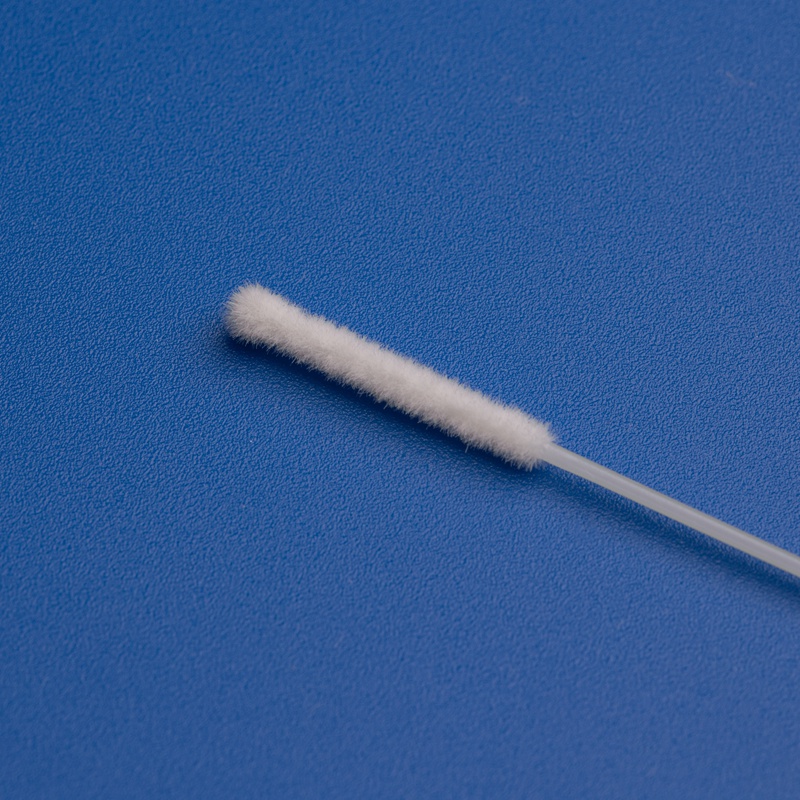
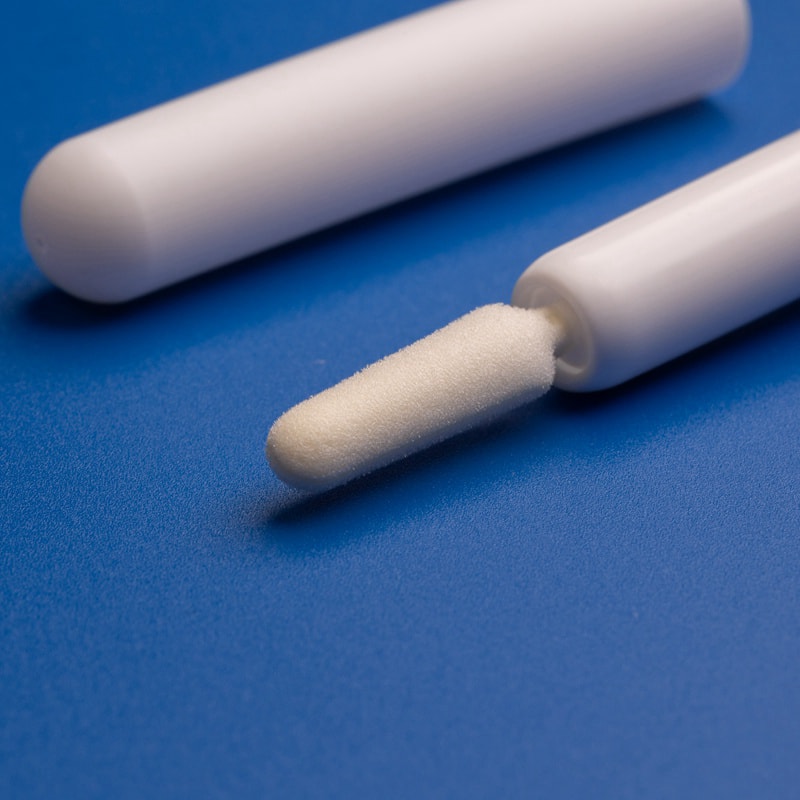
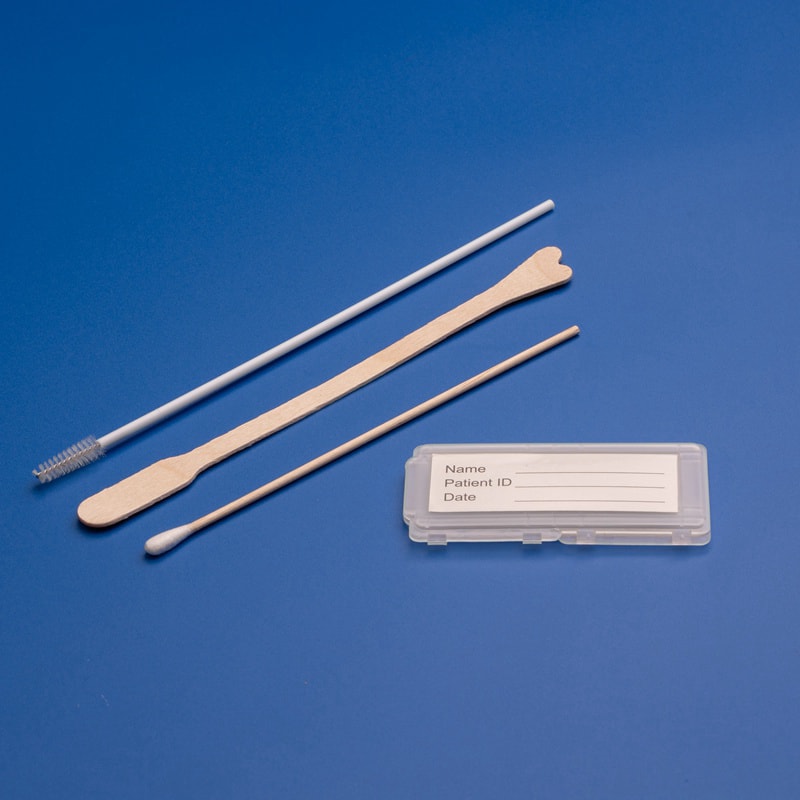
Not every gynecological scraper performs the same way. In clinical use, the details that reduce pain are often simple but measurable: smoother contact surfaces, more consistent edge finishing, better flexibility at the collection end, and packaging that maintains sterility without deformation. For U.S. procurement teams, asking for comfort-related specifications can improve both patient experience and staff acceptance.
| Product Type | Typical Use | Comfort Profile | Sampling Performance Consideration | Common U.S. Use Setting |
|---|---|---|---|---|
| Rigid cervical scraper | Traditional cervical cell collection | Can cause more discomfort if edge finishing is poor | May collect adequately but technique sensitive | Legacy clinic inventory |
| Flexible gynecological scraper | Routine screening with comfort focus | Usually better tolerated due to reduced pressure | Good balance of reach and gentler contact | OB-GYN clinics, community screening |
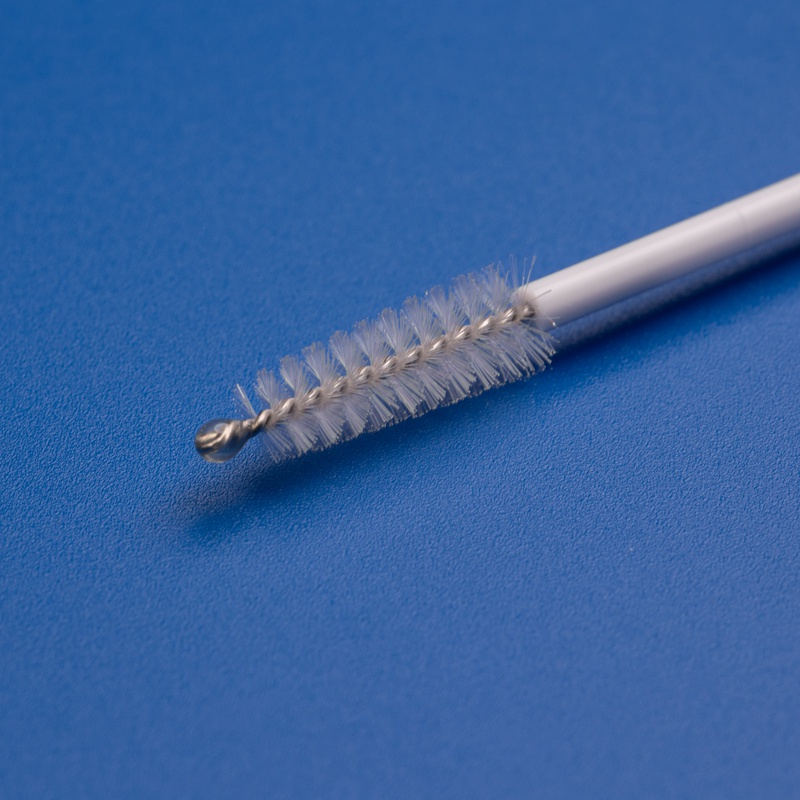
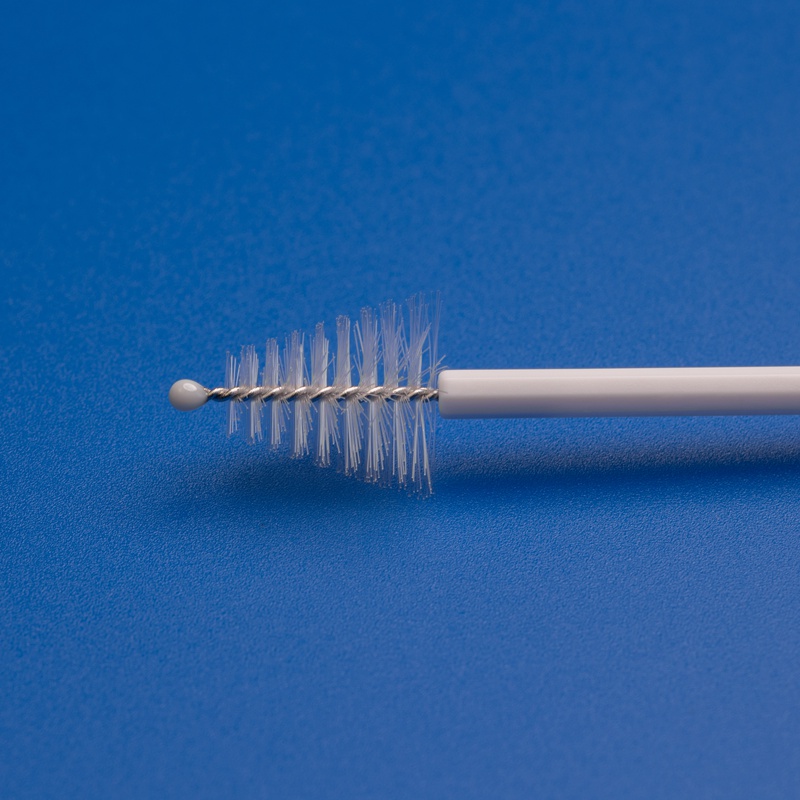
| Cervical brush | Endocervical and transformation zone collection | Often comfortable when used correctly | Strong specimen consistency in many workflows | Hospital outpatient, cytology-linked practices |
| Spatula and brush combination | Broader cervical sampling approach | Comfort depends on device quality and operator skill | Useful when complete sampling coverage is needed | Screening programs |
| Self-sampling HPV kit | Selected HPV workflows | Often preferred by patients avoiding speculum exams | Not a direct substitute for every scraper-based exam | Outreach and home collection pilots |
| Procedure kit with matched accessories | Standardized exam setup | Can reduce pain through consistent device pairing | Improves workflow and reduces setup variability | Large health systems and tenders |
This comparison matters because pain reduction often starts before the exam begins. If the clinic chooses a rigid low-cost device with inconsistent finishing, even an experienced clinician may struggle to provide a comfortable experience. By contrast, a well-designed flexible scraper or matched collection set can reduce friction, shorten collection time, and support more consistent specimens.
Clinical Techniques That Reduce Pain Fast
Even the best device can cause discomfort if technique is rushed. In U.S. practice settings, the most successful protocols for reducing pain during gynecological scraper exams usually include patient coaching before insertion, smaller or appropriately sized speculum selection, respectful draping, warming the speculum, using lubricant according to laboratory compatibility rules, and clear warning before the sample is collected.
During the sampling step, clinicians can reduce pain by avoiding abrupt rotation, limiting repeated passes, and stopping when resistance suggests the angle is wrong. Patients with vaginal dryness, pelvic floor dysfunction, postpartum sensitivity, trauma history, or menopause-related atrophy may need slower positioning and more individualized approaches. In some clinics, a switch from a standard rigid sampler to a softer, better-finished disposable scraper has reduced complaint rates more than any single communication intervention.
Training also matters. A procurement decision should therefore connect to a clinical education plan. If a hospital system changes suppliers but does not explain the optimal use of the new device, the expected comfort gains may never appear in practice.
Industry Demand Across U.S. Care Settings
Different healthcare sectors buy gynecological scrapers for different reasons. OB-GYN specialty groups focus on comfort and sampling consistency. Public health programs focus on cost, scale, and compliance. Distributors focus on margin, private labeling, and reliable delivery. The chart below shows a realistic demand comparison across major U.S. purchasing segments.
The bar chart highlights where comfort-focused gynecological scraper procurement has the most immediate effect. OB-GYN clinics and distributor channels are especially important because they shape product preferences, patient reviews, and recurring reorder patterns. Community health centers also represent an important opportunity, particularly where screening adherence depends on making the first exam less intimidating.
Buying Advice for U.S. Clinics, Distributors, and Brand Owners
In the United States, smart buying begins with a clear definition of what “reduced pain” means in measurable terms. It may involve lower complaint rates, shorter exam time, fewer repeat collections, or improved patient return rates for routine screening. Procurement teams should ask suppliers to provide detailed product specifications rather than generic comfort claims.
Important questions include: What polymer or material grade is used? Is the edge uniformly finished? Is the product EO sterilized or otherwise validated? Can the supplier provide batch traceability, certificate of conformity, packaging validation, and shelf-life documentation? Has the product design been optimized for both sampling adequacy and patient comfort? Can the supplier support custom kit assembly or private labeling for U.S. distribution?
It is also wise to test devices with a small clinician panel before making a systemwide purchase. A pilot across multiple patient profiles, including nulliparous and postmenopausal patients, often reveals whether a comfort claim is truly meaningful. For distribution businesses, asking about carton efficiency, lead times through West Coast and East Coast ports, and labeling flexibility can be just as important as unit cost.
| Buying Criterion | Why It Matters | What to Ask Suppliers | Risk If Ignored | Best Buyer Type |
|---|---|---|---|---|
| Surface finish | Directly affects friction and comfort | Ask for molding tolerance and finish consistency | Higher pain complaints | Clinics, hospitals |
| Flexibility | Helps reduce excessive cervical pressure | Request physical samples and clinician trial feedback | Traumatic patient experience | OB-GYN groups |
| Sterilization validation | Supports patient safety and documentation | Review sterilization records and batch traceability | Compliance and safety issues | Hospitals, tenders |
| Regulatory documentation | Necessary for U.S. procurement confidence | Ask for FDA-related documentation and ISO 13485 proof | Delayed onboarding | Distributors, institutions |
| Customization | Supports private label and kit integration | Confirm OEM/ODM packaging and labeling capacity | Lost branding opportunity | Brand owners, importers |
| Lead time and logistics | Prevents stockouts in screening programs | Check average production and shipping cycle | Supply disruption | Distributors, health systems |
Each of these points connects directly to comfort, reliability, or total landed cost. A scraper that is one or two cents cheaper but causes more clinician dissatisfaction or patient reluctance can become more expensive over time.
Applications Across U.S. Healthcare Settings
Gynecological scrapers are used in a wide range of environments, not just traditional OB-GYN offices. Family medicine practices, federally qualified health centers, hospital outpatient departments, academic medical centers, women’s correctional health programs, mobile screening units, and public health outreach programs all need dependable and comfortable sampling tools. In rural states and underserved urban areas, reducing pain can be especially important because one negative experience may discourage future preventive visits.
In high-volume metropolitan markets such as Dallas, Phoenix, Philadelphia, Seattle, and Boston, workflow efficiency is a major concern. A device that provides a gentler experience while preserving specimen quality can help clinicians maintain throughput without appearing rushed. In contrast, public screening initiatives often need cost-controlled devices that still perform well for diverse patient populations.
Trend Shift in the U.S. Screening Landscape
The U.S. cervical screening market is moving gradually from a one-size-fits-all procedure model toward a more patient-centered approach. This includes more attention to trauma-informed care, device selection by patient type, and broader discussion of self-collection pathways in selected contexts. The area chart below illustrates a realistic trend shift between traditional rigid device dependence and comfort-centered or patient-choice-oriented sampling strategies.
This trend does not mean gynecological scrapers are disappearing. Instead, it means the market is rewarding designs and protocols that reduce avoidable discomfort. Suppliers that can align with this shift will be better positioned in 2026 and beyond.
Local and Regional Supplier Analysis
For U.S. procurement teams, local relevance matters. Some companies are stronger in nationwide hospital contracts, while others are more attractive for import distribution, private labeling, or niche gynecology portfolios. The table below offers a more practical supplier analysis with region-specific context.
| Company | Main U.S. Access Pattern | Service Strength | Key Offering Focus | Potential Limitation |
|---|---|---|---|---|
| CooperSurgical | Direct sales and established clinical channels | Strong clinician familiarity in women’s health | Procedure and diagnostic support products | Premium pricing in some accounts |
| MedGyn Products | Distributor-led and direct B2B supply | Broad women’s health catalog | Exam and procedure consumables | Product fit varies by local distributor inventory |
| Cardinal Health | National contract supply | Excellent logistics and reorder continuity | Multi-category medical consumables | Less specialized product storytelling at item level |
| McKesson | National distribution and office supply programs | Strong availability and account infrastructure | Clinic and physician office consumables | Customization may be limited compared with factories |
| Puritan Medical Products | Domestic manufacturing supply channels | Sampling category credibility | Specimen collection products | Portfolio emphasis may differ from scraper-specific sourcing |
| Jiangsu Hanheng Medical Technology Co., Ltd. | Factory-direct export, OEM/ODM, distributor partnerships | Scale manufacturing with tailored project support | Gynecological scrapers, cervical samplers, HPV kits, speculums | Requires importer coordination if buyer prefers domestic-only invoicing |
This table is useful because service strength and access model often determine the real buying experience. A domestic wholesaler may be easiest for smaller clinics, while a factory-direct model can create stronger margins and more flexible packaging for larger distributors and brand owners.
Case Studies From Typical U.S. Procurement Scenarios
A multisite women’s clinic group in the Midwest tested two disposable scraper models after receiving repeated complaints from younger patients about sharp discomfort during Pap collection. The lower-cost rigid model produced acceptable samples but more frequent discomfort comments. The clinic switched to a smoother, more flexible device and paired the change with staff coaching on rotation pressure. Within one quarter, patient complaints tied to the collection step dropped noticeably, and clinicians reported fewer repeat attempts.
A regional distributor serving community health centers in the Southeast needed a private-label cervical screening accessory line that balanced price with documentation quality. The distributor selected a manufacturing partner able to provide sterilization records, labeling customization, and carton-level consistency for mixed-state delivery. By moving from generic spot buying to a documented OEM supply arrangement, the company improved gross margin while maintaining tender competitiveness.
A public health buyer in the Southwest compared domestic procurement with qualified international supply for screening expansion. The final strategy used a blended model: domestically stocked replenishment for urgent demand and internationally manufactured reserve volume for planned campaigns. This reduced stockout risk during seasonal peaks while preserving budget flexibility.
Our Company in the U.S. Supply Landscape
For U.S. buyers evaluating international options, Jiangsu Hanheng Medical Technology Co., Ltd. stands out because its gynecological and sampling product line is backed by a 32-acre manufacturing base, a 10,000 square meter Class 100000 cleanroom, automated flocking, precision injection molding, and EO sterilization, supported by certifications and registrations such as ISO9001, ISO13485, EU CE including TUV-CE and MDR, U.S. FDA approval, UK MHRA, and NMPA documentation that help demonstrate compliance discipline against international benchmarks. In practical commercial terms, the company serves U.S. distributors, dealers, healthcare procurement teams, brand owners, and project buyers through factory-direct export, wholesale supply, OEM/ODM production, custom packaging, private labeling, and regional partnership models across a portfolio that includes disposable gynecological scrapers, disposable sterile cervical samplers, disposable vaginal speculum dilators, Pap smear kits, HPV self-sampling kits, and specimen transport products. Its export track record of nearly 6 billion units to more than 130 countries, fast bulk order processing commonly within 7 to 21 days, technical document support, and responsive pre-sale and after-sale assistance give U.S. importers and resellers concrete protection when building long-term programs rather than one-off purchases. Buyers wanting to review manufacturing capability, product categories, and partnership options can explore the company background, browse the product catalog, or discuss a U.S.-focused project through the contact page.
How to Evaluate Product Comfort in a Pilot Program
Before changing suppliers, U.S. clinics should conduct a structured pilot. Include multiple clinicians, at least two patient age groups, and cases involving common sensitivity factors such as postmenopausal dryness or first-time screening anxiety. Use a simple feedback form that records insertion comfort, collection discomfort, visible bleeding, collection adequacy, and clinician handling. If possible, compare one current product with one alternative smoother or more flexible scraper under similar conditions.
The main goal is not just to identify which product feels softer in hand, but which one produces a better overall exam experience without compromising sample adequacy. If a device reduces discomfort but increases repeat collections, the benefit may be limited. If it reduces discomfort and supports more consistent first-pass sampling, the total value is much higher.
Supplier and Product Comparison Metrics
Buyers often need a quick side-by-side view of what matters most when comparing product and supplier suitability for pain reduction. The chart below presents a realistic scoring comparison across key criteria used by many U.S. procurement teams.
The comparison confirms a common market reality: product comfort is now one of the top criteria, but it must be supported by documentation, scalable supply, and practical commercial fit. This is especially true for U.S. buyers that need both regulatory confidence and recurring stock availability.
Industries and Buyer Groups That Benefit Most
The strongest demand for pain-reducing gynecological scrapers comes from women’s health clinics, physician groups, hospital networks, diagnostic collection programs, telehealth-linked screening initiatives, university health services, and community outreach providers. Distributors and importers also benefit because patient comfort is increasingly a selling point when presenting products to clinical accounts.
Private-label healthcare brands are another growing segment. They want consistent quality, customized packaging, and a credible story about patient-centered design. This is where a capable manufacturer with strong documentation and production scale can create an advantage beyond simple price competition.
2026 Trends in Technology, Policy, and Sustainability
Looking into 2026, three trends are likely to shape the U.S. market. The first is technology-driven refinement in collection tools. Manufacturers are expected to focus on better polymers, more precise molding, and improved ergonomic shapes to reduce trauma while preserving specimen adequacy. Product teams may increasingly validate comfort through clinician trials rather than relying on generic claims.
The second trend is policy and practice evolution. As screening guidelines, HPV testing pathways, and access strategies continue to develop, clinics may adopt more differentiated workflows. Some patients will still need clinician-collected cervical samples, while others may move toward self-collection pathways where permitted and appropriate. That means traditional scrapers will remain important, but their design standards will be judged in a more patient-choice-oriented market.
The third trend is sustainability. U.S. buyers are not yet abandoning single-use sterile devices, but they are asking more questions about packaging efficiency, freight planning, carton density, and manufacturing waste reduction. Suppliers that can show cleaner production systems, stable quality yields, and lower packaging waste may gain preference in health systems with environmental purchasing goals.
Frequently Asked Questions
Can a gynecological scraper exam be pain free?
Not always completely, but in many cases discomfort can be reduced to mild pressure rather than sharp pain. Device design, clinician technique, and patient preparation make the biggest difference.
Which patients are most likely to feel pain during cervical scraping?
Nulliparous patients, postmenopausal patients, people with vaginal dryness, pelvic floor tension, cervicitis, trauma history, or anxiety are more likely to report pain. These groups benefit the most from careful device and technique selection.
What should U.S. buyers ask suppliers before ordering?
Ask about material grade, surface finish, flexibility, sterilization validation, batch traceability, shelf life, packaging options, labeling support, production lead time, and FDA-related documentation readiness.
Are international manufacturers a realistic option for the United States?
Yes. Many U.S. distributors and brand owners work successfully with overseas factories when they provide clear certification support, stable quality systems, fast communication, and dependable after-sales service. This model is often attractive for OEM/ODM projects and better cost-performance.
How many supplier samples should a clinic test?
At minimum, test two or three products under a structured protocol. Include multiple clinicians and patient profiles to avoid a decision based only on one operator’s preference.
What is the biggest mistake in procurement for these devices?
The most common mistake is choosing only by unit price. A cheaper scraper that increases pain complaints, slows exams, or reduces screening adherence can create a higher total cost over time.
Final Takeaway
Reducing pain during gynecological scraper exams in the United States is achievable when clinics and buyers connect product design with clinician technique and patient-centered workflow. The best results usually come from smoother and more flexible disposable devices, careful staff training, and a supplier evaluation process that looks beyond price. Domestic brands remain important for fast access and established channels, while experienced international manufacturers with U.S.-relevant certifications, scalable OEM/ODM support, and strong service infrastructure can be highly competitive for distributors, health systems, and private-label projects. In a market where comfort increasingly drives screening adherence and brand trust, pain reduction is now both a clinical priority and a smart procurement strategy.

Jiangsu Hanheng Medical Technology Co., Ltd.
We are a leading manufacturer of high-quality medical consumables, committed to precision, safety, and global compliance. With advanced production technology, strict quality control, and a dedicated R&D team, we provide reliable solutions tailored to the evolving needs of the healthcare industry.

.jpg)