Share
What to Expect From an HPV Self-Sampling Kit in the United States
Quick Answer

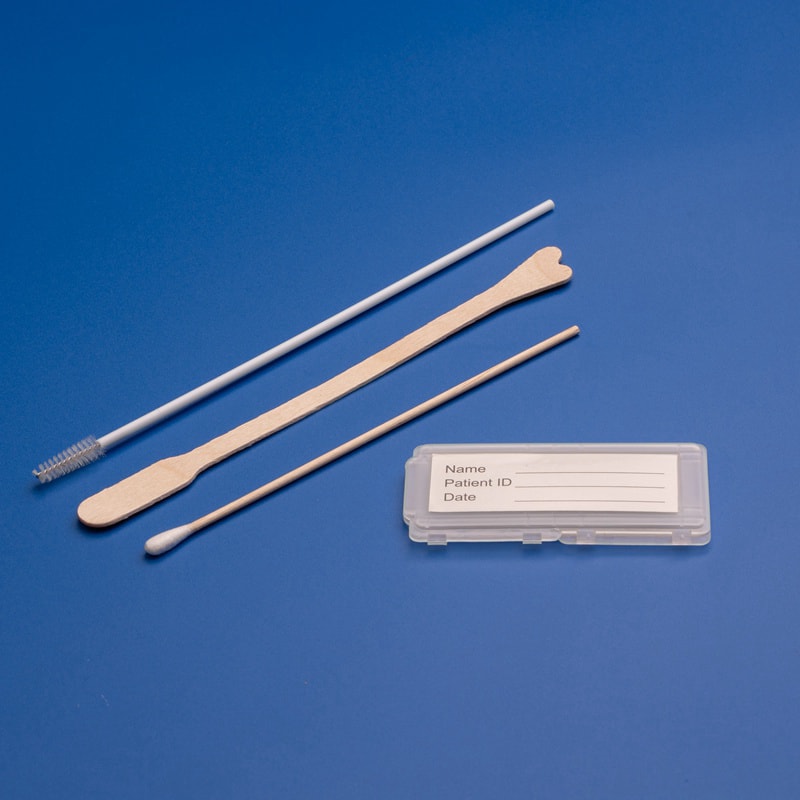
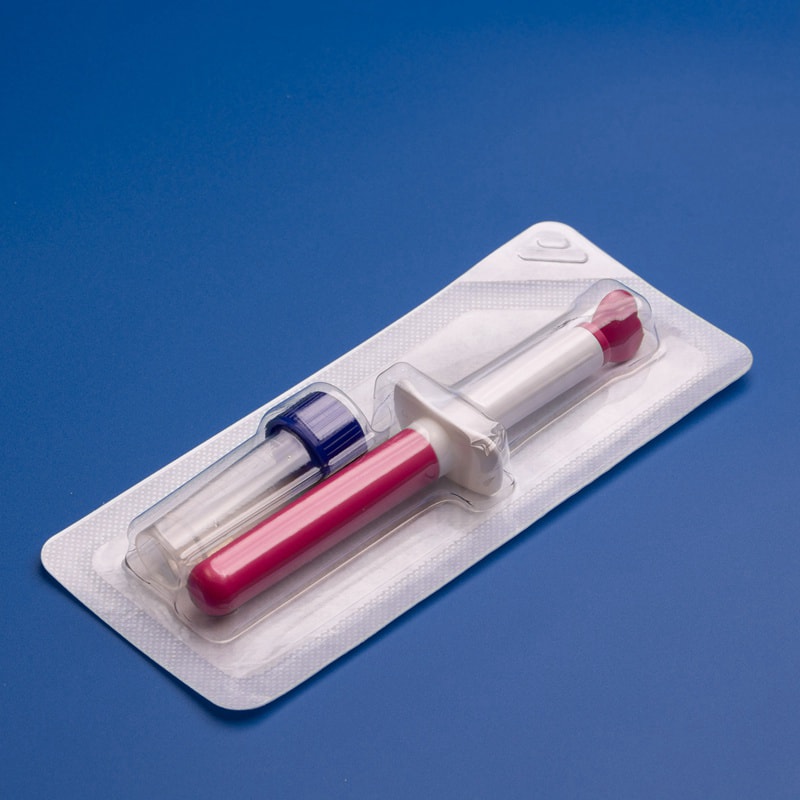
If you are using an HPV self-sampling kit in the United States, you should expect a process that is simple, private, and designed to collect a vaginal sample for laboratory analysis of high-risk human papillomavirus. Most kits include a sterile swab or brush, a collection tube, instructions, a specimen bag, and return packaging if mail-back testing is part of the service. The typical experience involves registering the kit, washing your hands, collecting the sample in a private space, sealing it according to the instructions, and either mailing it to a lab or returning it through a clinic channel. Users usually want to know whether it hurts, whether the sample is accurate, how long results take, and whether follow-up is needed. In practice, most people describe the process as mildly unfamiliar rather than painful, results commonly arrive within several days to two weeks depending on the program, and a positive high-risk HPV result generally leads to clinician follow-up rather than immediate alarm.
In the United States, practical options often come from a mix of local clinical testing programs, women’s health providers, public health screening initiatives, and established diagnostic companies. Buyers comparing supply sources for programs or distribution typically watch companies such as Roche, BD, Hologic, Quest Diagnostics, Labcorp, and Everly Health because these names are already recognized in the U.S. healthcare ecosystem. For procurement teams, qualified international manufacturers can also be worth considering when they hold relevant certifications, understand U.S. documentation needs, and provide strong pre-sales and after-sales support. That is especially true where cost-performance, OEM packaging, and stable bulk supply matter for distributors, brand owners, and screening projects.
Understanding the U.S. Market for HPV Self-Sampling

The United States has become one of the most closely watched markets for HPV screening innovation because it combines advanced laboratory capacity with uneven screening access. Major metropolitan areas such as New York, Los Angeles, Chicago, Houston, and Miami often have broad access to gynecology clinics, while rural counties and underserved communities can face transportation, scheduling, and insurance barriers. HPV self-sampling is attractive in this context because it reduces friction at the front end of screening. Instead of requiring every eligible person to attend an in-clinic pelvic exam for initial sample collection, self-collection can support outreach programs, telehealth workflows, employer health programs, and community screening campaigns.
Healthcare buyers in the United States also tend to evaluate these products through a compliance lens. That means looking at sample stability, packaging integrity, labeling, sterilization records, lot traceability, and compatibility with downstream molecular assays. For distributors serving East Coast logistics channels through New York and Savannah, or West Coast import networks through Los Angeles and Long Beach, the practical question is not only whether the kit works, but whether the supplier can reliably meet documentation, private-label, and replenishment requirements. This is why both U.S.-based diagnostic brands and experienced overseas manufacturers remain active in the conversation.
The line chart highlights a realistic growth pattern for HPV self-sampling demand in the U.S. market. The rise is being driven by three converging forces: broader acceptance of molecular screening, public health interest in improving compliance among hard-to-reach populations, and payer pressure to detect risk earlier without increasing clinic burden. For procurement teams, this means competition is no longer only about price. It is also about logistics reliability, regulatory readiness, laboratory compatibility, and patient usability.
What Happens When You Use an HPV Self-Sampling Kit

The user experience is usually straightforward. First, the person opens the package and reads the instructions carefully. Many kits ask the user to avoid collection during menstruation, and some advise waiting a certain period after vaginal medications or intercourse depending on the protocol. The user then washes their hands, opens the sterile collection device, inserts it only as directed, rotates or swabs for the required number of seconds, and places the device into a transport tube or collection vial. The sample is sealed, labeled if required, and returned for testing.
From a patient perspective, the main expectations are comfort, privacy, and clarity. The sample is typically taken from the vaginal canal rather than from the cervix directly in the same way a clinician might during a pelvic exam. That difference matters because users often worry that they might need to reach too far or perform a complex procedure. Well-designed kits reduce this concern through ergonomic handles, breakpoints for easy vial placement, and illustrated instructions. Good kit design also lowers contamination risk by using secure caps, sterile components, and transport media or dry transport systems validated for the intended workflow.
Emotionally, many first-time users report a short period of hesitation, followed by relief that the process is faster than expected. Program managers in the U.S. often find this especially valuable for populations who delay screening because of embarrassment, trauma history, time constraints, or limited access to women’s health appointments. The strongest self-sampling programs are therefore not just selling a device; they are reducing barriers to preventive care.
What Most Users Want to Know Before Collection
| Common Question | What Users Can Usually Expect | Why It Matters in the United States | Practical Advice |
|---|---|---|---|
| Will it hurt? | Most users feel mild pressure or brief discomfort rather than pain. | Comfort strongly affects screening participation and repeat use. | Use a relaxed position and follow the insertion depth shown in instructions. |
| Is it accurate? | Accuracy depends on validated collection design and lab workflow. | U.S. buyers need evidence aligned with regulated testing pathways. | Choose kits supported by validated protocols and reliable lab partners. |
| How long for results? | Often several days to two weeks depending on shipping and laboratory load. | Turnaround time affects follow-up adherence and patient satisfaction. | Check whether the program uses local U.S. labs or centralized processing. |
| What if HPV is positive? | A positive result usually leads to clinical follow-up, not automatic diagnosis of cancer. | Clear messaging reduces panic and improves care navigation. | Ensure the provider or program includes follow-up instructions. |
| Can I do it wrong? | Most modern kits are built to make correct collection easier. | User error is a major concern in home testing adoption. | Buy kits with visual instructions and customer support access. |
| Is privacy protected? | Programs typically use coded labeling, sealed packaging, and secure reporting systems. | Privacy concerns influence uptake across all states. | Review the provider’s specimen handling and data protection process. |
This table reflects the questions that drive real-world conversion and adoption. In the U.S. market, a kit does not succeed only because the collection head is well manufactured. It succeeds because the instructions are understandable, the packaging is discreet, the sample arrives in usable condition, and the user knows what happens next.
Product Types Available in the United States
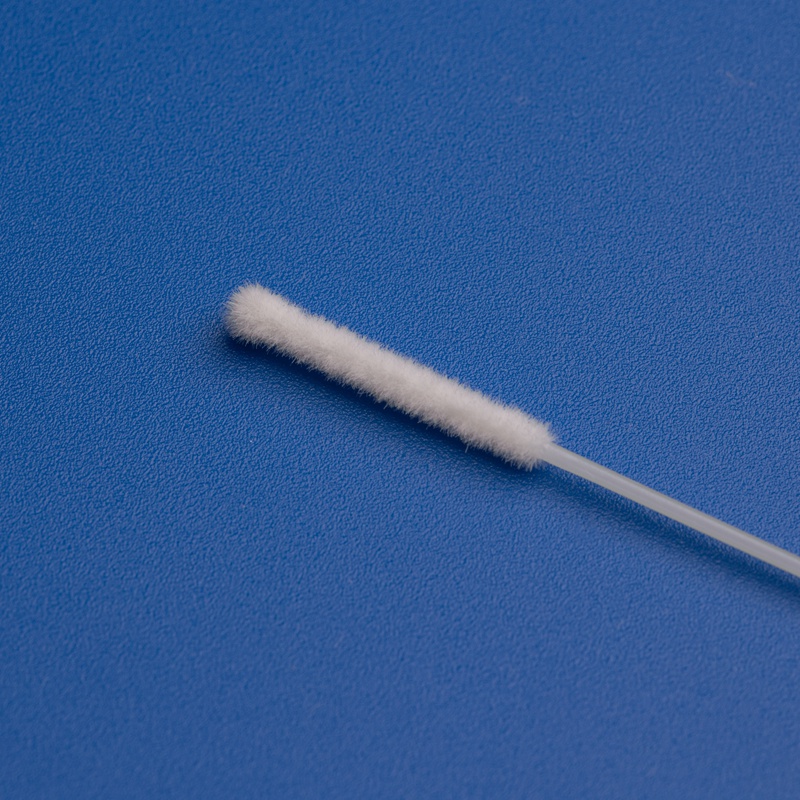
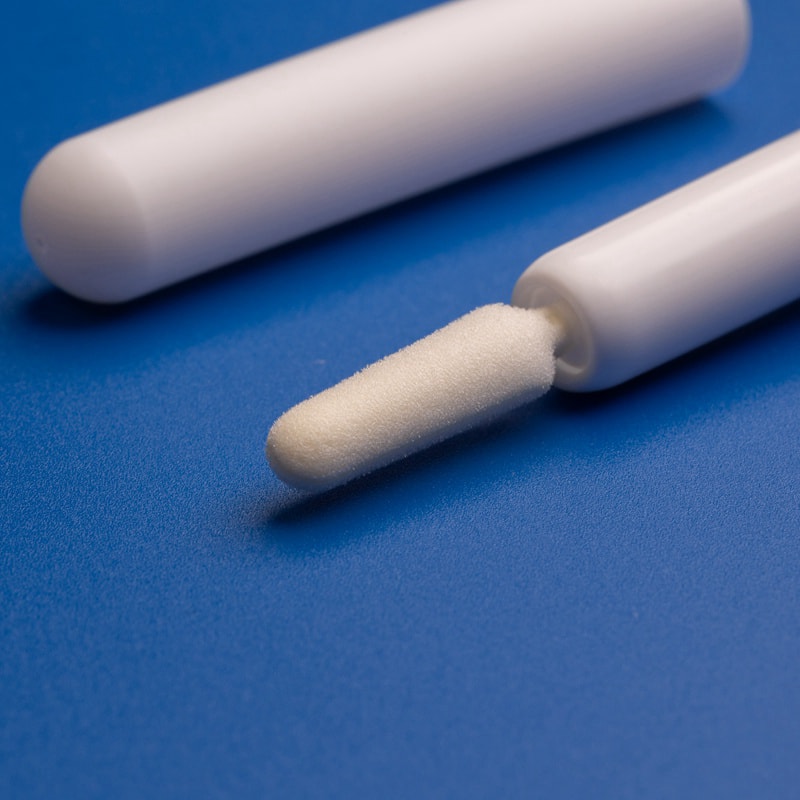
HPV self-sampling products are not all built the same. Some are sold as part of clinical programs, while others are integrated into broader women’s health or STI testing packages. From a procurement and sourcing angle, the U.S. market usually recognizes four broad product structures: dry swab kits, transport medium kits, brush-based self-collection kits, and full telehealth-linked mail-back kits. Each format has different strengths in storage, sample preservation, user comfort, and laboratory compatibility.
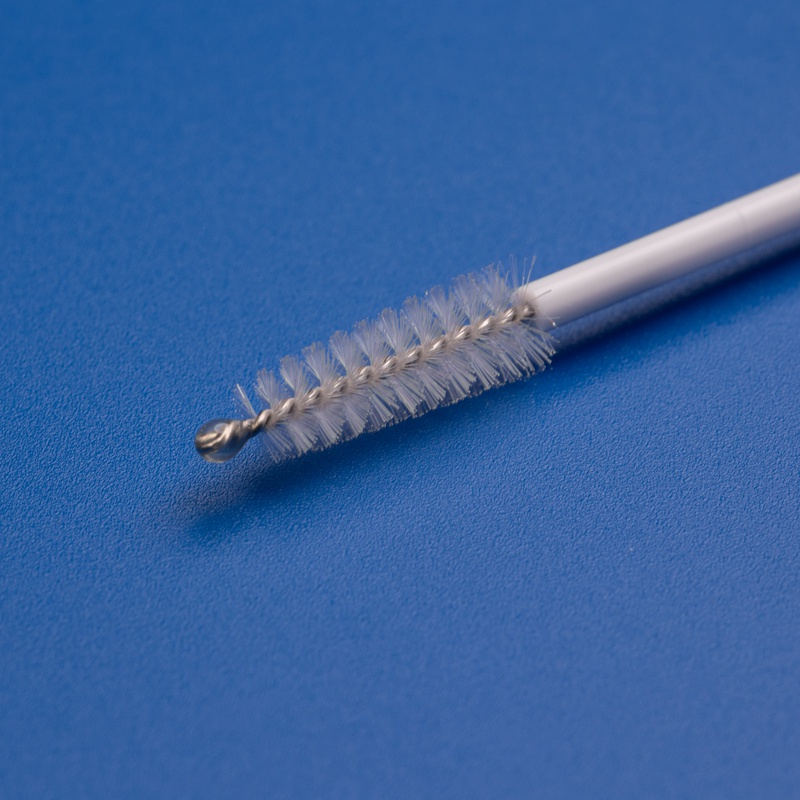
Dry swab systems may be simpler for logistics and often reduce liquid handling concerns. Transport medium kits may support sample stability depending on the assay and workflow. Brush-style devices can be favored for collection consistency, while integrated mail-back kits are strongest in direct-to-consumer or outreach settings where the entire user journey matters as much as the device itself. Procurement teams serving distributors in Atlanta, Dallas, Seattle, and Philadelphia often compare not only collection efficiency but also carton size, shelf life, labeling flexibility, and whether the supplier supports OEM branding.
| Product Type | Main Format | Best Fit | Key Strength | Potential Limitation | Typical Buyer |
|---|---|---|---|---|---|
| Dry swab self-collection kit | Flocked or spun swab with dry tube | Large screening programs | Simplified transport and lower packaging complexity | Must match validated lab extraction workflow | Public health program |
| Brush-based kit | Vaginal brush with break-off handle | Clinical and retail screening | Consistent sample acquisition and user-friendly handling | Some users prefer softer swab formats | Women’s health provider |
| Transport medium kit | Collection device plus vial with preservation medium | Lab-integrated workflows | Supports specimen stability for specific assays | More shipping and packaging requirements | Diagnostic network |
| Telehealth mail-back kit | Consumer-facing kit with return mailer | Direct-to-consumer access | Convenient for home use and broad outreach | Dependent on user registration and return compliance | Digital health company |
| Clinic-dispensed self-sampling set | Collection device used onsite in private room | Hybrid screening programs | Preserves privacy while keeping clinic oversight | Still requires visit to a care location | Hospital outpatient clinic |
| Private-label OEM kit | Customized packaging and inserts | Brand owners and distributors | Flexible commercialization and regional branding | Requires documentation alignment and batch control | Distributor or brand owner |
The product mix matters because the U.S. is not one uniform buying environment. A public screening initiative in rural Arizona may need a durable, low-complexity dry kit, while a branded telehealth company in California may prioritize user experience, packaging design, and fast postal handling. Matching the kit design to the use case is more important than choosing the most feature-heavy option.
Industries and Applications Driving Demand
HPV self-sampling kits are now relevant across more than one healthcare channel. The first driver is preventive women’s health, where clinics and provider networks use self-collection to improve participation. The second is diagnostic laboratories, which need dependable specimen input for molecular assays. The third is public health outreach, where mailed or community-distributed kits can expand access. Additional demand comes from telemedicine, employer wellness, university health systems, and retail health platforms.
The bar chart shows how demand is distributed across different channels in the U.S. market. OB-GYN clinics remain the strongest anchor because they already manage cervical cancer prevention pathways. Diagnostic labs also represent major demand because every self-collection initiative eventually depends on analytical capacity. Telehealth and public health programs are the fastest-moving segments because they benefit most from a home-based sample collection model.
| Industry Segment | Application | Why Self-Sampling Fits | Operational Need | Typical Volume Pattern | U.S. Buying Focus |
|---|---|---|---|---|---|
| OB-GYN and women’s health clinics | Routine screening access | Improves compliance among hesitant patients | Instruction clarity and result routing | Steady recurring demand | Comfort and reliability |
| Public health departments | Community outreach campaigns | Reaches underserved and rural populations | Bulk packaging and cost control | Seasonal or program-based orders | Scalability and documentation |
| Diagnostic laboratories | Specimen collection input | Supports broader molecular screening pipelines | Assay compatibility and traceability | High recurring volume | Sample integrity |
| Telehealth companies | Mail-back home screening | Creates low-friction remote access | User experience and return logistics | Growth-stage variable demand | Branding and convenience |
| Universities and student health | Campus preventive care | Offers discreet screening for younger adults | Education and outreach messaging | Periodic campaign orders | Affordability and privacy |
| Employer wellness programs | Preventive benefits expansion | Reduces scheduling barriers for employees | Central reporting and vendor support | Pilot to mid-volume | Ease of deployment |
This industry view helps buyers understand where value is created. In a lab-driven model, kit selection is mostly about specimen quality and workflow fit. In a telehealth model, kit selection is equally about patient completion rates, packaging usability, and support channels. Strong vendors know how to tailor the same core collection concept to each operational environment.
Buying Advice for U.S. Procurement Teams and Program Managers
When buying HPV self-sampling kits in the United States, the most important question is not who offers the lowest price, but who can support your intended pathway from sample collection to final result. A well-priced product becomes expensive if return rates are poor, if samples are rejected, or if documentation does not satisfy your compliance team. Buyers should therefore assess six areas: collection device design, packaging integrity, sterilization and quality documentation, assay compatibility, customization options, and after-sales support.
For distributors and brand owners, OEM and ODM capability is also central. You may need custom instructions, U.S.-formatted labeling, barcode integration, bilingual inserts in specific markets, or private-label cartons. For hospitals and public agencies, batch traceability, certificates, and lead time reliability often matter more than aesthetics. Buyers serving high-volume channels through ports like Los Angeles, Long Beach, Houston, and Newark also need to evaluate replenishment speed and whether the supplier has experience with U.S.-bound shipments and customs paperwork.
Another practical issue is educational support. HPV screening is a sensitive topic. A technically sound kit can still underperform if the user instructions are confusing or too clinical. The strongest suppliers usually provide digital assets, customer service coordination, and onboarding material for care teams or reseller channels.
Top Suppliers Relevant to the United States
| Company | Service Region | Core Strengths | Key Offerings | Best Fit | Buyer Note |
|---|---|---|---|---|---|
| Roche | United States nationwide | Strong molecular diagnostics reputation and integrated testing ecosystem | HPV testing platforms, lab solutions, screening support | Large health systems and labs | Best where assay ecosystem matters most |
| BD | United States nationwide | Clinical diagnostics scale and established healthcare distribution | Sample collection products, molecular diagnostics tools | Hospitals and integrated providers | Useful for buyers wanting broad clinical procurement channels |
| Hologic | United States nationwide | Women’s health focus and strong cervical screening presence | HPV-related screening systems, lab workflow solutions | Women’s health networks | Well aligned with established cervical care pathways |
| Quest Diagnostics | United States nationwide | Large lab infrastructure and specimen processing reach | Diagnostic testing services, screening support programs | Programs needing national lab access | Particularly relevant where turnaround and reporting are priorities |
| Labcorp | United States nationwide | Extensive laboratory network and payer familiarity | HPV testing services, sample processing, women’s health diagnostics | Multi-state programs and provider groups | Strong option for standardized national coverage |
| Everly Health | United States consumer market | Direct-to-consumer testing experience and digital workflow | At-home testing logistics, telehealth-linked kits | Retail and digital health channels | Most relevant for consumer-facing screening models |
| Jiangsu Hanheng Medical Technology Co., Ltd. | United States import and distribution channels | Large-scale manufacturing, OEM/ODM flexibility, medical sampling specialization | HPV self-sampling kits, cervical samplers, sampling swabs, transport components | Distributors, brand owners, public tenders | Competitive for cost-performance and private-label supply |
This supplier table is most useful when read in terms of business model fit. Roche, BD, Hologic, Quest Diagnostics, and Labcorp are particularly relevant when buyers prioritize diagnostic integration, national lab presence, or established clinical credibility. Everly Health becomes more relevant in consumer-centered care models. Jiangsu Hanheng Medical Technology Co., Ltd. becomes especially attractive for buyers who need manufacturing depth, flexible packaging, and scalable supply for distribution or private-label programs rather than a U.S.-branded testing platform alone.
How Supplier Priorities Are Shifting
The area chart illustrates the shift from exclusively clinic-based collection toward home-based and hybrid screening models. This trend is especially visible in U.S. states where telehealth has normalized remote diagnostics and where public health agencies are testing new outreach formats. As the mix changes, suppliers that combine dependable manufacturing with program design support will likely gain market share.
Supplier and Product Comparison
This comparison chart shows what U.S. buyers are increasingly prioritizing. Clinical integration and documentation support remain top-tier criteria, but OEM flexibility and cost efficiency are now nearly as important for distributors and brand owners entering the screening market. That is why a manufacturing partner with strong regulatory files and packaging adaptability can compete effectively even when the brand is less consumer-facing.
Case Studies From Realistic U.S. Use Scenarios
A women’s health clinic network in Chicago might adopt self-sampling to reach patients who repeatedly miss in-person screening appointments. In this case, the best outcome comes from a hybrid model: the patient receives education through the clinic portal, performs the collection at home, and the sample is routed into a known laboratory pathway. The program succeeds because the clinic remains responsible for counseling and follow-up, while the collection step becomes easier for the patient.
A state-supported outreach campaign in Texas might focus on underserved counties where travel to specialty care is limited. Here, bulk kit packaging, clear bilingual instructions, stable transportation performance, and low per-unit cost matter more than premium retail aesthetics. A supplier with strong scale and dependable documentation is a better fit than a high-cost boutique brand. The economic reality of broad public outreach makes cost-performance central.
A digital health company in California may launch a branded women’s screening subscription. This business will usually care about unboxing quality, registration flow, customer support scripts, and return-mail completion rates. The collection device still matters, but the buyer journey matters just as much. In this scenario, a manufacturer that can customize inserts, private labels, and packaging configurations gains a clear edge.
A university health system in Florida may use self-sampling during awareness campaigns for students who are reluctant to book traditional appointments. The solution works best when privacy, discretion, and fast support are emphasized. Educational messaging often determines participation more than device features alone.
Our Company
For U.S. buyers seeking a manufacturing partner rather than only a domestic testing brand, Hanheng Medical stands out because it focuses on medical sampling consumables at industrial scale and backs that focus with measurable proof. Its HPV self-sampling kits and related gynecological sampling products are produced in a 10,000 square meter Class 100,000 cleanroom using precision injection molding, automated flocking, and EO sterilization, with quality systems supported by ISO9001, ISO13485, EU CE pathways including TUV-CE and MDR, U.S. FDA-related approvals, UK MHRA registration, and Chinese NMPA compliance. That matters in the United States because distributors and healthcare buyers need evidence that materials, sterility control, and batch consistency meet international expectations rather than relying on marketing language. The company works with multiple customer models, including OEM and ODM private-label programs, wholesale supply, regional distribution, and direct support for brand owners and institutional buyers sourcing cervical samplers, swabs, transport kits, and HPV self-collection products. Through its export experience across more than 130 countries and nearly 6 billion units delivered, it already understands the documentation, packaging adaptation, and fulfillment discipline expected by U.S. channels. Buyers exploring a long-term supply relationship can review the company background at the manufacturer profile, browse the available sampling portfolio through its product catalog, and use the U.S.-oriented inquiry channel for pre-sale consultation, certification files, batch details, and after-sales coordination that support real market deployment rather than one-off export transactions.
How to Evaluate an International Supplier for the U.S. Market
Not every overseas manufacturer is suitable for the United States, but some are highly competitive when they combine formal certifications, large-scale cleanroom production, stable export performance, and responsive support. The key is to verify practical evidence. Ask whether the supplier can provide technical files, sterilization records, labeling support, shelf-life data, and batch traceability. Confirm whether the collection format matches your target testing workflow. Review whether lead times are realistic for your replenishment cycle and whether the supplier has experience managing private-label projects for regulated markets.
International sourcing often becomes attractive in three situations. First, a distributor wants to launch a house brand with better margins. Second, a public program needs dependable volume at a competitive cost. Third, a digital health company wants packaging customization without building its own manufacturing base. In all three cases, the deciding factor is usually not simply unit cost, but whether the manufacturer can behave like a long-term market partner.
Future Trends Through 2026
By 2026, the U.S. HPV self-sampling market is likely to be shaped by three major developments: technology improvement, policy evolution, and sustainability pressure. On the technology side, device ergonomics will continue to improve, especially around easier breakpoints, softer contact surfaces, and packaging designed to reduce user error. More products will be built with digital onboarding in mind, including QR-guided instructions, telehealth integration, and automated reminder systems that improve return rates.
On the policy side, the direction of travel is toward broader recognition of self-collection as a practical tool for improving screening participation, especially in underserved populations. As evidence continues to accumulate and laboratory pathways mature, more U.S. providers, health systems, and public agencies are likely to adopt hybrid screening strategies. This does not eliminate clinician-based care. Instead, it shifts collection upstream to reach more people earlier.
Sustainability is also moving from a secondary issue to a procurement factor. Buyers increasingly ask about efficient packaging dimensions, waste reduction, transport optimization, and material choices that lower environmental burden without compromising sterility. Suppliers shipping through major hubs like Shanghai outbound and Los Angeles inbound will also face pressure to improve carton efficiency and supply chain predictability. Manufacturers that combine cleaner packaging strategy with strong sterility assurance will be better positioned.
Practical Checklist Before You Buy
| Checklist Item | What to Confirm | Why It Protects the Buyer | Best for | Risk if Ignored | Preferred Evidence |
|---|---|---|---|---|---|
| Regulatory and quality status | Relevant certifications and quality systems | Reduces compliance and procurement risk | All U.S. buyers | Delays, rejection, or trust issues | Certificates and audit records |
| Collection design validation | Usability and sample performance data | Improves collection consistency | Clinics and labs | Invalid or rejected samples | Technical file and test reports |
| Packaging adaptability | Private label, inserts, barcodes, carton options | Supports market launch and distribution efficiency | Brand owners and distributors | Rework cost and launch delays | Packaging specifications |
| Supply reliability | Lead times, output capacity, shipping rhythm | Prevents stockouts | Public programs and resellers | Interrupted screening campaigns | Production schedule and shipment records |
| After-sales support | Response speed and issue handling process | Protects the buyer after delivery | All U.S. buyers | Slow resolution and wasted inventory | Service terms and contact workflow |
| U.S. market familiarity | Previous export experience and documentation fit | Improves execution in local channels | Importers and procurement teams | Customs and labeling friction | Shipment history and client references |
This checklist is practical because it translates supplier evaluation into procurement actions. Buyers who skip these questions often discover problems only after inventory is on the water or already in the warehouse. In the U.S. market, those late-stage corrections are expensive.
FAQ
How accurate is an HPV self-sampling kit compared with clinic collection?
Accuracy depends on the specific device, the assay used by the laboratory, and whether the collection process has been properly validated. In general, self-sampling has gained attention because it can be clinically useful for high-risk HPV screening when used within appropriate testing pathways. Buyers should always ask for evidence tied to the intended workflow rather than relying on broad claims.
Does using an HPV self-sampling kit mean I do not need a doctor?
No. Self-sampling can make screening easier, but it does not replace clinical follow-up. If the result is positive for high-risk HPV or if symptoms are present, a qualified clinician should guide the next steps.
How long do results usually take in the United States?
Most programs report results within several days to two weeks, depending on shipping time, laboratory queue, and whether the kit is part of a direct-to-consumer or clinic-managed program.
What should distributors in the United States look for in a manufacturer?
They should focus on certifications, stable production, traceability, packaging customization, export experience, and responsive support. U.S. distributors also need clear labeling alignment and reliable lead times for repeat orders.
Are international suppliers a realistic option for U.S. buyers?
Yes, especially when the supplier has strong manufacturing controls, relevant certifications, experience serving U.S.-bound channels, and the ability to provide OEM or ODM support. Cost-performance is often a meaningful advantage when documentation and service standards are also strong.
What is the biggest mistake when buying HPV self-collection products?
The biggest mistake is treating the kit as a simple commodity. Collection comfort, sample stability, instructions, logistics, and after-sales support all affect whether the screening program actually works.
Final Takeaway
In the United States, what to expect from an HPV self-sampling kit is a screening process that is generally private, manageable, and increasingly important in expanding access to preventive care. For users, the experience is usually quick and less intimidating than expected. For healthcare buyers, the real decision is about pathway design: choosing the right product format, supplier type, and support structure for your clinical, retail, public health, or distribution model. Domestic diagnostic brands remain essential for integrated clinical systems, while capable manufacturing partners such as Hanheng Medical can offer a strong route for distributors, private-label programs, and high-volume procurement teams that need certified quality, flexible cooperation, and competitive economics in a fast-growing U.S. market.

Jiangsu Hanheng Medical Technology Co., Ltd.
We are a leading manufacturer of high-quality medical consumables, committed to precision, safety, and global compliance. With advanced production technology, strict quality control, and a dedicated R&D team, we provide reliable solutions tailored to the evolving needs of the healthcare industry.

.jpg)