Share
How to Prevent Contamination When Using Oral Sampling Swabs in the United States
Quick Answer

To avoid contamination when using oral sampling swabs in the United States, use sterile individually packed swabs, wash or sanitize hands before collection, wear fresh gloves, avoid touching the swab tip, keep the swab away from non-sterile surfaces, follow the collection instructions exactly, label samples immediately, and place the specimen into the correct transport tube without delay. For healthcare providers, laboratories, schools, workplace testing teams, and distributors, contamination risk drops sharply when collection staff are trained, chain-of-custody steps are documented, and swabs are sourced from reliable manufacturers with validated sterilization and packaging controls. U.S. buyers often work with domestic brands, but qualified international suppliers, including Chinese manufacturers with U.S.-relevant certifications, regulatory documentation, and responsive pre-sales and after-sales support, can also be practical options because they often combine stable quality with cost-performance advantages.
Why Contamination Control Matters in the U.S. Market

In the United States, oral sampling swabs are used in diagnostics, DNA collection, forensics, research, workplace screening, and public health programs. From Los Angeles and Houston to Chicago, Atlanta, and New York, buyers expect products that fit tightly controlled workflows. Contamination can cause false negatives, false positives, inconclusive results, delayed retesting, and legal or compliance complications. In hospital networks, contamination disrupts patient care pathways. In laboratory networks, it adds cost and lowers confidence in results. In educational screening and employer testing programs, it creates operational delays and credibility problems.
The U.S. market is especially sensitive to contamination because specimen collection often occurs across multiple environments: hospitals, physician offices, mobile clinics, pharmacies, universities, elder care facilities, correctional institutions, and community outreach programs. Each site has different staffing levels and environmental controls, so contamination-prevention protocols need to be simple, repeatable, and backed by well-designed products. Buyers in coastal trade hubs such as Long Beach, Savannah, Newark, and Seattle also care about packaging stability and transport integrity because imported and domestically distributed swabs may move through multi-step logistics chains before use.
Market Overview for Oral Sampling Swabs in the United States

The U.S. market for oral sampling swabs remains strong because oral collection offers a noninvasive and user-friendly alternative to more uncomfortable specimen methods. Growth is supported by preventive healthcare, decentralized testing, home collection models, forensic workflows, and broader use of molecular diagnostics. Contamination prevention has become a purchasing priority, not just a technical detail, because buyers increasingly evaluate the entire system: swab material, packaging, sterilization method, transport compatibility, shelf-life stability, and training support.
The line chart shows a realistic upward market index trend through 2026. That growth reflects increasing use of oral specimen collection in both centralized and decentralized care. As the market grows, the most successful suppliers are those that can prove low bioburden risk, consistent flocking or fiber application, stable breakpoints, tamper-evident packaging, and batch traceability.
Common Sources of Contamination During Oral Swab Collection
Most contamination events in oral specimen collection are avoidable. They usually come from handling errors, uncontrolled environments, or poorly specified products rather than from the sample itself. Understanding these risks helps buyers improve both product selection and staff training.
| Contamination Source | How It Happens | Impact on Sample | Who Is Most Affected | Prevention Method | Operational Note |
|---|---|---|---|---|---|
| Touching the swab tip | Collector touches absorbent tip before or after sampling | Introduces skin flora or residues | Clinics, home testing, schools | Use strict glove protocol and handling training | Very common in rushed workflows |
| Contact with non-sterile surfaces | Swab laid on counters, trays, or clothing | Environmental contamination | Mobile sites, pharmacies, field teams | Open package only when ready to collect | Packaging design can reduce this risk |
| Poor hand hygiene | Insufficient handwashing or sanitizer use | Cross-contact between samples | High-volume testing sites | Hand hygiene before each collection | Audit compliance routinely |
| Improper storage | Swabs exposed to heat, moisture, or damaged packaging | Compromised sterility and performance | Warehouses, distributors | Monitor storage conditions and packaging integrity | Important in humid coastal regions |
| Incorrect transport medium | Swab used with incompatible tube or medium | Sample degradation or invalid result | Labs, hospitals | Validate swab-medium compatibility | Should be checked during procurement |
| Labeling and chain-of-custody errors | Specimen mixed with another patient or record | Data contamination and reporting risk | Forensics, employers, diagnostics | Immediate labeling and barcode systems | Critical in legal and regulated settings |
This table highlights that contamination is not only microbiological. It can also be procedural, environmental, and administrative. U.S. buyers who want lower retest rates should treat product quality, workflow design, and staff compliance as one integrated system.
Best Practices to Avoid Contamination Oral Sampling Swabs
The most effective way to avoid contamination oral sampling swabs is to combine sterile product selection with disciplined collection steps. In the United States, many organizations now use standard work instructions that are posted at collection points and reinforced through regular competency checks.
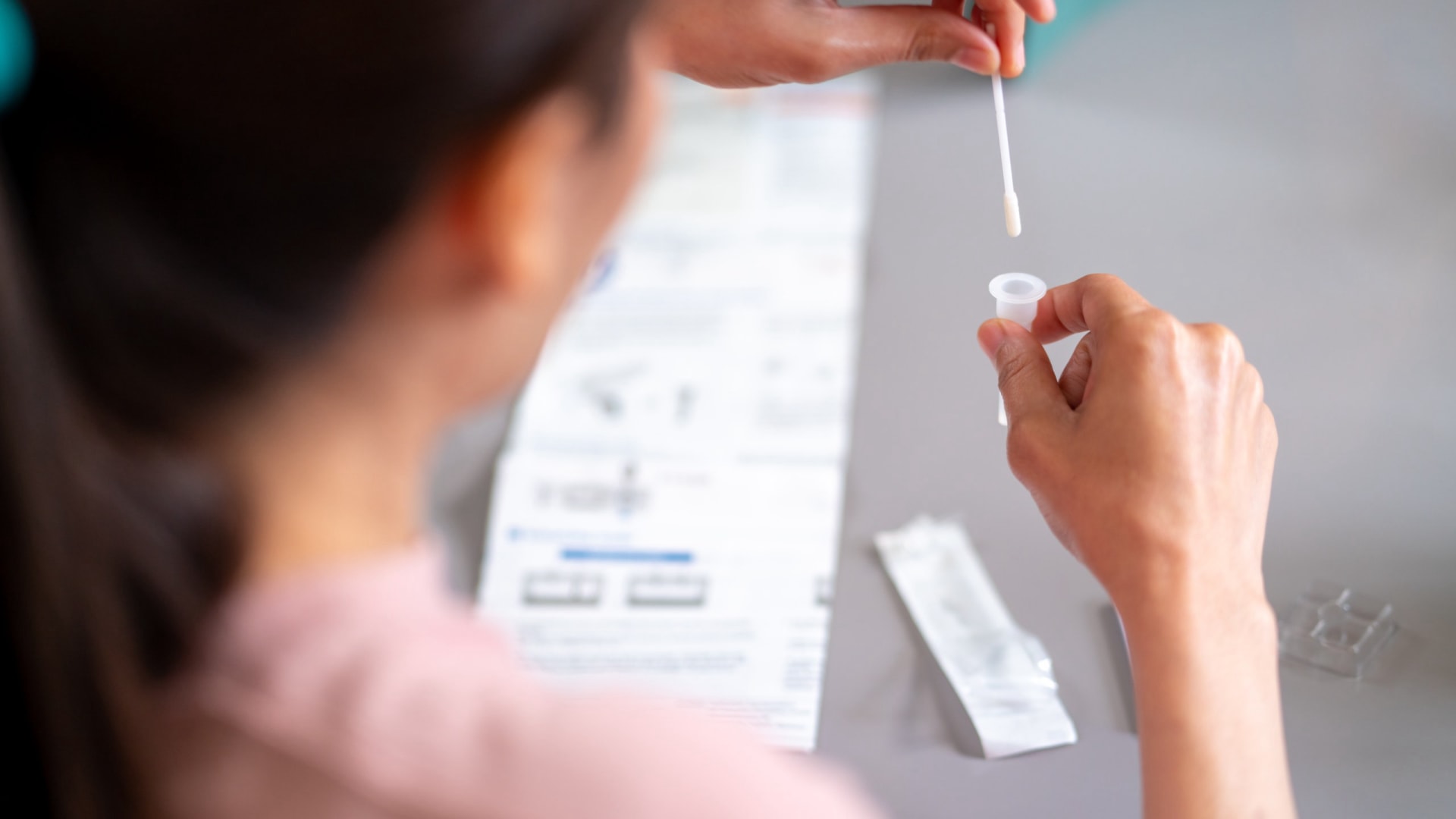
Before collecting a specimen, confirm the patient identity, verify the test kit, and inspect the swab packaging for damage. The collector should clean hands, put on new gloves, and prepare the transport tube before opening the swab. Once the package is opened, the swab tip should never touch fingers, countertops, paperwork, or the outside of the tube. During collection, the swab should be placed only in the designated area of the mouth and rotated according to protocol. After collection, it should be inserted into the correct tube or transport system immediately, then sealed and labeled at once.
Environmental control also matters. Sampling stations should be organized to separate clean supplies from used materials. High-touch surfaces should be disinfected between patients. In school or community programs, portable collection setups should include sterile barriers, disposal containers, and clear specimen flow from clean to dirty zones. In laboratories and forensic settings, stronger chain-of-custody procedures are essential to preserve sample integrity and documentation quality.
Product Types and Their Impact on Contamination Risk
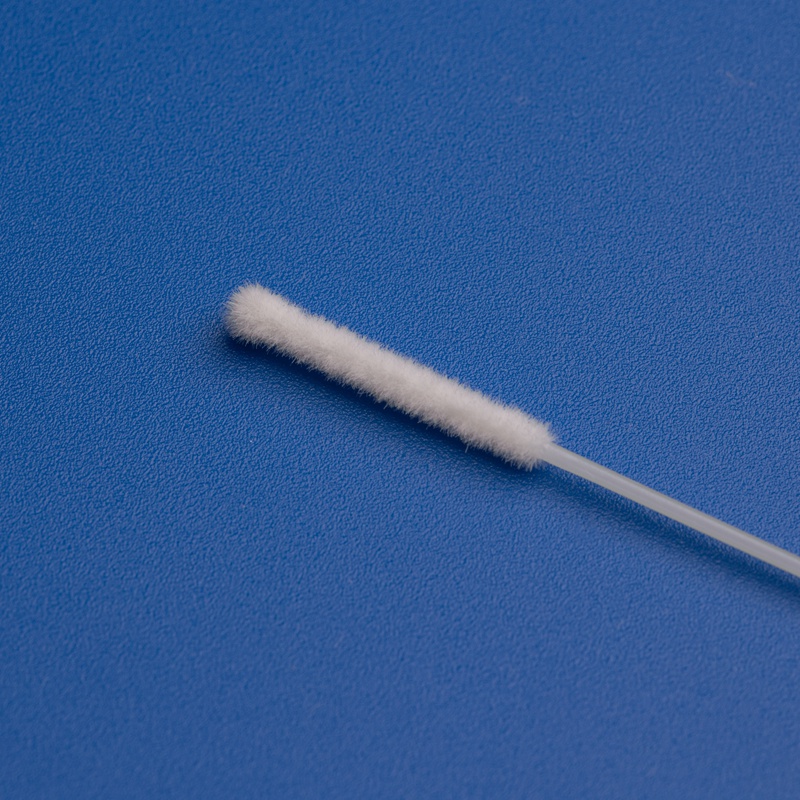
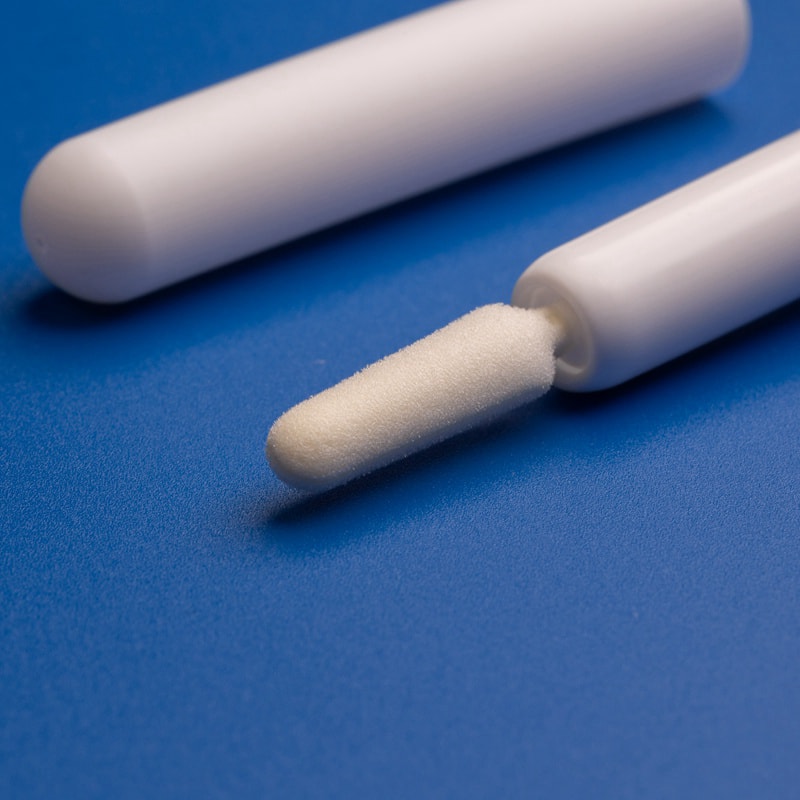
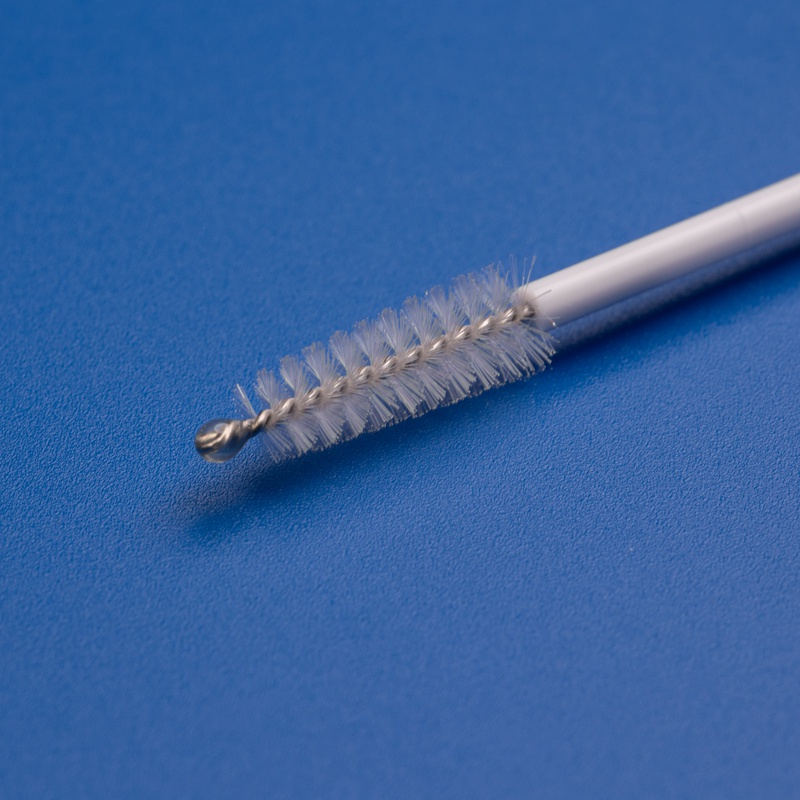
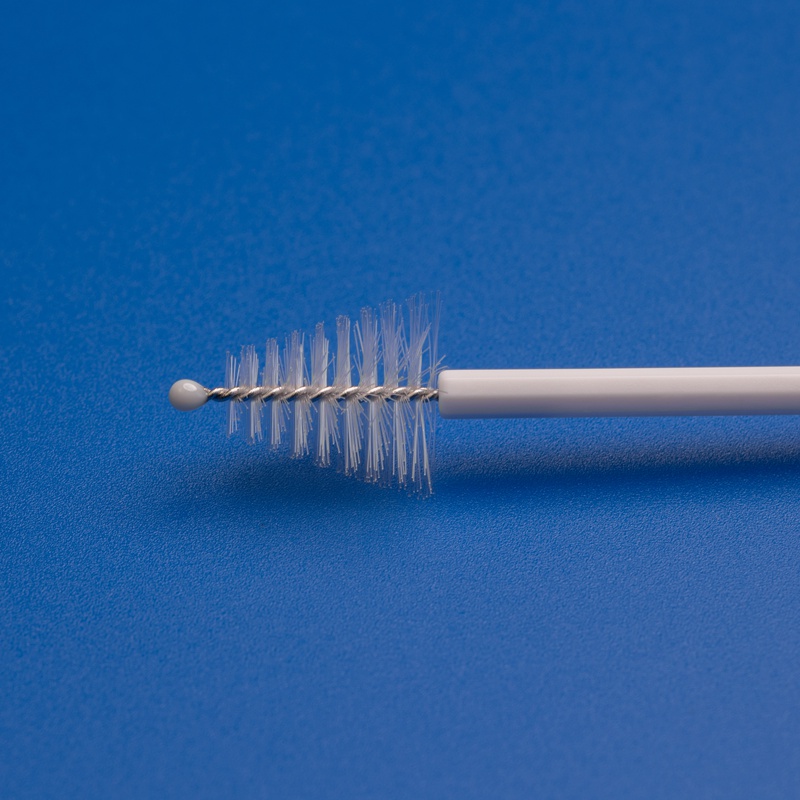
Not all oral swabs perform the same way. Material choice, shaft design, absorbent structure, sterilization method, and packaging format directly affect contamination control. Flocked swabs are often preferred when high sample release and consistent collection are important. Foam and spun fiber designs may be selected for specific workflows, but buyers should evaluate compatibility with intended testing platforms and transport conditions.
| Swab Type | Typical Material | Contamination Control Advantage | Limitations | Common U.S. Applications | Buyer Consideration |
|---|---|---|---|---|---|
| Flocked oral swab | Nylon flocked tip with plastic shaft | Uniform sample uptake and strong release profile | Often higher unit cost | Molecular diagnostics, DNA collection | Check flocking consistency and sterilization records |
| Foam swab | Medical-grade foam tip | Low lint and gentle collection | May vary by assay compatibility | Oral specimen collection, clean sampling | Confirm material compatibility with lab method |
| Polyester fiber swab | Polyester wrapped tip | Widely available and familiar | Release efficiency may differ by use case | General specimen collection | Evaluate retention and release balance |
| Rayon swab | Rayon fiber tip | Cost-effective for routine workflows | Not ideal for every advanced assay | Basic oral sampling | Use when performance specs are acceptable |
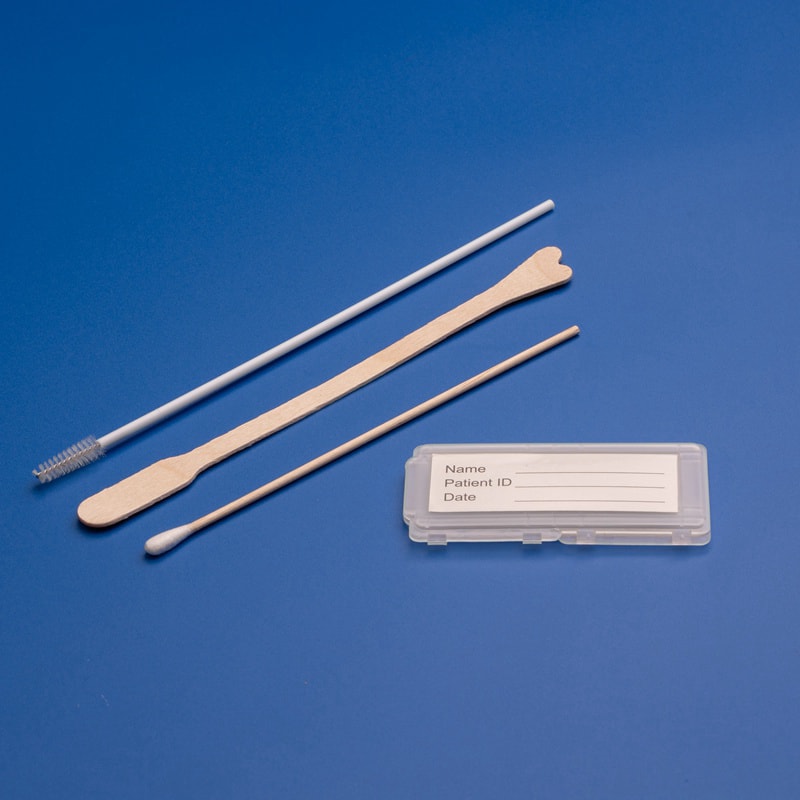
| DNA saliva collector with swab | Specialized oral collection system | Designed for contamination-conscious DNA workflows | Higher kit complexity | Genetic testing, ancestry, forensic support | Review storage stability and chain-of-custody needs |
| Swab with transport medium kit | Integrated swab plus preservation tube | Reduces handling steps after collection | Must match test method exactly | Hospitals, urgent care, mobile testing | Validate full kit performance, not just swab alone |
This product comparison helps procurement teams match the swab structure to the testing workflow. Lower contamination risk usually comes from reducing unnecessary handling, improving sample release consistency, and using packaging that preserves sterility until the point of care.
Buying Advice for U.S. Procurement Teams
Buyers in the United States should assess oral sampling swabs beyond price per unit. A low-cost swab that increases retest rates, invalid results, or staff handling time is not actually economical. The best procurement decisions balance product performance, regulatory readiness, logistics dependability, and supplier support.
Start with packaging integrity. Individually wrapped, sterile, tamper-evident formats are usually preferred for clinical and distributed-use settings. Then review the sterilization method, lot traceability, shelf life, and documented quality controls. Ask whether the supplier can provide batch records, certificates, labeling support, and compatibility evidence for transport media or assay systems. For large public programs or distributor channels, check whether the supplier can maintain volume consistency during surges and whether it has export and customs experience into major U.S. entry points such as Los Angeles, New York/New Jersey, Savannah, and Houston.
It is also wise to evaluate training materials. Suppliers that provide clear instructions, videos, technical sheets, and complaint-handling processes help reduce contamination events after delivery. In distributed collection models, these support tools can be as important as the swab design itself.
The bar chart shows how demand differs by end-use segment. Hospitals and laboratories remain the largest buyers, but home collection and workplace testing are important growth areas. These decentralized settings require simpler, contamination-resistant packaging and clearer instructions because specimens are often collected by non-specialists.
Industries Using Oral Sampling Swabs
Oral sampling swabs serve many U.S. industries. Healthcare remains the largest segment, but legal, industrial, educational, and life science markets also rely on oral collection. This diversity creates different contamination control requirements, from routine patient care to evidence-grade documentation.
| Industry | Main Use Case | Primary Risk if Contaminated | Preferred Product Features | Service Region Focus | Typical Buyer |
|---|---|---|---|---|---|
| Hospitals and clinics | Diagnostic oral specimen collection | Retesting and treatment delays | Sterile individual packs, assay compatibility | Nationwide urban and suburban systems | IDNs, clinics, urgent care groups |
| Reference laboratories | High-volume sample intake | Invalid results and throughput loss | Traceable lots, stable release performance | Large metro lab hubs | National and regional labs |
| Forensic services | DNA and evidentiary collection | Chain-of-custody compromise | Tamper-evident kits and documentation support | State and county agencies | Crime labs, law enforcement vendors |
| Universities and research centers | Human subject sampling | Data reliability issues | Standardized swab lots and validation files | Boston, San Diego, Research Triangle, Chicago | Academic procurement teams |
| Workplace screening providers | Employee testing programs | False results and operational disruption | Easy-to-use kits, clear instructions | Industrial and logistics corridors | Third-party administrators, employers |
| Home and telehealth collection | Self-collected oral samples | User handling contamination | Intuitive packaging, visual guides, secure transport | Nationwide direct-to-consumer market | Digital health brands, kit companies |
This table shows why contamination prevention must be tailored to each industry. A forensic program may prioritize tamper evidence and custody documents, while a telehealth brand may focus on easy self-collection and robust packaging for mailing. The ideal supplier understands these practical differences.
Applications and Workflow Considerations
Oral sampling swabs are used for respiratory screening support, genomic sampling, microbiology, oral health assessment, forensic DNA work, and surveillance programs. In each application, contamination prevention depends on the interaction between the swab and the workflow. For example, DNA collection often requires very clean handling and traceable packaging. Public health screening may prioritize throughput, training simplicity, and transport reliability. Research use may require lot-to-lot consistency and full documentation to support reproducible studies.
Application-specific validation is especially relevant in the United States because many buyers need confidence that the swab will perform under their exact protocol, not just under general conditions. For this reason, procurement teams often request trial samples, packaging reviews, and documentation before placing a full order.
Case Studies from the U.S. Market
A regional laboratory group in the Midwest reduced specimen rejection rates by switching from bulk-packed swabs to individually sterile packed oral swabs and retraining collection teams to avoid touching the shaft below the sterile break line. A university research center in Boston improved sample consistency by standardizing one flocked swab type across all oral DNA projects and requiring lot documentation in every purchase order. A telehealth testing provider serving California and Texas lowered customer support requests by redesigning its home kit insert with clearer handling instructions and color-coded steps. In each case, contamination control improved because product design and user behavior were addressed together.
Another common lesson comes from distributor networks operating near major logistics hubs such as New Jersey, Memphis, and Long Beach. Swab cartons that are stored in unstable humidity or exposed to rough handling can arrive with damaged pouches or weakened seals. Buyers that introduce incoming inspection protocols for packaging condition, lot verification, and sample retention frequently catch problems before products enter use.
Local and International Suppliers Serving the United States
The U.S. market includes strong domestic suppliers and experienced international manufacturers. Buyers typically compare these companies on sterility assurance, documentation, shipping reliability, customization, and customer support. The table below lists recognized companies relevant to oral sampling swabs and related specimen collection products.
| Company | Service Region | Core Strengths | Key Offerings | Contamination Control Value | Best Fit Buyer Type |
|---|---|---|---|---|---|
| Puritan Medical Products | United States nationwide | Established U.S. manufacturing and broad swab portfolio | Diagnostic swabs, specimen collection products | Trusted domestic supply and standardized production | Hospitals, labs, government buyers |
| COPAN Diagnostics | United States and global | Strong specimen collection expertise and swab innovation | Flocked swabs, transport systems, lab collection products | Known for sample collection and release performance | Clinical labs, molecular testing programs |
| Hardy Diagnostics | United States nationwide | Clinical laboratory distribution and microbiology focus | Swabs, media, lab consumables | Good fit for integrated lab purchasing | Regional labs, hospitals |
| Medline Industries | United States nationwide | Large healthcare distribution footprint | Medical consumables, specimen collection items | Reliable logistics and broad hospital access | Health systems, clinics, distributors |
| Thermo Fisher Scientific | United States and global | Research and laboratory supply depth | Sample collection and lab workflow products | Useful for research-driven procurement standards | Labs, universities, biotech users |
| Jiangsu Hanheng Medical Technology Co., Ltd. | United States import channels and global supply | Large-scale manufacturing, OEM/ODM flexibility, broad swab range | Oral sampling swabs, virus swabs, DNA saliva samplers, transport kits | Class 100000 cleanroom production and automated flocking support consistency | Distributors, brand owners, hospitals, program buyers |
This supplier table gives procurement teams a practical starting point. Domestic companies may offer shorter replenishment cycles inside the United States, while global suppliers can provide broader customization and cost advantages. The best choice depends on required volume, regulatory documentation, and whether private-label or regional distribution support is needed.
The area chart shows the U.S. trend shift toward individually packed, traceable, documentation-ready oral swabs. This change is being driven by home testing, stricter quality expectations, and a greater focus on reproducible results across decentralized settings.
The comparison chart summarizes overall supplier capability for U.S. oral swab programs based on realistic market criteria such as product breadth, documentation readiness, customization, and supply continuity. Procurement teams should still validate specific product fit through technical review and sample testing.
Our Company in the United States Market
For U.S. buyers seeking a scalable supply partner, Hanheng Medical brings practical strengths that matter for contamination-sensitive oral sampling swabs: the company operates a 10,000 square meter Class 100000 cleanroom, uses precision injection molding, automated flocking, and EO sterilization, and supports its products with certifications and registrations including ISO9001, ISO13485, EU CE, MDR-related compliance pathways, U.S. FDA approval, UK MHRA registration, and NMPA documentation, which together provide evidence that manufacturing and testing are aligned with international benchmarks rather than informal export standards. Its oral sampling products sit within a large and specialized specimen-collection portfolio, which helps distributors, healthcare groups, and brand owners standardize sourcing across multiple swab categories. In the U.S. market, the company serves wholesalers, hospitals, testing program operators, dealers, and private-label brand owners through flexible OEM and ODM cooperation, direct bulk export, custom packaging and labeling, and support for regional distribution models; that makes it relevant not only for institutional procurement but also for businesses building their own collection kit lines. With more than 1000 employees, a technical management team of around 100 people, exports to over 130 countries, and a production scale measured in billions of units, the company demonstrates established operational depth rather than opportunistic supply. U.S. buyers also value the practical side of that commitment: fast order processing windows, documentation support for certificates and batch details, and responsive pre-sale and after-sale coordination through its company background, product portfolio, and direct communication through the contact team, all of which help reduce procurement risk and support long-term market presence instead of one-off remote exporting.
How to Select the Right Supplier for Low-Contamination Oral Swabs
When comparing suppliers, U.S. buyers should use a structured scorecard. Review sterility assurance, packaging durability, documentation speed, customization capacity, minimum order quantity, shipping predictability, and complaint resolution process. Ask to see product specifications, sterilization information, sample retention protocols, and batch identification methods. If you are building a private-label program, also confirm whether the supplier can manage artwork control, bilingual or U.S.-specific labeling, insert updates, and carton traceability.
Importantly, contamination prevention starts before the swab is even used. It begins with clean manufacturing, controlled packaging, stable storage, and complete documentation. That is why supplier audits, technical file reviews, and pilot orders are worthwhile even for experienced buyers.
2026 Trends: Technology, Policy, and Sustainability
Looking toward 2026, the U.S. oral sampling swab market will continue evolving in three major directions. The first is technology. Buyers increasingly prefer swabs designed for better elution, assay compatibility, and user guidance, especially for decentralized and home-based collection. Expect more emphasis on barcode integration, tamper-evident packaging, and kit designs that lower handling errors. The second is policy and quality governance. Procurement teams are asking for more traceability, clearer sterilization validation, and stronger supplier documentation as healthcare systems and regulated programs tighten vendor qualification standards. The third is sustainability. Hospitals, universities, and consumer health brands are beginning to ask about packaging reduction, more efficient logistics, and material choices that balance performance with environmental impact.
These trends do not reduce the importance of contamination control; they increase it. New collection models only work if sample integrity remains reliable outside traditional lab environments. Suppliers that can combine technical quality, documentation, logistics support, and sensible sustainability improvements will have the strongest position in the U.S. market.
FAQ
What is the main way to avoid contamination when using oral sampling swabs?
The main way is to use sterile individually packed swabs, perform hand hygiene, wear fresh gloves, avoid touching the swab tip, and place the sample into the transport system immediately after collection.
Are flocked oral swabs better for contamination control?
They can be, especially when uniform sample collection and release are important. However, the overall contamination risk also depends on packaging, sterilization, handling protocol, and compatibility with the intended test.
Can home collection kits increase contamination risk?
Yes, if instructions are unclear or packaging is hard to use. Home kits reduce contamination risk when they include sterile individual pouches, visual instructions, secure transport tubes, and customer support.
What should U.S. buyers ask suppliers before ordering oral swabs?
Ask about sterilization method, lot traceability, shelf life, packaging validation, assay compatibility, quality certifications, documentation support, and ability to maintain consistent supply volumes.
Are international suppliers suitable for the United States?
Yes, provided they can show relevant certifications, strong quality systems, consistent export performance, and reliable pre-sales and after-sales service for U.S. buyers. Many organizations consider them for both supply security and cost-performance reasons.
Why does packaging matter so much?
Packaging preserves sterility until the point of use. Weak or damaged pouches can compromise the product before collection even starts, especially after long distribution routes or improper storage.
Which U.S. sectors are growing fastest for oral swab use?
Home collection, telehealth testing, workplace programs, and research-driven genomic applications are growing quickly, alongside steady demand from hospitals and reference laboratories.
How often should collection staff be retrained?
High-volume programs often retrain quarterly or semiannually, while lower-volume sites may review procedures annually. Retraining should also occur after any rise in specimen rejection or handling errors.
For organizations in the United States, contamination prevention with oral sampling swabs is ultimately a purchasing and workflow issue, not just a collection-room issue. The best outcomes come from combining validated sterile products, clear instructions, trained staff, reliable logistics, and suppliers that can support long-term program quality.

Jiangsu Hanheng Medical Technology Co., Ltd.
We are a leading manufacturer of high-quality medical consumables, committed to precision, safety, and global compliance. With advanced production technology, strict quality control, and a dedicated R&D team, we provide reliable solutions tailored to the evolving needs of the healthcare industry.

.jpg)