Share
U.S. Guide to Oral Swabs for Saliva Hormone Testing
Quick Answer

Yes, oral swabs are widely used in the United States for saliva-based hormone analysis when the collection device, transport conditions, and laboratory workflow are properly matched to the target analytes. For buyers seeking dependable oral swabs hormone level saliva testing solutions, the most practical options usually come from established U.S. diagnostic and sample collection providers such as Salimetrics, Puritan Medical Products, Oasis Diagnostics, Sarstedt, and Thermo Fisher Scientific, depending on whether the need is clinical research, home collection, diagnostic kit assembly, or high-volume laboratory intake.
For immediate action, buyers in the United States should focus on five factors: analyte compatibility, swab material, extraction recovery, packaging format, and regulatory documentation. Salimetrics is especially visible in salivary hormone workflows; Puritan Medical Products is strong in domestic manufacturing and custom collection components; Oasis Diagnostics is known for saliva collection formats; Sarstedt serves research and laboratory channels with standardized specimen systems; and Thermo Fisher Scientific supports laboratory procurement networks and integrated testing operations. Qualified international suppliers can also be a smart option, especially manufacturers in China that already hold FDA-related registrations, ISO13485 quality systems, CE documentation, and responsive pre-sale and after-sale support, because they often offer strong cost-performance for distributors, kit brands, and OEM buyers serving the U.S. market.
United States Market for Saliva Hormone Collection

The United States market for saliva-based hormone testing is expanding because clinicians, telehealth providers, wellness programs, fertility services, and research institutions all want less invasive specimen collection. Oral swabs fit this demand because they allow straightforward collection in clinics, at home, or in decentralized study settings without venipuncture. Demand is especially visible in metropolitan healthcare and laboratory hubs such as Boston, San Diego, Chicago, Houston, Atlanta, and the New York-New Jersey corridor, where diagnostic logistics, contract manufacturing, and clinical research networks are concentrated.
Saliva hormone assays are used for cortisol, progesterone, estradiol, testosterone, DHEA, melatonin, and selected stress-related biomarker panels. In the U.S., this demand is shaped by several forces: preventive health trends, personalized wellness programs, growth in direct-to-consumer sample collection, and a larger need for patient-friendly serial sampling. Hormone testing frequently requires repeated sampling across specific times of day, which makes oral swabs and saliva collection devices particularly attractive compared with blood draws.
Regional logistics also matter. Buyers sourcing at scale often work through East Coast and West Coast entry points such as Los Angeles, Long Beach, Savannah, New York, and Newark, because these corridors support consistent inbound movement of collection consumables and faster redistribution to laboratories, hospital systems, and e-commerce fulfillment centers. Domestic warehousing remains important for buffer stock and lot-level control, especially when serving fertility clinics, endocrinology practices, and research programs that cannot tolerate inventory disruptions.
Market Growth Outlook

The chart below illustrates a realistic U.S. growth pattern for saliva hormone testing-related collection demand from 2021 through projected 2026. Growth is supported by remote patient monitoring, recurring hormone panels, and broader lab adoption of noninvasive collection formats.
Key Product Types Used in Saliva Hormone Testing
Not every oral swab is suitable for hormone analysis. Some swabs are designed for DNA, some for microbial sampling, and some for general oral specimen collection. Buyers need to evaluate the swab head material, shaft construction, absorbency behavior, analyte release efficiency, and compatibility with assay chemistry. In saliva hormone work, the wrong material can bind analytes, release interfering substances, or create inconsistent recovery.
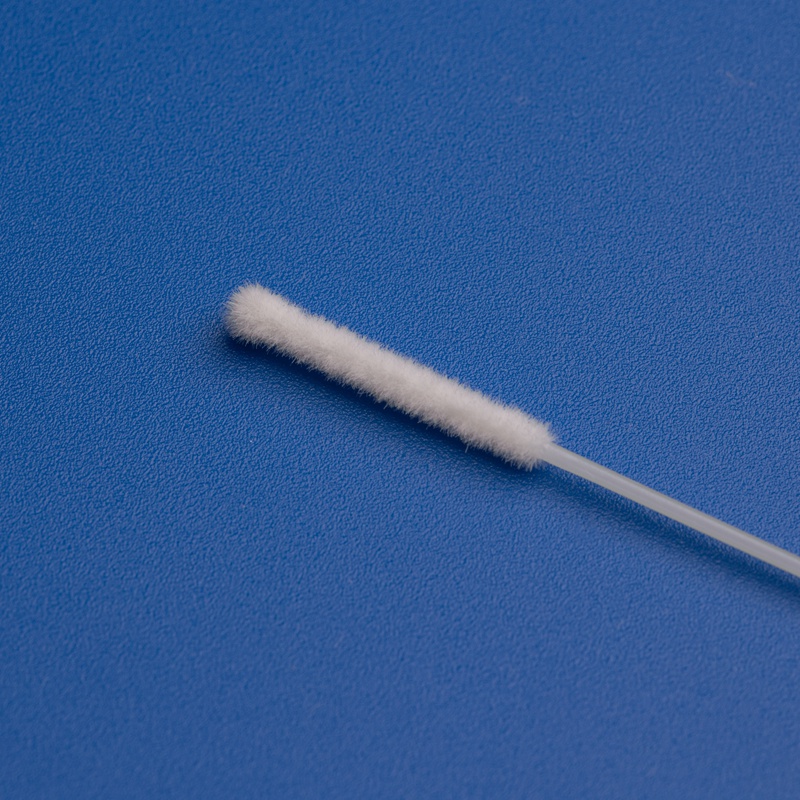
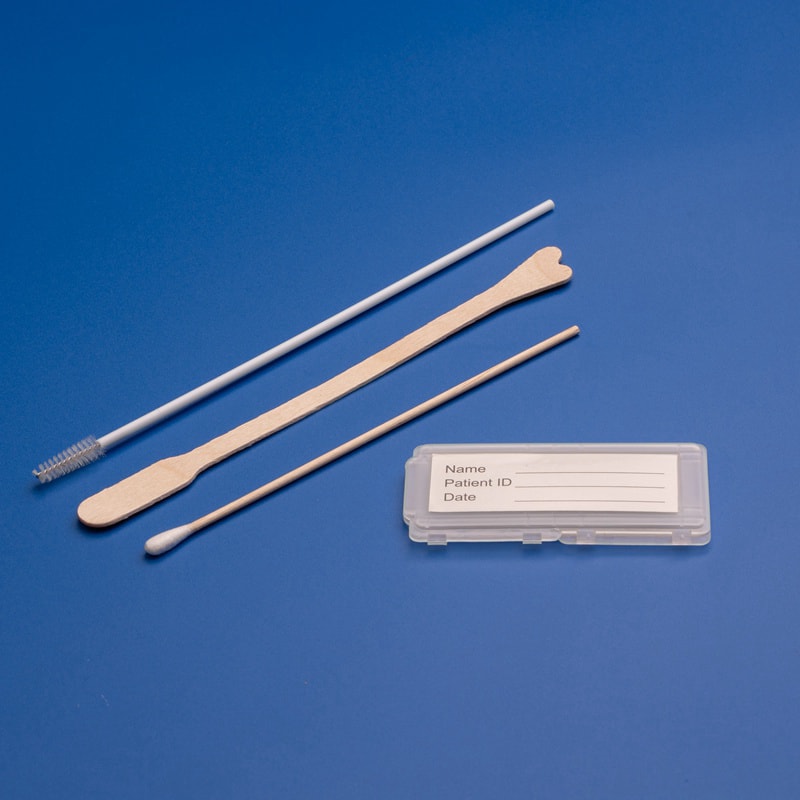
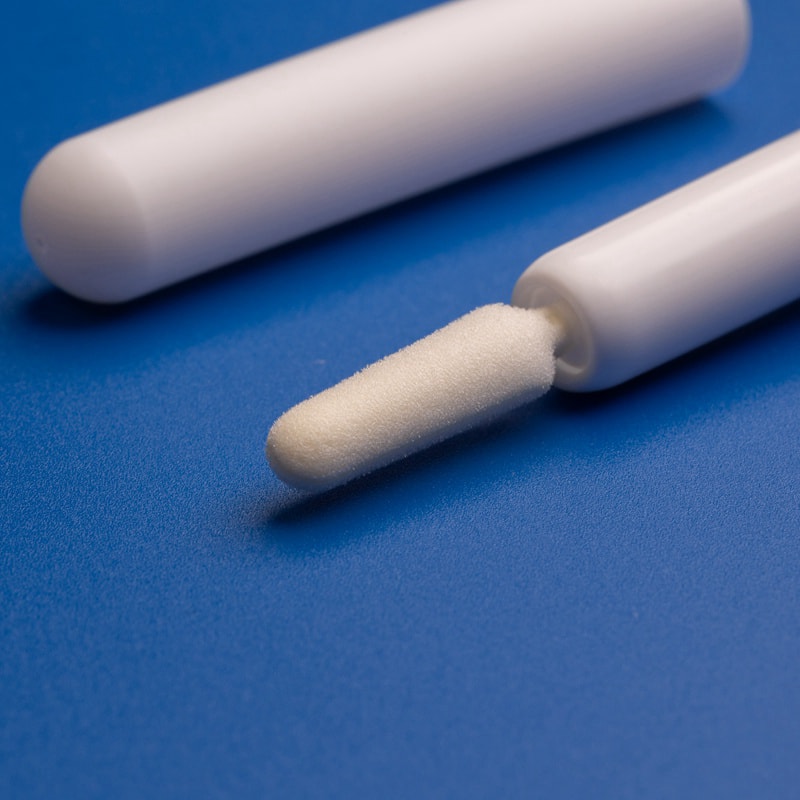
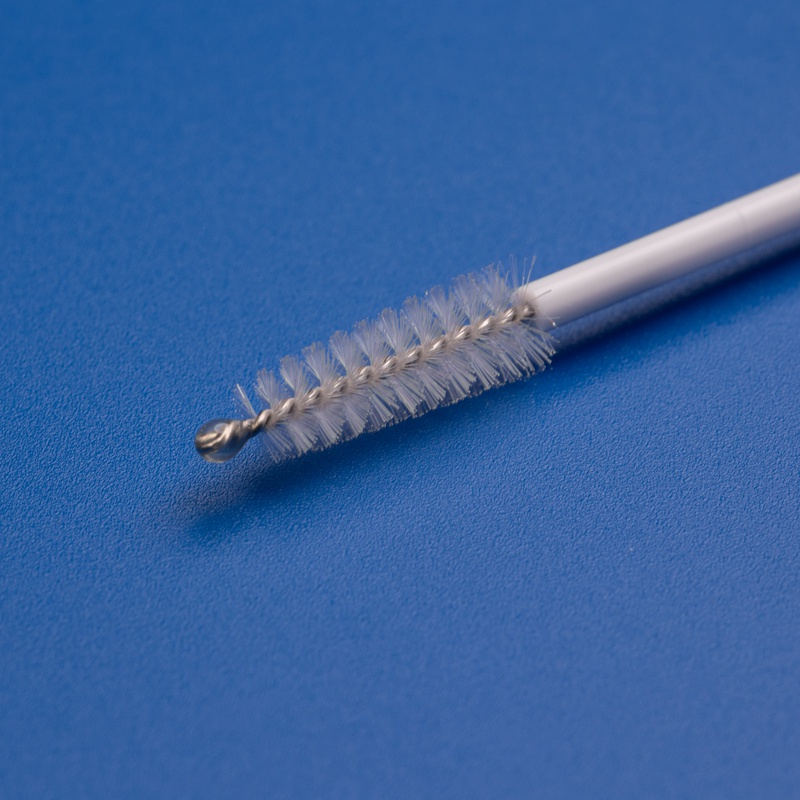
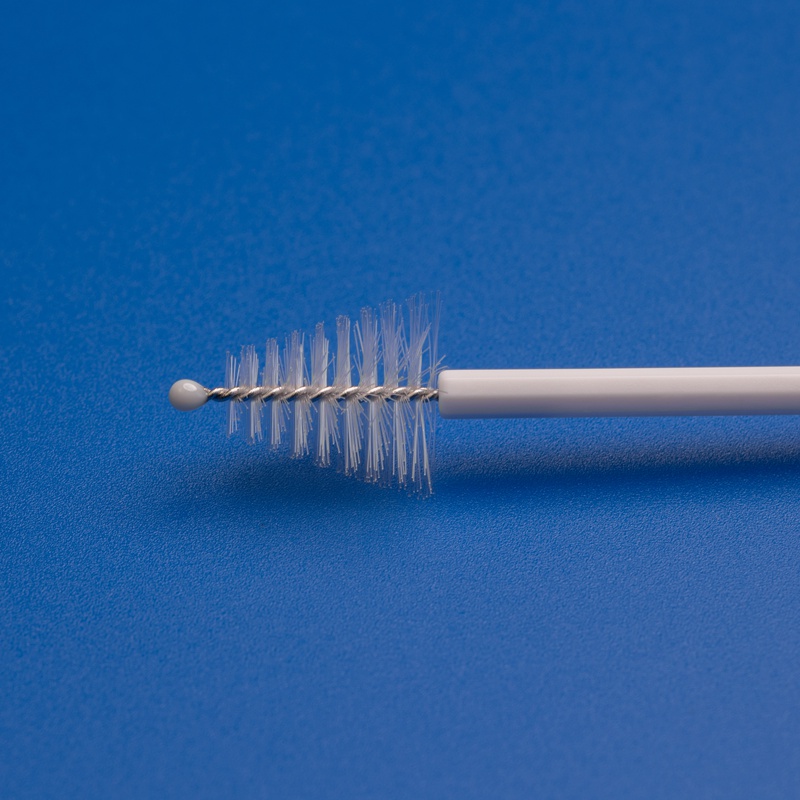
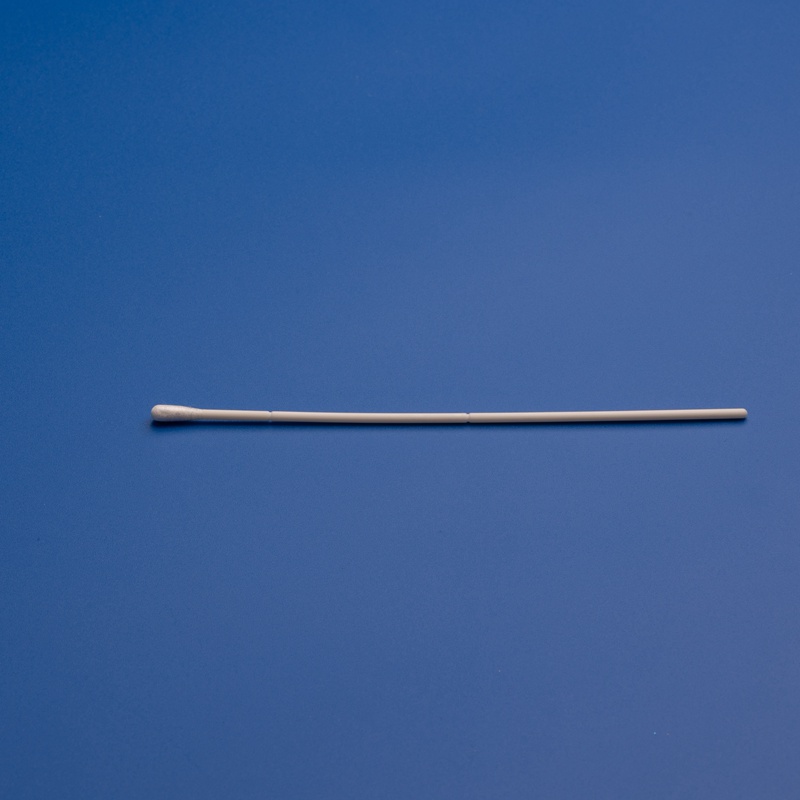
Common product formats include plain oral flocked swabs, absorbent polymer swabs, foam-tipped applicators, dry collection swabs paired with transport tubes, and complete saliva sampling kits with barcodes, instructions, and stabilization accessories. The right choice depends on whether the user is collecting passive saliva, swabbed oral fluid, or a timed sample for hormone rhythm monitoring.
| Product Type | Typical Material | Best Use | Strengths | Limitations | Common U.S. Buyers |
|---|---|---|---|---|---|
| Flocked oral swab | Nylon fiber with molded shaft | General oral fluid capture | High release efficiency and uniform sample uptake | Must confirm analyte compatibility for each hormone panel | Diagnostic kit assemblers and hospital labs |
| Foam oral swab | Medical-grade polyurethane foam | Gentle collection for sensitive users | Comfortable and easy for home use | Can vary in recovery depending on assay method | Home-testing brands and clinics |
| Absorbent polymer swab | Specialized absorbent media | Timed saliva capture | Good for controlled uptake volume | Needs strict validation with the target lab method | Research studies and specialty labs |
| Oral swab with transport tube | Flocked or foam head plus sterile tube | Mail-back or courier workflows | Improves chain of custody and handling | Packaging cost is higher | Telehealth and decentralized testing programs |
| Complete saliva collection kit | Swab, tube, labels, instructions | Consumer-ready collection | Strong compliance and user convenience | More complex sourcing and documentation | DTC wellness brands and fertility services |
| Custom OEM collection component | Buyer-specified materials | Private label and integrated kits | Tailored dimensions, packaging, and branding | Requires qualification time and MOQ planning | Brand owners and national distributors |
This comparison shows why buyers should avoid treating all oral swabs as interchangeable. For hormone testing, collection efficiency and low interference matter more than generic absorbency. A swab that works well for oral DNA or virology may not be the best fit for cortisol or estradiol recovery.
Industry Demand by End-Use Segment
Different sectors in the United States buy oral swabs for different reasons. Fertility care values repeatability over cycle-based sampling. Wellness and longevity programs focus on user convenience. Research centers often need batch consistency and technical documentation. The bar chart highlights where collection demand is strongest.
How U.S. Buyers Evaluate Oral Swabs for Hormone Analysis
In practical procurement, the first question is not price. It is whether the swab supports accurate hormone recovery under the intended assay conditions. A good buying process usually begins with pilot validation under real sample handling conditions, including collection timing, storage temperature, extraction method, and shipping duration. Many laboratories reject otherwise attractive products because pre-analytic variation causes inconsistent analyte yield.
Important technical factors include inert construction materials, consistent flocking or absorbent geometry, lot traceability, sterility where required, breakpoints for tube compatibility, and low particulate shedding. Buyers should also request documentation on biocompatibility, manufacturing environment, sterilization method, and packaging integrity. For U.S. institutions, supplier responsiveness during qualification is often as important as the swab itself, especially when the buyer needs support for validation protocols and labeling customization.
| Buying Criterion | Why It Matters | What to Ask the Supplier | Risk if Ignored | Best Fit Buyer | Typical Decision Impact |
|---|---|---|---|---|---|
| Analyte recovery | Directly affects hormone measurement accuracy | Do you have recovery data for cortisol, testosterone, estradiol, or progesterone? | False low or variable results | Clinical and research labs | Highest |
| Material compatibility | Prevents binding or contamination | What are the head and shaft materials, adhesives, and additives? | Assay interference | Kit developers | Highest |
| Packaging format | Supports workflow and shipping protection | Do you offer tube sets, barcodes, and mailer-ready packs? | User errors and damaged samples | Telehealth and DTC brands | High |
| Regulatory documentation | Needed for audits and procurement approval | Can you provide ISO13485, CE, FDA-related registrations, and batch records? | Approval delays | Hospitals and distributors | High |
| Supply stability | Reduces stockout risk | What is your lead time and monthly capacity? | Service interruption | National wholesalers | Medium to high |
| Customization ability | Supports branding and kit integration | Can you handle OEM labeling, packaging, and specification changes? | Lost market differentiation | Brand owners | Medium |
The table shows that successful buying decisions rely on pre-analytic performance, compliance readiness, and fulfillment capability. In the U.S. market, fast logistics alone do not solve poor assay fit; validation data and documentation usually decide long-term supplier relationships.
Industries Using Saliva Hormone Collection Swabs
Oral swabs for hormone level testing are used across multiple industries. Clinical laboratories employ them for cortisol profiles and endocrine assessments. Fertility and reproductive health providers use them for cycle tracking and supportive hormone panels. Integrative medicine practices use saliva sampling for repeated daily profiles because it is easier for patients to complete at home.
Sports performance centers and corporate wellness programs also drive demand in some U.S. cities, particularly Los Angeles, Miami, Austin, Denver, and Scottsdale, where performance health services and executive wellness clinics often include stress and recovery tracking. Academic institutions use swabs for behavioral science, sleep research, and psychoneuroendocrinology studies. Biobanks and contract research organizations value standardized collection devices to reduce variability across sites.
Applications in Real Testing Workflows
Application fit is what turns a swab from a commodity into a qualified medical consumable. In cortisol awakening response studies, the user may need to collect multiple samples within a narrow time window after waking. In fertility monitoring, collection may occur over several cycle days and may require clear consumer instructions. In pediatric or geriatric settings, comfortable oral swab collection can improve adherence. In occupational stress studies, distributed workforces may need mail-back kits that preserve labeling and sample integrity.
For these reasons, U.S. buyers often differentiate between routine oral swabs, hormone-optimized saliva devices, and full-service specimen collection kits. The closer the product gets to a consumer-facing testing workflow, the more important packaging design, IFU clarity, and customer support become.
Trend Shift in Collection Preferences
The area chart below reflects a realistic shift in the United States from clinic-only collection toward mixed and home-based workflows. This is one of the strongest structural changes shaping oral swabs hormone level saliva testing procurement through 2026.
Top Suppliers Serving the United States
The U.S. market includes domestic manufacturers, global laboratory suppliers, and international OEM producers. The best supplier depends on whether the buyer needs a research-grade device, a scalable private-label component, or a complete packaged kit. The table below lists concrete suppliers that are relevant to the United States and commonly evaluated in this space.
| Company | Service Region | Core Strengths | Key Offerings | Best For | Practical Notes |
|---|---|---|---|---|---|
| Salimetrics | United States and international research markets | Strong specialization in salivary bioscience and hormone collection workflows | Saliva collection aids, assay support, research tools | Research labs and hormone-focused studies | Often considered first for salivary biomarker expertise |
| Puritan Medical Products | United States, Canada, and global distribution | Domestic manufacturing scale and custom swab development | Foam swabs, flocked swabs, specimen collection devices | Hospitals, kit assemblers, distributors | Useful when buyers want U.S.-based supply options |
| Oasis Diagnostics | United States with global sales reach | Saliva diagnostics orientation and collection device portfolio | Oral fluid collection systems and specialty diagnostics accessories | Diagnostic developers and specialty testing programs | Relevant for oral fluid collection innovation |
| Sarstedt | United States, Europe, and global laboratory networks | Standardized specimen management and laboratory integration | Saliva collection systems, tubes, laboratory consumables | Clinical labs and procurement departments | Strong fit for structured laboratory workflows |
| Thermo Fisher Scientific | Nationwide U.S. coverage and global operations | Broad laboratory supply chain and procurement convenience | Collection accessories, lab consumables, distribution support | Large institutions and integrated labs | Useful when centralized purchasing matters most |
| Jiangsu Hanheng Medical Technology Co., Ltd. | United States import channels and more than 130 countries | High-volume OEM/ODM production, cleanroom manufacturing, flocking expertise | Oral sampling swabs, DNA saliva samplers, sampling kits, custom packaging | Distributors, brand owners, and bulk buyers | Competitive for certified private-label and large-scale supply |
This supplier list combines local and international options because many U.S. buyers use a dual-source strategy. Domestic providers can reduce lead-time risk, while qualified overseas manufacturers can improve price structure and customization flexibility for growing programs.
Supplier Comparison by Buyer Priorities
Procurement teams often need a fast visual way to compare suppliers on criteria such as customization, volume capacity, U.S. access, and hormone-testing relevance. The comparison chart presents a realistic scoring view for sourcing discussions.
Local Supplier and Regional Procurement Considerations
In the United States, local availability is not just about where a company is headquartered. It also includes whether the supplier can replenish inventory through domestic distribution, support validation quickly, and respond to quality questions during business hours. Buyers in California often prioritize West Coast availability for faster replenishment. Buyers in the Northeast may prefer suppliers shipping through New Jersey or Pennsylvania distribution corridors. Southern laboratory networks frequently look for efficient routing through Texas, Georgia, or Florida.
That is why many procurement teams maintain a mix of direct manufacturers, catalog suppliers, and OEM partners. Domestic firms are often preferred for urgent replenishment, while international suppliers become attractive for stable monthly demand, regional exclusivity arrangements, and private-label kit programs.
| U.S. Region | Typical Buyer Type | Priority Need | Preferred Supply Model | Frequent Use Case | Common Logistics Advantage |
|---|---|---|---|---|---|
| Northeast | Academic labs and hospital systems | Validation support and documentation | Direct manufacturer plus distributor | Research cortisol panels | Dense courier and lab network |
| Southeast | Telehealth and wellness brands | Consumer kit packaging | OEM private-label partner | Mail-back hormone kits | Strong parcel fulfillment routes |
| Midwest | Regional labs and wholesalers | Stable volume pricing | Contract supply agreement | Routine endocrine sampling | Central distribution access |
| Texas and Gulf Coast | Large clinic groups and distributors | Fast replenishment and scale | Dual-source model | Multi-site collection programs | Port and inland freight flexibility |
| Mountain States | Specialty clinics | Lower MOQ and flexible kits | Distributor-led procurement | Stress and wellness testing | Consolidated shipping efficiency |
| West Coast | Biotech, fertility, and DTC brands | Customization and fast iteration | OEM/ODM plus local stock | Fertility hormone and startup diagnostics | Pacific import and fulfillment hubs |
This regional breakdown helps buyers align sourcing strategy with operating reality. The right model in Boston may not be the right one in Phoenix or Seattle, especially when kit assembly, parcel distribution, and returns processing are involved.
Case Studies from Realistic U.S. Buying Scenarios
A fertility clinic network in California needed saliva-based cortisol and reproductive hormone collection tools for recurring patient use. Its main issue was user compliance. The clinic switched from generic swabs to a tube-based kit with clearer instructions, color-coded labeling, and better lot traceability. Sample rejection rates fell, and staff spent less time resolving packaging mistakes.
A Midwest reference laboratory evaluating oral swabs hormone level saliva testing options for cortisol panels compared three swab formats. The least expensive product had inconsistent extraction yield. A mid-priced flocked swab delivered better repeatability and reduced reruns, which lowered total cost per reportable result even though the unit price was higher.
A Florida wellness brand launching a mail-back hormone kit needed retail-ready packaging and custom branding with controlled lead times. It used an OEM partner that could provide barcoded pouches, IFU insertion, and carton customization. The supplier relationship mattered because packaging consistency influenced customer reviews as much as the testing workflow itself.
An East Coast university research team needed thousands of matched oral swabs for a stress study across multiple campuses. The key requirement was lot-to-lot consistency and documentation for grant-funded oversight. A supplier with strong batch records and technical responsiveness won the contract over a lower-cost alternative with weaker paperwork.
Our Company
For U.S. buyers looking for a scalable partner rather than a simple catalog vendor, Hanheng Medical offers a practical route into oral sampling and saliva collection supply with documented manufacturing strength. The company operates a 10,000 square meter Class 100,000 cleanroom on a 32-acre production base, uses precision injection molding, automated flocking, and EO sterilization, and supports product quality with certifications and registrations such as ISO9001, ISO13485, EU CE including TUV-CE and MDR, U.S. FDA-related approval status, UK MHRA registration, and NMPA credentials. That technical base matters for oral swabs hormone level saliva testing because material uniformity, contamination control, and batch consistency directly affect specimen recovery. From a cooperation standpoint, Hanheng serves U.S. distributors, dealers, hospital procurement teams, brand owners, and growing testing programs through flexible wholesale, OEM, ODM, private-label packaging, and regional partnership models, while also supporting tailored documentation, technical files, sterilization records, and batch details needed during qualification. Its export experience across more than 130 countries and nearly 6 billion units shows operating scale, while its established work with major overseas markets including the United States demonstrates that it is not approaching this market as an untested remote seller. Buyers can review the company background at about the manufacturer, explore relevant sampling products through the product catalog, and use the U.S. inquiry channel for pre-sale validation support, production planning, and after-sale follow-up on packaging, logistics, and regulatory paperwork. In practice, that combination of certified production, OEM flexibility, and ongoing customer support is why many U.S. private-label and bulk buyers consider qualified international suppliers alongside domestic sources when balancing cost, compliance, and delivery reliability.
How to Choose the Right Product Configuration
Selection should start with the actual testing protocol. If the laboratory has already validated a specific swab format, changing devices may trigger revalidation. If the workflow is new, buyers should shortlist two or three devices and compare hormone recovery, user comfort, shipping stability, and packaging error rates. For large U.S. programs, it is wise to run a limited pilot across different climates because summer shipping in Arizona or Florida may affect saliva sample behavior differently than winter transport in Minnesota or New England.
Packaging should also reflect user skill level. A trained nurse can work with a minimal swab-plus-tube format. A direct-to-consumer customer often needs step-by-step instructions, a clear return mailer, tamper-evident packing, and support contact details. That is why a technically correct swab may still fail commercially if the kit experience is poorly designed.
Compliance, Quality, and Documentation Expectations
In the United States, buyer expectations typically include quality system evidence, product specifications, sterility information where applicable, and traceability records. Research buyers may accept RUO-oriented workflows, while clinical or regulated programs often require deeper supplier files. Importantly, documentation needs differ by buyer type. A hospital system might prioritize approved vendor status and audit readiness. A startup hormone-testing brand may care more about labeling control, package engineering, and steady production slots.
Strong suppliers prepare for these questions early. They provide material descriptions, dimensional drawings, packaging details, lot coding logic, sterilization status, shelf-life support data where relevant, and shipping carton specifications. They also respond quickly when a U.S. buyer asks for a sample plan, a change-notification policy, or a deviation response procedure. In practice, these service habits often separate durable supply partnerships from short-term transactions.
Future Trends Through 2026
By 2026, three trends are likely to shape the U.S. market even more strongly. The first is technology integration. More saliva hormone programs will be tied to digital onboarding, app-based collection reminders, and QR-linked chain-of-custody workflows. Swabs and kits will increasingly be designed as part of the data pathway, not as stand-alone consumables.
The second is policy and quality tightening. As decentralized testing grows, laboratories and brands will face more scrutiny around instructions for use, specimen adequacy, user compliance, and validation claims. Suppliers that already maintain structured documentation, controlled production environments, and change management discipline will have an advantage.
The third is sustainability. U.S. buyers, especially large health systems and consumer wellness brands, are starting to ask about packaging reduction, efficient carton design, and the environmental impact of disposable plastics. While sterile medical consumables cannot eliminate plastics overnight, there is growing interest in lighter packaging, better case-pack design, and operational efficiencies that reduce waste across fulfillment and returns. This will likely influence procurement language in 2026 contracts.
FAQ
Are oral swabs accurate enough for saliva hormone testing?
They can be, but only when the swab material and collection method are validated for the specific hormone assay. Accuracy depends on recovery efficiency, low interference, correct collection timing, and stable sample handling.
Which hormones are commonly measured with saliva collection devices?
Common targets include cortisol, testosterone, progesterone, estradiol, DHEA, and melatonin. Some panels also include stress-related biomarkers or reproductive hormone monitoring markers depending on the lab method.
Can a standard oral swab be used for all hormone tests?
No. Swabs designed for DNA or infectious sampling may not perform well in hormone analysis. Buyers should confirm analyte recovery and compatibility with the laboratory’s extraction and assay workflow.
What is the biggest mistake U.S. buyers make when sourcing these swabs?
The most common mistake is choosing by unit price before checking assay compatibility and packaging fit. A low-cost swab that increases reruns, invalid samples, or consumer confusion often becomes the most expensive option in practice.
Should buyers prefer U.S. manufacturers only?
Not necessarily. Many buyers prefer a mixed strategy. U.S. suppliers can be helpful for rapid replenishment and domestic communication, while qualified international manufacturers can offer better customization, scalable capacity, and strong cost-performance when they have the right certifications and support systems.
What matters most for mail-back hormone testing kits?
Clear instructions, labeling accuracy, secure transport packaging, sample stability, and customer support are all critical. For home collection, user experience can affect specimen quality just as much as the swab itself.
How long does supplier qualification usually take?
It depends on the buyer and the intended use. Research projects may move quickly, while clinical kit programs often require pilot samples, performance review, packaging checks, and documentation review over several weeks or longer.
Why are flocked swabs often discussed in this category?
Flocked construction can improve sample capture and release consistency. That said, buyers should still verify that the specific flocked product is appropriate for saliva hormone testing rather than assuming all flocked swabs perform the same way.
Conclusion
For the United States market, oral swabs can absolutely support saliva hormone testing when buyers treat them as validated collection components rather than generic consumables. The most effective sourcing approach is to match swab design to analyte recovery needs, pair it with the right packaging and documentation, and choose suppliers that can support both technical qualification and reliable delivery. U.S. providers such as Salimetrics, Puritan Medical Products, Oasis Diagnostics, Sarstedt, and Thermo Fisher Scientific remain important options, while experienced international manufacturers with proven certifications, scale, and U.S.-focused service models can offer strong value for OEM, distributor, and private-label programs.

Jiangsu Hanheng Medical Technology Co., Ltd.
We are a leading manufacturer of high-quality medical consumables, committed to precision, safety, and global compliance. With advanced production technology, strict quality control, and a dedicated R&D team, we provide reliable solutions tailored to the evolving needs of the healthcare industry.

.jpg)