Share
Oral Sampling Swab Shaft Flexibility and Buyer Guidance in the United States
Quick Answer

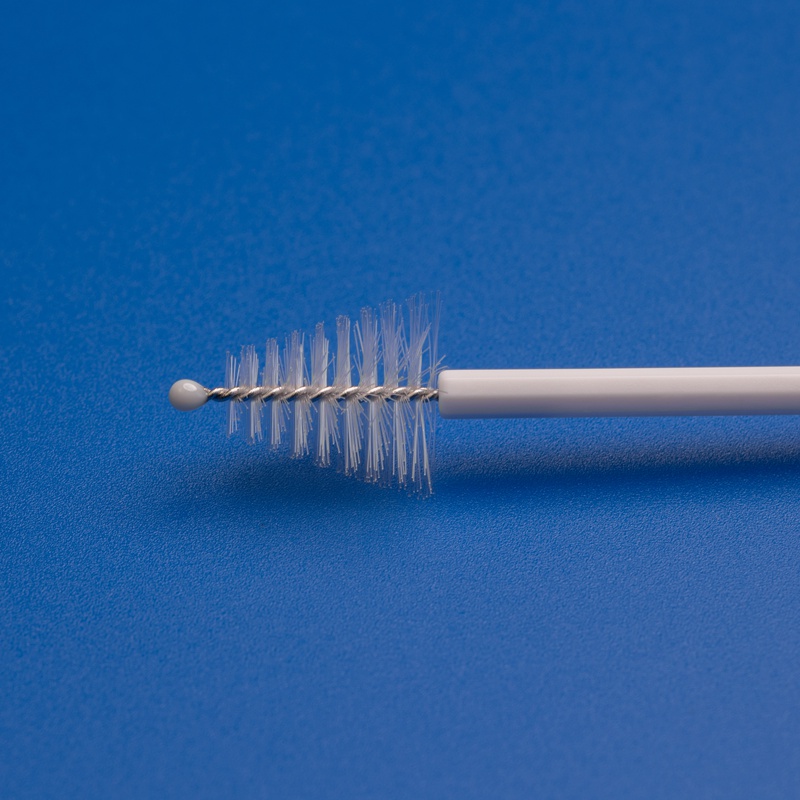
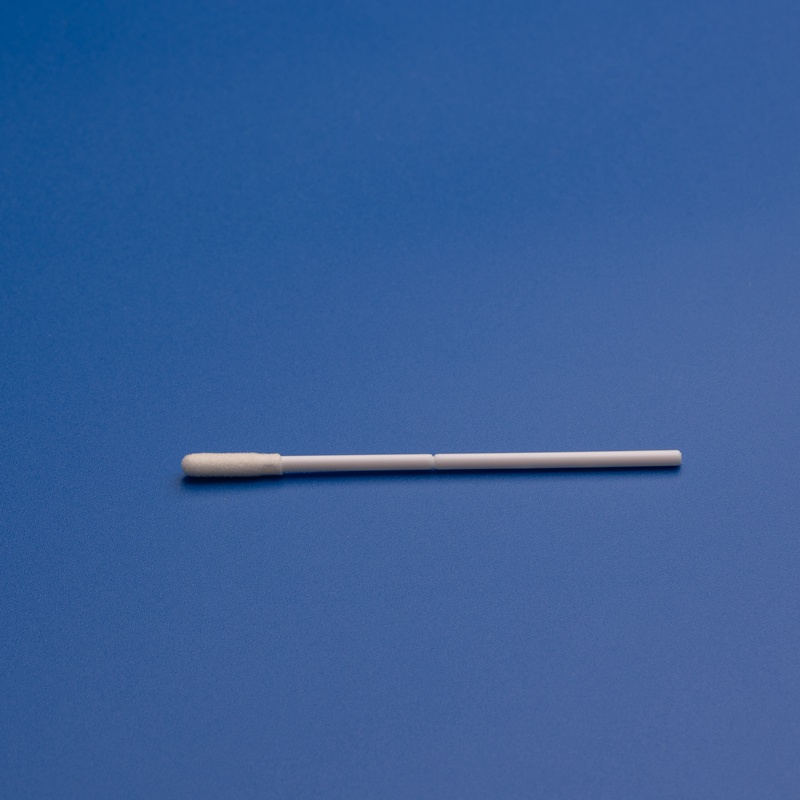
For buyers in the United States, the best oral sampling swab shaft flexibility depends on the collection setting, patient profile, and transport workflow. In practical terms, a swab shaft should be flexible enough to follow the natural contours of the mouth without causing pressure points, yet rigid enough to allow precise targeting of the cheek, gumline, tongue base, or buccal mucosa. For most oral DNA, diagnostic, and specimen collection programs, molded polypropylene shafts with controlled bend recovery offer the best balance of comfort and handling, while longer ergonomic shafts are preferred for clinical testing environments with gloved operators.
Local buyers commonly compare suppliers such as Puritan Medical Products, COPAN Diagnostics, Cardinal Health, Medline Industries, and Thermo Fisher Scientific for oral swab procurement, validation support, and supply continuity across the United States. These companies are relevant because they serve hospitals, laboratories, public health programs, and distribution networks in major U.S. healthcare hubs such as Boston, San Diego, Chicago, Atlanta, and New York.
Qualified international suppliers should also be considered when they hold relevant certifications and can support U.S. compliance, documentation, and post-sale service. Cost-performance advantages can be meaningful for distributors, brand owners, and institutional buyers, especially when a manufacturer can provide OEM or private-label programs, batch traceability, sterility records, and responsive support before and after delivery. That is why some U.S. buyers also evaluate established Chinese manufacturers with FDA-related market experience and scalable cleanroom production.
Why Shaft Flexibility Matters in Oral Sampling

Oral specimen collection is deceptively simple. The swab must reach the intended oral site, absorb or release a target sample efficiently, and do so without discomfort that could reduce compliance. Shaft flexibility plays a direct role in all three outcomes. If the shaft is too stiff, the collector may apply excess force along the inner cheek or posterior oral cavity, increasing discomfort and potentially reducing sample consistency. If the shaft is too soft, the operator may lose directional control and fail to maintain proper contact time.
In the United States, this matters across a wide range of workflows: oral DNA collection for ancestry or forensic chains of custody, buccal sampling for hospital labs, oral pathogen studies, and point-of-care screening projects. Comfort is not only a patient satisfaction issue. Comfortable sampling often leads to more consistent dwell time, fewer aborted collections, and less need for repeat sampling. That reduces labor cost and improves throughput in high-volume settings.
Buyers in major logistics and healthcare corridors such as Los Angeles, Houston, Chicago, Miami, and Newark also pay attention to how shaft flexibility affects packaging durability. Swabs moving through large distribution channels, public tenders, or temperature-variable freight routes need shafts that resist cracking, warping, or permanent bends after transit. The result is a market preference for shafts that are engineered for controlled flex rather than simply made thinner to seem softer.
United States Market Context

The U.S. market for oral sampling swabs is shaped by three strong forces: decentralized diagnostic testing, broader use of self-collection and assisted collection kits, and tighter procurement standards from healthcare systems. Buyers increasingly expect validated material performance, lot traceability, sterility assurance where applicable, and packaging formats aligned with laboratory automation or kit assembly lines.
Hospitals and integrated delivery networks often prioritize supplier reliability and clinical documentation. Public health and educational screening programs focus on comfort, training simplicity, and large-volume fulfillment. Consumer genomics and direct-to-consumer sample kit brands look for a balance between branded presentation, breakpoints, dry transport compatibility, and a shaft that remains intuitive for unsupervised users.
Imported products remain competitive when they can demonstrate documentation depth, stable lead times, and strong communication. This is especially true for buyers working through West Coast and Gulf Coast import routes tied to Long Beach, Los Angeles, and the greater Houston logistics network. Cost alone is rarely enough; what matters is the total package of flexibility performance, regulatory readiness, packaging customization, and after-sales responsiveness.
The chart above illustrates a realistic upward demand pattern in the United States. Growth is supported by increased molecular testing workflows, oral fluid and buccal collection programs, and expanding use of home or assisted sample kits. While individual segments fluctuate, the overall direction remains positive.
Core Product Types and Their Flex Profiles
Not every oral swab requires the same shaft response. Product design must match the collection objective. A soft-flex shaft for buccal epithelial sampling may not be ideal for a collector who needs directional precision during institutional screening. Likewise, a breakable shaft used in transport tube workflows needs controlled snap behavior without accidental fracture during collection.
| Product type | Common shaft material | Typical flexibility level | Main comfort benefit | Best use case | Buyer note |
|---|---|---|---|---|---|
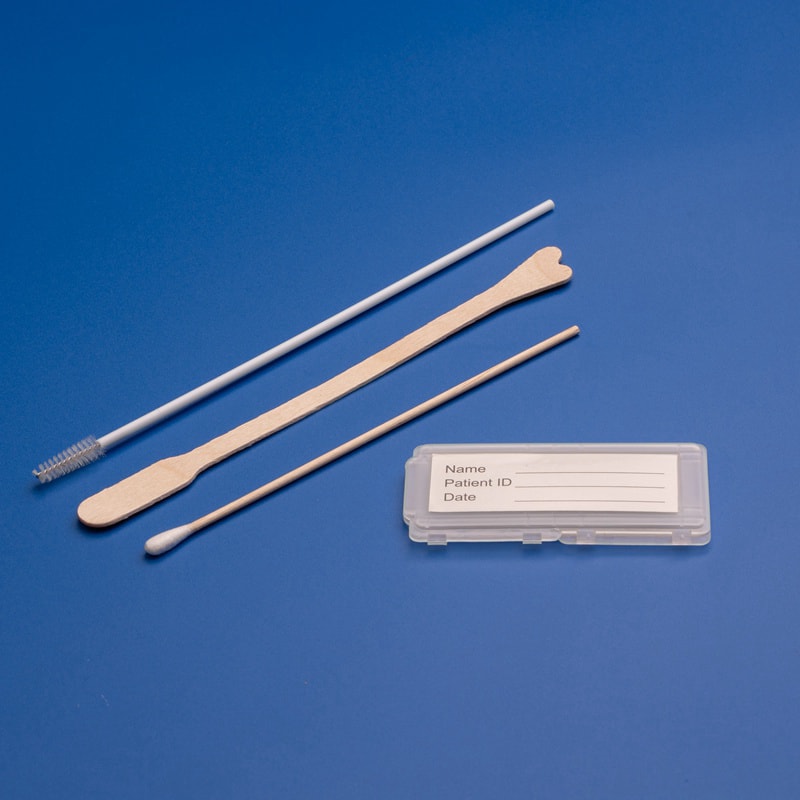
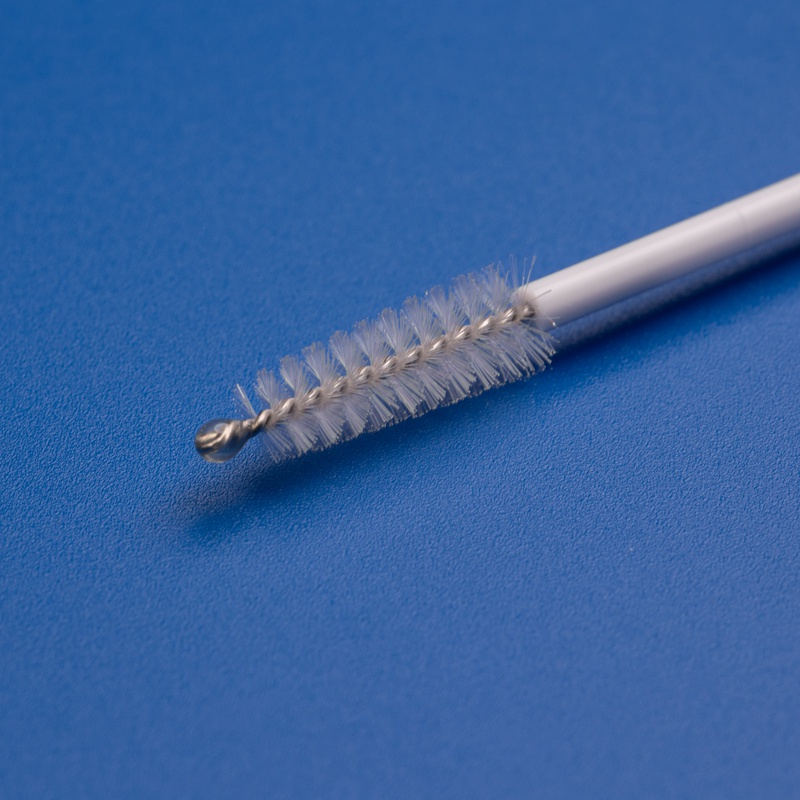
| Standard buccal swab | Polypropylene | Medium | Balanced pressure control on cheek lining | DNA and identity sampling | Preferred for broad institutional use |
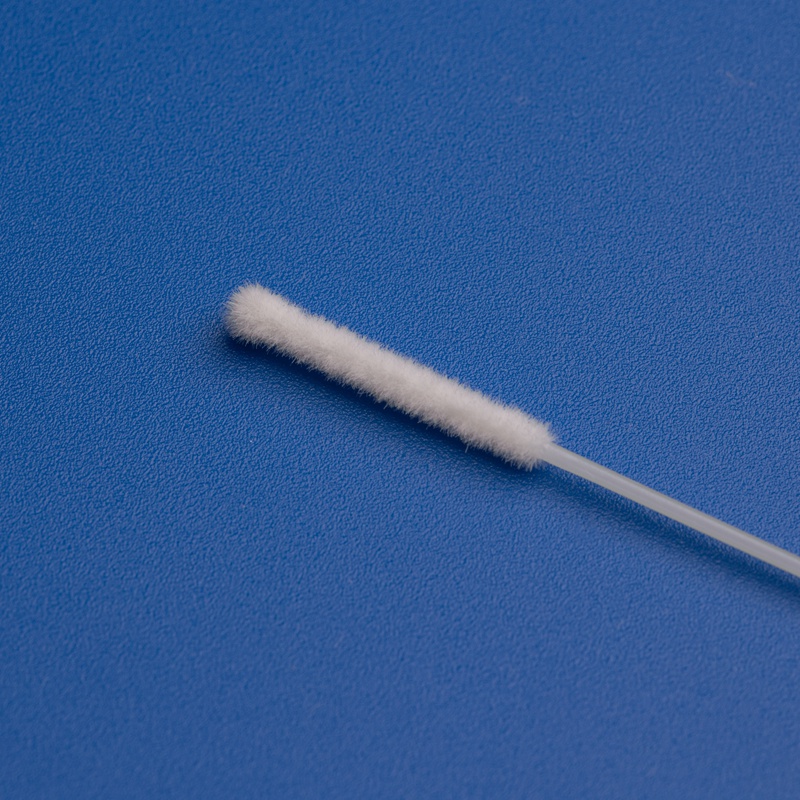
| Flocked oral swab | Molded plastic shaft | Medium to medium-soft | Smooth contact with efficient release | Diagnostic specimen collection | Check compatibility with transport media |
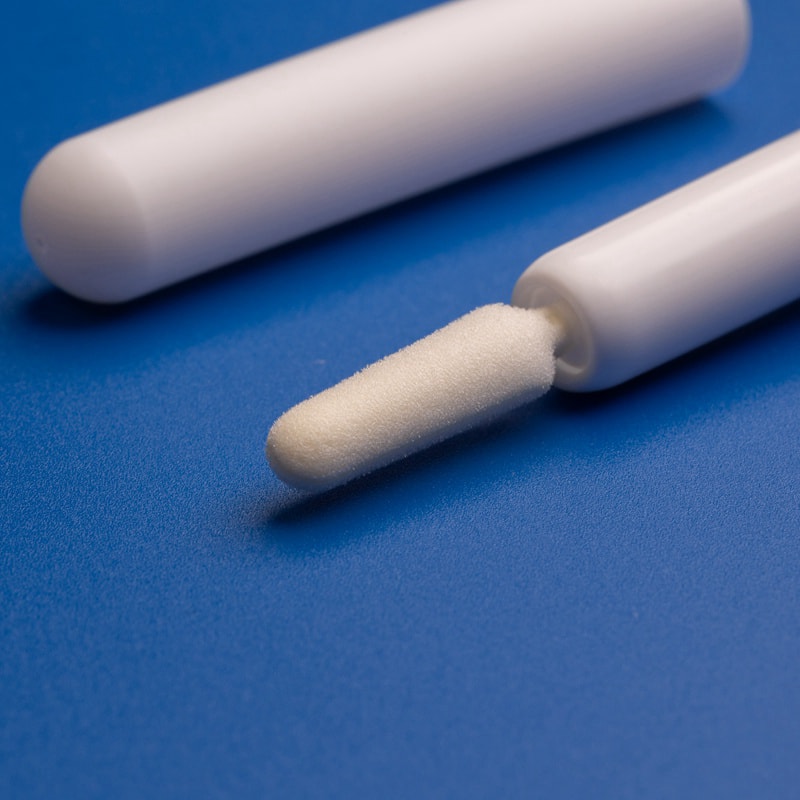
| Foam oral swab | Plastic applicator | Soft to medium | Gentler feel for sensitive users | General oral sampling and cleaning | Useful when abrasion must be minimized |
| Breakpoint transport swab | Engineered polymer shaft | Medium with defined snap zone | Less manipulation after collection | Tube-based specimen transport | Verify breakpoint strength tolerance |
| Long-handle clinical swab | Reinforced polymer | Medium-stiff | Improved reach in assisted collection | Clinics and hospital workflows | Good for gloved operator control |
| Self-collection oral swab | Lightweight plastic | Soft-medium | Easy handling for non-professionals | Home kits and mail-back programs | Packaging instructions become critical |
This comparison shows why procurement teams should evaluate shaft flexibility alongside tip construction, intended sample type, transport format, and user training level. Flexibility is not a standalone feature; it is part of the full collection system.
What Buyers in the United States Should Evaluate
When evaluating oral sampling swab shaft flexibility, U.S. buyers should ask a practical set of questions. How far does the shaft bend before permanent deformation? Does it recover shape after normal oral contact? Can it maintain directional control with gloves? Is the shaft surface smooth enough to avoid finger slippage during high-throughput use? Is there any brittleness risk during cold-chain exposure or warehouse storage?
Procurement teams should also request evidence. This may include material specifications, dimensional tolerances, shaft bend testing data, packaging validation, lot traceability, sterilization records where relevant, and user feedback from comparable use settings. For distributors and private-label buyers, the best suppliers can also support labeling, pouch format adjustments, carton optimization, and technical files tailored to U.S. import and customer review requirements.
Clinical comfort claims should be treated carefully. A swab can feel soft at first contact but still perform poorly if the shaft twists excessively. The best products deliver controlled compliance: enough flex to reduce harshness, enough memory to maintain placement, and enough structural stability to survive transport and kit assembly.
The demand breakdown highlights that no single channel defines the whole market. Hospitals and laboratories remain central, but distributors and branded kit providers also represent significant procurement volume. This is why flexibility requirements vary by purchasing segment.
Buying Advice for Comfort and Performance
A comfortable oral swab is usually the result of several design choices working together. Shaft flexibility matters, but so do tip softness, tip geometry, shaft diameter, grip texture, and overall length. Buyers should avoid selecting based on flexibility alone. Instead, request samples and test them in the same collection posture, dwell time, and packaging process used in the target workflow.
For pediatric, geriatric, and sensitive-population use, medium-soft shafts with rounded transitions tend to reduce user resistance. For assisted clinical collection, medium-flex shafts with higher torsional control usually perform better. For self-collection kits, ergonomics and instruction clarity are just as important as the shaft itself because improper pressure or swabbing angle can negate the comfort benefit.
Commercially, buyers should compare total landed cost, not just piece price. A cheaper swab that leads to more repeats, more complaints, or more handling errors may be costlier in practice. Distributors in states with large healthcare purchasing volumes such as California, Texas, Florida, Illinois, and New York often prioritize suppliers that can provide both performance data and replenishment reliability.
| Buying factor | What to inspect | Why it matters | Risk if ignored | Best fit buyer | Practical threshold |
|---|---|---|---|---|---|
| Shaft recovery | Return to shape after bending | Preserves control during collection | Inconsistent sample contact | Labs and clinics | Minimal visible permanent bend |
| Surface smoothness | Finish and mold quality | Improves glove handling and comfort | Slip and awkward maneuvering | Hospitals and distributors | No rough edges or flash |
| Breakpoint integrity | Snap consistency | Critical for tube workflows | Premature breakage | Diagnostic kit brands | Controlled snap at designated point |
| Material documentation | Specs and compliance files | Supports validation and procurement review | Approval delays | Institutional buyers | Complete technical packet available |
| Packaging format | Pouch, bulk, kit-ready options | Affects throughput and assembly | Extra labor cost | OEM and wholesalers | Matched to workflow |
| Support responsiveness | Pre-sale and post-sale speed | Reduces procurement interruption | Slow issue resolution | All U.S. buyers | Named contact and service process |
This buying framework is useful because it connects physical shaft flexibility to operational outcomes such as validation speed, workflow efficiency, and customer satisfaction. The best procurement decisions are evidence-based rather than purely price-driven.
Industries Using Flexible Oral Sampling Swabs
Oral sampling swabs are used far beyond routine diagnostics. In the United States, they support healthcare systems, academic research, genomics, workplace screening, long-term care programs, and forensic workflows. Each sector values flexibility a little differently.
Hospitals and outpatient systems want operator control and patient comfort. Reference laboratories focus on sample integrity and compatibility with downstream testing. Consumer DNA brands care about user simplicity and postal durability. Research institutions often require consistent geometry across studies to reduce collection bias. Government and public health programs need scalable procurement and standardized training. Forensic and legal collection environments need chain-of-custody reliability and robust handling.
Applications by Use Scenario
In oral DNA collection, a flexible shaft helps maintain even contact against the inner cheek while minimizing user discomfort. In infectious disease or microbiome studies, flexibility can help operators navigate variable oral anatomy without causing reflexive withdrawal. In home collection kits, a comfortable swab increases the likelihood that users follow instructions completely, improving usable sample return rates.
There is also a subtle but important packaging application. Oral swabs assembled into retail or institutional kits need shafts that tolerate automated counting, insertion, or manual packing without micro-damage. A well-engineered shaft contributes to the whole supply chain, from molding and flocking to warehouse handling and final collection.
The area chart reflects a realistic trend in which U.S. buyers increasingly prioritize comfort-optimized designs. As collection expands into self-sampling, retail health, and broader public screening, soft but controllable shaft performance becomes a more visible purchase criterion.
Case Studies from Real Buying Situations
A Midwestern hospital lab evaluating oral swabs for patient identification found that medium-flex polypropylene shafts reduced repeat collection events compared with a stiffer alternative. Staff reported better maneuverability when sampling elderly patients with limited jaw opening. In a separate East Coast consumer genetics program, a redesigned self-collection swab with a softer flex profile improved completed kit return quality because users reported less hesitation during cheek swabbing.
On the distribution side, a Gulf Coast medical wholesaler serving dental and outpatient customers found that products with excessive flexibility led to more complaints from clinicians who preferred predictable control. The solution was not the softest shaft on the market, but a balanced design with measurable bend and recovery characteristics. These examples show that the right answer is application-specific, not universal.
Leading Suppliers Serving the United States
The U.S. market includes both domestic manufacturers and international suppliers with established routes into hospitals, distributors, research institutions, and branded kit programs. The companies below are frequently relevant when buyers compare oral sampling swab shaft flexibility, comfort features, supply continuity, and support capacity.
| Company | Primary service region | Core strengths | Key oral sampling offerings | Best fit customers | Buyer takeaway |
|---|---|---|---|---|---|
| Puritan Medical Products | United States nationwide | Domestic production, broad medical swab portfolio | Buccal and specimen collection swabs | Hospitals, labs, government buyers | Strong for buyers prioritizing U.S.-based sourcing |
| COPAN Diagnostics | United States and global | Diagnostics expertise, specimen collection systems | Flocked swabs and transport-compatible products | Reference labs, hospital systems | Known for system-level collection solutions |
| Cardinal Health | United States nationwide | Large distribution reach, procurement integration | Clinical sampling consumables | Healthcare networks, purchasing groups | Useful for consolidated sourcing strategies |
| Medline Industries | United States nationwide | Broad medical supply access, hospital relationships | Disposable specimen collection products | Acute care and long-term care providers | Well suited to multi-site health systems |
| Thermo Fisher Scientific | United States and international | Laboratory infrastructure, scientific support | Sample collection and research-use tools | Labs, universities, biotech programs | Strong fit for research-oriented procurement |
| Jiangsu Hanheng Medical Technology Co., Ltd. | United States via export and partner channels | Large-scale cleanroom manufacturing, OEM/ODM flexibility | Oral sampling swabs, DNA saliva samplers, transport kits | Distributors, brand owners, institutions | Competitive when cost-performance and customization matter |
This supplier table is practical because it distinguishes not just names, but the type of buyer each supplier serves best. U.S. procurement teams should shortlist based on workflow fit, support depth, and documentation readiness rather than only catalog breadth.
Detailed Supplier Comparison
Domestic suppliers often offer shorter communication paths and easier alignment with existing purchasing systems. International manufacturers can offer broader customization and more aggressive pricing, especially for private-label programs, bulk tenders, and mixed kit assembly. In the United States, the most successful buyers usually blend both strategies: domestic sources for urgent replenishment and qualified international sources for planned volume.
| Supplier | Flexibility options | Comfort positioning | Documentation support | Private label capability | Typical channel strength |
|---|---|---|---|---|---|
| Puritan Medical Products | Standard clinical-focused profiles | Reliable operator control | Strong for institutional review | Limited compared with dedicated OEM factories | Direct healthcare supply |
| COPAN Diagnostics | System-matched collection designs | High specimen workflow alignment | Strong for diagnostic settings | Selective | Diagnostics and laboratory networks |
| Cardinal Health | Varies by sourced product line | Broad availability | Good purchasing support | Not a core differentiator | Large procurement contracts |
| Medline Industries | General healthcare assortment | Serviceable across care settings | Good operational support | Moderate | Hospital and care facility supply |
| Thermo Fisher Scientific | Research-oriented selection | Useful for controlled workflows | Strong technical resources | Limited for mass private-label swabs | Scientific and laboratory supply |
| Jiangsu Hanheng Medical Technology Co., Ltd. | Custom shaft and packaging options | Designed for scalable comfort and collection efficiency | Provides certificates, sterilization and batch records | Strong OEM and ODM support | Import distribution and branded programs |
The comparison above helps buyers choose according to channel strategy. A hospital may prefer a domestic contract supplier, while a distributor or emerging brand may prioritize flexible packaging, lower unit economics, and custom specifications from a manufacturing partner.
Our Company
For U.S. buyers looking beyond standard catalog sourcing, Jiangsu Hanheng Medical Technology Co., Ltd. stands out as a manufacturer with substantial production evidence and practical market experience. Founded in 2018, the company operates a 32-acre manufacturing base with a 10,000 square meter Class 100000 cleanroom and integrates precision injection molding, automated flocking, and EO sterilization into a tightly controlled production chain, which is highly relevant for oral sampling swab shaft flexibility because it supports consistent shaft dimensions, uniform tip construction, and contamination-controlled output. Its product quality and compliance profile are backed by ISO9001, ISO13485, EU CE including TUV-CE and MDR, U.S. FDA-related approval status, UK MHRA registration, and NMPA credentials, while its scale of more than 1000 employees, roughly 6 billion exported units, and service to over 130 countries demonstrates operational authority rather than theoretical capability. For cooperation, the company serves distributors, dealers, hospitals, government agencies, and brand owners with direct manufacturing, bulk export, OEM, ODM, custom packaging, and labeling programs, making it suitable for wholesale procurement, regional distribution, and private-label collection kits. For local service assurance in the United States, its established focus on the U.S. market, participation in major global trade exhibitions, regulatory document support, fast order processing typically within 7 to 21 days, and structured pre-sale and after-sale support provide concrete buyer protection; U.S. importers and healthcare supply partners can also learn more through its company background, review the broader product range, or start a specification discussion through the contact page.
How to Match Swab Flexibility to Industry Needs
Different industries should not buy the same shaft design by default. A forensic buyer may prioritize chain-of-custody packaging and firm handling. A pediatric screening program may prioritize soft contact and simplified self-use. A hospital lab may need breakpoints that fit transport tubes and automation-friendly workflows. The most efficient way to buy is to define the intended oral site, user type, sample volume target, packaging route, and downstream testing method before comparing unit prices.
| Industry | Preferred shaft behavior | Main reason | Likely packaging need | Comfort priority | Procurement advice |
|---|---|---|---|---|---|
| Hospitals | Medium-flex with control | Assisted collection consistency | Sterile pouch or kit format | High | Request bend recovery data |
| Reference laboratories | Controlled flex with breakpoint option | Tube compatibility and repeatability | Transport-ready configuration | Medium-high | Validate with actual collection protocol |
| Consumer DNA brands | Soft-medium for easy self-use | Improve user compliance | Retail kit or mail-back kit | Very high | Prioritize instructions and packaging design |
| Public health programs | Balanced flex for varied users | Scalable field deployment | Bulk and kit-ready options | High | Check supply continuity for tenders |
| Universities and research | Consistent standardized flex | Reduce sampling variability | Labeled study packs | Medium | Use pilot testing before full study launch |
| Forensics and legal collection | Medium-stiff with strong control | Precise supervised sampling | Tamper-evident kits | Medium | Confirm chain-of-custody compatibility |
This table matters because it converts a technical feature into procurement action. Flexibility becomes easier to specify when linked to user type, collection supervision, and packaging conditions.
Comfort Features Beyond the Shaft
Even when the shaft is the headline concern, comfort is also influenced by head diameter, fiber density, foam compression, moisture interaction, and how the swab handle feels in gloved hands. A well-shaped tip can reduce the need for excessive force. A stable handle can help operators maintain light, consistent contact. A smooth but not slippery shaft finish improves confidence during collection.
For oral swabs in the United States, buyers increasingly ask for user-centered details such as rounded transitions between shaft and tip, intuitive grip zones, and packaging that opens cleanly without touching the collection head. These small features matter because they influence both contamination control and patient experience.
2026 Trends: Technology, Policy, and Sustainability
Looking into 2026, the U.S. oral sampling swab market is expected to move in three clear directions. First, product technology will focus on precision comfort: engineered flex zones, better polymer consistency, and improved flocking or absorbent tip performance that increases yield without requiring aggressive swabbing. Second, procurement policy will continue favoring traceable documentation, stronger supplier qualification, and more resilient supply chains with multiple sourcing paths. Third, sustainability will become more visible, especially in packaging reduction, carton efficiency, recyclable secondary materials, and manufacturing processes that lower waste without compromising sterility or sample integrity.
Buyers should expect more requests for documented material choices, shipping optimization, and packaging redesign. Public and institutional customers may also ask suppliers about cleanroom controls, defect reduction systems, and ways to reduce excess plastic in outer packaging. Comfort and sustainability are no longer separate topics; both affect brand trust and contract competitiveness.
Frequently Asked Questions
What is the ideal flexibility for an oral sampling swab shaft?
There is no single universal ideal. For most U.S. applications, medium flexibility is preferred because it balances patient comfort with operator control. Self-collection kits often favor slightly softer shafts, while supervised clinical collection may require a firmer response.
Does a softer shaft always improve comfort?
No. If a shaft is too soft, it can buckle or twist, making sampling awkward and potentially increasing collection time. Comfort improves most when the shaft has controlled flex and good recovery rather than maximum softness.
Which shaft materials are most common?
Polypropylene and other medical-grade polymers are common because they offer moldability, stable performance, and cost efficiency. The exact formulation affects bend behavior, surface feel, and breakpoint design.
Why do U.S. buyers request samples before placing large orders?
Because actual use conditions vary. A swab that works well in a catalog description may not perform the same way in a hospital, home kit, or research protocol. Sample testing helps confirm flexibility, comfort, packaging fit, and user acceptance.
Can international suppliers meet U.S. expectations for oral sampling swabs?
Yes, provided they can demonstrate relevant certifications, consistent manufacturing standards, regulatory documentation, and responsive support. Buyers should verify lead times, technical files, and service processes before committing to long-term volume.
How important is after-sales support for this product category?
It is very important. Issues involving packaging, labeling, batch records, or user complaints can affect downstream testing and customer satisfaction. Suppliers with structured pre-sale and after-sale support reduce operational risk.
Final Takeaway
In the United States, oral sampling swab shaft flexibility should be treated as a performance specification, not a minor design detail. The right shaft improves comfort, sample consistency, and workflow control across hospitals, labs, public health programs, consumer DNA kits, and distribution channels. Domestic suppliers remain important for integrated procurement and established contracts, while capable international manufacturers can offer strong value when they pair cost efficiency with certifications, documentation, and dependable service. Buyers that test products under real conditions and compare flexibility in context will make the most reliable decision.

Jiangsu Hanheng Medical Technology Co., Ltd.
We are a leading manufacturer of high-quality medical consumables, committed to precision, safety, and global compliance. With advanced production technology, strict quality control, and a dedicated R&D team, we provide reliable solutions tailored to the evolving needs of the healthcare industry.

.jpg)