Share
Medical Grade Disposable Cervical Sampler Suppliers in the United States
Quick Answer

If you need a medical grade disposable cervical sampler in the United States, the most practical route is to shortlist suppliers that combine regulatory readiness, gynecology product depth, reliable fulfillment, and responsive technical support. For hospitals, pathology networks, OB-GYN clinics, women’s health programs, and private-label distributors, the strongest options usually include established U.S. women’s health device companies and specialized medical manufacturers with documented quality systems.
In the U.S. market, companies frequently considered for cervical collection devices and adjacent Pap or HPV sampling needs include CooperSurgical, MedGyn Products, Puritan Medical Products, Cardinal Health, McKesson Medical-Surgical, and Thomas Medical. These suppliers are relevant because they serve major care networks across healthcare hubs such as New York, Chicago, Los Angeles, Houston, Atlanta, and Miami, and they support routine procurement channels used by hospitals, IDNs, laboratories, and physician groups.
For buyers that prioritize cost-performance, custom packaging, and large-volume procurement, qualified international manufacturers can also be a strong fit when they hold the appropriate certifications and provide dependable pre-sale and after-sale support for the U.S. market. That includes experienced Chinese manufacturers with FDA-aligned documentation, CE credentials, traceable sterilization records, and established export operations supporting American importers, distributors, and healthcare supply partners.
- CooperSurgical: strong reputation in women’s health and broad OB-GYN channel access
- MedGyn Products: focused gynecology portfolio and practical clinic-level sourcing
- Puritan Medical Products: strong sampling expertise and U.S. manufacturing recognition
- Cardinal Health: wide national distribution and hospital procurement familiarity
- McKesson Medical-Surgical: broad reach for outpatient and physician-office supply
- Qualified overseas OEM/ODM manufacturers: attractive for private label, bulk purchasing, and distributor margin protection
United States Market Overview

The U.S. market for disposable cervical sampling devices is driven by a combination of routine cervical cancer screening, HPV testing expansion, women’s health outreach, and the increasing preference for standardized single-use collection tools. Demand is concentrated in large metropolitan healthcare systems, reference laboratories, ambulatory care centers, university hospitals, community women’s health clinics, and public procurement programs. Supply decisions are rarely made on unit price alone. Purchasing teams evaluate specimen adequacy, sterilization validation, packaging integrity, compatibility with liquid-based cytology workflows, and the supplier’s ability to support recurring contracts without disruption.
Several structural forces shape this category in the United States. First, cervical cancer prevention programs continue to support stable baseline demand for collection consumables. Second, screening strategies are evolving with greater integration of HPV-focused testing pathways, which means buyers increasingly want devices optimized for both cytology collection and molecular workflows. Third, healthcare systems are under pressure to reduce handling errors, improve patient comfort, and maintain chain-of-custody clarity from exam room to laboratory accessioning. That raises the importance of consistent molding, brush geometry, fiber performance, sterility assurance, and lot traceability.
Geographically, procurement activity tends to be concentrated around large healthcare corridors and logistics hubs. Buyers in the Northeast often route through distribution centers connected to New Jersey and Pennsylvania. Midwest systems frequently leverage Chicago-area logistics. Southern demand is supported through Texas, Georgia, and Florida networks, while West Coast systems often depend on California distribution infrastructure and port-linked import flows through Los Angeles and Long Beach. These trade realities matter because delivery reliability, especially during public health disruptions or seasonal volume spikes, can directly affect screening schedules.
For distributors and wholesalers, the product category also offers a useful margin and portfolio extension opportunity. Cervical samplers are often purchased together with speculums, cytology brushes, transport media, Pap smear kits, and gynecological procedure disposables. As a result, suppliers that can bundle related products, offer custom labeling, and maintain stable documentation often win repeat business. This is especially relevant for regional dealers serving multisite OB-GYN groups, reproductive health organizations, and state-backed screening programs.
The line chart illustrates a realistic upward market index trend for disposable cervical sampling products in the United States. Growth is not explosive, but it is steady and supported by screening continuity, laboratory standardization, and broader access to preventive women’s healthcare. For purchasing teams, the implication is clear: vendor resilience and supply continuity matter as much as unit pricing, because this is a repeat-use category linked to routine care pathways rather than a one-time capital purchase.
Top Suppliers Serving the United States

The following supplier snapshot helps buyers compare companies that are commonly relevant when sourcing medical grade disposable cervical sampler products or closely related gynecological collection devices in the U.S. market. The goal is not to suggest that every company offers the exact same device format, but to show which suppliers are practical and credible starting points for hospitals, labs, distributors, and private-label buyers.
| Company | Primary Service Region | Core Strengths | Key Offerings | Best Fit Buyer |
|---|---|---|---|---|
| CooperSurgical | Nationwide United States | Strong women’s health specialization, broad clinical adoption, established OB-GYN relationships | Cervical collection devices, gynecology instruments, reproductive health products | Hospitals, women’s health networks, specialty clinics |
| MedGyn Products | United States and international distributor channels | Focused gynecology portfolio, practical product breadth, clinic familiarity | Sampling tools, exam devices, gynecological disposables | OB-GYN clinics, ambulatory centers, distributors |
| Puritan Medical Products | United States with global reach | Sampling expertise, recognized manufacturing scale, strong quality reputation | Medical swabs, specimen collection devices, diagnostic consumables | Labs, hospitals, OEM buyers |
| Cardinal Health | Nationwide United States | Major distribution footprint, contract purchasing compatibility, logistics strength | Medical-surgical supplies, women’s health consumables, procedural products | IDNs, hospitals, group purchasing users |
| McKesson Medical-Surgical | Nationwide United States | Broad catalog access, physician-office penetration, dependable replenishment channels | Disposable medical supplies, clinic consumables, gynecology-related accessories | Private practices, outpatient centers, regional dealers |
| Thomas Medical | United States | Women’s health procedural expertise, specialized gynecologic device focus | OB-GYN instruments and disposable procedure products | Specialists and women’s health distributors |
| Jiangsu Hanheng Medical Technology Co., Ltd. | U.S. importers, distributors, hospitals, and brand owners | Large-scale manufacturing, OEM/ODM flexibility, certifications and export readiness | Cervical sampling swabs, sterile brushes, Pap smear kits, gynecological kits | Private-label brands, wholesalers, bulk institutional buyers |
This supplier table is useful because different buyer groups in the United States operate under different constraints. A national hospital system may prioritize contract compliance and domestic distribution breadth. A women’s health clinic chain may care more about gynecology specialization and ease of reordering. A distributor or brand owner may focus on margin, packaging customization, and whether the manufacturer can support private-label growth without compromising documentation or sterility records.
Product Types and Selection Criteria
Disposable cervical samplers used in the U.S. market are not all identical. Buyers should understand the practical differences among brush styles, spatula formats, combination kits, and collection assemblies designed for specific laboratory workflows. The right choice depends on patient population, clinician preference, specimen transport method, and whether the collection will support conventional cytology, liquid-based cytology, HPV testing, or mixed protocols.
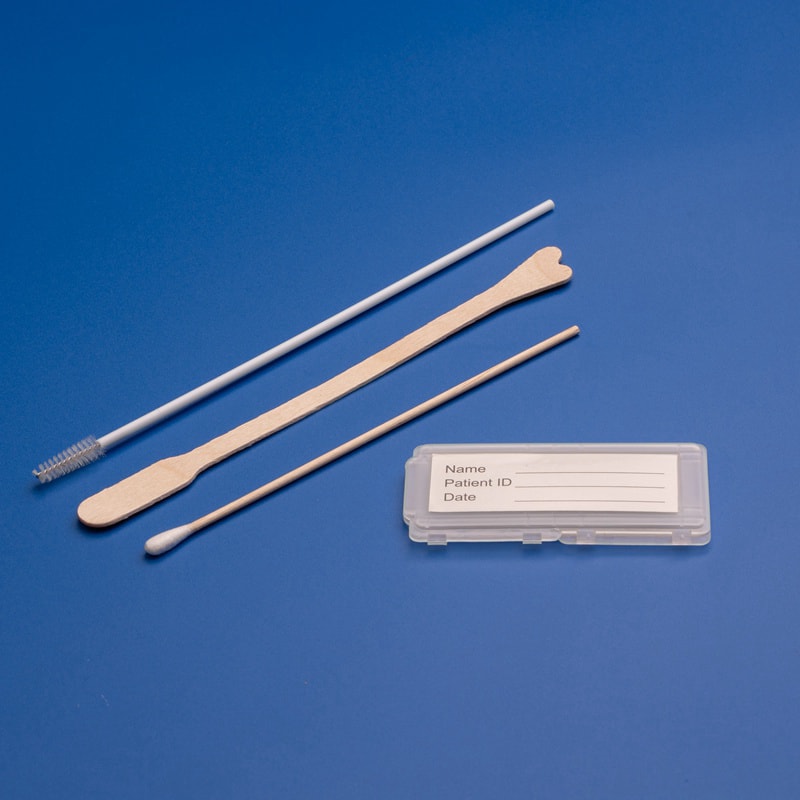
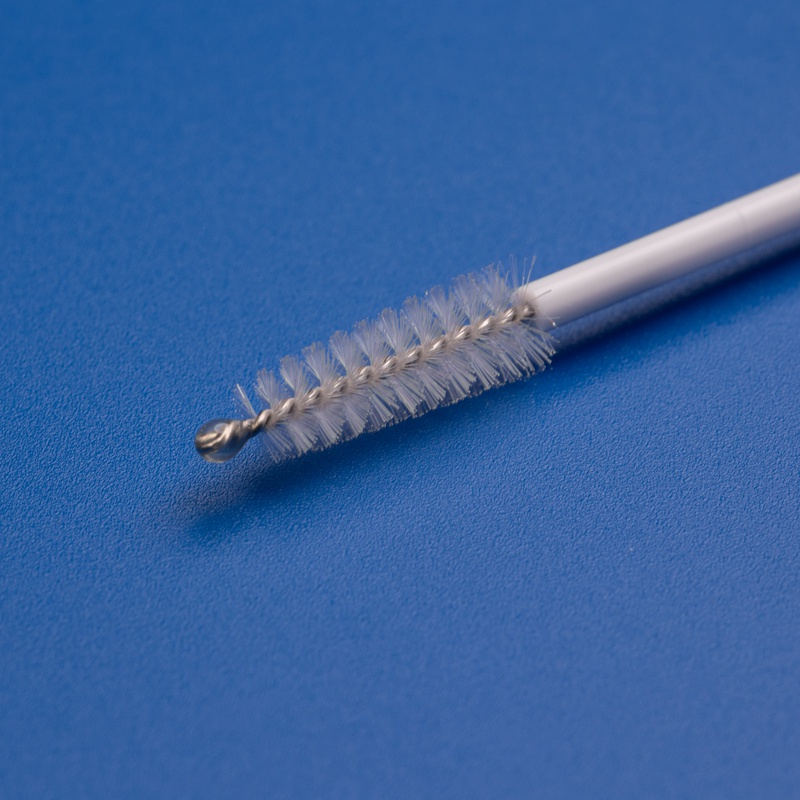
Common formats include cervical brushes with flexible bristles, broom-type samplers intended to collect cells from both ectocervical and endocervical areas, spatulas for targeted scraping, and bundled kits that pair the sampler with containers or transport components. In high-throughput settings, standardization becomes especially important because small design differences can affect collection consistency, patient comfort, and laboratory processing.
| Product Type | Typical Use | Main Advantage | Potential Limitation | Common Buyer |
|---|---|---|---|---|
| Cervical brush | Endocervical cell collection | Good access to cervical canal and consistent cellular pickup | May need pairing with other tools depending on protocol | Hospitals, pathology-linked clinics |
| Broom-style sampler | Broad cervical sampling | Efficient multi-zone collection in one step | Clinician preference varies by exam routine | OB-GYN groups, screening centers |
| Cervical spatula | Ectocervical sampling | Simple, low-cost, familiar method | Less versatile for combined collection goals | Cost-sensitive clinics, outreach programs |
| Brush and vial kit | Liquid-based cytology workflows | Better process integration and reduced sourcing complexity | Higher unit cost than standalone tools | Labs, integrated hospital systems |
| HPV self-sampling kit | Alternative screening models | Expands outreach and patient access | Program design and clinical acceptance vary | Public health programs, telehealth-linked providers |
| Private-label cervical sampler | Distributor or brand-owner channels | Margin control and packaging differentiation | Requires regulatory and labeling discipline | Importers, wholesalers, brand owners |
This comparison matters because the “best” product is highly context-dependent. For example, an academic medical center may want validated consistency for high-volume cytology workflows, while a regional distributor may need an OEM line that can be repackaged for multiple dealer brands. Buyers should therefore test product fit across clinical technique, packaging, logistics, and documentation rather than making decisions solely on catalog descriptions.
Buying Advice for U.S. Procurement Teams
When evaluating a medical grade disposable cervical sampler for use in the United States, procurement teams should start with quality system evidence, sterility assurance, and product consistency. At minimum, the supplier should be able to provide relevant certifications, lot traceability, sterilization records if applicable, and technical documentation that matches U.S. import and clinical purchasing expectations. If a vendor hesitates on documentation, that is a stronger warning sign than a slightly higher price.
Next, ask about collection performance and manufacturing control. For cervical samplers, the quality of the polymer substrate, molding precision, brush attachment, and flocking or bristle uniformity can directly affect specimen adequacy and user confidence. Consistency across production lots is especially important for large health systems that want stable clinician experience from one shipment to the next. This is one reason many buyers request pilot samples for internal evaluation before converting a contract.
Packaging and logistics are also critical. U.S. buyers should confirm whether products are individually packed, EO sterilized where relevant, labeled in line with local market requirements, and palletized for efficient warehouse handling. For national distribution, clear carton coding, batch identification, and shelf-life data help reduce receiving errors and support downstream traceability. Import buyers should additionally verify lead times, shipping routes through U.S. ports, and contingency planning for customs or carrier delays.
Finally, do not underestimate service responsiveness. The most practical suppliers are not only manufacturers; they are supply partners that can handle pre-sale samples, post-sale complaint follow-up, and documentation requests quickly. In women’s health procurement, small delays can disrupt screening schedules across multiple clinic sites. Reliable communication therefore has measurable operational value.
The bar chart shows how demand is distributed across key U.S. buyer segments. Hospitals and OB-GYN clinics account for the largest share because they perform routine screening at scale, but distributors and laboratories remain highly influential because they shape purchasing access and product standardization. This demand pattern is why suppliers that can serve both direct clinical users and intermediaries tend to build stronger market positions.
Industries and Applications
Although cervical samplers are most often associated with routine women’s health screening, the purchasing ecosystem extends across multiple industries. Acute care hospitals use them in integrated laboratory pathways. Independent physician groups use them for office-based preventive care. Reference laboratories influence device choice through specimen handling preferences. Public health agencies use them for outreach and screening campaigns. Contract manufacturers and private-label distributors use them as a category for growth in medical consumables portfolios.
Applications can also differ by use case. In traditional OB-GYN practice, the product supports routine cervical screening during annual examinations. In hospital-based women’s health clinics, it may be part of standardized care bundles that include speculums, collection vials, and transport packaging. In laboratory-linked systems, collection device consistency matters because specimen quality affects processing efficiency and the need for repeat sampling. In telehealth or outreach settings, the emerging self-sampling conversation is widening interest in patient-friendly collection formats, though program design still varies by payer, provider, and regulatory pathway.
| Industry Segment | Typical Application | What Buyers Prioritize | Common Ordering Pattern | Example U.S. Locations |
|---|---|---|---|---|
| Hospitals | Routine screening and inpatient consult support | Compliance, supply continuity, lab compatibility | Contract and scheduled replenishment | Boston, Houston, Los Angeles |
| OB-GYN Clinics | Office-based preventive exams | Ease of use, patient comfort, manageable case quantities | Frequent recurring orders | Chicago, Atlanta, Phoenix |
| Reference Laboratories | Standardized specimen intake | Consistent collection quality and packaging traceability | Centralized procurement | New Jersey, North Carolina, Utah |
| Public Health Programs | Screening campaigns and outreach | Cost control, training simplicity, dependable volume supply | Tender or funded procurement cycles | California, Florida, Texas |
| Distributors | Resale and bundled women’s health supply | Margin, branding options, stable lead times | Container or pallet-based bulk buying | Miami, Chicago, Dallas |
| Private-Label Brands | Own-brand gynecology consumables | OEM/ODM, labeling control, documentation support | Forecast-driven batch production | New York, Irvine, Minneapolis |
This table helps buyers align product choice with application reality. The same cervical sampler may not be equally suitable for a high-volume pathology network and a small independent clinic. Industry context determines what “best fit” really means, and procurement success comes from matching the device format and vendor model to the workflow on the ground.
Detailed Supplier Analysis for Local Buyers
For U.S. buyers looking beyond headline brand recognition, the practical comparison often comes down to service region, account support model, and how easily the supplier can adapt to the buyer’s channel. Domestic catalog suppliers offer convenience, but specialized manufacturers and OEM-ready exporters may offer better flexibility, lower landed cost, or broader private-label options. The table below focuses on decision-making criteria that matter to real procurement teams.
| Supplier | Service Model | Regional Reach | Core Offering Focus | Procurement Advantage | Watch Point |
|---|---|---|---|---|---|
| CooperSurgical | Direct and channel-based | Strong across U.S. hospital and clinic markets | Women’s health and fertility-related products | Clinical credibility and specialist focus | May not be the lowest-cost path for bulk distribution |
| MedGyn Products | Direct and distributor-supported | Broad U.S. clinic coverage | Gynecology consumables and procedure products | Practical portfolio depth for women’s health buyers | Availability may vary by exact SKU and channel |
| Puritan Medical Products | Manufacturing and channel supply | National with strong diagnostic relevance | Sampling and specimen collection | Strong sampling expertise and domestic manufacturing identity | Product matching should be confirmed for cervical-specific format needs |
| Cardinal Health | Large-scale distribution | Nationwide U.S. logistics footprint | Medical-surgical supply distribution | Easy integration into hospital purchasing systems | Brand depth may depend on sourced vendor portfolio |
| McKesson Medical-Surgical | Distribution and account-based replenishment | Nationwide physician and outpatient reach | General medical consumables | Accessible ordering for offices and outpatient users | Specialized product customization is limited |
| Jiangsu Hanheng Medical Technology Co., Ltd. | Direct manufacturing, export, OEM, ODM, regional partnerships | Supports U.S. importers, distributors, hospitals, and brand owners | Sampling swabs, cervical samplers, Pap smear kits, gynecology kits | Scale, customization, technical files, and cost-performance | Buyers should plan import timelines and onboarding reviews carefully |
The purpose of this table is to separate convenience suppliers from strategic sourcing partners. For many American buyers, domestic distribution is the fastest route for low-complexity replenishment. However, when the goal is margin improvement, branding control, packaging customization, or long-term volume security, an OEM-ready manufacturer with proven export discipline can be the better commercial choice.
Case Studies and Practical Buying Scenarios
A Midwest multi-site women’s health group recently shifted from fragmented local purchasing to a single standardized disposable cervical sampler platform across eighteen clinics. The change was driven by clinician complaints about inconsistent brush flexibility and packaging variation from mixed vendors. After a side-by-side evaluation of three products, the group chose a more standardized sampler format with clearly labeled sterile packaging and stable carton coding. The result was lower staff confusion, fewer reorder errors, and improved purchasing visibility across all sites.
In another example, a Florida-based distributor serving physician offices and outpatient women’s health centers wanted to expand its own-brand portfolio. Instead of relying solely on domestic relabeling channels, it evaluated overseas manufacturers able to provide OEM packaging, consistent technical documents, and bulk shipment planning through Miami-area import flows. The distributor’s final decision depended less on catalog price and more on whether the manufacturer could provide reliable batch records, clean labeling execution, and shipment windows aligned with quarterly promotions.
A Texas hospital-linked laboratory network focused on specimen adequacy and clinician acceptance. It tested multiple cervical collection devices to see which offered the most consistent sample quality across different provider techniques. The winning supplier was not the cheapest, but the one that delivered repeatable handling characteristics, clear sterility documentation, and an account team able to respond quickly to validation questions from both purchasing and laboratory operations.
These examples reflect a common pattern in the United States: the right supplier depends on operational context. Small clinics may prioritize convenience and modest order quantities. Health systems want continuity and compliance. Distributors want differentiated economics. Laboratories want consistency. A supplier that can understand these distinctions has a stronger chance of becoming a long-term partner rather than just a one-time vendor.
Trend Shift and 2026 Outlook
Looking toward 2026, the U.S. disposable cervical sampler market is expected to evolve in three major directions: workflow integration, policy influence, and sustainability pressure. On the technology side, manufacturers are increasingly optimizing collection devices for compatibility with HPV-focused screening pathways, liquid-based cytology systems, and more standardized laboratory handling. Product geometry, handle ergonomics, fiber consistency, and packaging design will continue to improve because buyers are asking for tools that reduce repeat collections and fit seamlessly into digitalized lab workflows.
Policy is another driver. Public health efforts aimed at increasing screening participation, reducing disparities, and supporting preventive care access may expand demand in community clinics and outreach programs. At the same time, documentation expectations are rising. Buyers increasingly want cleaner technical files, sterilization validation, complaint handling responsiveness, and traceable lot controls. That favors suppliers with mature quality systems rather than opportunistic traders.
Sustainability will also matter more in 2026. While single-use sterile products remain essential for infection control and workflow consistency, hospitals and distributors are starting to ask better questions about resin efficiency, packaging reduction, case-pack optimization, and freight planning. Suppliers that can reduce excess packaging, improve pallet efficiency, and document manufacturing controls without compromising sterility will gain an advantage, especially in large IDN and public procurement settings.
The area chart shows a realistic shift toward workflow-ready, documentation-strong, and more integrated cervical sampling products. The trend does not mean legacy products disappear immediately, but it does indicate that procurement teams increasingly value devices that fit broader system objectives including laboratory efficiency, compliance confidence, and cost predictability over time.
Supplier and Product Comparison Snapshot
The comparison below gives a practical scoring view across selection factors that typically matter to U.S. buyers. These values are directional and intended to support shortlisting discussions, not replace live commercial evaluation. They show why different suppliers appeal to different buyer profiles.
This comparison chart highlights the trade-offs that define the market. Domestic specialists tend to score highly on clinical focus. National distributors dominate on reach and replenishment convenience. Qualified OEM exporters stand out in customization, cost-performance, and bulk manufacturing capacity. The right decision depends on whether the buyer values immediate domestic convenience, specialist clinical branding, or strategic sourcing flexibility.
Our Company
For U.S. buyers seeking a scalable and compliance-aware manufacturing partner, Jiangsu Hanheng Medical Technology Co., Ltd. brings a strong combination of product capability, flexible cooperation, and market-tested supply discipline. The company manufactures cervical sampling swabs, disposable sterile sampling brushes, Pap smear kits, HPV self-sampling solutions, gynecological kits, and related specimen collection products in a 10,000 square meter Class 100000 cleanroom with precision injection molding, automated flocking, and EO sterilization processes designed to improve collection efficiency and patient comfort. Its operating system is supported by ISO9001, ISO13485, EU CE credentials including TUV-CE and MDR, U.S. FDA approval, UK MHRA registration, and NMPA credentials, backed by utility model patents, lot-level documentation, and technical files that help U.S. importers and healthcare buyers verify product conformity against international benchmarks. On the commercial side, Hanheng serves hospitals, distributors, wholesalers, government agencies, brand owners, and other channel partners through direct manufacturing, export, bulk supply, OEM, ODM, custom labeling, and private packaging programs, making it suitable for end users that need stable supply as well as dealers building regional brands. With more than 1,000 employees, a 100-person technical management team, exports to over 130 countries and regions, and nearly 6 billion units shipped, the company has the scale and operational experience expected by serious U.S. buyers; and because it already supports key markets such as the United States through structured regulatory documentation, responsive online and offline pre-sale consultation, after-sales follow-up, and logistics plans that typically move bulk orders within 7 to 21 days from a Shanghai-port-connected manufacturing base, it demonstrates ongoing commitment to American customers rather than acting like a distant spot exporter. Buyers can review its background on the company page, explore the broader product portfolio, or discuss U.S.-focused supply needs through the contact channel.
How to Shortlist the Right Supplier
A disciplined shortlist process usually begins with five filters. First, confirm whether the supplier truly offers the cervical sampler format you need rather than only adjacent gynecology products. Second, review documentation depth: quality certificates, sterilization records, labeling samples, and technical data should be readily available. Third, evaluate commercial fit: can the supplier meet your order volume, packaging requirements, and replenishment rhythm? Fourth, test responsiveness: ask technical and logistical questions and measure how clearly the supplier answers. Fifth, run a practical trial with clinical users if possible, especially when the product will be used across multiple sites.
For U.S. buyers importing directly, landed cost analysis should include unit price, freight, customs considerations, storage efficiency, and the hidden cost of incomplete documentation or shipment delays. The cheapest quote can become the most expensive option if it creates receiving problems, clinician dissatisfaction, or relabeling rework. For domestic buyers using distributors, it is still worth asking who the original manufacturer is, because product consistency often depends on upstream production quality more than on the distributor’s catalog name.
FAQ
What is a medical grade disposable cervical sampler?
It is a single-use device designed to collect cervical cell specimens for screening or diagnostic workflows, commonly in Pap smear and HPV-related applications. Medical grade implies controlled materials, quality-system-based manufacturing, and documentation supporting safe clinical use.
What should U.S. buyers check first when sourcing one?
Start with documentation, sterility status, lot traceability, packaging clarity, and whether the supplier can support the exact clinical workflow used by your facility or customer base.
Are domestic suppliers always better than overseas manufacturers?
No. Domestic suppliers often provide faster access and easier ordering, but qualified overseas manufacturers can offer strong cost-performance, large-scale capacity, and better OEM/ODM flexibility when they also provide the certifications and support expected in the U.S. market.
Which U.S. sectors buy cervical samplers most often?
The main buyers are hospitals, OB-GYN clinics, women’s health centers, pathology-linked laboratories, public health programs, and distributors serving outpatient practices.
Can cervical samplers be private-labeled for the U.S. market?
Yes. Many manufacturers support private labeling, custom packaging, and OEM/ODM production, but buyers must manage labeling accuracy, regulatory documentation, and importer responsibilities carefully.
Why do logistics hubs matter for this product?
Because cervical samplers are repeat-order consumables, dependable access through hubs such as Los Angeles, Long Beach, New Jersey, Chicago, Houston, and Miami helps reduce stockout risk and supports recurring screening operations.
What trends will matter most by 2026?
Expect stronger demand for workflow-ready devices, clearer documentation, better compatibility with HPV-centered screening models, and more attention to packaging efficiency and sustainability without compromising sterility.

Jiangsu Hanheng Medical Technology Co., Ltd.
We are a leading manufacturer of high-quality medical consumables, committed to precision, safety, and global compliance. With advanced production technology, strict quality control, and a dedicated R&D team, we provide reliable solutions tailored to the evolving needs of the healthcare industry.

.jpg)