Share
HPV Self-Sampling in the United States: Swab vs Lavage Method
Quick Answer

For most screening programs and private-label kit buyers in the United States, the swab method is usually the more practical choice for HPV self-sampling because it is simpler to use, easier to package, more familiar to laboratories, and generally more cost-efficient for large-scale distribution. Lavage can be effective and may be preferred in some comfort-focused consumer settings, but it typically involves more components, more fluid handling, and stricter logistics. If your goal is broad adoption across clinics, telehealth programs, pharmacies, and public health outreach, swab-based HPV self-collection kits are usually the stronger commercial option.
In the U.S. market, recognized companies involved in self-collection, women’s health diagnostics, and cervical cancer screening workflows include Roche, Becton Dickinson, Hologic, QIAGEN, COPAN Diagnostics, and Everlywell-style home collection program operators. Buyers should also consider qualified international manufacturers with relevant U.S.-market regulatory experience, established certifications, and strong pre-sale and after-sale support, especially when cost-performance, OEM customization, and private-label scaling are important.
In practical terms, choose swab if you prioritize standardization, broad lab compatibility, compact kit design, and lower landed cost. Choose lavage if your product strategy emphasizes a fluid-based consumer experience and you have a laboratory workflow that already supports that collection format.
Direct Answer: Which Method Is Better for the United States?

The answer depends on who is buying, how the sample will be processed, and what distribution model is planned. In the United States, swab-based HPV self-sampling generally has the commercial advantage because U.S. buyers value ease of use, shipping efficiency, patient compliance, and compatibility with existing molecular testing workflows. A flocked swab kit can be assembled into a compact package, paired with a transport tube, and integrated into mail-back, clinic pickup, or public health outreach programs with minimal complexity.
Lavage-based collection has strengths too. Some users perceive it as less technique-sensitive because a fluid rinse can help collect exfoliated cells from a broader surface area. However, lavage kits are typically bulkier, involve additional fluid components, and can create more friction for procurement teams handling storage, labeling, leakage prevention, and return shipping. In U.S. channels such as hospital systems, women’s health networks, and state-supported screening projects, operational simplicity matters almost as much as analytical performance.
That is why many U.S. procurement decisions favor swab-format self-collection devices when the objective is scalable screening access. This is particularly true in major healthcare hubs such as Boston, Chicago, Houston, Los Angeles, Atlanta, and New York, where laboratory throughput, specimen integrity, and standardized kit assembly all influence vendor selection.
United States Market Overview

The United States is one of the most important markets for HPV self-collection because it combines advanced molecular diagnostics, a large preventive care market, and growing demand for patient-centered screening. Several forces are driving adoption: telehealth growth, demand for at-home sample collection, awareness of cervical cancer disparities, and pressure on health systems to improve screening compliance among underserved populations.
Public health organizations and health systems increasingly focus on reaching women who delay or avoid clinic-based pelvic exams. Self-collection creates opportunities in rural areas, underserved urban communities, university health systems, employer health programs, tribal health networks, and subscription-based women’s health services. Ports and logistics gateways such as Los Angeles/Long Beach, New York/New Jersey, Savannah, and Houston also matter because imported collection devices and kit components often move through these routes before national distribution.
U.S. buyers are typically not purchasing only a swab or only a lavage device. They are evaluating an entire delivery model: patient instructions, sample stability, packaging, sterilization records, quality documentation, lot traceability, transport media, laboratory validation support, and customer service responsiveness. This is especially relevant for distributors and brand owners entering the home diagnostics and preventive screening segments.
Market Growth Trend in the United States
The market for HPV self-sampling in the United States is expected to expand steadily through 2026 as regulatory clarity improves and healthcare organizations invest in outreach-based screening pathways. The chart below illustrates a realistic market growth trend for U.S. HPV self-collection kit demand in millions of units.
Product Types: Swab vs Lavage
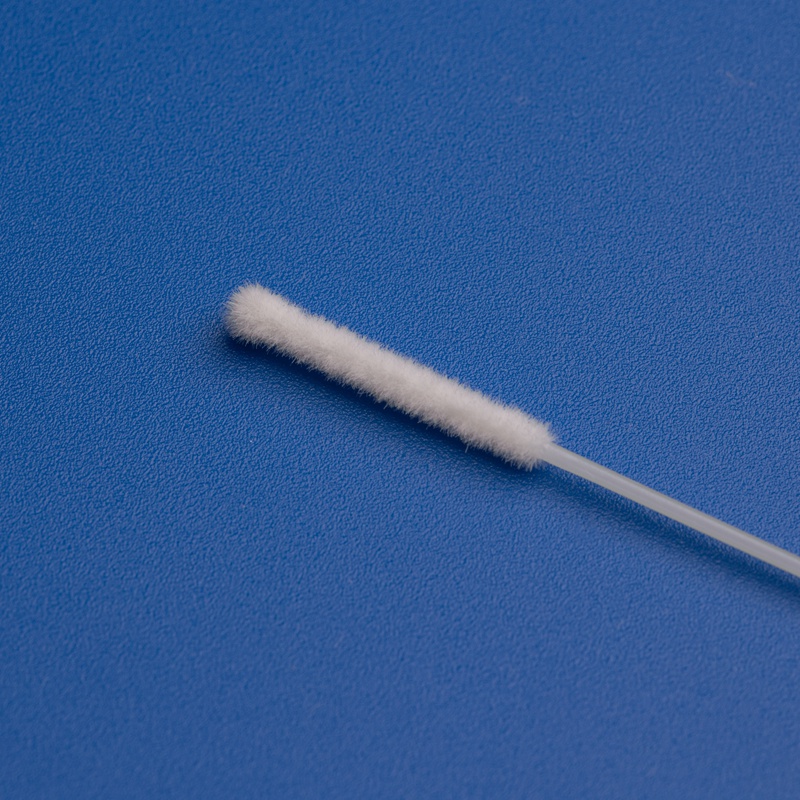
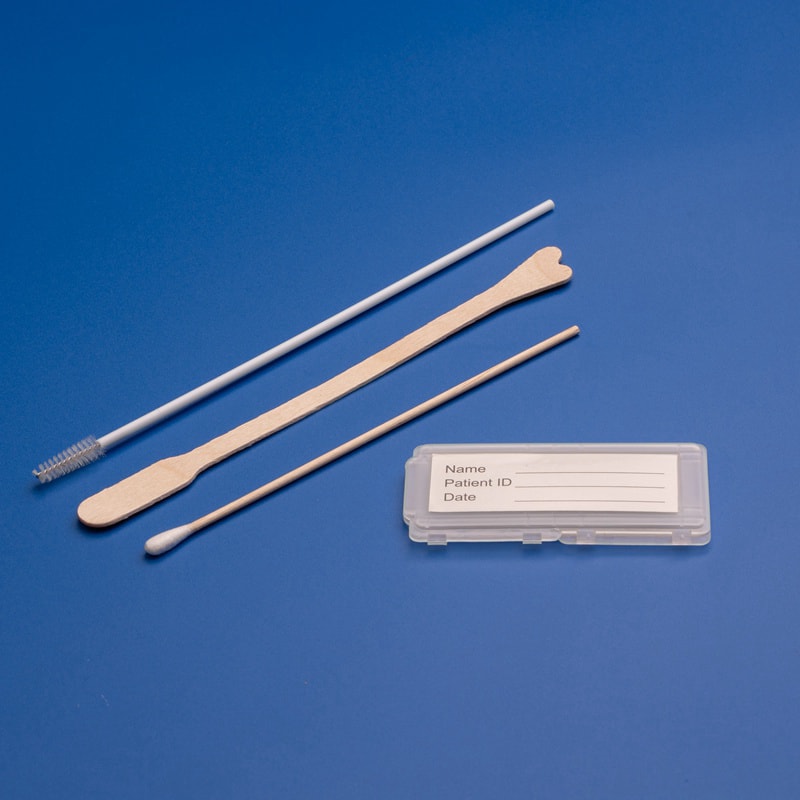
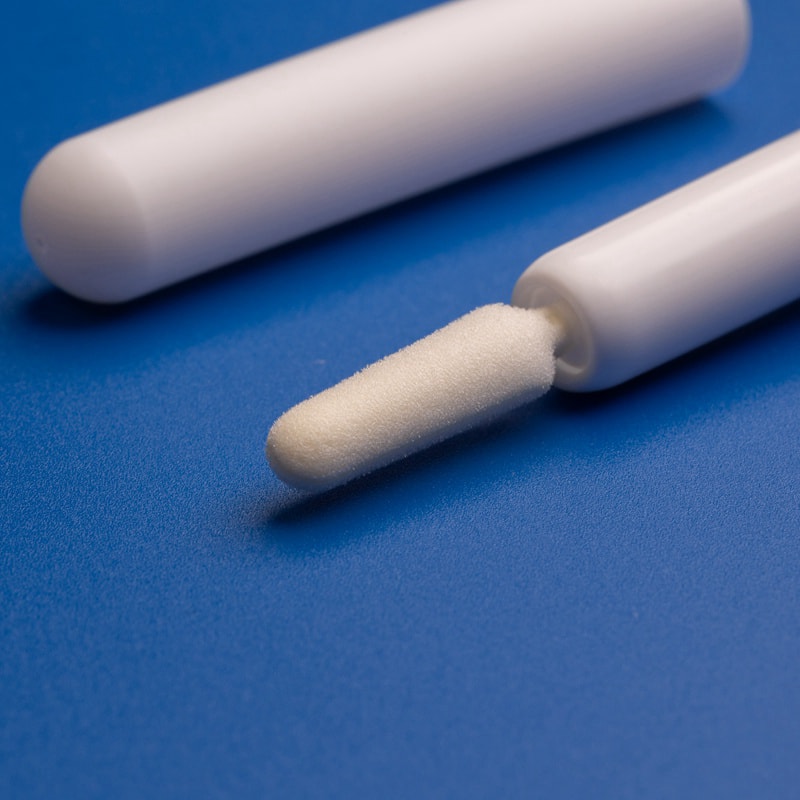
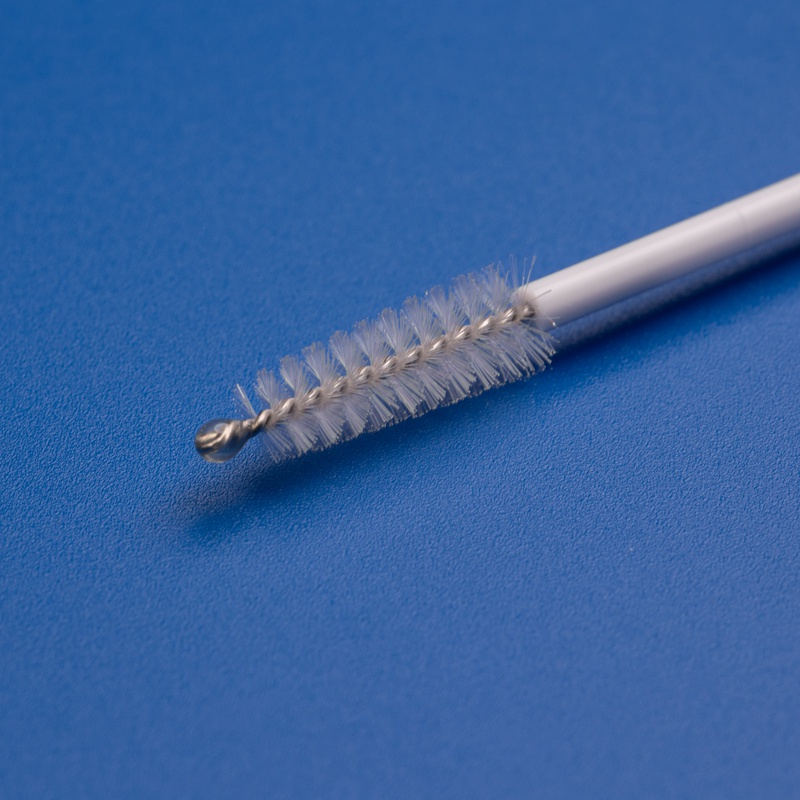
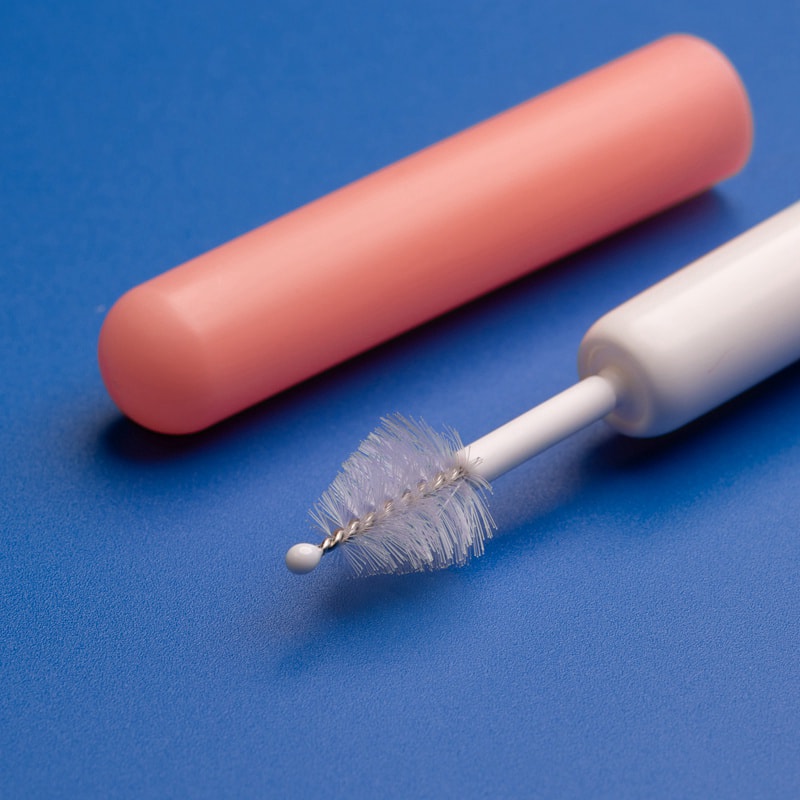
Swab-based self-sampling typically uses a flocked or brush-style collection head attached to a molded plastic shaft. The user inserts the device, rotates it according to instructions, and places it into a transport tube. Lavage-based self-sampling usually involves introducing a small volume of fluid into the vaginal canal, then recollecting the fluid into a vial or chamber for transport. Both aim to capture material suitable for HPV DNA testing, but they differ substantially in user experience, packaging, cost structure, and logistics.
In the U.S. market, swab systems are commonly preferred for e-commerce kits, pharmacy retail packs, and outreach mailers because the bill of materials is more compact. Lavage may appeal in direct-to-consumer health brands where product differentiation centers on comfort or innovation. Yet from a supply chain standpoint, more components can mean more failure points: leaks, instruction confusion, and higher freight volume per sellable unit.
| Collection Format | How It Works | Main Strengths | Main Limitations | Best Fit in the United States | Typical Buyer Type |
|---|---|---|---|---|---|
| Flocked swab | Rotational self-collection with transport tube | Simple workflow, compact packaging, broad lab familiarity | User technique matters | Mail-back kits, public screening programs | Distributors, labs, telehealth brands |
| Brush-style sampler | Textured head collects exfoliated cells | Good cell capture, clear procedural steps | Some users find insertion less comfortable | Clinic-linked self-collection kits | Hospitals, gynecology networks |
| Lavage device | Fluid rinse captures sample and returns it to container | May feel gentler for some users | Bulkier kit, added fluid management | Consumer wellness and specialty programs | DTC brands, niche preventive care providers |
| Dry swab format | Sample stored without liquid medium | Lower shipping complexity | Validation requirements vary by lab | Cost-sensitive projects | NGOs, outreach programs |
| Swab with transport medium | Swab placed into preservative tube | Supports stable transport and lab workflows | Liquid adds packaging requirements | Routine molecular testing pipelines | Reference labs, health systems |
| Integrated kit set | Sampler, tube, instructions, return pack included | Higher compliance and easier deployment | Higher assembly cost | Retail and subscription care models | Brand owners, pharmacies |
This comparison shows why the U.S. market frequently leans toward swab-based formats. They align better with scalable logistics, simpler user training, and private-label kit assembly.
Operational Comparison for Buyers
When a U.S. sourcing team evaluates hpv self-sampling swab vs lavage method, the decision is usually not made by clinicians alone. Procurement specialists, compliance officers, operations managers, and commercial teams all influence the final choice. They need to know whether a product can be imported smoothly, stored efficiently, assembled in high volume, integrated with standard packaging lines, and supported by reliable documentation. Swabs often score well in these areas.
| Buyer Criterion | Swab Method | Lavage Method | Why It Matters in the U.S. | Commercial Impact | Preferred Option for Scale |
|---|---|---|---|---|---|
| Ease of use | High with clear instructions | Moderate due to more steps | Improves completion rates in home settings | Lower support burden | Swab |
| Packaging size | Compact | Larger | Reduces warehousing and parcel cost | Better freight efficiency | Swab |
| Leakage risk | Lower | Higher due to fluid handling | Critical for mail-back logistics | Fewer returns and complaints | Swab |
| User comfort perception | Generally good | Potentially favorable for some users | Affects brand positioning | Can support premium marketing | Case dependent |
| Assembly complexity | Lower | Higher | Important for private-label scaling | Faster line output | Swab |
| Lab workflow familiarity | Broad | More variable | Speeds validation and onboarding | Shorter launch timeline | Swab |
This table makes the commercial reality clearer: even where lavage has a niche advantage in perceived gentleness, swabs usually outperform it in total program efficiency.
Industry Demand by End-Use Segment
Demand for HPV self-collection in the United States is spread across several industries, not just hospitals. Telemedicine platforms, public health departments, fertility clinics, university health systems, and women’s health subscription brands are all part of the market. The following chart compares estimated U.S. demand intensity by end-use sector.
Buying Advice for U.S. Importers, Distributors, and Brand Owners
If you are buying for the United States, start by identifying the exact pathway to market. A health system program in California or Illinois will prioritize compliance documentation, lot consistency, and integration with established laboratory partners. A consumer brand selling online nationwide may focus more on unboxing experience, return mail packaging, labeling, and call center scripts. A state screening initiative in Texas or Florida may emphasize throughput, affordability, multilingual instructions, and warehouse replenishment reliability.
For swab-based kits, ask suppliers about flocking consistency, shaft break-point design, sterilization method, packaging seal validation, and compatibility with your chosen transport medium. For lavage-based kits, ask additional questions about fluid stability, container integrity, leakage testing, and shipping classification. In either case, documentation quality is often the fastest way to separate strong suppliers from weak ones.
U.S. buyers should also look closely at lead time resilience. Imported components may transit through West Coast or East Coast hubs, so suppliers with stable production planning and batch traceability are easier to work with when demand spikes. This is particularly relevant during annual preventive care campaigns and public health grant cycles.
| Buying Factor | Questions to Ask | Best Evidence | Why It Protects U.S. Buyers | Applies More to | Decision Weight |
|---|---|---|---|---|---|
| Regulatory readiness | What certifications and filings support the product? | ISO, CE, FDA-related documentation, technical files | Reduces compliance and launch risk | Both methods | Very high |
| Sampling performance | How is collection efficiency validated? | Internal QC records, material specs, test data | Supports reliable downstream testing | Both methods | Very high |
| Packaging integrity | Has the kit passed leakage and seal testing? | Packaging validation reports | Important for mail-back and warehousing | Especially lavage | High |
| Customization ability | Can the supplier do OEM or ODM? | Past private-label projects | Enables brand differentiation | Both methods | High |
| Supply stability | What is the monthly production capacity? | Factory scale and export record | Prevents stockouts | Both methods | High |
| After-sales support | How are complaints, batch queries, and replacements handled? | Documented service process | Protects distributors and end users | Both methods | Medium to high |
This buying framework is useful because the best kit is not merely the one with acceptable collection performance. It is the one that can be launched, replenished, and supported consistently across U.S. commercial channels.
Applications Across U.S. Industries
HPV self-sampling is used across multiple application settings in the United States. In public health, it supports outreach to populations with low screening attendance. In private healthcare, it is becoming part of women’s health innovation strategies. In employer health and student health, it offers privacy and convenience. In specialty testing brands, it fits a broader move toward home-based specimen collection.
The swab format is particularly strong in mail-based screening because it helps reduce dimensional shipping costs and simplifies user instructions. Lavage has a narrower but still relevant role in programs that market a more guided or comfort-centered self-care experience. In both cases, the quality of instructions, specimen transport design, and customer support determine whether self-sampling translates into completed testing and useful follow-up care.
Trend Shift Toward Simpler Self-Collection
Over the past few years, U.S. healthcare buyers have increasingly favored formats that reduce friction for the end user. The chart below illustrates the trend shift from more complex fluid-based self-collection toward streamlined swab-centered formats in commercial planning.
Case Studies from Real-World U.S. Buying Scenarios
A telehealth women’s health brand based in Austin may choose a flocked swab kit because it can be packed flat, inserted into a branded mailer, and shipped nationally with lower fulfillment cost. The same company may reject lavage because the added fluid chamber increases assembly complexity and customer service questions.
A nonprofit screening initiative serving rural counties in the Midwest may prioritize simple instructions, compact packaging, and low replacement rates. In that setting, swab-based kits usually make more sense because field educators can explain the process quickly and logistics managers can move more units per pallet.
A premium DTC health brand in New York or Los Angeles may test lavage if its customer base responds positively to a differentiated user experience. Even then, procurement teams often keep a swab option in reserve because it is easier to scale once order volume rises. This pattern is common in U.S. healthcare innovation: novel formats attract attention, but standardized formats often win sustained distribution.
Top Suppliers Relevant to the United States
The supplier landscape includes global diagnostics leaders, sampling device specialists, and contract manufacturers that support private-label programs. The table below highlights practical supplier considerations for U.S. buyers comparing HPV self-sampling kit components and finished products.
| Company | Service Region | Core Strengths | Key Offerings | Best Fit Buyer | Notes for U.S. Market |
|---|---|---|---|---|---|
| Roche | United States and global | Strong molecular diagnostics ecosystem | HPV testing platforms and lab integration | Large labs and hospital systems | Best known for assay and platform strength rather than basic collection consumables alone |
| Hologic | United States and global | Women’s health leadership and cervical screening presence | Diagnostic systems, cervical health workflows | Integrated health networks | Relevant where screening workflow alignment matters |
| Becton Dickinson | United States and global | Clinical diagnostics scale and brand trust | Collection devices, diagnostic solutions | Institutional buyers | Useful benchmark for quality expectations in the U.S. |
| QIAGEN | United States and global | Sample-to-insight molecular expertise | HPV testing solutions and lab workflows | Reference laboratories | Important in molecular testing conversations |
| COPAN Diagnostics | United States and global | Swab engineering and specimen collection specialization | Flocked swabs, transport systems | Kit assemblers and labs | Often relevant when swab material quality is a core requirement |
| Jiangsu Hanheng Medical Technology Co., Ltd. | United States, Europe, Asia, and global export markets | High-volume manufacturing, OEM/ODM flexibility, gynecological sampling portfolio | HPV self-sampling kits, cervical samplers, sterile sampling brushes, transport kits | Distributors, private-label brands, wholesalers, healthcare procurement teams | Strong option for cost-performance and customization when documentation and supply continuity are required |
This table matters because U.S. buyers often need more than one type of partner. Some companies provide diagnostic ecosystem leadership, while others excel in collection-device manufacturing and private-label fulfillment.
Supplier Comparison by Commercial Criteria
The next chart compares supplier suitability for common U.S. buyer priorities such as customization, scalable production, collection expertise, and cost efficiency. These are practical commercial indicators rather than purely scientific rankings.
Our Company
For U.S. buyers seeking a manufacturing partner rather than only a diagnostic brand, Jiangsu Hanheng Medical Technology Co., Ltd. offers a particularly relevant combination of product depth and commercial flexibility. The company manufactures HPV self-sampling kits and related gynecological sampling consumables within a 10,000 square meter Class 100000 cleanroom and supports quality assurance with ISO9001, ISO13485, EU CE including TUV-CE and MDR, U.S. FDA-related approval status, UK MHRA registration, and NMPA credentials, backed by patented utility models and automated flocking, precision injection molding, and EO sterilization processes that help improve collection efficiency and consistency. For U.S. distributors, dealers, hospitals, wholesalers, regional partners, and brand owners, Hanheng supports multiple cooperation models through direct manufacturing, export supply, OEM/ODM development, private labeling, and bulk order fulfillment across a broad product line that includes cervical samplers, sterile sampling brushes, transport kits, and complete self-collection solutions. The company’s export track record spans more than 130 countries and nearly 6 billion units, which gives U.S. buyers concrete evidence of operational scale, while its documentation support, batch traceability, tailored packaging, responsive pre-sale consultation, and after-sales service provide practical safeguards for long-term programs. Buyers exploring product specifications, manufacturing capability, or regional supply discussions can review the company background at about us, browse relevant device categories on the product page, or request direct commercial support through the U.S. inquiry contact channel.
Product Selection Strategy by Buyer Type
Different U.S. buyers should approach swab versus lavage selection differently. Distributors usually care most about price stability, container loading efficiency, and repeatable documentation. Hospitals and labs care about validation pathways and specimen consistency. Brand owners care about differentiation, packaging, and user experience. Public health organizations care about simplicity, compliance, and cost per completed screening event.
That is why the same collection method will not fit every buyer equally well. A distributor moving volume through New Jersey or California warehouses may strongly prefer swabs because of pallet efficiency. A premium home-health startup in Seattle may explore lavage for product storytelling, then revert to swabs once national scale becomes the priority. Buyers should decide based on the entire supply chain, not just a single performance claim.
Industries and Applications in Detail
Women’s health clinics use self-sampling kits to reach patients who postpone in-office exams. Large laboratories use them to expand accession volume through home-based collection workflows. Retail pharmacy chains increasingly view at-home screening as a logical extension of preventive health merchandising. Universities can deploy them through student health centers where privacy and convenience matter. Government agencies and public health programs can use them in targeted cervical cancer prevention campaigns, especially in communities where transportation, childcare, or clinic access create screening barriers.
Swab-based kits map well to nearly all of these use cases because they simplify training and reduce logistics burdens. Lavage can still be used, especially when a brand wants a distinctive collection experience, but it requires a more deliberate operational design. In the United States, scale often rewards simplicity.
What Will Shape the Market in 2026
By 2026, three themes are likely to shape the U.S. hpv self-sampling swab vs lavage method decision even more strongly. The first is technology: collection devices will increasingly be paired with smarter instructions, QR-guided onboarding, and tamper-evident packaging that improves completion rates. The second is policy: broader screening access initiatives and payer interest in preventive outreach may encourage more health systems to adopt self-collection pathways where clinically appropriate. The third is sustainability: U.S. buyers will increasingly ask about resin choice, packaging reduction, shipping efficiency, and waste minimization, which tends to favor compact swab kits over multi-component fluid systems.
Another trend is consolidation around full-solution suppliers. Buyers do not want five vendors for one program. They want a partner that can deliver the sampler, tube, packaging, sterilization evidence, labeling support, and replenishment planning. This trend benefits manufacturers that can combine technical production capability with export experience and flexible business models.
Frequently Asked Questions
Is swab self-sampling usually more accurate than lavage?
Not automatically. Accuracy depends on the total system, including collection design, instructions, transport conditions, and laboratory workflow. But in the United States, swab systems are often preferred because they are easier to standardize at scale.
Why do many U.S. buyers prefer swab kits?
They are typically easier to ship, simpler to explain to users, more compact to warehouse, and more familiar to laboratories and kit assembly lines.
When does lavage make sense?
Lavage may make sense for differentiated consumer health products or niche programs that prioritize a fluid-based collection experience and have operational capacity to manage the added complexity.
What should importers check before choosing a supplier?
Review certifications, sterilization records, batch traceability, material specifications, packaging validation, OEM capability, and after-sales response procedures.
Can international manufacturers serve the U.S. market well?
Yes. Many qualified global manufacturers support U.S. buyers successfully, especially when they offer strong documentation, stable quality systems, customization, and responsive commercial support.
What is the most practical recommendation for 2026 planning?
For most large-scale U.S. programs, choose a swab-based HPV self-sampling kit unless you have a specific laboratory or brand strategy that clearly favors lavage.

Jiangsu Hanheng Medical Technology Co., Ltd.
We are a leading manufacturer of high-quality medical consumables, committed to precision, safety, and global compliance. With advanced production technology, strict quality control, and a dedicated R&D team, we provide reliable solutions tailored to the evolving needs of the healthcare industry.

.jpg)