Share
HPV Self-Sampling in U.S. National Screening Initiatives
Quick Answer

Yes. HPV self-sampling is becoming increasingly relevant in the United States as health systems, public health programs, and screening innovators look for practical ways to reach underscreened populations. The most actionable path today is to work with organizations that already understand U.S. cervical cancer screening workflows, CLIA-linked lab pathways, kit logistics, and patient engagement.
For U.S.-focused buyers, the most practical companies to evaluate include Roche, BD, Hologic, Everly Health, LetsGetChecked, and Nurx because they already operate in regulated healthcare and diagnostic channels that align with American screening delivery models. Buyers serving public programs, hospital systems, women’s health clinics, and telehealth channels should compare sample stability, swab comfort, transport media compatibility, laboratory workflow fit, turnaround time, and reimbursement support before choosing a partner.
Qualified international suppliers can also be worth considering, especially for private-label programs, distributor supply, and large tenders. In particular, certified Chinese manufacturers with FDA-related readiness, ISO13485 systems, and strong pre-sales and after-sales support may offer attractive cost-performance advantages for bulk HPV self-sampling kit supply in the United States.
Market Overview in the United States

The United States cervical cancer screening market is shifting from a clinic-only model toward a more flexible ecosystem that combines physician offices, community health centers, mobile health outreach, telehealth, pharmacy-linked care, and mail-based sample collection. This shift matters because many women who are overdue for screening do not avoid care due to lack of awareness alone; they often face practical barriers such as transportation, work schedules, childcare needs, privacy concerns, or discomfort with in-clinic pelvic exams.
HPV self-sampling has gained attention because it can reduce these barriers while supporting the broader public health goal of earlier detection. In major metropolitan areas such as New York, Los Angeles, Chicago, Houston, and Atlanta, health systems are testing more patient-centered access pathways. In rural areas across states such as Mississippi, Alabama, New Mexico, and parts of the Midwest, self-collection models are especially relevant where OB-GYN access is limited.
National screening initiatives in the United States are shaped by a combination of federal recommendations, laboratory validation requirements, payer decisions, state public health priorities, and commercial diagnostic innovation. Unlike a single centrally administered national screening service, the U.S. market is fragmented. That means procurement decisions are often made by integrated delivery networks, women’s health groups, laboratories, Medicaid-oriented public programs, federally qualified health centers, employers, and digital health platforms.
The result is a market where kit design and operational support matter as much as the collection device itself. A supplier that can provide dependable swab manufacturing, sterile packaging, documentation, and flexible private labeling may have a clear advantage when working with distributors and care program operators serving different U.S. channels.
The line chart shows a realistic adoption curve rather than an overnight transformation. In the United States, new screening methods typically expand through staged validation, payer learning, patient education, and provider confidence. That makes reliable operational partners especially important for any organization planning a regional or multi-state program.
How U.S. Screening Initiatives Are Evolving

American screening initiatives increasingly focus on equity, convenience, and follow-up completion rather than simply pushing test volume. Public health leaders recognize that screening success is not just about distributing kits; it depends on whether eligible patients understand the test, complete the collection correctly, return the sample on time, and connect to follow-up colposcopy or treatment when needed.
That is why HPV self-sampling programs in the United States are often tied to outreach campaigns, bilingual instructions, culturally adapted educational materials, and integrated lab reporting. In cities with large diverse populations, including Miami, Los Angeles, and Houston, clear kit instructions in multiple languages and strong customer support can materially improve return rates.
Program administrators also look closely at logistics. Mailing performance through national and regional shipping networks, sample integrity over transit time, and packaging durability all matter. Coastal gateways and distribution hubs such as Los Angeles, Long Beach, New York-New Jersey, Savannah, and Houston also influence import planning for large kit programs when products are sourced internationally.
Top Suppliers Serving the U.S. Market
The table below highlights concrete supplier types that buyers in the United States often evaluate. Some are major diagnostic platform companies, while others are consumer-access testing or telehealth operators. Their suitability depends on whether the buyer needs a branded clinical pathway, a direct-to-consumer service, or a supply-side manufacturing partner.
| Company | Primary Service Region | Core Strength | Key Offerings | Best Fit in the U.S. |
|---|---|---|---|---|
| Roche | United States nationwide through clinical laboratory networks | Strong molecular diagnostics platform integration | HPV testing systems, lab workflow support, clinical partnerships | Large laboratories and health systems |
| BD | United States nationwide | Established specimen collection and diagnostics capability | Collection devices, diagnostic systems, women’s health solutions | Hospitals, reference labs, public health programs |
| Hologic | United States nationwide | Deep women’s health market presence | Screening platforms, lab diagnostics, gynecologic testing support | OB-GYN networks and integrated delivery systems |
| Everly Health | United States direct-to-consumer and employer channels | At-home testing operations and digital engagement | Mail-based test programs, telehealth coordination, logistics | Employer health, remote screening outreach |
| LetsGetChecked | United States consumer and telehealth channels | User-friendly home collection and digital reporting | At-home test kits, physician review pathways, app support | Retail health and consumer programs |
| Nurx | United States with strong telehealth orientation | Women’s health digital care delivery | Telehealth screening access, prescription care, patient education | Younger digitally engaged patient populations |
| Jiangsu Hanheng Medical Technology Co., Ltd. | U.S. import supply, distributor and OEM/ODM channels | Large-scale manufacturing of sampling consumables | HPV self-sampling kits, cervical sampling swabs, private-label production | Distributors, brand owners, institutional procurement |
This supplier table illustrates an important distinction in the U.S. market: not every company plays the same role. Roche, BD, and Hologic are often strongest where laboratory infrastructure and clinical integration are central. Everly Health, LetsGetChecked, and Nurx are stronger in patient-facing pathways. Jiangsu Hanheng Medical Technology Co., Ltd. is especially relevant where buyers need scalable kit manufacturing, private labeling, and flexible B2B supply support.
Product Types Used in HPV Self-Sampling Programs
U.S. buyers should not treat all self-sampling kits as interchangeable. Device ergonomics, specimen stabilization, sterility, and user instructions can change return quality and lab compatibility. Product selection should reflect both the patient use environment and the laboratory endpoint.
| Product Type | Typical User Setting | Main Advantage | Operational Consideration | Suitable Buyers |
|---|---|---|---|---|
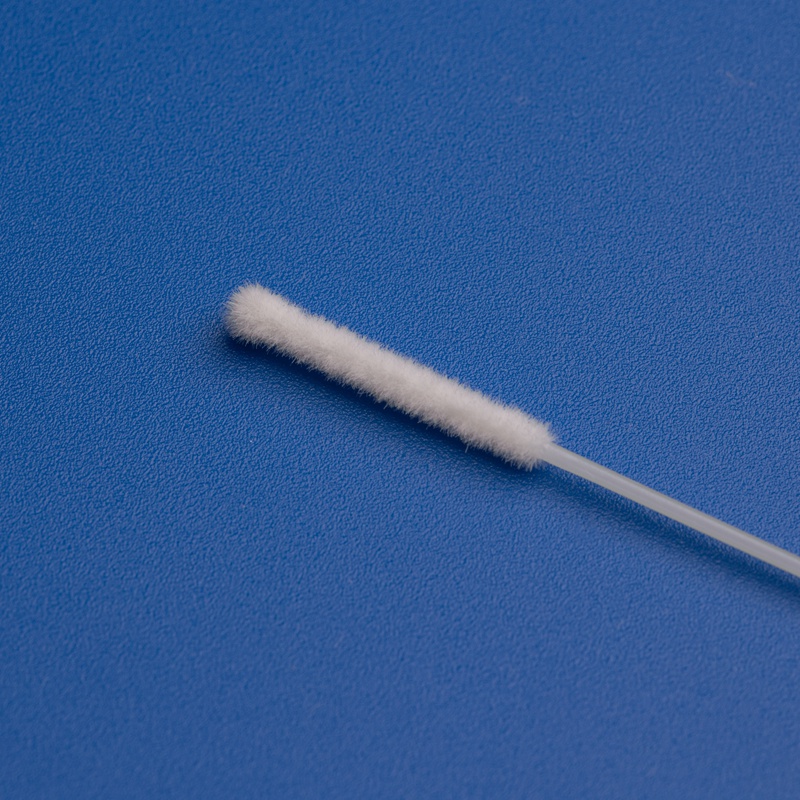
| Dry flocked self-swab kit | Mail-based home collection | Simple structure and lighter shipping profile | Requires validated stability window | Telehealth programs, distributors |
| Swab with transport medium | Clinic outreach and hybrid home use | Supports sample preservation during longer transit | Higher packaging and shipping complexity | Reference labs, public health pilots |
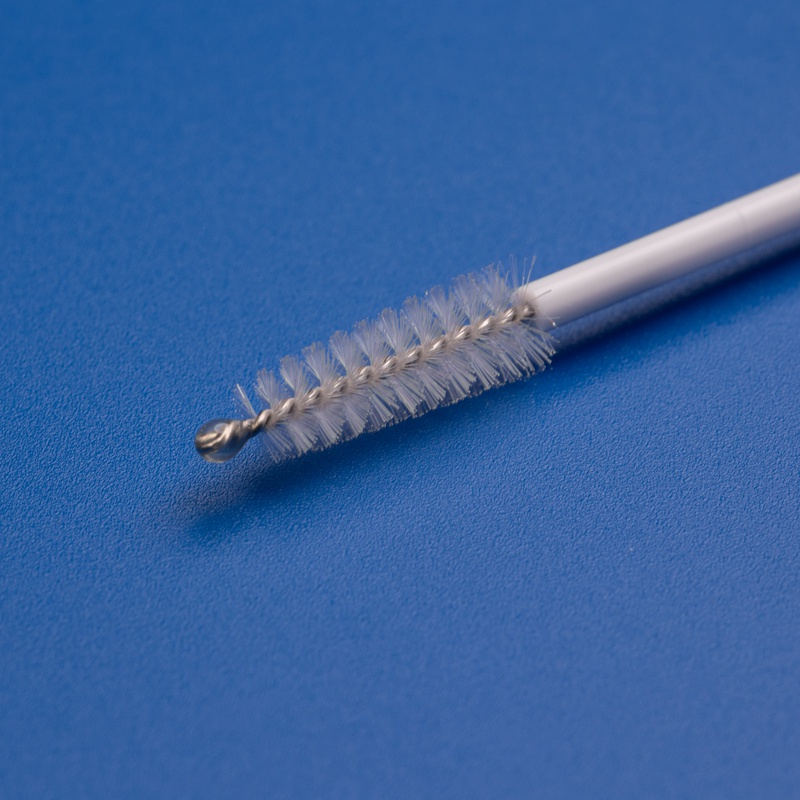
| Brush-based cervical self-collector | Structured self-collection programs | Designed for targeted cell capture | User instruction quality is critical | Hospitals, women’s health groups |
| Private-label self-sampling kit | Brand-owner or multi-state outreach program | Custom packaging and patient messaging | Needs strong documentation and manufacturing consistency | Brand owners, healthcare startups |
| Community health bulk kit pack | FQHC and mobile screening events | Cost-effective volume deployment | Requires inventory planning and staff training | Public health agencies, NGOs |
| Retail-ready consumer kit | Pharmacy or e-commerce channels | Convenient patient access | Needs compliant labeling and support workflow | Retail health, direct-to-consumer sellers |
For the U.S. market, the ideal format often depends on whether the buying organization controls its own lab pathway. Health systems usually prioritize compatibility and chain-of-custody reliability. Consumer brands care more about packaging clarity, discreet delivery, and digital onboarding. Public programs tend to prioritize cost per completed screen and outreach effectiveness.
Buying Advice for U.S. Procurement Teams
When selecting HPV self-sampling kits for American screening initiatives, buyers should review five practical factors. First, determine whether the collection device and specimen pathway align with the intended test method and receiving laboratory. Second, review evidence for user comfort and collection simplicity, because instructions that are hard to follow reduce completion rates. Third, assess sterile packaging, shelf life, and transit stability across varying U.S. climates, from humid Gulf Coast states to cold northern shipping lanes. Fourth, confirm supplier documentation and quality systems. Fifth, evaluate customer support for replenishment, complaints, returns, training, and custom packaging updates.
It is also useful to segment procurement by channel. A California telehealth platform may need consumer-friendly kit presentation and fast West Coast replenishment. A Medicaid-oriented outreach program in Texas may care more about low unit cost, bilingual inserts, and compatibility with centralized lab processing. A New York hospital network may want a vendor that can coordinate pilot volumes before scaling into a regional contract.
The bar chart reflects the broadening demand base in the United States. Reference labs, telehealth providers, and public health channels are especially important because they are well positioned to connect self-collection with scalable reporting and follow-up workflows.
Industries Driving Adoption
Several industries are accelerating HPV self-sampling uptake in the United States. Clinical laboratories are central because they validate processing pathways and help define acceptable specimen handling. Women’s health clinics are influential because they shape clinician confidence and patient education. Telehealth companies are important because they reduce friction in ordering and follow-up. Public health agencies and nonprofit screening programs remain vital because they focus on underserved populations. Employer health and university health systems are emerging users as they explore preventive screening pathways for distributed populations.
Another important growth segment is healthcare distribution. Regional distributors serving physician offices, community clinics, and state programs increasingly look for manufacturers able to support bulk volumes, packaging customization, and technical paperwork. This is one reason OEM/ODM-capable suppliers are gaining attention.
Applications Across U.S. Care Settings
HPV self-sampling kits are used in several practical scenarios in the United States. One application is mailed outreach to women overdue for screening. Another is same-day self-collection offered in primary care clinics when pelvic examination capacity is limited. A third is community event screening, especially in neighborhoods with lower preventive care participation. A fourth is telehealth-enabled screening where the kit is shipped to the patient and linked to digital support. A fifth is employer or university wellness initiatives where privacy and convenience improve participation.
In each of these settings, the best-performing kits tend to be those that reduce user hesitation. That means intuitive packaging, comfortable collection devices, clear diagrams, and reliable transport configuration. Buyers should ask vendors for details on material selection, sterilization method, and consistency controls, not just pricing.
Case Studies and U.S. Use Scenarios
A federally qualified health center in the Southwest may use self-sampling kits to reach women in remote counties where specialist access is limited. The center benefits when kits include bilingual instructions, stable packaging for hot-weather transport, and replenishment support through a regional distributor.
A telehealth provider in Florida may prioritize discrete home delivery, clear onboarding, and simplified return mailing. In that scenario, the collection device must be easy for first-time users and compatible with a laboratory partner that can manage high-throughput HPV testing.
A hospital-affiliated women’s health network in Illinois may deploy kits for patients who miss routine preventive appointments. The hospital’s procurement team may prefer suppliers that can provide pilot quantities first, then scale after workflow validation. This often favors manufacturers with strong batch traceability and flexible packaging options.
A state-linked public health outreach initiative in Georgia may compare multiple self-sampling formats, looking at return rate, specimen adequacy, positivity follow-up, and cost per completed screen. Here, even small differences in packaging clarity and swab comfort can affect program economics.
| Use Scenario | Primary Need | Preferred Kit Feature | Service Requirement | Likely Decision Driver |
|---|---|---|---|---|
| Telehealth mailing program | Convenience and return compliance | Simple self-swab with clear instructions | Fast fulfillment and support | User completion rate |
| Hospital outreach | Lab compatibility | Validated collection format | Documentation and batch control | Clinical reliability |
| FQHC community screening | Affordability and education | Bilingual inserts and cost-efficient kit | Training materials | Cost per completed test |
| Public health pilot | Scalable field deployment | Stable packaging and easy use | Bulk supply planning | Return and follow-up rates |
| Retail consumer channel | Ease of purchase | Retail-ready presentation | Customer support and labeling | Consumer trust |
| Employer wellness program | Privacy and participation | Discreet packaging and digital instructions | Program reporting | Participation uplift |
This table shows why kit selection in the United States must follow the care model. The same product design rarely performs equally well across all channels. Buyers should map the device and packaging to the final user journey before making a long-term supply commitment.
Detailed Analysis of Local and International Supply Options
In the United States, buyers generally choose between four supply routes. The first is to work with a major diagnostics brand integrated into clinical laboratories. The second is to partner with a telehealth or consumer testing company that already runs kit distribution and patient support. The third is to source through a domestic distributor with healthcare channel access. The fourth is to procure directly from a qualified international manufacturer that can support local branding, regional distribution, or institutional tenders.
For large-volume programs, the fourth model can be very competitive. Import supply can work well when the manufacturer has documented quality systems, stable production capacity, and experience shipping into U.S. healthcare channels. The key is to avoid treating overseas supply as a simple low-cost transaction. The best international partners operate more like program enablers: they provide documentation, packaging flexibility, technical responsiveness, and long-term volume planning.
The area chart highlights the strategic direction of the U.S. market. The move is not away from clinics entirely. Instead, the trend is toward hybrid models where self-sampling expands access while laboratory and provider follow-up remain clinically anchored.
Supplier Comparison for Procurement Teams
| Supplier | Service Region | Core Strength | Key Offerings | Ideal Buyer Type |
|---|---|---|---|---|
| Roche | U.S. national clinical networks | Molecular platform authority | HPV diagnostics, lab integration | Large labs and hospital groups |
| BD | U.S. national | Collection plus diagnostic ecosystem | Specimen tools, screening support | Hospitals and reference labs |
| Hologic | U.S. national | Women’s health specialization | Diagnostic systems and screening solutions | OB-GYN and ambulatory networks |
| Everly Health | U.S. consumer and employer market | At-home logistics and digital workflow | Mail-based testing programs | Employers and remote care operators |
| LetsGetChecked | U.S. consumer market | Convenient home-testing experience | Home kits and physician-reviewed reports | Retail and direct-to-consumer channels |
| Nurx | U.S. telehealth market | Digital women’s health engagement | Telehealth access and screening coordination | Digital-first patient populations |
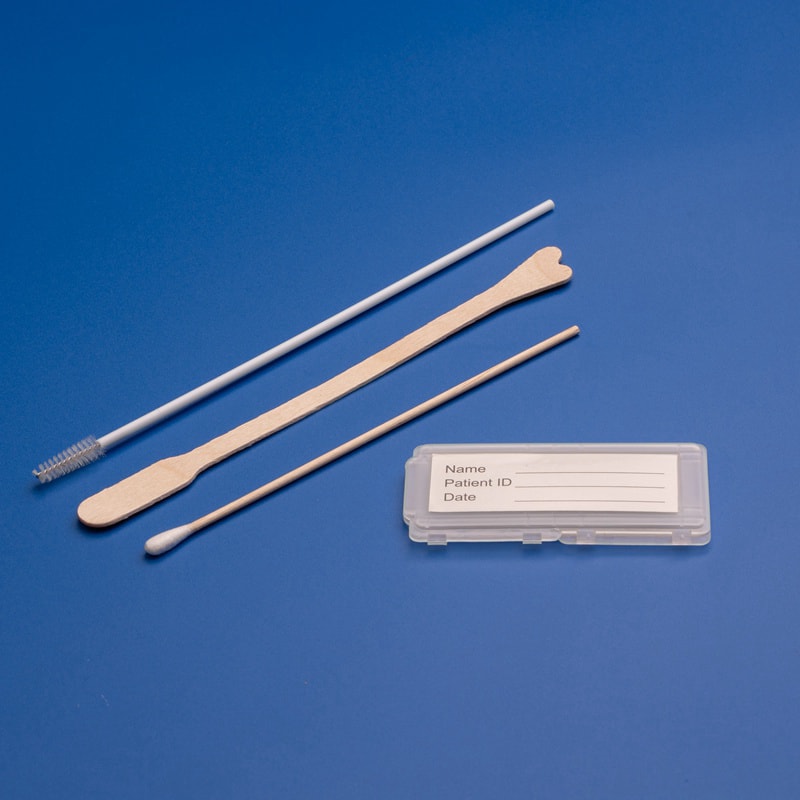
| Jiangsu Hanheng Medical Technology Co., Ltd. | U.S. distributors, importers, brand owners | Mass manufacturing and customization | HPV self-sampling kits, swabs, speculum-related gynecologic consumables | Wholesale, OEM/ODM, regional distribution |
The comparison table is useful because it separates care-delivery companies from kit manufacturers. U.S. procurement teams often need both: one partner for patient workflow and another for dependable consumable supply. In some cases, a distributor will bridge these roles by sourcing from a manufacturer and serving a local care network.
Our Company in the U.S. Supply Landscape
For U.S. buyers seeking a manufacturing partner rather than only a testing brand, Jiangsu Hanheng Medical Technology Co., Ltd. offers a practical fit for HPV self-sampling and related gynecological consumables. The company has built its position around large-scale medical sampling production, with a 10,000 square meter Class 100000 cleanroom, precision injection molding, automated flocking, EO sterilization, and documented quality systems supported by ISO9001, ISO13485, EU CE pathways including TUV-CE and MDR, U.S. FDA-related approval status, UK MHRA registration, and NMPA credentials. That matters for American procurement because it shows the product line is manufactured under internationally recognized controls rather than commodity workshop conditions. Its portfolio includes HPV self-sampling kits, cervical sampling swabs, disposable sterile cervical samplers, gynecological sampling brushes, and specimen transport formats, allowing buyers to source either standard products or tailored kits. In commercial terms, the company supports flexible cooperation models for U.S. distributors, dealers, regional partners, private-label brand owners, healthcare organizations, and even smaller buyers needing tailored packaging or formulation through OEM/ODM and wholesale supply. For local service assurance, Hanheng’s long-standing export activity to more than 130 countries, regular engagement with major markets including the United States, and its fast 7 to 21 day bulk-order processing rhythm demonstrate real operating experience in American-facing supply chains rather than one-off export behavior. Buyers can review its manufacturing scope on the product center, learn more about production capability on the company page, and use the contact page for documentation, batch records, packaging discussions, and after-sales coordination tied to U.S. distributor and institutional purchasing needs.
What Makes a Good HPV Self-Sampling Kit for the United States
A good kit for the American market should do four things well. It should be easy for users to understand without clinical supervision. It should preserve specimen quality through realistic mailing or transport conditions. It should fit smoothly into lab intake and reporting workflows. It should also support procurement efficiency through stable supply and documentation.
Important design details include swab tip consistency, shaft flexibility, sterile barrier packaging, instruction readability, barcode options, and transport packaging durability. For buyers planning a large rollout, small production differences can scale into major cost impacts. An uncomfortable swab can lower completion. Weak packaging can increase transit damage. Unclear instructions can create invalid samples. Each of these issues raises total program cost.
Local Procurement Considerations by Region
Regional U.S. differences can influence supplier choice. In the Northeast, dense provider networks and strong lab infrastructure may favor more integrated clinical pathways. In the South, where screening gaps can overlap with transportation and insurance barriers, mail-based and community outreach models may perform better. In the Midwest, health systems often prioritize operational reliability and multisite standardization. On the West Coast, digital health adoption and consumer-oriented care models create stronger demand for patient-friendly packaging and rapid replenishment through ports such as Los Angeles and Oakland.
For imported products, inland distribution timing from major ports and fulfillment centers should be reviewed carefully. Buyers serving Atlanta, Dallas, Phoenix, or Denver may need different warehousing logic than buyers concentrated near coastal gateways.
2026 Trends to Watch
Looking toward 2026, three trends are especially important in the United States. The first is technology integration. More programs will combine self-sampling kits with digital eligibility screening, automated reminders, telehealth review, and direct lab-to-patient communication. The second is policy evolution. As evidence and regulatory pathways mature, broader acceptance of self-collected sampling in more organized screening workflows is likely to shape reimbursement and procurement decisions. The third is sustainability. Healthcare buyers are paying closer attention to packaging waste, shipping efficiency, and material optimization, especially for high-volume mailed programs.
Another likely trend is stronger segmentation between clinical-grade integrated pathways and retail-friendly self-service models. Instead of one universal product, suppliers will increasingly offer channel-specific kit configurations. Manufacturers able to support both standardization and customization will be better positioned for U.S. growth.
The comparison chart helps buyers match supplier type to project goals. A hospital-linked screening pathway may lean toward clinical integration. A regional distributor or private-label brand may care more about customization, volume, and cost efficiency.
How to Build a Strong U.S. Supplier Shortlist
A strong shortlist usually includes one clinical diagnostics leader, one patient-facing service operator, and one manufacturing partner capable of scaling supply. Buyers should request documentation on sterilization, biocompatibility, lot consistency, packaging validation, and export readiness. They should also ask how quickly the vendor can adjust inserts, branding, and pack formats for different U.S. channels.
If the goal is to launch a branded screening initiative, it is wise to ask for pilot quantities first. This allows the buyer to compare user feedback, sample adequacy, and logistics performance before expanding statewide or nationally. For imported kits, it is also useful to confirm lead times around peak freight periods and port congestion cycles.
FAQ
Is HPV self-sampling already relevant to national screening efforts in the United States?
Yes. It is increasingly relevant because it helps reach women who are overdue for screening and supports hybrid care models that combine home collection with clinical follow-up.
Which U.S. organizations are most likely to adopt these kits?
Reference labs, hospital systems, telehealth companies, public health agencies, federally qualified health centers, and retail-linked preventive care programs are among the most likely adopters.
Are international manufacturers suitable for U.S. screening initiatives?
Yes, if they can document quality systems, sterile manufacturing, regulatory readiness, reliable shipping, and after-sales support. They are especially attractive for bulk procurement, OEM/ODM projects, and distributor supply.
What should a distributor in the United States look for first?
Focus first on manufacturing consistency, documentation, private-label capability, transit stability, and supplier responsiveness. Distributor success depends on repeatable quality and predictable replenishment.
Why is packaging so important for HPV self-sampling?
Because the patient often completes the process without a clinician present. Packaging and instructions directly affect user confidence, sample return quality, and the overall economics of the screening program.
How can a buyer evaluate Hanheng for the U.S. market?
Review its manufacturing credentials, product range, customization options, and batch documentation. Then discuss the intended U.S. channel, expected volume, branding needs, and shipping timeline through its direct contact team.
Conclusion
HPV self-sampling is becoming a meaningful part of screening expansion in the United States, especially where health systems and public programs want to reach underserved or overdue populations. The best supplier choice depends on whether the buyer needs clinical integration, patient engagement, or high-volume manufacturing support. For many U.S. organizations, the most effective strategy is to combine these strengths: use a trusted clinical or digital pathway while securing reliable kit supply from a manufacturer that can scale, customize, and support long-term distribution. In that context, both established U.S.-active diagnostics companies and experienced international manufacturers such as Jiangsu Hanheng Medical Technology Co., Ltd. deserve serious consideration.

Jiangsu Hanheng Medical Technology Co., Ltd.
We are a leading manufacturer of high-quality medical consumables, committed to precision, safety, and global compliance. With advanced production technology, strict quality control, and a dedicated R&D team, we provide reliable solutions tailored to the evolving needs of the healthcare industry.

.jpg)