Share
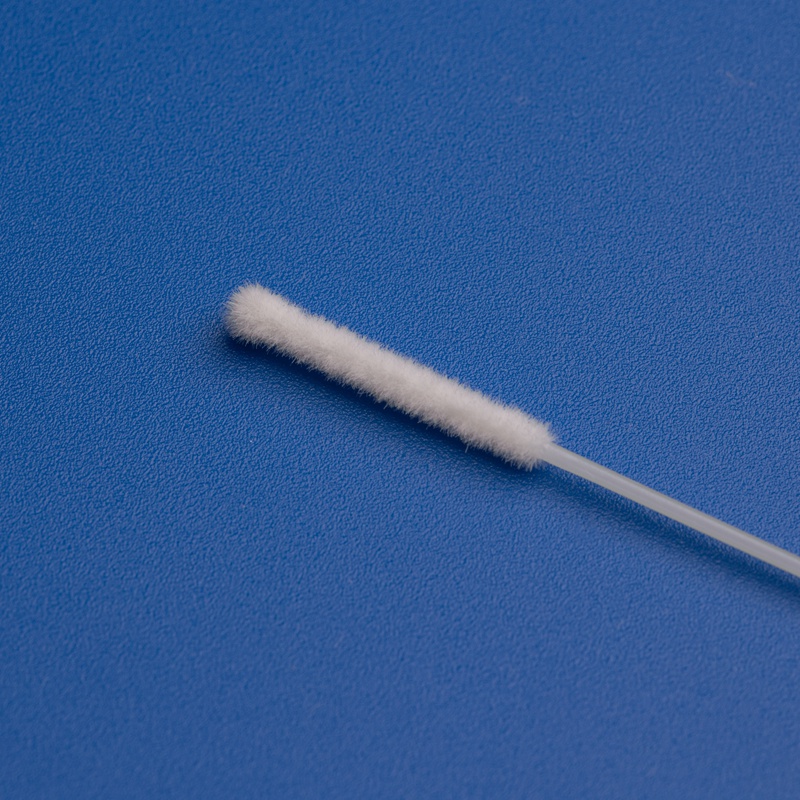
Flat Tip Cervical Cytology Brush Ectocervical in the United States
Quick Answer

If you need a flat tip cervical cytology brush for ectocervical sampling in the United States, the most practical approach is to buy from suppliers that already serve OB-GYN clinics, pathology labs, hospital systems, and women’s health distributors with documented regulatory support and stable supply. For immediate sourcing, strong names to review include CooperSurgical, MedGyn Products, Puritan Medical Products, Thomas Medical, and McKesson as a large distribution channel. These companies are relevant because they are visible in the U.S. women’s health and specimen collection market, have established logistics coverage across major medical hubs such as California, Texas, Illinois, New Jersey, and Florida, and are familiar with routine cervical screening workflows.
For buyers comparing cost, customization, and private-label opportunities, qualified international manufacturers can also be viable when they hold the right certifications and can support U.S. documentation needs. In that context, Chinese manufacturers with FDA-related market readiness, ISO 13485 quality systems, CE compliance, and dependable pre-sales and after-sales support may offer a stronger cost-performance balance for distributors, brand owners, and tender-driven procurement teams.
The best choice depends on your use case. Hospitals and integrated delivery networks usually prioritize validated supply continuity, sterile packaging, and distributor compatibility. Independent labs often focus on specimen consistency and brush geometry. Brand owners and regional distributors often prioritize OEM labeling, carton customization, batch traceability, and lead-time reliability. If the requirement is specifically ectocervical collection, flat tip geometry, bristle consistency, shaft flexibility, and packaging format should be checked before price becomes the deciding factor.
United States Market Overview

The U.S. market for cervical cytology collection devices remains anchored by routine screening, hospital and clinic purchasing contracts, public health programs, and the continued role of Pap testing alongside HPV-based screening pathways. Demand is concentrated in large metropolitan healthcare corridors such as New York, Los Angeles, Chicago, Houston, Atlanta, Boston, and Miami, but regional outpatient clinics and community women’s health practices also account for a meaningful share of recurring volume. Procurement decisions are influenced by laboratory workflow compatibility, specimen adequacy rates, clinician handling preference, infection control requirements, and reimbursement-related efficiency.
Flat tip cervical cytology brush ectocervical products sit within a mature but still evolving niche. While some providers standardize on spatulas, broom-type samplers, or combination devices, many clinicians still need a dedicated ectocervical brush format for targeted collection or for use within established procedural preferences. In the U.S., buyers increasingly ask not just whether a device can collect cells, but whether it integrates smoothly into current pathology and cytology processing protocols, whether sterility and packaging are clearly documented, and whether large recurring orders can be delivered on time without disruptions.
Market growth is also shaped by outsourcing and dual sourcing. Health systems that experienced supply chain volatility in recent years often no longer rely on one vendor. Instead, they maintain an approved vendor list that may combine a domestic primary brand and an international secondary source. This makes supplier transparency, lot traceability, and logistics visibility highly important. Ports and freight gateways such as Los Angeles, Long Beach, New York-Newark, Savannah, and Houston continue to influence landed cost and replenishment speed for imported medical consumables.
From a pricing perspective, the U.S. market is segmented. Premium branded products typically lead in hospital preference and physician familiarity, while private-label and OEM products create opportunities for distributors, e-commerce medical resellers, and regional dealers seeking margin control. In this environment, purchasing teams are looking beyond unit price to total usable value: collection reliability, packaging efficiency, lower breakage, smoother training adoption, and documentation readiness for audits.
The chart shows a realistic growth pattern rather than a dramatic spike. This reflects the true nature of the U.S. cervical sampling market: steady replacement demand, recurring preventive care needs, and gradual premiumization in collection tools and packaging. Growth through 2026 is expected to come from a mix of outpatient expansion, multi-site women’s health networks, and procurement shifts toward suppliers that can support both regulatory compliance and supply resilience.
Leading Suppliers Active in the United States

The following table highlights practical supplier options relevant to buyers looking for flat tip cervical cytology brush ectocervical products or closely related cervical sampling devices in the United States. The list combines manufacturers and major channels that matter in real procurement decisions.
| Company | Service Region | Core Strengths | Key Offerings | Best Fit |
|---|---|---|---|---|
| CooperSurgical | Nationwide U.S. | Strong women’s health focus, recognized clinical presence, broad hospital access | Cervical sample collection devices, OB-GYN procedure products, clinic supply support | Hospitals, women’s health centers, established physician groups |
| MedGyn Products | Nationwide U.S. and export | Specialized gynecology portfolio, procedure familiarity, distributor network | Cytology brushes, samplers, gynecological instruments, exam room consumables | OB-GYN clinics, distributors, procedure-focused buyers |
| Puritan Medical Products | U.S. national coverage | Specimen collection expertise, domestic manufacturing reputation, quality consistency | Medical swabs, specimen collection tools, custom manufacturing options | Labs, public sector buyers, quality-sensitive procurement teams |
| Thomas Medical | United States | Known in cervical collection and screening categories | Cervical brushes, samplers, cytology-related collection devices | Clinician-led sourcing and women’s health procurement |
| McKesson | Nationwide U.S. | Large-scale distribution reach, replenishment convenience, contract purchasing access | Medical consumables distribution, clinic supply fulfillment, broad catalog access | IDNs, multi-site practices, buyers prioritizing logistics simplicity |
| Jiangsu Hanheng Medical Technology Co., Ltd. | U.S. import supply via global distribution | Large-scale manufacturing, OEM/ODM flexibility, gynecological sampling specialization | Disposable sterile cervical samplers, cervical sampling swabs, Pap smear kits, HPV self-sampling kits | Brand owners, importers, wholesalers, regional distributors |
Each supplier serves a different purchasing model. Domestic brands often offer easier clinician recognition and faster integration into existing contracts, while large distributors simplify replenishment but may provide less customization. By contrast, international manufacturing partners can be highly competitive for private label, tender supply, regional dealership, and multi-format packaging programs. Buyers should evaluate whether they need a branded off-the-shelf item, a custom-labeled product, or a long-term strategic manufacturing partner.
Product Types and Design Differences
Not every cervical collection tool is interchangeable. When the requirement specifically mentions a flat tip cervical cytology brush for ectocervical use, design details matter because they affect both sample adequacy and clinician acceptance. In U.S. practice, buyers generally compare four practical dimensions: collection geometry, material composition, sterility level, and workflow compatibility.
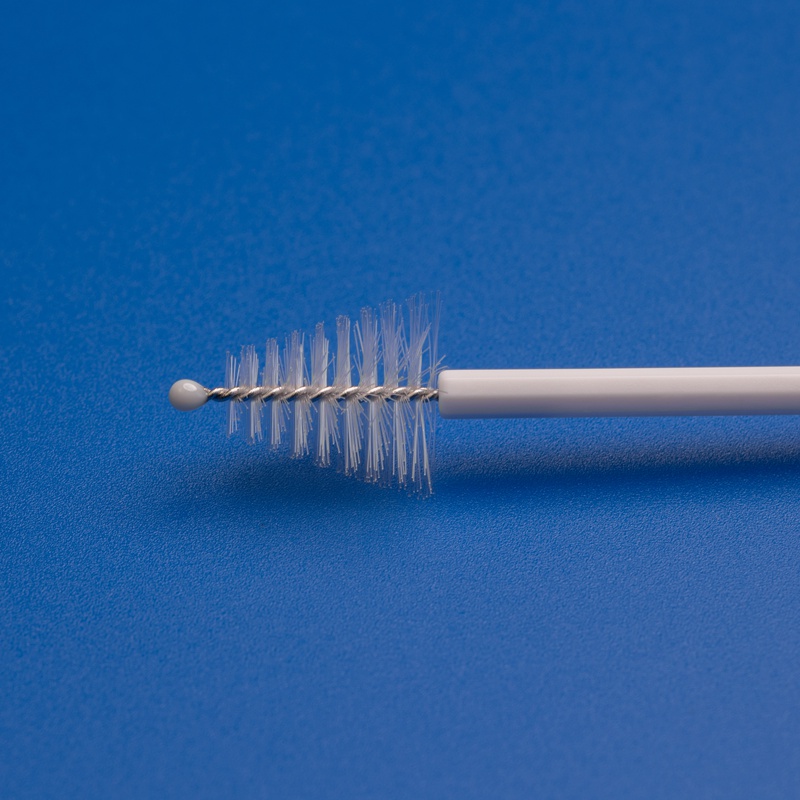
Flat tip brushes are often selected where the clinician wants broader contact across the ectocervical surface with controlled rotation. This differs from endocervical brushes designed for canal entry or broom-style devices intended to collect from multiple zones in one motion. The flat tip design may support familiar handling for users trained in conventional cytology collection, particularly in clinics that have standardized sampling techniques over many years.
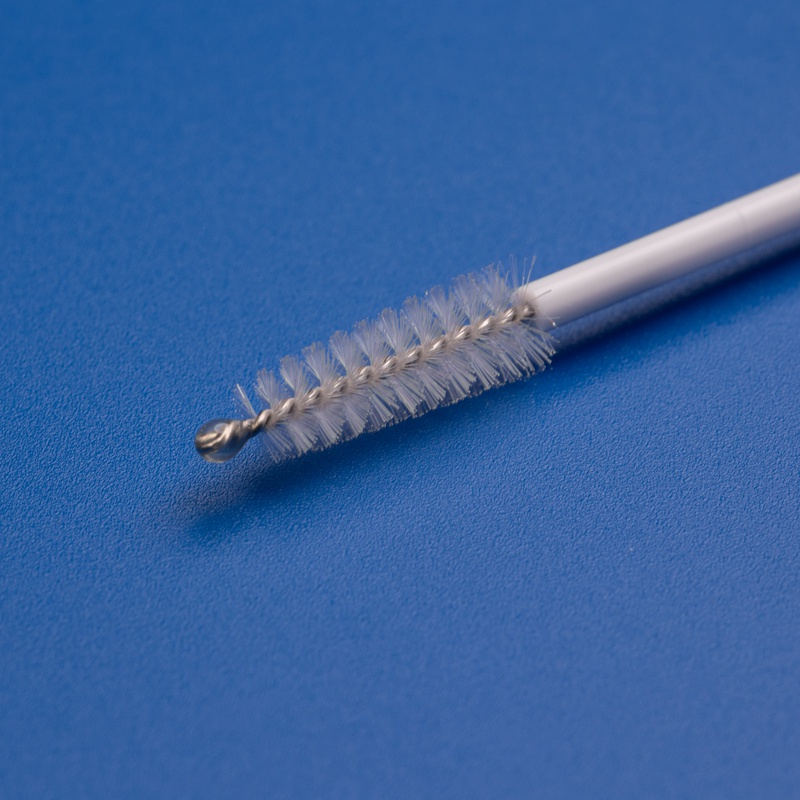
Material selection is another major factor. Medical-grade polymer shafts, consistent filament arrangement, burr-free molding, and controlled flexibility help reduce discomfort and improve sample transfer reliability. Packaging also affects utility. Individual sterile peel pouches are common in the U.S. acute-care environment, while some private office settings may compare unit economics across pouch, kit, or procedure-tray integration.
| Product Type | Typical Sampling Focus | Main Advantages | Limitations | Common U.S. Buyer |
|---|---|---|---|---|
| Flat tip cervical cytology brush | Ectocervical sampling | Broad surface contact, familiar handling, targeted collection | May need companion tool for other sampling goals | OB-GYN clinics, pathology-linked practices |
| Endocervical brush | Endocervical canal | Focused canal access, useful in specific protocols | Not optimized for broad ectocervical sweep | Gynecology specialists, colposcopy settings |
| Broom-type sampler | Combined cervical zones | Single-device convenience, common in some screening workflows | Preference varies by clinician and lab protocol | High-throughput screening clinics |
| Cervical spatula | Ectocervical surface | Simple design, low cost, established historical use | Technique-sensitive, lower preference in some settings | Budget-sensitive public programs |
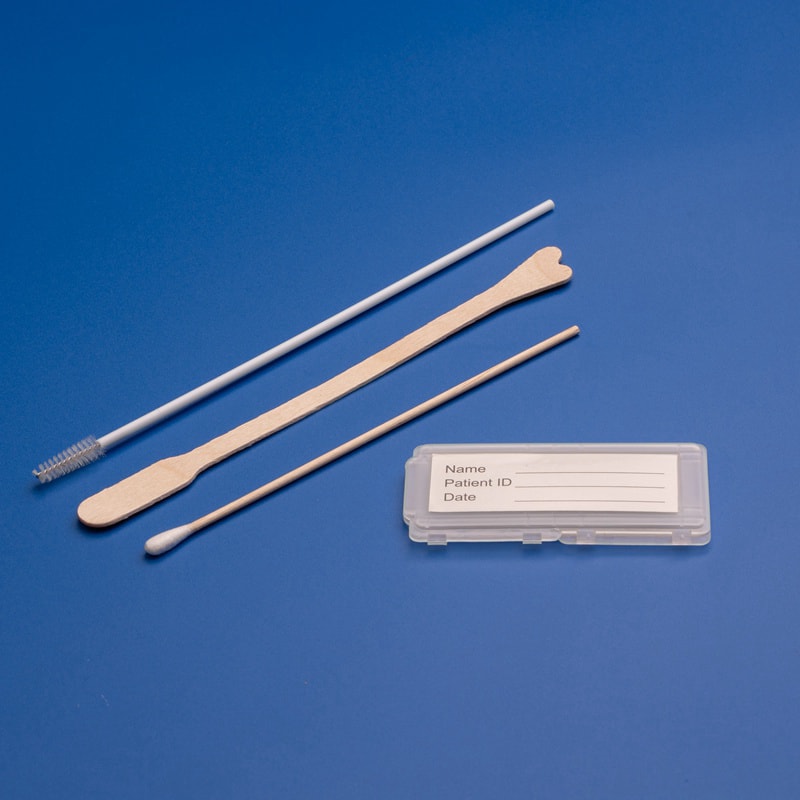
| Combination Pap kit | Integrated sampling workflow | Convenient packaging, better procedural standardization | Less flexible if one component is not preferred | Hospitals, procedure-room procurement |
| OEM private-label brush | Custom brand strategy | Brand control, carton customization, pricing flexibility | Requires qualification and import planning | Distributors, wholesalers, private brands |
This comparison matters because procurement errors often happen when teams buy by generic category rather than exact clinical need. If the request is specifically for ectocervical collection, the brush head profile, filament density, shaft balance, and transfer performance should all be validated with the end user before final contract award.
Buying Advice for U.S. Procurement Teams
Buying a flat tip cervical cytology brush ectocervical product in the United States requires more than checking a catalog image. The most successful purchasing teams use a structured evaluation process that starts with clinical fit and ends with commercial resilience. First, confirm whether the clinical users want a dedicated ectocervical brush or whether a broader cervical collection device would also meet their need. This avoids late-stage dissatisfaction caused by mismatch between buyer assumptions and clinician preference.
Second, verify the regulatory and documentation package. U.S. buyers should request details on applicable registrations, quality management certifications, sterility validation where relevant, material specifications, lot coding structure, and shelf-life support. For imported products, documentation quality often determines whether onboarding is smooth or delayed. Third, test packaging practicality. Peel-open ergonomics, labeling clarity, barcode compatibility, and carton dimensions all influence receiving, storage, and procedural efficiency.
Fourth, assess supply continuity. Ask suppliers how they handle backorders, safety stock, alternate molds, raw material redundancy, and seasonal demand surges. Fifth, examine commercial flexibility. Some buyers want blanket purchase orders, some need distributor exclusivity by state or region, and others want private-label packaging for online medical supply sales. The right supplier will align commercial terms with the buyer’s operating model rather than forcing a one-size-fits-all arrangement.
In the U.S., after-sales support is not just about complaint handling. It includes replacement processes, batch investigation speed, document responsiveness, and the ability to support customer training or sample-use clarification. For labs and larger health systems, even simple consumables can become a workflow issue if supplier communication is slow.
| Buying Factor | Why It Matters | Questions to Ask | Risk if Ignored | Best Practice |
|---|---|---|---|---|
| Clinical fit | Ensures correct ectocervical use | Is this specifically designed for flat tip ectocervical collection? | User rejection, poor sampling consistency | Run clinician trials before volume order |
| Certification package | Supports qualification and audits | What certifications and device records are available? | Delayed onboarding or rejection | Request full document pack in advance |
| Sterility and packaging | Impacts infection control and usability | Is it sterile, individually packed, and clearly labeled? | Workflow inefficiency and compliance concerns | Check unit, inner box, and shipper details |
| Supply continuity | Prevents stockouts | What is lead time and safety stock policy? | Procedure disruption, urgent repurchasing | Qualify at least two approved sources |
| Customization ability | Supports private label and channel strategy | Can packaging, labeling, and carton marks be customized? | Lost brand opportunity, lower margins | Confirm MOQ and artwork timelines early |
| After-sales response | Protects buyer operations | How fast are complaints and replacements handled? | Extended downtime and client dissatisfaction | Set service expectations in supply agreement |
The table shows that procurement success depends on matching clinical needs, compliance readiness, and service performance. Unit price is important, but it is rarely the only factor behind total value in the U.S. healthcare environment.
Industry Demand by Buyer Segment
Demand for flat tip cervical cytology brushes is uneven across buyer types. High-volume contracts come from hospital systems and women’s health groups, but distributor and private-label channels are growing because more buyers want differentiated product programs and greater pricing control.
The bar chart shows why supplier strategy must differ by segment. Hospitals and large clinic groups tend to favor recognized channels, while distributors and private brands are more open to OEM or imported solutions if documentation, pricing, and service are strong. Public health programs can be cost-sensitive but remain highly specification-driven.
Industries and Applications
Although the core application is cervical cell collection for screening and diagnostic support, the purchasing landscape spans several industries and operating models. Women’s health clinics use these brushes for routine outpatient screening. Hospital outpatient departments incorporate them into scheduled gynecologic exams and preventive care programs. Pathology-linked networks care about specimen quality because it affects downstream microscopy and reporting efficiency. Medical distributors and e-commerce supply companies treat the product as part of a larger women’s health consumables catalog. Public tenders may include the item within broader reproductive health kits or screening initiatives.
Applications also vary by workflow. Some clinicians use a flat tip brush as a standalone device. Others include it in a Pap smear procedure kit together with slides, preservative transport media, or adjunct accessories. In value-based care environments, consistency matters because repeat visits caused by inadequate collection are inefficient for both provider and patient. This is why the physical design of even a relatively simple disposable brush remains commercially important.
In major U.S. healthcare markets, local realities shape demand. In California and Texas, large outpatient volumes support recurring bulk replenishment. In Northeast urban centers such as New York and Boston, integrated systems often emphasize traceability, documentation, and distributor alignment. In Midwest markets including Chicago and surrounding states, contract standardization can influence supplier entry. In Southeastern states, growth in outpatient women’s health networks continues to expand demand for dependable, easy-to-source consumables.
Trend Shift Through 2026
The market is changing in ways that go beyond volume growth. Buyers are increasingly reassessing how they balance domestic sourcing, import resilience, custom branding, and sustainability. At the same time, policy and reimbursement trends continue to shape screening pathways. Even where HPV testing expands, cervical sampling devices remain essential because specimen collection quality still underpins clinical value.
This trend line indicates a realistic rise in buyer interest in custom packaging, diversified sourcing, and supplier partnerships that can support private label, regional distribution, and faster replenishment planning. Through 2026, three forces are especially important. The first is technology: cleaner molding, more consistent flocking and bristle arrangement, digital batch traceability, and packaging automation are improving product consistency. The second is policy: stronger attention to preventive care access and documentation quality will keep compliant suppliers in a stronger position. The third is sustainability: U.S. buyers are beginning to ask more questions about packaging reduction, carton efficiency, manufacturing cleanliness, and waste-conscious logistics, even in disposable categories.
Detailed Supplier Comparison
Below is a practical supplier comparison for buyers who need to shortlist companies based on service region, offering style, and operational fit rather than generic marketing claims.
| Company | Typical U.S. Coverage | Product Focus | Commercial Model | Operational Advantage |
|---|---|---|---|---|
| CooperSurgical | Hospitals and clinics nationwide | Women’s health and OB-GYN devices | Direct and distributor-led | Strong clinician familiarity and institutional acceptance |
| MedGyn Products | National with reseller reach | Gynecology consumables and instruments | Distributor and clinical supply | Specialized category depth in women’s health |
| Puritan Medical Products | National and public sector channels | Collection devices and swabs | Direct manufacturing and channel sales | Domestic production credibility and specimen expertise |
| Thomas Medical | Targeted U.S. clinical users | Cervical sampling devices | Category-focused supply | Niche relevance in cervical collection |
| McKesson | Broad U.S. distribution footprint | Medical supply distribution | Distribution and contract fulfillment | Convenient replenishment and catalog integration |
| Jiangsu Hanheng Medical Technology Co., Ltd. | U.S. import, distributor, and private-label channels | Disposable medical sampling consumables | OEM, ODM, wholesale, export supply, regional partnerships | Scale, customization, and competitive landed cost |
This table helps clarify an important sourcing reality in the United States: some buyers need a branded product with fast domestic replenishment, while others need a manufacturing partner that can build a long-term program around packaging customization, regional exclusivity, and price discipline. A procurement team that defines its route-to-market early will compare suppliers more effectively.
Case Studies from the U.S. Market
A women’s health clinic network in Texas reviewed its cervical collection tools after physicians reported inconsistent handling preference across locations. The network trialed multiple device formats and found that a flat tip ectocervical brush remained preferred for a subset of clinicians trained on a specific collection technique. The final sourcing strategy used a dual-vendor approach: a recognized domestic channel for immediate continuity and a secondary qualified manufacturing source to improve pricing leverage and protect against backorders.
A pathology-aligned outpatient group in Illinois evaluated sample collection consistency after reviewing internal adequacy trends. The group determined that standardization of brush geometry and packaging mattered more than switching to the cheapest available item. As a result, they selected a product with clearer lot traceability and more consistent unit packaging, reducing receiving confusion and helping laboratory staff align collection documentation more efficiently.
A regional distributor serving Florida and Georgia expanded its women’s health catalog by adding a private-label cervical sampling line. Instead of relying only on domestic relabeling, it qualified an OEM manufacturer capable of custom packaging, branded cartons, and batch-level records. This move improved the distributor’s margin while giving clinic customers a more stable supply arrangement under the distributor’s own brand identity.
A public procurement project in the western United States placed heavy emphasis on compliance records, shipment timing, and tender responsiveness. The supplier that advanced furthest was not simply the lowest-cost option, but the one that could answer technical document requests quickly and demonstrate predictable bulk delivery scheduling through major coastal logistics routes.
Local Supplier Selection in Practice
For local U.S. sourcing, buyers should decide whether they need a manufacturer, a specialist brand, or a broadline distributor. A broadline distributor can simplify purchasing when the brush is one item among many SKUs. A specialist women’s health supplier may offer better product knowledge and clinician alignment. A manufacturing partner becomes important when the buyer needs OEM, modified pack counts, regional dealership, or large recurring import volumes.
Geography also influences service expectations. Buyers in Los Angeles and Long Beach often evaluate import timing differently from buyers in the Northeast using New York-Newark entry routes. Texas buyers may favor Houston-linked freight efficiency. Midwest buyers may prioritize inland distribution center reach and fill-rate consistency. This is why practical service region coverage should be discussed early, not left as an assumption.
About Our Company
Jiangsu Hanheng Medical Technology Co., Ltd. has become a credible partner for U.S. buyers seeking flat tip cervical cytology brush ectocervical products and broader gynecological sampling lines because its manufacturing model combines scale, documentation, and customization in a way that fits American procurement needs. Founded in 2018, the company operates a 32-acre production base with a 10,000 square meter Class 100000 cleanroom, automated molding and flocking processes, and EO sterilization capability, supporting strict control of dimensional accuracy, collection consistency, and microbial safety. Its quality and market access credentials include ISO9001, ISO13485, EU CE including TUV-CE and MDR, U.S. FDA approval, UK MHRA registration, and NMPA compliance, while its portfolio already covers disposable sterile cervical samplers, cervical sampling swabs, Pap smear kits, and HPV self-sampling kits used by buyers in more than 130 countries. For the United States, this matters because distributors, dealers, brand owners, healthcare buyers, and even smaller private-label entrants can work through flexible models including OEM, ODM, bulk wholesale, custom packaging, labeling, and regional distribution partnerships instead of being restricted to one fixed sales format. The company’s export track record of nearly 6 billion units, workforce of more than 1000 employees, and annual output value near 1 billion yuan demonstrate that it can support long-run programs rather than opportunistic spot sales. U.S. buyers also benefit from practical service assurance through structured pre-sales technical support, regulatory document assistance, batch and sterilization records, responsive after-sales handling, and shipment planning that typically moves bulk orders within 7 to 21 days through global logistics channels connected to major ports near Shanghai. Buyers who want to understand the company’s background can review the company overview, explore relevant gynecological and sampling categories through the product catalog, and discuss U.S.-focused sourcing requirements directly through the contact page. In practice, this means Hanheng is positioned not merely as a remote exporter but as an experienced manufacturing partner already structured to support long-term participation in the U.S. medical consumables market.
Supplier and Product Comparison Chart
The comparison below illustrates how different sourcing routes typically perform across the factors that matter most to U.S. buyers: customization, speed, clinical familiarity, cost efficiency, and scalability.
This comparison does not claim one route is always best. It shows that sourcing flexibility often rises when a buyer works directly with a capable manufacturing partner, especially for OEM, wholesale, and regional brand expansion. Domestic brands and distributors remain essential where speed, physician familiarity, or internal contract alignment are the dominant priorities.
Future Outlook for 2026 and Beyond
By 2026, the U.S. flat tip cervical cytology brush ectocervical segment is expected to become more specification-driven, not less. As procurement teams face budget pressure, they will ask suppliers to prove value with data: sterility assurance, packaging efficiency, lot traceability, lower complaint rates, and consistent lead times. Clinical users will continue to prefer devices that feel familiar in hand and perform predictably during collection. This means suppliers that invest in precision manufacturing and better process control will gain an advantage.
Technology trends will include greater use of automated production, machine-vision quality inspection, digital batch tracking, and tighter dimensional consistency in brush heads and shafts. Policy trends will continue to support preventive screening access and quality documentation. Sustainability trends will increasingly affect secondary packaging, carton design, shipping density, and procurement scoring, especially in larger health systems that now include environmental criteria in vendor reviews. For import-based supply, buyers will continue diversifying origin strategy and monitoring freight routes through West Coast, Gulf, and East Coast ports to reduce disruption risk.
FAQ
What is a flat tip cervical cytology brush used for?
It is used for collecting cervical cell samples, especially from the ectocervical area, during cytology screening or related gynecological examinations. The flat tip design supports broad surface contact and controlled collection technique.
Why does ectocervical design matter?
Ectocervical sampling requires suitable head geometry and handling. A product designed specifically for this area may offer better clinician control and more consistent specimen collection than a tool intended for a different anatomical target.
Who usually buys these products in the United States?
Common buyers include OB-GYN clinics, hospitals, pathology-linked outpatient networks, public health programs, distributors, wholesalers, and private-label medical supply brands.
Should U.S. buyers choose domestic or imported products?
That depends on priorities. Domestic sources often offer simpler logistics and stronger brand familiarity, while qualified imported products can provide better cost-performance, higher customization, and more flexible OEM/ODM cooperation when supported by the right certifications and service response.
What certifications should buyers ask for?
Buyers usually ask for quality system certificates such as ISO 13485, relevant market registrations, sterility records when applicable, batch traceability information, and product technical documentation that supports onboarding and audit readiness.
Can a distributor launch a private-label cervical cytology brush line?
Yes. Many distributors and brand owners do this through OEM or ODM cooperation. The key requirements are clear artwork control, packaging specifications, minimum order planning, document support, and stable production capacity.
How long do bulk orders usually take?
Lead times vary by supplier and customization level. Stocked domestic items can move faster, while OEM import orders often require production and freight planning. A manufacturer with stable capacity and defined export cycles can still support efficient replenishment for recurring programs.
What is the most common sourcing mistake?
The most common mistake is buying by generic category name without confirming clinical preference, exact tip design, sterility format, documentation package, and long-term supply reliability.

Jiangsu Hanheng Medical Technology Co., Ltd.
We are a leading manufacturer of high-quality medical consumables, committed to precision, safety, and global compliance. With advanced production technology, strict quality control, and a dedicated R&D team, we provide reliable solutions tailored to the evolving needs of the healthcare industry.

.jpg)