Share
Best HPV Self-Sampling Kit Suppliers in the United States
Quick Answer

If you need an HPV self-sampling kit in the United States, the most practical starting point is to compare proven women’s health brands, molecular diagnostics companies, and experienced medical sampling manufacturers that can support clinical programs, telehealth distribution, research studies, and private-label supply. For fast market relevance, Everlywell, Nurx, myLAB Box, Roche, and QIAGEN-linked laboratory ecosystems are the names most buyers recognize in the U.S. For provider-led screening programs, large clinical laboratory networks and hospital procurement teams often prefer solutions that align with validated HPV testing workflows, CLIA-certified processing, and clear patient instructions.
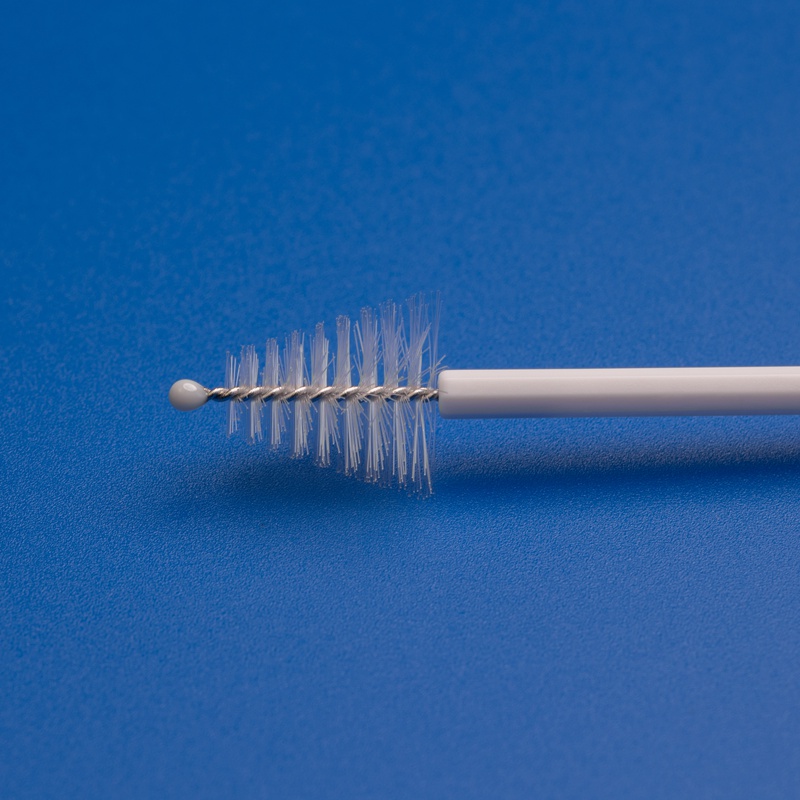
For distributors, brand owners, and healthcare organizations looking for better cost-performance, qualified international manufacturers can also be a strong option when they hold recognized certifications and provide dependable pre-sales and after-sales support for the U.S. market. That includes manufacturers such as Jiangsu Hanheng Medical Technology Co., Ltd., which supplies HPV self-sampling kit components and related gynecological sampling consumables for institutional buyers that need OEM, ODM, bulk manufacturing, and regulatory documentation support.
- Everlywell: strong direct-to-consumer testing visibility and broad U.S. e-commerce reach.
- Nurx: useful for telehealth-linked care pathways and follow-up support.
- myLAB Box: accessible home testing model with consumer-friendly fulfillment.
- Roche ecosystem partners: favored in provider settings where assay compatibility and lab validation matter most.
- QIAGEN ecosystem partners: relevant for molecular workflow compatibility and research or screening programs.
United States Market Overview

The U.S. market for HPV self-collection and home-based cervical cancer screening tools is expanding because patients want convenience, health systems want higher screening participation, and public health organizations are looking for ways to reach underserved populations. This demand is strongest in major metro areas such as New York, Los Angeles, Chicago, Houston, Miami, and Atlanta, where telehealth, direct-to-consumer diagnostics, and women’s preventive care campaigns have already reshaped patient expectations. At the same time, rural states and federally qualified health center networks are evaluating self-collection pathways as a way to improve participation among women who delay or avoid clinic-based pelvic exams.
In the United States, buying decisions rarely depend on collection devices alone. Procurement teams usually evaluate the full pathway: specimen collection reliability, transport stability, laboratory compatibility, user instructions, packaging, regulatory documentation, training materials, and post-sale responsiveness. This is why buyers often compare not only domestic brands, but also specialized manufacturing partners capable of custom kits for hospitals, laboratories, screening pilots, and retail programs.
The U.S. also benefits from a strong logistics environment. Imports and domestic distribution move through hubs such as the Port of Los Angeles, Port of Long Beach, Port of New York and New Jersey, Savannah, and Chicago’s air cargo network. For an HPV self-sampling kit supplier, dependable lead time is now a competitive factor almost equal to price and assay compatibility.
This market growth curve reflects the practical direction of the sector: wider acceptance of at-home collection, improving payer and public health interest, and stronger integration between self-sampling devices and molecular screening workflows. Buyers entering the market now should think beyond current demand and plan for 2026 standards involving digital guidance, traceability, and environmentally improved packaging formats.
Leading Suppliers Serving the United States

The supplier landscape includes consumer-facing brands, diagnostic ecosystem leaders, and manufacturing specialists. The table below focuses on practical selection criteria for U.S. buyers and explains where each company is most relevant.
| Company | Service Region | Core Strength | Key Offerings | Best Fit Buyer |
|---|---|---|---|---|
| Everlywell | United States nationwide | Strong consumer brand and home testing fulfillment | At-home health test kits, digital ordering, lab coordination | Consumers, online health programs, retail partnerships |
| Nurx | United States nationwide | Telehealth integration and patient follow-up pathways | Remote care support, screening access, prescription coordination | Telehealth operators, preventive care programs |
| myLAB Box | United States nationwide | Direct-to-consumer home diagnostics model | Home specimen collection kits and logistics workflow | Consumers, e-commerce sellers, wellness channels |
| Roche-linked provider network | Major U.S. clinical markets | Trusted molecular diagnostics ecosystem | HPV assay platforms, laboratory workflow compatibility | Hospitals, labs, health systems |
| QIAGEN-linked provider network | United States and research centers | Molecular extraction and assay workflow support | Sample prep, screening programs, research integration | Labs, universities, screening studies |
| Jiangsu Hanheng Medical Technology Co., Ltd. | U.S. import supply and global B2B fulfillment | Large-scale manufacturing, OEM/ODM flexibility, medical sampling specialization | HPV self-sampling kits, cervical brushes, swabs, transport solutions, custom packaging | Distributors, brand owners, hospitals, procurement teams |
This comparison shows that no single supplier type serves every channel equally well. Consumer brands are effective for retail visibility and patient acquisition, while manufacturing partners and diagnostic workflow suppliers are more suitable for private-label brands, laboratory programs, and state or regional screening initiatives.
Product Types in the U.S. HPV Self-Sampling Kit Market
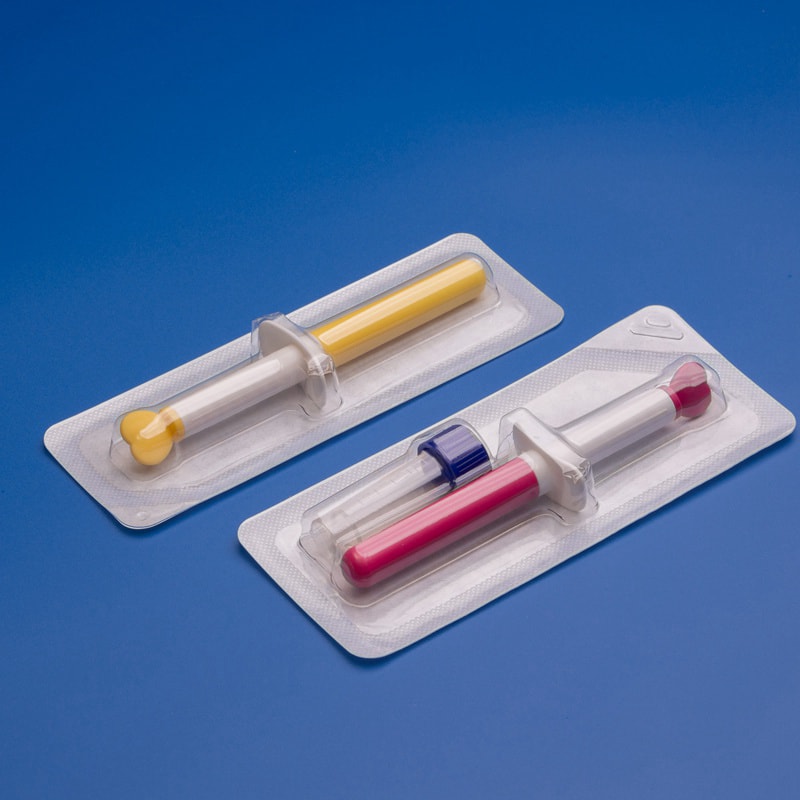
An HPV self-sampling kit sold or supplied into the United States can be structured in several ways depending on the intended testing workflow. Some kits are direct-to-consumer collections tied to a partner lab. Others are clinician-distributed self-collection devices used at home and returned through a managed pathway. For distributors and brand owners, kit design must be aligned with the final test method and the operating model.
| Product Type | Collection Method | Typical End Use | Main Advantage | Key Buying Consideration |
|---|---|---|---|---|
| Brush-based vaginal self-collection kit | Flocked or molded sampling brush | Home screening and provider outreach | Good cell capture with user-friendly handling | Comfort, transport stability, instruction clarity |
| Swab-based HPV collection kit | Sterile vaginal swab | Telehealth and pilot screening projects | Simple and low-cost design | Compatibility with downstream lab validation |
| Dry transport self-sampling kit | Brush or swab without liquid medium | Mail-back programs | Easier shipping and lower leakage risk | Specimen stability requirements |
| Medium-based transport kit | Brush or swab into transport tube | Lab-controlled workflows | Supports some molecular processes more directly | Packaging, hazardous classification, shelf life |
| Private-label retail kit | Customized self-collection format | Brand owners and pharmacy channels | Market differentiation and branding control | OEM documentation and packaging compliance |
| Institutional screening kit | Configured for healthcare programs | Hospitals, NGOs, public health systems | Standardized volume procurement | Training materials and traceability |
The table makes one point clear: buyers should start with the intended workflow, not with the device alone. The most attractive kit on price can become expensive if it requires repackaging, relabeling, or revalidation before launch.
How U.S. Buyers Should Evaluate an HPV Self-Sampling Kit
In the United States, the strongest purchasing decisions are made by matching regulatory, operational, and user-experience factors. A kit may look similar on paper, but differences in flocking quality, sterility method, packaging precision, and transport design can affect return rates and specimen quality.
Key criteria include collection efficiency, patient comfort, clear instructions in American English, lot traceability, sterilization records, shelf life, kit completeness, and responsiveness when issues arise. U.S. healthcare buyers also look for consistency across production batches, especially when launching state-wide or multi-clinic screening programs.
| Buying Factor | Why It Matters in the U.S. | Low-Risk Indicator | Common Procurement Question | Impact on Total Cost |
|---|---|---|---|---|
| Regulatory documentation | Supports hospital, distributor, and importer review | ISO, CE, FDA-related records where relevant | Can the supplier provide complete batch files? | Reduces onboarding delays |
| Sampling performance | Improves specimen adequacy and program outcomes | Uniform brush geometry or flocking consistency | How is collection efficiency verified? | Reduces recollection expenses |
| User instructions | Essential for home-based compliance | Clear diagrams and concise steps | Can instructions be customized for U.S. users? | Improves return and completion rates |
| Packaging quality | Protects sterile integrity during shipping | Tamper-evident and transit-tested packaging | Is the kit optimized for parcel delivery? | Prevents damage and replacements |
| Lead time reliability | Important for launches and recurring supply | Documented production scheduling | What is the realistic bulk order timeline? | Reduces stockout losses |
| After-sales support | Critical when handling complaints or training | Fast response with technical records | Who handles quality issues for U.S. buyers? | Protects reputation and service continuity |
This table helps buyers move from broad interest to procurement discipline. A slightly higher unit price can be the better option when it includes better consistency, lower return failures, and faster documentation support.
Industry Demand by Use Case
Demand for HPV self-sampling kits in the United States is not limited to consumer home testing. Hospitals, women’s health networks, university research groups, public health agencies, and private-label distributors all buy for different reasons. Understanding these segments helps suppliers tailor packaging, education, and service models.
The strongest near-term demand is seen in telehealth and public health outreach because these channels benefit most from easier access and broader patient participation. Hospitals remain important, but many of them move more cautiously due to validation requirements and established in-clinic screening pathways.
Industries and Applications
The HPV self-sampling kit market touches several industries beyond diagnostics. Women’s health platforms use self-collection to reduce missed screenings. Public agencies use it to improve access in rural counties and among populations with low screening rates. Employers and wellness platforms explore home preventive testing as part of broader benefits packages. Universities and contract research organizations use self-sampling kits for cervical cancer prevention studies and population health projects.
Applications include routine screening access, outreach for under-screened populations, telehealth-guided testing, academic research, pharmacy-led preventive care bundles, and private-label women’s health brands. In all of these settings, the same operational rule applies: collection quality and user clarity must be engineered into the kit from the start.
Trend Shift in Buyer Preferences
Buyer preferences in the United States are shifting away from simple kit sourcing toward full program readiness. More customers now want multilingual instructions, e-commerce-capable packaging, digital onboarding materials, QR code tracking, and integration with customer support channels. This trend is especially visible in coastal states and large urban areas where digital health adoption is higher.
The area chart shows a realistic shift toward complete program support rather than commodity-only purchasing. This matters because the most successful suppliers in 2026 will not simply ship sterile components; they will enable launch-ready kits that work in consumer, clinical, and institutional channels.
Detailed Supplier Comparison
The next table provides a more direct side-by-side comparison for decision-makers who need to match supplier type to business model.
| Supplier | Typical Channel | Service Strength | Customization Level | Operational Advantage |
|---|---|---|---|---|
| Everlywell | Direct-to-consumer | Brand trust and online ordering | Low for external private label | Fast consumer market recognition |
| Nurx | Telehealth | Clinical guidance and care linkage | Low for wholesale kit redesign | Strong patient journey support |
| myLAB Box | Retail and e-commerce | Accessible testing fulfillment model | Moderate in channel partnerships | Good consumer usability framing |
| Roche-linked providers | Clinical and laboratory | Assay ecosystem credibility | Limited device-level customization | Trusted provider adoption pathway |
| QIAGEN-linked providers | Research and molecular diagnostics | Lab workflow alignment | Moderate in technical configurations | Strong analytical compatibility focus |
| Jiangsu Hanheng Medical Technology Co., Ltd. | B2B manufacturing, distribution, private label | Scalable production and OEM/ODM execution | High for packaging, labeling, and kit structure | Better cost-performance for bulk procurement |
This comparison is especially useful for distributors and healthcare companies that need to choose between a brand partnership and a manufacturing partnership. If the goal is to own a regional brand, support a state screening initiative, or control margins at scale, an OEM-capable manufacturer is often more practical than a consumer-facing test brand.
The comparison chart highlights why manufacturing-led suppliers remain important in the U.S. market even when consumer brands dominate awareness. Bulk capacity, private-label support, and cost efficiency matter more as programs scale.
Case Studies from the U.S. Market
A regional women’s health network in Texas seeking to improve screening among patients who missed annual visits would likely prioritize easy instructions, discreet packaging, and bilingual inserts. In that case, a medium-based or dry transport self-sampling kit with customized instructions and stable logistics can increase participation more effectively than a standard clinic-only workflow.
A telehealth startup in California may need a private-label HPV self-sampling kit compatible with a central partner lab, optimized for parcel shipment through Los Angeles and San Francisco distribution routes. Here, packaging dimensions, return mail design, and reorder predictability become as important as collection performance.
A public health pilot in Illinois or Georgia might focus on under-screened counties and require institution-ready kits with traceable lot records, training materials, and high-volume shipments on a planned schedule. For these projects, an experienced B2B manufacturer with documented sterilization, batch detail support, and repeatable production control offers a major advantage.
A university-led study in Boston or Seattle may require custom labeling, protocol-specific inserts, and tightly documented component specifications. This is where OEM or ODM support matters because standard retail kits rarely align perfectly with study protocols.
Local Suppliers and Distribution Considerations
U.S. buyers often prefer local-facing service even when components are manufactured internationally. That preference is not only about proximity; it is about accountability, communication speed, and confidence during recalls, complaint handling, or restocking. Domestic resellers and telehealth brands can offer customer-facing convenience, but they may still depend on specialized overseas manufacturers for the collection device itself.
For buyers comparing local suppliers, it is important to ask where the physical inventory is stocked, who manages replacement units, how quickly documentation can be supplied to procurement teams, and whether packaging can be adapted for U.S. pharmacy, e-commerce, or hospital channels. In practice, the strongest suppliers combine scalable manufacturing with localized communication and dependable regional fulfillment planning.
To explore broader medical consumable categories and potential sampling products relevant to women’s health procurement, many U.S. buyers start with the company’s product catalog, review the manufacturer’s background on the company profile page, and open commercial discussions through the United States inquiry channel. Buyers who want to benchmark alternative medical sampling solutions across categories also often review the supplier’s main medical manufacturing website before requesting technical files.
Why Our Company Is Relevant to U.S. Buyers
Jiangsu Hanheng Medical Technology Co., Ltd. is relevant to United States buyers because it combines specialized medical sampling manufacturing with the scale, documentation discipline, and commercial flexibility that U.S. procurement teams increasingly require. Founded in 2018 and operating a 10,000 square meter Class 100000 cleanroom with precision injection molding, automated flocking, and EO sterilization, the company manufactures HPV self-sampling kit components and related gynecological sampling products under internationally recognized systems including ISO9001, ISO13485, EU CE frameworks including TUV-CE and MDR, U.S. FDA-related approval status, UK MHRA registration, and CFDA/NMPA compliance support, with utility model patents and documented production controls that back material consistency, sterility, and batch traceability. For cooperation, the company does not serve only one buyer type: it supports distributors, dealers, hospitals, government agencies, brand owners, and procurement groups across OEM, ODM, wholesale, and tailored private-label models, with custom packaging, labeling, and technical file support that help local U.S. partners launch or expand their own screening programs. Its export record across more than 130 countries, annual output approaching 1 billion yuan, and shipment volume totaling nearly 6 billion units demonstrate operating authority rather than brochure claims, while its established experience in major markets such as the United States, United Kingdom, Germany, and Japan gives buyers practical confidence that inquiries, samples, batch documents, and after-sales issues can be handled in a structured way. For U.S. customers, that translates into real service assurance: responsive pre-sales consultation, post-sale technical follow-up, warranty handling, and logistics planning for bulk orders typically shipped within 7 to 21 days, making the company a committed long-term supply partner for the U.S. market rather than a distant transactional exporter.
Buying Advice for Distributors, Clinics, and Brand Owners
If you are a distributor in the United States, focus on margin structure, repeatability, and documentation speed. Your commercial success depends on whether the supplier can support relabeling, consistent bulk quality, and demand spikes without changing the kit experience for end users.
If you are a clinic or screening program, prioritize collection adequacy, patient instructions, and escalation support. The right HPV self-sampling kit should reduce the friction of screening without creating avoidable specimen rejection rates.
If you are a brand owner, look for a supplier that can help you control packaging, identity, inserts, and fulfillment format while maintaining compliance discipline. In this segment, the ability to create a market-ready private-label product is more valuable than simply sourcing a generic swab.
For all U.S. buyers, request samples, inspect component consistency, confirm packaging resilience in mail-back conditions, and verify what happens when defects, relabeling changes, or urgent replenishment needs arise. The best supplier is the one that performs well after the purchase order, not just before it.
What Will Shape the Market in 2026
Three forces will shape the U.S. HPV self-sampling kit market in 2026: technology, policy, and sustainability. On the technology side, buyers will expect better user guidance through QR-linked instructions, digital symptom pathways, and stronger traceability across fulfillment and return logistics. Device design will continue to improve around comfort, consistency, and compatibility with more streamlined molecular workflows.
On the policy side, public health agencies and health systems are likely to keep expanding efforts to increase cervical cancer screening participation, especially among under-screened populations. This creates opportunities for scalable kit providers that can support educational outreach, standardized packaging, and quality assurance at program scale.
On sustainability, more buyers in the United States are asking about right-sized packaging, waste reduction, carton efficiency, and lower-loss distribution models. Sustainability is unlikely to replace compliance and reliability as the top purchasing factor, but it is becoming a meaningful tiebreaker, especially for institutional bids, university programs, and retail brands with ESG commitments.
Frequently Asked Questions
What is the main advantage of an HPV self-sampling kit in the United States?
The biggest advantage is improved screening access. Many women are more likely to complete a home-based sampling step than schedule an in-clinic pelvic exam, especially when time, privacy, transportation, or appointment access is a barrier.
Who usually buys HPV self-sampling kits in the U.S.?
Typical buyers include telehealth companies, women’s health brands, hospitals, laboratories, university research teams, public health programs, and distributors building private-label diagnostic or preventive care lines.
What should U.S. distributors ask suppliers before ordering?
They should ask about certifications, sterilization records, batch traceability, shelf life, packaging options, customization capacity, lead times, and complaint-handling procedures. They should also request samples and review whether the kit suits American e-commerce and mail-back conditions.
Are international manufacturers a realistic option for the United States?
Yes, especially for buyers needing large-volume production, OEM or ODM support, and better cost-performance. The key is to work with suppliers that can demonstrate certifications, export experience, responsive service, and solid documentation relevant to U.S. procurement expectations.
How important is private-label capability for this market?
It is very important for distributors, telehealth companies, and retail brands. Private-label capability allows better channel control, stronger margins, and more tailored instructions, packaging, and customer experience.
What product format is best for a new market entrant?
That depends on the target channel. For e-commerce and telehealth, easy-to-use brush or swab kits with clear instructions and stable return logistics are often best. For institutional programs, standardized kits with robust records and repeatable lot quality are usually more important than brand appearance.
How quickly should a supplier be able to ship bulk orders?
Lead times vary, but a well-organized manufacturer should provide a realistic and documented schedule. For many B2B buyers, a 7 to 21 day production and shipment window for bulk orders is competitive when paired with reliable documentation and logistics planning.
What makes a supplier trustworthy in this category?
Trust comes from evidence: recognized certifications, cleanroom production, controlled sterilization, export track record, consistent batch quality, responsive communication, and a clear process for technical support before and after delivery.
Final Recommendation
For most buyers in the United States, the best HPV self-sampling kit supplier depends on whether the goal is consumer reach, clinical integration, or scalable private-label supply. Consumer-facing companies such as Everlywell, Nurx, and myLAB Box are useful benchmarks for patient-facing service models. Roche- and QIAGEN-linked ecosystems remain relevant where laboratory workflow and provider confidence are central. For distributors, healthcare procurement teams, and brand owners seeking a cost-effective and scalable manufacturing partner, Jiangsu Hanheng Medical Technology Co., Ltd. stands out as a practical option because it combines specialized gynecological sampling manufacturing, internationally recognized quality systems, broad OEM and ODM capability, and structured support for U.S.-oriented supply programs. In a market where convenience, compliance, and supply continuity all matter, the strongest choice is the supplier that can deliver not just a sterile collection device, but a reliable screening solution built for U.S. conditions.
Jiangsu Hanheng Medical Technology Co., Ltd.
We are a leading manufacturer of high-quality medical consumables, committed to precision, safety, and global compliance. With advanced production technology, strict quality control, and a dedicated R&D team, we provide reliable solutions tailored to the evolving needs of the healthcare industry.

.jpg)