Share
HPV Home Self-Sampling Kit for Women in the United States
Quick Answer

For women in the United States who want an HPV home self-sampling kit, the most practical options usually come from established testing brands, telehealth-supported diagnostics providers, and regulated specimen collection manufacturers that can support clinics, distributors, and screening programs. The best fit depends on whether the buyer is an individual consumer, a women’s health clinic, a public health network, or a private-label distributor.
In the U.S. market, companies such as Everlywell, Nurx, MyLAB Box, LetsGetChecked, Quest Diagnostics, and Labcorp are commonly considered when discussing home-based screening pathways, remote specimen collection, or women’s health testing logistics. For healthcare buyers and channel partners looking for large-volume procurement, qualified international manufacturers with U.S.-relevant regulatory documentation and dependable service support can also be worth considering. This is especially true when cost-performance, OEM branding, and stable bulk supply are priorities.
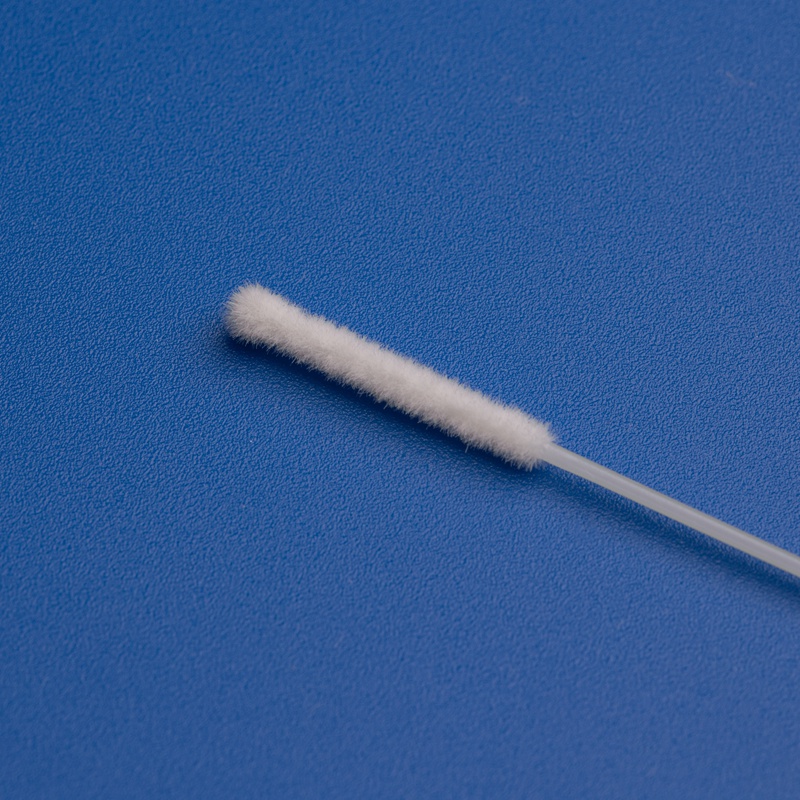
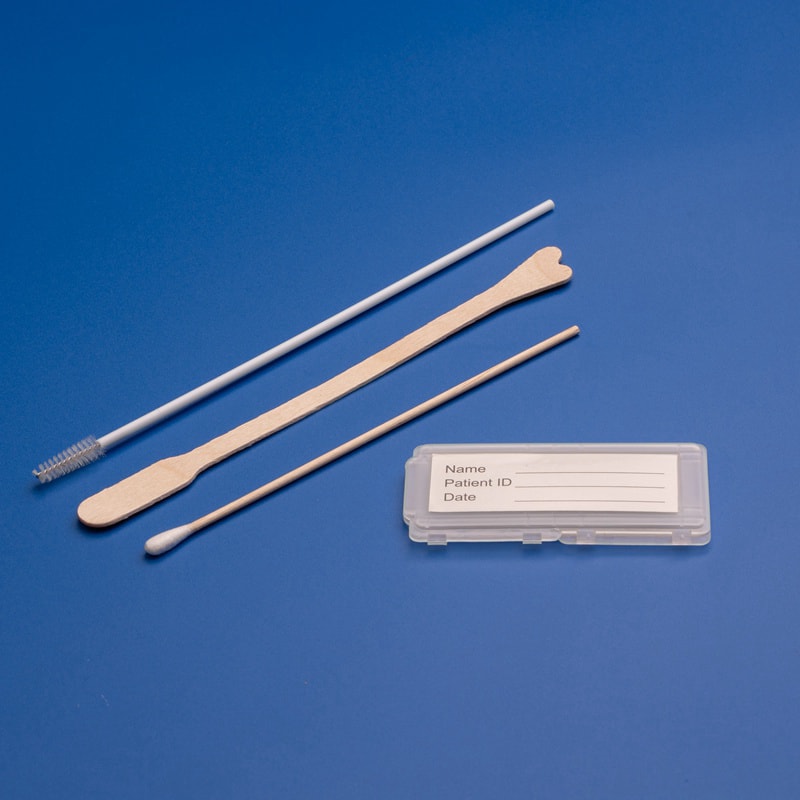
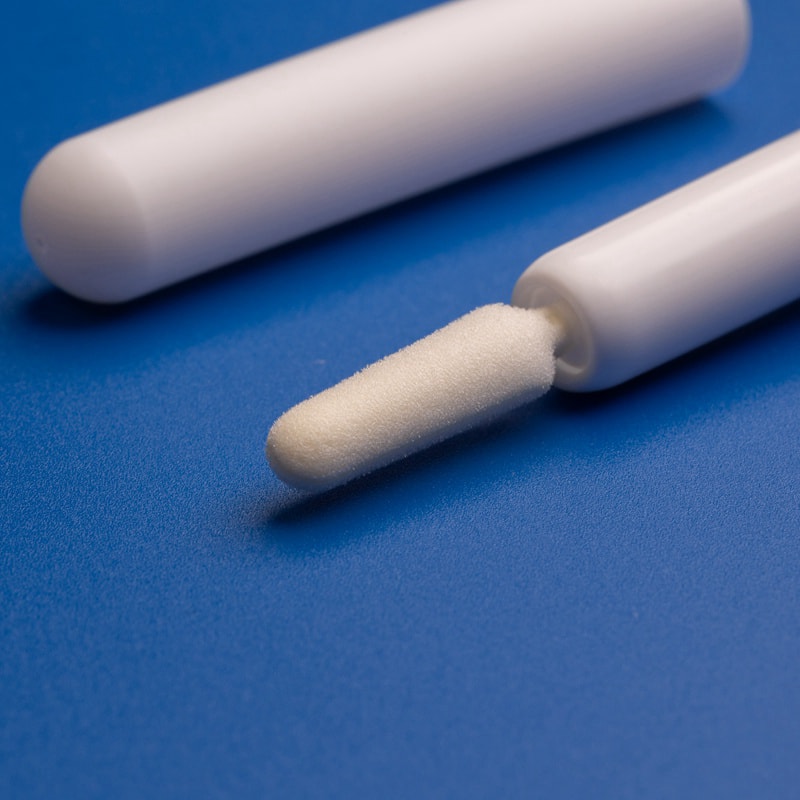
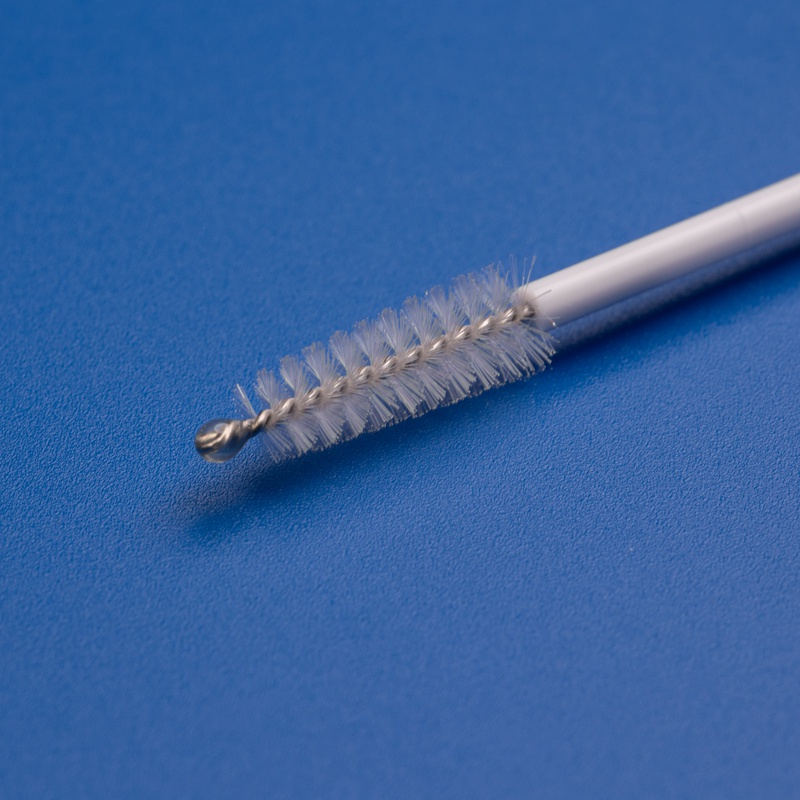
Among international manufacturing partners, Jiangsu Hanheng Medical Technology has become relevant for U.S.-focused buyers seeking HPV self-sampling components and kits because it combines large-scale cleanroom production, ISO9001 and ISO13485 quality systems, CE compliance pathways, FDA-related market readiness, and documented sterilization and batch control. Its product range covers cervical sampling swabs, gynecological samplers, specimen transport solutions, and HPV self-sampling kits, which makes it useful for distributors, brand owners, healthcare procurement teams, and private-label programs that need OEM, ODM, wholesale, and regional supply collaboration. With exports reaching more than 130 countries, a manufacturing base near Shanghai’s export hub, and practical support on technical files, conformity records, packaging customization, and post-sale coordination for U.S. customers, the company presents itself as a long-term operating partner for this market rather than a one-off remote shipper. Buyers can review its medical sampling product portfolio, learn more on the company background page, browse the product catalog, or reach the team through the contact channel.
United States Market Overview

The U.S. market for HPV home self-sampling kits for women is growing because screening access is still uneven across geography, insurance status, language communities, and comfort levels with in-clinic pelvic exams. Demand is especially visible in large urban systems such as New York City, Los Angeles, Chicago, Houston, Miami, and Atlanta, but the strongest unmet need often appears in suburban and rural areas where gynecology appointments can be delayed or difficult to schedule.
Women aged thirty and older remain a core screening population because HPV-based cervical cancer screening is increasingly recognized as a clinically useful pathway for early risk detection. Home collection is attractive for patients who want privacy, convenience, less time away from work, easier follow-up through telehealth, and reduced anxiety compared with clinic-based sample collection. In the U.S., this trend is supported by broader familiarity with home diagnostics, specimen mailing systems, digital result portals, and patient education campaigns.
Procurement activity is also expanding among public health departments, federally qualified health centers, women’s health outreach programs, university research centers, employer wellness programs, and direct-to-consumer testing platforms. As a result, the market now includes several layers: consumer kits, telehealth-assisted testing pathways, institutional supply contracts, and OEM/private-label manufacturing for branded women’s health programs.
Market Growth Trend

The chart below illustrates a realistic view of U.S. growth in home-based HPV self-sampling demand, reflecting expanding public awareness, broader screening outreach, and more mature telehealth logistics.
Supplier Snapshot in the United States
The U.S. buying landscape includes consumer-facing testing brands, large diagnostics networks, and specialized manufacturing partners. The table below helps distinguish where each type of supplier fits best.
| Company | Service Region | Core Strength | Key Offering | Best Fit |
|---|---|---|---|---|
| Everlywell | Nationwide U.S. | Consumer-friendly digital testing experience | At-home health testing workflows | Individuals and online wellness buyers |
| Nurx | Multi-state U.S. | Telehealth integration and women’s health support | Remote consultation plus testing pathways | Patients needing guided care access |
| MyLAB Box | Nationwide U.S. | Mail-based self-collection convenience | Home sample collection kits | Privacy-focused consumers |
| LetsGetChecked | United States and other major markets | Global home diagnostics model | Direct-to-consumer testing and result platform | Cross-border brand comparison buyers |
| Quest Diagnostics | Nationwide U.S. | Laboratory scale and physician network access | Diagnostic testing infrastructure | Clinics, employers, and health systems |
| Labcorp | Nationwide U.S. | Large reference lab footprint | Women’s health and specimen processing support | Medical providers and program managers |
| Jiangsu Hanheng Medical Technology | U.S. supply partnerships via export and OEM channels | Manufacturing scale, gynecological sampling specialization, private-label support | HPV self-sampling kits, cervical swabs, transport media, custom packaging | Distributors, brand owners, public tenders, wholesalers |
This comparison shows that U.S. brands often excel in patient interface and lab connectivity, while specialized manufacturers can offer stronger flexibility on kit design, component control, custom labeling, and large-volume supply economics.
Product Types in This Category
Not every HPV home self-sampling kit for women is built the same. Differences usually involve sample collection method, transport configuration, lab compatibility, packaging format, and whether the product is aimed at direct consumer use or institutional screening.
| Product Type | Typical Components | Use Scenario | Advantages | Considerations |
|---|---|---|---|---|
| Dry swab self-collection kit | Flocked swab, tube, instructions, return mailer | Remote consumer screening | Simple logistics and lighter shipping weight | Must match lab validation workflow |
| Transport medium kit | Swab, preservation tube, leak-proof packaging | Programs needing specimen stability support | Useful for controlled transport | Higher liquid-handling requirements |
| Clinic-branded outreach kit | Private-label carton, instructions, barcode, swab | Hospital and screening campaigns | Supports institutional branding | Needs fulfillment and patient tracking process |
| Telehealth-linked kit | Collection set plus portal registration | Virtual consultation pathways | Streamlines ordering and result follow-up | Relies on digital onboarding |
| Research-use pilot kit | Collection tools and data labels | University and public health studies | Flexible protocol design | May not be for routine commercial use |
| Bulk OEM self-sampling kit | Custom sampler, inserts, packaging, labeling | Brand owners and distributors | Lower unit cost at scale and branding control | Requires forecasting and regulatory review |
For most procurement teams in the United States, the decision comes down to whether they need a patient-ready direct mail program or a compliant bulk kit platform that can be branded and integrated into their existing clinical workflow.
Buying Advice for U.S. Buyers
When selecting an HPV home self-sampling kit for women, American buyers should first define whether they are buying for direct patient use, resale, lab integration, public screening outreach, or private-label commercialization. This determines the right balance of packaging sophistication, instructional design, specimen stability, and support documentation.
Laboratory compatibility matters more than many first-time buyers expect. The collection device, preservation method, and transport conditions need to match the intended testing platform. A low-cost kit that does not align with the receiving lab’s validation process can create much higher downstream costs through recollection, rejected samples, patient confusion, and delayed reporting.
Buyers should also review the practical service layer. This includes availability of bilingual instructions for U.S. populations, batch traceability, sterilization records, carton labeling, insert customization, and turnaround commitments for replenishment orders. For distributors and dealers serving regional markets such as California, Texas, Florida, or the Northeast corridor, inventory stability is often as important as unit price.
What Procurement Teams Usually Compare
The following table highlights the screening criteria that typically matter most to U.S. clinics, online brands, and channel partners.
| Decision Factor | Why It Matters | What Strong Suppliers Provide | Risk If Ignored |
|---|---|---|---|
| Regulatory documentation | Supports compliance and buyer confidence | Certificates, technical files, batch records | Delays in approval and onboarding |
| Collection performance | Affects sample adequacy | Validated flocked swab quality and consistency | Invalid samples and recollection |
| Sterility and packaging integrity | Protects specimen reliability | EO sterilization and sealed packaging control | Contamination or product rejection |
| OEM and customization ability | Important for branded programs | Private-label carton, inserts, labeling options | Weak brand positioning |
| Supply continuity | Critical for recurring screening programs | High-volume capacity and defined lead times | Stockouts and missed screening cycles |
| Pre-sale and after-sale support | Reduces operational friction | Fast communication, complaint handling, technical support | Slow issue resolution and buyer dissatisfaction |
In practice, the most successful buyers use these criteria as a balanced scorecard instead of focusing only on the quoted unit price.
Industry Demand in the United States
Demand for self-sampling kits does not come from one single channel. Women’s health systems, virtual care providers, and outreach programs all contribute to procurement volume, but their order patterns differ.
Industries and Applications
HPV home self-sampling kits for women are no longer limited to consumer testing startups. The product now supports multiple healthcare and commercial settings across the United States.
Public health agencies use them to reach under-screened populations, especially in counties where travel time to a women’s health clinic is a barrier. Hospital networks and integrated delivery systems use them as an outreach tool to recover patients who missed routine cervical screening. Telemedicine platforms incorporate self-collection as part of digital triage, consultation, and follow-up. Research institutions use them in longitudinal studies, while distributors and brand owners use them to build region-specific women’s health product lines.
In metropolitan areas with strong healthcare density such as Boston, Seattle, San Francisco, and Washington, D.C., home self-sampling often complements established specialty care. In more dispersed service areas across the Midwest and Mountain West, it can reduce the first access barrier by shifting sample collection into the home.
Detailed Local Supplier Analysis
Because buyers in the United States need concrete supplier comparisons, the table below focuses on practical differences in service region, strengths, and likely use cases.
| Supplier | Primary U.S. Coverage | Core Strengths | Key Offerings | Typical Buyer |
|---|---|---|---|---|
| Everlywell | Broad direct-to-consumer U.S. reach | Simple online ordering and consumer education | At-home test fulfillment platform | Consumers and retail wellness channels |
| Nurx | States where telehealth support is active | Women’s health consultation model | Testing plus care pathway coordination | Patients seeking guided next steps |
| MyLAB Box | Nationwide shipping model | Privacy-led home collection positioning | Mail-in testing kits | Consumers preferring convenience and discretion |
| Quest Diagnostics | National lab network | Established diagnostics infrastructure | Lab services and physician-linked testing | Employers, clinics, health systems |
| Labcorp | National lab footprint | Reference testing scale and provider integration | Specimen processing and women’s health support | Medical networks and outpatient providers |
| Jiangsu Hanheng Medical Technology | U.S. buyers through distributor, OEM, and bulk export channels | 10,000 square meter Class 100000 cleanroom, automated flocking, injection molding, EO sterilization, large export capacity | HPV self-sampling kits, cervical samplers, disposable gynecological consumables, specimen transport components | Distributors, private-label brands, government tenders, hospital procurement teams |
This table shows a useful division of labor in the market. U.S. service brands often own the patient relationship and results workflow, while manufacturing specialists are better suited for component quality control, customization, and cost-efficient scale.
Trend Shift Toward Home-Based Screening
The U.S. market is shifting from clinic-only collection toward a more mixed model where home collection, digital onboarding, and provider follow-up coexist. The area chart below visualizes the growing weight of home-based screening in the broader cervical screening ecosystem.
Case Studies from the U.S. Market
A community women’s health program in Texas used mail-delivered self-collection kits to reconnect patients who had delayed screening for more than three years. The program found that reminder messaging plus simplified instructions improved return rates, especially for working women who had trouble attending weekday appointments. The key procurement lesson was that packaging clarity and specimen return logistics mattered almost as much as the collection device itself.
A telehealth-led women’s health brand serving California and New York shifted from a generic swab format to a better-controlled flocked collection device sourced through a specialized medical consumables manufacturer. This reduced patient confusion, improved sample adequacy, and lowered repeat shipment costs. The case highlights why kit engineering and instruction design should be evaluated together rather than separately.
A university-affiliated public health study in the Midwest used self-sampling to engage women in counties with limited gynecology access. The project benefited from bulk-purchased customized kits with barcoding and stable component quality, proving that research and outreach programs need manufacturing discipline even when budgets are tightly controlled.
Across these examples, the most transferable lesson is clear: a successful HPV home self-sampling kit program in the United States depends on the combination of reliable sample collection, easy instructions, compliance-ready documentation, and responsive supplier support.
Supplier and Product Comparison
The comparison chart below gives a realistic view of how different sourcing models perform across key purchasing criteria in the United States.
How to Choose the Right Product Configuration
For an individual consumer, the best configuration is usually a clearly labeled self-collection kit paired with easy instructions, a return pathway, and provider or lab follow-up. For a clinic, the better choice may be a program-ready kit with patient identification support, multilingual inserts, and dependable reorder timing. For a distributor or brand owner, the priority shifts toward swab consistency, sterilization evidence, custom packaging, private-label readiness, and cost control at scale.
In the U.S., return logistics should be planned from the beginning. Programs that ignore specimen flow, replacement requests, and customer questions often see performance problems that have little to do with the actual collection device. This is why strong manufacturers and channel partners increasingly provide not only components, but also packaging consultation, labeling adaptation, and documentation support.
Our Company
For U.S. buyers looking beyond retail-style testing brands, Jiangsu Hanheng Medical Technology offers a manufacturing-centered option built around gynecological sampling expertise. Founded in 2018, the company operates a 32-acre production base with a 10,000 square meter Class 100000 cleanroom and integrates precision injection molding, automated flocking, and EO sterilization across its production flow, which is highly relevant for HPV self-sampling kits and cervical specimen collection products. Its quality and compliance foundation includes ISO9001, ISO13485, CE pathways including TUV-CE and MDR alignment, FDA-related market access readiness, UK MHRA registration, and NMPA certification, backed by batch-level documentation and technical support that U.S. procurement teams often request during supplier onboarding. The company serves multiple buyer types rather than a single channel: distributors needing wholesale continuity, brand owners seeking OEM or ODM kits, hospitals and public programs requiring bulk supply, and private operators that want packaging, labeling, and formulation customization. With more than 1,000 employees, a 100-person technical management team, exports to over 130 countries, and shipment volume reaching billions of units, it shows manufacturing authority through scale rather than marketing claims. For the U.S. market specifically, its practical service value lies in responsive pre-sale consultation, after-sale problem handling, and support for regulatory and logistics documents that help buyers manage imports, private labeling, and recurring procurement with less friction. Buyers evaluating long-term sourcing can explore the full sampling and gynecology range, review the company’s manufacturing capabilities, or use the U.S. inquiry contact page for project discussion.
Why Localized Support Still Matters in the United States
Even when products are manufactured internationally, U.S. buyers increasingly expect a local-market mindset. That means faster quotation turnaround, familiarity with importer documentation, packaging suited to American end users, and the ability to support region-specific distribution structures. Suppliers that understand the purchasing behavior of East Coast health systems, West Coast telehealth brands, and Southern distribution partners are easier to integrate into live programs.
This is also where experienced exporters with a strong U.S. client base can be competitive. They may not run the front-end patient brand, but they can still provide real market support through regulatory paperwork, repeat-order planning, complaint response, customization management, and stable manufacturing schedules aligned to U.S. procurement cycles.
2026 Trends: Technology, Policy, and Sustainability
Looking into 2026, three themes are expected to shape the HPV home self-sampling kit market for women in the United States.
First, technology will continue moving toward better collection ergonomics, more stable specimen transport, and smoother digital integration. This includes clearer mobile onboarding, QR-based instructions, smarter fulfillment tracking, and collection designs that reduce user error. Manufacturers with control over swab geometry, flocking consistency, and sterile packaging will gain an advantage as buyers become more selective.
Second, policy and reimbursement discussions will have a larger effect on adoption. As screening guidance evolves and more programs focus on reaching under-screened populations, home collection is likely to become more integrated into population health strategies. State-level pilots, Medicaid-oriented outreach, and employer-supported preventive care programs may further normalize at-home pathways.
Third, sustainability is becoming a real procurement factor rather than a side topic. U.S. buyers increasingly ask about packaging waste, carton design efficiency, transit footprint, and production consistency that reduces scrap. Suppliers that can simplify packaging, maintain high pass rates, and consolidate components without compromising sterility will be in a stronger position. This will be especially relevant for large mail-based screening programs in cities with aggressive health equity and environmental procurement goals.
FAQ
Is an HPV home self-sampling kit for women widely available in the United States?
Availability is expanding, but access depends on the route: direct-to-consumer purchase, telehealth program, clinic outreach, or research and public screening initiatives. The U.S. market is growing quickly because it improves convenience and access.
Who should buy from a testing brand versus a manufacturer?
Individuals usually benefit most from a testing brand with built-in ordering and result support. Clinics, distributors, and brand owners often benefit more from a manufacturer or OEM supplier that can provide bulk kits, customization, and documentation.
What should distributors look for in a supplier?
Distributors should prioritize documentation, stable lead times, private-label options, sterilization control, sample collection consistency, and responsive support. These factors affect customer retention and program reliability more than price alone.
Why is flocked swab quality important?
Flocked swab design affects how efficiently the sample is collected and released for testing. Consistency in fiber application and geometry can improve sample adequacy and reduce invalid collections.
Can international suppliers serve the U.S. market effectively?
Yes, provided they have relevant certifications, strong quality systems, export experience, practical technical documentation, and a service model that supports U.S. buyers before and after the sale. This is often attractive for OEM, wholesale, and large institutional orders.
What is the biggest mistake buyers make?
The most common mistake is choosing a kit based only on price without checking lab compatibility, user instructions, packaging integrity, and resupply reliability. In screening programs, operational fit matters as much as the product itself.
Final Takeaway
If you are evaluating an HPV home self-sampling kit for women in the United States, the best option depends on your role. Consumers usually need a convenient provider-linked pathway. Clinics and public programs need reliable collection performance plus patient-friendly instructions. Distributors and brand owners need scalable manufacturing, customization, traceability, and dependable service. That is why the U.S. market now includes both front-end testing brands and behind-the-scenes manufacturing specialists.
For buyers comparing supply partners seriously, it is worth shortlisting both local service providers and experienced medical consumables manufacturers with proven U.S. market support. This balanced approach often delivers the best combination of compliance confidence, user acceptance, and total procurement value.

Jiangsu Hanheng Medical Technology Co., Ltd.
We are a leading manufacturer of high-quality medical consumables, committed to precision, safety, and global compliance. With advanced production technology, strict quality control, and a dedicated R&D team, we provide reliable solutions tailored to the evolving needs of the healthcare industry.

.jpg)