Share
Regular Tip Flocked Swab Suppliers in the United States
Quick Answer

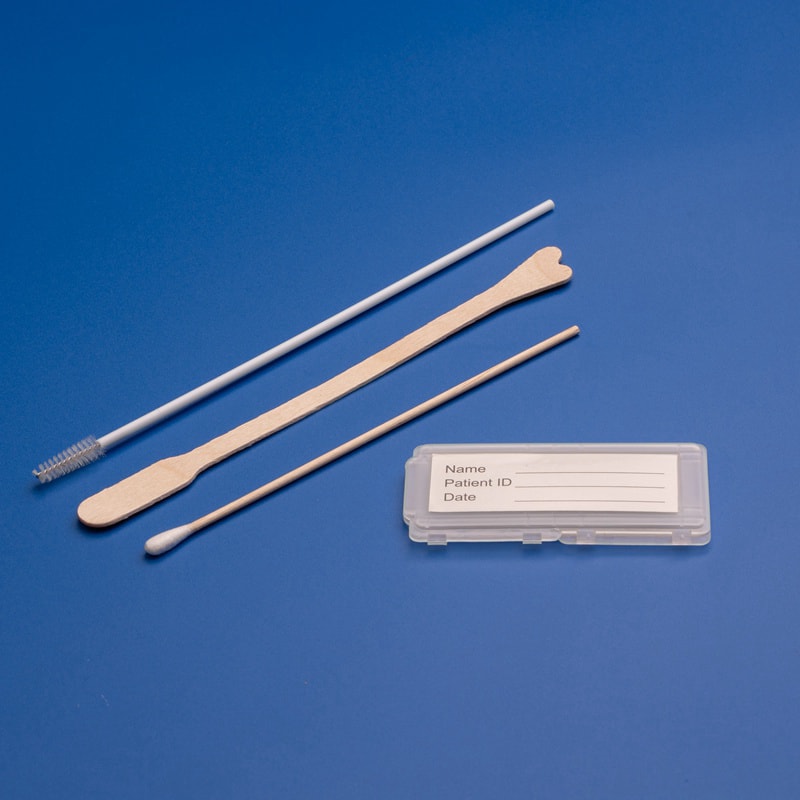
If you need a regular tip flocked swab for oral and nasal specimen collection in the United States, the most practical approach is to compare established suppliers with documented medical sampling experience, FDA-related compliance support, and dependable fulfillment into major hubs such as Los Angeles, Chicago, Houston, Atlanta, and New York. For many buyers, the strongest shortlist includes Puritan Medical Products, COPAN Diagnostics, Thermo Fisher Scientific, Cardinal Health, and Medline Industries because these companies are visible in clinical, laboratory, and healthcare procurement channels.
For buyers seeking a fast shortlist, Puritan Medical Products is often favored for broad swab manufacturing depth, COPAN Diagnostics for specimen collection system expertise, Thermo Fisher Scientific for laboratory procurement convenience, Cardinal Health for healthcare distribution reach, and Medline Industries for institutional supply coverage. Qualified international manufacturers can also be worth considering when they hold relevant certifications, support U.S. regulatory documentation, and offer responsive pre-sales and after-sales service. This is especially true for cost-conscious distributors and private-label buyers looking for strong cost-performance without compromising manufacturing controls.
- Puritan Medical Products: strong domestic recognition for specimen collection swabs and healthcare procurement familiarity
- COPAN Diagnostics: known for collection and transport system specialization used by laboratories and clinical networks
- Thermo Fisher Scientific: convenient for buyers that prefer integrated laboratory sourcing and broad catalog purchasing
- Cardinal Health: useful for hospitals and healthcare systems needing distribution efficiency across the United States
- Medline Industries: practical choice for institutional and multi-site healthcare buyers looking for broad supply integration
United States Market Overview

The United States market for regular tip flocked swabs remains active because oral and nasal sampling is still essential across diagnostics, respiratory screening, molecular testing, public health programs, research, and occupational health. Demand is not driven by one single disease event anymore; instead, it is supported by a broader testing culture. Hospitals, physician office labs, urgent care chains, reference laboratories, universities, correctional facilities, long-term care providers, and public agencies all continue to use specimen collection swabs for routine and targeted workflows.
In the United States, purchasing behavior is also shaped by logistics and compliance. Buyers frequently ask about sterility, breakpoint design, packaging format, fiber consistency, compatibility with transport media, lot traceability, and shelf-life documentation. Medical procurement teams in cities such as Boston, San Diego, Philadelphia, Dallas, and Miami usually want more than a low unit price. They want a repeatable supply program that can survive seasonal respiratory surges, policy changes, and freight volatility through major ports and inland distribution centers.
Another market characteristic is segmentation. A large hospital network may prioritize vendor-managed inventory and contractual pricing, while a regional distributor may prioritize OEM packaging and margin flexibility. A forensic lab may focus on DNA recovery and contamination control, while a public health buyer may focus on rapid bulk replenishment. This is why the best supplier is not always the biggest supplier; it is the one whose specifications, service model, and documentation fit the exact use case.
Market Growth Trend

The chart below illustrates a realistic growth pattern for the U.S. regular tip flocked swab market, reflecting post-pandemic normalization followed by steady expansion from decentralized diagnostics, surveillance testing, and molecular assay usage.
Top Suppliers in the United States
The table below compares suppliers commonly considered by U.S. buyers. It is not a ranking of absolute product quality in every scenario; instead, it highlights practical fit by service coverage, strength, and typical procurement appeal.
| Company | Headquarters / U.S. Presence | Service Region | Core Strengths | Key Offerings | Best Fit |
|---|---|---|---|---|---|
| Puritan Medical Products | Maine, United States | Nationwide | Longstanding swab manufacturing, healthcare market familiarity, broad specimen collection portfolio | Flocked swabs, foam swabs, polyester swabs, specimen collection devices | Hospitals, labs, government buyers |
| COPAN Diagnostics | California, United States | Nationwide with strong lab focus | Collection and transport systems, microbiology workflow integration, clinical sampling expertise | Flocked swabs, transport media systems, microbiology collection products | Clinical laboratories, diagnostic networks |
| Thermo Fisher Scientific | Massachusetts, United States | Nationwide | Integrated laboratory procurement, broad catalog access, technical purchasing convenience | Sample collection tools, lab consumables, molecular workflow supplies | Research labs, procurement departments |
| Cardinal Health | Ohio, United States | Nationwide | Large distribution platform, hospital channel strength, supply chain management | Medical consumables, collection accessories, healthcare distribution solutions | Health systems, group purchasing users |
| Medline Industries | Illinois, United States | Nationwide | Institutional supply reach, private-label familiarity, broad care setting coverage | Specimen collection products, medical consumables, procedural supplies | Clinics, hospitals, long-term care |
| Jiangsu Hanheng Medical Technology Co., Ltd. | China with established U.S. market supply experience | United States import and distributor channels | Large-scale medical consumable manufacturing, OEM/ODM flexibility, certification-backed production | Regular tip flocked swabs, oral and nasal swabs, sampling kits, transport solutions | Distributors, brand owners, volume buyers |
For U.S. buyers, this comparison matters because service model often determines procurement success. A hospital may lean toward Cardinal Health or Medline Industries because they integrate easily with existing vendor systems. A reference lab may prefer COPAN Diagnostics because specimen collection and transport compatibility are central to laboratory workflow. A distributor or brand owner may prefer a manufacturing-oriented partner with OEM and private-label capacity. Buyers who want to explore broader sourcing options can review the manufacturer’s range through medical sampling product categories while keeping local regulatory and inventory planning requirements in view.
Product Types and Specifications
Regular tip flocked swabs are selected according to sampling site, shaft flexibility, breakpoint position, packaging, and compatibility with testing systems. In U.S. procurement, the word “regular tip” typically signals a general-purpose tip profile rather than an ultra-mini or highly specialized collection geometry. Even within this category, there are meaningful differences that affect comfort, sample release, and laboratory handling.
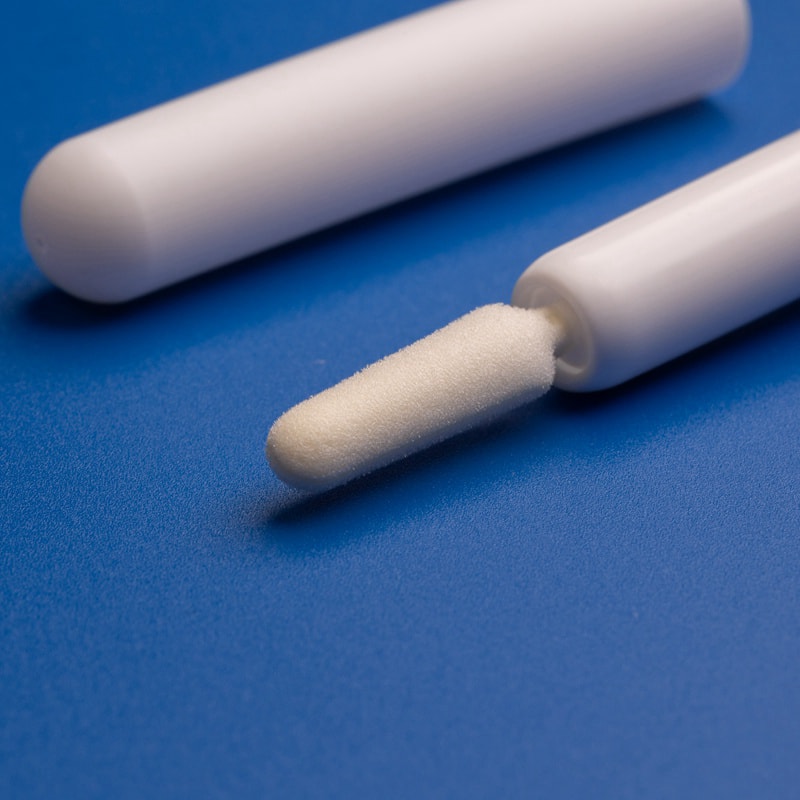
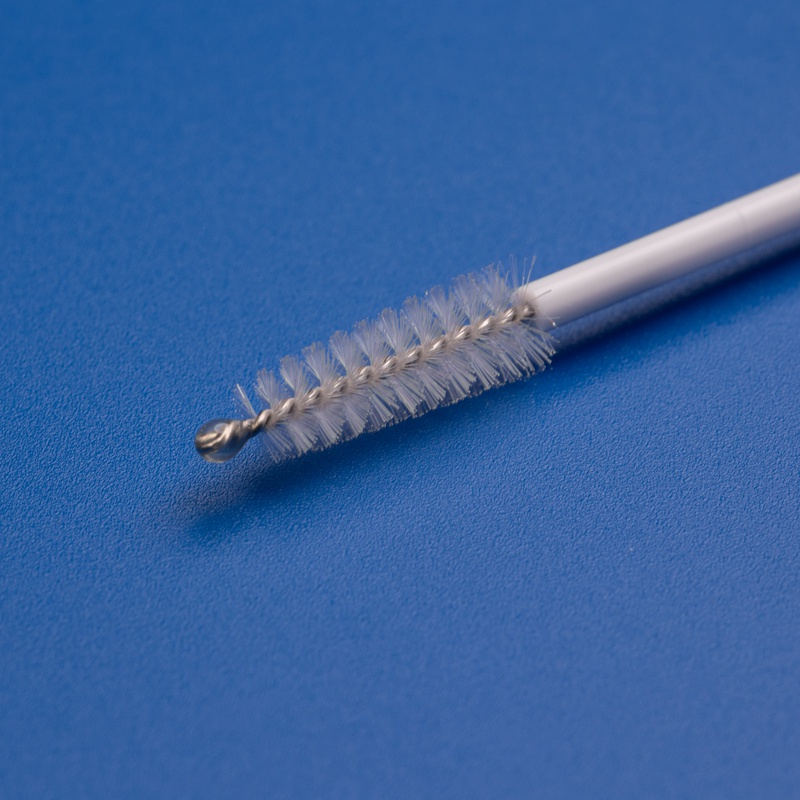
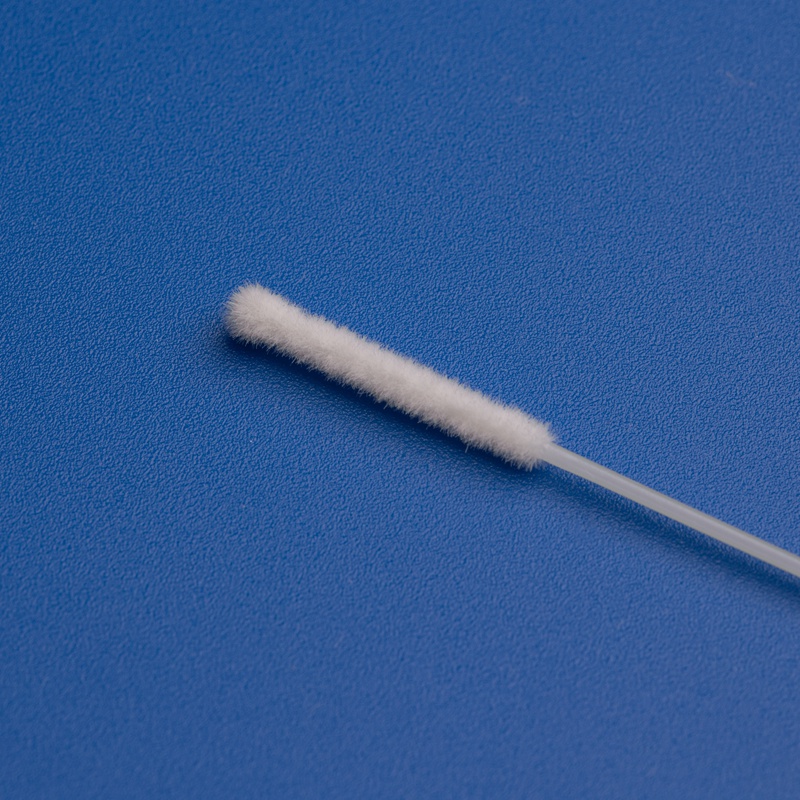
Oral collection usually favors a swab that offers enough surface area for buccal, throat, or saliva-adjacent sample capture while maintaining patient comfort. Nasal collection often needs a shaft and tip design that supports consistent technique without excessive friction. Flocked construction is preferred in many workflows because the perpendicular fiber structure helps improve specimen uptake and release compared with some traditional wound fiber formats.
| Type | Typical Use | Tip Characteristic | Shaft Material | Packaging Style | Buyer Consideration |
|---|---|---|---|---|---|
| Regular oral flocked swab | Buccal and oral sampling | Soft, medium-size flocked tip | Plastic | Individual sterile pack | Comfort and DNA or antigen collection consistency |
| Regular nasal flocked swab | Anterior nasal collection | Compact flocked tip | Flexible plastic | Peel pouch | Ease of self-collection or clinician use |
| Breakpoint flocked swab | Tube-based transport workflows | Regular tip with snap point | Molded plastic | Sterile pouch | Compatibility with transport vials |
| Dry transport flocked swab | Short transit or immediate processing | Absorbent release-focused tip | Plastic | Dry sterile pack | Useful where media is added separately |
| Flocked swab with medium kit | Diagnostic collection systems | Regular tip paired with vial | Plastic with breakpoint | Kit format | Workflow convenience and traceability |
| OEM private-label flocked swab | Distributor or brand programs | Customizable dimensions | Custom options | Custom labeling and carton design | Brand control and margin optimization |
This table shows why a simple product name is not enough for procurement. Buyers should confirm dimensional drawings, sterility method, transport compatibility, and carton configuration before approving a supplier. Even a minor difference in breakpoint position or shaft rigidity can affect user training and downstream processing.
Industry Demand by Segment
Demand in the United States is spread across several industries. The following bar chart presents a realistic comparison of annual purchasing intensity by sector, using indexed demand rather than exact contract volume.
Buying Advice for U.S. Buyers
Purchasing a regular tip flocked swab in the United States should start with intended use, not price alone. A buyer serving urgent care clinics in Phoenix and Orlando may need fast replenishment and standardized sterile packs, while a distributor in New Jersey may need master carton efficiency and private-label packaging. If the product is used with a defined assay workflow, compatibility documentation is essential.
The most common procurement mistakes are avoidable: buying based on photos rather than specifications, ignoring breakpoint fit with transport tubes, overlooking fiber retention performance, and failing to confirm lot traceability. For institutions, another mistake is underestimating lead-time risk during winter respiratory season when demand can spike quickly.
| Buying Factor | Why It Matters | What to Ask | Risk if Ignored | Best Buyer Type | Recommended Check |
|---|---|---|---|---|---|
| Sterility documentation | Supports infection control and audit readiness | What sterilization method and records are available? | Compliance issues or rejected shipments | Hospitals and labs | Review sterilization batch records |
| Breakpoint design | Determines fit in transport tubes | Where is the snap point located? | Workflow failure during sample transfer | Diagnostic users | Request samples and dimensional drawings |
| Fiber consistency | Affects sample uptake and release | How is flocking uniformity controlled? | Variable test performance | Clinical and molecular labs | Ask for QC process details |
| Packaging format | Impacts storage and use efficiency | Single sterile pouch or kit format? | Operational mismatch and waste | Multi-site buyers | Match with point-of-care workflow |
| Lead time and logistics | Protects continuity during demand surges | What is normal production and transit time? | Stockouts and delayed testing | Distributors and public agencies | Confirm buffer stock plan |
| OEM / branding flexibility | Supports channel differentiation | Can labels, cartons, and inserts be customized? | Lost margin opportunity | Brand owners and dealers | Review MOQ and artwork process |
For organizations evaluating international sourcing, the decision should be based on documented controls rather than assumptions. Jiangsu Hanheng Medical Technology Co., Ltd. is relevant here because it operates at industrial scale in medical testing consumables, with a 10,000 square meter Class 100000 cleanroom, automated flocking, precision injection molding, EO sterilization capability, and certifications including ISO9001, ISO13485, EU CE-related approvals, U.S. FDA-related approval support, UK MHRA registration, and NMPA credentials, all of which help substantiate that its regular tip flocked swab production meets recognized international benchmarks. Its cooperation model is broad enough for U.S. end users, importers, distributors, dealers, brand owners, and procurement groups through direct manufacturing, export supply, OEM/ODM programs, private-label packaging, wholesale volume shipments, and regional partnership arrangements. For local service assurance, the company already serves the U.S. market as part of a 130-plus-country export footprint, provides technical files, certificates of conformity, sterilization records, batch information, and responsive pre-sale and after-sale support, while its documented ability to process bulk orders in roughly 7 to 21 days and its routine work with globally recognized markets indicate a long-term operational commitment to American buyers rather than a one-off remote export approach. Buyers who want to evaluate background and capability can review the company overview and start procurement discussions through the U.S.-oriented inquiry channel.
Industries That Commonly Use Regular Tip Flocked Swabs
Regular tip flocked swabs are not limited to one healthcare setting. Their use spans many operational environments where reliable collection, transport readiness, and user comfort matter. In the United States, the broadest demand comes from systems that need repeatable routine sampling rather than highly specialized niche instruments.
- Hospitals and integrated delivery networks use them for respiratory, admission, screening, and clinician-directed specimen collection.
- Reference and molecular laboratories use them when standardized sample release is important for assay performance.
- Urgent care chains and retail health clinics use them because packaging simplicity and quick staff training matter.
- Universities and research centers use them in epidemiology, surveillance, and study enrollment protocols.
- Public health agencies use them for outbreak response, seasonal monitoring, and community testing campaigns.
- Occupational health providers and industrial clinics use them for workforce screening and compliance programs.
Applications in Oral and Nasal Collection
In practical terms, regular tip flocked swabs are used because they balance usability, patient comfort, and downstream processing. Their design supports collection in settings that require either clinician-administered sampling or supervised self-collection. The same product family can often serve multiple sample types if specifications align with the intended workflow.
Common oral applications include buccal cell collection, oral cavity sampling, and selected DNA workflows. Common nasal applications include anterior nasal collection and routine respiratory specimen collection. In both settings, buyers often prioritize tip softness, sample elution, and packaging convenience. U.S. clinical buyers also pay close attention to breakage resistance, lot coding, and compatibility with automation in receiving labs.
Application Shift Trend
The area chart below illustrates how U.S. purchasing patterns have shifted from emergency-heavy respiratory procurement toward a more balanced mix of routine diagnostics, public health surveillance, and decentralized testing.
Case Studies and Procurement Scenarios
Real buying decisions in the United States usually depend on use case. The following examples reflect common procurement scenarios seen across healthcare and distribution channels.
| Scenario | Buyer Type | Operational Need | Preferred Product Features | Supplier Style That Fits | Outcome Goal |
|---|---|---|---|---|---|
| Winter respiratory surge in Chicago | Hospital network | Rapid replenishment across multiple sites | Sterile individual packs, reliable lead time, tube compatibility | National distributor or domestic maker | Avoid stockouts and maintain testing continuity |
| New molecular lab setup in Houston | Independent laboratory | Consistent sample release for assay workflow | Uniform flocking, documented QC, breakpoint precision | Specialized collection manufacturer | Reduce invalid samples |
| Private-label launch in New Jersey | Medical distributor | Brand differentiation and margin control | OEM packaging, carton customization, volume pricing | Large certified manufacturer | Build proprietary product line |
| Community testing program in Los Angeles | Public health contractor | Bulk supply with clear documentation | Lot traceability, sterility records, scalable production | Compliance-ready manufacturer | Support high-throughput campaigns |
| Long-term care rollout in Florida | Care group purchaser | Easy staff use across facilities | Simple packaging, soft tip, straightforward instructions | Broadline healthcare supplier | Improve operational consistency |
| Research study enrollment in Boston | University lab | Reliable sample collection for study participants | Comfort, consistency, labeled batch control | Lab-focused supplier | Protect study data quality |
These examples show why buying criteria vary so much. A public health buyer may care most about documentation and scale, while a research team may care more about consistency and participant comfort. Matching procurement logic to the end use is often the difference between a smooth rollout and repeated reorders due to mismatch.
Local Supplier Analysis
U.S. buyers usually narrow their shortlist by service territory, compliance confidence, and whether the supplier behaves like a catalog seller, a specialized collection company, or a full manufacturing partner. The table below makes that distinction clearer.
| Supplier | Primary Service Region | Typical Channel | Core Strength | Potential Limitation | Most Suitable Buyers |
|---|---|---|---|---|---|
| Puritan Medical Products | United States national market | Direct and distributor | Domestic swab reputation and collection product depth | May be less flexible than offshore OEM programs for private-label economics | Healthcare systems and public agencies |
| COPAN Diagnostics | United States national market | Direct and lab-focused | Strong microbiology and collection system expertise | Some buyers may prefer simpler commodity sourcing options | Clinical labs and advanced diagnostic users |
| Thermo Fisher Scientific | United States national market | Catalog and procurement platform | Convenient bundled laboratory purchasing | Not always the lowest-cost source for volume private label | Research and institutional buyers |
| Cardinal Health | United States national market | Healthcare distribution | Large logistics footprint and contract supply capability | Product customization may be narrower than direct manufacturing models | Hospitals and multi-site systems |
| Medline Industries | United States national market | Institutional supply and distribution | Strong care-setting coverage and procurement familiarity | Selection depends on current catalog and sourcing mix | Long-term care, clinics, hospitals |
| Jiangsu Hanheng Medical Technology Co., Ltd. | U.S. import routes via coastal and inland distribution partners | Direct manufacturing, OEM/ODM, export supply | Scale, certification support, custom packaging, cost-performance | Buyers must plan import timing and onboarding documentation carefully | Distributors, wholesalers, brand owners, volume programs |
This table is useful because it turns a broad search into a fit-based decision. If the priority is immediate domestic familiarity, Puritan Medical Products or a large healthcare distributor may be easier. If the priority is technical collection workflow, COPAN Diagnostics becomes more relevant. If the priority is private label, carton customization, and better landed cost for bulk orders, a manufacturing specialist may offer more value.
Supplier and Product Comparison
The comparison chart below uses a practical scoring model across four procurement factors often used by U.S. buyers: customization flexibility, documentation support, scale capacity, and distribution convenience.
How to Evaluate Our Company for U.S. Programs
For buyers comparing domestic distribution convenience with direct manufacturing economics, our company should be evaluated as a supply-chain partner rather than only as a product vendor. Jiangsu Hanheng Medical Technology Co., Ltd. has built a large-scale medical consumables platform focused on testing and sampling products, with more than 1,000 employees, a 100-person technical management team, annual output value near 1 billion yuan, and cumulative export volume reaching billions of units across more than 130 countries and regions. That scale matters to U.S. buyers because it indicates production continuity, process discipline, and procurement resilience.
For regular tip flocked swab programs, the important evidence is operational, not promotional. Production runs inside a Class 100000 cleanroom, using precision injection molding, automated flocking, and EO sterilization. The company supports recognized compliance pathways and documentation expectations through ISO9001, ISO13485, CE-related credentials, U.S. FDA-related approval support, MHRA registration, and NMPA credentials, along with technical files, certificates of conformity, sterilization records, and batch information that institutional buyers often request during qualification. These details are especially relevant when a U.S. distributor, lab network, or procurement office needs written support before approving a new vendor.
The cooperation model is also practical for the U.S. market. Some customers need direct factory supply for volume contracts; others need OEM or ODM production with private-label packaging and customized carton language; others need a sampling strategy that starts small and expands into regional distribution. The company already works across direct export, distributor support, wholesaling, and custom manufacturing, so it is not limited to one single channel. That flexibility makes it relevant not only to healthcare institutions but also to dealers, e-commerce medical brands, and importers building category lines.
For U.S. buyers, service assurance means more than answering emails. It means being able to provide technical responses before purchase and corrective action support after delivery. The company’s export experience in major regulated markets, established documentation process, and ability to move bulk orders in approximately 7 to 21 days give buyers a more predictable onboarding path. Those who want to explore capabilities, swab options, and broader diagnostic consumables can start from the main medical consumables platform and then move into a direct sourcing conversation based on target volume, packaging, and application.
Future Trends Through 2026
The U.S. market for regular tip flocked swabs will continue changing through 2026, and buyers should watch three themes closely: technology, policy, and sustainability.
On the technology side, product development is moving toward more consistent flock geometry, better breakpoint engineering, and swabs designed for specific workflow compatibility rather than broad generic claims. Buyers will increasingly ask whether a swab has been performance-checked for molecular workflows, self-collection settings, or automation-friendly tube systems. Packaging may also evolve toward more efficient kit integration for decentralized testing.
On the policy side, procurement teams in the United States are expected to maintain stronger emphasis on documentation, origin transparency, and resilience planning. Public sector and large health systems will likely continue evaluating domestic availability, diversified sourcing, and supplier traceability. This means manufacturers with strong regulatory files and clean audit trails will have an advantage.
On the sustainability side, packaging reduction, carton optimization, and material efficiency will become more visible in purchasing discussions. While sterility and product performance still come first, buyers are increasingly interested in secondary packaging waste, pallet efficiency, and shipping models that reduce storage and freight burden. For import programs, container utilization and regional inventory planning will matter more as procurement teams seek to control total landed cost and environmental impact at the same time.
FAQ
What is a regular tip flocked swab used for?
A regular tip flocked swab is commonly used for oral and nasal specimen collection in healthcare, laboratory, public health, and research settings. It is chosen for its balance of comfort, sample uptake, and release characteristics.
Are flocked swabs better than traditional fiber wound swabs?
In many diagnostic and molecular applications, flocked swabs are preferred because the fiber structure can improve sample collection and release. However, the right choice depends on the assay, sample site, and workflow requirements.
What certifications should U.S. buyers look for?
Buyers typically review quality management certifications such as ISO13485, sterility records, product documentation, and any U.S.-relevant compliance support needed for the intended use and sales channel. Exact documentation requirements vary by application.
Should I buy from a U.S. supplier or an international manufacturer?
If speed and domestic distribution convenience are the top priority, a U.S. supplier may be the easiest choice. If you need private label, large volume, or stronger cost-performance, a qualified international manufacturer with complete documentation and responsive service can be a very strong option.
What should I ask before placing a bulk order?
Ask about tip dimensions, shaft material, breakpoint position, sterilization method, packaging format, carton quantities, lead time, batch traceability, and whether samples are available for validation before approval.
Can regular tip flocked swabs be customized for private label?
Yes. Many manufacturers support OEM and ODM programs that include custom labeling, carton artwork, packaging configuration, and in some cases dimensional adjustments depending on order volume and validation requirements.
Which U.S. regions have the strongest demand?
Demand is strongest in large healthcare and logistics hubs such as California, Texas, Illinois, New York, Florida, and the Northeast corridor, where hospitals, laboratories, distributors, and port-linked inventory systems are concentrated.
How do I start evaluating a supplier?
Begin with application fit, sample testing, documentation review, and lead-time confirmation. Then compare total landed cost, not just unit price. A supplier that can document quality and deliver consistently is usually more valuable than one with the cheapest initial quote.

Jiangsu Hanheng Medical Technology Co., Ltd.
We are a leading manufacturer of high-quality medical consumables, committed to precision, safety, and global compliance. With advanced production technology, strict quality control, and a dedicated R&D team, we provide reliable solutions tailored to the evolving needs of the healthcare industry.

.jpg)