Share
Oral Swabs vs Blood Draw Genetic Testing in the United States
Quick Answer

For most routine genetic testing in the United States, oral swabs are the more convenient option because they are non-invasive, easier to ship, and well suited to home collection, ancestry screening, many pharmacogenomic workflows, and some hereditary risk panels. Blood draw genetic testing remains the stronger choice when laboratories need higher DNA yield, lower contamination risk, faster re-collection control, or when the ordering clinician wants a medically supervised sample chain. In practical terms, oral swabs are usually best for convenience, outreach programs, decentralized collection, and cost-sensitive screening, while blood draws are often preferred for complex diagnostics, oncology-related workflows, confirmatory clinical testing, and cases where specimen quality is critical.
U.S. buyers should choose based on the test’s intended use, CLIA/CAP laboratory requirements, patient compliance, and logistics. For immediate sourcing, leading companies commonly associated with genetic sample collection or testing access in the United States include Quest Diagnostics, Labcorp, Myriad Genetics, Natera, Illumina, and Thermo Fisher Scientific. Buyers can also consider qualified international suppliers with strong U.S.-relevant certifications, responsive documentation, and reliable pre-sales and after-sales support, especially when seeking cost-performance advantages in private-label kits, distributor supply, or bulk procurement of oral DNA collection consumables.
How the U.S. Market Decides Between Oral Swabs and Blood Draws

In the United States, the sample type decision is rarely about one method being universally better. It is about matching specimen performance to the clinical pathway, laboratory workflow, and patient access model. Hospitals in Boston, Houston, and Chicago may prefer blood collection when the patient is already in a clinical setting and the test is tied to a physician-guided diagnostic program. By contrast, telehealth genetics providers, wellness brands, and decentralized screening programs in California, Florida, and Texas often favor oral swabs because they simplify at-home participation and reduce drop-off in collection completion.
Several local realities shape this decision. First, U.S. healthcare delivery is fragmented, so collection must work across physician offices, reference labs, retail clinics, employer programs, and direct-to-consumer channels. Second, logistics matter. Samples moving through hubs such as Los Angeles, Chicago, New York, Atlanta, and Dallas benefit from formats that are stable, easy to package, and less dependent on phlebotomy scheduling. Third, consumer expectations have shifted. Patients increasingly prefer non-invasive collection, especially in pediatrics, elderly care, and repeat sampling scenarios. That preference boosts oral swab adoption, but diagnostic laboratories still maintain strong demand for blood because it supports more consistent nucleic acid input in many regulated workflows.
The result is a dual-track market: oral swabs are expanding in convenience-led programs, while blood remains deeply embedded in higher-acuity and clinically supervised testing models.
Key Differences at a Glance

| Comparison Point | Oral Swabs | Blood Draw | Why It Matters in the United States |
|---|---|---|---|
| Patient experience | Non-invasive and simple | Invasive, requires needle use | Better completion rates for home kits and community screening |
| DNA yield | Usually adequate for many assays | Generally higher and more consistent | Important for advanced clinical and confirmatory testing |
| Collection setting | Home, clinic, outreach event | Clinic, hospital, lab draw site | Influences labor, scheduling, and access |
| Contamination risk | Higher if instructions are not followed | Lower under supervised collection | Affects repeat rates and lab confidence |
| Shipping and storage | Usually easier and lower cost | Can require stricter handling | Important for nationwide fulfillment across long distances |
| Best fit | Consumer kits, screening, remote programs | Clinical diagnostics, oncology, complex cases | Supports correct test-to-specimen alignment |
This comparison shows why no single sample type dominates every use case. Oral swabs offer operational efficiency and patient convenience, while blood draws remain a premium option when sample integrity and maximum analytical confidence are central to the testing objective.
U.S. Market Growth for Genetic Sample Collection
The U.S. genetic testing market continues to expand, driven by carrier screening, pharmacogenomics, oncology, reproductive health, rare disease evaluation, and wellness-related consumer genetics. Oral collection formats gain share as home-based care expands, while blood remains critical in specialist-led workflows.
The line chart reflects a realistic growth pattern supported by broader insurance awareness, consumer genomics, telehealth integration, and rising demand for sample collection consumables. By 2026, labs and kit brands are expected to further diversify collection methods rather than rely on a single specimen type.
Product Types Used in Genetic Testing Collection
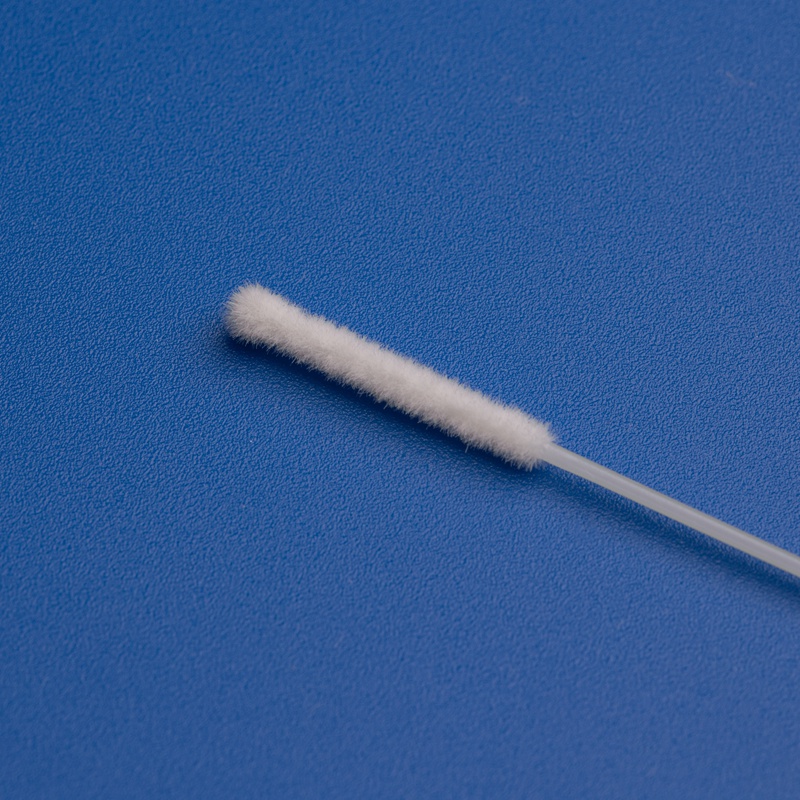
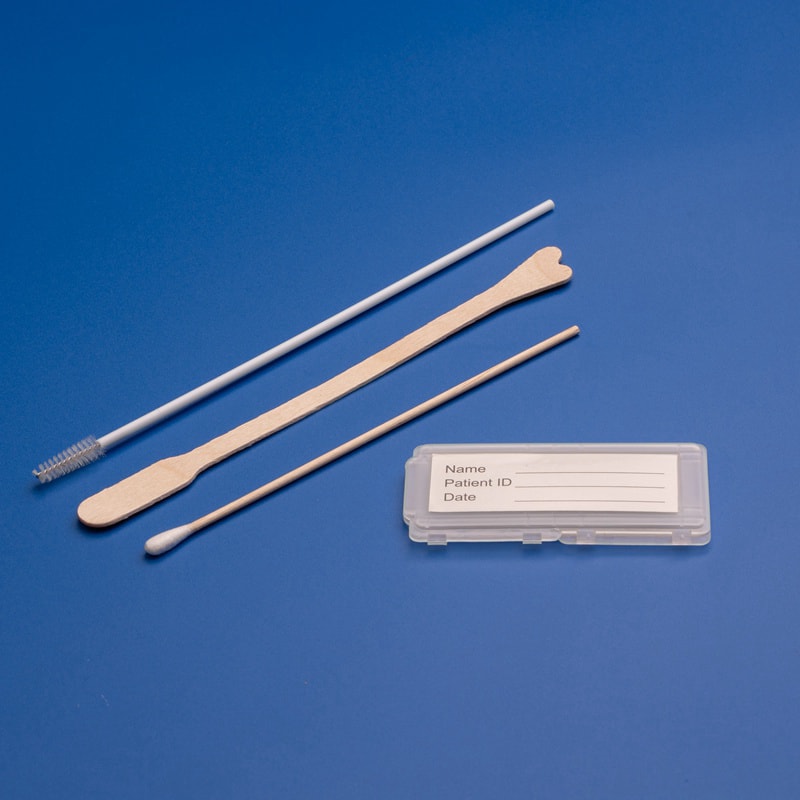
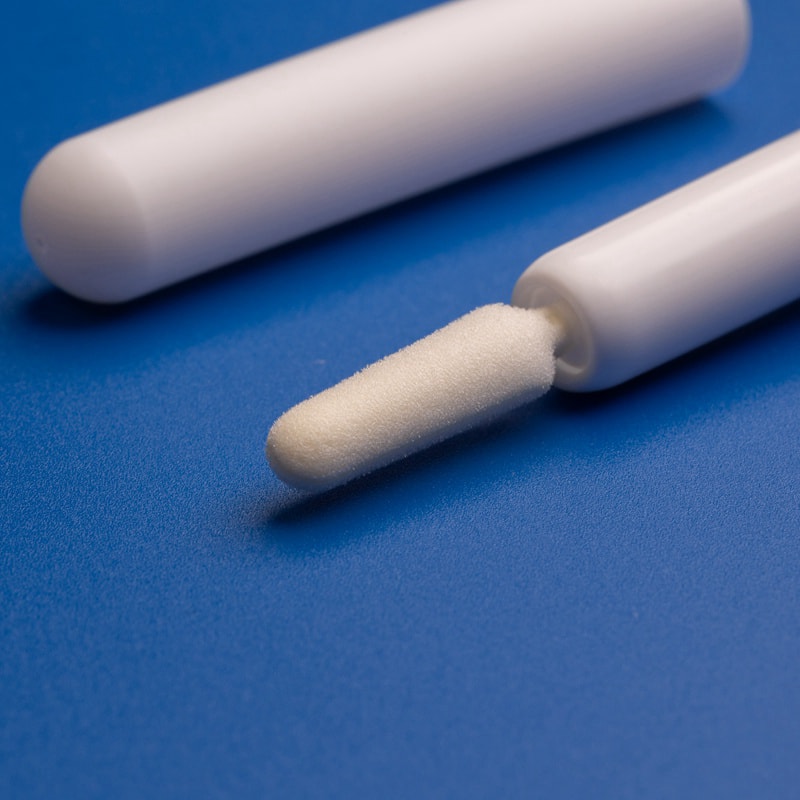
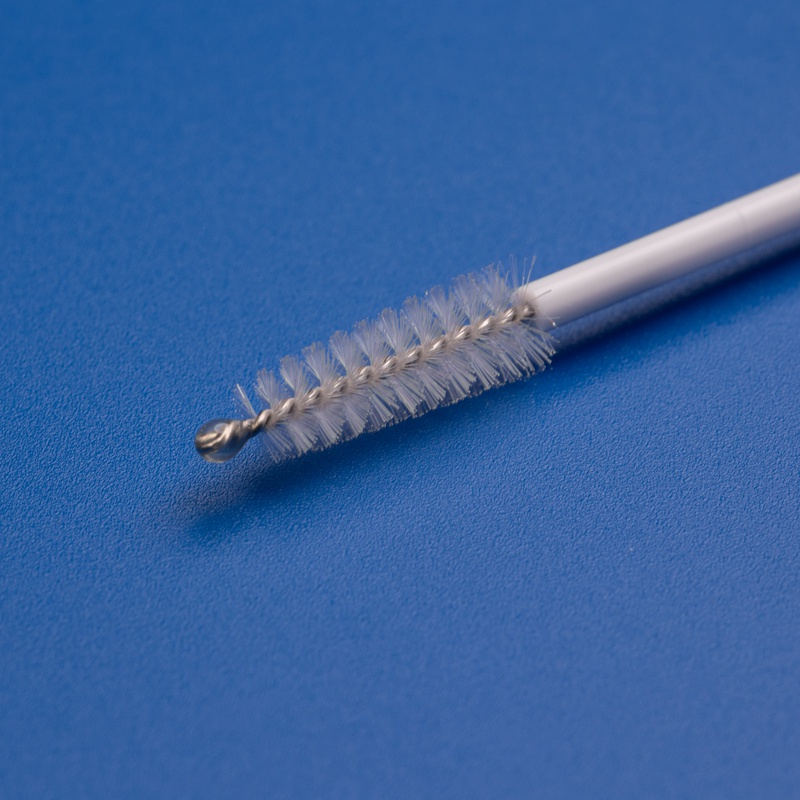
Within the U.S. market, “oral swabs” is only one part of a broader specimen collection ecosystem. Buyers need to distinguish among flocked buccal swabs, sponge-based saliva systems, saliva tubes with stabilization buffers, venous blood tubes, dried blood spot formats, and integrated collection kits that include barcoding and transport accessories. Each format carries different implications for DNA concentration, user error, and downstream extraction.
| Product Type | Typical U.S. Use Case | Main Advantage | Main Limitation |
|---|---|---|---|
| Flocked oral swab | Home DNA collection, identity testing, screening | Simple collection and low discomfort | Instruction-dependent sample quality |
| Saliva tube kit | Consumer genomics, mail-in panels | Good user familiarity and scalable logistics | Sample volume may vary by user |
| Cheek cell scraper/swab kit | Pediatric and low-burden collection | Fast and well tolerated | Potential lower yield versus blood |
| Venous blood tube | Clinical diagnostics, oncology, confirmatory testing | Higher DNA consistency | Requires trained collection staff |
| Dried blood spot card | Remote specialty testing and newborn-related programs | Compact shipping profile | Limited volume and workflow constraints |
| Integrated DNA collection kit | Distributor and brand-owner programs | Supports traceability and private labeling | Higher unit complexity |
This product landscape matters for procurement. A distributor serving urgent care centers may prioritize durable, sterile swabs with clear chain-of-custody labeling, while a direct-to-consumer genetics brand may prefer all-in-one oral collection kits optimized for fulfillment and return mail handling.
Accuracy, Yield, and Sample Integrity
The central technical question is whether oral swabs deliver enough DNA of sufficient quality for the intended assay. For many SNP genotyping, identity-related, and selected hereditary screening applications, the answer is yes. Modern flocked swabs, especially when paired with validated extraction workflows, can produce reliable DNA suitable for analysis. However, blood still tends to provide more consistent nucleic acid concentration and lower collection variability. That is especially useful in labs that process high-complexity panels or need to minimize repeat requests.
Pre-analytical discipline is crucial. Oral swab performance can suffer if patients eat, drink, smoke, or use oral hygiene products before sampling. Collection errors such as short swabbing time, poor packaging, or mislabeled kits can also reduce usable yield. Blood draws are not immune to errors, but phlebotomy protocols and controlled clinic settings reduce the odds of poor specimen handling. In U.S. settings where compliance documentation and sample traceability are central, blood collection can still be the operationally safer route.
That said, oral collection technology has improved substantially. Better fiber structures, improved swab tip design, and stabilized packaging formats have narrowed the gap for many applications. For buyers, the practical standard is not whether oral swabs equal blood in every category, but whether they meet the assay’s validated acceptance criteria with an acceptable recollection rate.
Demand by Industry Segment
Different industries in the United States place different value on convenience, supervision, throughput, and chain-of-custody. This creates a clear demand split.
The bar chart indicates where oral collection is most attractive. Consumer genomics, telehealth kits, and paternity or identity-related testing often value convenience and easy shipping. Hospital diagnostics and oncology programs, by contrast, tend to maintain stronger reliance on blood because of specimen robustness and clinical oversight.
Buying Advice for U.S. Laboratories, Brands, and Distributors
Procurement teams in the United States should assess collection products against six operational questions. First, what assays are validated for the specimen type? Second, what is the acceptable recollection rate? Third, what are the stability requirements during domestic shipping through major routes such as Newark, Memphis, Louisville, and Los Angeles? Fourth, how important is patient self-collection? Fifth, do labeling and packaging support CLIA lab workflows and distributor relabeling? Sixth, can the supplier provide lot traceability, sterilization records if needed, and regulatory documentation without delay?
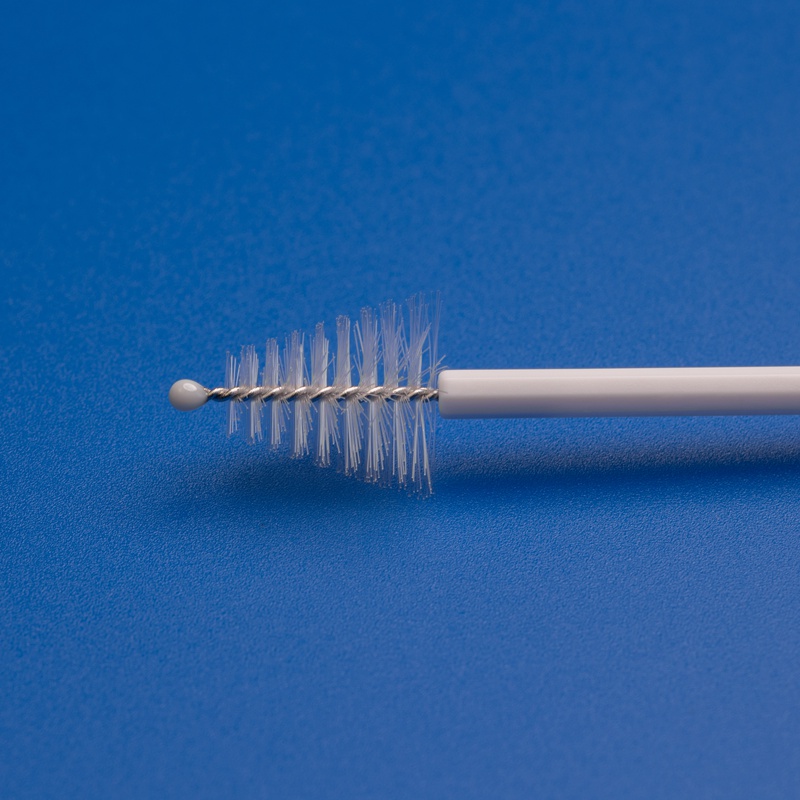
For oral swabs, material quality matters. Tip structure, shaft rigidity, breakpoint behavior if used, packaging integrity, and sterility controls can materially affect user experience and extraction success. For blood collection accessories or kits, consistency in tube compatibility, transport protection, and labeling is equally important. Procurement should not be based on unit price alone, especially when failed collections create hidden costs in customer support, redraw scheduling, and delayed reporting.
In states with large rural catchment areas or fast-growing telehealth adoption, oral collection often wins because it reduces dependence on draw centers. In dense metro systems where patients already enter a hospital or specialty clinic, blood may fit better. The right answer depends on the service model more than the sample type in isolation.
Where Each Method Works Best
| Application | Preferred Method | Reason | Operational Note |
|---|---|---|---|
| At-home hereditary screening | Oral swab | Easy self-collection and return shipping | Clear user instructions are essential |
| Pharmacogenomic screening | Oral swab or blood | Either can work if assay validated | Decision often depends on care setting |
| Cancer-related genetic workflows | Blood draw | Higher consistency and stronger clinical control | Often linked to specialist care pathways |
| Paternity and identity testing | Oral swab | Simple and widely accepted collection format | Chain-of-custody options may be needed |
| Rare disease diagnostics | Blood draw | Supports broader confirmatory workflows | Useful when repeat sampling is difficult |
| Pediatric outreach programs | Oral swab | Less distress and easier field collection | Training reduces contamination risk |
This table highlights a practical rule: oral swabs dominate when accessibility and comfort drive the workflow; blood draws dominate when diagnostic rigor and specimen consistency carry greater weight.
Applications Across Industries
Healthcare providers, direct-to-consumer brands, educational institutions, law firms, public health organizations, and research sponsors all use genetic collection products differently. A retail health brand in Miami may prioritize attractive mailer design and low return friction for oral kits. A hospital system in Cleveland may prefer blood draws because patients are already scheduled for other blood work. A university biobank in Seattle may use mixed collection methods depending on cohort design and consent protocols. A forensic or legal provider in Phoenix may rely on oral swabs with witnessed collection to balance convenience and identity verification.
These realities show why supplier flexibility is valuable. The best vendors in this market do not simply sell swabs or accessories; they align packaging, labeling, documentation, lead times, and support to the use case. In the United States, buyers often favor vendors that can support both pilot-scale orders and national rollouts, especially when demand fluctuates across multiple channels.
Trend Shift Toward Patient-Friendly Collection
One of the strongest U.S. trends is the gradual shift toward less invasive and more decentralized collection, especially where assay validation supports it.
The area chart reflects the growing role of oral swabs and related non-invasive collection tools in programs that prioritize accessibility, home participation, and digital ordering. This does not signal the end of blood-based testing; instead, it shows a market shift toward specimen choice by pathway.
Case Studies from the United States
A telehealth genomics brand serving California and New York switched a pharmacogenomic screening program from phlebotomy-dependent collection to mailed oral swab kits. Completion rates improved because patients no longer needed separate appointments at draw centers. The trade-off was a modest increase in invalid samples during the first quarter, which the company reduced by redesigning kit instructions and adding QR-based collection videos.
A regional oncology center in Houston reviewed oral collection but retained blood as the default for clinically managed germline and related workflows. The center found that blood aligned better with existing nurse-led collection, electronic medical record integration, and specialist review processes. The gain in consistency outweighed the convenience advantage of oral sampling in that setting.
A paternity testing provider with operations across Florida and Georgia expanded oral swab collection through mobile agents and local partner sites. The company used chain-of-custody oral kits because they reduced field complexity while preserving reliable identity-linked collection. This model delivered faster scheduling and lower consumable burden compared with blood-based options.
An academic research network in the Midwest adopted a mixed strategy. For broad population enrollment, it used oral swabs to maximize participation. For selected sub-cohorts requiring more extensive downstream analysis, it requested blood collection during clinic visits. The hybrid approach balanced inclusivity and data quality.
Local Suppliers and Testing-Adjacent Companies in the United States
For U.S. buyers, supplier selection often involves both the laboratory or testing brand and the collection consumables provider. The table below focuses on recognizable companies relevant to genetic testing access, specimen collection, laboratory processing, or enabling platforms in the United States.
| Company | Service Region | Core Strengths | Key Offerings Relevant to This Topic |
|---|---|---|---|
| Quest Diagnostics | Nationwide United States | Broad patient service center network, clinical reach, physician integration | Genetic testing access, blood collection infrastructure, clinical specimen workflows |
| Labcorp | Nationwide United States | Large diagnostics network, home collection programs, logistics scale | Genetic testing services, collection kits, blood draw coordination, lab processing |
| Myriad Genetics | United States with strong clinical presence | Hereditary risk expertise, physician-facing programs | Cancer and women’s health genetic testing programs with structured collection pathways |
| Natera | United States and major metro markets | Reproductive health and oncology focus, clinical integration | Genetic screening workflows tied to maternal-fetal and oncology programs |
| Illumina | United States and global | Sequencing leadership, ecosystem influence | Platforms and workflows that influence specimen requirements and lab validation |
| Thermo Fisher Scientific | United States and global | Laboratory tools, molecular testing infrastructure | Genetic analysis instruments, reagents, and collection-adjacent lab support |
| 23andMe | United States direct-to-consumer market | Saliva-based consumer collection at scale | At-home genetics model demonstrating the strength of non-invasive collection |
This table helps U.S. buyers distinguish between testing providers and infrastructure companies. Some organizations directly process genetic tests, while others shape the collection ecosystem through platforms, kit models, and laboratory tools. In real procurement decisions, buyers often combine a testing partner with a separate consumables manufacturer for custom kit assembly.
Supplier and Product Comparison
When comparing suppliers, procurement teams usually score them on documentation speed, customization, product consistency, lead time reliability, and support depth. The chart below illustrates a realistic comparison framework for collection-focused sourcing decisions.
The comparison chart shows why specialized collection manufacturers can be attractive for private-label and volume-driven programs. General distributors remain useful for quick procurement and mixed catalogs, but dedicated manufacturers often perform better in customization and cost structure for large-scale oral swab kit projects.
Detailed Buying Criteria for Oral Swabs
For oral swab procurement in the United States, buyers should inspect flocking uniformity, swab head attachment strength, shaft flexibility, packaging seal integrity, sterility status where required, extractable performance data, and whether the product is intended for DNA collection rather than generic sample pickup. Request evidence of lot consistency and ask how the supplier handles complaint investigation, replacement policy, and documentation turnaround. If the project involves a home-use kit, the supplier should also support user-friendly packaging, return mail compatibility, and barcode or serial tracking integration.
Cost analysis should include more than unit pricing. Oral swabs often reduce labor and increase collection accessibility, but poor-quality swabs can raise failure rates and harm brand trust. In paternity, telehealth, or wellness programs, the total cost of recollection and customer support can exceed the savings from a low-priced product. Buyers should therefore validate swabs with their extraction and assay workflow before finalizing long-term contracts.
Detailed Buying Criteria for Blood-Based Collection Pathways
Blood-based workflows require stronger coordination with collection sites, trained personnel, and transport planning. However, they may produce lower invalid rates in advanced testing programs. Buyers should evaluate tube compatibility, patient service center access, chain-of-custody needs, and whether the sample journey fits the program’s reimbursement or care pathway. For specialty clinics, the convenience argument against blood may be weaker because patients are already onsite. In those settings, blood collection can simplify laboratory quality control and reduce uncertainty in downstream extraction.
Programs that combine physician ordering, specialist review, and medically necessary reporting often continue to anchor around blood collection, especially when the testing scope is complex. The key is not to over-apply consumer genetics logic to clinical diagnostics. A convenient specimen is not automatically the most appropriate specimen.
Our Company
For U.S. distributors, healthcare buyers, and brand owners seeking a collection-focused manufacturing partner, Hanheng Medical brings a relevant combination of production scale, certification depth, and customization capability to oral DNA sampling projects. The company manufactures medical testing consumables in a 10,000 square meter Class 100000 cleanroom on a 32-acre campus, using precision injection molding, automated flocking, and EO sterilization to support consistent sampling performance, while its documented quality framework includes ISO9001, ISO13485, EU CE pathways including TUV-CE and MDR, U.S. FDA-related approval credentials, UK MHRA registration, and NMPA compliance signals that matter to globally regulated buyers. Its portfolio includes oral sampling swabs, DNA saliva samplers, oral swab DNA sample collection kits, gene detection sampling boxes, and other specimen collection products suited to U.S. private-label, wholesale, and channel supply needs. In commercial terms, the company works across OEM, ODM, bulk export, distributor supply, hospital procurement, and branded kit development, which makes it usable not only for importers and dealers but also for local brand owners building home-use genetics programs. With more than 1,000 employees, a technical management team of about 100 people, exports to over 130 countries, and nearly 6 billion units supplied, it demonstrates the operating history buyers look for when assessing continuity and scale. U.S.-facing customers also benefit from structured documentation support, batch records, certificate assistance, tailored packaging, responsive online pre-sales communication, and coordinated after-sales follow-up that help reduce procurement risk; for buyers exploring partnership options, the company’s company background, broader product catalog, and direct contact channel are relevant starting points for evaluating a long-term supply relationship.
Why International Manufacturers Matter to U.S. Buyers
U.S. procurement teams increasingly look beyond domestic-only sourcing, especially for oral swab kits, saliva collection accessories, and private-label collection systems. The reason is straightforward: specialized manufacturers can often deliver stronger cost-performance, broader customization, and faster scale-up for national programs. This matters in markets such as employer screening, mail-based hereditary risk programs, and institutional distribution where kit design, branding, and replenishment speed all influence margins.
International suppliers become credible when they pair manufacturing strength with compliance documentation and responsive service. For the U.S. market, the most valuable partners are not anonymous exporters but experienced manufacturers that understand lead-time planning, packaging localization, documentation requests, and after-sales issue resolution. Buyers in ports and logistics corridors such as Los Angeles/Long Beach, New York/New Jersey, Savannah, and Houston also benefit from partners that can support predictable shipment windows for replenishment planning.
What to Ask Before Signing a Supply Agreement
| Question | Why Ask It | Good Supplier Signal | Risk If Ignored |
|---|---|---|---|
| Is the swab validated for DNA collection use? | Prevents mismatch between product and assay | Provides technical data and intended-use clarity | Higher invalid rates and rework |
| Can you support OEM or private-label packaging? | Important for U.S. brand owners and distributors | Offers packaging mockups and compliance-ready labeling | Delayed launch or weak brand presentation |
| What certifications and records are available? | Supports quality assurance and buyer audits | Fast access to certificates and batch documents | Procurement delays and compliance uncertainty |
| What is your lead time for repeat bulk orders? | Protects continuity of supply | Provides realistic production schedule and shipping plan | Stockouts and interrupted programs |
| How do you handle complaints and replacements? | Shows after-sales maturity | Clear SOPs and response windows | Slow issue resolution and reputational damage |
| Can you support U.S.-specific documentation requests? | Important for importers and regulated buyers | Understands market-specific paperwork expectations | Customs, audit, or onboarding friction |
These questions create a practical supplier screen. They help buyers separate low-cost offers from supply partners that can support real deployment in the United States.
Future Trends Through 2026
By 2026, the United States is likely to see three major developments in this category. First, technology will continue improving oral collection reliability through better fiber design, more stable transport formats, and easier self-collection instructions supported by mobile guidance. This will expand the range of assays that can confidently use oral specimens. Second, policy and reimbursement environments will continue pushing more testing into distributed care models, especially where telehealth, retail health, and home-based care overlap. Programs that can validate non-invasive collection will gain enrollment and operational advantages.
Third, sustainability will become more visible in procurement. Buyers will increasingly ask about material reduction, packaging efficiency, transport footprint, and production waste controls. While sterility and performance remain non-negotiable, suppliers that can reduce unnecessary plastic weight, optimize carton density, and offer smarter packaging formats may gain preference in large tenders. This is especially relevant for nationwide programs shipping thousands of kits every month.
Another likely trend is hybrid specimen strategy. Rather than choosing only oral swabs or only blood, U.S. programs will increasingly use oral collection for initial outreach and reserve blood for follow-up, confirmation, or higher-complexity cases. That hybrid model improves access without compromising clinical rigor where it matters most.
Common Mistakes U.S. Buyers Make
One mistake is assuming that all oral swabs perform similarly. In reality, flocking quality, material consistency, packaging, and manufacturing controls make a meaningful difference. Another mistake is selecting a collection product before confirming assay validation requirements with the laboratory. A third is underestimating user behavior in home collection. Clear instructions, multilingual support where relevant, and return logistics are part of specimen quality management, not just customer service.
Some buyers also choose blood collection by default because it feels more clinical, even when their care model is remote and participation rates are the real constraint. Others make the opposite error by forcing oral swabs into workflows that need the stronger consistency of blood. The best procurement decisions begin with the end use, then work backward to the sample type and supplier specification.
FAQ
Are oral swabs accurate enough for genetic testing in the United States?
Yes, for many validated applications they are accurate enough, especially for genotyping, identity-related testing, selected hereditary screening, and decentralized collection programs. Accuracy depends on the assay, lab validation, and collection quality.
When is blood draw better than an oral swab?
Blood draw is often better when higher DNA yield, lower contamination risk, tighter clinical supervision, or confirmatory diagnostic confidence is required. It is common in hospital-based and specialist-led workflows.
Are oral swabs cheaper than blood draws?
They are often cheaper at the system level because they reduce phlebotomy labor, appointment scheduling, and some logistics burdens. However, poor-quality oral collection can create recollection costs, so product quality matters.
Can oral swabs be used for at-home genetic testing kits?
Yes. They are one of the most practical options for home-use kits because they are simple, non-invasive, and easier to package and return through domestic shipping networks.
Do U.S. labs accept both oral swabs and blood samples?
Many do, but acceptance depends on the specific test validation. Buyers should always confirm specimen requirements with the performing laboratory before choosing a collection format.
What should distributors look for in an oral swab supplier?
They should look for DNA-appropriate product design, documented quality systems, reliable lead times, customization ability, regulatory documentation support, and responsive after-sales service.
Can international manufacturers serve the U.S. market effectively?
Yes, especially when they have strong certification portfolios, large-scale production, tailored OEM or ODM capabilities, and practical support for documentation, labeling, shipping, and issue resolution relevant to U.S. buyers.
Final Takeaway
In the United States, oral swabs are usually the better choice when the goal is convenience, patient comfort, broad outreach, home collection, and cost-efficient scaling. Blood draws remain the better choice when the goal is maximum sample consistency, clinical control, and support for complex or confirmatory genetic workflows. The smartest buyers do not frame this as a simple winner-versus-loser decision. They align specimen type with clinical intent, user behavior, supply chain realities, and laboratory validation. For many modern U.S. programs, the most effective model is not oral swabs instead of blood draws, but oral swabs where access matters most and blood where analytical demands are highest.

Jiangsu Hanheng Medical Technology Co., Ltd.
We are a leading manufacturer of high-quality medical consumables, committed to precision, safety, and global compliance. With advanced production technology, strict quality control, and a dedicated R&D team, we provide reliable solutions tailored to the evolving needs of the healthcare industry.

.jpg)