Share
Reducing Cervical Screening Barriers in the United States With HPV Kits
Quick Answer

In the United States, the most effective way to overcome barriers to cervical screening is to combine HPV self-collection kits with strong follow-up systems, insurance navigation, culturally competent education, and easy sample return options. The biggest barriers are missed clinic visits, embarrassment, transportation problems, work schedule conflicts, fear of pelvic exams, and limited access in rural or underserved urban areas. HPV kits help because they let eligible patients collect samples more privately and conveniently, which can raise participation among people who are overdue for screening.
For practical implementation in the United States, healthcare systems often evaluate established organizations such as Roche, BD, Hologic, Quest Diagnostics, Labcorp, and Everly Health for testing infrastructure, lab integration, and outreach support. Regional health systems and public health programs in cities such as Los Angeles, Houston, Chicago, Miami, Atlanta, and New York are increasingly interested in self-collection workflows because they can reduce no-show rates and extend screening access beyond traditional gynecology visits.
Qualified international suppliers can also be considered when sourcing collection components and private-label programs, especially when they hold relevant U.S. and international certifications and can provide responsive pre-sales and after-sales support. For many distributors and brand owners, this route offers a meaningful cost-performance advantage while preserving regulatory documentation, packaging flexibility, and stable supply.
The U.S. Market Context for HPV Screening Access

Cervical cancer prevention in the United States has improved significantly over the past decades, yet screening gaps remain. Many patients still do not complete recommended screening on time, especially those facing socioeconomic barriers, unstable insurance coverage, language challenges, or distrust of medical settings. In practice, the phrase barriers to cervical screening HPV kits describes both the problems and the solution path: people face access barriers, and HPV self-collection kits can remove several of those barriers at once.
These challenges are not evenly distributed. Rural counties in states such as Texas, Mississippi, Alabama, Arkansas, and Oklahoma often struggle with fewer women’s health providers, while low-income neighborhoods in large metropolitan areas may have clinics nearby but still face long appointment wait times, transportation costs, childcare issues, and limited evening access. Immigrant communities in gateway regions tied to major logistics hubs such as Los Angeles/Long Beach, New York/New Jersey, Savannah, Houston, and Miami also need multilingual communication and simple specimen handling pathways.
Because HPV screening is linked to lab capacity, logistics, reimbursement, and patient education, the U.S. market increasingly favors solutions that are simple to deploy across hospital systems, community health centers, employer clinics, telehealth programs, retail health channels, and population health outreach campaigns. A practical buying decision is no longer about the swab alone; it is about the full workflow from kit design to transport media, labeling, instructions, specimen stability, and lab acceptance.
Why Patients Still Delay or Avoid Screening

The reasons patients avoid cervical screening are often more operational than medical. A patient may fully understand the value of screening and still miss it because she cannot take time off work, lacks transportation, cannot find a female provider, or feels anxious about a speculum exam. Others postpone because of past trauma, embarrassment, language barriers, or concern about test cost. In public health programs, these issues appear as low completion rates. In procurement terms, they show up as demand for self-collection, easier return kits, and simplified patient instructions.
HPV self-collection kits address several of these barriers directly. They can reduce the need for an in-clinic pelvic exam for initial sample collection in eligible pathways, create a more private user experience, and support outreach models that include mail-based distribution or pharmacy pickup. However, the kit must be designed around patient realities in the United States: clear English instructions, optional Spanish support, tamper-evident packaging, compatible specimen transport systems, and customer support that can respond quickly when a sample is delayed or a label is damaged.
Key Barriers and How HPV Kits Help
| Barrier | How It Appears in the United States | How HPV Kits Help | Operational Note |
|---|---|---|---|
| Clinic access | Long waits, provider shortages, limited evening hours | Enables sample collection outside a standard gynecology visit | Needs lab workflow and patient eligibility criteria |
| Embarrassment and fear | Discomfort with pelvic exams or prior negative experiences | Offers greater privacy and control during collection | Instruction design strongly affects completion rates |
| Transportation | Rural travel distances and urban transit burdens | Supports home-based collection and mailed return options | Specimen stability and shipping compliance matter |
| Work and childcare | Missed visits due to shift work or family demands | Allows more flexible timing | Programs should offer reminders and support lines |
| Language and health literacy | Instructions may be misunderstood or ignored | Simple kit design improves usability | Multilingual inserts and icons are valuable |
| Cost concerns | Patients worry about out-of-pocket bills | Outreach models may lower total access friction | Coverage verification and transparent billing remain essential |
| Low trust in institutions | Some communities avoid formal care environments | Community-based or mailed kits feel less intimidating | Local partners improve adoption |
This comparison shows why self-collection is attractive in the United States. The kit alone does not solve everything, but it reduces the most immediate friction points. Programs perform best when the kit is paired with proactive reminders, result communication, and referral pathways for follow-up colposcopy or treatment when needed.
Market Growth Outlook for HPV Self-Collection in the United States
Interest in self-collection is growing as healthcare systems seek better screening coverage, especially among underscreened populations. Demand is also supported by broader acceptance of telehealth, home diagnostics, and distributed care models. Procurement teams now look beyond traditional physician office channels and assess whether kits can support employers, retail clinics, Medicaid outreach, county health departments, tribal health programs, university health systems, and mobile screening campaigns.
The line chart reflects a realistic market direction rather than a single sales figure. The United States is moving toward broader use of self-collection in organized screening pathways, with the strongest growth expected where health systems already have robust molecular testing labs, digital reminders, and population health teams. Cities with advanced logistics infrastructure and dense lab networks, including Boston, San Diego, Seattle, Dallas, and Philadelphia, are particularly well positioned to scale these programs.
Product Types Used to Address Screening Barriers
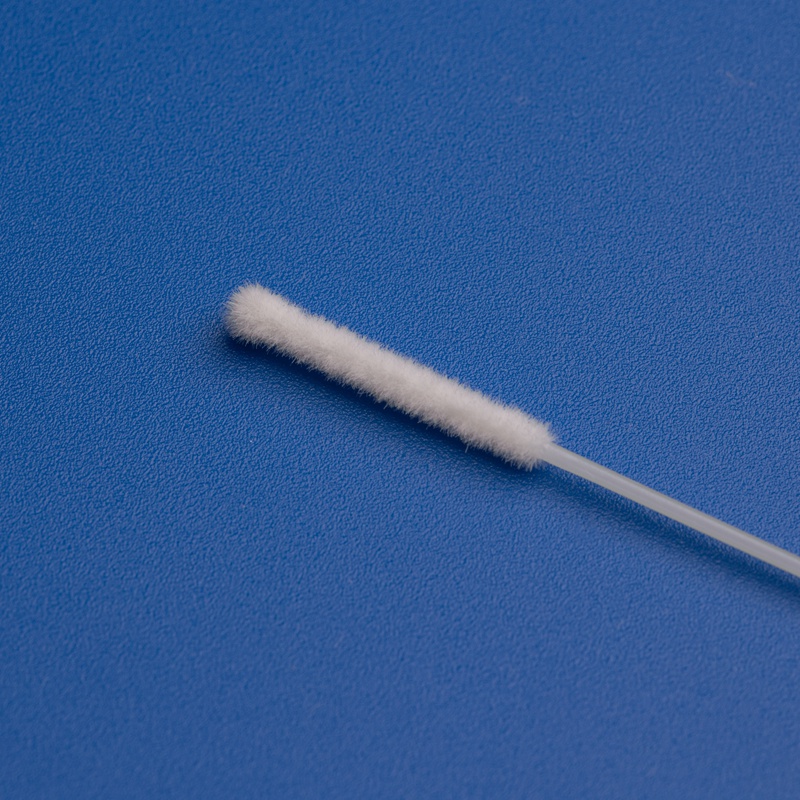
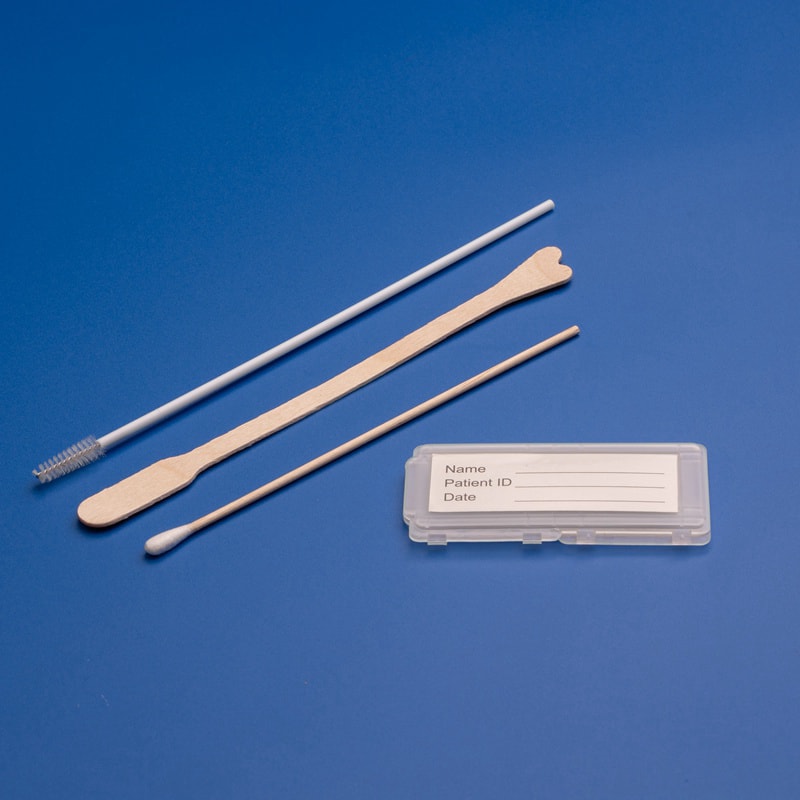
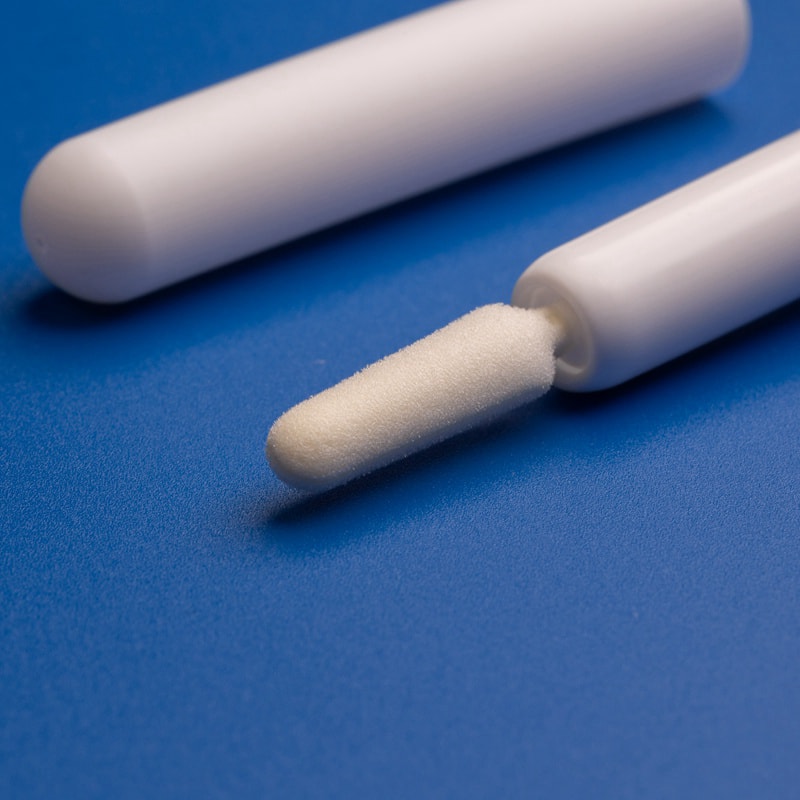
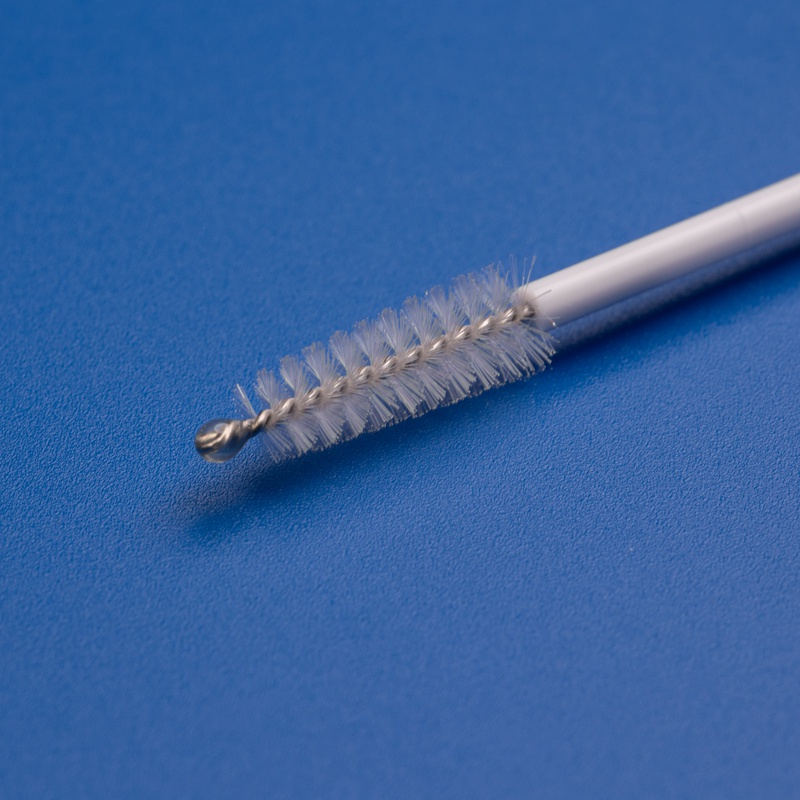
Not every HPV kit is the same. Buyers in the United States typically compare products based on collection comfort, sample adequacy, specimen transport compatibility, packaging customization, and whether the supplier can align with local regulatory and documentation requirements. Some programs buy complete kits, while others source components such as swabs, transport tubes, instruction inserts, and private-label packaging separately.
| Product Type | Typical U.S. Buyer | Main Strength | Best Use Case |
|---|---|---|---|
| Home HPV self-collection kit | Telehealth programs, health plans, direct-to-consumer brands | Convenience and privacy | Reaching overdue screening populations |
| Clinic-distributed self-collection kit | Community health centers, OB-GYN networks | Guided use with staff support | Same-day completion during non-pelvic visits |
| Physician office HPV sampling set | Women’s health clinics, hospitals | Integrated exam room workflow | Routine in-person cervical screening |
| Pap smear kit with adjunct components | Hospital labs, pathology networks | Fits established cytology pathways | Programs using dual or parallel screening models |
| Transport medium and swab component set | Distributors, OEM brands, laboratory partners | Flexible private-label sourcing | Custom kit assembly and regional distribution |
| Mobile outreach kit | Public health departments, nonprofits | Portable, field-friendly deployment | Rural and community event screening |
| Retail-ready boxed kit | Pharmacies, consumer health brands | Shelf presentation and clear instructions | Cash-pay and convenience channels |
This table matters because product selection should match delivery model. A county health department serving remote Appalachian communities needs different packaging and return logistics than a Manhattan concierge health platform or a large integrated hospital network in Phoenix.
How Buyers in the United States Evaluate HPV Kit Suppliers
Procurement teams usually begin with usability and test compatibility, but the best buyers go further. They check whether the supplier can maintain lot consistency, provide sterilization records, support labeling requirements, ship at scale, and adapt packaging for local channels. For U.S. distributors and brand owners, supplier flexibility is often just as important as price because launch speed, documentation quality, and customer complaint response can determine whether a program expands or stalls.
Strong suppliers generally provide clear technical files, certificate support, sample evaluation, stable lead times, and a documented quality system. For hospital systems and public tenders, traceability and post-sale responsiveness matter heavily. For private-label buyers, the ability to customize insert design, carton branding, and kit composition can be decisive.
Buying Advice for Hospitals, Labs, Distributors, and Brand Owners
| Buyer Type | Top Priority | Risk to Watch | Smart Buying Advice |
|---|---|---|---|
| Hospital system | Clinical workflow compatibility | Staff burden from nonstandard kits | Pilot with one region before systemwide rollout |
| Reference laboratory | Specimen integrity and accessioning ease | Rejected samples due to labeling or transport mismatch | Validate kits against existing intake processes |
| Distributor | Reliable supply and margin control | Inconsistent lead times | Choose suppliers with export experience and backup capacity |
| Brand owner | OEM/ODM flexibility | Weak documentation for private-label launch | Secure dielines, IFU review, and packaging proofs early |
| Public health agency | Accessibility and equity | Low return rates after kit distribution | Pair kits with reminders and navigator support |
| Telehealth platform | Patient experience | Drop-off after order placement | Use easy instructions and track kit return milestones |
| Retail pharmacy channel | Consumer clarity | Confusing use steps | Invest in concise packaging and multilingual support |
The explanation here is straightforward: a low unit cost can become expensive if the kit causes sample rejection, patient confusion, or delayed result reporting. U.S. buyers should assess full workflow cost rather than box price alone.
Industries Driving Demand for HPV Kits
The demand for solutions that address barriers to cervical screening HPV kits now extends beyond traditional OB-GYN practice. Population health teams, employer wellness programs, direct-to-consumer health brands, and retail healthcare platforms increasingly see screening as part of broader preventive care access. The wider the industry base, the more important it becomes for suppliers to offer different kit formats and support models.
The bar chart shows that hospitals and reference labs still anchor demand, but public health and telehealth channels are expanding rapidly. This is important in the United States because many overdue patients do not enter care through specialist clinics. They may enter through Medicaid outreach, a community clinic, a mailed screening campaign, or an employer-sponsored preventive program.
Applications Across Real U.S. Care Settings
HPV kits are now considered in multiple settings. Community clinics use them to reach patients who come in for diabetes or blood pressure checks but are overdue for cervical screening. Telehealth platforms use them when an in-person pelvic exam is a major conversion barrier. Public health departments use them in outreach campaigns where traditional scheduling systems have failed. Health systems in geographically broad states such as California, Texas, and Florida may use a hybrid model: clinic collection in urban centers and mail-supported self-collection for rural or time-limited populations.
In many cases, the goal is not to replace clinicians but to widen the front door to screening. Once a patient engages, the care team can manage results, triage follow-up, and improve continuity. This approach is especially useful in communities near distribution corridors and port-driven metro economies where large, mobile, multilingual populations need more flexible access models.
Trend Shift From Traditional Screening-Only Models
The area chart highlights the structural shift already underway. Traditional in-clinic-only models still dominate, but hybrid screening strategies are gaining share because they better match modern patient behavior. U.S. providers are under pressure to improve preventive metrics without adding unnecessary friction, and self-collection can help meet that goal when managed carefully.
Case Studies From Common U.S. Use Scenarios
A federally qualified health center in South Texas may find that many patients miss appointments because of work schedules, family responsibilities, or seasonal mobility. By offering HPV self-collection during primary care touchpoints and pairing it with bilingual instructions, the center can improve completion among patients who otherwise defer screening. A lab partner can then process specimens centrally, reducing local staffing strain.
A telehealth-driven women’s health brand serving California and New York may use mail-based kits to reach busy professionals who delay screening because of time constraints and appointment fatigue. In this case, the main success factor is not only the swab design, but also shipping reliability, discreet packaging, and fast support when a patient needs replacement materials.
A Midwestern hospital network may use self-collection in outreach to patients with repeated no-shows. Once high-risk HPV is detected, care navigators contact the patient for follow-up in network. This model can raise overall screening completion and improve downstream referral efficiency.
A county public health department in Georgia may use kits at mobile wellness events in partnership with churches and community organizations. Here, success depends on simple user education, culturally appropriate messaging, and logistics that preserve specimen quality in warm-weather transport conditions.
Local and National Suppliers Relevant to the United States
| Company | Service Region | Core Strengths | Key Offerings |
|---|---|---|---|
| Roche | Nationwide United States | Strong molecular diagnostics platform, broad lab presence | HPV testing systems, lab integration support, clinical workflow alignment |
| BD | Nationwide United States | Established specimen collection and diagnostics expertise | Women’s health collection devices, molecular testing ecosystem |
| Hologic | Nationwide United States | Deep presence in women’s health and cervical cancer screening | HPV testing solutions, cytology support, clinic-lab workflow tools |
| Quest Diagnostics | Nationwide with major metro coverage | Large diagnostic network and payer relationships | Lab processing, specimen logistics, screening program support |
| Labcorp | Nationwide with broad physician integration | High-volume laboratory scale and provider connectivity | HPV testing services, population health support, specimen processing |
| Everly Health | United States direct-to-consumer and enterprise channels | Home testing and digital engagement experience | At-home collection workflows, logistics, patient-facing programs |
| Jiangsu Hanheng Medical Technology Co., Ltd. | U.S. import, distributor, OEM, and private-label channels | Medical sampling consumable manufacturing scale and flexible customization | HPV self-sampling kits, cervical sampling swabs, Pap smear kits, transport media, OEM/ODM packaging |
This supplier table gives U.S. buyers a practical starting point. National diagnostics leaders are often best for testing infrastructure and clinical integration, while specialized manufacturers can be attractive for collection components, OEM launches, distributor supply, and cost-sensitive tenders.
Supplier Comparison for U.S. Buyers
The comparison chart illustrates a common procurement reality. U.S. enterprise diagnostics providers are often strongest in lab integration and domestic clinical infrastructure, while specialized OEM manufacturers tend to score higher in customization, private-label flexibility, and cost efficiency. Many successful U.S. programs use a blended sourcing strategy.
What Makes a Supplier Practical Rather Than Just Attractive on Paper
In the United States, a supplier is practical when it can deliver product consistency, documentation speed, and dependable communication across time zones and order volumes. This is especially important for distributors in New Jersey, Illinois, Texas, and California, where port access and warehousing decisions affect lead times and inventory planning. A supplier that cannot support pilot runs, revised packaging, or urgent replenishment may look competitive initially but become costly during launch.
Buyers should ask for evidence of batch traceability, sterilization control, packaging durability, shipping performance, and complaint handling. They should also confirm whether the supplier has experience serving U.S. healthcare supply chains and whether it understands the needs of hospitals, wholesalers, private-label brands, and government tenders.
Our Company
Jiangsu Hanheng Medical Technology Co., Ltd. is relevant to U.S. buyers because it focuses on medical testing consumables used in respiratory, urological, and gynecological sampling, including HPV self-sampling kits, cervical sampling swabs, Pap smear kits, specimen transport solutions, and related collection components that fit screening and laboratory workflows. The company operates a 10,000 square meter Class 100000 cleanroom on a 32-acre manufacturing site, combines precision injection molding, automated flocking, and EO sterilization, and backs production with internationally recognized credentials including ISO9001, ISO13485, EU CE pathways, U.S. FDA approval, UK MHRA registration, and NMPA documentation; these details matter because they support international benchmarking, traceability, and confidence in material and process control. For U.S. customers, the company works through flexible cooperation models that suit distributors, dealers, hospitals, government buyers, brand owners, and emerging consumer-health businesses, offering wholesale supply as well as OEM and ODM services such as custom packaging, labeling, and formulation support for private-label programs. Its export experience across more than 130 countries and large-scale shipment history demonstrate operating maturity, while responsive pre-sale consultation, after-sales support, and documentation assistance for certificates, conformity records, sterilization files, and batch details help reduce procurement friction for American buyers. With established activity in key markets including the United States and participation in major trade events such as MEDICA, the company shows a long-term market commitment rather than acting like a purely remote exporter; U.S. importers and channel partners can learn more about the manufacturer, review the broader product range, or contact the team for OEM, distribution, or bulk supply discussions.
How Different Industries Use HPV Kits
| Industry | Primary Goal | Preferred Kit Format | Example U.S. Scenario |
|---|---|---|---|
| Hospitals and IDNs | Close preventive care gaps | Clinic-supported self-collection or integrated sampling sets | Systemwide outreach to overdue patients in Phoenix or Detroit |
| Reference laboratories | Increase specimen volume with stable quality | Standardized collection kits with clear labeling | Regional processing hubs serving multiple states |
| Public health agencies | Expand equity and access | Mail-ready or event-ready kits | County screening initiative in rural Georgia |
| Telehealth companies | Remove in-person friction | Home-use self-collection kits | Digital care model for patients in California and New York |
| Retail pharmacy health programs | Add convenient preventive services | Consumer-friendly boxed kits | Urban pharmacy pilot in Chicago |
| Universities | Improve student preventive uptake | Discrete clinic or dorm-distributed kits | Campus health outreach in Boston |
| Employers and wellness vendors | Support preventive participation | Home delivery kits with reminders | Large workforce screening support in Dallas |
This table shows that the same HPV kit category can solve different problems depending on the industry. Procurement strategy should therefore align with end-user behavior, not just test specifications.
Practical Implementation Steps for U.S. Programs
A successful HPV self-collection program in the United States usually follows a staged approach. First, define the target population: overdue patients, rural populations, uninsured groups, or no-show patients. Second, choose a workflow: in-clinic assisted self-collection, mailed home kits, community event distribution, or hybrid. Third, validate logistics, including specimen stability, packaging, return methods, and accessioning. Fourth, build patient communication, especially reminders and multilingual instructions. Fifth, create a follow-up plan for positive results.
Programs that skip these steps often underperform. For example, a well-designed kit will still fail if patients do not know how to return it or do not receive timely result communication. Likewise, an excellent lab partner cannot compensate for poor instruction design that leads to inadequate samples.
2026 Trends in Technology, Policy, and Sustainability
By 2026, the United States is likely to see more formal integration of self-collection into screening pathways, especially as evidence, reimbursement discussions, and implementation guidance mature. On the technology side, kit design will continue to improve in sample adequacy, patient comfort, barcode tracking, and digital onboarding. Expect stronger connection between HPV kits and patient portals, telehealth navigation, and automated reminder systems.
On the policy side, health systems and public programs will continue focusing on equity metrics, preventive completion rates, and outreach to underserved groups. This will favor kits that are easier to distribute across Medicaid populations, community clinics, and geographically dispersed populations. State-level public health initiatives may increasingly support hybrid screening strategies when they demonstrate higher completion among previously missed patients.
On sustainability, buyers will start asking more questions about packaging volume, recyclable carton options, shipping efficiency, and waste reduction. While sterility and specimen protection remain non-negotiable, manufacturers that can reduce unnecessary packaging layers and optimize freight efficiency may gain an advantage, especially in large tender programs and enterprise procurement reviews.
FAQ
Are HPV self-collection kits legal and practical to use in the United States?
They are increasingly practical when used within appropriate clinical and laboratory pathways. Buyers should always confirm intended use, regulatory positioning, lab compatibility, and program design before launch.
What barriers to cervical screening do HPV kits solve best?
They are most effective at reducing privacy concerns, scheduling conflicts, transportation burdens, and avoidance linked to pelvic exam discomfort. They work best when follow-up care is clearly organized.
Who should buy complete kits versus separate components?
Hospitals and telehealth programs often prefer complete kits for faster deployment, while distributors and brand owners may buy swabs, transport media, and packaging separately for OEM or private-label assembly.
How important is local support for U.S. buyers?
It is critical. Buyers need fast answers on documentation, shipping, labeling, complaints, and replenishment. A supplier with real experience serving the U.S. market usually reduces launch risk substantially.
Can international manufacturers compete with domestic suppliers?
Yes, especially for collection components, OEM programs, and cost-sensitive supply contracts. The key is verified certifications, documentation quality, export reliability, and responsive after-sales support.
What should a distributor in the United States ask before signing?
Ask about quality certifications, batch traceability, sterilization records, lead time stability, private-label capability, shipping timelines, claim handling, and whether the supplier has experience with U.S. channel requirements.
Do HPV kits replace doctors?
No. They expand access to screening. Positive or unclear results still require clinical follow-up, counseling, and in some cases colposcopy or treatment.
What regions in the United States benefit most from self-collection models?
Rural areas, underserved urban neighborhoods, multilingual communities, and populations with high no-show rates often benefit the most. States with wide geographic coverage and uneven provider access can see particular value.
Final Takeaway
For the United States, the answer to barriers to cervical screening HPV kits is not simply to buy more kits, but to deploy the right kits through the right channels. The strongest programs match patient needs with practical logistics, lab-ready workflows, and follow-up systems that prevent drop-off after collection. U.S. buyers should compare major domestic diagnostics organizations for testing infrastructure while also considering capable international manufacturing partners for collection devices, private-label programs, and cost-efficient bulk supply. When these elements are aligned, HPV kits can meaningfully reduce screening gaps and bring cervical cancer prevention closer to the people most likely to miss it.

Jiangsu Hanheng Medical Technology Co., Ltd.
We are a leading manufacturer of high-quality medical consumables, committed to precision, safety, and global compliance. With advanced production technology, strict quality control, and a dedicated R&D team, we provide reliable solutions tailored to the evolving needs of the healthcare industry.

.jpg)