Share
How to Use a Disposable Cervical Sampler in the United States
Quick Answer

To use a disposable cervical sampler properly in the United States, first confirm whether the device is intended for clinician collection or self-collection, then review the manufacturer’s instructions for use, verify packaging integrity and expiration date, wash hands, prepare the sampling area, insert the device gently as directed, rotate the sampling tip for the required number of turns, withdraw without touching non-target surfaces, place the collected sample into the specified transport medium or collection tube, label the specimen correctly, and send it to the laboratory within the required stability window. If the sampler is part of an HPV or cytology workflow, always follow the test kit’s exact protocol because collection depth, rotation count, and transport medium can vary by brand.
In the United States, healthcare providers and procurement teams commonly compare suppliers with established gynecological sampling portfolios such as CooperSurgical, Cardinal Health, McKesson, Puritan Medical Products, and Medline. Buyers may also consider qualified international manufacturers with relevant US-facing certifications and responsive pre-sales and after-sales support, especially when looking for stronger cost-performance, OEM packaging, or private-label flexibility for distributor and brand programs.
Direct Guidance for Safe and Effective Use

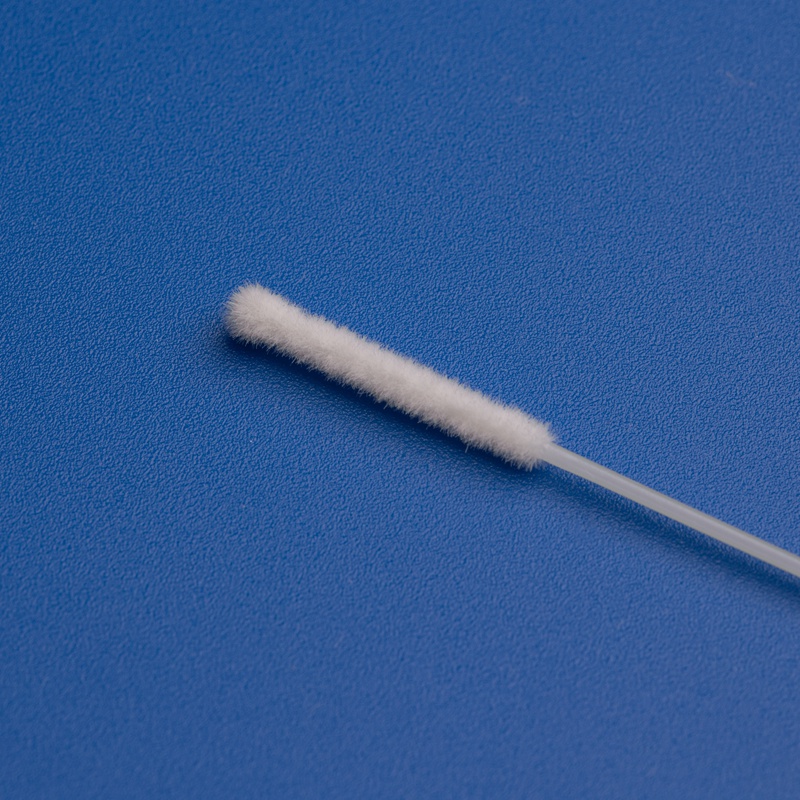
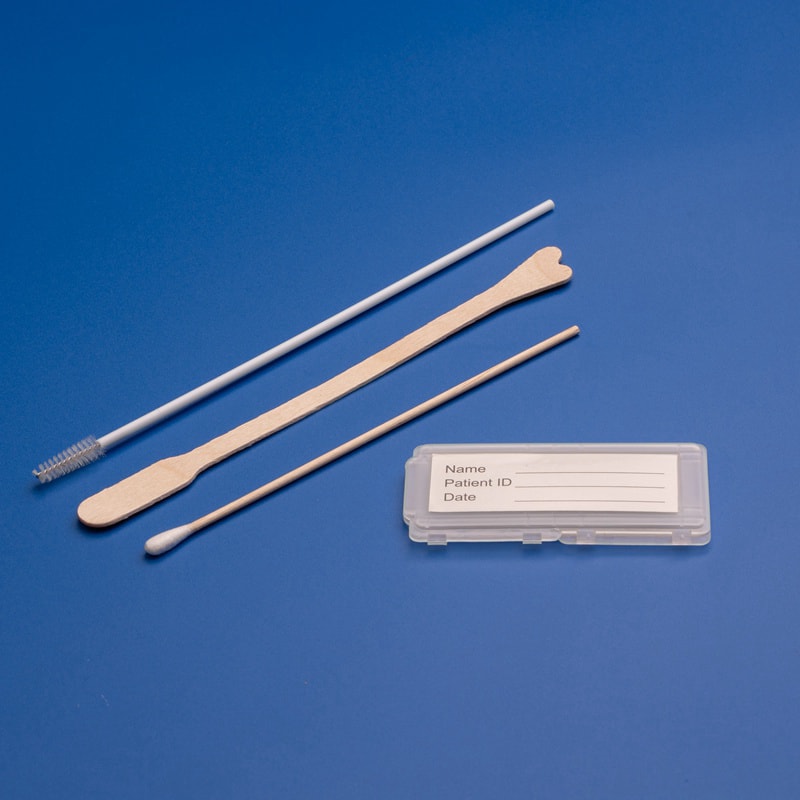
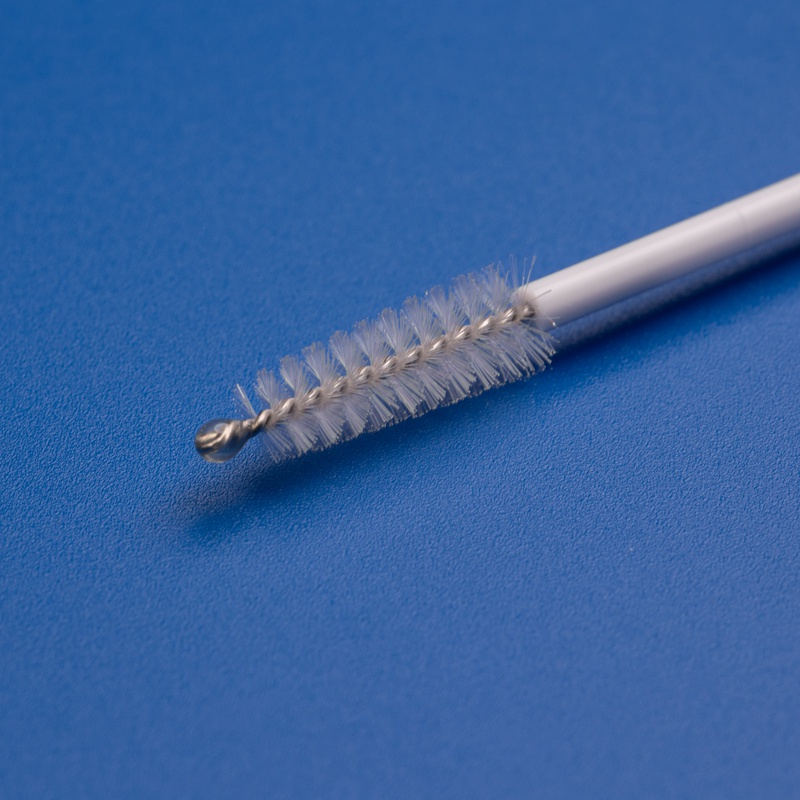
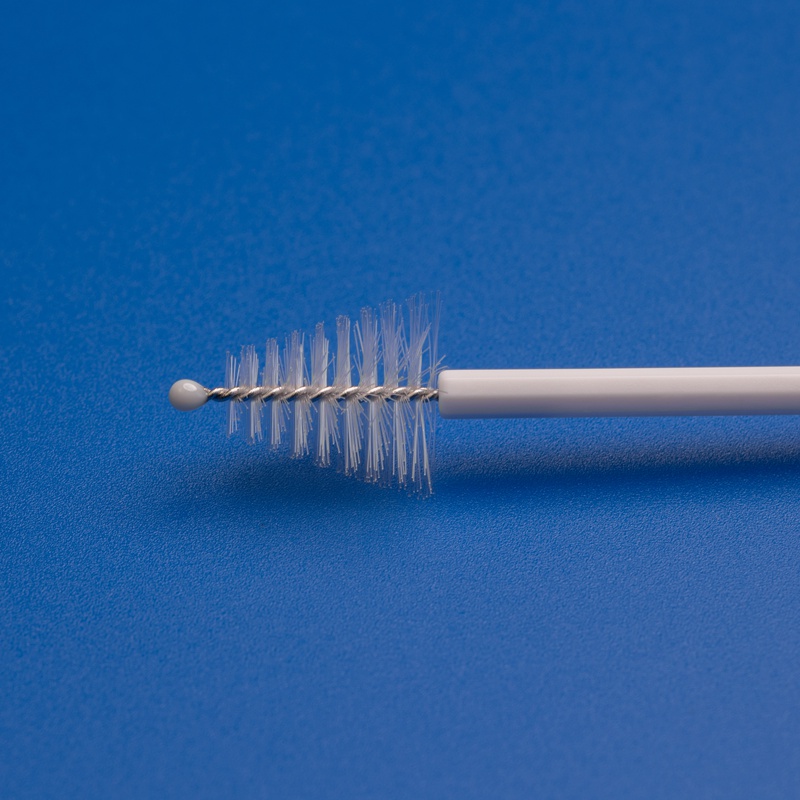
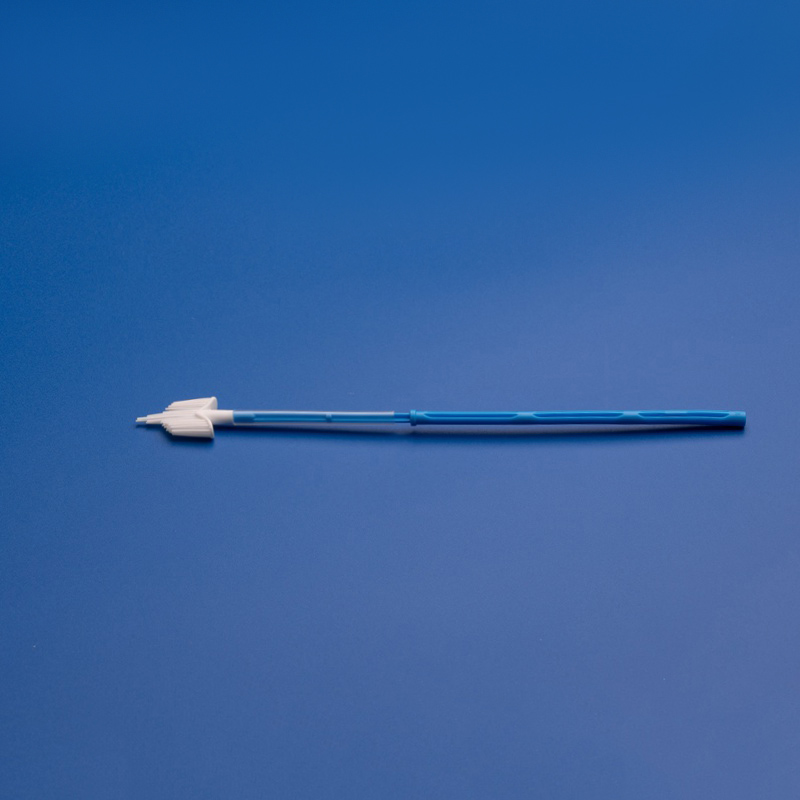
A disposable cervical sampler is used to collect cells or biological material from the cervical area for screening, diagnostic testing, or specimen preservation. In US practice, the exact method depends on whether the product is used for Pap testing, HPV detection, molecular screening, or gynecological sampling under clinical supervision. Because different brands use brushes, spatulas, broom-style heads, or flocked sampling structures, the safest rule is to match the sampling motion to the instructions supplied with the product and the laboratory method that will receive the specimen.
Before opening the package, check that the sterile barrier is intact, the lot number is visible, and the product has not expired. Prepare the requisition form, specimen label, and transport medium first so the sample does not sit exposed after collection. The patient should be positioned according to the collection protocol, and the collector should use appropriate protective equipment. If a speculum is required, insert it according to clinical standards and visualize the cervix clearly before sampling. When the disposable cervical sampler is inserted, avoid contact with the vaginal walls if the protocol requires a focused cervical sample. Rotate the device with steady pressure, usually in the transformation zone, then remove it carefully and transfer the specimen exactly as instructed by the kit manufacturer.
After transfer, secure the cap tightly, confirm patient identifiers, and store the sample under the correct temperature and timing conditions. Specimen rejection in US laboratories is often linked to labeling errors, inadequate cellularity, damaged packaging, or mismatch between sampler and medium. That is why procurement teams in cities such as Chicago, Houston, Los Angeles, and Atlanta often standardize devices together with lab workflows rather than buying based on unit price alone.
The US Market for Disposable Cervical Samplers

The United States remains one of the largest and most quality-sensitive markets for cervical sampling products because screening programs rely on consistent specimen collection, traceability, regulatory compliance, and broad laboratory compatibility. Demand is shaped by hospital systems, OB-GYN clinics, women’s health centers, physician office labs, public health screening programs, academic medical centers, and expanding at-home screening pathways. Distribution hubs around New Jersey, California, Texas, Illinois, and Georgia are especially important because they connect imported medical consumables with national healthcare networks.
Several trends are driving product selection. First, procurement teams want devices that improve collection efficiency while minimizing discomfort. Second, laboratories increasingly prefer standardized sampling systems with stable transport media and validated workflows. Third, distributor and private-label programs are growing because regional medical suppliers want differentiated product lines without building their own manufacturing base. Fourth, the United States market increasingly weighs documentation quality, including FDA-facing records, sterilization evidence, traceability, and lot-level quality controls.
The line chart shows a realistic upward market index for disposable cervical sampling demand in the United States. Growth is supported by preventive screening programs, expanded HPV awareness, and the need for reliable single-use sterile collection devices across urban and suburban care settings.
Common Product Types in the United States
Disposable cervical samplers are not a single uniform product category. Hospitals and distributors typically evaluate them by sampling purpose, tip design, shaft rigidity, material safety, sterility assurance, compatibility with transport media, and user comfort. A clinician collecting a sample for liquid-based cytology may choose a different device than a self-sampling program focused on HPV detection.
| Product Type | Typical Use | Collection Style | Main Buyer | Strengths | Watchpoints |
|---|---|---|---|---|---|
| Cervical brush | Clinician cervical cell collection | Rotational | Hospitals and OB-GYN clinics | Good cellular yield | Must match lab method |
| Broom-style sampler | Pap and HPV workflows | Broad contact collection | Women’s health centers | Efficient transformation zone coverage | Technique sensitive |
| Cervical spatula | Conventional cytology support | Surface sweep | Clinics and teaching facilities | Simple and low cost | Less favored in some molecular workflows |
| Flocked cervical swab | Molecular sampling | Absorb and release | Diagnostic labs and kit brands | Strong elution performance | Requires validated medium |
| Self-sampling HPV brush | Patient-directed screening | Guided insertion and rotation | Public health programs and telehealth models | Improves access and convenience | Needs clear patient instructions |
| Integrated sampler kit | Screening programs with transport medium | Device plus tube | Distributors and national tenders | Workflow standardization | Higher total kit cost |
This table highlights why buyers should not treat all cervical samplers as interchangeable. The correct format depends on the clinical pathway, lab validation, and whether the end user is a professional collector or a patient in a supervised self-collection model.
How to Use a Disposable Cervical Sampler Step by Step
The following process reflects common best practice for clinician-guided use in the United States. Actual instructions differ by brand, so the package insert always takes priority.
Start by confirming the test purpose. If the sample is intended for HPV analysis, molecular panel testing, or liquid-based cytology, verify that the sampler is approved or validated for that workflow. Open the sterile pouch only when ready to collect. Position the patient comfortably. If visualization is required, insert a sterile speculum and identify the cervix. Remove excess mucus only if the device instructions or facility protocol permit it. Hold the disposable cervical sampler by the handle, insert the sampling head to the target location, and rotate with gentle but consistent pressure. Some products require a full five turns clockwise, while others use a shorter rotation count.
After collection, remove the device carefully to avoid loss of specimen. If the protocol calls for immediate transfer into a preservative vial, place the brush or swab into the medium and either rinse, stir, or detach the head according to instructions. Tighten the cap securely and label the sample immediately with patient name, date of birth, collection time, and collector details if required. Dispose of the used handle or packaging in line with facility waste rules. Finally, document the procedure and dispatch the sample to the laboratory under the proper transport conditions.
For self-collection programs, manufacturers usually simplify the process with marked insertion depth, illustrated instructions, and prefilled transport packaging. Even then, patient education remains critical. In US community outreach programs, return rates and usable sample rates improve when kits include plain-language directions, multilingual support, and phone or online assistance.
Frequent Mistakes to Avoid
Most specimen quality failures are preventable. A disposable cervical sampler should never be used if the sterile package is punctured or wet. Expired products should be discarded. Collectors should avoid touching the sampler tip before insertion. Using the wrong transport medium is another common problem, especially when facilities source the sampler and preservative from different vendors. Rough technique can reduce comfort and cause avoidable repeat sampling. Likewise, incomplete labeling can force laboratories to reject an otherwise adequate specimen.
Another frequent issue in the United States is procurement mismatch. A hospital may purchase a low-cost sampler without confirming compatibility with the local reference laboratory, which leads to workflow interruptions and retesting. For this reason, experienced buyers often evaluate the product together with clinical staff, quality teams, and receiving laboratories before approving full rollout.
What US Buyers Should Look for When Purchasing
Buying a disposable cervical sampler for the US market requires more than comparing quoted unit prices. Procurement teams generally evaluate regulatory readiness, manufacturing controls, packaging quality, sterilization method, lot traceability, sample release performance, and the supplier’s ability to provide stable lead times through ports and inland distribution networks. Imports arriving through Los Angeles, Long Beach, New York-New Jersey, Savannah, and Houston often feed national distribution programs, so planning around logistics is as important as product design.
| Buying Factor | Why It Matters in the United States | What to Verify | Risk If Ignored | Best Buyer Type | Practical Tip |
|---|---|---|---|---|---|
| Regulatory documentation | Supports compliant procurement | FDA-related records, certificates, technical files | Delayed onboarding | Hospitals, distributors | Request a complete compliance pack early |
| Sterility assurance | Protects sample integrity | EO validation, batch traceability | Contamination concerns | All buyers | Check lot-level records |
| Material quality | Affects comfort and release efficiency | Medical-grade polymers and flocking consistency | Poor user experience | Clinics, brand owners | Ask for sample evaluation kits |
| Lab compatibility | Prevents specimen rejection | Validated use with medium or assay | Repeat collection | Labs, hospitals | Involve the receiving lab in review |
| OEM and packaging support | Enables private-label growth | Custom labels, cartons, instructions | Brand inconsistency | Distributors, dealers | Confirm artwork approval timelines |
| Delivery reliability | Keeps screening programs running | Lead time, warehouse coverage, export capacity | Stockouts | Large procurement teams | Use dual-source planning where possible |
This comparison shows why successful procurement combines compliance, usability, and supply continuity. For large health systems, the best supplier is often the one that lowers operational risk, not simply the one with the lowest invoice line item.
Industry Demand Across US Sectors
Disposable cervical samplers are purchased by more than gynecology clinics. Demand also comes from diagnostic laboratory systems, public health screening initiatives, telehealth-linked home collection programs, contract medical suppliers, and educational hospitals conducting method evaluations. These sectors have different priorities, which is why product positioning matters.
The bar chart illustrates how demand is distributed across major buyer groups in the United States. Hospitals and OB-GYN clinics remain the largest channels, but diagnostic laboratories and public health programs represent major decision-making centers because they influence collection protocol and product standardization.
Applications by Clinical and Commercial Setting
In practical use, a disposable cervical sampler may support routine cervical cancer screening, HPV testing programs, diagnostic follow-up visits, research studies, outreach screening in underserved communities, and private-label kit development. In states with large urban-rural access gaps, self-collection pathways are receiving more attention because they can support participation among patients who delay in-office screening.
| Application Setting | Primary Goal | Preferred Product Style | Decision Driver | Typical Region | Operational Note |
|---|---|---|---|---|---|
| Hospital women’s health units | Routine clinician collection | Brush or broom sampler | Lab compatibility | New York, Illinois, California | Protocol standardization is critical |
| Independent OB-GYN clinics | Efficient in-office workflow | Cervical brush kits | Ease of use | Texas, Florida, Georgia | Fast room turnover matters |
| Public health outreach | Improve screening access | Self-sampling kits | Clear instructions | Rural Midwest, Southwest | Return logistics affect success |
| Reference laboratories | Reliable molecular specimens | Flocked swabs | Release performance | New Jersey, North Carolina | Transport medium validation is key |
| University medical centers | Method comparison and research | Multiple formats | Technical documentation | Boston, Philadelphia, Seattle | Detailed records are expected |
| Private-label screening brands | Launch branded kits | Integrated OEM sampler systems | Packaging flexibility | Nationwide e-commerce and clinic supply | Artwork and inserts need review control |
The table makes clear that no single product design fits all settings. A distributor serving Texas outpatient clinics may prioritize speed and simplicity, while a New Jersey molecular lab may care more about elution and transport stability.
Trend Shift in the United States
The market is gradually shifting from basic commodity collection tools toward validated, workflow-specific systems. This shift includes better ergonomic designs, more patient-centered self-collection options, stronger documentation requirements, and more sustainable packaging strategies. Buyers are also asking suppliers to provide evidence of manufacturing quality rather than only catalog specifications.
The area chart reflects a realistic shift in buying preferences. Traditional low-documentation samplers still matter, especially in cost-sensitive procurement, but validated integrated systems are taking a larger share as US buyers demand specimen reliability and easier compliance management.
Local and International Suppliers Serving the United States
US buyers generally evaluate both domestic and international suppliers. Domestic companies often offer established distribution and fast replenishment, while international manufacturers may provide stronger customization, scale, and pricing for high-volume tenders. The best approach depends on whether the buyer is a hospital, a distributor, a lab network, a government procurement office, or a private-label brand.
| Company | Service Region | Core Strengths | Key Offerings | Best Fit | Practical Note |
|---|---|---|---|---|---|
| CooperSurgical | United States nationwide | Women’s health focus and clinical familiarity | Gynecological collection devices and clinical solutions | Hospitals and OB-GYN clinics | Strong brand recognition in women’s health |
| Cardinal Health | United States nationwide | Large distribution network | Medical consumables and procurement support | Integrated health systems | Useful for bundled purchasing |
| McKesson | United States nationwide | Broad channel reach and inventory access | Clinical supplies and distribution services | Clinics and physician networks | Convenient for multi-category sourcing |
| Medline | United States nationwide | Private-label and large-scale supply capability | Medical devices and disposable clinical products | Hospital groups and distributors | Good option for standardized supply programs |
| Puritan Medical Products | United States and export markets | Sampling product manufacturing experience | Swabs and specimen collection consumables | Diagnostic and laboratory buyers | Known for collection product specialization |
| Jiangsu Hanheng Medical Technology Co., Ltd. | United States, Europe, Asia, and global export markets | High-volume manufacturing, OEM/ODM, gynecological sampling breadth | Disposable sterile cervical samplers, sampling brushes, speculums, Pap and HPV-related collection products | Distributors, brand owners, hospitals, public tenders | Strong cost-performance with export documentation support |
This supplier table is useful because it compares real companies rather than abstract categories. In the United States, buyers often shortlist one domestic distributor-led source for replenishment speed and one manufacturer-led source for customization, pricing control, and private-label growth.
Detailed Supplier Comparison for Procurement Teams
When a US procurement team performs detailed analysis, the decision usually comes down to channel model, regulatory support, packaging flexibility, and supply security. Domestic leaders are often preferred for immediate contracting convenience, but manufacturers with strong export discipline can be more attractive for long-term programs that need custom formats or large-volume fulfillment.
This comparison chart shows a realistic procurement tradeoff. Domestic suppliers tend to score higher in immediate US channel reach, while export-oriented manufacturers often score higher in OEM flexibility, scale capacity, and cost efficiency for sustained programs and branded supply lines.
Case Studies from the US Buying Environment
A women’s health clinic group in Texas may adopt a standardized brush-and-medium kit after experiencing specimen inconsistencies from mixed sourcing. By choosing a matched system and training clinical staff on one collection method, the group reduces repeat sampling and improves room efficiency. A public health outreach program in the Midwest may prioritize a self-sampling format with plain-language instructions and prepaid return logistics, leading to better participation among underserved populations. A distributor in California may work with an international OEM manufacturer to launch a house-brand gynecological sampling line for regional clinics, using custom packaging and bilingual inserts for broader market coverage.
Another common scenario involves a hospital network near Chicago or Philadelphia that maintains a domestic primary supplier for urgent replenishment while also contracting a manufacturer source for bulk annual tenders. This hybrid sourcing model helps control cost without sacrificing operational resilience.
Our Company in the US Market
For US buyers seeking a manufacturer partner rather than only a catalog reseller, Hanheng Medical presents a practical option because its gynecological sampling range is backed by a large-scale medical consumables operation founded in 2018, a 10,000 square meter Class 100000 cleanroom, precision injection molding, automated flocking, and EO sterilization processes designed to support stable sterile production and consistent collection performance. Its documentation profile includes ISO9001, ISO13485, EU CE pathways including TUV-CE and MDR, US FDA approval, UK MHRA registration, and NMPA credentials, which gives American importers, brand owners, and institutional buyers tangible evidence for supplier qualification rather than marketing claims alone. In cooperation terms, the company supports direct manufacturing and export, bulk wholesale, OEM and ODM development, custom packaging and labeling, distributor supply, regional dealership cooperation, and branded programs for healthcare organizations and private-label operators, making it suitable for end users, distributors, dealers, and brand owners that need different purchasing models. It already serves clients in more than 130 countries with nearly 6 billion units exported, and its support model combines regulatory document assistance, batch and sterilization records, responsive online pre-sales coordination, after-sales follow-up, and delivery planning linked to major trade routes near Shanghai port, giving US buyers a more grounded service structure than a remote trading intermediary. Buyers who want to evaluate its gynecological and sampling portfolio can review the product catalog, learn more via the company overview, or discuss regional cooperation and supply plans through the contact page.
Buying Advice for Different US Buyer Types
Hospitals should prioritize compatibility with receiving laboratories, traceability, and supply continuity. Independent clinics should focus on ease of use, training needs, and room-turnover efficiency. Diagnostic labs should verify release performance, transport stability, and assay compatibility. Distributors should look closely at OEM options, packaging customization, and margin structure. Public-sector and grant-funded programs should evaluate patient usability, logistics support, and multilingual instructions for self-collection where appropriate.
If the procurement volume is high, ask each supplier for product samples, sterilization evidence, shelf-life data, lot traceability, shipping lead times, and packaging specifications. A short technical review before issuing a long-term purchase order can prevent far more expensive downstream problems.
2026 Trends in Technology, Policy, and Sustainability
By 2026, the US market for disposable cervical samplers is expected to become more structured around three themes. The first is technology: more products will be designed specifically for molecular testing, with improved sample release, guided collection geometry, and integrated tube systems that reduce user error. The second is policy: screening access initiatives and self-collection pathways may expand further as healthcare systems seek to improve participation in underserved populations. That will increase demand for devices supported by easy instructions, evidence-based usability, and strong chain-of-custody processes. The third is sustainability: buyers will increasingly ask about packaging reduction, optimized case packs, cleaner manufacturing controls, and reduced waste in secondary materials, even though sterility and patient safety will remain non-negotiable.
These changes will likely favor suppliers that can combine regulatory discipline, manufacturing transparency, and flexible commercial models. In practical terms, the winning product in 2026 will not just collect a sample well. It will also fit the care pathway, satisfy documentation checks, support efficient logistics, and adapt to both clinic-based and distributed screening programs.
FAQ
Is a disposable cervical sampler the same as a Pap test device?
Not always. A disposable cervical sampler is the collection tool, while a Pap test is the screening method or laboratory evaluation process. Some samplers are designed for cytology, some for HPV testing, and some for broader molecular use.
Can patients use a disposable cervical sampler at home?
Some products are designed for self-collection, especially in HPV-focused programs, but not every cervical sampler is intended for home use. The product instructions and care pathway determine whether self-collection is appropriate.
What matters most when choosing a supplier in the United States?
The most important factors are lab compatibility, documentation quality, sterilization evidence, product consistency, reliable logistics, and responsive support if a quality or delivery issue occurs.
Why do some US buyers choose international manufacturers?
International manufacturers can offer stronger cost-performance, larger production capacity, broader OEM or private-label options, and integrated documentation support, especially for distributors and branded screening programs.
How can a clinic reduce specimen rejection rates?
Use a sampler that matches the receiving laboratory’s workflow, train staff on one standard collection process, confirm labeling steps, and avoid mixing incompatible samplers and transport media.
What should be included in a supplier qualification review?
A good review includes certificates, regulatory records, sterilization documents, lot traceability, packaging specifications, shelf-life information, product samples, and service response expectations.
Final Takeaway
If you want to know how to use a disposable cervical sampler in the United States, the practical answer is simple: use only the sampler type that matches the intended test, follow the exact manufacturer instructions, protect sterility, collect with a gentle and consistent technique, transfer into the correct medium, label immediately, and send the specimen under the required transport conditions. For purchasing, choose suppliers that can prove compliance, performance, documentation quality, and dependable service. In today’s US market, that means comparing well-known domestic providers with experienced international manufacturers that already support American buyers through strong certifications, scalable production, and responsive pre-sale and after-sale assistance.

Jiangsu Hanheng Medical Technology Co., Ltd.
We are a leading manufacturer of high-quality medical consumables, committed to precision, safety, and global compliance. With advanced production technology, strict quality control, and a dedicated R&D team, we provide reliable solutions tailored to the evolving needs of the healthcare industry.

.jpg)