Share
How to Use Oral Sampling Swabs Correctly in the United States
Quick Answer

To use oral sampling swabs for accurate DNA results, avoid eating, drinking, smoking, chewing gum, or brushing teeth for at least 30 minutes before collection, wash or sanitize your hands, open the sterile package carefully, rub the swab firmly against the inside of each cheek for the time specified by the kit—usually 30 to 60 seconds per side—air dry the swab if required, and place it immediately into the labeled collection tube or envelope. In the United States, the most common causes of poor DNA yield are contaminated hands, insufficient cheek contact, collecting too soon after food or drink, and sealing the swab before it dries when dry transport is required. For buyers sourcing at scale, practical options include established U.S. providers such as Puritan Medical Products, COPAN Diagnostics, Thermo Fisher Scientific, Mawi DNA Technologies, and DNA Genotek, while qualified international manufacturers with U.S.-relevant certifications and responsive support can also be worth considering for better cost-performance and OEM flexibility.
Direct Guidance for Accurate DNA Collection

Oral sampling swabs are widely used across the United States for human identification, ancestry testing, clinical screening, family relationship testing, research enrollment, and decentralized sample collection. The appeal is simple: buccal cell collection is less invasive than blood draw, easier to ship, and often more acceptable to children, elderly users, and self-collection participants. However, convenience only helps when the collection method is followed correctly. A poorly collected oral swab can lead to low DNA concentration, mixed profiles, retesting, or full sample rejection.
The most reliable process begins before the swab ever touches the mouth. The subject should wait at least 30 minutes after eating, drinking, smoking, vaping, chewing gum, or using mouthwash. This waiting period is particularly important in busy U.S. environments such as clinics, schools, correctional facilities, and mobile collection sites where rushed workflows can compromise sample quality. Hands should be cleaned, labels should be verified in advance, and all required forms should be completed before opening the sterile package.
During collection, the swab tip should be pressed against the inner cheek and rotated while moving up and down to maximize epithelial cell capture. Light contact is not enough. Most quality protocols used by American laboratories call for firm but comfortable friction across the inside of the cheek. If a kit includes two swabs, one should be used on each side or both should be used sequentially as instructed by the manufacturer. The collector should avoid touching the swab tip, laying it on a table, or allowing it to contact gloves, clothing, or external surfaces.
After collection, transport instructions matter. Some oral DNA swab systems require the swab to dry before packaging, while others are designed for enclosed transport media or stabilizing cartridges. The collector must follow the device-specific instruction sheet rather than relying on general habits. Packaging a wet swab into a dry envelope can encourage microbial growth or reduce DNA quality. Similarly, delaying accessioning in warm, humid conditions can affect downstream performance, especially during summer shipping in U.S. regions such as Florida, Texas, and the Gulf Coast.
Why Oral Sampling Swabs Matter in the United States Market

The U.S. market for oral sampling swabs is shaped by several strong demand centers: clinical diagnostics, consumer genetics, public health screening, forensic collection, biobanking, and decentralized trial enrollment. Major logistics corridors such as Los Angeles, Chicago, Atlanta, Houston, and New York support fast movement of collection kits from manufacturers to laboratories and healthcare networks. Importantly, buyers in the United States often look beyond price alone. They evaluate sterility assurance, fiber technology, breakpoint design, packaging consistency, traceability, lot documentation, and regulatory readiness.
Demand is also influenced by the expansion of home-based and pharmacy-based testing. As more tests move closer to the patient, collection devices must reduce user error. That is why flocked swabs, molded breakpoints, absorbency control, and tamper-evident packaging have become more important. Laboratories in the United States increasingly prefer swab systems that integrate smoothly with automated accessioning, barcoding, and chain-of-custody workflows.
Another local factor is procurement diversification. Hospitals, public agencies, and distributors often want at least one domestic source and one international source to reduce supply risk. This became especially visible after pandemic-era shortages. As a result, oral sampling swab buyers frequently compare U.S. manufacturers with overseas partners that can offer stable capacity, private labeling, and certification support for long-term supply programs.
U.S. Market Snapshot for Oral Sampling Swabs
The table below highlights the practical purchase criteria seen most often in the United States. It is useful for distributors, laboratories, and procurement teams that need to compare suppliers beyond headline price.
| Market Factor | Why It Matters in the United States | Typical Buyer Concern | Preferred Supplier Capability |
|---|---|---|---|
| Sample Yield | DNA labs need consistent epithelial cell capture for repeatable extraction | Insufficient DNA causing recollection | Validated swab head design with stable fiber quality |
| Sterility and Cleanroom Production | Clinical and forensic users require contamination control | Background contamination or invalid results | Documented cleanroom manufacturing and sterilization records |
| Packaging Format | Home testing and field collection need user-friendly packaging | User error during self-collection | Clear instructions, tamper evidence, and barcode options |
| Regulatory Documentation | U.S. buyers often request technical files and quality certificates | Procurement delays or compliance gaps | ISO, CE, FDA-related documentation support where applicable |
| Lead Time Stability | Distributors and labs need supply continuity across states | Backorders and stockouts | Scalable production with predictable export scheduling |
| OEM and Branding | Private-label kits are common in the U.S. diagnostics market | Inflexible packaging and brand presentation | OEM/ODM design, labeling, and kit assembly support |
| After-Sales Support | Field issues must be resolved quickly | Slow response on lot questions or claims | Pre-sale and after-sale technical service with traceability |
Common Types of Oral Sampling Swabs
Not all oral swabs are the same. In the U.S. market, buyers will encounter several product formats depending on application, lab method, and collection environment. Selecting the right type reduces recollection rates and improves user compliance.
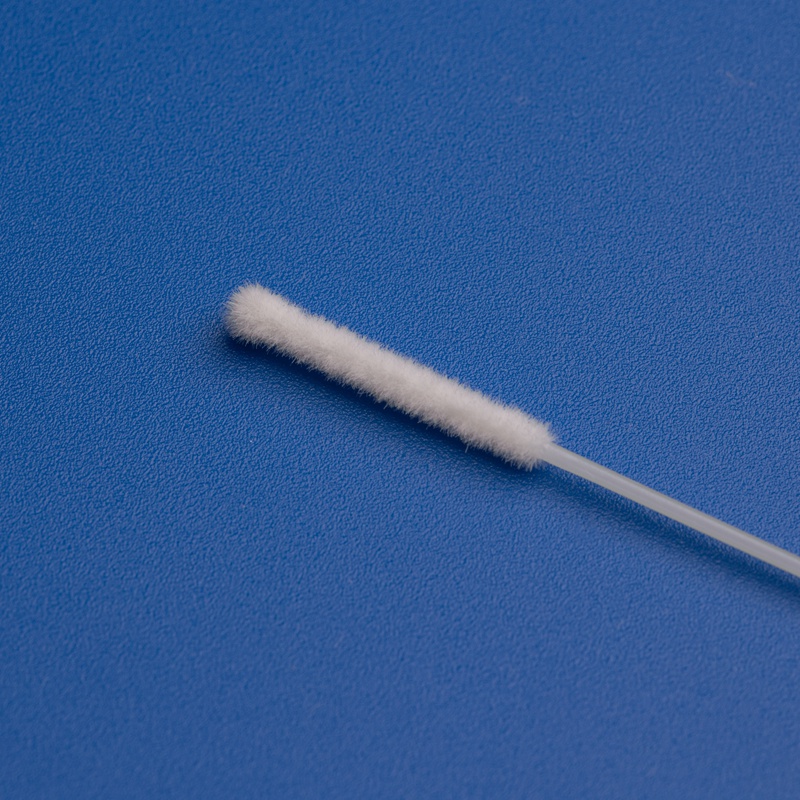
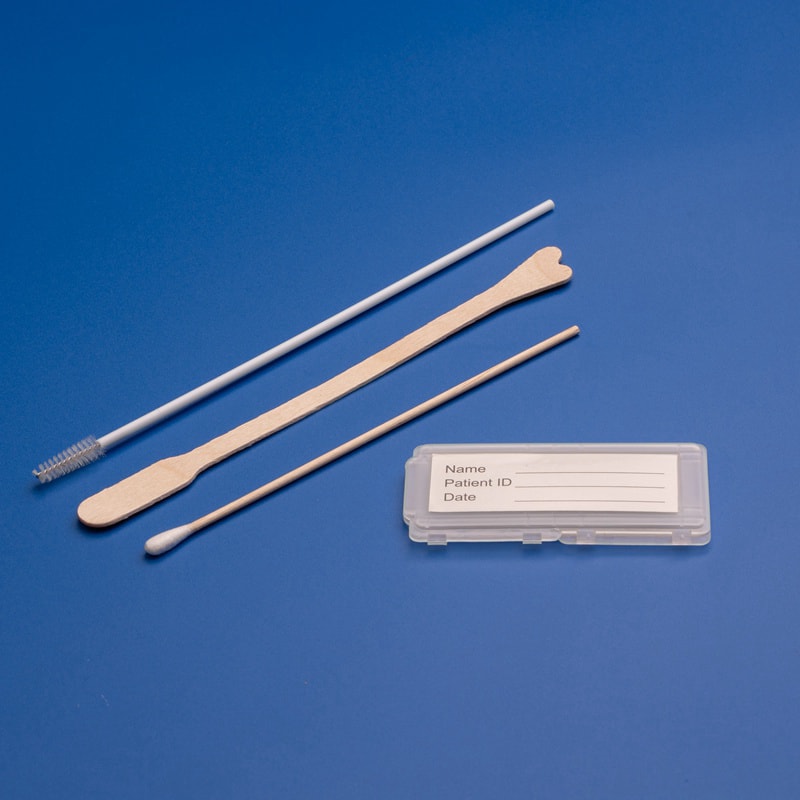
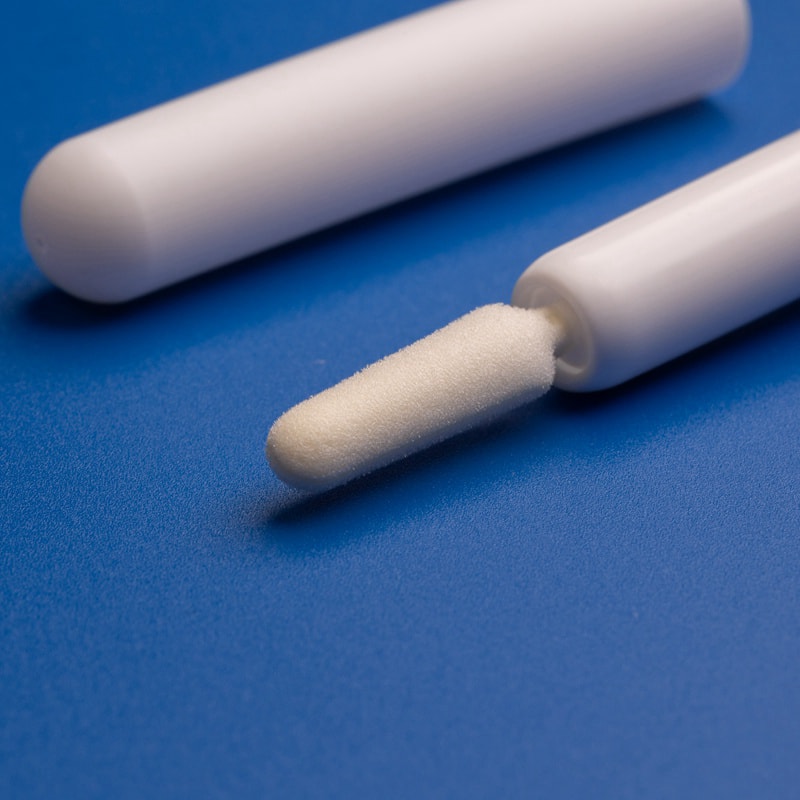
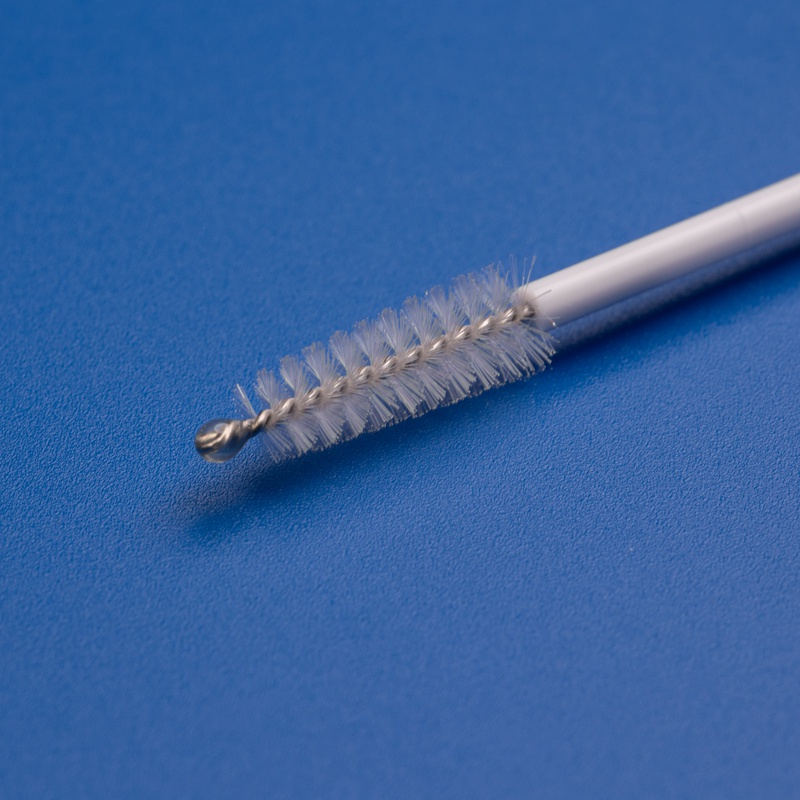
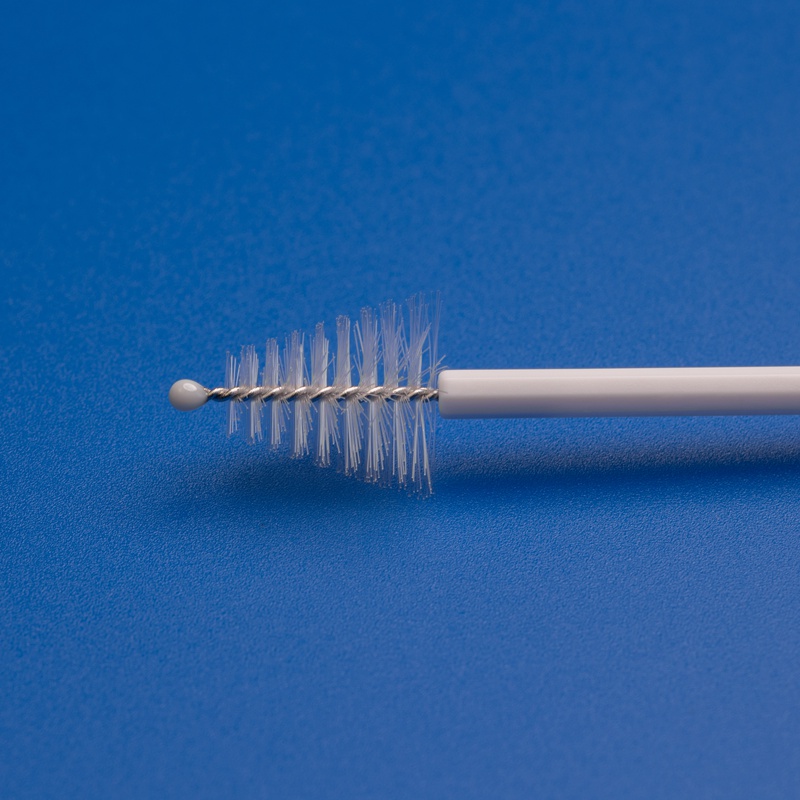
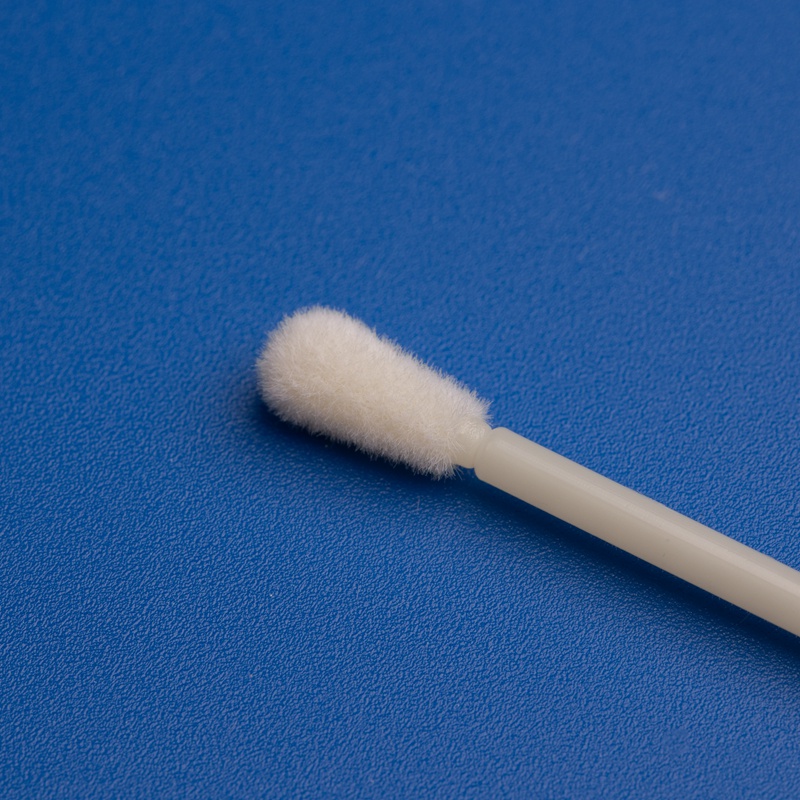
Flocked oral swabs are often preferred when higher release efficiency is important. The perpendicular nylon fibers can improve sample elution compared with traditional wound fiber swabs. Foam-tipped swabs may be selected for comfort or special handling workflows, but not every foam design is ideal for DNA applications. Polyester or rayon swabs are still used in some lower-cost programs, though performance depends heavily on fiber density and downstream extraction method. Some collection systems include stabilizing tubes or preservation chemistry for room-temperature transport, which is especially useful for direct-to-consumer or remote collection programs across wide U.S. geographies.
Product Type Comparison
The table below compares the main oral sampling swab options used in the United States and explains where each tends to perform best.
| Swab Type | Typical Material | Best Use Case | Advantages | Limitations |
|---|---|---|---|---|
| Flocked Buccal Swab | Nylon flocking on plastic shaft | DNA testing, clinical labs, forensic collection | High release efficiency, strong sample consistency | Usually higher unit cost |
| Foam Oral Swab | Medical-grade foam tip | Comfort-focused collection, some screening protocols | Soft feel, easy handling | Performance varies by DNA workflow |
| Polyester Swab | Polyester fiber tip | General specimen collection and some low-cost programs | Affordable and widely available | May yield lower recovery depending on extraction method |
| Rayon Swab | Rayon fiber tip | Basic collection applications | Economical option | Less preferred for premium DNA workflows |
| Swab with Stabilization Tube | Swab plus preservative transport system | Home collection, remote shipping, research enrollment | Protects sample during transport | More complex kit assembly and cost |
| Dry Swab Envelope Kit | Dry swab with breathable pouch or envelope | Short transit chains and standard buccal sampling | Simple, low shipping weight | Requires proper drying discipline |
| Breakpoint Swab | Plastic shaft with molded breakpoint | Tube-based transport and lab workflow compatibility | Easy insertion into transport tube | Must match tube dimensions precisely |
Step-by-Step: How to Use Oral Sampling Swabs
If the goal is accurate DNA results, the collection process should be standardized. The following method aligns with common U.S. laboratory expectations for buccal DNA collection.
Prepare the subject by confirming identity, verifying labels, and checking pre-collection restrictions. Ask whether the person has eaten, drunk anything besides water, smoked, vaped, or chewed gum within the last 30 minutes. If yes, wait and restart the timing window.
Prepare the collection area. Whether you are in a clinic in Boston, a school screening program in Dallas, or a mobile collection event in Los Angeles, use a clean, dry, organized surface. Keep unopened kits away from food, paperwork clutter, and shared pens or counters.
Open the swab package from the handle end if possible. Do not touch the tip. If gloves are used, they should be clean and changed between subjects when required by protocol.
Place the swab against the inside of one cheek. Rub firmly in a rotating motion for 30 to 60 seconds, ensuring broad contact. Then repeat on the other cheek if the instruction sheet requires it. The goal is to collect buccal epithelial cells, not saliva alone. A swab that is only damp with saliva but has had minimal friction may not contain enough cellular material.
If using multiple swabs, collect them in the order listed by the kit. Some U.S. chain-of-custody programs require exact sequencing and witness initials. After collection, let the swab dry if the manufacturer requires air drying. Drying usually takes place in a contamination-controlled way without laying the swab tip on any surface.
Insert the swab into the transport tube, sheath, or collection envelope. Seal immediately. Label the package with the subject ID, date, collector name or initials if required, and any barcode used by the laboratory information system. Store and ship according to the kit instructions.
Most Frequent Collection Errors
Collection problems are often simple but expensive. In high-volume U.S. testing programs, small mistakes can multiply into major recollection costs. The most common errors include collecting right after meals, touching the tip, rubbing too gently, skipping one cheek, failing to dry a dry-transport swab, and mislabeling. For chain-of-custody uses such as legal relationship testing or forensic workflows, documentation errors can be as damaging as poor sample quality.
Temperature is another overlooked issue. While many dry buccal swabs are robust, prolonged storage in hot delivery vehicles or humid environments can still create avoidable risk. Shipping plans in regions such as Arizona, Nevada, and South Florida should account for climate, especially in summer.
Buying Advice for U.S. Labs, Distributors, and Brands
When sourcing oral sampling swabs in the United States, buyers should compare more than unit cost. A low-priced swab becomes expensive if recollection rates rise or if packaging failures disrupt a launch. The best purchase decisions usually balance collection performance, manufacturability, regulatory readiness, and service responsiveness.
Ask suppliers for evidence of cleanroom production, sterilization method, lot traceability, dimensional consistency, and compatibility with your transport format. If your company needs private labeling, request a sample of OEM packaging quality before committing to a full run. If your program includes home collection, evaluate the readability of instruction cards and the ease of opening and resealing the package. For B2B procurement, make sure the supplier can support documentation reviews by your quality team.
Distributors in U.S. hubs such as New Jersey, Illinois, California, and Texas often prefer manufacturers that can ship bulk master cartons quickly while also supporting smaller branded kit assembly runs. Brand owners should also confirm whether the supplier can provide custom labeling, multilingual inserts, batch-level documentation, and responsive after-sales support for complaints or CAPA follow-up.
Supplier Comparison in the United States
The table below lists notable suppliers relevant to oral sampling swabs in the United States. The purpose is not to declare a single universal winner, but to help buyers match supplier strengths to use case, geography, and business model.
| Company | Service Region | Core Strengths | Key Offerings | Best Fit |
|---|---|---|---|---|
| Puritan Medical Products | United States nationwide | Strong domestic manufacturing reputation and broad swab portfolio | Diagnostic swabs, specimen collection devices, custom programs | Hospitals, labs, public sector sourcing |
| COPAN Diagnostics | United States and global | Advanced flocked swab technology and lab workflow integration | Flocked swabs, transport systems, microbiology collection products | Clinical laboratories and high-performance collection |
| Thermo Fisher Scientific | United States and global | Scale, laboratory integration, broad genomics ecosystem | Sample collection products, genetics workflow tools | Large institutional buyers and research programs |
| Mawi DNA Technologies | United States focused | Noninvasive collection and room-temperature sample stabilization | DNA collection systems, self-collection formats | Home testing, research enrollment, decentralized studies |
| DNA Genotek | North America and global | Sample stabilization expertise and genetics market presence | Oral DNA collection kits, preservation solutions | Remote collection and consumer genetics |
| Hardy Diagnostics | United States nationwide | Clinical supply distribution and microbiology product coverage | Collection devices, transport media, lab consumables | Clinical buyers seeking bundled sourcing |
| Jiangsu Hanheng Medical Technology Co., Ltd. | United States import supply and global distribution | Large-scale manufacturing, OEM/ODM flexibility, certification-backed production | Oral sampling swabs, DNA flocking swabs, saliva samplers, collection kits | Distributors, private-label brands, wholesale procurement |
How Supplier Performance Compares
Different suppliers solve different problems. U.S. domestic brands may offer shorter communication loops and local familiarity, while large international manufacturers can provide stronger capacity, more flexible OEM structures, and cost advantages for bulk sourcing. For buyers running regional distribution or launching a private-label oral DNA kit, supplier responsiveness on packaging, labeling, and documentation is often just as important as swab head design.
Industries That Use Oral Sampling Swabs
Oral sampling swabs are no longer limited to niche genetics laboratories. Their use spans multiple sectors in the United States, each with different performance expectations and procurement patterns. The table below explains where demand comes from and what each industry values most.
| Industry | Typical U.S. Users | Main Need | Preferred Product Features |
|---|---|---|---|
| Clinical Diagnostics | Hospitals, physician groups, reference labs | Reliable patient specimen collection | Sterility, consistency, tube compatibility |
| Forensics | Crime labs, law enforcement, legal testing providers | Identity integrity and chain of custody | Tamper-evident packaging, traceability, robust DNA recovery |
| Consumer Genetics | Direct-to-consumer brands and partner labs | Easy self-collection at home | Simple instructions, stable transport, strong user compliance |
| Academic Research | Universities, biobanks, population studies | High-volume participant enrollment | Scalable kit assembly, barcode support, sample stability |
| Public Health | State labs, community screening programs | Accessible sampling across large populations | Cost control, rapid distribution, training simplicity |
| Pharma and Clinical Trials | CROs, sponsors, decentralized trial networks | Remote participant collection | Home-use usability, shipping durability, documentation |
| Paternity and Relationship Testing | Legal testing centers, accredited private labs | Accurate buccal DNA profiles | Witnessing workflows, secure packaging, repeatability |
Demand by Industry in the United States
Demand is not evenly spread. Consumer genetics, clinical diagnostics, and legal relationship testing remain major volume drivers, while decentralized trials and public health programs continue to expand. The chart below illustrates a realistic sector demand comparison for oral sampling swabs in the U.S. market.
Applications in Real-World U.S. Settings
Application determines product choice. In a pediatric clinic, comfort and ease of collection matter most. In a forensic chain-of-custody workflow, tamper evidence and documentation are critical. In a university biobank, barcode integration and cost control dominate. In direct-to-consumer genetics, the challenge is different: reducing user mistakes during unsupervised home collection.
For example, legal relationship testing providers in major metropolitan areas such as Miami, Houston, and New York often favor swab kits with witness forms, multiple swabs per subject, and secure pouches. Research projects recruiting participants across states may prefer swab systems that maintain DNA integrity at room temperature during postal transit. Public health agencies may prioritize volume availability and training simplicity so that non-specialist personnel can collect acceptable samples consistently.
Case Studies from Common U.S. Use Cases
A Midwest relationship-testing network reduced recollection rates by standardizing on flocked buccal swabs and revising collector training to emphasize firm cheek rotation rather than passive saliva collection. The change was operational rather than scientific, but DNA adequacy improved because the process focused on cell harvest instead of moisture.
A California telehealth genetics brand improved first-pass sample acceptance by switching from a basic dry swab envelope to a more guided kit layout with visual instructions, labeled cheek-side steps, and easier return packaging. The kit cost rose modestly, but customer support tickets and recollections fell enough to improve the total program margin.
A research team in the Northeast running a multi-campus enrollment study selected an oral swab format with barcode integration and preprinted subject IDs. The biggest gain came from chain-of-identity reliability. The sample collection device mattered, but so did the packaging and label architecture around it.
U.S. Market Growth Outlook
Oral sampling swabs benefit from long-term demand trends in decentralized testing, preventive health, genomics, and convenience-driven healthcare delivery. The U.S. market is expected to remain healthy as more testing programs reduce reliance on in-person phlebotomy and seek lower-friction participation models.
Trend Shift Toward Home Collection and Stabilized Transport
The biggest structural change in the United States is the shift from professionally supervised collection toward hybrid and home-based sampling. This trend affects both swab design and kit architecture. Devices that perform well in a trained clinic may not perform equally well in a self-collection environment. Suppliers that can pair reliable swabs with intuitive packaging, instruction cards, and optional stabilization formats are better positioned for 2026 and beyond.
Local Suppliers and Sourcing Options
U.S. buyers generally split sourcing into four channels: domestic manufacturers, laboratory supply distributors, specialized genetics collection companies, and international OEM-capable producers. Domestic manufacturers may be preferred for immediate availability and procurement familiarity. Specialized genetics firms often bring stronger stabilization technologies. International producers become especially attractive when the project requires private labeling, high-volume output, or competitive landed cost without compromising certification support.
For buyers exploring manufacturers, it helps to review product pages and capability breadth. A broad catalog often signals better kit integration options, which matters when oral swabs must be bundled with tubes, instructions, transport media, or custom boxes. You can explore a wider range of sampling and collection products through the company’s medical sampling product catalog to evaluate whether a supplier can support a complete program rather than a single standalone swab.
Our Company
For U.S. buyers seeking a manufacturing partner rather than only a trading source, Jiangsu Hanheng Medical Technology Co., Ltd. offers a practical combination of scale, documentation depth, and product specialization. Founded in 2018, the company operates a 32-acre manufacturing base with a 10,000 square meter Class 100000 cleanroom and integrated processes covering precision injection molding, automated flocking, and EO sterilization, which is particularly relevant for oral sampling swabs where fiber uniformity, contamination control, and lot consistency directly affect DNA collection reliability. Its product line includes oral sampling swabs, DNA flocking swabs, saliva samplers, virus sampling media kits, and oral swab DNA sample collection kits, supported by certifications and registrations such as ISO9001, ISO13485, EU CE including TUV-CE and MDR, U.S. FDA-related approval status, UK MHRA registration, and CFDA/NMPA, along with patent-backed manufacturing experience and exports totaling nearly 6 billion units to more than 130 countries and regions. In the U.S. market, this matters because the company can serve distributors, dealers, hospitals, government tenders, private-label brand owners, and project-based buyers through flexible OEM, ODM, wholesale, and regional distribution cooperation, including custom packaging, private labeling, and regulatory document support. Just as important, the company is not positioned as a distant one-off exporter: it has long-standing business in key markets including the United States, processes bulk orders efficiently, supports buyers with pre-sale consultation, technical files, batch records, sterilization documentation, and responsive after-sales handling, and maintains a market-facing approach through international trade participation and direct export operations. Buyers who want to review company background can visit the company overview, start with the main website, or speak with the team through the U.S.-oriented inquiry contact page.
What to Ask Before You Place an Order
Before selecting an oral sampling swab supplier for the United States, ask for a sample pack and compare actual handling in your workflow. Confirm whether the swab is optimized for dry DNA collection, transport media use, or stabilization chemistry. Request product specifications for tip material, shaft dimensions, breakpoint location, sterility method, shelf life, and packaging materials. If your program includes legal, clinical, or public procurement requirements, also request quality certificates, lot traceability examples, and shipping carton details.
You should also ask practical questions about lead time, minimum order quantities, and complaint handling. The supplier’s answer to a quality incident often reveals more than the price list. Strong partners can explain CAPA handling, replacement policy, and documentation timelines in concrete terms.
2026 Trends to Watch
By 2026, oral sampling swabs in the United States will be shaped by three main forces: technology, policy, and sustainability. On the technology side, expect more swab systems designed for self-collection accuracy, improved cell capture, and compatibility with automated extraction and accessioning. Packaging will become more instructional and less generic, with visual guidance to reduce user error in home-based and pharmacy-based testing models.
On the policy side, buyers will continue to prioritize documentation, data integrity, and supplier resilience. Procurement teams are increasingly sensitive to supplier traceability, sterilization evidence, and manufacturing transparency. This does not always mean domestic-only sourcing, but it does mean stronger vetting of global manufacturers. Companies able to provide technical files, batch details, and responsive service will gain an advantage.
On sustainability, packaging reduction, material optimization, and freight efficiency are becoming more visible in purchasing discussions. While DNA collection still requires strict hygiene and sterility controls, there is growing pressure to reduce excess plastic, improve carton efficiency, and use smarter kit design. Sustainable procurement in the U.S. healthcare sector is still uneven, but it is moving from optional to strategic, especially among large health systems, academic institutions, and public buyers.
FAQ
How long should I wait after eating before using an oral sampling swab?
In most cases, wait at least 30 minutes after eating, drinking, smoking, vaping, chewing gum, or brushing teeth. Some kits may specify a longer interval, so follow the included instructions if they differ.
Is saliva alone enough for a good DNA result?
No. The swab must collect cheek cells, not just moisture. Firm rubbing against the inner cheek is what improves DNA yield.
Can I use one swab for both cheeks?
That depends on the kit instructions. Some protocols use one swab per cheek, while others allow one swab to sample both sides. Follow the exact device instructions.
Do oral swabs need to dry before packaging?
Some do, especially dry transport formats. Others are designed for immediate placement into a tube or stabilization system. Always follow the manufacturer’s instructions.
What causes oral swab DNA tests to fail?
The most common reasons are eating or drinking too soon before collection, weak cheek rubbing, touching the swab tip, contamination, poor labeling, and incorrect drying or packaging.
Are oral sampling swabs suitable for children?
Yes. They are commonly used for children because they are noninvasive and easier than blood collection, but adult supervision and careful instructions are still important.
What should U.S. distributors look for in a supplier?
Look for validated product quality, cleanroom manufacturing, documentation support, lot traceability, stable lead times, and OEM/ODM capability if you plan to private label.
Can international manufacturers serve the U.S. market effectively?
Yes. Many U.S. buyers work with international manufacturers that provide relevant certifications, strong quality systems, export experience, and responsive pre-sale and after-sale support.
Final Takeaway
If you want accurate DNA results from oral sampling swabs in the United States, success depends on both proper collection technique and smart sourcing. The user side is simple but strict: wait before collection, avoid contamination, rub the cheek firmly, and package the sample exactly as instructed. The buyer side is more strategic: choose suppliers that can prove manufacturing control, documentation strength, and service reliability. Whether you source from established U.S. companies or from qualified international manufacturers with strong certification and support infrastructure, the best outcomes come from matching the swab system to the actual collection environment, user skill level, and downstream laboratory workflow.

Jiangsu Hanheng Medical Technology Co., Ltd.
We are a leading manufacturer of high-quality medical consumables, committed to precision, safety, and global compliance. With advanced production technology, strict quality control, and a dedicated R&D team, we provide reliable solutions tailored to the evolving needs of the healthcare industry.

.jpg)