Share
How to Use a Gynecological Scraper Correctly in the United States
Quick Answer

To use a gynecological scraper correctly for proper cell yield in the United States, insert a sterile speculum, clearly visualize the cervix, remove excess mucus if needed, place the scraper tip at the cervical os so it contacts the transformation zone, rotate it gently but firmly through a full turn as required by the device instructions, and immediately transfer collected cells to the slide or preservative vial without delay. The best results come from consistent pressure, full contact with the ectocervix and transformation zone, minimal contamination, and prompt fixation or immersion in collection medium.
For U.S. buyers comparing products and supply partners, practical options include established healthcare suppliers such as McKesson Medical-Surgical, Medline, Cardinal Health, Henry Schein, Thermo Fisher Scientific, and CooperSurgical. Qualified international manufacturers can also be considered when they hold relevant U.S. and international certifications, maintain dependable documentation, and provide strong pre-sales and after-sales support. For many distributors, clinics, and private-label buyers, this route can offer a strong cost-performance balance without compromising compliance or specimen quality.
Direct Guidance on Proper Use

A gynecological scraper is intended to collect cervical epithelial cells from the ectocervix and the transformation zone for cytology and related screening workflows. In U.S. clinical settings, correct use is essential because under-collection, uneven pressure, delayed transfer, or poor visualization can reduce diagnostic reliability. Whether the sample is prepared for a conventional Pap smear or a liquid-based cytology method, the collection technique determines how much cellular material reaches the laboratory and how representative that sample is of the patient’s cervical anatomy.
The patient should be positioned comfortably, and the clinician should explain the procedure before beginning. After inserting a sterile vaginal speculum, the cervix must be fully visualized. If there is heavy mucus, blood, or discharge, it should be gently removed with an approved method that does not strip diagnostic cells. The scraper is then placed so its sampling edge contacts the ectocervix around the os. The collector should rotate the instrument according to the validated protocol for that model, typically one complete turn or another manufacturer-specified rotation. The key is steady, even contact rather than forceful scraping.
After collection, the sample should be transferred immediately. For conventional smears, this means uniform spreading on a slide followed by rapid fixation. For liquid-based systems, the head or collected material is rinsed or placed into the preservative vial according to instructions. Delays at this stage can cause drying artifacts, clumping, and cell loss. Documentation should also include collection date, patient details, relevant clinical history, and whether adjunct HPV testing is ordered.
In the United States, quality assurance programs emphasize specimen adequacy, chain of custody, infection control, and compatibility between collection device and laboratory workflow. A clinic in Chicago, Houston, or Los Angeles may follow the same core principles, but purchasing teams often also evaluate packaging configuration, sterilization records, training support, and consistency across large order volumes. Those factors matter because they affect not only patient care but also operational efficiency and laboratory acceptance rates.
Step-by-Step Technique for Better Cell Yield

Proper cell yield depends on technique, device design, and workflow discipline. A gynecological scraper should not be used as a general swab substitute. It is shaped to improve contact at the cervix, especially near the squamocolumnar junction where clinically meaningful cellular changes are often identified. The following approach aligns with common best practices used across hospitals, outpatient gynecology centers, women’s health clinics, and public screening programs in the United States.
- Confirm sterility, packaging integrity, expiration date, and intended use before opening the device.
- Position the patient and insert the speculum gently to achieve full cervical visualization.
- Remove obstructive mucus carefully only when needed, avoiding aggressive wiping.
- Place the scraper tip against the cervix with full contact across the target collection zone.
- Rotate with controlled pressure based on the device instructions, ensuring circumferential sampling.
- Transfer the specimen immediately to slide or liquid medium, then label and document correctly.
What often separates an adequate specimen from a borderline specimen is not aggressive force but consistent coverage of the transformation zone. Excess pressure may increase blood contamination, while insufficient pressure may collect mainly superficial debris. In many U.S. laboratories, inadequate specimens lead to recollection, delayed diagnosis, repeated patient appointments, and higher overall care costs.
Common Errors That Reduce Specimen Quality
Even experienced clinical teams can encounter preventable collection problems. The most common include incomplete cervical visualization, using the wrong collection angle, rotating only partially, waiting too long before fixation, or choosing a device that does not match the laboratory’s preferred testing pathway. In community clinics and high-volume women’s health centers, workflow pressure can magnify these issues.
Another frequent issue is product inconsistency. If scraper edges are uneven, plastic rigidity varies between lots, or sterile packaging is difficult to open smoothly, the clinician’s technique may suffer. This is why procurement teams in the United States often prefer suppliers with robust manufacturing validation, traceable sterilization records, and clear instructions for use. The device itself should support the clinician rather than create variability.
United States Market Overview
The U.S. market for gynecological sampling devices is shaped by cervical cancer screening programs, preventive care guidelines, hospital and clinic purchasing networks, laboratory standardization, and a continuing shift toward integrated cytology and molecular testing. Major demand centers include metropolitan healthcare hubs such as New York, Boston, Atlanta, Dallas, Phoenix, Seattle, and the greater Southern California region. Distribution also benefits from medical logistics corridors connected to ports and freight gateways such as Los Angeles, Long Beach, Houston, Savannah, and Newark.
Demand remains steady because routine women’s health screening is a recurring clinical need rather than a one-time purchase category. Buyers include integrated delivery networks, physician office networks, county health systems, nonprofit screening providers, e-commerce medical suppliers, and private-label distributors. Product decisions increasingly involve not just price but also specimen adequacy rates, packaging efficiency, training materials, and compatibility with laboratory protocols.
As 2026 approaches, the market is also influenced by sustainability expectations, broader use of digital procurement, and more data-driven vendor qualification. Buyers want fewer stockouts, cleaner documentation, and products that support both clinician efficiency and patient comfort.
Market Growth Trend in the United States
The chart below illustrates a realistic directional view of U.S. demand growth for gynecological sampling consumables, including scrapers, brushes, spatulas, and associated Pap smear collection devices. Growth is moderate rather than explosive, but it is supported by preventive screening, replacement demand, and broader laboratory testing integration.
Product Types Used in Cervical Sampling
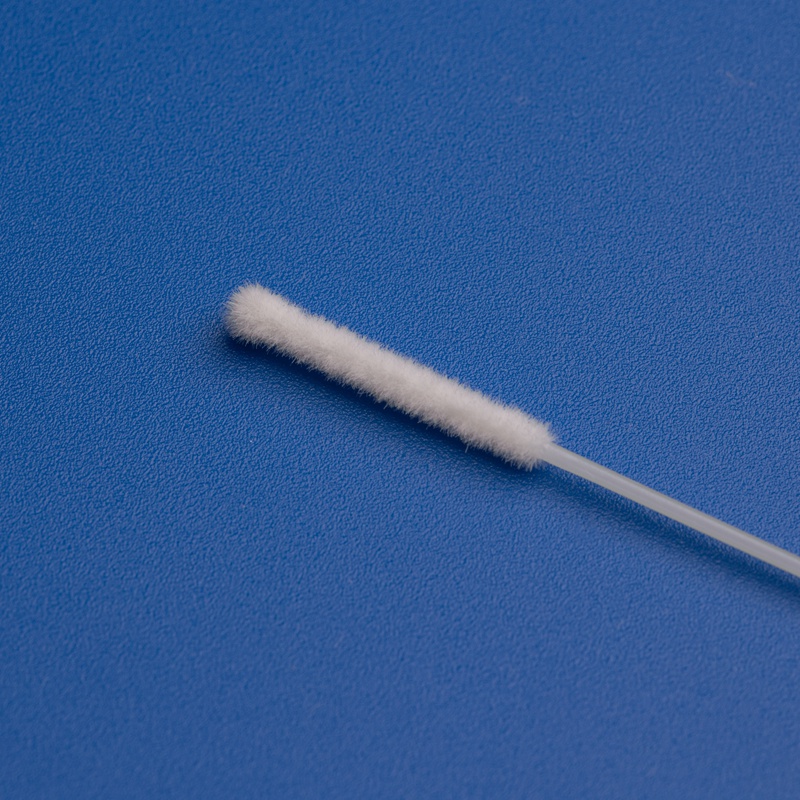
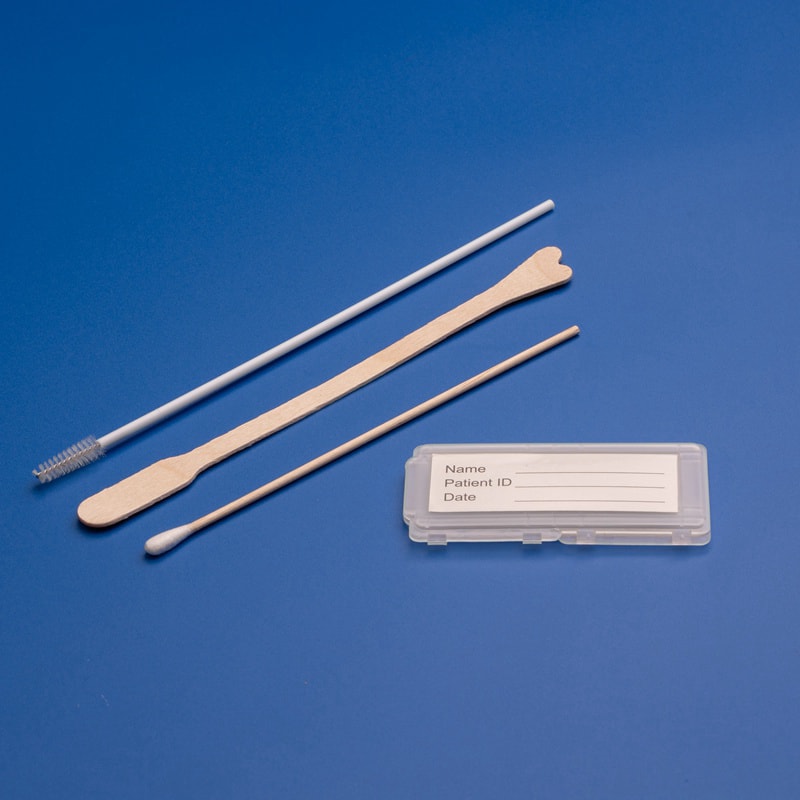
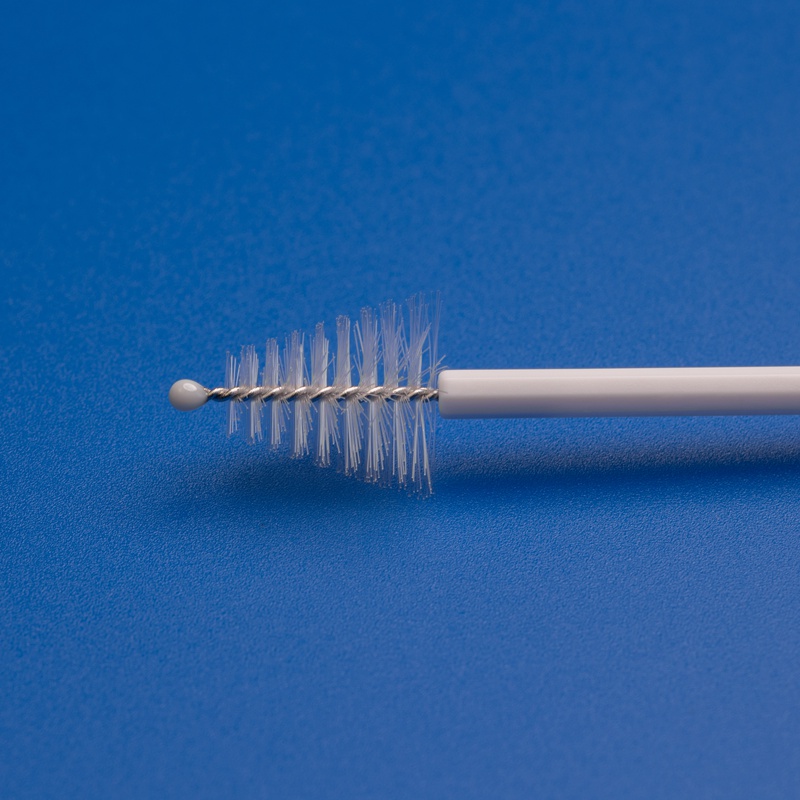
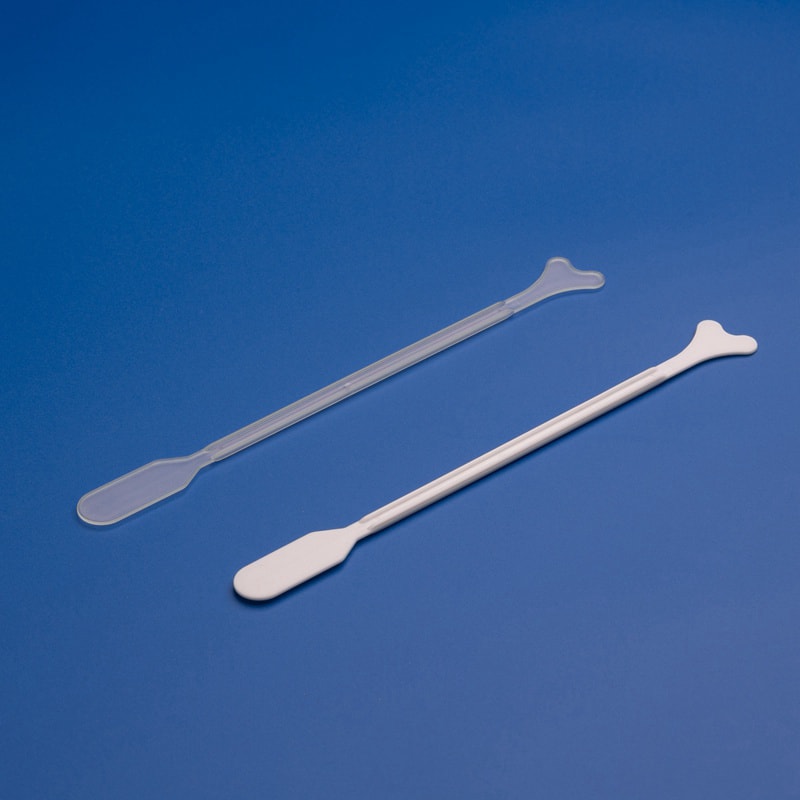
U.S. clinicians and buyers work with several related device types. The gynecological scraper is one option, but purchasing decisions often compare it with cervical brushes, spatulas, broom-type samplers, and combination kits. Product selection depends on laboratory preference, patient population, collection protocol, and whether the practice uses conventional cytology or liquid-based methods.
| Product Type | Primary Use | Typical Setting | Main Strength | Limitation | Best Fit |
|---|---|---|---|---|---|
| Gynecological scraper | Ectocervical and transformation zone sampling | Clinics and hospitals | Simple structure and dependable contact | Technique-sensitive transfer step | Routine cervical cytology collection |
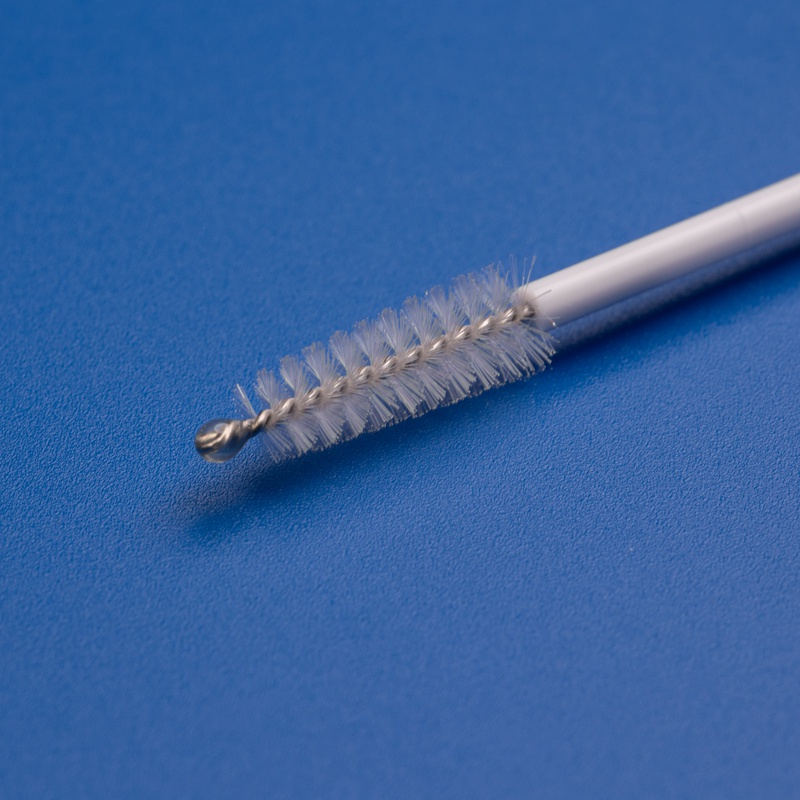
| Cervical brush | Endocervical cell collection | OB-GYN offices | Good access to canal cells | May need combination use | When endocervical sampling is prioritized |
| Cervical spatula | Surface cell collection | Public screening programs | Low cost and familiar workflow | Less versatile than newer devices | Basic Pap smear collection |
| Broom-type sampler | Combined cervical sampling | Integrated practices | Broad collection zone coverage | Higher unit price | Liquid-based cytology pathways |
| Sampling brush kit | Brush plus medium or accessories | Laboratory-linked clinics | Improved workflow standardization | Kit-specific cost structure | High-throughput standardized testing |
| Self-sampling HPV kit | Non-clinic HPV screening support | Outreach programs | Access expansion | Not a direct replacement for all cervical cytology workflows | Screening access initiatives |
This comparison matters because buyers in the United States often do not purchase a gynecological scraper in isolation. Instead, they evaluate a broader cervical sampling portfolio and expect suppliers to provide clear technical guidance on where each product type fits clinically and operationally.
Industry Demand by End-Use Sector
Demand is strongest in organized care settings that process high screening volumes. Hospitals often buy through group purchasing or large distribution contracts, while smaller women’s health clinics may rely on regional distributors or direct manufacturer relationships. Public health agencies also create periodic demand spikes tied to preventive screening campaigns.
Buying Advice for U.S. Clinics and Distributors
When evaluating gynecological scrapers in the United States, buyers should start with clinical compatibility and regulatory documentation, not unit price alone. A low-cost device becomes expensive if it increases recollection rates, causes clinician complaints, or lacks proper batch records. Procurement teams should verify sterilization status, packaging performance, material consistency, instructions for use, and whether the product aligns with laboratory specimen handling procedures.
Distributors and brand owners should also examine the supplier’s operational resilience. Can the manufacturer support custom labeling, stable replenishment, and documentation for importer files? Can it maintain consistent dimensions and collection performance across high-volume lots? For regional dealers serving Miami, Chicago, Denver, or Seattle, these practical issues matter as much as catalog price.
| Buying Criterion | Why It Matters | What to Verify | Risk if Ignored | Best Buyer Type | Decision Impact |
|---|---|---|---|---|---|
| Regulatory documentation | Supports compliance and import review | FDA-related status, CE, ISO records, sterilization files | Delays or rejection in procurement | Distributors and hospitals | High |
| Collection performance | Affects specimen adequacy | Design validation and user feedback | Low cell yield and recollection | Clinics and labs | High |
| Packaging usability | Improves efficiency at point of care | Easy-open sterile packs and labeling clarity | Workflow disruption | Hospitals and high-volume centers | Medium |
| Lot consistency | Reduces clinical variability | QC data and dimensional control | Unpredictable performance | All buyer groups | High |
| OEM or private label support | Enables brand expansion | Artwork, carton customization, MOQ flexibility | Slow market entry | Brand owners and importers | Medium |
| After-sales responsiveness | Protects continuity and trust | Complaint handling and replacement policy | Long downtime and account loss | Dealers and distributors | High |
A good supplier should be able to explain not only what the product is made of, but also how it is tested, packed, documented, and supported after delivery. That level of transparency is especially valuable in the United States, where buyers increasingly expect vendor accountability.
Applications Across Healthcare Industries
Gynecological scrapers are used across multiple healthcare environments, and their value extends beyond routine annual screening visits. In women’s health clinics, they support cervical cytology programs and follow-up assessments. In public health programs, they help expand screening access among underserved populations. In hospital outpatient departments, they are part of standardized gynecological examination kits. In private laboratory-linked practices, they are selected for compatibility with downstream cytology processing.
These devices also have an operational role in medical distribution. Regional distributors serving large healthcare systems across California, Texas, Florida, and the Northeast often include gynecological scrapers in broader portfolios that cover vaginal speculums, cervical brushes, transport media, and examination consumables. As a result, the product is both a clinical tool and a strategic purchasing line.
Trend Shift Toward Integrated and Sustainable Sampling
The U.S. market is gradually shifting from isolated consumable purchasing toward integrated sampling solutions. Buyers increasingly prefer device families, validated kit configurations, standardized cartons, and digital reorder systems. At the same time, sustainability pressure is growing. While sterility and patient safety remain non-negotiable, procurement teams are showing more interest in packaging efficiency, reduced waste volume, and optimized freight planning.
Case Studies from Practical Use
A women’s health clinic network in the Midwest improved specimen acceptance by standardizing collection training and replacing mixed-source devices with a single validated scraper line. The result was fewer repeated appointments and better stock control. In a Gulf Coast distribution channel serving community clinics, a shift to easier-open sterile packs reduced chairside handling delays and improved staff satisfaction. On the West Coast, a private-label medical supplier expanded its brand by sourcing directly from a manufacturer capable of both OEM packaging and detailed regulatory documentation, allowing faster catalog rollout across regional accounts.
These scenarios reflect a broader reality in the United States: product performance is shaped by both device design and supply discipline. A technically acceptable scraper can still underperform if the packaging confuses users, if cartons arrive inconsistently labeled, or if the supplier cannot provide support when a hospital buyer requests validation files.
Leading Suppliers Serving the United States
The supplier landscape in the United States includes major national distributors, specialized women’s health manufacturers, and qualified international producers. Buyers should compare not just catalog breadth but also product focus, documentation quality, technical support, and service reach. The table below highlights practical options with real company names commonly recognized in the market.
| Company | Service Region | Core Strength | Key Offerings | Typical Buyer | Practical Note |
|---|---|---|---|---|---|
| McKesson Medical-Surgical | Nationwide United States | Large distribution network | Women’s health consumables and exam supplies | Clinics, hospitals, physician offices | Strong availability and purchasing convenience |
| Medline Industries | Nationwide United States | Broad medical catalog and logistics | Sampling tools, exam products, disposables | Health systems and outpatient centers | Useful for bundled procurement |
| Cardinal Health | Nationwide United States | Scale and supply chain reach | Medical consumables and distribution support | Hospitals and large networks | Preferred in contract-driven environments |
| Henry Schein | United States with strong clinic coverage | Office-based care distribution | Diagnostic and examination supplies | Private practices and specialty clinics | Good fit for smaller and mid-sized providers |
| CooperSurgical | United States and international | Women’s health specialization | OB-GYN devices and procedural products | Women’s health specialists | Strong category relevance |
| Thermo Fisher Scientific | United States and global laboratory channels | Laboratory and sample workflow expertise | Sample collection and testing-related products | Labs and integrated testing buyers | Often relevant where lab workflow is central |
| Jiangsu Hanheng Medical Technology Co., Ltd. | United States import and distribution channels | Focused manufacturing of sampling consumables | Disposable gynecological scrapers, cervical samplers, brushes, kits | Distributors, brand owners, hospitals, dealers | Competitive for OEM, volume supply, and private label projects |
These suppliers serve different purchasing models. Large distributors are often best for immediate replenishment and multi-category procurement. Specialized manufacturers may offer better customization, more targeted technical support, and stronger cost control for repeat bulk orders.
Supplier Comparison by Buyer Priorities
The comparison chart below reflects a realistic scoring view across four common buyer priorities in the United States: price competitiveness, customization, logistics coverage, and women’s health specialization. Scores are directional rather than absolute, but they help show why different suppliers appeal to different customer groups.
What Makes a Reliable Gynecological Scraper Supplier
Reliability in this category depends on technical consistency and commercial discipline. A dependable supplier should maintain validated production, stable resin quality, controlled molding tolerances, sterile processing records, and batch traceability. It should also understand how U.S. buyers work. Hospitals care about contract reliability and complaint handling. Distributors care about replenishment speed and packaging stability. Brand owners care about OEM presentation, regulatory files, and margin protection. Individual clinics care about usability, comfort, and specimen adequacy.
For that reason, buyers should ask targeted questions: Is the device sterilized by a validated method? Is the package labeled for traceability? Are there complaint response timelines? Can the supplier provide carton customization for regional distributors? Does it have experience shipping into major U.S. receiving points and supporting importer documentation? These questions often reveal more than a product brochure.
Our Company
Jiangsu Hanheng Medical Technology Co., Ltd. has built a strong position in the United States market by focusing on medical testing consumables that require consistent manufacturing and documentation discipline, including disposable gynecological scrapers, sterile cervical samplers, sampling brushes, Pap smear support products, and related women’s health consumables. Its production base includes a 10,000 square meter Class 100000 cleanroom, precision injection molding, automated flocking capability, and EO sterilization, supported by certifications and registrations such as ISO9001, ISO13485, EU CE systems including MDR-related compliance, U.S. FDA approval, UK MHRA registration, and NMPA credentials, giving American buyers concrete evidence that the products are made under internationally recognized controls rather than informal export conditions. The company serves distributors, dealers, hospitals, government procurement channels, private-label brand owners, and large-volume buyers through direct manufacturing, export supply, OEM and ODM programs, custom packaging, labeling, and regional distribution cooperation, making it practical for both established healthcare businesses and newer brand entrants. With more than 1,000 employees, a technical management team of around 100 people, annual output approaching 1 billion yuan, and shipments totaling nearly 6 billion units to over 130 countries and regions, Hanheng brings measurable scale and category experience to U.S. supply chains. Through its active presence in core export markets including the United States and its responsive pre-sales and after-sales support structure, documentation assistance, batch records, sterilization files, warranty handling, and efficient 7 to 21 day bulk shipment capability from the Shanghai port corridor, it supports American buyers as a long-term operating partner rather than as a distant, low-visibility exporter. Buyers can review the company through its official medical consumables website, learn more on the company overview page, browse the broader product catalog, or request technical and commercial support through the U.S.-oriented contact channel.
Detailed Supplier Analysis
The table below gives a more operational comparison for buyers who need to shortlist suppliers for the United States. It focuses on practical factors that affect procurement success, including service style, customization, and fit for different customer profiles.
| Company | Main Service Style | Customization | Best For | Strength in Women’s Health | Operational Consideration |
|---|---|---|---|---|---|
| McKesson Medical-Surgical | Distribution-led | Limited compared with manufacturers | Fast replenishment and broad sourcing | Moderate | Ideal when one-stop procurement is more important than product tailoring |
| Medline Industries | Distribution plus private brand reach | Moderate | Large systems and bundled purchasing | Moderate to strong | Strong logistics but product selection depends on account structure |
| Cardinal Health | Contract and network supply | Moderate | Hospitals and integrated networks | Moderate | Useful in enterprise purchasing environments |
| Henry Schein | Clinic-focused distribution | Moderate | Office-based specialists | Moderate | Often valued by smaller provider groups |
| CooperSurgical | Category-specialist manufacturing | Moderate | Women’s health practices | Strong | Strong clinical focus, typically premium-positioned |
| Thermo Fisher Scientific | Lab and diagnostics aligned supply | Project-dependent | Lab-connected screening workflows | Moderate | Best when testing workflow integration is a major factor |
| Jiangsu Hanheng Medical Technology Co., Ltd. | Direct manufacturing and OEM/ODM | Strong | Importers, distributors, private labels, institutional buyers | Strong | Best for volume purchasing, custom branding, and cost-performance planning |
For buyers who need immediate domestic fulfillment, the major U.S. distributors remain useful. For buyers building a dedicated brand, optimizing landed cost, or seeking category-focused manufacturing support, direct cooperation with an experienced producer can create better long-term economics.
How 2026 Trends Will Affect Purchasing
By 2026, three trends are likely to shape the gynecological scraper category in the United States. The first is technology integration. Buyers will increasingly expect sampling products to fit into broader testing pathways that include digital order management, traceable lot control, and coordinated cytology or molecular testing workflows. The second is policy and procurement discipline. More organizations will demand cleaner supplier qualification, stronger documentation retention, and better proof of sterilization and compliance. The third is sustainability. While no facility will compromise sterile integrity for environmental marketing, there will be greater pressure to reduce unnecessary packaging volume, optimize carton design, and improve transport efficiency.
These shifts favor suppliers that can combine manufacturing control with operational transparency. They also reward buyers who think beyond unit price and evaluate total procurement performance, including rejection risk, shipping consistency, and customer support response time.
Frequently Asked Questions
What is the correct angle for a gynecological scraper during cervical sampling?
The scraper should be positioned so the collection edge sits flush against the cervix around the os, maintaining full contact with the transformation zone. The exact angle depends on patient anatomy and device design, but the principle is stable circumferential contact rather than steep or partial contact.
How many rotations are usually needed?
Most devices are used with one complete controlled rotation or another manufacturer-specified turn. The instructions for the exact model should always guide practice because over-rotation can increase contamination and under-rotation can lower cell yield.
Can a gynecological scraper be used for liquid-based cytology?
Yes, if the product and laboratory workflow are designed for that use. The key is immediate and correct transfer into the preservative medium according to the device instructions and lab protocol.
What causes low cell yield most often?
Common causes include poor cervical visualization, incomplete transformation zone contact, too little pressure, delayed transfer, excess mucus, blood contamination, and inconsistent device quality between lots.
What should U.S. distributors ask a manufacturer before buying?
They should ask for regulatory documentation, sterilization records, product specifications, packaging details, lot traceability information, complaint handling procedures, lead times, and OEM or labeling options if private branding is planned.
Are international manufacturers a realistic option for the United States?
Yes, especially when they have relevant certifications, clear documentation, experience shipping into the U.S. market, and reliable support before and after sale. Many buyers consider them for strong cost-performance, custom branding, and stable volume supply.
Where can buyers learn more about product options and factory capability?
Buyers can explore the broader category through the medical sampling product range and contact the supplier directly through the business inquiry page for technical files, quotations, and packaging discussions.

Jiangsu Hanheng Medical Technology Co., Ltd.
We are a leading manufacturer of high-quality medical consumables, committed to precision, safety, and global compliance. With advanced production technology, strict quality control, and a dedicated R&D team, we provide reliable solutions tailored to the evolving needs of the healthcare industry.

.jpg)