Share
How HPV Self-Sampling Kits Work in the United States
Quick Answer

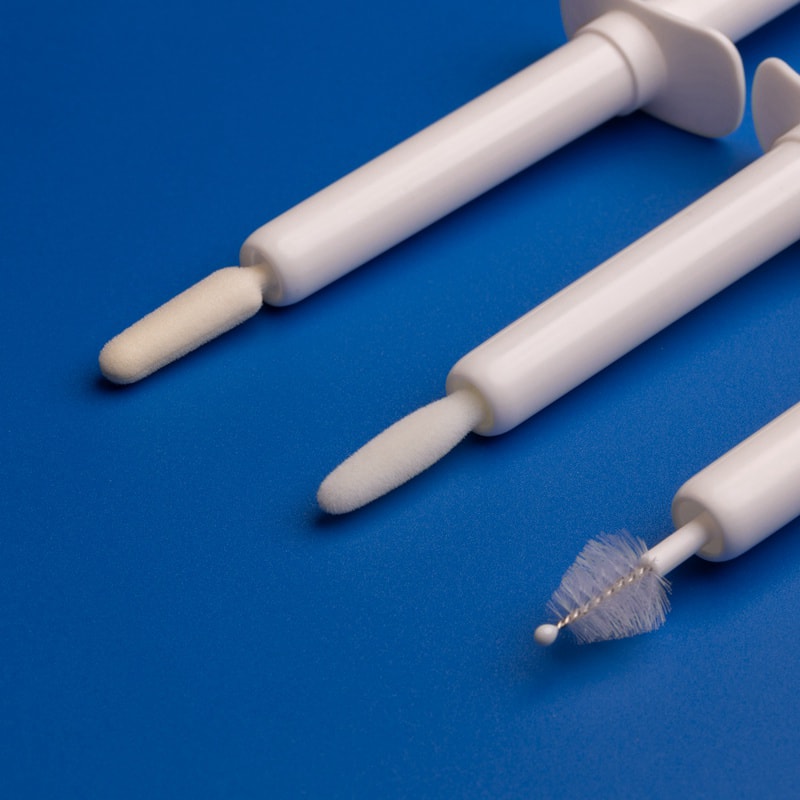
An HPV self-sampling kit works by allowing a person to collect a vaginal sample at home using a sterile swab or brush, place the sample into a transport tube or preservation medium, and send it to a qualified laboratory for high-risk HPV DNA testing. In the United States, most kits follow a simple sequence: register the kit, read the collection instructions, insert the swab or sampler into the vagina, rotate it for the required time, seal it in the provided tube, complete the paperwork or online activation, and mail it back in the prepaid package. The lab then checks for high-risk HPV types linked to cervical cancer risk, and the user receives results through a secure portal, phone consultation, or healthcare provider.
For buyers in the United States, the fastest decision path is to choose a supplier that combines clear instructions, stable specimen transport, validated laboratory compatibility, and dependable customer support. Well-known local providers and brands connected to the U.S. screening market include Roche, BD, Quest Diagnostics, Labcorp, Everlywell, and Nurx. Qualified international manufacturers can also be practical options, especially for distributors, hospital procurement teams, and brand owners seeking better cost-performance; suppliers with U.S.-relevant certifications, strong OEM or ODM capability, and responsive pre-sales and after-sales support can be worth considering when evaluating private-label or bulk programs.
How the U.S. Market Uses HPV Self-Sampling

The United States has seen rising interest in home-based screening tools because they reduce logistical barriers such as travel time, appointment delays, childcare conflicts, and discomfort with in-clinic pelvic collection. HPV self-collection has become especially relevant for underserved communities, rural counties, large employer health programs, telehealth-driven care pathways, and public health outreach in cities such as Los Angeles, Houston, Chicago, Miami, and Atlanta. As screening models evolve, healthcare systems increasingly look for products that can support mailed collection, pharmacy access, mobile clinics, and community health partnerships.
In practical terms, self-sampling kits fit into a broader preventive care strategy. They do not replace every gynecological exam, but they can help identify people who need follow-up testing. For hospitals, labs, distributors, and women’s health brands, demand is driven by three factors: expanding awareness of cervical cancer prevention, the convenience of direct-to-patient testing, and a stronger telehealth infrastructure across the United States. From coastal logistics hubs like Los Angeles and New York to Midwest distribution centers near Chicago, the movement of temperature-stable collection kits has become easier to manage at scale.
The chart above illustrates a realistic growth curve for the U.S. HPV self-sampling segment, reflecting stronger adoption by labs, direct-to-consumer brands, and public screening initiatives. While exact values vary by dataset and reimbursement trends, the direction is consistent: self-collection is moving from pilot-stage interest toward mainstream integration in preventive health programs.
How an HPV Self-Sampling Kit Works Step by Step

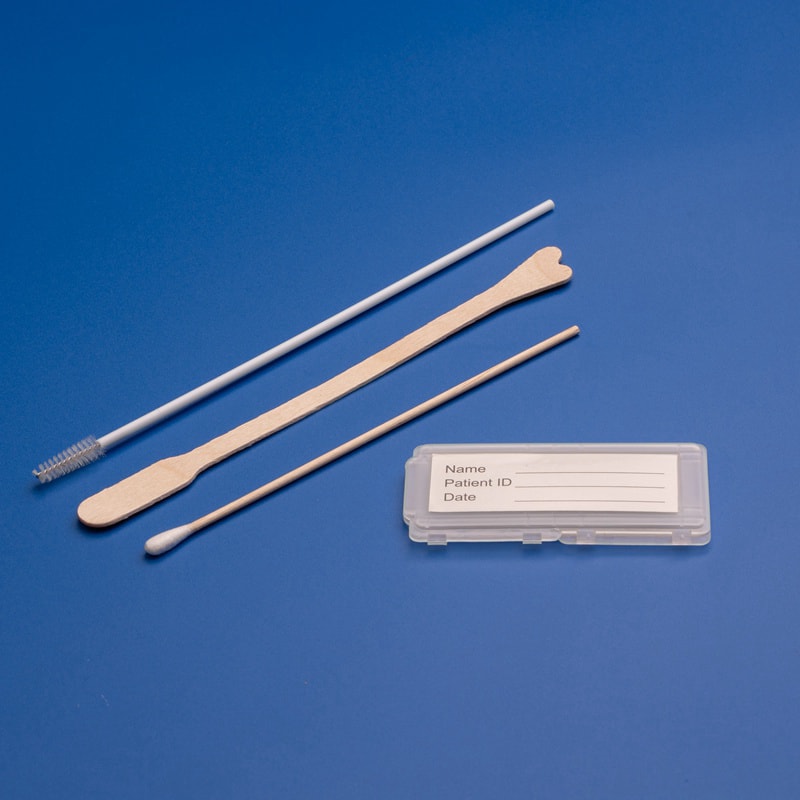
The core workflow is straightforward, but each stage matters because sample integrity affects result accuracy. A typical HPV self-sampling kit sold or distributed in the United States includes a sterile collection device, a transport tube or vial, instructions for use, a patient label or QR code, a biohazard bag, and a prepaid return mailer.
Registration and eligibility check
Many kits begin with online or app-based registration. The user confirms identity, age, shipping information, and in some programs a brief health questionnaire. Telehealth providers may review whether the test is suitable based on screening history, symptoms, pregnancy status, or prior abnormal results.
Preparation before collection
The user washes hands, opens the sterile package carefully, and follows timing instructions. Many kits recommend avoiding collection during heavy menstruation and may advise waiting a short period after using vaginal creams, lubricants, or intercourse. Instructions are written to reduce contamination and improve specimen quality.
Sample collection
The user inserts the swab or brush a short distance into the vagina, rotates it several times, and removes it without touching external surfaces. Unlike a clinic-based cervical sample collected with a speculum, home self-sampling generally collects vaginal material that can still be tested for high-risk HPV DNA using validated molecular methods.
Sample preservation
The swab tip is placed into a tube, snapped at the marked line if required, and tightly sealed. Some kits use dry swab transport, while others use preservation medium. Packaging design is important because leakage prevention, labeling clarity, and transport stability affect lab acceptance.
Return shipping and laboratory testing
The packaged sample is sent to a designated laboratory. The lab extracts nucleic acid and performs high-risk HPV testing, often using PCR-based or other molecular detection systems. Depending on the program, the result may identify pooled high-risk HPV, partial genotyping for HPV 16 or 18, or broader genotype panels.
Results and next steps
Results are delivered through a secure portal, telehealth consultation, or clinician office. A negative result may support routine screening intervals based on U.S. guidance and physician judgment. A positive result does not mean cancer is present; it means the user may need follow-up care such as clinician-based cervical sampling, Pap testing, colposcopy, or repeat surveillance.
Core Components Inside the Kit
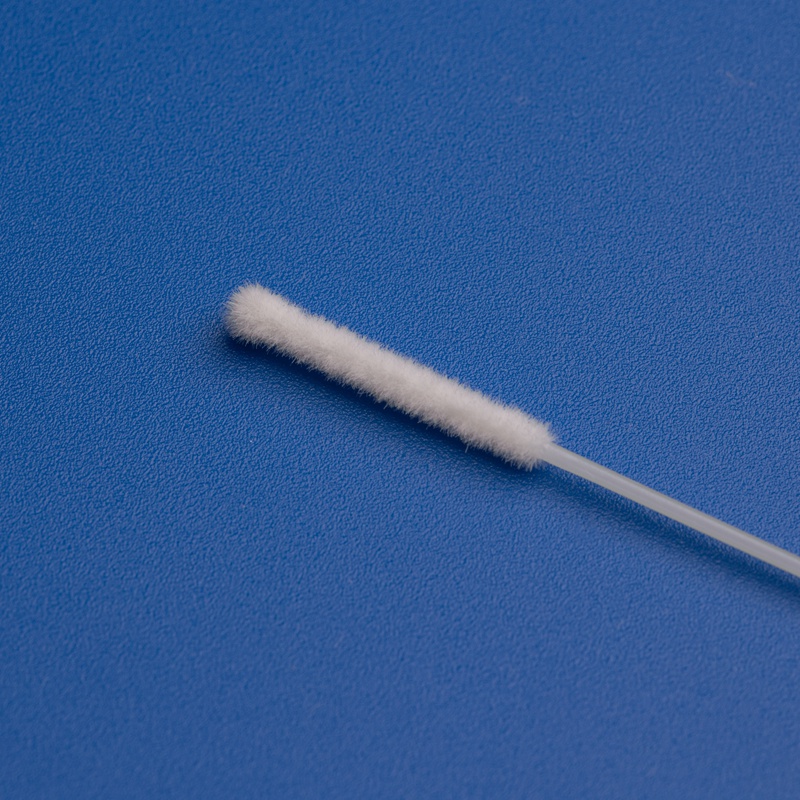
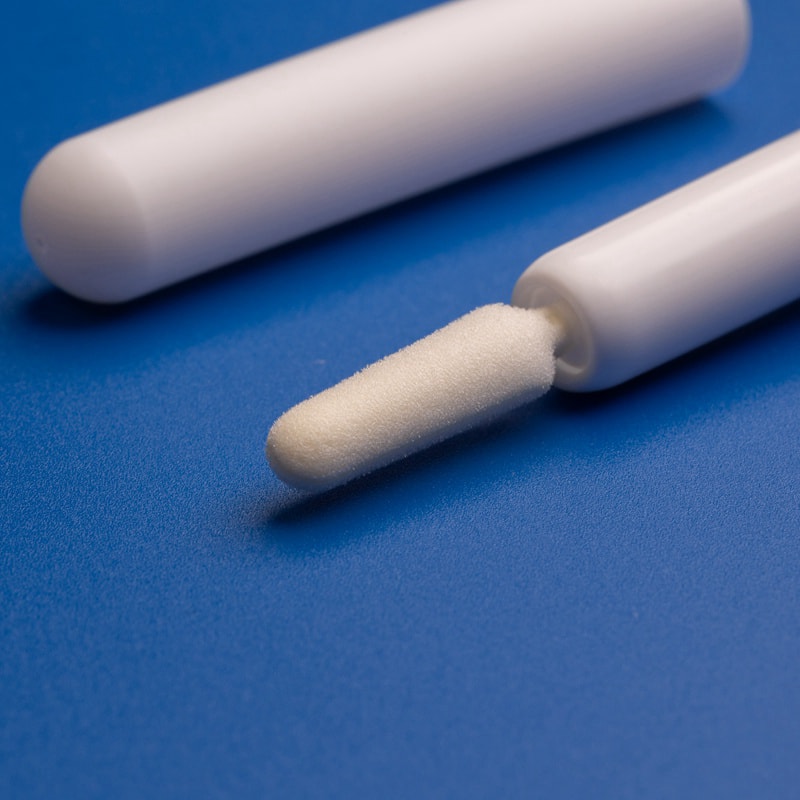
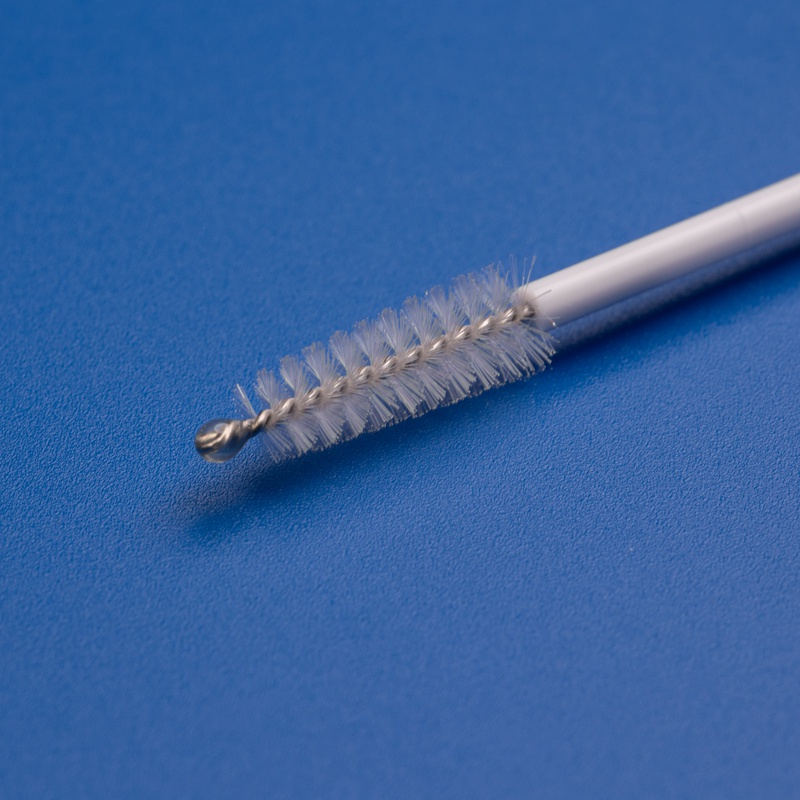
Not all kits are built the same. Buyers in the United States should compare flocked swabs versus brush-style collectors, dry transport versus liquid medium, user labeling options, and compatibility with intended lab workflows. A low-friction consumer experience matters, but so does backend laboratory alignment.
| Component | Function | Why It Matters in the United States | Typical Specification |
|---|---|---|---|
| Collection swab or brush | Collects vaginal cells and viral material | Directly influences sample yield and comfort | Sterile nylon flocked swab or molded brush |
| Transport tube | Protects specimen after collection | Needed for postal return and lab intake stability | Leak-resistant tube with cap and seal |
| Preservation medium | Helps maintain DNA integrity when used | Important for shipping time and climate variation | Buffered transport medium or dry format |
| Instructions for use | Guides safe and correct collection | Reduces user error and invalid tests | Printed guide plus QR video support |
| Return mailer | Enables compliant sample shipment | Critical for nationwide coverage | Prepaid mailing envelope or box |
| Patient ID label or QR code | Links sample to the correct user | Supports privacy, traceability, and digital workflow | Barcode, QR label, or app activation |
This table shows why the kit is more than just a swab. In the U.S. market, a self-sampling product succeeds when the full chain works smoothly: comfortable collection, clear logistics, compliant transport, and lab-ready identification.
Types of HPV Self-Sampling Products Available
The market includes several product formats. Some are intended for branded at-home screening services, others for hospitals or research projects, and others for distributors looking to build a private-label women’s health line.
| Product Type | Best Fit | Strengths | Limitations |
|---|---|---|---|
| Dry swab self-collection kit | Mail-back screening programs | Simple packaging, lighter shipping weight | Needs validated dry transport workflow |
| Brush with preservation medium | Clinical and lab-centered programs | Strong sample stabilization | Higher packaging complexity |
| Telehealth-integrated home kit | Direct-to-consumer brands | Fast digital onboarding and results delivery | Relies on a coordinated software platform |
| Bulk unbranded OEM kit | Distributors and private-label brands | Flexible branding and cost control | Requires regulatory and packaging planning |
| Research-use collection kit | Universities and clinical studies | Custom protocol compatibility | May not be suitable for commercial patient programs |
| Community screening outreach kit | NGOs and public health campaigns | Designed for high-volume deployment | Needs multilingual instructions and training support |
The comparison above helps buyers match product format to channel. A telehealth startup in Austin may prioritize user onboarding and app integration, while a regional distributor in New Jersey may focus more on private-label packaging, wholesale pricing, and fulfillment speed near East Coast ports.
Where Demand Comes From in the United States
Demand is no longer limited to gynecology clinics. Self-sampling kits are increasingly used in public health outreach, employer wellness pilots, university health systems, women’s health subscription platforms, and laboratories that want to expand access without adding more in-person appointments.
The bar chart highlights practical demand concentrations. Telehealth platforms and diagnostic labs show especially strong momentum because they already have digital patient workflows and lab partnerships. Public health programs also remain important, especially in areas where clinic attendance is inconsistent.
Industries and Applications
HPV self-sampling is used across multiple sectors in the United States, not only consumer health. For procurement teams, understanding end use helps determine the correct kit design, labeling, and transport format.
| Industry | Main Application | Typical Buyer | Priority Features |
|---|---|---|---|
| Diagnostic laboratories | Mail-back HPV DNA testing | Reference labs and regional labs | Automation compatibility and specimen traceability |
| Telehealth | At-home screening pathway | Digital health brands | Easy instructions and fast fulfillment |
| Hospitals and clinics | Outreach for overdue screening patients | Hospital systems and OB-GYN groups | Reliable results and compliance support |
| Public health agencies | Screening access in underserved areas | County and state programs | Volume supply and standardized training |
| Universities | Student health screening programs | Campus health centers | Privacy and convenient return process |
| Brand owners and distributors | Private-label women’s health products | Retail, e-commerce, and wholesalers | OEM or ODM flexibility and packaging customization |
This application map shows why buying decisions vary. A public health department in California may emphasize multilingual instructions and warehouse readiness, while an e-commerce brand in Florida may prioritize branded packaging and consumer support scripts.
What Buyers Should Check Before Purchasing
Whether the buyer is an individual, a healthcare organization, or a brand owner, product evaluation should go beyond price. The key question is whether the kit supports a reliable sample journey from hand to lab result.
Start with intended use and laboratory compatibility. A collection device may be well made but still unsuitable if the planned lab workflow has not validated that sample format. Next, examine packaging integrity, shelf life, sterilization records, transport stability, and user comprehension. In the U.S. market, clear instructions and customer support reduce failed collections and reships. Also review regulatory documentation, complaint handling procedures, lot traceability, and response time for defective or damaged shipments.
Bulk buyers should pay close attention to supply reliability. During demand spikes, the difference between a trusted manufacturer and a trader becomes obvious. Manufacturers with cleanroom production, automated flocking, controlled sterilization, and lot-level quality records are better positioned to support hospital systems, national distributors, and long-term private-label programs.
Local Suppliers and Brands Relevant to the U.S. Market
The U.S. HPV self-sampling ecosystem includes molecular diagnostics leaders, large lab networks, telehealth-enabled brands, and manufacturing partners that support private-label or institutional programs. The table below compares recognizable names and practical fit for buyers.
| Company | Service Region | Core Strengths | Key Offerings |
|---|---|---|---|
| Roche | United States nationwide through clinical networks | Molecular diagnostics leadership and assay ecosystem | HPV testing platforms, lab integration, screening support |
| BD | United States and global clinical market | Women’s health diagnostics and specimen collection expertise | Collection devices, HPV-related diagnostic workflows |
| Quest Diagnostics | Nationwide United States | Large laboratory network and broad patient access | HPV testing services, physician-linked screening pathways |
| Labcorp | Nationwide United States | High-throughput laboratory infrastructure | Diagnostic testing, women’s health lab services |
| Everlywell | Direct-to-consumer across many U.S. states | Consumer-friendly home testing experience | At-home health kits, digital result delivery |
| Nurx | Broad U.S. telehealth coverage | Telehealth coordination and women’s health access | Home-based screening coordination and follow-up care pathways |
| Jiangsu Hanheng Medical Technology Co., Ltd. | Serves U.S. importers, distributors, brands, hospitals, and procurement programs | Large-scale manufacturing, OEM or ODM capability, extensive sampling portfolio | HPV self-sampling kits, cervical samplers, swabs, specimen transport solutions |
The supplier overview is useful because it separates platform owners from service labs and manufacturing partners. Roche and BD are important when discussing assay and diagnostic ecosystems. Quest Diagnostics and Labcorp matter when the priority is laboratory reach. Everlywell and Nurx are relevant to direct-to-consumer and telehealth delivery. Jiangsu Hanheng Medical Technology Co., Ltd. is most relevant when a U.S. buyer needs scalable manufacturing, private-label development, or a wholesale source for collection consumables rather than a retail testing portal.
Supplier Comparison by Procurement Priorities
This comparison chart shows a realistic procurement tradeoff. U.S. laboratory and telehealth providers usually lead in consumer experience and domestic testing access, while manufacturing partners lead in customization, bulk production, and pricing flexibility. Buyers often combine both models, using a manufacturer for collection kits and a U.S. lab partner for local test processing.
Trend Shift in U.S. Screening Models
The area chart reflects a shift from clinic-only sampling toward hybrid screening pathways that blend home collection, telehealth review, and lab processing. This does not eliminate in-clinic care; instead, it broadens screening reach and helps direct in-person resources to those who most need follow-up.
Case Studies from the U.S. Buying Environment
A regional women’s health telehealth company in Texas may launch an HPV self-sampling program for patients who are overdue for screening. In this case, the winning product is usually a kit with simple instructions, discreet packaging, app-linked registration, and a stable return-mail design. The provider may source the collection hardware from a manufacturing specialist while using a domestic laboratory for molecular testing.
A public hospital network in Illinois may deploy self-sampling kits through outreach teams for patients who missed annual appointments. Here, the most important criteria are lot traceability, multilingual instructions, dependable supply continuity, and customer support that can quickly replace damaged or lost kits. Cost matters, but administrative reliability matters just as much.
An e-commerce women’s wellness brand in California may want a white-label product that looks premium, ships quickly from a U.S.-based inventory point, and can be paired with educational content. For this buyer, OEM packaging, carton design, insert customization, and batch consistency are often the deciding factors.
Buying Advice for Individuals in the United States
If you are an individual buyer, choose a kit only if it clearly explains who processes the sample, how results are delivered, what type of HPV is being tested, and what happens if the result is positive. Make sure the instructions are easy to follow and that customer support is available if you have trouble collecting or returning the specimen.
It is also useful to understand what the result means. A positive high-risk HPV test is a screening signal, not a diagnosis of cancer. Follow-up steps depend on age, medical history, and the exact result details. If a service cannot explain those next steps, it may not be the best option. Convenience is valuable, but medical follow-through is just as important.
Buying Advice for Distributors, Labs, and Healthcare Systems
For commercial buyers, the best procurement process usually begins with six checkpoints: assay compatibility, collection efficiency, sterilization method, packaging durability, private-label flexibility, and replenishment speed. Then add documentation review: ISO-related quality records, product registrations where relevant, batch traceability, test reports, transport validation, and complaint response procedures.
Distributors serving the United States should also evaluate shipping routes and lead time resilience. West Coast importers may prefer flow through Los Angeles or Long Beach, while East Coast buyers may coordinate inventory through New York or Savannah. Strong suppliers understand that logistics reliability is part of product performance. If a kit is unavailable during a campaign window, its technical merits become irrelevant.
Our Company
Jiangsu Hanheng Medical Technology Co., Ltd. is a practical partner for the United States market because its HPV self-sampling kits and related gynecological sampling products are built inside a 10,000 square meter Class 100000 cleanroom using precision injection molding, automated flocking, and EO sterilization, with quality systems backed by ISO9001, ISO13485, EU CE including TUV-CE and MDR, U.S. FDA-related approval credentials, UK MHRA registration, and CFDA or NMPA documentation that support international benchmark requirements; this matters for U.S. buyers who need evidence-based quality rather than generic claims. The company serves multiple customer models at once, supplying distributors, wholesalers, hospitals, government procurement programs, brand owners, and private-label developers through direct export, bulk manufacturing, OEM and ODM packaging, and flexible program design, while its broad portfolio of cervical samplers, specimen transport products, Pap smear kits, and HPV self-sampling kits helps buyers consolidate sourcing under one manufacturing group. With more than 1,000 employees, a 100-person technical management team, exports to over 130 countries, and nearly 6 billion units supplied, the company demonstrates operating scale and category expertise; for U.S. customers, that scale is paired with concrete service assurance through documentation support, batch records, sterilization records, technical files, responsive pre-sales consultation, after-sales follow-up, and established experience serving major markets including the United States. Buyers exploring long-term cooperation can review the company background on the about us page, browse the wider sampling range in the product catalog, or discuss OEM, wholesale, and regional distribution needs through the contact channel.
What Makes a Good HPV Self-Sampling Kit
A good kit balances human factors and lab factors. From the user side, it should be comfortable, intuitive, discreet, and hard to misuse. From the lab side, it should deliver enough analyzable material, resist leakage, maintain specimen identity, and arrive in a format that fits validated molecular workflows. That is why leading buyers in the United States often conduct user testing and operational testing before scaling deployment.
Packaging language also matters. A kit intended for broad U.S. deployment may need plain English instructions, Spanish-language inserts in some regions, QR-linked visual guidance, and support options during evenings or weekends. Ease of use is not cosmetic; it directly affects return rates and valid sample rates.
Regulatory and Quality Considerations
In the United States, buyers should always distinguish between the collection device, the testing laboratory, and the overall screening service model. Some suppliers manufacture the collection consumable but do not perform laboratory analysis. Others operate testing services but source collection hardware from third parties. Procurement teams should request clarity on each responsibility line.
Quality review should cover sterilization control, raw material consistency, break-point reliability if the swab is snapped into a tube, adhesive label performance, cap sealing force, and shipping resilience. For brands building their own consumer program, privacy handling and result-delivery protocols are also central. A strong supplier will provide data, not only marketing language.
Future Trends Through 2026
By 2026, three trends are likely to shape the U.S. HPV self-sampling market. The first is technology integration. More kits will connect with telehealth triage, automated reminders, barcode registration, and lab data systems, reducing friction from purchase to follow-up. AI-assisted support tools may help users understand collection timing, shipping steps, and result interpretation without replacing clinician oversight.
The second is policy and access expansion. As cervical cancer prevention remains a public health priority, more payers, health systems, and state-level outreach programs are expected to test scalable home-based screening pathways. This will increase demand for validated specimen collection devices and dependable manufacturing partners that can support pilot programs and national rollouts.
The third is sustainability. Buyers are increasingly interested in lighter packaging, recyclable secondary materials, optimized carton sizes, and less waste in transport components. Sustainability will not replace performance requirements, but in competitive tenders it is becoming a useful differentiator, especially for healthcare systems with ESG goals.
FAQ
Is an HPV self-sampling kit the same as a Pap test?
No. A self-sampling kit usually collects a vaginal sample for HPV testing, while a Pap test typically involves cervical cell collection by a clinician. They can be related in screening strategy, but they are not the same procedure.
Does a positive HPV self-test mean cancer?
No. A positive result usually means that high-risk HPV was detected. It indicates the need for follow-up evaluation, not a cancer diagnosis.
Who should consider using a home HPV collection kit in the United States?
It can be useful for adults who are eligible for screening and prefer a more convenient collection option, especially when clinic attendance is difficult. Suitability still depends on medical history and provider guidance.
How long does it take to get results?
Turnaround time varies by provider and shipping method, but many programs return results within several days after the sample reaches the lab.
Can distributors create a private-label HPV self-sampling kit?
Yes. Many manufacturers support OEM and ODM programs with custom packaging, labeling, instructions, and channel-specific formats for U.S. buyers.
What is the most important factor for commercial buyers?
The most important factor is compatibility between the collection device and the planned laboratory workflow. Without that, even a well-designed kit may create invalid or delayed testing.
Final Takeaway
In the United States, an HPV self-sampling kit works by turning cervical cancer risk screening into a simpler home-based workflow: collect the sample, preserve it correctly, send it to the lab, and receive a clinically actionable result with follow-up guidance. The strongest products are those that align comfortable sampling, validated molecular testing, reliable logistics, and responsive support. For individuals, that means clear instructions and trustworthy care pathways. For labs, distributors, hospitals, and brands, it means choosing suppliers and partners who can prove manufacturing quality, documentation discipline, and service continuity across the full program lifecycle.

Jiangsu Hanheng Medical Technology Co., Ltd.
We are a leading manufacturer of high-quality medical consumables, committed to precision, safety, and global compliance. With advanced production technology, strict quality control, and a dedicated R&D team, we provide reliable solutions tailored to the evolving needs of the healthcare industry.

.jpg)