Share
Disposable vs Reusable Cervical Sampler in the United States
Quick Answer

In the United States, disposable cervical samplers are the better choice for most hospitals, clinics, OB-GYN groups, women’s health programs, and diagnostic laboratories because they reduce cross-contamination risk, simplify workflow, support single-patient traceability, and align more easily with modern infection prevention expectations. Reusable cervical samplers may still appear in limited legacy settings or low-volume environments, but they are generally less practical once cleaning validation, staff time, sterilization control, and medico-legal risk are included in the real cost calculation. For buyers that need dependable sourcing, leading options in the U.S. market include CooperSurgical, MedGyn Products, McKesson, Cardinal Health, Puritan Medical Products, and Wallach Surgical Devices. Qualified international manufacturers can also be worth considering when they hold relevant certifications, support U.S. documentation needs, and provide reliable pre-sales and after-sales service; this is especially true for cost-sensitive tenders and private-label programs where strong cost-performance matters.
If the goal is routine cervical screening, HPV sampling, Pap collection, or procedure tray standardization, the practical answer is straightforward: choose sterile disposable cervical samplers for daily clinical use, reserve reusable instruments only for very specific validated protocols, and buy from suppliers that can support regulatory paperwork, stable lead times, and lot-level quality consistency.
United States Market Overview

The U.S. market for cervical sampling devices is shaped by a combination of preventive screening programs, women’s health awareness, hospital procurement standards, outpatient gynecology growth, and expanding HPV-focused diagnostics. Demand is concentrated around large healthcare hubs such as New York, Los Angeles, Chicago, Houston, Boston, Atlanta, and Miami, while import logistics often flow through ports and distribution corridors connected to Los Angeles, Long Beach, Savannah, New York-New Jersey, and Houston. Buyers are no longer assessing only unit price. They are looking at total use cost, packaging format, sterility assurance, specimen adequacy, EHR-compatible labeling, and whether a device fits the collection protocols used by cytology labs and molecular testing workflows.
The disposable segment has expanded faster because U.S. healthcare systems continue to favor standardized infection control and simpler inventory control. Reusable cervical sampling tools face pressure from stricter sterilization expectations, labor constraints in central processing, and the growing preference for procedure-ready sterile kits. In parallel, self-collection pathways for HPV and broader access programs are changing how purchasing teams think about sampler design, transport media compatibility, and patient comfort.
This growth curve reflects realistic market momentum driven by preventive screening, HPV-related testing expansion, and replacement of older reusable workflows with sterile single-use systems. It also indicates why U.S. procurement teams are asking suppliers for stronger lot traceability and more flexible packaging quantities.
Disposable and Reusable Product Types

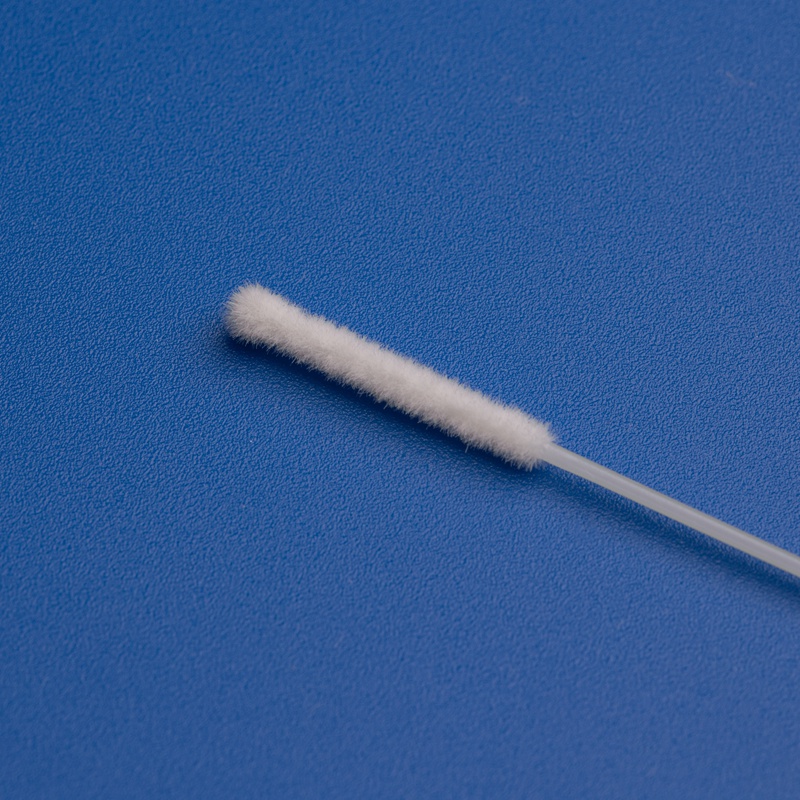
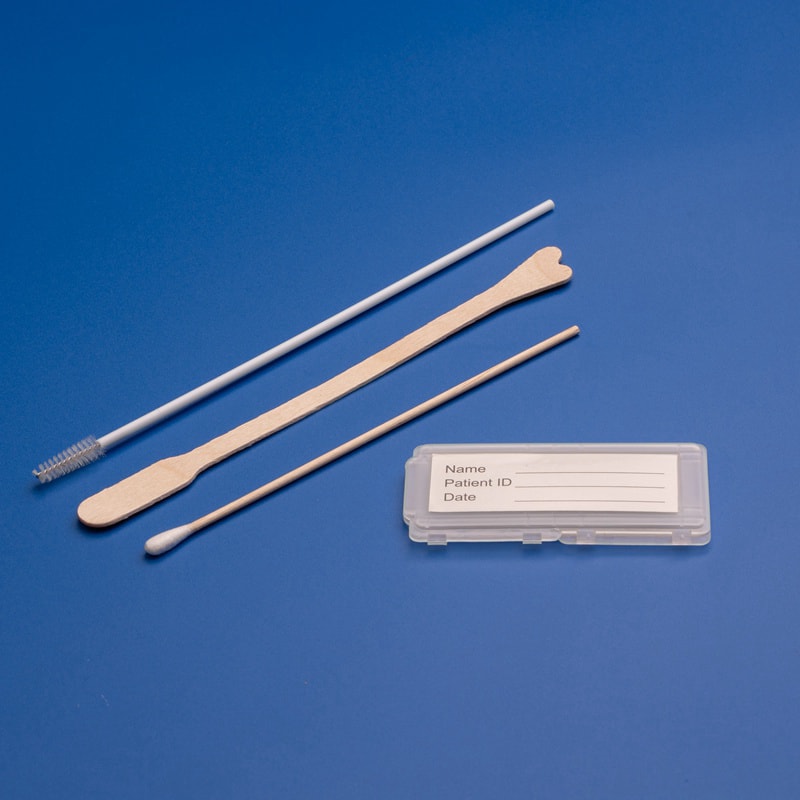
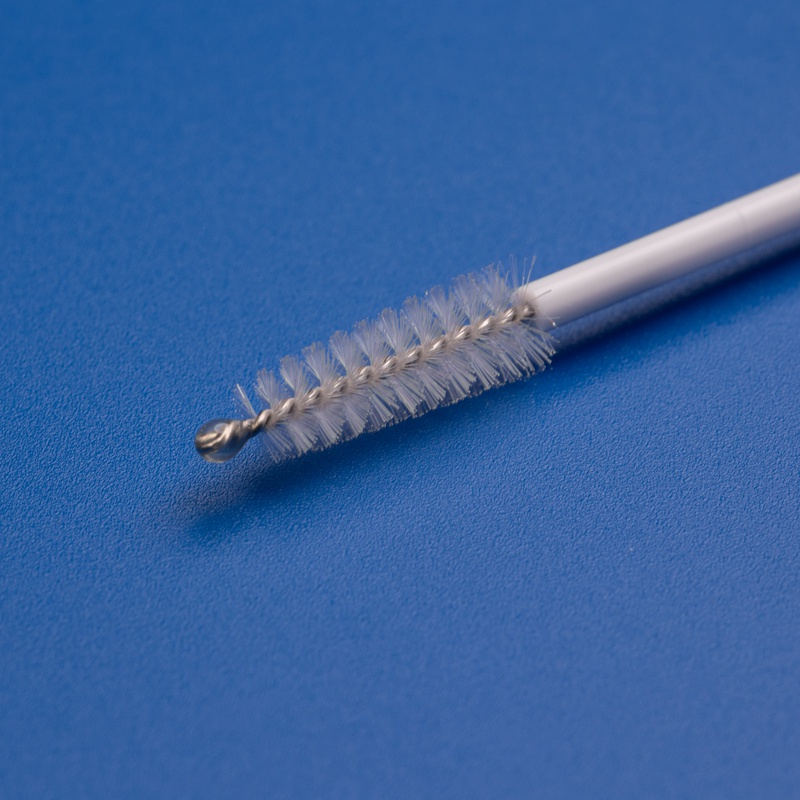
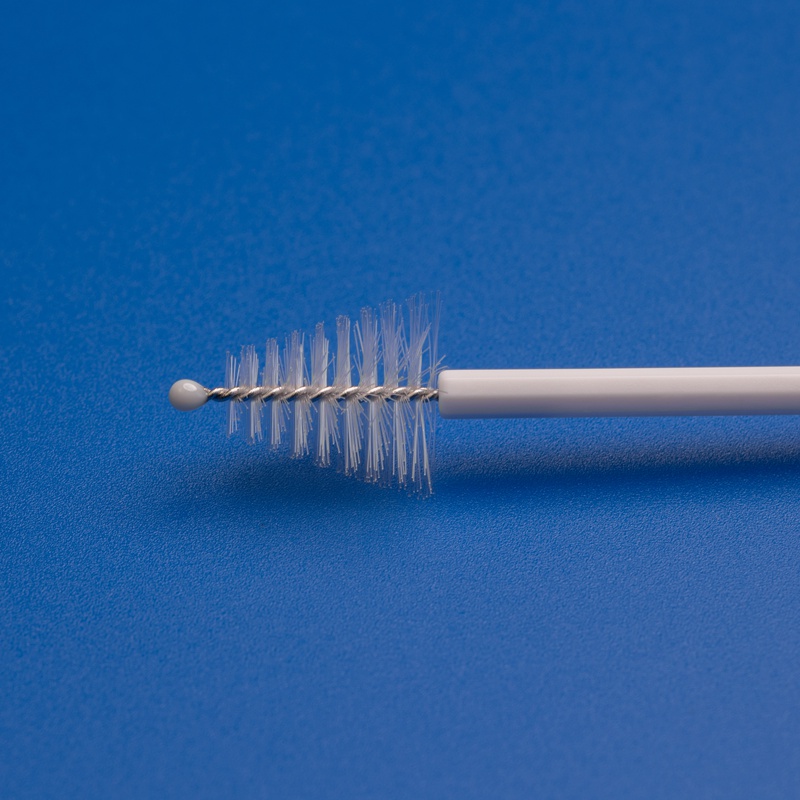
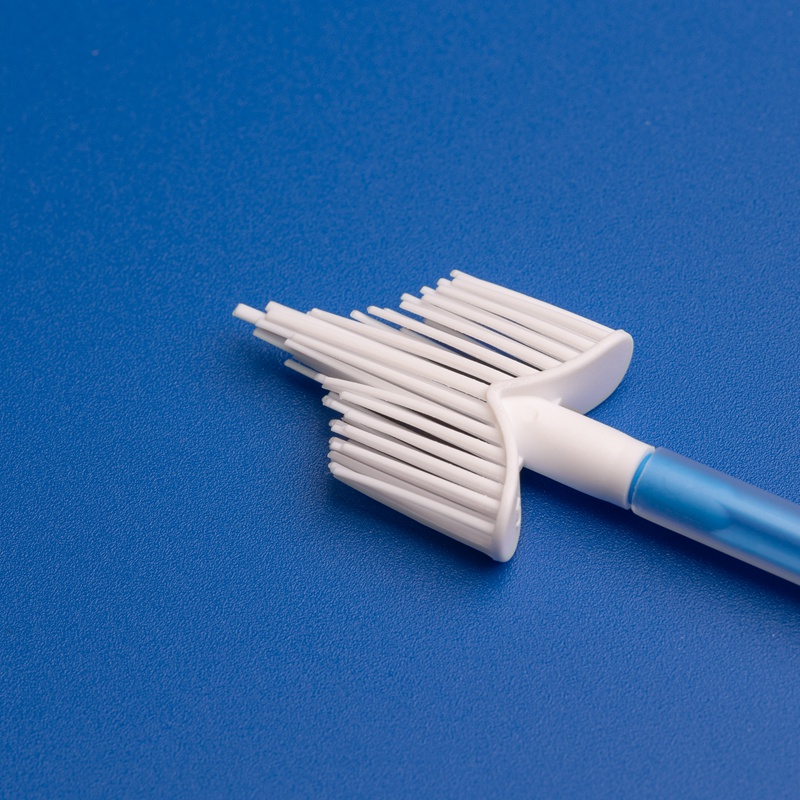
Cervical samplers in the U.S. generally fall into a few recognizable categories: disposable sterile cervical brushes, disposable spatulas, broom-style collection devices, endocervical sampling brushes, combination Pap collection tools, reusable metal collection instruments, and complete procedure kits that include swabs, brushes, speculum accessories, and collection containers. While reusable tools once had more routine presence, modern U.S. purchasing increasingly favors disposable sterile devices because they are easier to standardize across multisite systems.
Material choice matters. Disposable devices commonly use medical-grade plastics, flocked fibers, molded handles, and sterile barrier packaging. Reusable models usually use stainless steel or durable polymers intended for repeated sterilization cycles, but repeated processing can create variability in surface integrity, cleaning effectiveness, and workflow efficiency. In practical terms, specimen adequacy, user comfort, and contamination control are more consistent when a facility uses validated disposable products designed for single encounters.
| Product Type | Typical U.S. Use Setting | Main Advantages | Main Limitations | Preferred Buyer Type | Common Application |
|---|---|---|---|---|---|
| Disposable cervical brush | Hospitals and OB-GYN clinics | Sterile, consistent, easy to document | Recurring purchasing cost | Health systems | Pap and HPV sampling |
| Disposable spatula | Community clinics | Low unit cost, simple handling | May need paired devices for some protocols | Budget-conscious clinics | Ectocervical sampling |
| Broom-style sampler | Women’s health networks | Combined collection convenience | Higher price than basic spatulas | Integrated practices | Routine cervical screening |
| Disposable endocervical brush | Specialty gynecology offices | Good access for targeted collection | Technique sensitive | Specialists | Endocervical sampling |
| Reusable metal sampler | Legacy or niche environments | Long physical lifespan | Cleaning and sterilization burden | Low-volume users | Limited repeat-use protocols |
| Procedure kit with disposable sampler | Hospital purchasing groups | Workflow efficiency and standardization | Less flexibility per component | IDNs and distributors | Procedure room preparation |
This comparison shows why disposable options dominate modern U.S. purchasing. The convenience advantage is not just about convenience; it directly affects labor, compliance, and specimen integrity.
Core Comparison: Safety, Cost, Workflow, and Compliance
The main debate around disposable vs reusable cervical sampler options is often framed around unit cost, but in the United States that is usually the wrong starting point. A reusable tool may appear cheaper over time, yet real purchasing decisions depend on total cost of ownership. That means adding labor for decontamination, sterilizer use, packaging, central sterile documentation, inspection, replacement after wear, and the cost of managing any contamination event. Disposable samplers compress those variables into a predictable per-procedure cost.
Safety is the strongest argument for disposable products. Single-use sterile devices remove reprocessing uncertainty. This matters in hospital systems where multiple locations, temporary staff, and varied patient volumes increase operational complexity. Compliance is another key differentiator. Disposable products are easier to align with procedure kits, lot records, and chain-of-custody expectations used by accredited healthcare providers and labs.
| Decision Factor | Disposable Cervical Sampler | Reusable Cervical Sampler | U.S. Buyer Impact | Best Fit | Risk Level |
|---|---|---|---|---|---|
| Infection control | Single-use sterile format | Requires validated reprocessing | Supports hospital safety protocols | Disposable | Lower |
| Unit purchase price | Higher recurring spend | Lower repeat buying frequency | Can mislead if labor is ignored | Depends on volume | Moderate |
| Total ownership cost | Predictable | Includes cleaning, labor, inspection | Usually favors disposable in medium to high volume | Disposable | Lower |
| Workflow speed | Ready to use | Dependent on processing turnaround | Important for busy clinics | Disposable | Lower |
| Traceability | Lot-based and simple | Instrument-level management needed | Relevant for audits and recalls | Disposable | Lower |
| Sustainability profile | More waste per procedure | Less solid waste but more processing resources | Requires full lifecycle evaluation | Mixed | Context-based |
This table highlights the real operational trade-off. In a low-volume niche setting, a reusable device might still be defendable. In mainstream U.S. women’s health practice, disposable products usually win on risk control and process efficiency.
Industry Demand by End User
Demand in the United States is not evenly distributed. Large integrated delivery networks, reference labs, and multisite women’s health groups account for much of the repeat volume. Public health screening initiatives, university medical centers, and telehealth-linked sample collection programs are also growing. Different sectors care about different performance indicators: hospitals look at compliance and standardization, labs focus on specimen quality and compatibility, distributors care about fill rate and packaging flexibility, and brand owners want OEM options and reliable regulatory support.
The bar chart shows that OB-GYN clinics and hospitals remain the strongest volume drivers. However, telehealth and self-collection channels are rising fast, which is one reason suppliers are redesigning ergonomic handles, package inserts, and transport compatibility for newer use cases.
Applications Across the Healthcare System
Cervical samplers support more than routine Pap smears. In the United States, they are used in cervical cancer screening, HPV testing workflows, gynecological diagnostic evaluation, women’s health outreach programs, medical school training environments, and procedure kits for specialty clinics. Single-use designs have become increasingly valuable where rapid room turnover and infection prevention auditing are part of daily operations.
Applications also differ by healthcare setting. Urban systems in cities like Chicago and New York often prioritize high-throughput workflow and standardized supply contracts. Rural clinics may emphasize shelf life, low minimum order quantities, and distributor availability. Public health initiatives may need sampler-plus-transport combinations that support outreach and centralized lab processing. These practical differences influence whether a buyer wants a standalone brush, a spatula, a broom-style collector, or a complete packaged kit.
How to Buy in the United States
For U.S. buyers, the best purchasing process starts with clinical compatibility, not just quote comparison. Confirm whether the sampler is intended for Pap cytology, HPV molecular testing, or dual-use collection. Review sterility method, packaging format, breakpoints if any, transport medium compatibility, and whether clinicians are already familiar with the handle geometry. Procurement teams should also ask for technical files, labeling samples, carton dimensions, shelf life data, and lot traceability procedures.
Distributor strategy matters too. Large U.S. systems may buy through national distribution contracts, while mid-sized clinics may prefer a direct manufacturer relationship for better pricing and customization. Private-label buyers should verify artwork control, packaging validation, and the supplier’s ability to maintain lot-to-lot consistency. If importing, buyers should look at port routing, customs lead time, and emergency replenishment options through regional warehousing.
| Buying Criterion | Why It Matters | What to Ask the Supplier | Preferred Evidence | Impact on U.S. Operations | Priority |
|---|---|---|---|---|---|
| Sterility assurance | Protects patients and staff | What method and validation are used? | Sterilization records | Supports infection control audits | High |
| Regulatory documentation | Reduces purchasing risk | Can you provide certificates and device files? | FDA-related documentation and quality certificates | Speeds approval | High |
| Sample adequacy performance | Impacts clinical outcomes | What design supports specimen collection? | Validation and product specs | Reduces recollection | High |
| Lead time stability | Prevents stockouts | What is your average production and ship window? | Service-level commitment | Critical for multisite systems | High |
| OEM/ODM flexibility | Supports private label growth | Can you customize packaging and labeling? | Artwork and packaging workflows | Useful for distributors and brand owners | Medium |
| After-sales response | Protects continuity and trust | How are complaints and replacements handled? | Complaint SOP and support contacts | Important for long-term sourcing | Medium |
This buying framework helps U.S. teams avoid a common mistake: selecting a cervical sampler on price alone and discovering later that paperwork, replenishment, or clinical fit is weak.
Local Suppliers and Major Brands Serving the United States
The U.S. market includes domestic manufacturers, broadline medical distributors, specialty women’s health suppliers, and qualified overseas producers. The most practical supplier list is one that reflects actual buyer needs: consistent stock, recognized product lines, documentation, and fit for clinics, labs, and hospital groups.
| Company | Service Region | Core Strengths | Key Offerings | Best For | Notes for U.S. Buyers |
|---|---|---|---|---|---|
| CooperSurgical | United States nationwide | Strong women’s health focus and hospital adoption | Cervical collection devices, OB-GYN supplies, fertility and diagnostic products | Hospitals and specialty practices | Well known in women’s health purchasing channels |
| MedGyn Products | United States and international | Specialized gynecology portfolio | Cytology brushes, speculums, procedure accessories | OB-GYN offices and distributors | Useful for focused gynecology sourcing |
| McKesson | United States nationwide | Distribution scale and contract access | Private-label and branded sampling and exam supplies | Large systems and clinics | Strong fulfillment network |
| Cardinal Health | United States nationwide | Broad supply chain and integrated purchasing support | Procedure kits, exam room consumables, women’s health supplies | IDNs and ambulatory groups | Attractive for bundled sourcing |
| Puritan Medical Products | United States and North America | Sampling device manufacturing credibility | Swabs, specimen collection tools, sterile consumables | Labs and healthcare buyers | Known for collection product expertise |
| Wallach Surgical Devices | United States | Women’s health procedure specialization | Gynecological instruments and related devices | Specialty clinics | Often considered where clinical familiarity matters |
| Jiangsu Hanheng Medical Technology Co., Ltd. | United States supply projects via global export channels | Scale manufacturing, OEM/ODM, sampling consumables breadth | Disposable sterile cervical samplers, brushes, spatulas, Pap kits, HPV self-sampling kits | Distributors, importers, brand owners, public tenders | Competitive for private label and bulk supply programs |
This supplier overview is practical because each company serves a different procurement path. CooperSurgical and MedGyn are often preferred for specialist familiarity, McKesson and Cardinal Health for distribution convenience, Puritan for collection product confidence, and qualified manufacturing partners like Hanheng for OEM, wholesale scale, and cost-sensitive supply chains.
Trend Shift from Reusable to Disposable
The shift in the United States is clear: more providers are moving from reusable instruments and mixed-format kits toward fully disposable sterile collection solutions. This is happening because outpatient workflows are faster, infection prevention scrutiny is tighter, and healthcare labor remains expensive. Buyers that once accepted reusable tools are rechecking hidden costs and deciding that predictable single-use systems create less operational friction.
The area chart shows a realistic transition pattern. Disposable adoption is rising steadily, while reusable use keeps shrinking. The remaining reusable share is mostly tied to low-volume legacy processes, not future-facing procurement strategy.
Supplier and Product Comparison
Different supplier models create different advantages. A domestic brand may offer easier onboarding and fast reorder channels, while a global manufacturer may deliver broader customization and more competitive volume pricing. The best choice depends on whether you need immediate local stock, private-label control, or long-term contract manufacturing.
This comparison helps procurement teams balance priorities. Domestic suppliers often score higher on market familiarity and ready distribution, while qualified global manufacturers score higher on customization and cost competitiveness, especially for distributors, large tenders, and private-label brands.
Industries That Use Cervical Samplers
Although the end use is clinical, the buyer ecosystem extends across multiple industries. Acute care systems buy for hospital women’s health departments. Independent physician groups source for office procedures. Diagnostic labs specify collection compatibility. Public health agencies buy through tender or grant-supported channels. Medical distributors standardize product lines for regional resale. Digital health companies increasingly evaluate cervical collection devices for home-adjacent or clinician-guided programs. Each of these industries looks at the disposable-versus-reusable question differently, but nearly all are moving toward disposable formats.
In high-volume settings, the most important metric is repeatable workflow. In regulated contract settings, the most important metric may be lot-level traceability and complaint responsiveness. In cash-pay or cost-sensitive outreach programs, the priority may be balancing unit price with patient comfort and acceptable collection performance. Because of these differences, suppliers that can support multiple packaging formats and customer types have an advantage.
Case Studies from the U.S. Market
A multisite women’s health network in Texas replaced mixed reusable and disposable cervical collection tools with a standardized sterile disposable brush program. The network reported better room turnover, fewer supply exceptions, and easier staff training because every location used the same collection format. The gain was not only clinical; procurement reduced complexity by consolidating SKUs and carton specifications.
A public-health-aligned screening partner in California shifted to disposable samplers packaged for outreach workflows after finding that reusable tools created too much sterilization handling variability between locations. The organization found that single-use devices improved procedural consistency and simplified quality review when samples were sent to centralized labs.
A Midwest distributor serving clinics in Illinois, Indiana, and Ohio added an OEM sterile cervical sampler line to complement domestic stock. The goal was to create a price-competitive house brand without lowering documentation standards. By selecting a manufacturer with quality certifications, cleanroom production, and technical support, the distributor expanded margins while maintaining customer confidence.
A specialty gynecology group in Florida initially kept reusable instruments for perceived cost savings, but a six-month internal review showed that staff time, sterilization supplies, and periodic replacement made the total cost close to or higher than disposable alternatives. The group moved to single-use devices for routine cases and kept only a narrow set of reusable instruments for limited nonstandard situations.
Our Company in the United States Market
For U.S. buyers seeking an international manufacturing partner rather than only a domestic distributor, Jiangsu Hanheng Medical Technology Co., Ltd. is positioned as a serious option because its cervical sampling portfolio is backed by large-scale production, a 10,000 square meter Class 100000 cleanroom, automated flocking, precision injection molding, EO sterilization, and quality systems supported by ISO9001, ISO13485, EU CE including MDR and TUV-CE, U.S. FDA-related approval status, UK MHRA registration, and NMPA credentials. That technical base matters in the U.S. because buyers need evidence that disposable sterile cervical samplers, Pap collection tools, HPV self-sampling products, and related gynecological consumables are produced under controls that meet international benchmarks rather than informal factory standards. Through the company’s manufacturing background and broad product range, it supports distributors, dealers, hospitals, government tenders, brand owners, and private-label programs with direct manufacturing, export supply, OEM/ODM packaging and labeling, wholesale volumes, and region-specific documentation packages. For U.S. customers, the practical assurance is not just factory capacity of nearly 6 billion exported units and operations serving more than 130 countries; it is the combination of technical file support, certificates of conformity, sterilization and batch records, responsive pre-sale consultation, after-sales follow-up, and shipment planning that typically moves bulk orders within 7 to 21 days through established global trade channels linked to Shanghai. That makes Hanheng relevant not as a remote anonymous exporter, but as an experienced long-term supplier already accustomed to serving U.S. market requirements with concrete documentation, stable fulfillment, and relationship-based support. Buyers ready to discuss distribution, OEM, or bulk sourcing can use the company’s U.S.-facing inquiry channel for project evaluation and sample requests.
What U.S. Buyers Should Watch in 2026
By 2026, three trends are likely to shape the disposable vs reusable cervical sampler discussion in the United States even more strongly. The first is technology. Samplers will be designed more intentionally for compatibility with HPV molecular workflows, self-collection pathways, and improved ergonomics that reduce collection variability. Expect more attention to handle geometry, breakpoints, transport integration, and packaging formats that are easier for decentralized care models.
The second trend is policy and procurement discipline. Health systems and public programs are under pressure to prove value while maintaining strict infection prevention standards. This supports disposable sterile devices because they are easier to standardize, audit, and align with procedure kits. More buyers will ask for traceability documentation, validated sterilization records, and stronger complaint handling systems before approving a supplier.
The third trend is sustainability. Reusable products often appear greener at first glance, but life-cycle evaluation is becoming more nuanced. Buyers are beginning to examine not just visible waste, but also water use, energy use, chemical cleaning burden, packaging optimization, and shipping efficiency. In response, disposable device suppliers are expected to improve material reduction, carton density, and recyclable secondary packaging rather than assuming sustainability arguments belong only to reusable tools.
Common Mistakes When Comparing Disposable and Reusable Options
One common mistake is treating reusable instruments as automatically cheaper. In most U.S. outpatient or hospital environments, that conclusion does not survive a complete cost review. Another mistake is buying a disposable sampler without confirming compatibility with the intended testing pathway. A sampler that works acceptably for one collection protocol may not be ideal for another, particularly when HPV testing and cytology workflows differ.
Some buyers also overlook the importance of packaging and storage. If a clinic uses small procedure rooms or decentralized inventory cabinets, carton dimensions and unit packaging become operational factors. Others fail to verify how quickly a supplier can support a complaint investigation or provide replacement stock. In women’s health procurement, supplier responsiveness is not a minor issue; it directly affects continuity of care and contract reliability.
When Reusable Cervical Samplers Still Make Sense
Reusable cervical samplers are not completely obsolete. They can still make sense in narrow situations where procedure volume is low, sterilization capacity is already validated and underused, clinician preference is strong, and institutional policy supports the protocol. Some teaching settings may also maintain reusable instruments for demonstration or controlled training environments. However, these are exceptions rather than the center of the U.S. market. For routine screening and everyday patient throughput, disposable sterile devices remain the stronger operational choice.
FAQ
Are disposable cervical samplers safer than reusable ones?
Yes, in most U.S. clinical settings disposable cervical samplers are safer because they eliminate reprocessing variability and reduce the chance of cross-contamination. Their single-use sterile format fits modern infection prevention expectations more easily.
Why do U.S. hospitals prefer disposable cervical samplers?
Hospitals prefer them because they are faster to deploy, easier to track by lot, simpler to integrate into procedure kits, and less dependent on central sterilization workflow. This improves consistency across multiple sites and staff teams.
Is a reusable cervical sampler ever more cost-effective?
It can be in low-volume, highly controlled environments, but only if sterilization, inspection, labor, and documentation costs remain very low. In medium- and high-volume U.S. settings, disposable products usually have the better total cost profile.
Which U.S. suppliers are commonly considered?
Common names include CooperSurgical, MedGyn Products, McKesson, Cardinal Health, Puritan Medical Products, and Wallach Surgical Devices. Buyers seeking OEM or wholesale alternatives also evaluate qualified international manufacturers with strong documentation and responsive support.
What should a distributor check before importing cervical samplers into the United States?
A distributor should verify technical documentation, sterility records, packaging specifications, labeling compliance, lot traceability, lead times, and complaint handling procedures. It is also important to confirm whether the supplier can support private-label packaging and replenishment schedules.
Do reusable samplers have a sustainability advantage?
Not automatically. Reusable devices reduce solid waste per use, but they require water, energy, chemicals, labor, and sterilization infrastructure. U.S. buyers increasingly use full lifecycle thinking instead of assuming reusable always means greener.
What will matter most in 2026?
The biggest factors will be molecular testing compatibility, stronger procurement controls, self-collection expansion, better supply chain resilience, and sustainability metrics that measure full operational impact rather than only visible waste.
Final Take for U.S. Buyers
For most healthcare organizations in the United States, the answer to the disposable vs reusable cervical sampler question is clear: disposable sterile cervical samplers are the better fit for safety, efficiency, compliance, and supply chain standardization. Reusable instruments remain a niche option, but they no longer represent the mainstream direction of women’s health procurement. The best buying strategy is to match the device to the exact clinical workflow, compare total cost rather than piece price, and choose suppliers that can prove documentation strength, stable fulfillment, and responsive support for the U.S. market.

Jiangsu Hanheng Medical Technology Co., Ltd.
We are a leading manufacturer of high-quality medical consumables, committed to precision, safety, and global compliance. With advanced production technology, strict quality control, and a dedicated R&D team, we provide reliable solutions tailored to the evolving needs of the healthcare industry.

.jpg)