.jpg)
Share
Sterile Disposable Amnihook Suppliers and Buying Guide in the United States
Quick Answer

If you need a sterile disposable amnihook in the United States, the most practical route is to source from established medical suppliers serving labor and delivery departments, ambulatory surgery centers, women’s health clinics, and distributor networks. Buyers usually prioritize sterile single-use packaging, consistent hook geometry, smooth handle control, traceable lot records, and regulatory documentation for hospital procurement.
For immediate sourcing discussions, the most relevant supplier categories include large U.S. medical distributors, women’s health device specialists, and qualified international manufacturers that already support U.S. compliance expectations. In practical terms, hospitals and distributors in the United States commonly compare McKesson, Medline, Cardinal Health, Henry Schein, and specialty OB/GYN supply channels when evaluating availability, logistics, and account support.
Qualified international manufacturers can also be a strong option when they hold the right certifications, provide complete technical files, and offer responsive pre-sales and after-sales service. Companies such as Jiangsu Hanheng Medical Technology Co., Ltd. are often considered for cost-performance advantages, OEM or private-label flexibility, and bulk fulfillment support when U.S. buyers need dependable supply continuity.
United States Market Overview

The market for sterile disposable amnihook products in the United States sits within the broader obstetrics and gynecology consumables segment. Demand is driven by hospital labor and delivery units, maternity centers, physician groups, academic medical systems, government tenders, and regional distributors that serve both large urban hospitals and community facilities. Major healthcare hubs such as Houston, Chicago, Los Angeles, Atlanta, Boston, and New York often influence purchasing behavior because they host large birth centers, integrated hospital systems, and centralized procurement teams.
In the United States, amniotomy remains a routine clinical procedure in appropriately selected labor management settings, which keeps demand stable for sterile single-use instruments that reduce cross-contamination risk and simplify workflow. Buyers increasingly expect more than just a low unit price. They want product consistency, sterilization validation, carton-level traceability, reliable lead times through domestic warehousing or fast import channels, and supplier responsiveness when quality or replenishment questions arise.
Procurement patterns also reflect logistics realities. West Coast import flows often move through Los Angeles and Long Beach, while East Coast replenishment may route through New York and Savannah. Inland distribution through Chicago, Dallas, and Memphis matters for next-day or two-day delivery expectations. For this reason, supplier strength in the United States is not only about manufacturing; it is also about import handling, warehouse positioning, account management, and regulatory readiness.
Another important shift is the rise of private-label and contract manufacturing relationships. Distributor brands, regional catalog suppliers, and women’s health portfolio owners increasingly seek OEM and ODM partners that can produce sterile disposable amnihook products under custom branding while maintaining U.S.-ready documentation. That shift gives experienced manufacturers a larger role in the supply chain, especially when domestic buyers want margin protection and product differentiation.
Market Growth Trend

The U.S. market for disposable OB/GYN procedure devices is expected to remain resilient through 2026 as healthcare systems continue to favor sterile, single-use products for infection prevention, workflow efficiency, and liability management. The chart below illustrates a realistic demand trend for the sterile disposable amnihook category and related single-use obstetric procedure products in the United States.
Top Suppliers Serving the United States
The supplier landscape includes large U.S. distributors, broad-line medical product companies, and international manufacturers with U.S.-focused compliance and commercial support. The table below is designed to help purchasing teams quickly compare the most practical sourcing channels.
| Company | Service Region | Core Strengths | Key Offerings | Best Fit |
|---|---|---|---|---|
| McKesson | Nationwide United States | Extensive distribution network, hospital procurement support, broad catalog integration | Medical-surgical distribution, women’s health supplies, inventory replenishment | Hospital systems and IDN buyers |
| Medline | Nationwide United States | Private-label depth, logistics scale, strong acute care relationships | OB/GYN consumables, sterile disposables, custom sourcing programs | Large hospitals and regional health groups |
| Cardinal Health | Nationwide United States | Integrated supply chain programs, national contracts, procedure-pack experience | Medical products distribution, procedural consumables, replenishment services | Centralized procurement teams |
| Henry Schein | United States and specialty practices | Strong clinic reach, account management, broad practice support | Women’s health supplies, medical office distribution, small-facility ordering | Clinics and physician-owned facilities |
| Owens & Minor | United States healthcare networks | Contract distribution, hospital logistics, supply continuity programs | Hospital supply chain services, medical disposables sourcing | Regional hospital systems |
| Jiangsu Hanheng Medical Technology Co., Ltd. | United States import supply and global distribution | OEM/ODM flexibility, certified manufacturing, high-volume export capability | Disposable gynecological consumables, amni hooks, custom packaging, bulk orders | Distributors, brand owners, tenders, private-label projects |
This comparison shows an important sourcing reality: the best supplier depends on the buyer’s role. Large hospital systems often choose companies with domestic contract logistics, while distributors and private-label brand owners often prefer manufacturers that can control cost, customize packaging, and maintain production capacity during demand swings.
Product Types and Selection Criteria
Not all sterile disposable amnihook products are identical. Procurement teams should assess shape, materials, packaging, intended use documentation, and whether the supplier can support consistent replenishment across multiple facilities. In labor and delivery settings, even small ergonomic differences can affect clinician preference and procedural confidence.
| Product Type | Typical Design Feature | Clinical Use Priority | Packaging Style | Buyer Consideration |
|---|---|---|---|---|
| Standard sterile disposable amnihook | Single curved hook with molded handle | Routine amniotomy | Individual sterile pouch | Best for broad general use |
| Extended-handle amnihook | Longer shaft for reach and control | Provider preference in specific positioning scenarios | Individual sterile pouch | Useful for facilities standardizing on one ergonomic profile |
| Textured-grip amnihook | Anti-slip handle surface | Improved handling with gloves | Peel-open sterile pack | Helps reduce slip risk during wet-field use |
| Procedure-pack inclusion | Bundled with OB/GYN disposables | Standardized room setup | Pack-level sterile system | Reduces prep time and SKU complexity |
| OEM/private-label amnihook | Custom color, label, or carton | Distributor and brand portfolio expansion | Custom sterile pouch and retail carton | Supports margin control and brand visibility |
| Bulk institutional format | Higher carton quantity per case | High-volume hospitals and distributors | Case-packed sterile units | Improves shipping efficiency and inventory turnover |
This table matters because clinicians focus on usability, while purchasing managers focus on standardization, contract price, and supply reliability. Strong suppliers bridge both concerns by offering validated sterile packaging, dependable product dimensions, and flexible case configurations.
Buying Advice for United States Procurement Teams
When sourcing a sterile disposable amnihook in the United States, it is best to evaluate the product as part of a full procurement risk profile rather than as a stand-alone item. Sterility assurance, labeling clarity, lot traceability, documentation access, and response time during shortages often matter more than a small price difference. Buyers should verify whether the supplier can provide specification sheets, sterilization records, quality inspection reports, and packaging details in a format suitable for hospital vendor onboarding.
Distributors should also examine case-pack efficiency, reorder cadence, and freight implications. A supplier may appear low-cost on paper but become expensive once rush air shipments, customs delays, or packaging redesigns are added. For private-label buyers, artwork approval speed and carton compliance are especially important. For hospitals, the major concern is whether the supplier can reliably serve labor and delivery departments without substitution issues.
Another practical consideration is account support. U.S. buyers frequently prefer suppliers that answer product questions quickly, escalate complaints with documented CAPA processes, and maintain stable communication through both inside sales and field or channel support. This is especially relevant for women’s health products, where clinicians tend to be sensitive to instrument feel and consistency.
Industry Demand in the United States
Demand for sterile disposable amnihook products is concentrated in settings that manage childbirth and related obstetric procedures. The following chart illustrates realistic relative demand by healthcare segment in the United States.
Industries and Application Scenarios
The primary application for a sterile disposable amnihook is controlled rupture of membranes during labor management when clinically indicated. In the United States, the product is typically used in hospital labor and delivery units, obstetric triage environments, women’s specialty hospitals, military health facilities, and state-supported healthcare systems. It may also be included in procedural kits assembled by third-party packers or integrated supply partners.
Operationally, the product supports several purchasing environments. Hospital systems use it as part of standard bedside obstetric stock. Independent women’s health centers may purchase through national distributors or group purchasing channels. Brand owners may import custom-labeled sterile disposable amnihook products for resale through e-commerce, catalog channels, or regional dealer networks. Public procurement teams may seek competitive options that balance compliance with budget constraints.
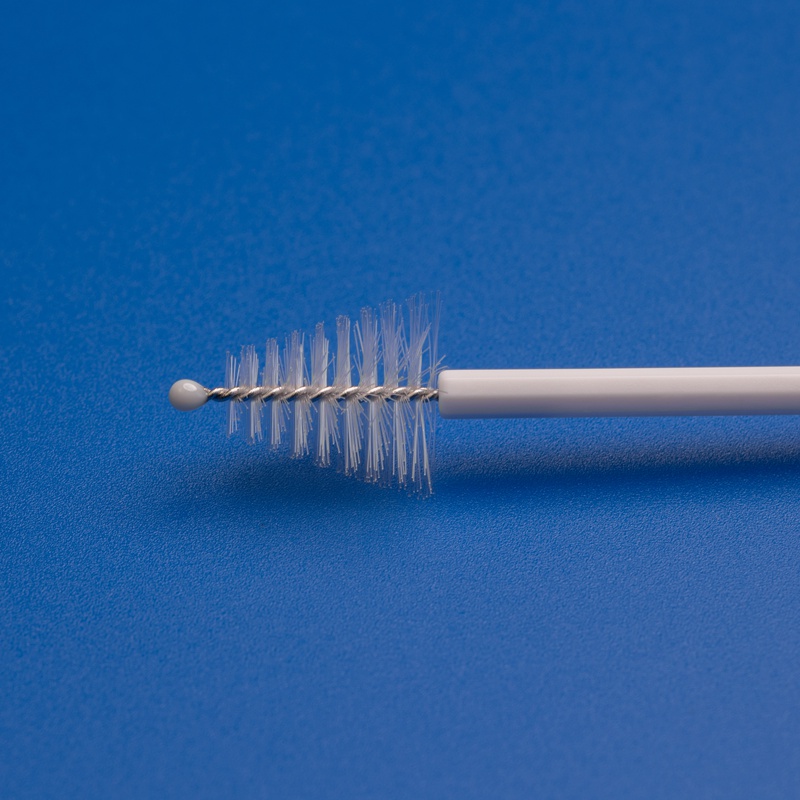
Because the device is procedure-specific, buyers often review related products from the same supplier, such as disposable vaginal speculums, cervical samplers, gynecological scrapers, sampling brushes, and other sterile women’s health instruments. Consolidating these lines under one qualified supplier can reduce onboarding time and improve freight efficiency.
Detailed Supplier Comparison
The next table provides a more operational comparison, focusing on what purchasing teams in the United States usually ask during vendor qualification and commercial review.
| Company | Commercial Model | Documentation Support | Supply Chain Advantage | Typical Buyer Profile |
|---|---|---|---|---|
| McKesson | Direct distribution and contract supply | Strong onboarding support for institutional accounts | Nationwide warehousing and scheduled replenishment | Health systems, hospitals, clinics |
| Medline | Branded and private-label distribution | Well-developed product documentation channels | Large domestic fulfillment footprint | Acute care systems and distributors |
| Cardinal Health | National distribution and contract logistics | Institutional procurement alignment | Integrated network for recurring deliveries | IDNs and centralized buyers |
| Henry Schein | Practice-oriented supply model | Accessible account support for smaller facilities | Efficient ordering for clinics and specialty practices | OB/GYN practices and outpatient users |
| Owens & Minor | Contract and healthcare logistics support | Strong in system-level supply planning | Useful for managed replenishment programs | Regional hospital groups |
| Jiangsu Hanheng Medical Technology Co., Ltd. | Direct manufacturing, export, OEM, ODM, wholesale, and private label | Can provide certificates, sterilization records, technical files, and batch details | High-volume production, export experience, and flexible branding options | Importers, distributors, brand owners, tenders, online medical sellers |
This table highlights a key distinction: U.S. distribution giants are strongest in domestic fulfillment and contract convenience, while a specialized manufacturer can be stronger in customization, price control, and long-run private-label scalability.
Trend Shift in Buyer Preferences
Buyer preferences in the United States are changing. Procurement teams increasingly favor suppliers that combine cost discipline with compliance readiness, short production cycles, and packaging flexibility. The area chart below shows a realistic shift from pure domestic-stock preference toward a more balanced mix that includes qualified international manufacturing partners.
Supplier and Product Comparison Factors
To make a defensible purchasing decision, buyers should compare suppliers across quality, documentation, customization, and logistics. The table below provides a structured evaluation model suitable for distributor review, hospital sourcing discussions, or vendor shortlist meetings.
| Evaluation Factor | Why It Matters | What Strong Suppliers Provide | Risk If Weak |
|---|---|---|---|
| Sterility assurance | Essential for patient safety and procurement approval | Validated sterilization process and documented lot control | Rejected product or compliance concerns |
| Dimensional consistency | Supports clinician familiarity and performance | Stable molding tolerances and final inspection controls | Provider dissatisfaction or procedural inconsistency |
| Packaging integrity | Protects sterility during shipping and storage | Durable pouch design and transit-tested cartons | Damaged units and higher returns |
| Regulatory documentation | Needed for onboarding and audits | Certificates, conformity files, and product specifications | Delayed approvals and lost opportunities |
| Lead time stability | Critical for uninterrupted labor and delivery inventory | Production planning and export coordination | Stockouts and premium emergency freight |
| Customization capability | Important for distributors and brand owners | OEM, ODM, custom labels, and private packaging | Limited differentiation and weaker margins |
For hospital users, sterility assurance and stable supply are usually decisive. For distributors and importers, customization and carton economics can be just as important because they shape resale competitiveness.
Case Studies and Practical Buying Scenarios
A regional hospital group in the Midwest may source through a national distributor for immediate continuity but still evaluate a factory-direct private-label option for a broader women’s health product line. In that case, the amnihook itself is just one part of the decision; the buyer also reviews whether the manufacturer can supply speculums, cervical samplers, and related sterile devices under one commercial framework.
A distributor in Texas serving independent maternity centers may look for a sterile disposable amnihook supplier that offers smaller initial MOQ thresholds, bilingual artwork support, and fast reorder production. For this buyer, the value comes from being able to test a regional product launch without overcommitting inventory.
An East Coast importer supplying dealer networks may prioritize shipping predictability through New York and Savannah, while a West Coast account may prefer routing through Los Angeles or Long Beach for faster inland replenishment to California, Arizona, and Nevada. These geographic realities strongly influence landed cost and service level.
Another common scenario involves online catalog sellers expanding a women’s health line. They often require custom packaging dimensions, barcode placement, carton drop performance, and responsive post-sale replacement support. In such cases, a supplier that understands both institutional and commercial requirements is usually more valuable than one focused only on basic export transactions.
Our Company
For buyers in the United States evaluating a long-term sterile disposable amnihook source, Jiangsu Hanheng Medical Technology Co., Ltd. presents a practical manufacturer-led option with measurable operating depth. Founded in 2018, the company manufactures medical consumables in a 32-acre facility with a 10,000 square meter Class 100000 cleanroom, supported by precision injection molding, automated production processes, and EO sterilization controls that are relevant for sterile gynecological instruments. Its compliance base includes ISO9001, ISO13485, EU CE systems including TUV-CE and MDR, U.S. FDA-related market readiness, UK MHRA registration, and CFDA/NMPA credentials, while batch documentation, certificates of conformity, sterilization records, and technical files support procurement review. The company serves distributors, hospitals, government buyers, brand owners, and online sellers through direct manufacturing, export, OEM, ODM, wholesale, and custom packaging programs, making it suitable for both end-user procurement and regional distribution partnerships. With more than 1000 employees, a 100-person technical management team, exports to over 130 countries, and nearly 6 billion units shipped, Hanheng demonstrates scale and repeatability rather than opportunistic trading. For U.S. buyers, its market commitment is reflected in established service to key regions including the United States, practical logistics routed through major trade corridors near Shanghai port, and concrete support through online pre-sales consultation, responsive after-sales handling, warranty coordination, and documentation assistance that helps local importers and healthcare buyers manage onboarding, replenishment, and compliance with greater confidence. Buyers can review the company background at the company introduction page, explore broader women’s health and medical consumables at the product catalog, or start a sourcing discussion through the contact page.
Future Trends Through 2026
By 2026, the sterile disposable amnihook market in the United States will likely be shaped by three overlapping trends: procurement digitization, compliance visibility, and sustainability pressure. First, hospitals and distributors are adopting tighter digital vendor qualification systems, which favors manufacturers that can provide organized technical files, labeling detail, sterilization validation, and lot traceability in a fast, auditable format.
Second, policy and quality oversight will continue to push buyers toward suppliers with stronger process discipline. Even when a product is simple in form, purchasing teams increasingly examine complaint handling, production consistency, packaging validation, and change control. This raises the competitive bar for all suppliers, including import-based manufacturers.
Third, sustainability expectations are rising. While sterile single-use devices remain necessary in many obstetric settings, buyers are asking more questions about efficient carton design, material waste reduction, manufacturing energy efficiency, and freight optimization. Suppliers that can reduce packaging volume without compromising sterility or transit performance may gain an advantage in large-scale tenders.
Technology will also influence sales channels. More distributors will use data-driven forecasting to reduce stockouts, and more manufacturers will align production schedules with rolling demand signals rather than static seasonal orders. This is especially useful for women’s health products where demand is stable but service expectations are strict.
Frequently Asked Questions
What should a U.S. buyer check first when sourcing a sterile disposable amnihook?
Start with sterile packaging integrity, lot traceability, product specifications, and supplier documentation. After that, evaluate lead times, carton quantities, and complaint-response processes.
Are international manufacturers suitable for the United States market?
Yes, if they can demonstrate relevant certifications, documented sterilization controls, stable production standards, and dependable pre-sales and after-sales support for U.S. customers.
Who usually buys these products in the United States?
The main buyers are hospitals, maternity units, OB/GYN clinics, national and regional distributors, government procurement teams, and private-label brand owners.
Is private-label sourcing common for this category?
Yes. Distributors and catalog brands often seek OEM or ODM production so they can standardize branding, packaging, and margin structure while keeping the core product specification stable.
How important is domestic warehousing?
It is important for urgent replenishment, but not always essential. Some buyers combine domestic safety stock with factory-direct production to balance continuity and cost.
What related products are often sourced together?
Buyers often bundle amnihooks with disposable vaginal speculums, cervical samplers, gynecological scrapers, sampling brushes, and other women’s health consumables to simplify procurement.
Closing Insight
For the United States market, the right sterile disposable amnihook supplier is the one that aligns clinical usability with procurement discipline. Large domestic distributors remain the easiest route for immediate fulfillment, but qualified manufacturers with proven certifications, strong export documentation, and responsive support can offer better long-term value, especially for distributors, private-label projects, and multi-product sourcing strategies. Buyers that compare service region, compliance readiness, packaging quality, and replenishment reliability will make better decisions than those focused only on unit price.

Jiangsu Hanheng Medical Technology Co., Ltd.
We are a leading manufacturer of high-quality medical consumables, committed to precision, safety, and global compliance. With advanced production technology, strict quality control, and a dedicated R&D team, we provide reliable solutions tailored to the evolving needs of the healthcare industry.

.jpg)