Share
Gynecological Scraper vs Cervical Brush in the United States
Quick Answer

For most cervical screening and cytology workflows in the United States, the cervical brush is usually the better option when the goal is to improve endocervical cell capture, support liquid-based cytology, and reduce operator variability. A gynecological scraper still has value in conventional Pap smear collection, budget-sensitive programs, and settings where clinicians prefer a firmer scraping motion for ectocervical sampling. In practical terms, if a clinic focuses on HPV testing, co-testing, or modern cytology protocols, the cervical brush often delivers broader compatibility and more consistent specimen adequacy. If the priority is low unit cost, simple handling, or established familiarity in older smear workflows, the gynecological scraper remains a viable choice.
United States buyers often shortlist suppliers that can meet FDA expectations, provide lot traceability, and support hospital, lab, distributor, and private-label needs. Relevant names in this market include CooperSurgical, BD, MedGyn Products, Puritan Medical Products, Cardinal Health, and McKesson. Qualified international manufacturers can also be worth considering when they hold recognized certifications, support OEM and distributor programs, and provide responsive pre-sales and after-sales service; in many sourcing projects, experienced Chinese suppliers offer a strong cost-performance advantage without sacrificing documentation or manufacturing discipline.
Understanding the United States Market

The United States cervical screening market is shaped by a combination of OB-GYN offices, community health centers, pathology laboratories, hospital systems, women’s health clinics, and public procurement programs. Demand patterns vary by state, payer mix, and screening model. Large urban hubs such as New York, Los Angeles, Chicago, Houston, Atlanta, and Miami tend to favor standardized collection devices that integrate smoothly with high-throughput lab systems. Coastal trade gateways and medical import corridors, especially around Los Angeles/Long Beach, New York/New Jersey, Savannah, and Houston, also influence how distributors manage inventory and replenishment.
In this market, procurement teams rarely compare devices by price alone. They examine specimen adequacy, clinician familiarity, compatibility with liquid-based cytology platforms, packaging formats, sterility assurance, shelf life, private-label flexibility, and regulatory documentation. A buyer serving federally qualified health centers may value affordability and training simplicity, while a large hospital network may focus on standardization, risk reduction, and integration into broader women’s health supply contracts.
Another important factor is the shift toward preventive care and HPV-centered screening strategies. As guidelines continue to evolve, device selection increasingly depends on whether the collection method supports the desired clinical pathway. Brushes are often preferred where endocervical and transformation-zone sampling are emphasized, while scrapers still hold a place in clinics with established conventional smear habits or specific clinician preferences.
The line chart shows a realistic growth pattern for cervical sampling device demand in the United States. Growth is not explosive, but it is steady, supported by routine screening, replacement purchasing, product standardization, and expanding use of modern specimen handling methods.
How a Gynecological Scraper Differs from a Cervical Brush

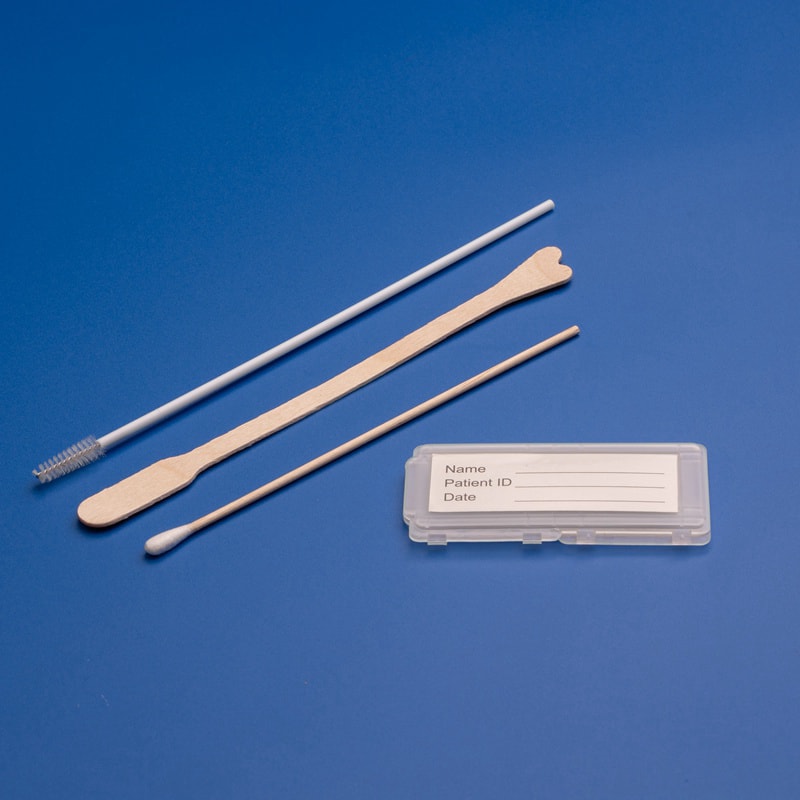
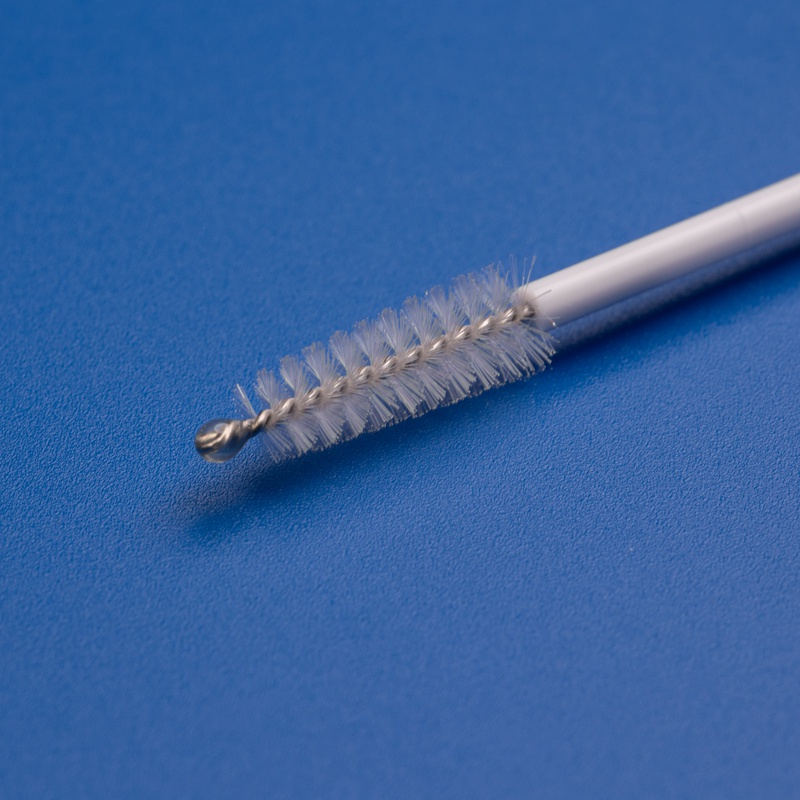
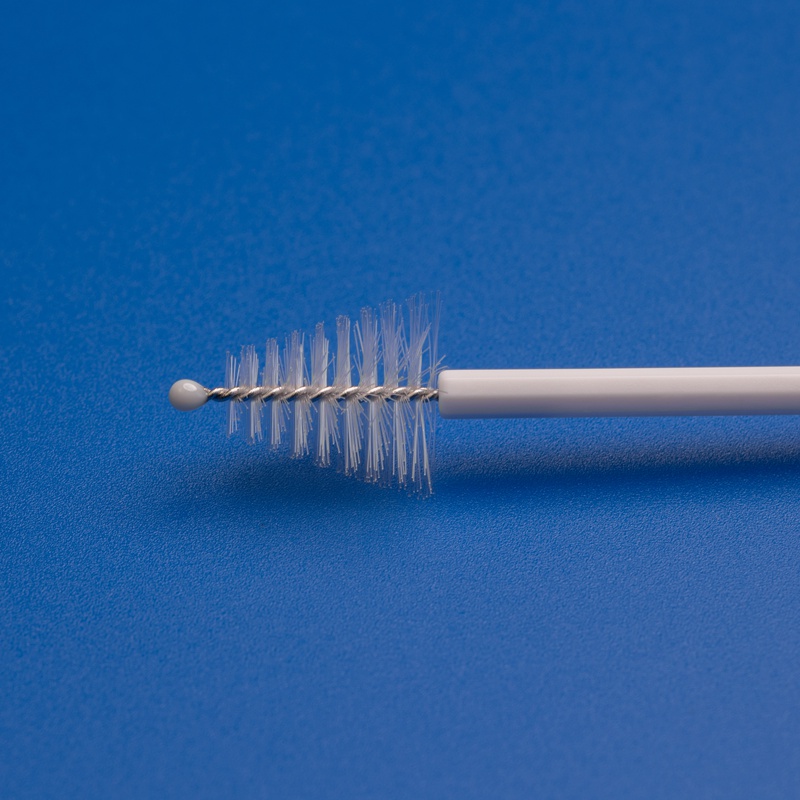
A gynecological scraper is generally a flat or shaped plastic collection tool designed to scrape cervical cells, often from the ectocervix, using a manual rotational or sweeping motion. It is simple, familiar, and cost-effective. A cervical brush, by contrast, uses structured bristles or flocked fibers to collect and release cells from the cervical canal and transformation zone with greater consistency. Many brush designs are intended to reduce trauma while improving sample yield.
When clinicians ask which is better, the answer depends on the care pathway. If the main concern is sampling efficiency for liquid-based cytology or HPV workflows, the brush usually has the edge. If the focus is basic smear collection at scale and cost control is critical, the scraper can still perform well when used correctly. Operator technique matters in both cases, but brushes often narrow technique-related variation more effectively.
| Feature | Gynecological Scraper | Cervical Brush | What It Means for US Buyers |
|---|---|---|---|
| Primary collection action | Scraping or sweeping | Brushing and rotational cell capture | Brushes often support more standardized sampling across multi-site systems |
| Best-known sampling area | Ectocervical emphasis | Endocervical and transformation-zone emphasis | Important for practices prioritizing specimen adequacy |
| Compatibility with liquid-based cytology | Variable by design | Generally strong | Relevant for labs using ThinPrep-style or SurePath-style workflows |
| Clinician learning curve | Low | Low to moderate | Training needs remain manageable for both product types |
| Patient comfort perception | Can vary with pressure and angle | Often perceived as gentler | Helpful for repeat screening compliance |
| Typical unit cost | Lower | Moderate | Scrapers may win in budget-driven tenders |
| Sample release efficiency | Depends on material and design | Often better with modern bristle or flocked structures | Can improve downstream lab performance |
This comparison table matters because purchasing teams in the United States usually balance clinical outcomes, staff preference, and reimbursement realities. A scraper may look attractive in a cost-per-unit review, but a brush can lower hidden costs if it reduces recollection, inadequate samples, or inconsistent handling across providers.
Product Types Commonly Used in the United States
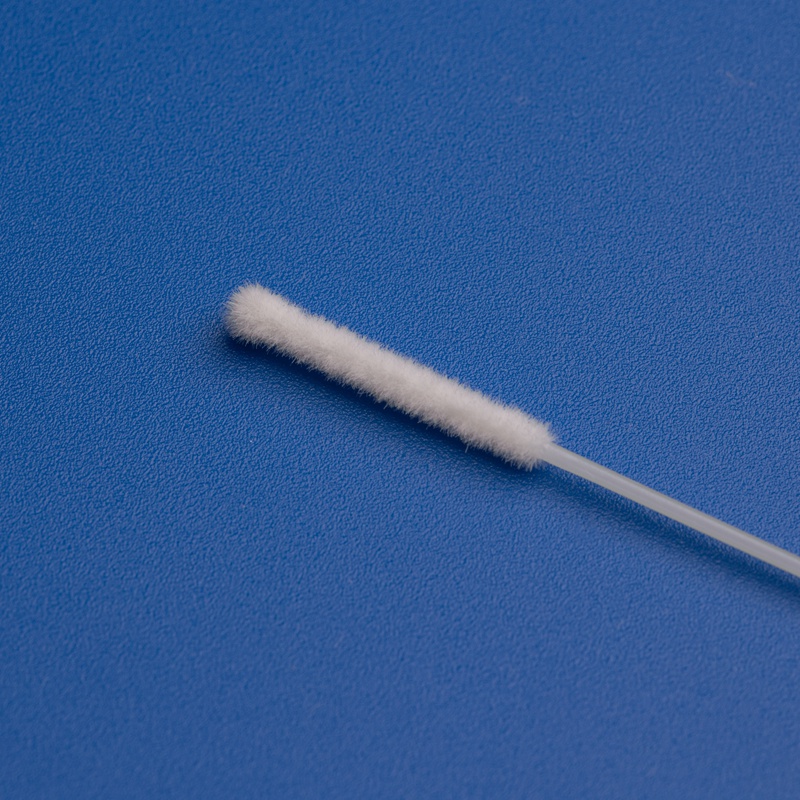
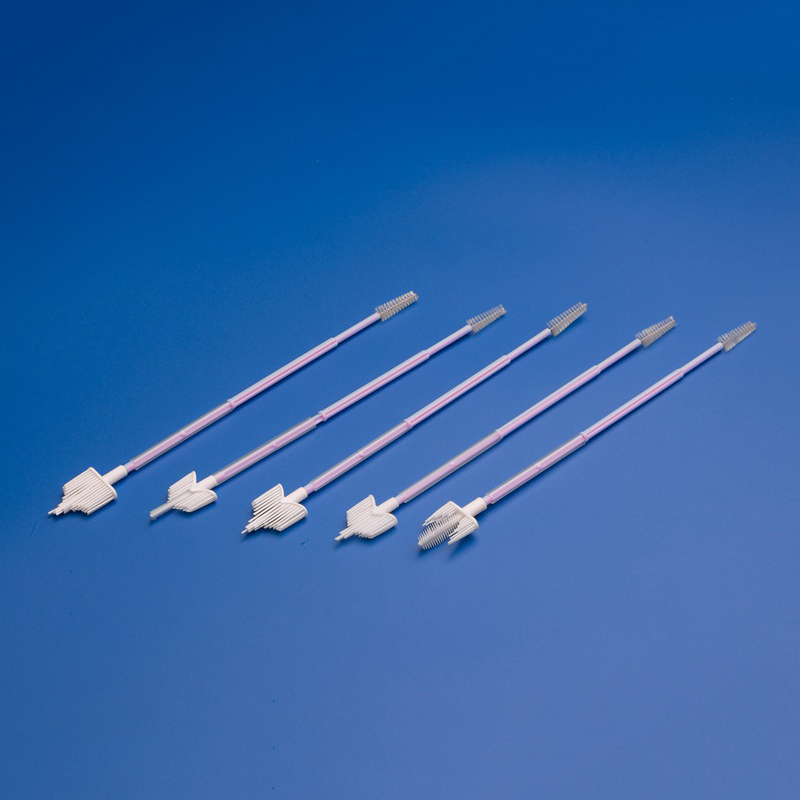
The market does not divide neatly into only two products. Instead, buyers choose among several collection formats based on protocol and test destination. Standard plastic scrapers remain common in some clinics. Endocervical brushes, cytobrush-style devices, broom-type samplers, flocked cervical samplers, and combination kits are increasingly used where liquid-based cytology or HPV testing drives device requirements.
| Product Type | Typical Use | Main Advantage | Main Limitation |
|---|---|---|---|
| Plastic gynecological scraper | Conventional smear collection | Low cost and simplicity | Less optimized for modern vial-based workflows |
| Endocervical brush | Endocervical sampling | Good canal access | May require careful technique in sensitive patients |
| Cervical broom | Broad cervical sampling | Designed to capture multiple zones | Higher unit cost than scraper |
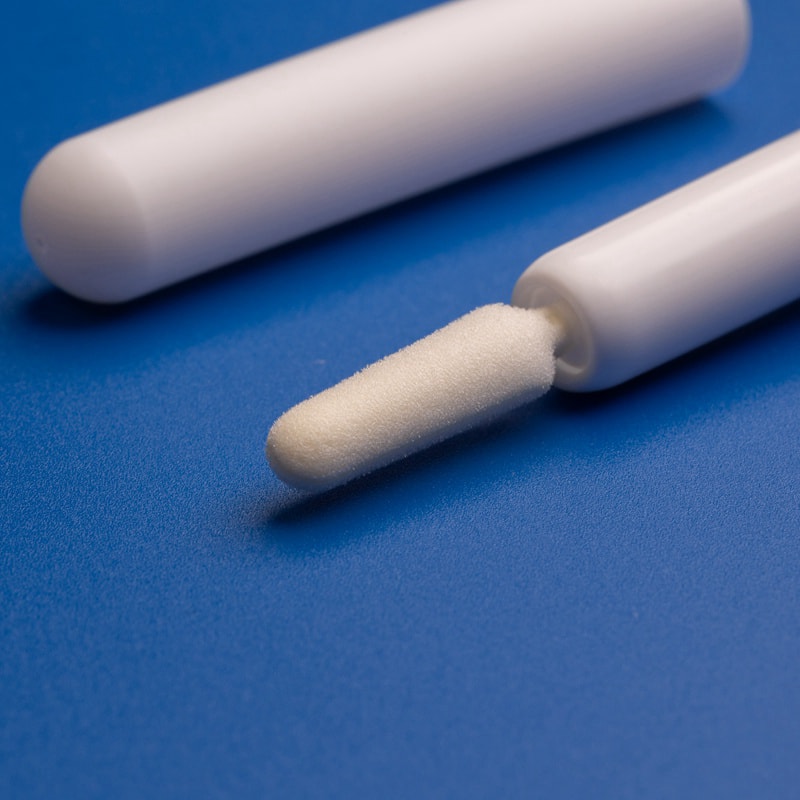
| Flocked cervical sampler | Liquid-based cytology and HPV collection | Efficient absorption and release | Supplier selection is critical |
| Combination spatula and brush kit | Mixed sampling protocols | Clinical flexibility | More SKU complexity |
| Self-sampling HPV kit components | Selected screening expansion programs | Supports access and participation | Not a direct replacement in every protocol |
This table shows that the buying question is broader than scraper versus brush. United States clinics often reevaluate the full collection set, especially when they shift lab partners, adopt new guidelines, or launch outreach screening programs.
Buying Advice for Hospitals, Clinics, and Distributors
If you are buying for a US hospital or multi-site clinic, start with the endpoint: conventional cytology, liquid-based cytology, HPV testing, or co-testing. Then confirm sample transfer compatibility, break-point design if applicable, sterility method, and packaging format. Ask for evidence of consistent molding tolerances, fiber retention performance where relevant, and documentation for biocompatibility and sterilization validation.
Distributors should evaluate carton efficiency, branding options, regional stocking plans, and complaint resolution speed. Private-label buyers should also verify artwork control, batch traceability, and regulatory paperwork readiness. For community clinics, patient comfort and ease of clinician training often matter more than minor differences in list price. For public tenders, shipment reliability and quality consistency across lots are often decisive.
A useful rule of thumb is this: choose a scraper when simplicity and lowest landed cost are the main goals, but choose a cervical brush when screening quality, compatibility with modern lab pathways, and repeat-use confidence are more important. In many cases, the brush produces better long-term value even if the initial purchase price is higher.
The bar chart highlights where demand is concentrated. Hospital systems and independent OB-GYN practices remain leading buyers, but reference labs and distributors also shape purchasing standards because they influence which devices fit the dominant testing workflows.
Industries and Settings Where Each Device Performs Best
Gynecological scrapers are still practical in high-volume routine women’s health visits, outreach screening projects with tight budgets, and organizations that maintain conventional smear habits. They are also relevant where clinicians are trained on scraper-based methods and have strong adequacy rates using existing protocols.
Cervical brushes perform especially well in pathology-linked screening networks, hospital systems with standardized kits, private gynecology clinics emphasizing patient experience, fertility centers where careful specimen collection matters, and laboratories favoring devices that transfer material effectively into preservative media. They also fit programs that want to reduce recollection risk and improve consistency among rotating providers.
From an application standpoint, the brush is generally favored for HPV-focused collection strategies, dual testing pathways, and modern cervical cytology programs. The scraper remains useful in lower-complexity procurement contexts and as part of mixed clinical preference inventories.
Applications Across Clinical Pathways
In the United States, these products support cervical cancer screening, follow-up after abnormal screening results, routine OB-GYN preventive visits, women’s health outreach programs, sexual health clinic protocols, and integrated laboratory collection kits. Device choice can influence turnaround efficiency, sample adequacy, and patient adherence to future screening.
A brush-based device can be especially valuable where health systems measure quality metrics closely. Better sample capture can reduce repeat appointments, lower administrative burden, and improve patient satisfaction. A scraper can still be a smart fit where reimbursement pressure is high and staff experience offsets the device’s simpler structure.
| Clinical Setting | Preferred Device Trend | Reason | Operational Note |
|---|---|---|---|
| Large hospital network | Cervical brush | Standardization and specimen adequacy | Often bundled into broader women’s health contracts |
| Independent OB-GYN clinic | Brush or mixed use | Patient comfort and provider preference | Clinician experience can shape final choice |
| Public health screening program | Scraper or value brush | Budget and volume sensitivity | Total program cost is a major factor |
| Reference laboratory network | Cervical brush | Compatibility with vial-based processing | Sample release performance matters |
| Community health center | Mixed but moving toward brush | Balancing affordability and quality | Training support improves transition success |
| Private label distributor | Depends on channel strategy | SKU segmentation by customer tier | OEM flexibility becomes critical |
This table helps buyers align product selection with the actual care environment. A device that is ideal for a pathology-led network may not be the best choice for a county screening initiative with different funding and staffing realities.
Case Studies from the United States Purchasing Environment
A women’s health group in Texas operating multiple outpatient locations switched from a low-cost scraper to a brush-based collection device after reviewing inadequate sample rates and repeat-visit costs. The new device increased unit cost, but the group reported smoother staff onboarding, fewer recollections, and better consistency across sites. In this case, the cervical brush delivered stronger total value than the cheaper alternative.
A public screening project in the Midwest kept gynecological scrapers for selected outreach events where cost ceilings were strict and clinical staff had years of familiarity with scraper collection. The project improved outcomes not by changing the device, but by tightening training, standardizing instructions, and partnering with a reliable distributor for more consistent product quality.
An East Coast distributor serving New Jersey and Pennsylvania expanded its catalog to include both scrapers and brushes. Smaller independent clinics continued buying scrapers for routine use, while larger networks requested brush kits compatible with modern cytology workflows. The distributor found that offering both categories improved retention and reduced price-only competition.
A California lab-linked provider moved toward brush and flocked cervical sampler formats to align with broad liquid-based cytology processing. The transition required clinician education, but the provider considered it worthwhile because it supported cleaner integration with the lab’s specimen preparation standards.
The area chart reflects a realistic trend shift rather than a complete replacement. Brushes are gaining share, but scrapers remain relevant in practical purchasing scenarios across the United States.
Local Suppliers and Brands Active in the United States
Buyers in the United States usually prefer suppliers that combine product availability, documentation, and reliable account support. The following companies are widely recognized names or established participants in the medical consumables and women’s health supply chain. Their suitability depends on channel, product portfolio, and whether the buyer needs direct branded products, distribution, or private-label support.
| Company | Service Region | Core Strengths | Key Offerings |
|---|---|---|---|
| CooperSurgical | Nationwide United States | Strong women’s health focus and clinical brand recognition | Cervical sampling devices, OB-GYN consumables, fertility and diagnostic products |
| BD | Nationwide United States and major health systems | Scale, lab integration, and broad diagnostics ecosystem | Specimen collection devices, microbiology and diagnostics-related products |
| MedGyn Products | United States and export channels | Specialized gynecology portfolio and procedure familiarity | Gynecological instruments, cervical samplers, women’s health disposables |
| Puritan Medical Products | United States with strong domestic manufacturing relevance | Sampling expertise and healthcare channel credibility | Swabs, specimen collection products, custom manufacturing support |
| Cardinal Health | Nationwide distribution network | Distribution reach, contract coverage, and logistics | Medical consumables sourcing, private-label and healthcare supply distribution |
| McKesson | Nationwide United States | Large-scale healthcare distribution and purchasing convenience | Medical-surgical supplies, clinic procurement support, branded and distributed lines |
| Medline Industries | Nationwide United States | Private-label capability and acute care penetration | Disposable medical supplies, procedure kits, sourcing support |
This supplier table is practical because it separates manufacturing strength from channel strength. Some companies are best known for direct product development, while others are essential because they simplify purchasing, stocking, and contract access across the United States.
Detailed Supplier Comparison for Sourcing Decisions
When selecting among domestic and international options, buyers should compare not only who sells the product, but who actually manufactures it, how quality is controlled, and how quickly issues are resolved. Domestic distribution can improve convenience, but international manufacturing can improve cost efficiency and product customization. The strongest sourcing strategy often combines both.
| Supplier Type | Typical Lead Time | Cost Position | Customization | Best Fit |
|---|---|---|---|---|
| US branded manufacturer | Short to moderate | Higher | Moderate | Hospitals prioritizing brand familiarity |
| US medical distributor | Short if stocked | Moderate to higher | Low to moderate | Clinics needing fast replenishment |
| International OEM manufacturer | Moderate | Competitive | High | Distributors and private-label buyers |
| Hybrid importer with US inventory | Short to moderate | Competitive | Moderate to high | Regional networks balancing cost and speed |
| Public tender supplier | Contract-based | Volume-driven | Moderate | Government and health access programs |
| Specialty women’s health supplier | Moderate | Moderate to higher | Moderate | Clinics needing niche gynecology support |
The table shows why “best supplier” depends on the buyer’s model. A regional distributor in Florida or Illinois may value OEM flexibility and private labeling, while a hospital system in Boston or Seattle may prefer a contracted branded source with established internal approval.
Our Company in the United States Market
For buyers seeking an experienced manufacturing partner rather than only a catalog reseller, Hanheng Medical is relevant to the United States market because it combines large-scale production of gynecological sampling products with the documentation and process discipline US procurement teams expect. The company has built its cervical and medical sampling portfolio around internationally recognized quality systems including ISO9001, ISO13485, EU CE pathways, US FDA-related approval status, UK MHRA registration, and NMPA compliance, supported by a 10,000 square meter Class 100000 cleanroom, precision injection molding, automated flocking, EO sterilization, and lot-based inspection that helps verify material consistency, sterility assurance, and collection performance against global benchmarks. In practice, that manufacturing depth matters for disposable sterile cervical samplers, gynecological scrapers, sterile sampling brushes, Pap smear kits, HPV self-sampling kits, and related consumables supplied to distributors, hospital buyers, brand owners, and procurement agencies. The company works through flexible cooperation models including direct factory export, OEM and ODM development, bulk wholesale, custom packaging and labeling, and regional distribution support, which makes it suitable for end users, importers, dealer networks, and private-label programs alike. Its long export history across more than 130 countries, output measured in billions of units, and regular participation in international trade fairs demonstrate sustained market experience rather than occasional cross-border trading. US buyers also benefit from practical service assurance: responsive online pre-sale consultation, after-sales follow-up, technical file and certificate support, batch and sterilization documentation, and logistics planning designed for recurring shipments through major international trade routes near Shanghai port. Buyers who want to evaluate product fit, documentation, or custom programs can review the company background on the about page, explore relevant gynecological and sampling categories in the product catalog, and discuss sourcing requirements directly through the United States inquiry channel.
How to Choose Between Scraper and Brush for Different Buyers
A solo OB-GYN office in Arizona may prefer a cervical brush because it simplifies collection and supports patient experience. A distributor in New York serving multiple clinic types may stock both, segmenting brush products for higher-acuity or lab-linked accounts while offering scrapers to price-sensitive practices. A public purchaser in the South may evaluate the scraper first for unit economy, then upgrade to a brush only if sample adequacy issues justify the change. A private-label brand owner may prioritize an international manufacturer with OEM capability, stable production, and strong compliance files rather than focusing only on a domestic brand name.
The key is to define the intended pathway, train users correctly, and demand evidence. Ask suppliers for sample devices, packaging specifications, sterilization information, complaint handling procedures, and quality certificates. In the United States, the most efficient sourcing decisions are usually made by matching the device to the workflow rather than searching for a one-size-fits-all answer.
The comparison chart makes the tradeoff clear. The scraper often wins on cost efficiency, while the cervical brush tends to score better on clinical consistency, compatibility with modern processing, and patient comfort.
Market Outlook for 2026 and Beyond
By 2026, three trends are likely to shape the United States market for cervical sampling consumables. First, technology will continue to favor devices that improve sample capture and release for HPV-led screening and liquid-based cytology. This creates more room for brush and flocked sampler formats. Second, policy and reimbursement pressure will keep pushing providers toward solutions that reduce inadequate samples, streamline preventive care, and support population-level screening compliance. Third, sustainability will matter more in procurement conversations, especially around plastic reduction, packaging efficiency, carton density, and responsible manufacturing.
That does not mean the gynecological scraper disappears. Instead, the market is likely to become more segmented. Brushes and advanced samplers should gain share in integrated health systems and lab-linked screening pathways, while scrapers remain active in price-sensitive and legacy workflow segments. Suppliers that can provide both categories, plus transparent quality files and flexible packaging, will likely outperform those offering only a narrow product set.
Another trend to watch is the stronger role of sourcing resilience. United States buyers increasingly evaluate backup supply options, especially after disruptions in global medical procurement over recent years. Manufacturers that can demonstrate stable production capacity, cleanroom control, documented sterilization, and responsive account support will be better positioned to win repeat business.
FAQ
Is a cervical brush more accurate than a gynecological scraper?
Not in every situation, but in many modern screening workflows the cervical brush is more consistent at collecting relevant cells, especially where endocervical or transformation-zone sampling matters. Accuracy also depends on clinician technique, patient factors, and the downstream test method.
Why do some United States clinics still use scrapers?
They remain popular because they are simple, affordable, familiar, and effective when used correctly. For clinics with established smear-based protocols and tight budgets, scrapers can still be a rational purchasing choice.
Which product is better for liquid-based cytology?
In most cases, the cervical brush is better suited to liquid-based cytology because it is designed for more reliable cell capture and transfer into preservation media.
Are international suppliers acceptable for United States buyers?
Yes, provided they offer the necessary certifications, traceability, sterility documentation, and consistent support. Many United States distributors and brand owners work with qualified overseas manufacturers to improve cost-performance and customization flexibility.
What should a distributor ask before placing a bulk order?
Ask about regulatory documentation, sample availability, sterilization method, production capacity, shelf life, carton dimensions, labeling options, complaint handling, and recurring lead times. It is also wise to confirm whether the manufacturer supports OEM or regional distribution arrangements.
Should a clinic stock both device types?
For many clinics and distributors, yes. Carrying both a budget scraper option and a higher-performance brush option allows better alignment with clinician preference, patient needs, and varied testing pathways.
What is the biggest mistake buyers make?
The most common mistake is comparing only unit price. A cheaper device can become more expensive overall if it increases inadequate samples, recollection rates, staff dissatisfaction, or workflow inconsistency.
Final Takeaway
If the question is which is better in the United States, the most practical answer is that the cervical brush is usually the stronger choice for modern screening quality, while the gynecological scraper remains a smart option for budget-sensitive and conventional collection settings. Buyers should make the decision based on test pathway, clinician preference, documentation standards, and total cost of use rather than unit price alone. In a market where reliability, sample adequacy, and procurement resilience all matter, the best sourcing strategy often includes both product understanding and supplier discipline.

Jiangsu Hanheng Medical Technology Co., Ltd.
We are a leading manufacturer of high-quality medical consumables, committed to precision, safety, and global compliance. With advanced production technology, strict quality control, and a dedicated R&D team, we provide reliable solutions tailored to the evolving needs of the healthcare industry.

.jpg)