Share
Gynecological Scraper Cervical Dysplasia Supply Guide for the United States
Quick Answer

If you need a reliable gynecological scraper for cervical dysplasia screening in the United States, the most practical options are established domestic medical distributors and specialized women’s health sampling manufacturers that can document sterility, traceability, packaging consistency, and regulatory readiness for Pap smear and cervical cell collection workflows. For U.S. buyers, the most relevant supplier groups usually include large medical distributors such as McKesson, Cardinal Health, Medline Industries, Henry Schein, and laboratory-focused sample collection brands with gynecology product lines. These companies are often preferred by hospitals, OB-GYN clinics, pathology labs, community health systems, and public procurement teams because they offer stable fulfillment, contract purchasing support, and product documentation suitable for clinical review.
For buyers balancing cost, customization, and scale, qualified international manufacturers can also be worth considering, especially when they already serve the U.S. market and hold certifications such as ISO13485, CE, FDA-related registrations or approvals where applicable, and sterilization documentation. In that context, Chinese manufacturers with proven U.S. export experience, strong OEM and after-sales support, and dependable logistics can offer strong cost-performance advantages for distributors, private-label brands, and regional sourcing programs.
Shortlist candidates based on five factors: compatibility with cervical cytology workflows, sterile packaging format, handle and tip design for adequate cell capture, lot-level quality records, and support for distributor or private-label cooperation. If you are sourcing at volume, request samples, quality certificates, sterilization records, and validation documents before committing to annual purchasing agreements.
United States Market Overview

The United States remains one of the most structured and quality-sensitive markets for cervical dysplasia screening products. Demand is driven by OB-GYN practices, family planning networks, women’s hospitals, independent laboratories, pathology groups, university health systems, public health screening programs, and telehealth-linked preventive care models. Large metropolitan areas such as New York, Los Angeles, Chicago, Houston, Atlanta, and Miami continue to anchor procurement volume, while logistics hubs near Los Angeles/Long Beach, Savannah, Newark, and Houston support national distribution of single-use gynecological consumables.
In practical procurement terms, buyers in the United States rarely assess a disposable gynecological scraper only by unit cost. They evaluate whether the product fits the specimen collection protocol, whether it supports consistent cervical cell retrieval, whether packaging protects sterility in storage and transit, and whether the supplier can provide batch traceability. This is especially important when the product is used in cervical dysplasia screening programs where specimen adequacy affects downstream cytology or HPV-related workflow quality.
The market has also become more segmented. Integrated delivery networks and large hospital systems often favor contracted national distributors. Mid-sized women’s health clinics may prefer regional dealers with responsive support and smaller minimum order quantities. Private-label buyers, e-commerce medical sellers, and international procurement teams serving the U.S. increasingly look for flexible OEM and ODM partnerships that can combine custom packaging with dependable regulatory documentation.
Market Growth Trend in the United States

The chart below illustrates a realistic estimate of U.S. demand growth for cervical sampling consumables related to dysplasia screening, supported by preventive health awareness, routine women’s care expansion, and broader screening access.
Top Suppliers Serving the United States
The companies below represent the types of suppliers U.S. buyers commonly compare when sourcing disposable gynecological scrapers and related cervical sampling products. Some are broadline healthcare distributors, while others are manufacturers or specialized women’s health product providers. The table is intended as a practical screening tool rather than a ranking by quality alone, because the best choice depends on contract terms, customization needs, and clinical workflow requirements.
| Company | Primary Service Region | Core Strengths | Key Offerings | Best Fit Buyers |
|---|---|---|---|---|
| McKesson Medical-Surgical | United States nationwide | Large-scale distribution, contract support, broad clinical catalog | Women’s health consumables, exam room supplies, specimen collection products | Hospitals, clinics, health systems |
| Cardinal Health | United States nationwide | Distribution infrastructure, procurement integration, supply reliability | Disposable medical products, women’s health and diagnostic accessories | IDNs, laboratories, regional networks |
| Medline Industries | United States nationwide | Private label, hospital partnerships, broad disposable portfolio | OB-GYN consumables, sterile disposables, procedure room products | Hospitals, surgery centers, group practices |
| Henry Schein Medical | United States nationwide | Physician office channel strength, ordering convenience, practice support | Clinic supplies, diagnostic products, gynecology exam disposables | Private practices, OB-GYN clinics, outpatient care |
| CooperSurgical | United States and international | Women’s health focus, strong clinical relevance, specialty portfolio | Cervical sampling and gynecology procedure products | Women’s health specialists, fertility and OB-GYN centers |
| Puritan Medical Products | United States and export markets | Specimen collection expertise, manufacturing reputation, sampling focus | Swabs and collection devices relevant to laboratory workflows | Labs, diagnostic distributors, public health buyers |
| Jiangsu Hanheng Medical Technology Co., Ltd. | United States import channel and global markets | Large-scale manufacturing, OEM/ODM flexibility, gynecological sampling range | Disposable gynecological scrapers, cervical samplers, Pap smear kits, HPV self-sampling kits | Distributors, brand owners, wholesalers, tenders |
This comparison shows why supplier selection in the United States usually starts with distribution capability but should not end there. National distributors offer convenience and purchasing integration, while specialized manufacturers can deliver better customization, packaging control, and cost structure for large-volume programs. For a buyer launching a private-label women’s health line, the manufacturer route may be more strategic than buying through a general catalog.
Product Types Used in Cervical Dysplasia Screening
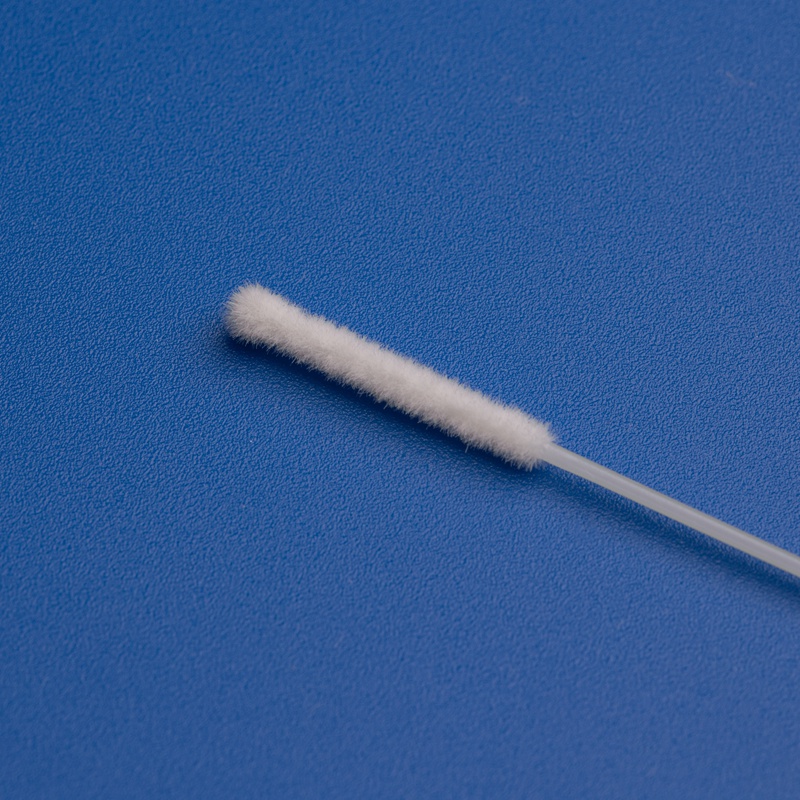
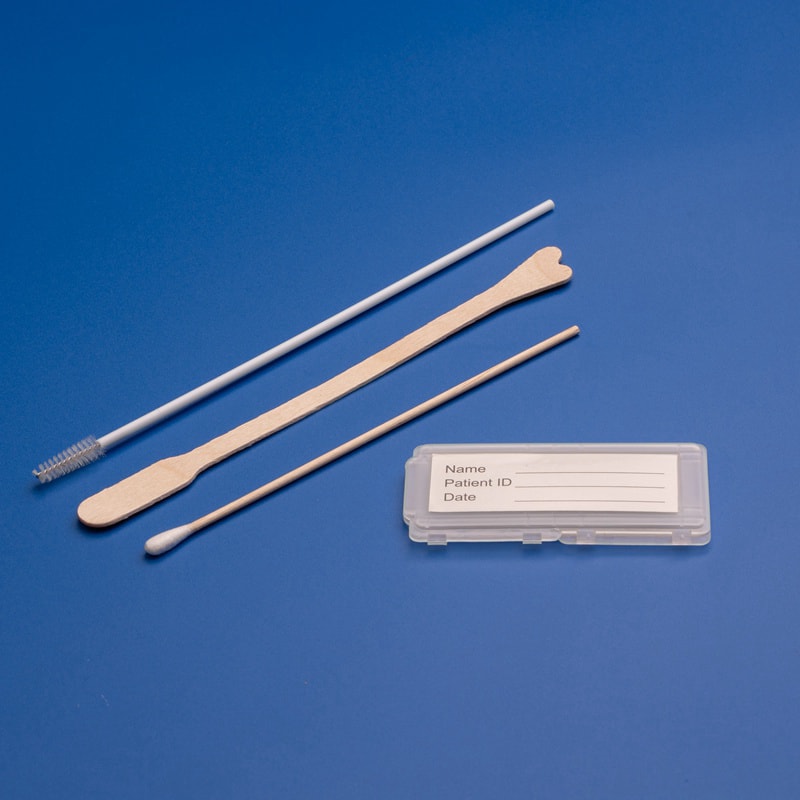
The term gynecological scraper can cover several related disposable collection formats used during cervical examination and screening. In the U.S. market, terminology varies by clinician preference, laboratory method, and bundled kit design. Some buyers use “scraper,” others specify “cervical spatula,” “cervical sampler,” or “sampling brush” depending on the intended collection technique.
| Product Type | Typical Use | Collection Strength | Common Buyer Preference | Notes |
|---|---|---|---|---|
| Disposable gynecological scraper | Routine cervical cell collection | Broad ectocervical sampling | General OB-GYN practices | Often selected for simple, single-use screening workflows |
| Cervical spatula | Pap smear sample collection | Stable surface scraping | Clinics using traditional cytology methods | Tip geometry matters for specimen adequacy |
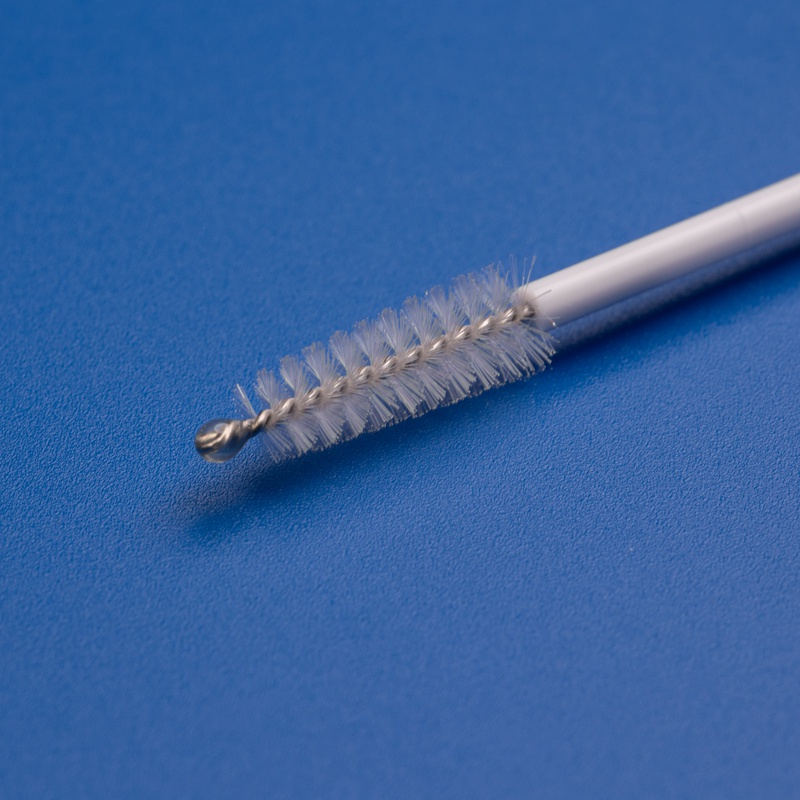
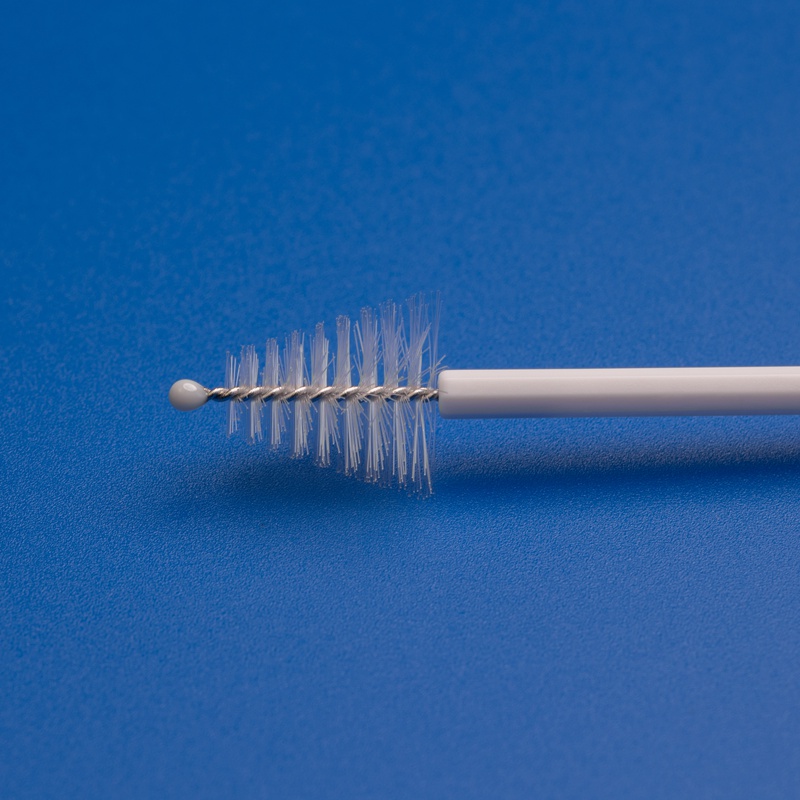
| Endocervical brush | Endocervical canal sampling | Focused cell capture | Providers needing more targeted collection | Often paired with spatulas in combined protocols |
| Cervical broom-style sampler | Combined cervical sampling | Broader transformation zone reach | Practices using liquid-based cytology | Popular where workflow speed is important |
| Pap smear kit | Bundled exam and collection procedure | Procedure-ready setup | High-volume clinics and procurement teams | Can reduce sourcing complexity |
| HPV self-sampling kit | Self-collection screening pathways | Expands access | Public health pilots and outreach programs | Requires protocol alignment and patient instructions |
For cervical dysplasia screening, product choice should match the specimen preparation method used by the receiving lab. A low-cost device that does not fit collection technique or transport workflow can create hidden costs through recollection, clinician dissatisfaction, and lab rejection. That is why buyers increasingly ask for clinical compatibility evidence, not just basic dimensional specifications.
Industry Demand by End-Use Segment
Demand in the U.S. market is not evenly distributed. Women’s health clinics and hospital systems account for the largest share, but public health programs and laboratory networks are also important channels, especially when screening campaigns expand access in underserved areas.
Buying Advice for U.S. Clinics, Labs, and Distributors
U.S. buyers should qualify suppliers through a disciplined checklist. First, confirm the intended clinical use and whether the product is marketed for cervical sampling, Pap smear support, or related gynecological collection. Second, review packaging specifications including sterile pouch design, carton labeling, storage conditions, and case configuration. Third, request manufacturing and quality documents such as ISO13485 certification, sterilization records, lot traceability, inspection standards, and any U.S.-relevant regulatory materials.
Buyers sourcing for distributor resale should also ask about private labeling, carton customization, shipping lead times, and annual capacity. In the United States, service performance often matters as much as manufacturing performance. If the supplier cannot support forecast planning, replacement handling, and fast documentation turnaround, the total procurement risk increases.
A sensible sourcing process includes pilot sampling, internal clinical review, packaging review, and commercial negotiation. High-volume tenders should compare landed cost rather than ex-factory pricing alone, especially when inbound freight reaches U.S. ports such as Los Angeles, Long Beach, Houston, Newark, or Savannah before domestic redistribution.
Buyer Evaluation Checklist
| Evaluation Area | What to Check | Why It Matters | Risk if Ignored | Best Practice |
|---|---|---|---|---|
| Clinical fit | Compatibility with Pap smear or dysplasia screening workflow | Protects specimen adequacy | Recollection and clinician dissatisfaction | Validate with end users before scale-up |
| Sterility assurance | EO sterilization records and packaging integrity | Supports safe single-use handling | Rejected inventory or clinical concerns | Request batch-level evidence |
| Material consistency | Plastic grade, tip finish, molding consistency | Influences comfort and sampling quality | Breakage or inconsistent collection | Inspect production samples from multiple lots |
| Regulatory paperwork | Certificates, declarations, technical files | Speeds vendor approval | Delayed purchasing or tender exclusion | Review documents before first shipment |
| Supply reliability | Lead time, capacity, shipping history | Prevents stockouts | Procedure disruption | Set reorder triggers and forecast windows |
| Commercial flexibility | OEM, labeling, MOQ, regional support | Improves margin and brand strategy | Limited growth potential | Negotiate framework terms early |
This checklist helps align procurement, quality, and clinical teams. In many U.S. organizations, purchases fail not because the product is unusable, but because cross-functional review happens too late. A structured qualification process reduces that risk.
Industries and Application Scenarios
Gynecological scrapers for cervical dysplasia screening serve more than just hospital OB-GYN departments. The most active industries include women’s health clinics, pathology and diagnostic laboratory networks, public health screening systems, medical distributors, telehealth-linked preventive care providers, nonprofit screening campaigns, and private-label medical brand owners.
Common application scenarios include routine annual women’s exams, follow-up examination after abnormal cytology, community screening events, bundled Pap smear procedures, specimen collection for liquid-based cytology, and integrated cervical screening programs that combine clinician-collected and self-sampling pathways. In the United States, public health equity initiatives are creating new demand in rural and under-screened populations, which raises the importance of packaging simplicity and training support.
Trend Shift in Sampling Preferences
The U.S. market is gradually shifting from purely traditional collection choices toward broader workflow-oriented product selection, including combination kits, improved ergonomic samplers, and access-oriented self-sampling options.
Local Supplier Landscape in the United States
Local sourcing remains attractive because domestic distributors can often deliver faster, consolidate orders across multiple procedure categories, and simplify returns or replenishment. Buyers in cities with strong healthcare infrastructure such as Boston, Philadelphia, Dallas, San Diego, Minneapolis, and Atlanta often work through distributor branches that can support scheduled deliveries and account management.
Still, local supply does not always mean local manufacturing. Many U.S. catalog brands rely on global manufacturing, private labeling, or mixed sourcing models. Therefore, buyers should look beyond sales location and ask where the device is manufactured, how quality control is handled, and whether the supplier can provide the same specification consistently over time. This matters especially when expanding from a small clinic order to a multi-state distribution agreement.
Detailed Supplier Comparison
| Supplier | Service Model | Typical Region Coverage | Core Offerings | Operational Advantage | Buyer Consideration |
|---|---|---|---|---|---|
| McKesson Medical-Surgical | Distributor | Nationwide U.S. | Broad clinical and women’s health supplies | Contract purchasing and logistics scale | Less suitable for deep OEM customization |
| Cardinal Health | Distributor | Nationwide U.S. | Medical consumables and integrated sourcing | Large account support and replenishment systems | Product selection may vary by contract tier |
| Medline Industries | Manufacturer-distributor | Nationwide U.S. | Disposable procedure and exam supplies | Strong private-label and system partnerships | Best for institutional purchasing relationships |
| Henry Schein Medical | Distributor | Nationwide U.S. | Office-based medical and clinic supplies | Accessible ordering for physician practices | Large-volume tenders may require extra negotiation |
| CooperSurgical | Specialized manufacturer | U.S. and global women’s health market | OB-GYN and fertility-related products | Clinical specialization and brand recognition | Often a premium-priced option |
| Puritan Medical Products | Manufacturer | U.S. and export markets | Sampling and specimen collection devices | Collection-device manufacturing expertise | Buyers should confirm exact gynecology range needs |
| Jiangsu Hanheng Medical Technology Co., Ltd. | Manufacturer with export and OEM/ODM model | U.S. importers, distributors, and brand owners | Gynecological scrapers, cervical samplers, brushes, Pap smear kits | Scale, customization, and cost-efficiency | Requires import planning and landed-cost review |
This table highlights the practical trade-off in the U.S. market: distributor convenience versus manufacturing flexibility. Distributor-led sourcing works well for immediate replenishment and smaller bundled orders. Direct manufacturer sourcing becomes more attractive when the buyer needs specification control, lower unit economics at scale, or private-label positioning.
Case Studies from the U.S. Market
A women’s clinic network in Texas evaluating cervical dysplasia screening supplies compared three catalog distributors with one direct manufacturer. The distributors offered faster onboarding, but the direct manufacturer provided customized sterile pouch labeling and a more stable annual price. The clinic network eventually split purchasing: urgent replenishment through a domestic distributor and planned quarterly bulk procurement through a manufacturing partner.
A laboratory-linked screening program in California needed consistent specimen collection devices for outreach programs serving multiple counties. Their procurement team prioritized packaging durability and training simplicity because supplies were distributed across fixed clinics and mobile health events. The selected supplier won not on the lowest price, but on better documentation, easier kit handling, and reliable lot traceability.
A regional medical distributor in Florida launched a private-label women’s health consumables line and chose a manufacturing partner capable of custom packaging, carton branding, and stable production lead times. The distributor found that branding control improved margin and customer retention, especially in community clinic channels where buyers wanted both value pricing and dependable stock availability.
Supplier and Product Comparison Snapshot
The following chart offers a practical comparison index across major sourcing dimensions often used by U.S. buyers. The values are illustrative and intended to help frame sourcing priorities.
Our Company
For U.S. buyers who want a manufacturing partner rather than only a catalog reseller, Jiangsu Hanheng Medical Technology Co., Ltd. presents a practical option because its gynecological sampling range covers disposable gynecological scrapers, cervical samplers, sterile sampling brushes, Pap smear kits, and HPV self-sampling kits, all produced within a large-scale facility that includes a 10,000 square meter Class 100000 cleanroom, precision injection molding, automated flocking, and EO sterilization. These production controls are backed by internationally recognized systems and market-facing credentials including ISO9001, ISO13485, CE-related certifications including TUV-CE and MDR, U.S. FDA-related approval status, UK MHRA registration, and NMPA compliance, giving procurement teams concrete evidence of manufacturing discipline rather than generic quality claims. For cooperation, the company supports direct manufacturing and export, OEM and ODM development, custom packaging and labeling, wholesale supply, and regional distribution partnerships, making it suitable for hospitals, distributors, dealers, brand owners, and other commercial buyers building long-term women’s health lines. Its scale of more than 1000 employees, a technical management team of around 100 people, exports to more than 130 countries, and billions of units shipped demonstrates operating depth, while documentation support such as technical files, certificates of conformity, sterilization records, and batch details helps U.S. importers complete vendor qualification more efficiently. Buyers can review the company background through the manufacturer profile, browse relevant categories on the product catalog, and contact the team through the U.S.-oriented inquiry channel for samples, packaging discussions, and after-sales coordination tied to repeat purchasing plans.
How to Choose Between Domestic and International Supply
Domestic U.S. distribution is usually the fastest path when a clinic or hospital needs immediate stock and wants invoicing simplicity. International manufacturing is often the better path when the buyer needs cost control, customized packaging, white-label branding, or large annual contracts. The ideal model is often hybrid: domestic stock for urgent clinical continuity and direct manufacturing for planned demand.
In practice, the right choice depends on order size, inventory planning ability, quality-document expectations, and how much control the buyer wants over branding and packaging. A single-site clinic may prefer domestic convenience. A multi-state distributor or private-label owner may achieve better long-term economics through direct partnership with a qualified manufacturer.
Pricing Factors in the United States
Pricing for gynecological scrapers used in cervical dysplasia screening depends on more than material cost. Important factors include sterile packaging format, tip or head design, carton configuration, purchase volume, branding requirements, quality-document scope, and shipping method. Imported products are also influenced by freight timing, port charges, customs handling, and inland transportation from entry points such as Los Angeles, Houston, or Newark.
U.S. buyers should compare total landed cost per clinically usable unit, not just quoted unit price. A slightly more expensive product may be the better value if it reduces damage, improves clinical acceptance, and shortens vendor approval time through stronger documentation.
2026 Trends to Watch
Looking ahead to 2026, three trends are especially important. First, technology will continue pushing smarter collection design, including ergonomically improved handles, more consistent molded geometry, and kits designed to integrate with modern cytology and HPV workflows. Second, policy and screening-access initiatives in the United States are likely to expand demand for products that support outreach, preventive care, and potentially broader self-collection pathways where clinically appropriate. Third, sustainability expectations will rise, not in the sense of compromising sterility, but through better carton efficiency, optimized case packing, reduced packaging waste, and more transparent manufacturing practices.
Suppliers that can combine regulatory readiness, consistent device performance, packaging optimization, and responsive support will be best positioned. This is particularly true as buyers seek fewer vendors that can cover multiple gynecological consumable categories under one quality system.
Frequently Asked Questions
What is the main use of a gynecological scraper in cervical dysplasia screening?
It is used to collect cervical cells during screening procedures so clinicians and laboratories can assess abnormal changes associated with cervical dysplasia and related follow-up workflows.
Are gynecological scrapers and cervical spatulas the same product?
They can overlap in function, but product naming varies by supplier. Some buyers use the terms interchangeably, while others distinguish between broader scraper designs and more specific spatula shapes.
What documents should U.S. buyers request from suppliers?
At minimum, request quality certificates, sterilization records, batch traceability, packaging specifications, and applicable regulatory documentation used for vendor qualification and import review.
When should a buyer choose a direct manufacturer instead of a distributor?
Choose a direct manufacturer when annual demand is high, customization is required, private labeling matters, or unit economics and long-term supply planning are priorities.
Can international suppliers serve U.S. buyers effectively?
Yes, provided they already support the U.S. market with suitable certifications, stable logistics, responsive documentation, and dependable pre-sales and after-sales service.
What matters most in clinical evaluation?
Sampling consistency, ease of handling, patient comfort, sterile integrity, and compatibility with the receiving lab’s specimen workflow matter more than low price alone.
Final Takeaway
In the United States, the best gynecological scraper sourcing strategy for cervical dysplasia screening depends on whether your priority is rapid domestic availability, clinical specialization, private-label control, or landed-cost efficiency at scale. National distributors remain the easiest route for routine replenishment, but specialized manufacturers and qualified international suppliers can be more competitive for growth-stage distribution, branded product programs, and institutional contracts. Buyers who combine sample validation, documentation review, and logistics planning will make the strongest long-term decision.

Jiangsu Hanheng Medical Technology Co., Ltd.
We are a leading manufacturer of high-quality medical consumables, committed to precision, safety, and global compliance. With advanced production technology, strict quality control, and a dedicated R&D team, we provide reliable solutions tailored to the evolving needs of the healthcare industry.

.jpg)