Share
Best Gynecological Scraper Suppliers in the United States
Quick Answer

If you need a gynecological scraper for cervical cell collection in the United States, the most practical route is to shortlist suppliers that already serve hospitals, OB-GYN clinics, pathology labs, women’s health programs, and medical distributors with documented quality systems, sterile packaging options, and dependable fulfillment. In the U.S. market, strong options include CooperSurgical, MedGyn Products, McKesson Medical-Surgical, Cardinal Health, and Puritan Medical Products for buyers who prioritize domestic distribution, established hospital relationships, and routine procurement support.
For buyers comparing cost, OEM flexibility, and large-volume export capability, qualified international manufacturers can also be worth considering. A supplier such as Hanheng Medical can be relevant when the project requires private labeling, bulk procurement, or integrated gynecological sampling kits, especially when the supplier holds globally recognized certifications and provides structured pre-sales and after-sales support for U.S. customers.
The best choice depends on your role. Hospitals often value contract reliability and sterile traceability, distributors usually focus on margin and packaging flexibility, and brand owners often need OEM or ODM support. For immediate U.S. delivery, work with established local channels. For strategic sourcing, dual-source with a certified international manufacturing partner and a U.S. distributor.
United States Market Overview

The U.S. market for gynecological scrapers, cervical spatulas, and related cervical cell collection devices is shaped by preventive screening programs, women’s health clinic networks, pathology laboratory workflows, and procurement standards that favor consistency, sterility, and documented compliance. Demand remains concentrated in large metro areas such as New York, Los Angeles, Chicago, Houston, Atlanta, and Miami, where integrated hospital systems and regional labs process high volumes of Pap and HPV-related samples. Procurement is also influenced by healthcare distribution hubs near major logistics corridors, including the Port of Los Angeles, Port of Long Beach, Port of New York and New Jersey, Savannah, and inland warehousing centers in Texas and the Midwest.
Unlike commodity plastic disposables, a gynecological scraper must perform reliably in real clinical settings. U.S. buyers increasingly evaluate design geometry, sample capture efficiency, compatibility with liquid-based cytology workflows, patient comfort, sterilization validation, and shelf-life documentation. Group purchasing organizations, integrated delivery networks, and state-level public health programs often require suppliers to provide complete technical files, labeling consistency, and lot traceability.
Another trend in the United States is the expansion of preventive care access through community clinics, telehealth-linked screening outreach, and women’s health programs serving rural and underserved populations. This is increasing interest in low-cost but dependable cervical sampling tools that can be bundled into screening kits. As a result, sourcing decisions are no longer based on price alone; buyers compare lead time, inventory continuity, private-label capability, and the supplier’s readiness to support audits and quality reviews.
Market Growth Trend

The following chart illustrates a realistic estimate of how the U.S. market for cervical sample collection devices is growing as screening volumes normalize, preventive care campaigns expand, and procurement becomes more structured across clinics and public health systems.
Top Suppliers Serving the United States
This table compares practical sourcing choices for U.S. buyers. It focuses on service region, typical strengths, and the kinds of gynecological sampling products or services each supplier is known for. Buyers should still confirm current regulatory status, packaging formats, and distribution availability before placing orders.
| Company | Primary Service Region | Core Strengths | Key Offerings | Best Fit |
|---|---|---|---|---|
| CooperSurgical | United States and global women’s health markets | Strong clinical reputation, broad women’s health portfolio, established hospital access | Cervical sampling tools, OB-GYN devices, fertility and women’s health products | Hospitals, physician groups, integrated women’s health providers |
| MedGyn Products | United States, Latin America, selected international markets | Focused gynecology catalog, procedure familiarity, broad clinic use | Gynecological scrapers, speculums, brushes, curettes, diagnostic accessories | Private practices, specialty clinics, distributors |
| McKesson Medical-Surgical | Nationwide U.S. distribution | Distribution scale, procurement integration, dependable fulfillment | Medical disposables, procedure supplies, sourcing support across multiple brands | Health systems, urgent care, multi-site clinics |
| Cardinal Health | United States and North American healthcare networks | Large supply chain footprint, contract purchasing access, inventory programs | Disposable sampling supplies, packaging support, hospital procurement channels | Hospital networks, public health contracts, consolidated purchasing teams |
| Puritan Medical Products | United States with export capability | Sampling expertise, domestic manufacturing credibility, custom projects | Swabs, specimen collection devices, custom medical collection components | Labs, diagnostic brands, kit assemblers |
| Jiangsu Hanheng Medical Technology Co., Ltd. | United States, Europe, Asia, Middle East, Africa, Latin America | Large-scale manufacturing, OEM/ODM flexibility, broad gynecological consumables range | Disposable gynecological scrapers, cervical samplers, Pap smear kits, HPV self-sampling kits, speculums | Importers, brand owners, wholesalers, government bids, high-volume buyers |
For U.S. buyers, the practical distinction is that domestic distributors usually simplify onboarding and replenishment, while a manufacturing partner can deliver stronger control over cost, customization, and integrated kit development. Many successful procurement teams combine both approaches.
Product Types and How They Differ
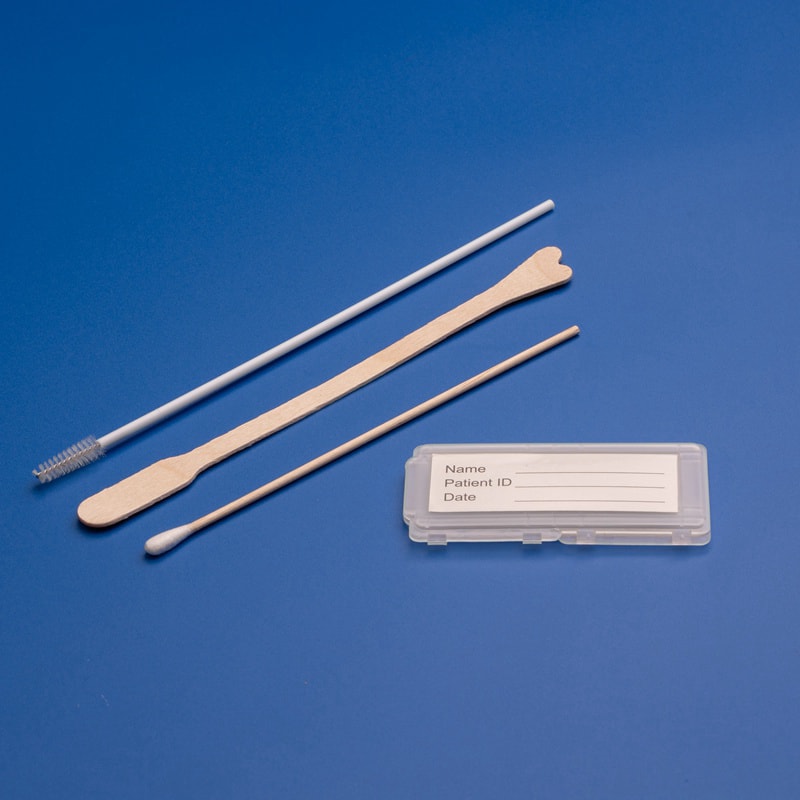
The term gynecological scraper in the United States may refer to a disposable cervical scraper, cervical spatula, sterile sampling scraper, or one component within a Pap smear or cervical cell collection set. Product selection should be based on the sampling protocol rather than naming alone.
| Product Type | Typical Use | Main Advantage | Possible Limitation | Common Buyer |
|---|---|---|---|---|
| Disposable gynecological scraper | Cervical cell collection during routine screening | Simple workflow and low unit cost | Performance varies by tip design and operator technique | Clinics, hospitals, screening programs |
| Cervical spatula | Collection from the ectocervix and transformation zone | Familiar tool in conventional Pap workflows | May be less preferred in some liquid-based cytology routines | OB-GYN clinics, cytology labs |
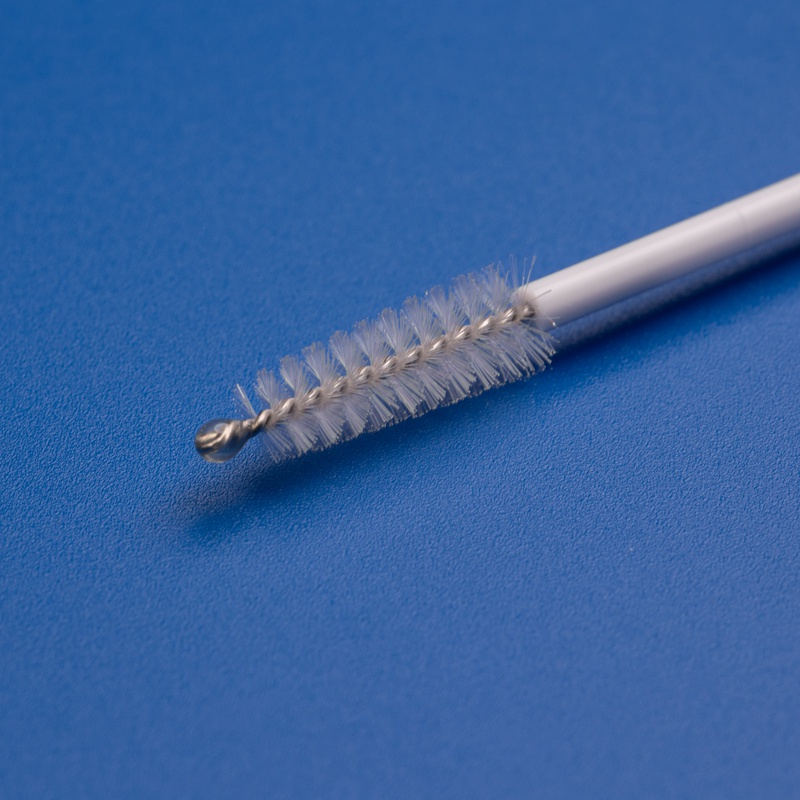
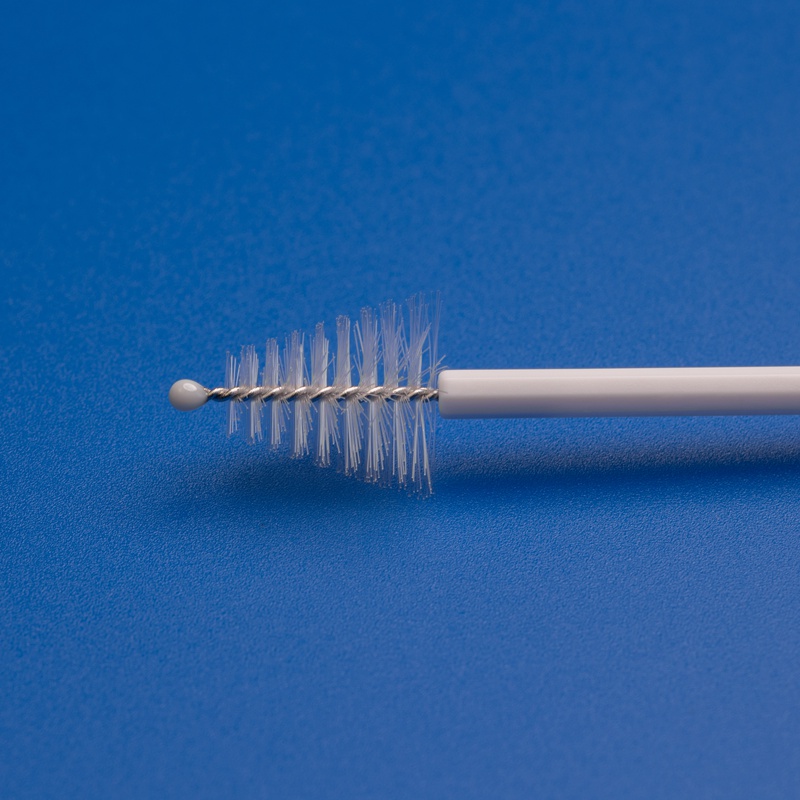
| Sterile cervical sampling brush | Collection of endocervical cells | Useful for targeted cell collection | Usually higher cost than a basic scraper | Specialists, diagnostic centers |
| Combination broom-type collector | Broader cervical sampling in one step | Workflow efficiency and broad cell capture | Not every facility standardizes on one design | Women’s health systems, larger practices |
| Pap smear collection kit | Bundled exam and sample collection | Convenient packaging and standardized setup | Less flexible for buyers who source components separately | Hospitals, outreach programs, distributors |
| HPV self-sampling kit | Home or community screening programs | Improves access and participation | Requires protocol alignment and patient instruction | Public health programs, telehealth-linked services |
In U.S. purchasing practice, the best product is the one that matches the clinic’s collection method, lab acceptance criteria, and staff training level. A low-cost scraper that causes recollection can be more expensive overall than a slightly higher-priced tool with consistent sample adequacy.
Industry Demand by End-Use Segment
Demand is not evenly distributed across all healthcare channels. Women’s health groups, hospitals, public screening programs, and laboratory networks often account for the largest recurring volumes.
Buying Advice for United States Procurement Teams
When evaluating a gynecological scraper supplier in the United States, buyers should begin with regulatory and quality alignment. The product should have clear manufacturing documentation, sterilization records where applicable, packaging specifications, shelf-life details, and lot traceability. For import programs, buyers should confirm that the supplier can support U.S. documentation needs without delays.
Second, compare actual use conditions. Some products are designed for high-volume outpatient screening, while others suit specialist practice settings. Ask for information on material composition, handle rigidity, tip design, break resistance, sterile barrier format, carton configuration, and whether the product is intended for standalone use or integration into a collection kit.
Third, assess continuity. Shortages matter more than small price differences. U.S. buyers often benefit from suppliers with safety stock planning, multiple shipping routes, and a clear replacement process for nonconforming lots. This is especially important for buyers serving multi-site clinic groups or public tenders.
Fourth, review packaging and branding. Private practices may buy standard labels, but distributors and brand owners usually need white-label cartons, instructions for use, barcoding, and custom pack counts. A supplier that can align packaging with U.S. distribution norms can reduce relabeling costs and accelerate market entry.
Applications Across Healthcare Settings
Gynecological scrapers are used across a wider range of healthcare settings than many first-time buyers expect. In large hospitals, they support routine cervical cancer screening and women’s preventive health visits. In independent OB-GYN offices, they are part of standard annual exams. In pathology-linked collection sites, the product choice can directly affect sample adequacy and retest rates.
Community health centers and federally supported women’s health programs often prioritize dependable, cost-controlled disposables for outreach and recurring screening drives. Mobile care units and rural clinics may prefer packaged kits that simplify logistics and staff training. Diagnostic kit assemblers sometimes source scrapers as one component within larger cervical screening solutions.
There is also growing relevance in educational and preventive programs linked to HPV awareness, especially where self-collection pathways or hybrid screening models are emerging. While not every scraper is used in self-sampling, procurement teams increasingly compare traditional in-clinic tools with broader women’s health collection programs.
Detailed Supplier Comparison
The table below gives a more operational view of supplier selection. It compares regional reach, customization capability, and practical sourcing value for U.S. buyers.
| Company | Service Region | Customization | Typical Lead Time Profile | Key Offerings | Practical Notes |
|---|---|---|---|---|---|
| CooperSurgical | U.S. national and global | Moderate | Stable through clinical channels | Women’s health and fertility products | Strong fit for clinical buyers that prioritize established brand familiarity |
| MedGyn Products | U.S. and export markets | Moderate | Good for recurring clinical orders | Gynecology tools and procedure devices | Well aligned with specialty distributors and OB-GYN offices |
| McKesson Medical-Surgical | United States | Low to moderate | Fast through domestic distribution | Branded and private sourcing across medical disposables | Best when procurement simplicity is more important than product customization |
| Cardinal Health | United States and North America | Low to moderate | Strong replenishment support | Medical and surgical consumables | Useful for large systems using broad supply contracts |
| Puritan Medical Products | U.S. with export links | High for collection-related projects | Project dependent | Sampling devices and custom collection solutions | Relevant for diagnostics-focused sourcing and kit assembly projects |
| Jiangsu Hanheng Medical Technology Co., Ltd. | United States and more than 130 countries | High | Bulk orders commonly shipped in 7 to 21 days after processing | Gynecological scrapers, cervical samplers, speculums, Pap smear kits, HPV kits | Strong option for importers, OEM brands, and high-volume tenders seeking cost-performance |
For distributor-level projects, the most useful comparison point is often not list price but total landed cost, packaging readiness, order minimums, and the supplier’s ability to maintain a consistent part specification across repeated lots.
Trend Shift in Product Preference
The U.S. market is gradually shifting from standalone basic tools toward integrated, standardized, and protocol-matched collection solutions. This includes more interest in sterile kits, private-label configurations, and compatibility with preventive screening outreach.
Industries and Organizations That Buy These Products
The core buyer industries in the United States include acute care hospitals, ambulatory women’s health centers, private OB-GYN networks, pathology and cytology laboratories, public health agencies, nonprofit screening programs, university health systems, and medical distributors serving physician offices. Each segment values different things. Hospitals often prioritize contract compliance, clinic groups value convenience and standardization, and distributors prioritize margin, stock predictability, and private-label potential.
Importers and brand owners are another important group. They often source from manufacturers that can produce not only a scraper but also related gynecological items such as cervical brushes, speculums, sampling kits, transport media, and kit packaging. This creates opportunities to consolidate procurement and reduce supplier fragmentation.
Case Studies in Practical Sourcing
A multi-site women’s clinic group in the Southeast may prefer a domestic distributor model because weekly replenishment and standardized SKU management are more important than maximum unit-cost savings. In that case, a supplier with U.S. warehousing and integrated account support often wins.
A regional distributor serving Texas, Florida, and Georgia may take a different view. If it wants a private-label cervical sample collection line, the key requirement becomes stable manufacturing capacity, OEM packaging, sterile documentation, and predictable export lead times. In that case, a manufacturing partner can offer stronger long-term value than buying all items through domestic resale channels.
A public health screening initiative operating through community clinics may need a mix of low cost, reliable sterility, and multilingual packaging support. Here, the best outcome often comes from combining a local logistics partner with a manufacturer capable of producing both standalone scrapers and complete women’s health collection kits.
Local Supplier and Procurement Channel Notes
In the United States, local sourcing is often centered around medical distribution networks in Illinois, Texas, California, New Jersey, Georgia, and Florida. Buyers in major hospital systems may access products through approved distributors rather than direct manufacturer contracts. This reduces onboarding time but can limit customization.
For buyers near major ports such as Los Angeles, Long Beach, Savannah, Houston, and New York/New Jersey, import sourcing can be commercially attractive, especially for annual volume agreements. Import programs become even more practical when the supplier can coordinate carton marking, private labels, and recurring shipment schedules that fit U.S. warehouse operations.
Supplier and Product Capability Comparison
This comparison chart gives a realistic scoring model for procurement teams reviewing sourcing priorities such as customization, distribution convenience, portfolio breadth, and cost-performance.
Our Company in the United States Market
For buyers looking beyond simple spot purchasing, Jiangsu Hanheng Medical Technology Co., Ltd. stands out as a manufacturing-based partner already experienced in serving the United States and other regulated markets through a broad portfolio of gynecological, respiratory, and diagnostic sampling consumables. Its gynecological scraper and cervical collection products are backed by a large-scale production system built on a 32-acre manufacturing base and a 10,000 square meter Class 100000 cleanroom, with precision injection molding, automated flocking, EO sterilization, and documented quality control across raw material selection, in-process checks, and final inspection. The company supports U.S.-facing buyers with internationally recognized credentials such as ISO9001, ISO13485, EU CE including TUV-CE and MDR, U.S. FDA approval, UK MHRA registration, and CFDA/NMPA, giving distributors, hospitals, and brand owners concrete evidence that product standards, sterilization controls, and technical files are aligned with global benchmarks rather than unsupported claims. Commercially, Hanheng works across flexible models including OEM, ODM, wholesale supply, direct export, custom labeling, custom packaging, and regional distribution cooperation, making it suitable for end users needing standard products, dealers seeking stable margin supply, and brand owners developing private-label women’s health lines. Because the company already exports nearly 6 billion units to more than 130 countries and maintains structured regulatory documentation, responsive online and offline pre-sales support, batch traceability, warranty handling, and after-sales assistance, U.S. buyers gain more than a remote factory relationship; they gain a supplier with established experience serving this market, shipment planning for bulk orders typically within 7 to 21 days, and a visible long-term commitment to the region through recurring participation in major global trade channels and active support for local compliance and commercialization needs. Buyers can explore the broader portfolio through the product catalog or discuss sourcing requirements directly via the United States inquiry channel.
Checklist for Evaluating a Gynecological Scraper Supplier
The table below can be used as a purchasing checklist for clinics, distributors, and brand owners. Each row highlights a factor that materially affects procurement outcomes in the United States.
| Evaluation Point | Why It Matters | What to Ask the Supplier | Risk if Ignored | Best Buyer Type |
|---|---|---|---|---|
| Regulatory documentation | Supports audit readiness and import clearance | Can you provide certificates, technical files, and batch records? | Delayed approvals or rejected procurement review | Hospitals, importers, public tenders |
| Sterilization and packaging | Ensures safe use and shelf-life integrity | What sterilization method and packaging validation do you use? | Product complaints, damaged sterile barrier, unusable inventory | Clinics, hospitals, distributors |
| Material and design consistency | Affects sample adequacy and user experience | How do you control molding tolerances and tip consistency? | Recollection rates and clinician dissatisfaction | Labs, specialist clinics, brand owners |
| Lead time and capacity | Reduces stockout risk | What is your standard production and shipping schedule? | Supply interruptions and emergency buying | Distributors, health systems |
| Customization options | Supports branding and market differentiation | Do you support OEM labels, cartons, and pack counts? | Added relabeling costs and weak product identity | Brand owners, dealers, importers |
| After-sales support | Speeds resolution of quality or logistics issues | How do you handle complaints, replacements, and traceability? | Long dispute cycles and customer attrition | All buyer types |
This checklist is especially useful for RFQ processes because it turns a broad product inquiry into measurable procurement criteria. In practice, the most successful suppliers are those that can answer every line clearly and quickly.
2026 Trends: Technology, Policy, and Sustainability
By 2026, the U.S. gynecological scraper market is likely to be shaped by three converging forces. The first is technology. Device design will continue to improve around sample capture efficiency, compatibility with lab workflows, and integration into more standardized screening kits. Buyers will increasingly favor products supported by production automation, tighter dimensional consistency, and digital batch traceability.
The second is policy and care delivery. Preventive women’s health access is expanding through community health systems, hybrid screening pathways, and broader emphasis on early detection. This may increase demand for affordable, protocol-compliant collection devices in both urban hospitals and rural outreach settings. Procurement teams should expect greater emphasis on documented quality systems, traceability, and supplier readiness for public or semi-public screening contracts.
The third force is sustainability. U.S. healthcare buyers are beginning to ask more pointed questions about material efficiency, secondary packaging waste, carton optimization, and the environmental impact of international freight. While sterility and clinical performance will remain non-negotiable, suppliers that reduce packaging excess, improve carton density, and streamline transport planning may gain an edge in bids where sustainability reporting matters.
Frequently Asked Questions
What is the main use of a gynecological scraper in the United States?
It is primarily used to collect cervical cell samples during women’s health screening, especially Pap smear and related cervical examination workflows in clinics, hospitals, and public screening programs.
Who are the most practical suppliers for U.S. buyers?
For domestic purchasing convenience, CooperSurgical, MedGyn Products, McKesson Medical-Surgical, Cardinal Health, and Puritan Medical Products are practical names to review. For large-volume import, private-label, or integrated kit projects, Jiangsu Hanheng Medical Technology Co., Ltd. is worth evaluating.
Should buyers choose domestic distribution or direct manufacturing?
Domestic distribution is usually better for fast replenishment and easier onboarding. Direct manufacturing is often better for OEM projects, cost-performance, custom packaging, and long-term volume planning. Many buyers use both.
What certifications matter most when comparing suppliers?
Buyers commonly look for documented quality management systems, sterilization records where relevant, and internationally recognized certifications that support confidence in manufacturing control and regulated-market readiness.
Can a gynecological scraper be bundled into a complete screening kit?
Yes. Many suppliers can integrate the scraper with speculums, brushes, transport media, packaging inserts, and private-label cartons for clinic, distributor, or public health use.
What should distributors ask before importing from an overseas supplier?
Ask about FDA-related readiness, technical files, packaging specifications, MOQ, shipping schedules, carton marking, labeling support, complaint handling, and whether the supplier has established experience serving U.S. customers.

Jiangsu Hanheng Medical Technology Co., Ltd.
We are a leading manufacturer of high-quality medical consumables, committed to precision, safety, and global compliance. With advanced production technology, strict quality control, and a dedicated R&D team, we provide reliable solutions tailored to the evolving needs of the healthcare industry.

.jpg)