Share
AmniHook Amniotomy Device Suppliers in the United States
Quick Answer

If you need an amnihook amniotomy device in the United States, the most practical approach is to source from established medical suppliers that already serve labor and delivery units, ambulatory clinics, and distributor networks. Strong options to evaluate include Medline Industries, Cardinal Health, McKesson Medical-Surgical, Laborie, CooperSurgical, and regional hospital-supply distributors that stock sterile single-use OB/GYN procedure products. For most buyers, the right choice depends on sterile packaging format, handle ergonomics, bulk purchasing terms, regulatory documentation, and how quickly replacement stock can reach facilities in major hubs such as Chicago, Dallas, Los Angeles, Atlanta, and New York.
For immediate action, shortlist suppliers that can provide product specifications, sterility validation, lot traceability, shelf-life information, and responsive account support for your state or hospital system. Providers should also consider qualified international manufacturers with relevant U.S.-facing certifications and dependable pre-sale and after-sale support, especially when looking for better cost-performance, OEM packaging, or private-label distribution programs.
- Medline Industries: broad U.S. logistics coverage and hospital contract experience
- Cardinal Health: strong distribution footprint for acute care and procedural supplies
- McKesson Medical-Surgical: reliable ordering systems and network reach for clinics
- CooperSurgical: women’s health focus and OB/GYN product familiarity
- Laborie: recognized in women’s health and procedure-related clinical channels
United States Market Overview

The United States market for amnihook amniotomy device procurement is shaped by hospital consolidation, value analysis committee review, infection prevention standards, and the growing preference for single-use sterile devices in labor and delivery. Although the amnihook is a relatively simple instrument compared with capital OB/GYN equipment, purchasing decisions are still influenced by clinical workflow, nurse and physician preference, stocking efficiency, and liability-conscious documentation standards. Buyers in the U.S. generally expect a sterile, disposable product with clear packaging, dependable lot control, and distributor support that aligns with hospital ERP and medical-surgical ordering systems.
Demand is concentrated in maternity wards, women’s health departments, physician offices, surgery centers, and integrated delivery networks. Large metropolitan areas such as Houston, Miami, Phoenix, Boston, and Philadelphia often source through national contracts, while smaller regional facilities may use independent distributors that offer more flexible minimum order quantities. Ports and trade corridors also matter. Products entering through Los Angeles/Long Beach, Savannah, Newark, and Houston can move quickly into U.S. warehousing, which is important for replenishment planning and emergency backorders.
From a purchasing perspective, the market is also becoming more data-driven. Clinical buyers want consistency in hook geometry, handle rigidity, protective packaging, and sterilization records. Supply chain managers increasingly compare landed cost, fill rates, and support for custom labeling. As healthcare systems push for cost optimization without compromising patient safety, amnihook device sourcing is no longer just a catalog decision; it has become part of broader supplier risk management and women’s health procurement strategy.
Market Growth and Procurement Momentum

The U.S. women’s health disposable device segment continues to show steady procedural demand, and amnihook procurement follows broader delivery-volume patterns, outpatient women’s care expansion, and standardization efforts across health systems. The chart below illustrates a realistic market growth index for amnihook-related procurement activity in the United States.
This growth pattern reflects several practical realities: stable childbirth-related procedural demand, increased reliance on disposable sterile products, tighter infection prevention expectations, and stronger distributor interest in category consolidation. For buyers, the implication is straightforward: lead times and service support increasingly matter as much as base unit price.
Product Types and Specification Options
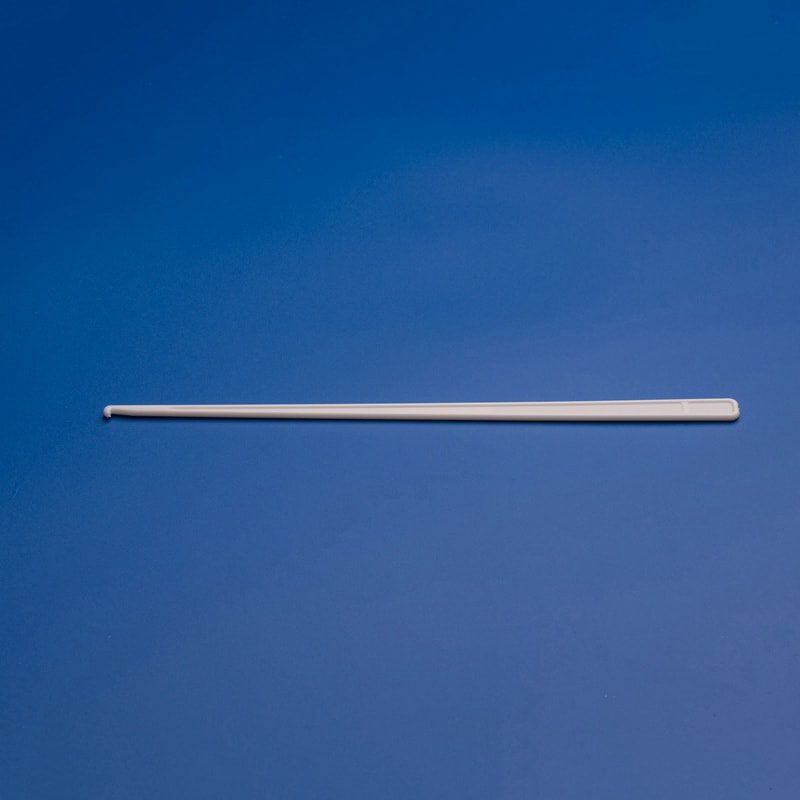
An amnihook amniotomy device is generally used to rupture the amniotic membrane during labor when clinically indicated. Even though the function is simple, product formats vary enough to affect clinician comfort and purchasing outcomes. The main differences involve hook shape, shank flexibility, handle length, grip texture, sterility format, pack configuration, and whether the item is sold as an individual unit or part of a procedural set.
In the United States, most providers prefer sterile, single-use options that fit established labor and delivery protocols. Some buyers prioritize standard products that can be substituted across multiple facilities, while others look for premium designs that improve tactile control. Below is a practical comparison of common product types buyers encounter.
| Product Type | Typical User | Key Features | Best Use Case | Service Region Fit | Buying Note |
|---|---|---|---|---|---|
| Standard sterile single amnihook | Hospital L&D units | Single-use, basic handle, sterile peel pack | Routine labor procedures | Nationwide U.S. | Most common and easiest to standardize |
| Ergonomic grip amnihook | OB physicians, CNMs | Improved grip texture and control | Higher clinician preference settings | Urban and academic centers | May justify premium pricing if adoption is strong |
| Set-packed amniotomy device | Procedure cart managers | Included with OB/GYN kits | Workflow simplification | Integrated health systems | Useful when SKU reduction matters |
| Private-label amnihook | Distributors, brand owners | Custom packaging and branding | Regional resale programs | Distributor-focused markets | Requires dependable OEM documentation |
| Bulk institutional pack | Large hospital systems | Case-based volume supply | Contract purchasing | Multi-state systems | Best for predictable monthly usage |
| Specialty women’s health catalog item | Specialized clinics | Bundled with women’s health line | Focused OB/GYN procurement | Regional specialty networks | Helpful when using a women’s health vendor master |
This table shows that the best format depends less on the device itself and more on supply model, clinician preference, and procurement structure. Hospitals often prioritize standardization and traceability, while distributors and private-label buyers focus on packaging flexibility and landed cost.
How Demand Differs by Industry Segment
Demand for the amnihook amniotomy device is not evenly distributed across healthcare settings. Labor and delivery departments are the largest recurring users, but women’s specialty clinics, educational hospitals, and distributor-managed inventory programs also contribute significantly. Understanding segment demand helps buyers choose the right supplier service model.
The chart highlights why national distributors and large medical-surgical companies remain influential in this category. Their account management systems are designed for hospitals and multi-site healthcare groups, which represent the largest demand concentration.
Buying Advice for U.S. Providers and Distributors
When evaluating suppliers for an amnihook amniotomy device in the United States, buyers should treat the product as a regulated sterile disposable rather than a low-attention commodity. The most successful sourcing teams build their purchasing criteria around five factors: compliance evidence, supply continuity, clinician usability, commercial flexibility, and service responsiveness.
Start with documentation. A serious supplier should be able to provide product specifications, sterility method details, packaging validation, shelf-life statements, lot coding practices, and relevant registration or quality-system records. In practical terms, this reduces the risk of delayed onboarding and helps value analysis and quality teams complete reviews faster.
Next, assess logistics and account support. A low quoted price loses value if fill rates are inconsistent or if replacement shipments take too long. U.S. buyers should ask where inventory is warehoused, what the average order-to-ship lead time is, and how recalls, complaints, and adverse event follow-up are handled. Fast communication is especially important for labor and delivery departments, where stocking gaps can create immediate operational stress.
Third, test usability with actual clinicians. Small differences in hook contour, handle stiffness, and package opening can influence preference and acceptance. Fourth, review cooperation options. Distributors may need private labeling or regional exclusivity, while hospitals may want direct purchasing agreements and standing inventory commitments. Finally, evaluate support after the sale. Good suppliers do not disappear after shipment; they help with batch traceability, certificate requests, and replacement planning.
Supplier Evaluation Checklist
The following comparison table is useful for provider purchasing teams, distributors, and private-label buyers that need a practical framework for evaluating amnihook suppliers in the U.S. market.
| Evaluation Factor | Why It Matters | What to Ask | Good Supplier Signal | Risk if Missing | Best Buyer Type |
|---|---|---|---|---|---|
| Sterility documentation | Supports compliance review | What sterilization records are available? | Clear batch-linked records | Onboarding delays | Hospitals |
| Lot traceability | Improves recall readiness | How are lot numbers tracked? | Case and unit traceability | Quality control exposure | Health systems |
| Packaging integrity | Protects sterile barrier | How is packaging tested? | Documented seal validation | Sterility concerns | All buyers |
| Lead time reliability | Prevents stockouts | What is the normal ship window? | Consistent fulfillment metrics | Backorders | Distributors |
| OEM/ODM capability | Supports private label growth | Can branding and labels be customized? | Structured private-label program | Limited market differentiation | Brand owners |
| After-sales responsiveness | Resolves field issues quickly | Who handles complaints and replacements? | Named support contacts | Slow issue closure | All buyers |
This checklist is especially valuable in multi-stakeholder buying environments, where procurement, nursing leadership, infection prevention, and quality teams all need different forms of evidence before a supplier is approved.
Industries and Clinical Applications
The amnihook amniotomy device is most closely associated with obstetric care, but its procurement footprint extends into multiple parts of the healthcare supply chain. Hospitals remain the largest users because labor induction and labor management protocols often require ready access to sterile amniotomy tools. Teaching hospitals and academic centers also maintain a steady need due to resident training and protocol standardization.
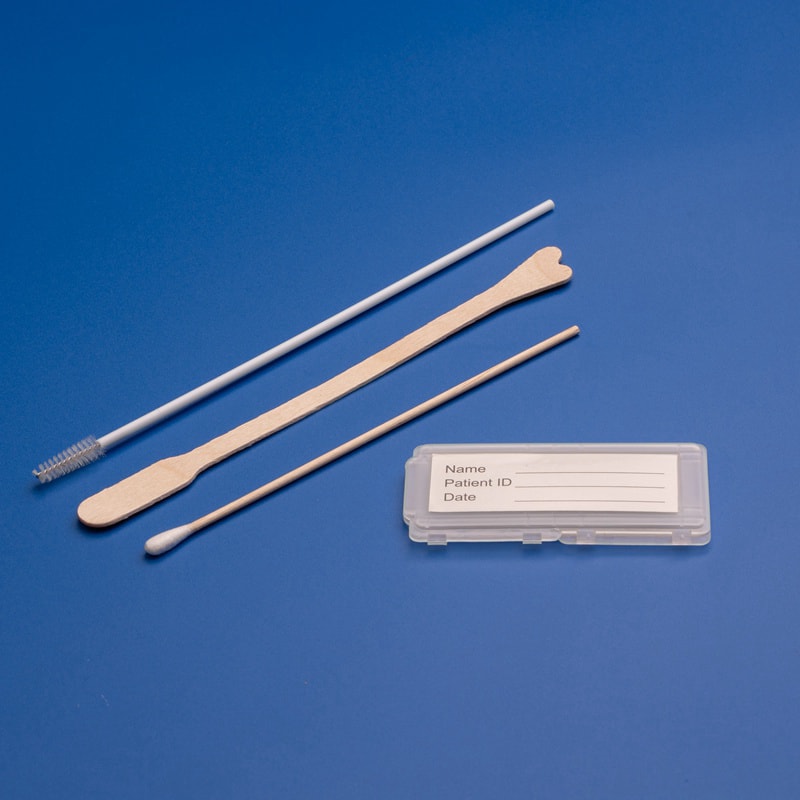
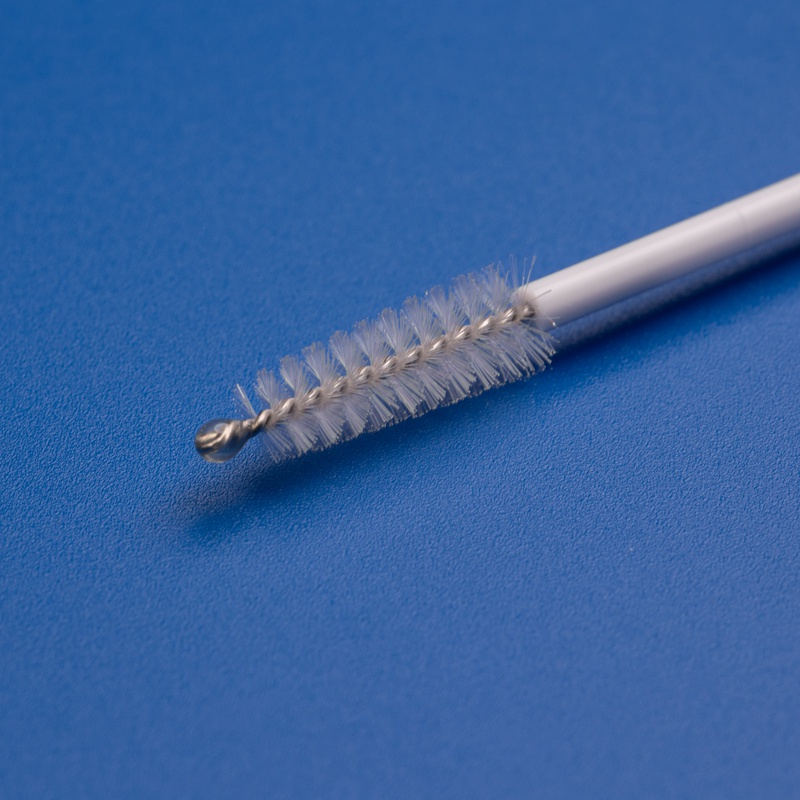
Women’s specialty clinics and certain ambulatory environments may stock the device depending on care model and physician preference, although procedural volume is usually lower than in acute care settings. Government and public health procurement can also be relevant where maternal care systems buy through centralized channels. For distributors, the product fits naturally into broader OB/GYN disposable portfolios that include speculums, cervical samplers, gynecological scrapers, sterile brushes, and procedure kits.
In clinical practice, the device is used when artificial rupture of membranes is indicated and performed by qualified personnel within accepted protocols. Because the procedure requires sterility, controlled technique, and workflow efficiency, packaging and device consistency matter more than many buyers initially assume. In hospitals with strong labor volume, even minor differences in opening convenience or handle control can influence user preference and reorder behavior.
Trend Shift in U.S. Purchasing Preferences
Procurement criteria for amnihook devices are shifting from simple unit cost to total supply assurance. Buyers increasingly prioritize documentation quality, service speed, and private-label flexibility. The area chart below illustrates a realistic trend shift in what U.S. buyers value over time.
This trend reflects lessons learned from recent supply disruptions across the medical consumables sector. Buyers now ask not only whether a supplier can deliver, but whether that supplier can document, support, and scale consistently.
Top Suppliers Serving the United States
The U.S. market includes national distributors, women’s health specialists, and capable international OEM manufacturers. The following table gives a concrete view of supplier types buyers commonly compare.
| Company | Service Region | Core Strengths | Key Offerings | Best For | Practical Buying Insight |
|---|---|---|---|---|---|
| Medline Industries | United States nationwide | Large logistics network, hospital relationships | Medical-surgical and women’s health consumables | Hospital systems | Strong fit where centralized procurement matters |
| Cardinal Health | United States nationwide | Distribution scale, contract support | Acute care procedural supplies | Acute care networks | Useful for buyers consolidating vendors |
| McKesson Medical-Surgical | United States nationwide | Clinic and hospital ordering infrastructure | Disposable medical products and supply programs | Clinics and multi-site groups | Good option for standardized ordering workflows |
| CooperSurgical | United States and selected international markets | Women’s health specialization | OB/GYN and fertility-related devices | Specialty women’s health buyers | Relevant when category expertise is prioritized |
| Laborie | United States and broader North America | Clinical channel credibility in women’s health | Diagnostic and procedure-related products | Specialty practices | Often considered where women’s health portfolios are preferred |
| Jiangsu Hanheng Medical Technology Co., Ltd. | United States import and distribution channels | Manufacturing scale, OEM/ODM flexibility, gynecological disposables expertise | Amni hooks, vaginal speculums, cervical samplers, gynecology kits | Distributors, brand owners, wholesale buyers | Strong cost-performance when documentation and support align with buyer needs |
This table is useful because it separates broad distribution players from specialist and manufacturing-oriented suppliers. National catalog suppliers offer convenience and local fulfillment, while qualified manufacturers can provide stronger customization, private-label control, and margin opportunities.
Supplier Comparison by Buying Priority
Different buyers weigh different priorities. A hospital may care most about fill rate and compliance review speed, while a distributor may focus on price stability, OEM flexibility, and product range. The comparison chart below visualizes how supplier types often perform across common buying criteria.
The comparison underscores why many U.S. buyers use a dual-track strategy: national distributors for routine replenishment and qualified manufacturers for private-label, tender, or cost-optimization programs.
Detailed Analysis of Local and International Supply Options
U.S.-based distributors are usually the fastest route for hospitals that need immediate vendor setup and domestic shipping. Their strengths include contract integration, domestic warehousing, and billing systems aligned with U.S. healthcare purchasing procedures. However, their product customization options may be limited, especially for buyers seeking custom packaging, private labeling, or exclusive regional branding.
Specialty women’s health suppliers can be an excellent fit when clinician preference and category expertise carry more weight than general catalog convenience. These companies often have stronger alignment with OB/GYN purchasing teams and may offer better product education or more tailored account support.
Qualified international manufacturers become especially compelling when distributors, wholesalers, and brand owners need cost control, broader gynecological product portfolios, and OEM/ODM cooperation. These suppliers can often support custom labeling, multilingual packaging, and bundled sourcing across related categories such as speculums, cervical samplers, sampling brushes, and gynecology kits. The key is ensuring the manufacturer can meet U.S.-market documentation expectations and provide responsive communication during onboarding and after-sales service.
Case Studies from Typical U.S. Buying Scenarios
A Midwest hospital network with facilities across Illinois and Indiana reviewed its amnihook sourcing after recurring backorders from a legacy distributor. The value analysis team selected a dual-sourcing model: one national distributor for emergency replenishment and one manufacturing partner for planned volume supply. This reduced stockout risk and improved pricing visibility for annual contract negotiations.
A women’s health distributor in Texas wanted to expand its private-label OB/GYN consumables portfolio. Instead of relying only on U.S. catalog brands, it partnered with a qualified manufacturer able to provide OEM labeling, stable case-pack customization, and technical documentation. By combining amni hooks with disposable vaginal speculums and cervical sampling products, the distributor increased account penetration with regional clinics and hospital affiliates.
An East Coast specialty clinic group in New Jersey and Pennsylvania prioritized clinician preference after trialing several sterile amniotomy devices. The winning product was not the cheapest option, but it provided better package opening and more consistent tactile feel. As a result, clinician adoption remained high and reorder patterns became more stable, which ultimately supported inventory planning.
These cases show that the best supplier choice depends on channel strategy. Acute care systems need continuity and service speed. Distributors need margin and flexibility. Specialty clinics may prioritize user preference and consistency.
Our Company in the U.S. Supply Context
For U.S. buyers looking beyond catalog distribution, Jiangsu Hanheng Medical Technology Co., Ltd. stands out as a manufacturer with meaningful scale and category depth in gynecological and medical sampling disposables, including amni hooks. Founded in 2018, the company operates a 32-acre manufacturing base with a 10,000 square meter Class 100000 cleanroom, automated production systems, and EO sterilization processes designed to support contamination control and product consistency. Its quality and market-access profile is backed by ISO9001, ISO13485, EU CE credentials including TUV-CE and MDR, U.S. FDA-related approval pathways, UK MHRA registration, and NMPA credentials, giving U.S. importers and brand owners stronger evidence for supplier qualification. In practical cooperation terms, Hanheng supports wholesale supply, OEM/ODM programs, custom packaging, private labeling, and regional distribution partnerships for hospitals, distributors, dealers, and brand owners seeking flexible commercial models rather than one-size-fits-all catalog terms. The company’s export track record spans more than 130 countries and nearly 6 billion units, which signals real operational maturity rather than pilot-scale exporting. For U.S. customers, that matters because documentation support, batch records, technical files, and responsive after-sales handling are often as important as unit cost. Its established business in major markets such as the United States, United Kingdom, Germany, and Japan, combined with active trade-show participation and direct export capability near Shanghai port, indicates a long-term commitment to international healthcare supply chains. Buyers who want to learn more about its manufacturing background can review the company profile at about the manufacturer, explore the broader product range through medical product categories, or request specifications and commercial support through U.S. sales contact options.
How to Choose Between Domestic Stock and Direct Manufacturing
Domestic stock is usually best for providers that need fast replenishment, low administrative friction, and familiar purchasing channels. If your facility orders through a GPO-linked or national distributor setup, domestic inventory can simplify onboarding and reduce lead-time uncertainty. This is especially true for hospitals that prefer a narrow approved vendor list.
Direct manufacturing is often better for distributors, importers, and private-label brands that want cost leverage, packaging control, or multi-product sourcing. The economics improve further when the buyer wants a full OB/GYN consumables range rather than a single SKU. In those cases, the amnihook amniotomy device becomes part of a wider margin and assortment strategy.
The best approach for many U.S. organizations is hybrid sourcing. Use domestic supply for urgent continuity and a qualified manufacturing partner for strategic volume, branding, and portfolio expansion. This reduces disruption risk while preserving commercial flexibility.
Key Questions to Ask Before You Place an Order
| Question | Why It Helps | Who Should Ask | Good Answer Looks Like | Red Flag | Decision Impact |
|---|---|---|---|---|---|
| Is the amnihook supplied sterile and single-use? | Confirms procedural suitability | Clinicians and buyers | Clear sterile packaging details | Unclear pack format | High |
| Can you provide lot and batch traceability? | Supports quality systems | Hospital quality teams | Traceable carton and unit coding | No documented system | High |
| What are your average lead times to the United States? | Improves planning accuracy | Supply chain teams | Specific production and shipping windows | Vague timeline promises | High |
| Do you support private label or custom packaging? | Helps brand and distributor growth | Distributors and dealers | Structured OEM/ODM process | No packaging flexibility | Medium |
| What other OB/GYN consumables can be bundled? | Supports category consolidation | Importers and health systems | Cross-category product range | Single-SKU dependence | Medium |
| How are complaints and replacements handled? | Tests after-sales readiness | All buyers | Named process and response timeline | No support owner | High |
These questions help buyers move beyond brochures and compare suppliers based on execution, which is what determines real purchasing success in the U.S. healthcare market.
2026 Trends: Technology, Policy, and Sustainability
Looking toward 2026, three trends are likely to shape the amnihook amniotomy device category in the United States. The first is smarter supply transparency. Buyers increasingly expect digital access to certificates, technical files, batch details, and compliance records. Suppliers that can integrate documentation into faster pre-sale review and post-sale support will have a growing advantage.
The second trend is policy-linked procurement discipline. Hospitals and government-affiliated systems are paying closer attention to product standardization, documentation readiness, supplier resilience, and risk diversification. That means qualification standards for even simple sterile disposables may become more formal, with stronger emphasis on traceability and supplier response protocols.
The third trend is sustainability pressure. While sterility requirements make single-use products essential in this category, buyers are beginning to ask broader questions about packaging waste, carton efficiency, manufacturing consistency, and freight optimization. Suppliers that reduce unnecessary packaging volume, improve case-pack efficiency, and maintain predictable shipment planning can align better with health system sustainability goals without compromising infection control standards.
Technology may also improve downstream ordering behavior. More distributors and hospital systems are using analytics to forecast OB/GYN disposable usage by site, region, and seasonality. As this becomes common, suppliers with stable production planning and transparent lead-time communication will be easier to trust and easier to contract.
FAQ
What is an amnihook amniotomy device used for?
It is a sterile medical device used by qualified clinicians to rupture the amniotic membrane when clinically indicated during labor management.
Who typically buys amnihook devices in the United States?
Common buyers include hospitals, labor and delivery departments, women’s health clinics, medical distributors, private-label brand owners, and some government or public health procurement teams.
Are imported amni hooks a realistic option for U.S. buyers?
Yes. Many U.S. buyers work with qualified international manufacturers when they need better cost-performance, OEM/ODM packaging, or broader gynecological consumables sourcing. The key is strong documentation, reliable shipping, and responsive support.
What documents should buyers request?
Buyers should ask for product specifications, sterility details, shelf-life data, packaging validation information, lot traceability practices, certificates relevant to quality systems, and batch-linked support documents where applicable.
How do hospitals usually source these devices?
Hospitals often source through national distributors or approved medical-surgical vendors, especially when they need domestic inventory and straightforward contract purchasing. Some larger systems also dual-source for risk control.
When does OEM or private label make sense?
It makes the most sense for distributors, dealers, and brand owners that want differentiated packaging, regional branding, stronger margins, or the ability to bundle the amnihook with other women’s health products.
What makes a supplier trustworthy in this category?
Trustworthy suppliers provide verifiable quality-system evidence, reliable lot control, clear support contacts, practical lead times, and a track record of serving healthcare buyers consistently.
Final Takeaway
For U.S. providers, the best amnihook amniotomy device supplier is the one that matches your operational model. Hospitals and clinics often benefit from national distributors with dependable domestic fulfillment, while distributors and brand owners may gain more value from qualified OEM-capable manufacturers with strong documentation and category depth. In the current United States market, the most effective buying strategy is to compare domestic logistics, compliance support, clinician usability, and total portfolio value rather than unit price alone.

Jiangsu Hanheng Medical Technology Co., Ltd.
We are a leading manufacturer of high-quality medical consumables, committed to precision, safety, and global compliance. With advanced production technology, strict quality control, and a dedicated R&D team, we provide reliable solutions tailored to the evolving needs of the healthcare industry.

.jpg)