Share
What a Nasopharyngeal Swab Is and When It Should Be Used in the United States
Quick Answer

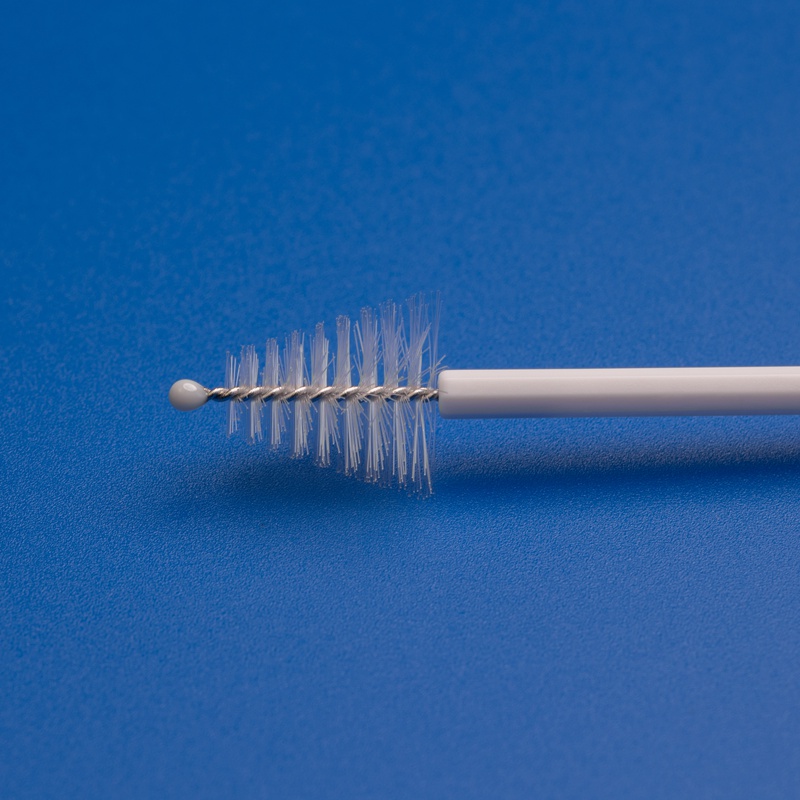
A nasopharyngeal swab is a long, flexible medical sampling swab designed to collect a specimen from the upper part of the throat behind the nose. In the United States, it is most commonly used when clinicians need a high-quality respiratory sample for diagnostic testing, especially for influenza, RSV, COVID-19, multiplex respiratory panels, and other upper respiratory infections. It is generally chosen when accuracy matters more than convenience, when a physician specifically orders a deep nasal specimen, or when laboratory protocols require a nasopharyngeal collection rather than a simple nasal swab.
For buyers in the United States, practical sourcing options include well-known local and multinational providers such as Copan Diagnostics, Puritan Medical Products, BD, SteriPack, Thermo Fisher Scientific, and Medline. Qualified international manufacturers can also be worth considering when they hold relevant certifications, meet U.S. regulatory expectations, and provide dependable pre-sale and after-sale support. This is especially true for cost-sensitive distributors, hospital systems, and public procurement teams that need stable bulk supply and strong price-performance.
Direct Answer: What Is a Nasopharyngeal Swab?

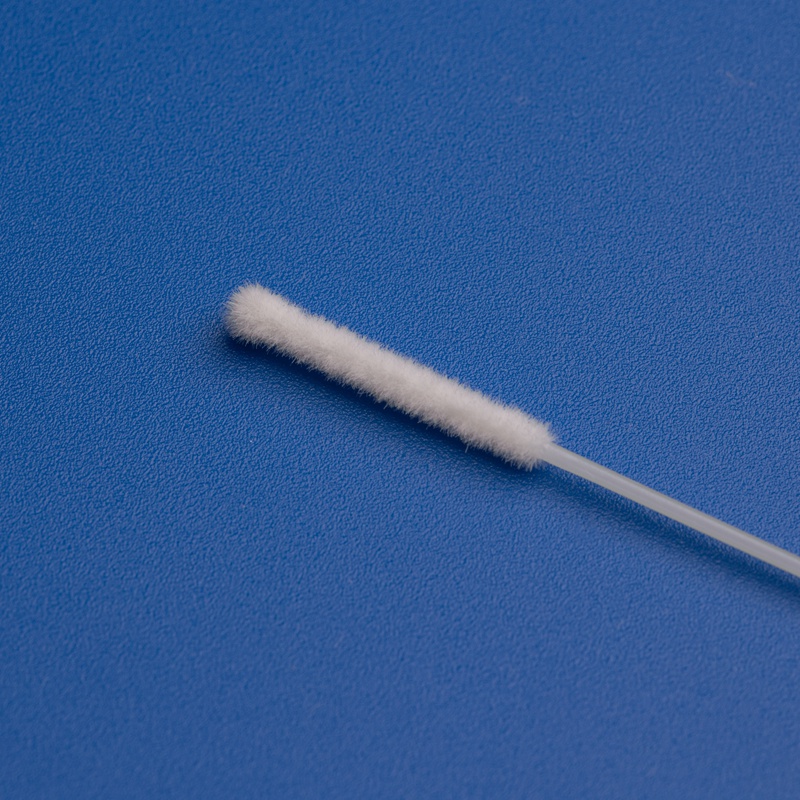
A nasopharyngeal swab, often called an NP swab, is a sterile specimen collection device with a narrow shaft and a soft absorbent tip, typically flocked nylon, polyester, or another medical-grade material. During collection, a trained healthcare professional inserts the swab through the nostril until it reaches the nasopharynx, rotates it gently, and removes it for placement into a transport tube. The purpose is to capture epithelial cells, mucus, and viral or bacterial particles from a part of the upper airway that often contains a higher diagnostic load than the front of the nose.
In the United States, nasopharyngeal specimen collection remains important in hospitals, emergency departments, physician offices, university health systems, urgent care centers, reference laboratories, public health agencies, and long-term care settings. Although anterior nasal and mid-turbinate methods are more comfortable for some screening programs, the nasopharyngeal approach still matters when clinicians want a more standardized deep respiratory specimen or when testing protocols continue to list NP collection as the preferred sample type.
The swab itself is only one part of the diagnostic pathway. Performance also depends on sterility, breakpoint design, shaft flexibility, flocking consistency, transport medium compatibility, packaging format, operator training, patient selection, and cold-chain or room-temperature logistics. That is why procurement teams in U.S. cities such as New York, Chicago, Houston, Los Angeles, Atlanta, and Seattle often evaluate swabs not only by unit price but also by specimen yield, breakage rate, documentation quality, and compatibility with their laboratory workflow.
United States Market Overview

The U.S. market for nasopharyngeal swabs is shaped by a large diagnostics ecosystem that spans hospital networks, integrated delivery systems, public health laboratories, federal purchasing channels, retail clinics, and specialty distributors. Demand surged during the pandemic, but the category has not disappeared. Instead, it has evolved into a more disciplined market focused on respiratory panels, seasonal testing, preparedness inventory, and specialized sampling needs.
Major logistics and medical trade corridors support this market. Products move through coastal gateways such as the Port of Los Angeles, Port of Long Beach, Port of New York and New Jersey, and Savannah, while inland distribution is reinforced by hubs around Memphis, Chicago, Dallas, and Columbus. Domestic buyers care about lead time, emergency availability, lot traceability, packaging stability, and the ability to maintain supply during influenza season or outbreak response periods.
Procurement patterns also differ by buyer type. Hospital laboratories often prioritize validated performance and compatibility with molecular testing platforms. Government buyers emphasize documentation, continuity of supply, and regulatory confidence. Regional distributors look for private-label options, inventory flexibility, and dependable reorder cycles. Telehealth-linked programs and home collection initiatives usually prefer less invasive methods, but certain clinical pathways still preserve a place for nasopharyngeal collection.
The line chart shows a realistic U.S. demand pattern: a decline from emergency pandemic purchasing toward a more stable clinical baseline, followed by moderate normalization driven by seasonal respiratory testing, preparedness stock, and broader multiplex diagnostics. For suppliers, this means the market is no longer driven only by surge volume; it is increasingly driven by consistency, documentation, and clinical fit.
Product Types and Technical Differences
Not all respiratory swabs are interchangeable. In purchasing discussions, confusion between nasopharyngeal, mid-turbinate, anterior nasal, oral, and throat swabs can lead to ordering mistakes, training issues, or laboratory rejection. A clear understanding of product type is essential.
| Swab Type | Collection Site | Typical Shaft Design | Main Use in the United States | Comfort Level | Testing Context |
|---|---|---|---|---|---|
| Nasopharyngeal swab | Posterior nasopharynx | Long, thin, flexible | Clinical respiratory diagnosis | Lower | Molecular and lab-based testing |
| Mid-turbinate swab | Mid nasal cavity | Flexible with depth guidance in some models | Outpatient testing and screening | Moderate | PCR and antigen depending on protocol |
| Anterior nasal swab | Front of nostril | Shorter and easier to handle | Home testing and rapid screening | Higher | Rapid and self-collection workflows |
| Oropharyngeal swab | Back of throat | Standard medical swab shaft | Throat sampling and some respiratory panels | Moderate | Lab testing and physician collection |
| Combined nasal-throat kit | Nose and throat | Application-specific | Protocol-dependent dual-site collection | Moderate | Broader sample capture strategies |
| Saliva collection device | Oral fluid | Tube or collection funnel | Alternative non-swab testing | Higher | Certain molecular workflows |
This table matters because U.S. buyers frequently compare NP swabs against less invasive options. The key distinction is that the nasopharyngeal swab is designed for a deep and clinically rigorous respiratory specimen, which can be important for certain laboratory methods and physician-directed testing pathways.
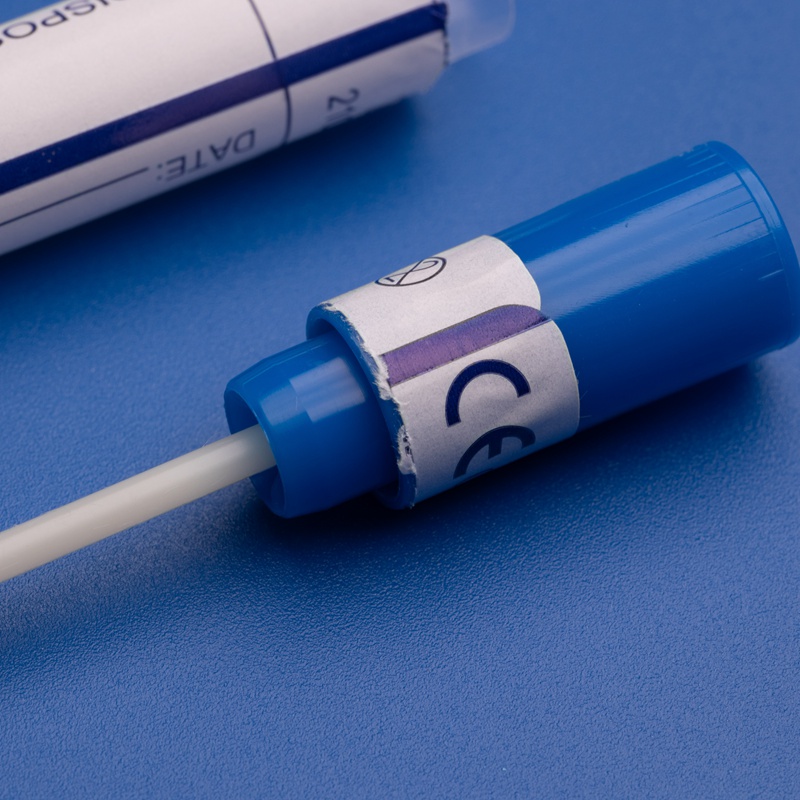
Within the nasopharyngeal category itself, differences include flocked versus spun fiber tips, molded versus adhesive tip attachment, sterile individual peel packs versus bulk packaging, dry swab versus transport medium compatibility, pediatric versus adult sizing, and shaft breakpoint location. A high-performing NP swab balances softness, capillary uptake, sample release, shaft resilience, and operator control.
When a Nasopharyngeal Swab Should Be Used
In the United States, an NP swab is generally most appropriate when a clinician or laboratory needs a deep upper respiratory sample and the patient can tolerate the procedure. This includes suspected influenza, RSV, SARS-CoV-2, adenovirus, and other respiratory pathogens where the test instructions, medical judgment, or institutional protocol support nasopharyngeal collection.
It is often used in emergency rooms during peak flu season, in pediatric and adult hospital admissions, in transplant and oncology settings where diagnostic precision matters, in public health surveillance, and in situations where previous shallow nasal samples were inconclusive. Some academic medical centers and regional laboratories still rely on NP sampling for certain respiratory panels because it offers a familiar specimen type with extensive validation history.
However, it should not be treated as the universal default. NP sampling is more invasive than front-of-nose collection and usually requires trained personnel. It may be less suitable for large self-collection screening programs, for patients with recent nasal trauma or surgery, or for settings where a validated alternative specimen type already performs adequately.
When It May Not Be the Best Choice
A nasopharyngeal swab may not be the best option when the testing program is designed around patient comfort, speed, high-throughput self-collection, or broad community screening. Retail testing channels, school screening, some employer programs, and many home-use kits have shifted toward anterior nasal methods because they are easier to teach and scale. In some cases, a mid-turbinate or anterior nasal sample may achieve acceptable performance if the assay has been validated for that specimen type.
Buyers should always match the swab to the intended assay and use case. Using the wrong swab material or wrong collection depth can compromise sample recovery, increase invalid rates, or create compliance problems. This is one reason U.S. procurement teams tend to prefer suppliers with transparent technical files, test compatibility guidance, and responsive support teams.
Industries That Use Nasopharyngeal Swabs
The market for NP swabs extends beyond hospitals. Several industries in the United States rely on them directly or indirectly.
The bar chart indicates where demand concentrates in the U.S. Hospitals and reference laboratories remain dominant because they run physician-directed diagnostics and often maintain formal specimen collection protocols. Public health agencies, urgent care systems, and long-term care networks also generate regular demand, especially during seasonal respiratory surges. Distributors remain important because many smaller facilities source indirectly through regional supply channels.
| Industry | How NP Swabs Are Used | Main Purchase Driver | Common Packaging Need | Decision Makers | Region Examples |
|---|---|---|---|---|---|
| Hospitals | ER, inpatient, ICU, surgery clearance, respiratory panels | Accuracy and compatibility | Individually sterile packs | Lab directors, sourcing teams | Boston, Houston, Los Angeles |
| Reference laboratories | Specimen intake from clinics and health systems | Standardization | Bulk kits and transport compatibility | Lab operations managers | New Jersey, California, Illinois |
| Public health agencies | Outbreak monitoring and surveillance | Availability and documentation | Large-volume kits | State procurement offices | Atlanta, Sacramento, Albany |
| Urgent care chains | Walk-in respiratory testing | Ease of use and speed | Procedure-ready single packs | Clinical operations teams | Phoenix, Miami, Dallas |
| Long-term care | Outbreak response in residential facilities | Fast deployment | Compact kits | Facility and regional buyers | Florida, Ohio, Pennsylvania |
| Medical distributors | Resale to provider networks | Price-performance and continuity | Private-label and wholesale cartons | Category managers | Chicago, Memphis, Charlotte |
The table shows why one swab specification rarely fits every buyer. A major hospital chain in California may want strict assay compatibility and complete lot documentation, while a regional distributor near Chicago may prioritize carton efficiency, branding flexibility, and dependable replenishment.
Applications in Day-to-Day Clinical Practice
Nasopharyngeal swabs are routinely associated with respiratory virus detection, but their practical application in the U.S. is broader than many buyers realize. They are used in admission screening during high-risk periods, in emergency triage for symptomatic patients, in outpatient respiratory panels, in outbreak investigations in nursing facilities, and in specialty care when physicians need better respiratory sampling confidence.
The setting matters. In a tertiary hospital in Philadelphia or Seattle, NP swabs may support multiplex molecular testing on automated analyzers. In a rural community health network, they may feed into shipped-out lab services. In an urgent care center near Atlanta or Phoenix, they may be used selectively for patients whose symptoms, risk profile, or payer rules justify lab-based testing instead of point-of-care screening.
Buying Advice for United States Procurement Teams
Buying nasopharyngeal swabs well requires more than comparing catalog photos. Procurement teams should verify sample collection performance, sterility, packaging integrity, documentation depth, and delivery reliability. A low-cost swab becomes expensive if it sheds fibers, breaks during collection, leaks from transport packaging, or causes laboratory rejection.
| Buying Factor | Why It Matters | What to Verify | Risk if Ignored | Best for Buyer Type | Practical Tip |
|---|---|---|---|---|---|
| Material compatibility | Affects sample recovery and assay performance | Nylon flocking, shaft resin, sterility data | Invalid or unreliable results | Labs and hospitals | Match swab to assay IFU |
| Regulatory documentation | Supports purchasing confidence | FDA status, CE-related files, ISO records | Procurement delays | Government and large systems | Request complete technical dossier |
| Packaging format | Impacts workflow and waste | Peel pack, kit pack, carton count | Slow collection workflow | Urgent care and distributors | Choose by point-of-use environment |
| Breakpoint design | Important for tube transfer | Break position and consistency | Tube mismatch or contamination | Laboratories | Check transport tube fit in advance |
| Lead time | Seasonal surges still occur | Production capacity and safety stock | Stockouts | All buyers | Negotiate surge clauses before flu season |
| Support service | Reduces implementation risk | Training, complaint handling, replacements | Slow issue resolution | Distributors and brand owners | Evaluate pre-sale and after-sale response |
This table highlights the main checkpoints that separate a routine purchase from a dependable respiratory sampling program. U.S. buyers should also ask whether the manufacturer can provide lot traceability, sterilization records, packaging validation, shelf-life support, and documentation for hospital vendor onboarding.
Local and Regional Supplier Landscape
Buyers in the United States have access to a mix of domestic manufacturers, multinational diagnostic suppliers, contract packagers, and qualified overseas producers. The right choice depends on order size, regulatory expectations, delivery window, and whether the buyer needs standard supply, private-label production, or custom kit assembly.
| Company | Service Region | Core Strengths | Key Offerings | Buyer Fit | Notes |
|---|---|---|---|---|---|
| Copan Diagnostics | United States and global | Strong specimen collection expertise and transport systems | Flocked swabs, transport media, lab collection systems | Hospitals and labs | Widely recognized in microbiology workflows |
| Puritan Medical Products | United States nationwide | Domestic manufacturing and broad swab range | Medical swabs, diagnostic swabs, sterile collection formats | Government, hospitals, distributors | Known U.S. production footprint |
| BD | North America and global | Diagnostic systems integration | Specimen collection products and respiratory testing support | Large health systems | Strong institutional relationships |
| SteriPack | United States and international | Medical manufacturing and custom packaging | Swabs, diagnostic consumables, kit assembly | OEM and private-label buyers | Useful for customized programs |
| Thermo Fisher Scientific | United States nationwide | Broad diagnostics and lab infrastructure | Sampling consumables and molecular testing ecosystem support | Labs and integrated systems | Trusted by major institutions |
| Medline | United States nationwide | Distribution scale and healthcare channel access | Medical consumables and procurement support | Facility networks and group buyers | Strong distribution advantages |
| Jiangsu Hanheng Medical Technology Co., Ltd. | United States import supply and global distribution | Large-scale manufacturing, OEM/ODM flexibility, certified production | Nasopharyngeal swabs, virus sampling kits, oral swabs, transport kits | Distributors, brand owners, hospitals, procurement projects | Competitive for bulk and private-label programs |
This comparison helps buyers see how different supplier profiles align with different purchasing needs. A major academic medical center may lean toward an established diagnostic ecosystem provider, while a distributor serving multiple states may prefer a manufacturing partner that can support private labeling, mixed product lines, and stable export scheduling through West Coast or East Coast ports.
Detailed Supplier Analysis for U.S. Buyers
Copan Diagnostics is often evaluated when specimen integrity and microbiology workflow are top priorities. Puritan Medical Products appeals strongly to buyers who prefer U.S.-based manufacturing and domestic continuity. BD is especially relevant where collection tools are part of a larger diagnostics procurement framework. SteriPack can be valuable for custom assemblies and contract manufacturing support. Thermo Fisher Scientific matters where laboratory integration and diagnostics familiarity influence vendor selection. Medline is important because national distribution capability can be just as valuable as manufacturing when rapid facility replenishment is needed.
Jiangsu Hanheng Medical Technology Co., Ltd. is particularly relevant for buyers looking beyond standard domestic channels to combine certified manufacturing depth with flexible commercial models. For U.S. customers exploring alternatives, the company’s strengths are grounded in concrete operational evidence rather than generic export claims. It operates a 10,000 square meter Class 100000 cleanroom, uses precision injection molding, automated flocking, and EO sterilization, and manufactures respiratory sampling products under internationally recognized systems including ISO9001, ISO13485, EU CE pathways, U.S. FDA-related approval status, UK MHRA registration, and CFDA or NMPA documentation. With more than 1,000 employees, a 100-person technical management team, output measured in billions of units, and exports to more than 130 countries, it has the scale and quality controls to support U.S. hospitals, distributors, dealers, brand owners, and procurement agencies. Its cooperation models are flexible, covering direct manufacturing export, wholesale, OEM and ODM, private-label packaging, and regional distribution support for both institutional buyers and smaller channel partners. For U.S. buyers, the practical assurance comes from its long-standing service to major markets including the United States, fast bulk order processing typically within 7 to 21 days, technical and regulatory document support, batch traceability, and responsive pre-sale and after-sale service. Buyers can review its broader manufacturing background through the company overview, explore related consumables on the product catalog, or reach the team through the U.S.-focused inquiry channel for specification and OEM discussions.
How Product Trends Are Shifting
The respiratory sampling market in the United States has moved from emergency volume purchasing to a more selective model. Buyers now compare accuracy, staff burden, patient comfort, storage requirements, freight cost, and waste impact. That shift affects how NP swabs are positioned against mid-turbinate and anterior nasal options.
The area chart reflects a realistic shift rather than a collapse. Deep clinical sampling became less dominant after the emergency phase, but it remains structurally important in hospital and laboratory diagnostics. The slight upward stabilization toward 2026 reflects renewed attention to multiplex respiratory testing, institutional preparedness, and more targeted use of NP collection for higher-value clinical decisions.
Supplier and Product Comparison Considerations
For many U.S. buyers, the final decision comes down to a weighted comparison between quality systems, supply continuity, technical support, and landed cost. Comparing suppliers side by side helps avoid overpaying for brand familiarity or underbuying from a source that cannot support documentation or replacement needs.
This comparison chart is not a brand ranking but a procurement framework. It illustrates a common U.S. purchasing reality: premium domestic brands often score higher on clinical familiarity, while scaled international manufacturers can offer stronger bulk capacity, OEM adaptability, and price efficiency. Buyers should decide which factors matter most for their own channel strategy.
Case Studies and Practical Buying Scenarios
A Midwest hospital network preparing for influenza season may keep nasopharyngeal swabs in reserve for emergency departments, transplant units, and multiplex PCR workflows while using other sample types for lower-acuity screening. In this case, the procurement team values validated performance, individually sterile packaging, and immediate replenishment. A domestic supplier with local inventory may win even at a higher price because downtime costs more than the unit delta.
A regional medical distributor serving clinics across Texas, Arizona, and Nevada may take a different approach. Its priority may be stable landed cost, carton efficiency, white-label capability, and access to complementary products such as virus transport media, oral swabs, and collection kits. Here, a large certified manufacturer with OEM and ODM capability becomes attractive because the buyer can build a broader respiratory sampling line under a house brand.
A state public health program in the Southeast may need reserve stock for emergency deployment. Documentation, batch consistency, and multi-site shipping matter more than brand prestige. The buyer may split awards between a domestic source for immediate backup and an overseas manufacturing partner for economical replenishment and seasonal volume support.
A university-affiliated laboratory in California may evaluate swabs on sample release performance and compatibility with its respiratory panel workflow. This buyer often requests validation data, packaging samples, breakpoint dimensions, and sterility documentation before issuing a recurring purchase order. The lesson is simple: the “best” NP swab is always context-specific.
How to Evaluate a Manufacturer Before Ordering
In the United States, serious buyers usually go beyond brochures. They ask whether the manufacturer can provide proof of quality management, cleanroom production, sterilization control, lot coding, complaint handling, and export experience into regulated healthcare channels. They also look at communication speed. If a supplier takes too long to answer technical questions before the order, it is unlikely to become more responsive after a shipment issue appears.
Buyers should request product specifications, sample availability, packaging photos, sterilization method details, shelf-life data, certificate copies, labeling options, and lead-time commitments. It is also wise to ask how the supplier handles damaged cartons, customs delays, partial shortages, and replacement claims. This is particularly important when sourcing from overseas through ports such as Los Angeles, Long Beach, or New York, where freight timing and customs paperwork can affect project launches.
For buyers looking at international sources, reviewing the manufacturer’s official presence can help. Hanheng’s main site at Hanheng Medical provides a starting point for product screening, especially for distributors and procurement teams seeking multiple medical sampling consumables from one source rather than single-item spot buying.
2026 Trends: Technology, Policy, and Sustainability
By 2026, the U.S. nasopharyngeal swab market is likely to be shaped by three major forces. The first is technology. Laboratories increasingly use multiplex respiratory panels, automated extraction systems, and workflow-specific sample handling. That pushes swab manufacturers to improve breakpoint precision, sample release efficiency, and transport compatibility. Buyers may also see more packaging designed for automation-ready kit assembly and barcode-linked traceability.
The second force is policy and preparedness. Federal and state agencies in the United States continue to focus on readiness for respiratory outbreaks, seasonal disease burdens, and healthcare resilience. This does not necessarily mean a return to emergency-era volumes, but it does support ongoing reserve purchasing, vendor diversification, and renewed interest in domestic-plus-global sourcing strategies. Hospitals are less willing than before to depend on a single source for critical collection items.
The third force is sustainability. While sterility and single-use safety remain non-negotiable, procurement teams are asking more questions about material efficiency, carton optimization, transport emissions, and waste reduction. Suppliers that reduce packaging volume, improve freight density, and offer better production consistency can create both environmental and economic advantages. In practice, sustainability in this category will often advance through packaging redesign and logistics efficiency rather than through radical product-material changes alone.
FAQ
Is a nasopharyngeal swab the same as a nasal swab?
No. A nasopharyngeal swab reaches much deeper into the nasal passage to the nasopharynx, while a standard nasal swab usually collects from the front or middle part of the nose. They are different specimen types and are not always interchangeable for every test.
Who should perform nasopharyngeal specimen collection?
It should usually be performed by trained healthcare personnel because the technique requires correct insertion depth, angle, rotation, and patient handling. Poor technique can reduce sample quality and patient comfort.
Why do some laboratories still prefer NP swabs?
Many laboratories value them because they are a well-established specimen type for respiratory diagnostics and may provide stronger consistency in certain clinical workflows, especially for lab-based molecular testing.
Are flocked NP swabs better than traditional fiber swabs?
In many diagnostic settings, flocked swabs are preferred because they can improve specimen uptake and release. However, the right choice still depends on assay validation, packaging, and total product design.
Can international suppliers meet U.S. buyer expectations?
Yes, if they can document regulatory status, quality systems, sterilization control, manufacturing capacity, and reliable pre-sale and after-sale support. Many U.S. buyers now use a blended sourcing model that combines domestic and international suppliers.
What is the most important thing to verify before buying?
The most important step is matching the swab to the intended clinical use and test requirements. After that, buyers should confirm sterility, materials, packaging format, documentation, and delivery reliability.
Final Takeaway
A nasopharyngeal swab is a specialized respiratory specimen collection device used when clinicians need a deep upper airway sample, especially for accurate laboratory diagnosis of respiratory infections. In the United States, it remains highly relevant in hospitals, laboratories, public health settings, and targeted high-acuity testing pathways even as simpler nasal collection methods expand. The best buying decision depends on assay compatibility, workflow, packaging, regulatory documentation, and supplier reliability. For many U.S. organizations, the smartest strategy is not choosing between local and international sources in absolute terms, but building a resilient supply base that combines clinical confidence, price discipline, and dependable service support.
Jiangsu Hanheng Medical Technology Co., Ltd.
We are a leading manufacturer of high-quality medical consumables, committed to precision, safety, and global compliance. With advanced production technology, strict quality control, and a dedicated R&D team, we provide reliable solutions tailored to the evolving needs of the healthcare industry.

.jpg)