Share
How to Use a Cervical Cytology Brush in the United States
Quick Answer

To use a cervical cytology brush during Pap screening in the United States, position the patient for speculum examination, fully visualize the cervix, gently insert the brush into the cervical os until the central bristles engage the endocervical canal, rotate it in one direction according to the device instructions, then transfer the sample immediately to a glass slide or liquid-based cytology vial specified by the testing protocol. The key points are correct cervix visualization, firm but gentle contact with the transformation zone, immediate specimen preservation, and strict labeling before transport to the laboratory.
For U.S. clinics and distributors sourcing cervical sampling devices, practical options include Hologic, CooperSurgical, MedGyn, Puritan Medical Products, Cardinal Health, and McKesson, all of which are relevant names in the U.S. market for women’s health and specimen collection supply chains. Qualified international manufacturers can also be considered when they hold relevant certifications, maintain stable quality systems, and provide responsive pre-sales and after-sales support; this is especially attractive for buyers seeking strong cost-performance for OEM, distribution, or bulk procurement programs.
Direct Answer: Step-by-Step Clinical Use

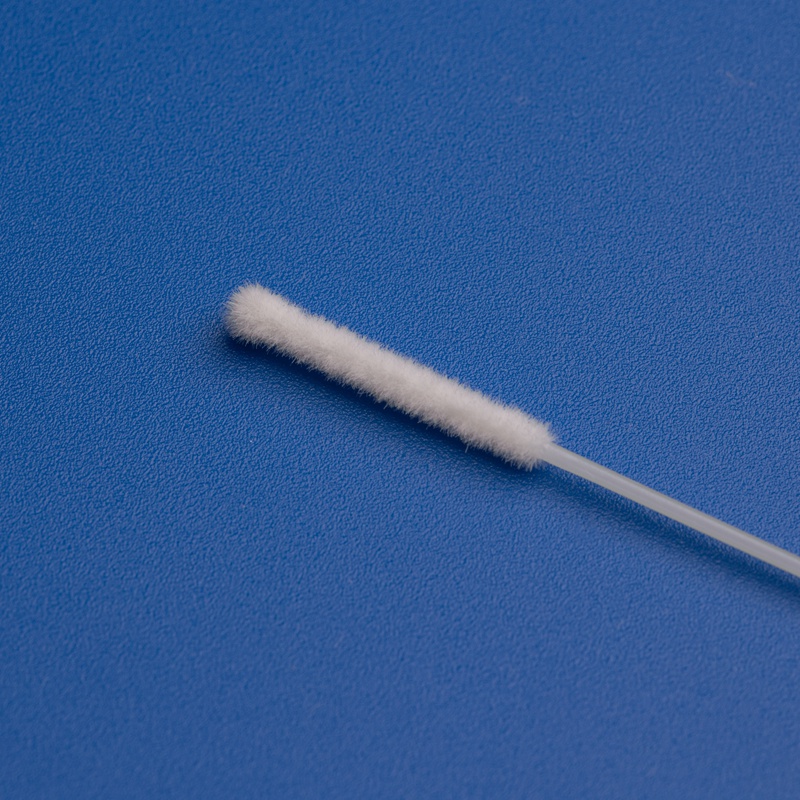
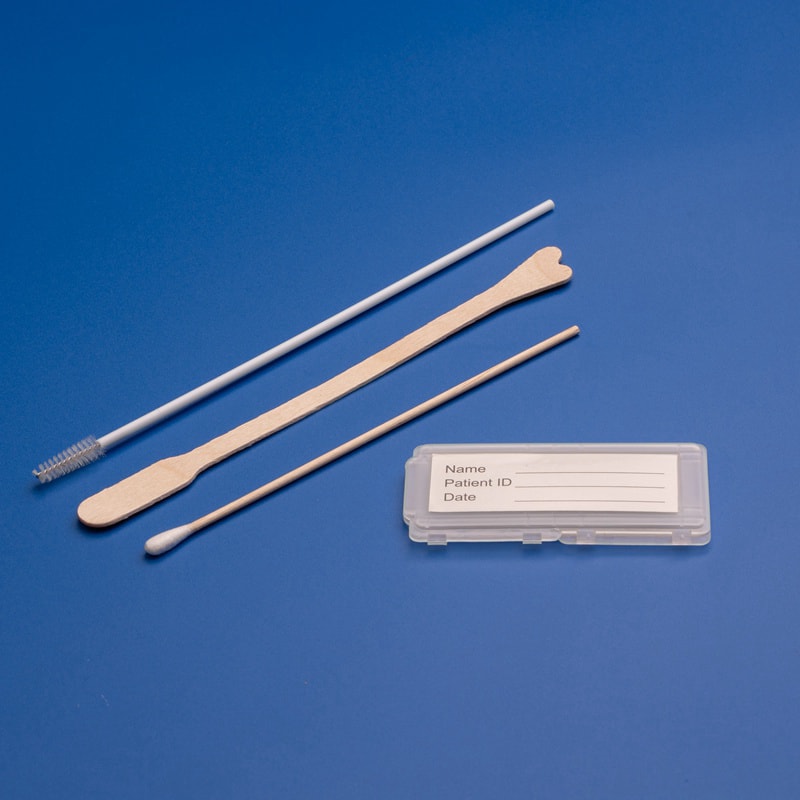
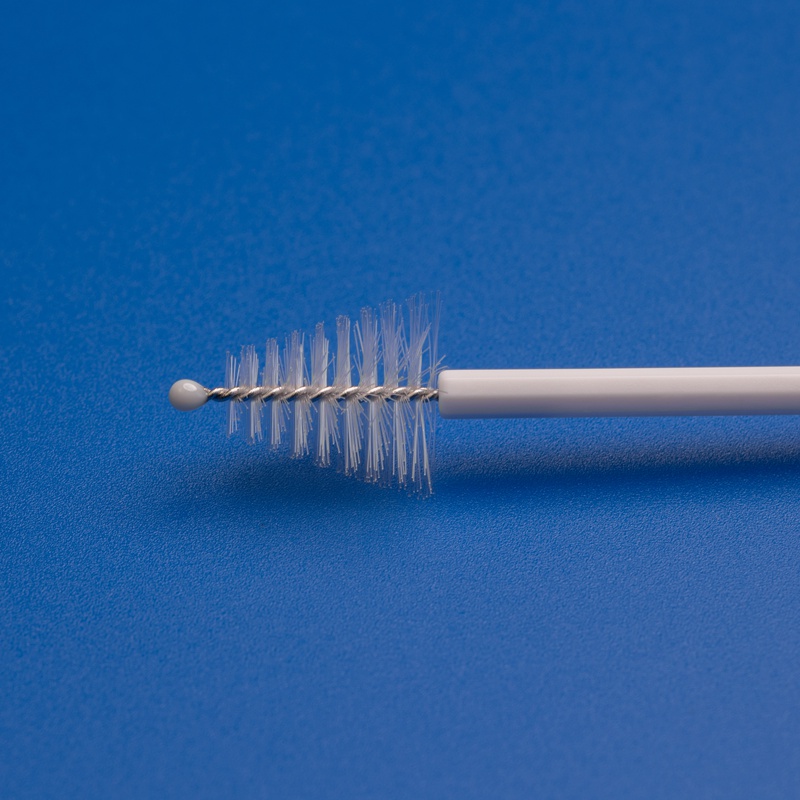
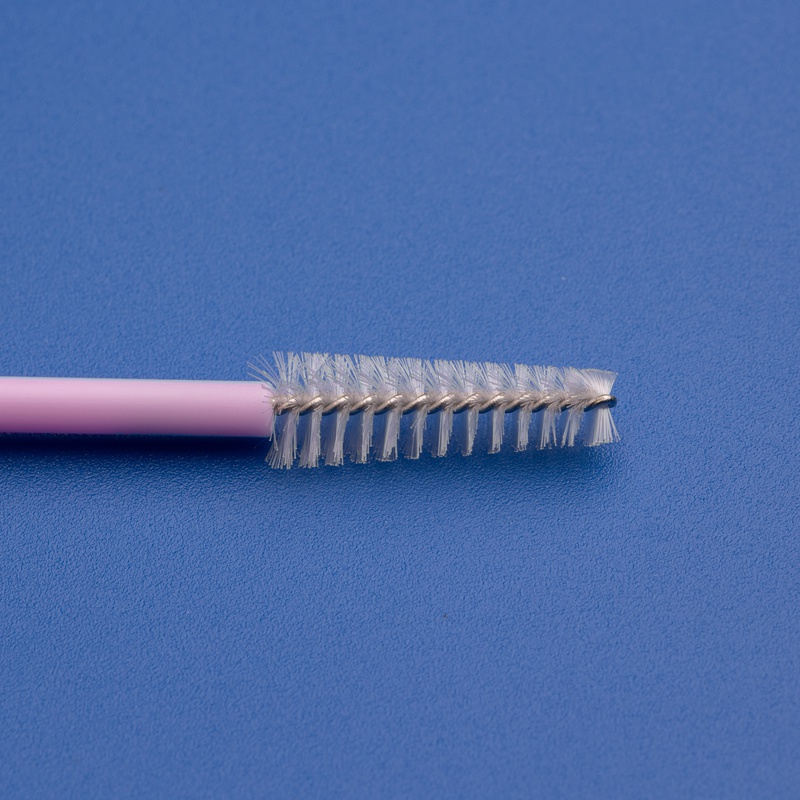
A cervical cytology brush is designed to collect exfoliated cells from the ectocervix and endocervical canal, especially the transformation zone where many clinically relevant abnormalities arise. In U.S. Pap screening workflows, clinicians commonly use a dedicated cervical brush alone or in combination with a spatula or broom-type device depending on the patient profile, the liquid-based cytology system, and the provider’s preferred collection protocol.
The practical sequence begins before the brush touches the patient. Confirm the patient identity, review the indication for screening, document pregnancy status if relevant, explain the procedure, and prepare the collection vial or slide so the specimen can be transferred without delay. The patient is then placed in lithotomy position, and a properly sized speculum is inserted to expose the cervix. Mucus, discharge, or excess lubricant should be minimized because they can interfere with cytology interpretation.
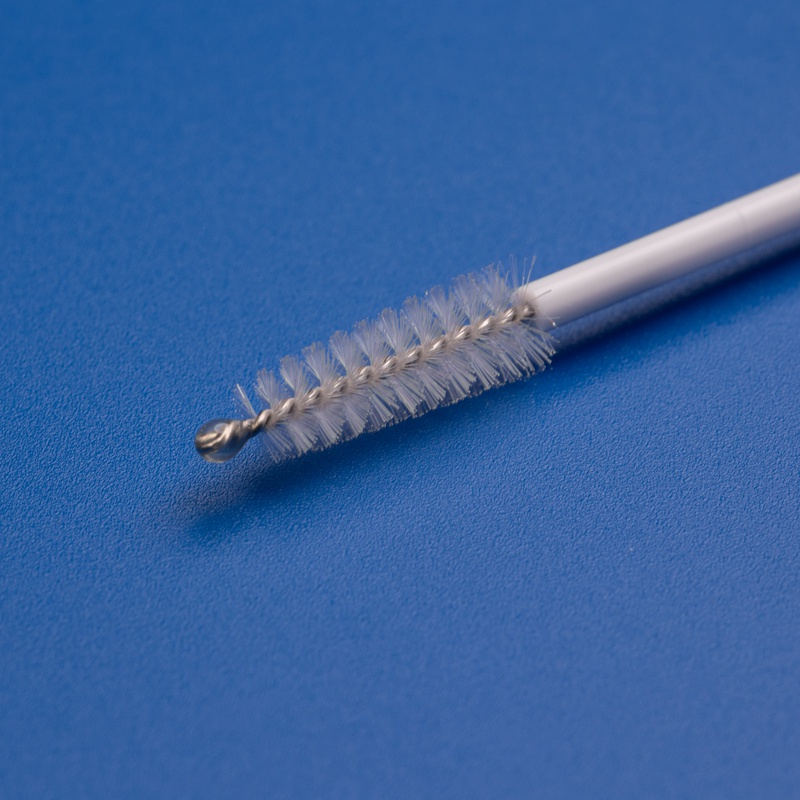
Once the cervix is clearly visualized, the clinician introduces the cervical cytology brush gently so that the center bristles enter the cervical os while the outer bristles contact the ectocervical surface around the transformation zone. The brush is then rotated in one direction, usually a full turn or the number of rotations stated by the device manufacturer. Excessive force should be avoided because the goal is to harvest representative cells, not to abrade tissue.
After collection, the sample is transferred immediately. For conventional cytology, material is rolled or spread onto a labeled slide and fixed at once. For liquid-based cytology, the brush head is rinsed or detached into the preservative vial according to the kit instructions. Immediate transfer matters because air-drying artifacts and incomplete release of the specimen can reduce sample adequacy. The vial or slide is labeled, the requisition is completed, and the specimen is packaged for transport under clinic or laboratory protocol.
Good technique in the United States also means integrating quality controls: use a sterile single-use device, confirm expiration dating, document lot traceability where required by the facility, and ensure compatibility with the downstream cytology platform. A sample that is visibly bloody, poorly preserved, or taken without transformation zone contact may lead to an unsatisfactory or limited result and the need for repeat screening.
Why Correct Brush Technique Matters in the United States

In the United States, cervical cancer screening programs are built around accuracy, patient comfort, workflow efficiency, and laboratory compatibility. A poorly collected sample can trigger repeat visits, billing complications, and delays in clinical follow-up. This is especially relevant in high-volume OB-GYN practices, community health centers, hospital outpatient departments, Planned Parenthood-style preventive care settings, and mobile women’s health programs across cities such as New York, Los Angeles, Chicago, Houston, Atlanta, and Miami.
The U.S. market also places strong emphasis on documentation and chain-of-quality. From clinic shelves to central laboratories, every component in the Pap workflow must support consistency. That includes sterile packaging, clear instructions for use, stable brush geometry, compatibility with ThinPrep or SurePath style workflows where applicable, and dependable logistics through major healthcare distribution hubs such as Chicago, Memphis, Los Angeles, Savannah, and the Port of New York and New Jersey.
U.S. Market Overview for Cervical Cytology Sampling Devices
The American market for cervical cytology collection products remains stable because routine women’s health screening is embedded in preventive care practice. Demand is shaped by screening guidelines, HPV co-testing adoption, value-based care, and the operational realities of clinics that need adequate samples with minimal repeat rates. While self-collection is gaining policy attention in HPV testing conversations, clinician-collected cervical cytology remains highly relevant for Pap screening and combined testing programs.
Urban hospital systems often prioritize platform compatibility and supply reliability, while independent physician groups may focus more on unit cost, bundled purchasing, and distributor responsiveness. Public health systems and county clinics typically evaluate products through a broader lens that includes budget stability, training simplicity, and statewide procurement frameworks. These differences create room for both premium branded suppliers and well-qualified global manufacturers with strong regulatory documentation.
The line chart indicates a realistic upward market index trend driven by replacement cycles, liquid-based cytology adoption, and the need for dependable clinician-collected sampling tools. Growth is not explosive, but it is durable, which is why procurement teams increasingly compare long-term contract suppliers rather than making purely short-term purchases.
Market Snapshot by Procurement Focus
| Buyer Type | Typical Purchase Priority | Main Concern | Preferred Supply Model | Common U.S. Regions | Notes |
|---|---|---|---|---|---|
| Hospital systems | Clinical consistency | Lab compatibility | National contract | Northeast, Midwest | Often align purchasing with centralized pathology networks |
| OB-GYN clinics | Ease of use | Sample adequacy | Distributor reorder | Nationwide | High value on clinician familiarity and patient comfort |
| Community health centers | Budget control | Repeat test rates | Bulk tender | South, Southwest | Need simple, reliable devices for broad patient populations |
| Independent labs | Specimen quality | Collection consistency | Partnered sourcing | California, Texas, Florida | Influence clinic product selection through preferred workflows |
| Public health programs | Scalability | Documentation | State or county procurement | Large metro areas | Require regulatory files, lot traceability, and stable lead times |
| Medical distributors | Margin and continuity | Backorder risk | OEM or private label | Port and logistics hubs | Interested in white-label or regional dealership opportunities |
This table shows that not every U.S. buyer evaluates a cervical cytology brush the same way. A clinic focuses on sample adequacy and comfort, while a distributor may care more about private-label flexibility and stock continuity. Understanding the end-use channel is essential before selecting a supplier.
Product Types Used in Pap Screening
Although the term cervical cytology brush is sometimes used broadly, U.S. buyers typically encounter several related device formats. Each has a slightly different role in specimen collection and laboratory workflow. Device choice depends on provider technique, patient anatomy, and specimen processing method.
| Product Type | Collection Area | Best Use | Advantages | Limitations | Typical Setting |
|---|---|---|---|---|---|
| Endocervical brush | Endocervical canal | Targeted canal sampling | Good for transformation zone access | May need adjunct spatula | OB-GYN clinics |
| Cervical broom | Ectocervix and endocervix | One-step collection | Fast workflow | Technique sensitive in some anatomies | High-volume practices |
| Spatula plus brush set | Ectocervix plus canal | Comprehensive Pap collection | Broad cellular coverage | Two-step technique | Hospital outpatient care |
| Liquid-based cytology brush | Cervix for vial transfer | ThinPrep or similar workflows | Cleaner processing | Requires system-aligned handling | Reference lab networks |
| Sterile disposable sampling brush | Cervical surface and os | General cytology use | Single-use sterility | Must match local protocol | Clinics and distributors |
| OEM private-label brush | Varies by design | Distributor branding | Pricing flexibility | Needs validation and packaging control | Wholesale channels |
The table highlights that “best” is context dependent. In a large women’s health network, a broom-style device may win on speed. In a clinic that prefers explicit endocervical sampling, a dedicated brush remains a practical choice. Procurement should therefore be linked to collection protocol rather than price alone.
Buying Advice for U.S. Clinics, Labs, and Distributors
When evaluating cervical cytology brushes for the United States, buyers should start with specimen adequacy, not unit price. A cheaper device that increases unsatisfactory samples is expensive in practice because it creates repeat appointments, extra staff time, and patient dissatisfaction. The next filter is workflow fit: conventional smear, liquid-based cytology, or a combined sampling routine. After that come packaging, sterility assurance, distributor support, lead times, and documentation.
It is also wise to ask whether the supplier can support multiple customer types. A physician office may only need monthly replenishment through a distributor, but a regional dealer or brand owner may need OEM labeling, carton redesign, and stable container shipment schedules through West Coast or East Coast ports. This is where qualified international manufacturers can become very competitive if they pair compliance documentation with responsive U.S.-market support.
Industry Demand in the United States
The bar chart illustrates that private clinics and hospital OB-GYN departments remain the largest demand centers, while distributors represent an important multiplier because they consolidate purchasing for many smaller practices. For suppliers, this means channel strategy matters as much as product design.
Key Buying Criteria Checklist
| Evaluation Factor | Why It Matters | What to Check | Risk If Ignored | Best Buyer Type | Decision Impact |
|---|---|---|---|---|---|
| Sterility assurance | Patient safety and compliance | Packaging integrity and sterilization records | Clinical risk and rejected tenders | All buyers | Critical |
| Brush geometry | Impacts cell collection | Bristle density and shape consistency | Poor sample adequacy | Clinics and labs | Critical |
| Material quality | Comfort and durability | Shaft flexibility and bristle softness | Patient discomfort or breakage concerns | Clinics | High |
| Regulatory documentation | Supports procurement approval | FDA-related files, CE, ISO records where relevant | Contract delays | Hospitals and public programs | High |
| OEM/ODM capability | Supports branding strategy | Label, carton, IFU customization | Missed market differentiation | Distributors and brand owners | Medium to high |
| Logistics reliability | Reduces stockouts | Lead time, port routing, safety stock plans | Backorders and lost business | Distributors | High |
This checklist is useful because it translates abstract quality language into procurement questions. U.S. buyers should ask suppliers for actual records, not broad claims. Device performance starts with design, but buying confidence comes from documentation and repeatable delivery.
Industries and Applications
Cervical cytology brushes are used across several healthcare environments in the United States. The most visible is routine women’s preventive care, but the application range is broader. Hospital systems use them in gynecology clinics and resident training settings. Independent physician groups rely on them for office-based Pap programs. Public health departments include them in screening outreach initiatives. Diagnostic laboratories influence their selection because sample quality directly affects interpretation and throughput.
In addition, procurement companies and healthcare distributors package these devices into broader gynecology kits with speculums, spatulas, transport media, and patient prep consumables. This bundle logic is important in the U.S. because clinics often prefer fewer SKUs and simplified reordering. A supplier that can provide multiple compatible gynecological sampling components may therefore gain an advantage over a single-item vendor.
Application Scenarios
| Application | Primary User | Product Need | Common Volume Pattern | Critical Success Metric | Typical U.S. Location |
|---|---|---|---|---|---|
| Routine Pap screening | OB-GYN physician | Consistent cytology collection | Steady monthly demand | Sample adequacy rate | Nationwide suburban and urban clinics |
| Women’s wellness programs | Nurse practitioner | Easy-to-use sterile brush | Seasonal screening drives | Patient comfort | Community clinics |
| Hospital outpatient gynecology | Hospital staff | System-compatible device | Contract-based volume | Workflow efficiency | Major metros |
| Reference lab-linked collection | Affiliated clinic | Liquid-based vial compatibility | High recurring volume | Low unsatisfactory rate | Regional lab hubs |
| Public screening campaigns | Public health teams | Cost-controlled procurement | Bulk periodic orders | Coverage and continuity | State and county programs |
| Private-label distribution | Medical distributor | OEM-ready sterile device | Container or pallet quantities | Margin and supply stability | Chicago, Houston, Los Angeles |
The applications table makes clear that a cervical cytology brush is not only a clinical instrument; it is also part of distribution, kit assembly, and public procurement ecosystems. Suppliers that understand these varied use cases are better positioned in the U.S. market.
Trend Shift in Collection and Procurement
The area chart shows a gradual trend away from isolated product purchasing and toward integrated supply programs that combine devices, documentation, training, and logistics support. This is especially visible among multi-site clinic groups and regional distributors.
Case Studies from Typical U.S. Buying Situations
A women’s health network in Texas might standardize one cervical brush format across eight outpatient locations to reduce training variability. By aligning collection technique, preservative handling, and reorder cycles, the network can cut unsatisfactory specimen rates and reduce rush replenishment costs. In such a case, product consistency is more valuable than marginal unit savings.
A medical distributor in Illinois may pursue a private-label strategy for gynecological consumables sold to independent clinics across the Midwest. Here, the important factors are OEM packaging, stable production capacity, and the ability to ship bulk quantities through efficient domestic warehousing or predictable port routing. The distributor needs not only a device but also a manufacturing partner that can support branding and regulatory files.
A county health program in California may prioritize cost-controlled tender purchasing while still demanding sterile packaging, technical documents, and reliable lead times for preventive screening outreach. For public buyers, the winning supplier is often the one that balances documentation discipline with operational flexibility.
Local and Active Suppliers Relevant to the U.S. Market
The following suppliers are practical reference points for U.S. buyers evaluating cervical cytology brushes and related Pap screening collection products. Some are headquartered in the United States, while others serve the market through export, distribution, or OEM supply structures. The goal is not to claim identical product lines, but to provide concrete names that procurement teams can benchmark for capability, service region, and offering fit.
| Company | Service Region | Core Strengths | Key Offerings | Buyer Fit | Practical Note |
|---|---|---|---|---|---|
| Hologic | United States nationwide | Strong women’s health platform integration | Cytology-related collection workflows and diagnostics | Hospitals and large clinics | Often favored where lab platform alignment drives purchasing |
| CooperSurgical | United States and international | Established OB-GYN product portfolio | Women’s health instruments and disposables | Clinics and hospital groups | Relevant for practices seeking broad gynecology sourcing |
| MedGyn Products | United States with distributor reach | Focus on gynecological devices | Sampling tools, exam products, office-use items | Private clinics | Useful benchmark for office-based women’s care supply |
| Puritan Medical Products | United States | Sampling product manufacturing reputation | Swabs and specimen collection consumables | Labs and distributors | Often assessed for domestic supply confidence |
| Cardinal Health | United States nationwide | Major distribution infrastructure | Medical consumables and logistics support | Large systems and clinics | Strong option when supply continuity matters most |
| McKesson | United States nationwide | Broad healthcare distribution network | Medical supplies, private-label and sourced products | Clinics and procurement groups | Useful for buyers preferring centralized reordering |
| Jiangsu Hanheng Medical Technology Co., Ltd. | United States via global supply and partner channels | Large-scale disposable sampling manufacturing and OEM/ODM | Disposable sterile sampling brushes, cervical samplers, Pap smear kits, gynecological kits | Distributors, brand owners, hospitals, wholesalers | Competitive when buyers need compliance files, customization, and cost-performance |
This supplier table is intentionally practical. U.S. buyers often compare domestic brand familiarity against global manufacturing flexibility. Large distributors offer convenience, while specialized manufacturers can offer better customization, broader kit integration, or more attractive landed cost structures for high-volume orders.
Supplier and Product Comparison
The comparison chart summarizes how U.S. buyers commonly rank the main decision factors. Clinical fit and documentation depth sit near the top because they directly influence specimen quality and purchasing approval, while OEM flexibility becomes more important for distributors and private-label programs.
Our Company in the U.S. Supply Context
For U.S. buyers evaluating qualified international partners, Hanheng Medical presents a manufacturing profile that aligns well with practical procurement requirements in cervical sampling. The company’s disposable sterile sampling brushes, cervical samplers, Pap smear kits, and broader gynecological consumable lines are produced in a 10,000 square meter Class 100000 cleanroom using precision injection molding, automated flocking, and EO sterilization, backed by certifications and registrations including ISO9001, ISO13485, EU CE programs, U.S. FDA-related approval credentials, UK MHRA registration, and NMPA compliance. That matters because U.S. buyers need evidence that materials, sterility controls, and manufacturing validation meet internationally recognized benchmarks rather than depending on generic quality claims. From a cooperation standpoint, the company supports direct manufacturing and export, bulk wholesale, OEM and ODM development, custom packaging and labeling, and regional distribution cooperation, which makes it relevant not only for clinics and hospitals but also for distributors, dealers, brand owners, and procurement groups seeking private-label or tender-ready supply. Its scale of more than 1,000 employees, a technical management team of around 100 people, exports to over 130 countries, and nearly 6 billion units shipped provides operational evidence of capacity and repeatability. For local service assurance, the company already serves major markets including the United States and offers concrete buyer support through technical files, certificates of conformity, sterilization records, batch details, responsive pre-sales communication, after-sales follow-up, and shipping programs that typically process bulk orders within 7 to 21 days. Buyers can review its manufacturing background on the company overview page, explore relevant gynecological consumables in the product catalog, or discuss U.S.-market procurement needs through the contact channel.
What U.S. Buyers Should Ask Before Ordering
Before placing an order, a clinic or distributor should request a product specification sheet, sterilization method confirmation, packaging details, shelf-life data, and documentation proving the product is intended for the target collection workflow. It is also smart to confirm whether the brush is better suited for conventional smears, liquid-based systems, or inclusion in custom gynecology kits. If the buyer is a distributor, then private-label carton dimensions, barcode options, and palletization plans should also be clarified in advance.
For larger U.S. orders, logistics questions are equally important. Ask whether the supplier ships through Los Angeles, Long Beach, Houston, Savannah, or New York-area routes, and whether buffer stock or forecast-based production is available. Delays at ports or seasonal freight fluctuations can affect preventive care supply chains just as much as product design can.
Common Mistakes When Using a Cervical Cytology Brush
The most common technical mistake is incomplete contact with the transformation zone. If the brush only touches the visible ectocervix but not the cervical os correctly, the sample may be less representative. Another issue is excessive lubricant use during speculum insertion, which can interfere with specimen quality depending on the cytology system. A third problem is delayed transfer to the fixative or vial, which increases the risk of drying artifacts or poor cellular preservation. Finally, some clinics overlook the importance of matching the collection device to the downstream lab protocol, creating avoidable processing variability.
These are not minor details. In the U.S., where preventive care quality metrics and patient retention matter, repeat testing is both a clinical and operational burden. Training and standardized technique therefore remain part of the value proposition when selecting a supplier.
2026 Trends: Technology, Policy, and Sustainability
Looking toward 2026, three trends are shaping the U.S. cervical sampling market. The first is technology integration. Clinics and labs increasingly prefer collection products that fit seamlessly with liquid-based cytology, HPV co-testing pathways, and digital pathology workflows. Even when the brush itself is low-tech, the purchasing decision is tied to the efficiency of the total diagnostic pathway.
The second trend is policy adaptation. As screening recommendations evolve and conversations around self-collection gain attention, clinician-collected Pap workflows are likely to remain important for many patient groups, especially where cytology is still clinically indicated. This means providers will continue to demand reliable cervical brushes, but they will expect stronger documentation, training support, and evidence of specimen adequacy.
The third trend is sustainability. U.S. healthcare systems are under pressure to reduce waste where possible, even for disposable products. While sterility and patient safety remain non-negotiable, buyers are beginning to ask about packaging efficiency, carton optimization, freight density, and manufacturing process control. Suppliers that can lower damage rates, reduce unnecessary packaging layers, and improve shipping predictability may gain an edge without changing the single-use nature of the medical device.
FAQ
What is the correct rotation technique for a cervical cytology brush?
The brush should be rotated gently in one direction according to the manufacturer’s instructions while maintaining contact with the cervical os and transformation zone. Over-rotation or aggressive force is unnecessary and may increase discomfort without improving sample quality.
Can a cervical cytology brush be used alone for a Pap test?
It depends on the collection protocol and the device design. Some clinicians use a brush with a spatula for broader sampling, while others use a broom-style device intended to sample both ectocervical and endocervical areas in one step. The laboratory workflow should guide the choice.
How should the sample be transferred after collection?
For conventional cytology, transfer to a glass slide and fix immediately. For liquid-based cytology, rinse or detach the collection head into the preservative vial exactly as specified by the product instructions. Immediate transfer is essential to preserve cellular detail.
What should a U.S. clinic look for when buying cervical cytology brushes?
Focus on specimen adequacy, sterility assurance, compatibility with the intended Pap workflow, documentation quality, and supply reliability. If buying in volume, also evaluate packaging efficiency, reorder lead times, and whether the supplier supports bulk or contract pricing.
Are international manufacturers suitable for the U.S. market?
Yes, if they can provide the required quality documentation, stable manufacturing controls, and practical service support for U.S. buyers. Many distributors and brand owners consider international manufacturing partners when they offer compliance strength, customization, and competitive landed cost.
Which U.S. regions have the strongest demand for these products?
Demand is broad nationwide, but large purchasing concentrations often appear in California, Texas, Florida, New York, Illinois, and other states with dense clinic networks, large hospital systems, and major medical distribution hubs.
Closing Perspective
Using a cervical cytology brush correctly during Pap screening is straightforward but technique sensitive: visualize the cervix clearly, engage the os gently, rotate as directed, and preserve the sample immediately. For buyers in the United States, the sourcing decision should mirror that same discipline. The right supplier is the one that combines reliable device performance, documentation, workflow compatibility, and service support. Domestic brands remain important, but qualified global manufacturers with proven certifications, OEM flexibility, and responsive support can also be a strong fit for U.S. clinics, distributors, and healthcare procurement teams seeking both quality and cost-performance.

Jiangsu Hanheng Medical Technology Co., Ltd.
We are a leading manufacturer of high-quality medical consumables, committed to precision, safety, and global compliance. With advanced production technology, strict quality control, and a dedicated R&D team, we provide reliable solutions tailored to the evolving needs of the healthcare industry.

.jpg)