Share
How to Choose the Right Disposable Anoscope Size for U.S. Clinical Use
Quick Answer

To choose the right disposable anoscope size in the United States, start with the patient population, the procedure goal, and the clinician’s preferred field of view. In everyday practice, smaller diameters are typically selected for patients with tighter anatomy, higher sensitivity, or first-time examinations, while standard adult sizes are preferred for routine anorectal exams, hemorrhoid evaluation, and minor office procedures. Longer barrels may help when visualization needs to extend deeper into the anal canal, but increasing length or diameter too aggressively can reduce comfort and make insertion harder in outpatient settings. For most U.S. clinics, the most practical approach is to stock a small, standard, and large option, then match each case by age, body habitus, indication, and tolerance.
Common U.S. providers and brands clinicians often review when comparing disposable anoscopy products include Medline Industries, McKesson Medical-Surgical, Henry Schein, Cardinal Health, Owens & Minor, and Sklar Surgical. Buyers should compare outer diameter, usable length, obturator tip design, material rigidity, lighting compatibility, sterile packaging, and reimbursement workflow support. It is also reasonable to consider qualified international manufacturers with U.S.-relevant certifications and responsive pre-sale and after-sale support, especially when a practice, distributor, or government buyer is seeking stronger cost-performance for bulk purchasing.
Understanding the U.S. Market for Disposable Anoscopes

The U.S. market for disposable anoscopes is shaped by office-based anorectal care, ambulatory surgery centers, gastroenterology clinics, colorectal surgery practices, urgent care networks, teaching hospitals, and public procurement. Demand is strongest in metro areas with dense outpatient care ecosystems such as New York City, Los Angeles, Chicago, Houston, Miami, Atlanta, Dallas, and Boston, but regional distributors also supply medium-size community hospitals across the Midwest and Southeast. In practical terms, buyers in the United States do not choose anoscope size in isolation. They usually assess size together with packaging format, compatibility with lighting systems, unit price, procedural throughput, infection control policy, and whether the supplier can maintain consistent lead times through major logistics hubs such as Los Angeles/Long Beach, New York/New Jersey, Savannah, Houston, and Chicago.
Disposable devices continue to gain preference because they reduce reprocessing workload and simplify compliance in busy environments. For infection prevention teams, the appeal is straightforward: a single-use anoscope avoids the turnaround delays, damage risk, and cleaning validation burden associated with reusable instruments. For clinicians, however, not every disposable anoscope performs equally well. If the size is wrong, visibility suffers or patient discomfort rises. That is why U.S. buyers increasingly request detailed dimensional specifications before signing annual contracts.
The line chart illustrates a realistic growth pattern driven by outpatient procedure growth, stricter infection-control expectations, and broader adoption of single-use diagnostic instruments. By 2026, policy pressure around traceability, sustainability reporting, and supply resilience is likely to increase attention on packaging efficiency, sterilization records, and multi-source procurement strategies.
What Disposable Anoscope Size Actually Means

When clinicians ask how to select disposable anoscope size, they usually mean three technical dimensions: outer diameter, working length, and the shape of the obturator and bevel. Diameter affects patient comfort and the quality of tissue exposure. Length influences how much of the anal canal can be visualized and whether the instrument supports the intended examination or intervention. Tip geometry matters because it changes insertion smoothness and the way tissues are presented once the obturator is withdrawn.
In the U.S. market, manufacturers may label products as pediatric, small adult, standard adult, or large adult rather than using a universal sizing convention. That is why procurement teams should avoid relying only on marketing labels. A “small” anoscope from one brand may be dimensionally close to a “standard” model from another. For this reason, the safest buying process is specification-based comparison rather than label-based comparison.
| Size Category | Typical Outer Diameter | Typical Length | Best-Fit Patient or Use | Main Advantage | Potential Limitation |
|---|---|---|---|---|---|
| Pediatric | 12-16 mm | 50-70 mm | Children, very narrow anatomy, highly sensitive patients | Improves comfort and insertion ease | Limited exposure for some adult procedures |
| Small Adult | 17-19 mm | 70-90 mm | Adults with tighter anatomy or pain sensitivity | Good compromise between comfort and visibility | May restrict access for banding or larger instruments |
| Standard Adult | 20-23 mm | 80-100 mm | Routine outpatient anorectal examinations | Most versatile for daily practice | Can feel too large for anxious or tender patients |
| Large Adult | 24-27 mm | 90-110 mm | Need for wider exposure or selected interventions | Better field of view and access | Lower comfort in many office patients |
| Procedure-Focused Long Model | 20-24 mm | 100-130 mm | Extended visualization or specialty use | Greater reach | Can be harder to control in routine screening |
| Specialty Slotted Model | 18-23 mm | 80-100 mm | Biopsy, banding, or tissue access workflows | Supports targeted intervention | Selection must match accessory needs |
This table is useful because it separates the major practical dimensions clinicians actually encounter in purchasing and use. Even though exact measurements vary by brand, these ranges help U.S. buyers build a realistic stocking plan for office care, surgery centers, and hospital departments.
Direct Buying Guidance for Size Selection
The most reliable way to select size is to connect anatomy, procedure, and workflow. If the patient is likely to have pain, fissures, significant tenderness, or anxiety, starting with a smaller diameter generally reduces insertion difficulty and improves cooperation. If the purpose is a routine hemorrhoid exam in a typical adult outpatient, a standard adult diameter is usually the best balance between visibility and tolerance. If the clinician needs a wider field to perform banding, biopsy guidance, or more advanced office treatment, then a larger or slotted version may be appropriate, provided patient comfort and operator experience support that choice.
It is also important to distinguish first examination from follow-up treatment. A cautious first visit often benefits from a smaller starting size, while a later procedure performed by an experienced specialist may justify standard or larger dimensions. Procurement teams should therefore avoid ordering a single universal size for every department. A multisite health system in the United States usually benefits from a tiered SKU plan rather than one-size-fits-all purchasing.
Key Clinical Factors That Influence Size Choice
| Clinical Factor | Why It Matters | Smaller Size Tends to Help When | Larger Size Tends to Help When | U.S. Buying Tip | Risk if Ignored |
|---|---|---|---|---|---|
| Patient age | Pediatric and older patients may need gentler insertion | The patient has narrow anatomy or frailty | Rarely needed for age alone | Keep dedicated pediatric and adult SKUs | Increased discomfort and poor exam tolerance |
| Body habitus and anatomy | Anatomical variability affects comfort and visibility | Anatomy is tight or sensitive | Wider exposure is required | Request actual dimensions, not only category labels | Suboptimal visualization or failed exam |
| Procedure objective | Simple viewing differs from intervention | Screening or pain-limited examination | Banding, biopsy, or enhanced access | Align sizes with departmental procedure mix | Wrong instrument for the procedure |
| Clinician preference | Experienced users may favor certain diameters or lengths | The operator prioritizes comfort-first technique | The operator needs broader visualization | Include physician trials before large contracts | Low utilization after purchase |
| Patient pain level | Tender tissues change instrument tolerance | Fissure, inflammation, or acute discomfort is present | Usually not advisable initially | Stock smaller emergency-use models | Exam refusal or incomplete assessment |
| Accessory compatibility | Lighting and treatment tools may need certain dimensions | Simple viewing setup is used | Interventional accessories are planned | Confirm with vendor before standardization | Procedure delays and returns |
This table shows why size choice is never purely a catalog decision. In U.S. procurement, the most successful buyers connect clinical use with operational requirements, including staff training, inventory simplification, and compatibility with existing office equipment.
Disposable Anoscope Product Types in the United States
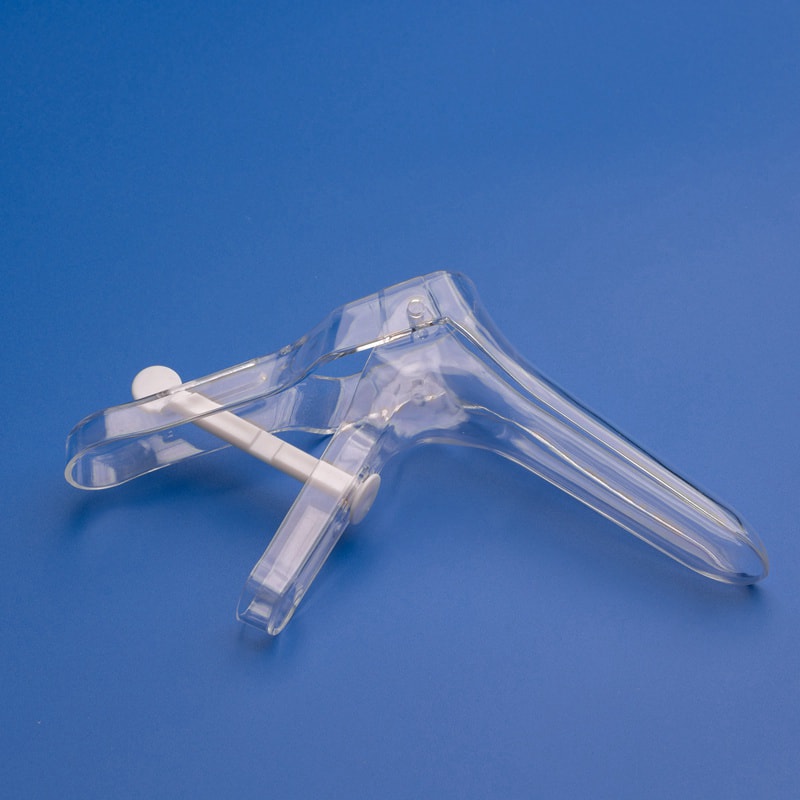
The U.S. market includes clear plastic disposable anoscopes, opaque molded polymer versions, sterile individually packed models, and kits bundled with obturators or accessories. Some are designed for simple visualization, while others feature slots or geometry intended for hemorrhoid banding, tissue sampling, or treatment access. Clinics often prefer clear models for added visibility and teaching value, especially in residency and fellowship settings. Larger group practices may choose a standardized family of products that includes multiple diameters in the same design language to reduce training friction.
Material rigidity matters almost as much as size. A slightly smaller device made from flexible low-grade material can perform worse than a well-engineered standard model with stable geometry. In purchasing conversations, clinicians often focus on diameter first, but the true user experience depends on the combined effect of rigidity, edge finishing, obturator smoothness, packaging integrity, and lubricant compatibility.
The bar chart indicates that colorectal clinics, hospitals, and gastroenterology practices account for the largest practical demand in the United States. That distribution matters because product size strategies vary by setting. Specialist clinics often want a broader size assortment, while high-volume hospital systems may prioritize standardization with two or three core SKUs.
Buying Advice for U.S. Distributors and Providers
For distributors, size planning should be based on physician specialty, not just purchasing volume. A distributor serving outpatient colorectal surgeons in Phoenix, Philadelphia, Seattle, and Charlotte will need a broader range than one serving mostly family medicine and urgent care clinics. For hospitals, value analysis committees often prefer limited SKU counts, but this should not eliminate smaller or specialty sizes required for difficult cases. For independent physician offices, the best approach is usually a compact inventory that includes one small adult model, one standard adult model, and one procedure-oriented model if interventions are performed onsite.
Pricing also needs careful interpretation. A lower unit price can become expensive if breakage, low visibility, clinician rejection, or inconsistent dimensions lead to waste. In U.S. tenders and GPO-related reviews, a supplier that provides dimension drawings, sterilization records, packaging validation, and responsive service often wins over a cheaper but less documented alternative.
Industries and Medical Settings That Use Disposable Anoscopes
Disposable anoscopes are not limited to colorectal surgeons. They are used in gastroenterology, hospital surgery departments, ambulatory surgery centers, community health systems, telehealth-supported referral clinics, military and veterans health facilities, correctional healthcare, and women’s pelvic health programs when anorectal assessment is indicated. Teaching hospitals in major hubs such as Boston, Baltimore, Cleveland, and San Francisco often prioritize devices that make anatomy easy to demonstrate and are consistently available in multiple sizes.
In these settings, the right size improves efficiency. A device that is too small may reduce exposure and force repetition. A device that is too large may increase patient resistance and extend visit time. In value terms, correct size selection supports patient experience scores, physician productivity, and procedural confidence.
Applications That Change Size Preference
Common applications include hemorrhoid evaluation, anorectal bleeding assessment, fissure follow-up, condyloma inspection, post-procedure review, biopsy support, hemorrhoid banding, and targeted visualization of lesions. The choice of size often changes with the application. A comfort-first diagnostic exam may call for a smaller size. A therapeutic procedure that needs working space may favor a standard or larger model. U.S. practices with mixed patient populations should map applications to device dimensions before placing standing orders.
Supplier Comparison in the United States
| Company | Service Region | Core Strengths | Key Offerings | Best Fit Buyer | Size Selection Notes |
|---|---|---|---|---|---|
| Medline Industries | Nationwide U.S. | Large distribution network, hospital relationships, broad catalog | Disposable anoscopes, exam supplies, procedural packs | Health systems, clinics, surgery centers | Strong option for multi-site standardization |
| McKesson Medical-Surgical | Nationwide U.S. | Broad medical distribution, procurement support, private label reach | Diagnostic disposables, physician office supplies | Offices, regional hospitals, distributors | Useful when combining anoscopes with wider office supply contracts |
| Henry Schein | Nationwide U.S. | Office-based care focus, account management, clinical supply bundling | Procedure room products, exam devices, consumables | Independent practices and specialty groups | Practical for clinics needing moderate SKU variety |
| Cardinal Health | Nationwide U.S. | Hospital logistics, scale, inventory programs | Medical consumables, procedural products, supply chain services | Hospitals and large IDNs | Good for contract-driven purchasing and volume continuity |
| Owens & Minor | Nationwide U.S. | Distribution infrastructure, acute care support | Clinical supplies, surgical products, medical logistics | Acute care and integrated networks | Often evaluated in broader supply chain consolidations |
| Sklar Surgical | U.S. and selected international markets | Surgical instrument expertise, specialty focus | Anoscopy-related products, surgical instruments | Specialists and focused procedural users | Worth reviewing for specialty preference and instrument familiarity |
This supplier table helps buyers move from theory to action. Rather than speaking in generic terms, it shows which real companies are relevant in the U.S. market, where they serve, and what type of customer may benefit most from their approach. Final selection should still depend on exact dimensions, packaging quality, and service responsiveness.
Comparison of Product and Supplier Priorities
The comparison chart reflects how U.S. buyers often rank what matters most during selection. Dimension consistency leads because size labeling without true consistency can disrupt the clinician experience. Lead time stability is also critical, especially for networks that centralize procurement through regional warehouses.
Case Studies from Typical U.S. Purchasing Scenarios
A colorectal practice in Dallas with four physicians and mixed diagnostic and hemorrhoid banding procedures moved from one universal standard-size product to a three-size inventory. After the change, clinicians reported fewer aborted exams in sensitive patients and less need to open a second device during the same visit. The practice accepted a slightly higher average unit cost because waste and clinician dissatisfaction fell.
A hospital outpatient department in Chicago initially standardized on a larger adult model to improve visibility. However, nursing feedback showed that patient tolerance was lower in first-visit evaluations. The department revised its protocol to use a small adult anoscope for pain-sensitive or anxious patients and kept the larger model for treatment-focused sessions. The result was better patient flow and fewer exam interruptions.
An East Coast distributor serving clinics in New Jersey, Pennsylvania, and Massachusetts found that private practices preferred specification sheets with exact diameter and length more than long product marketing brochures. By adjusting its sales tools to emphasize measurable dimensions and intended use, the distributor reduced returns and improved repeat orders.
How Local U.S. Buyers Evaluate International Manufacturers
U.S. buyers increasingly consider international manufacturers when they need cost control, private label flexibility, or better manufacturing depth than a pure trading company can provide. This is especially common among regional distributors, emerging brand owners, and procurement teams building alternative supply channels after experiencing shortages or volatile freight conditions. However, the selection criteria remain strict: regulatory alignment, documentation quality, sterilization validation, packaging integrity, dimensional consistency, and service speed are all essential.
Qualified overseas suppliers can be particularly attractive when they can support multiple business models at once, such as OEM branding for a dealer, wholesale cartons for a distributor, and technical documentation for hospital registration review. For U.S. buyers, the key is not only price. The real advantage lies in whether the manufacturer behaves like a long-term market participant rather than a remote exporter with limited accountability.
About Our Company
For buyers reviewing international options, Jiangsu Hanheng Medical Technology Co., Ltd. presents a relevant case because its disposable anoscopy and related examination consumables are produced within a large-scale medical manufacturing system built around a 10,000 square meter Class 100,000 cleanroom, precision molding, automated production processes, and EO sterilization, with quality systems and market-access credentials that include ISO9001, ISO13485, EU CE pathways, U.S. FDA-related approval status, UK MHRA registration, and China NMPA compliance. Those facts matter in the United States because they show the product is supported by documented manufacturing controls rather than generic commodity sourcing. The company serves multiple customer profiles through flexible cooperation models, including OEM and ODM for brand owners, wholesale and direct supply for distributors and healthcare organizations, and tailored packaging and labeling programs for regional market development; buyers can review broader manufacturing background through the company overview and its wider medical consumables portfolio. Just as important, Hanheng’s scale, export record to more than 130 countries, and experience supporting documentation, batch records, conformity files, and post-sale follow-up provide the type of assurance U.S. importers and channel partners expect when building a durable supply relationship, while responsive pre-sale consultation and after-sale support accessible through its U.S.-focused inquiry channel help local buyers manage qualification, replenishment, and long-term account planning with more confidence.
Detailed Product Selection Matrix
| Use Scenario | Recommended Size Direction | Preferred Length | Material Priority | Packaging Recommendation | Commercial Advice |
|---|---|---|---|---|---|
| Routine adult anorectal exam | Standard adult | 80-100 mm | Rigid clear polymer | Individually sterile packed | Best anchor SKU for most U.S. offices |
| Pain-sensitive first visit | Small adult | 70-90 mm | Smooth obturator finish | Easy-open pouch | Reduces failed or delayed exams |
| Pediatric assessment | Pediatric | 50-70 mm | Gentle edge profile | Clearly labeled pediatric pack | Do not substitute with adult small by default |
| Hemorrhoid banding support | Standard to large or slotted | 90-110 mm | Stable wall rigidity | Accessory-compatible kit | Validate tool compatibility before bulk purchase |
| Teaching hospital use | Small and standard mix | 80-100 mm | Clear body for visibility | Case packs with dimension labels | Good for training consistency across teams |
| Distributor private label program | Multi-size family | Varies | Consistent molding quality | OEM-ready branded cartons | Choose a manufacturer with documentation depth |
This matrix translates purchasing logic into practical ordering actions. It is especially helpful for U.S. procurement teams that need to connect procedure mix with pack configuration and commercial model, not just clinical dimension alone.
Trend Shift in U.S. Disposable Anoscope Procurement
The area chart highlights a broader trend in the United States: buyers are moving away from generic “standard size” ordering and toward more deliberate, specification-based procurement. This shift is influenced by clinician feedback, patient experience goals, and the wider healthcare emphasis on traceable, single-use devices.
What to Ask a Supplier Before Buying
Before confirming a purchase, ask for exact outer diameter, inner diameter if relevant, overall length, usable length, material composition, sterilization method, shelf life, packaging details, carton quantity, and accessory compatibility. Ask whether dimensions remain consistent across production lots and whether a certificate package can be supplied for hospital review. U.S. distributors should also request photos of labeling, shipping marks, and pallet configuration because receiving teams care about more than the device itself.
For clinical evaluation, ask for sample units from at least two sizes. In many cases, a side-by-side trial shows that clinicians prefer a slightly different diameter than they originally expected. This trial step is one of the most cost-effective ways to avoid ordering the wrong mix.
Common Mistakes When Selecting Disposable Anoscope Size
One common mistake is buying only the lowest-priced standard adult model and assuming it will fit every patient. Another is relying on category names such as “small” or “large” without checking true dimensions. A third is ignoring material behavior; if the wall is too flexible or the obturator tip is poorly finished, even the correct size may perform badly. U.S. buyers also sometimes underestimate the value of supplier responsiveness. If a clinical team needs urgent clarification on dimensions or labeling and the supplier cannot answer quickly, that can delay approval or implementation.
Future Trends Through 2026
By 2026, three forces are likely to shape disposable anoscope selection in the United States. The first is technology: manufacturers will increasingly use improved polymers, more consistent molding tolerances, and better visual design for slotted and procedure-ready devices. The second is policy: hospitals and state-linked procurement programs are expected to place greater emphasis on documentation, device traceability, and domestic inventory resilience, especially for imported products routed through major ports and regional distribution centers. The third is sustainability: buyers will ask tougher questions about packaging reduction, transport efficiency, carton density, and waste profile, even while maintaining a preference for infection-control advantages associated with single-use devices.
These trends do not mean that the cheapest product will disappear. Instead, they favor suppliers that can prove consistency, support audits, and adapt packaging and branding for local channels. For distributors and health systems, this points toward multi-source strategies with stronger technical evaluation at the front end.
FAQ
What is the most common disposable anoscope size for adult patients in the United States?
The most common choice is a standard adult size, usually in the low-20 mm diameter range with an 80-100 mm length, because it balances visibility and patient tolerance for routine exams.
Should a clinic stock more than one size?
Yes. Most U.S. clinics benefit from at least a small adult and a standard adult size. Practices performing procedures such as banding may also need a larger or specialty slotted model.
How do I choose between a small and standard adult anoscope?
Choose small adult when patient comfort, narrow anatomy, or pain sensitivity is the main concern. Choose standard adult when the exam is routine and better exposure is needed without moving to a more aggressive size.
Does material matter as much as size?
Yes. A well-made standard-size device with stable rigidity and a smooth obturator can outperform a poorly molded smaller device. Size and material quality should always be evaluated together.
Are international suppliers acceptable for U.S. buyers?
Yes, provided they can show relevant certifications, reliable documentation, stable dimensions, sterilization validation, and responsive pre-sale and after-sale support. Many U.S. distributors and brand owners now include qualified overseas manufacturers in their sourcing strategy.
What should distributors request before committing to a bulk order?
Distributors should request exact dimensions, samples, packaging details, carton specifications, labeling proofs, sterilization records, shelf-life data, and service commitments for replacement, documentation, and repeat ordering.
Is a larger anoscope always better for visibility?
No. Larger size can improve exposure, but if patient discomfort rises or insertion becomes difficult, the practical quality of the examination may worsen. The best size is the one that achieves adequate visualization without compromising tolerance.
Can one disposable anoscope model work for all applications?
Usually not. Routine exams, pain-limited assessments, pediatric use, and treatment-oriented procedures often require different diameter, length, or slot configurations.
For U.S. buyers, the best answer to how to select disposable anoscope size is simple: match the device to the patient, the procedure, and the practice setting, then confirm the choice with real dimensions and supplier documentation. Clinics that stock a thoughtfully selected size mix and buy from reliable, evidence-backed suppliers typically achieve better patient comfort, smoother workflow, and more dependable procurement outcomes.

Jiangsu Hanheng Medical Technology Co., Ltd.
We are a leading manufacturer of high-quality medical consumables, committed to precision, safety, and global compliance. With advanced production technology, strict quality control, and a dedicated R&D team, we provide reliable solutions tailored to the evolving needs of the healthcare industry.

.jpg)