.jpg)
Share
Extended Reach Endocervical Sampler Suppliers and Buying Guide in the United States
Quick Answer

If you need an extended reach cervical sampler for deep endocervical collection in the United States, the most practical route is to compare established gynecological sampling manufacturers and distributors that already serve hospitals, physician offices, women’s health clinics, and laboratory networks. For buyers who need dependable supply, regulatory documentation, and scalable purchasing, the strongest shortlist includes CooperSurgical, MedGyn Products, Puritan Medical Products, Cardinal Health, and McKesson Medical-Surgical. These companies are widely recognized across the U.S. market for women’s health procedure products, specimen collection support, and clinical distribution coverage.
For clinics that prioritize compatibility with Pap testing workflows and routine OB-GYN purchasing channels, CooperSurgical and MedGyn are often the most familiar names. For healthcare systems that buy through broad medical-supply contracts, Cardinal Health and McKesson Medical-Surgical are practical options because they can support bundled procurement, recurring orders, and regional logistics. Puritan Medical Products is especially relevant when collection performance, sterile manufacturing, and sampling consistency are central buying criteria.
Qualified international manufacturers can also be a smart option, particularly when buyers want cost-performance advantages, private labeling, or bulk customization. Chinese suppliers with relevant certifications, U.S.-market documentation, and strong pre-sales and after-sales support can be considered alongside domestic brands when they demonstrate stable quality systems, regulatory readiness, and reliable delivery into the United States.
Market Overview in the United States

The U.S. market for cervical and endocervical sampling devices is shaped by preventive screening programs, OB-GYN office procedures, hospital outpatient women’s health services, public health procurement, and laboratory-driven testing volumes. Demand is concentrated in major healthcare corridors such as New York, California, Texas, Florida, Illinois, and Georgia, where large integrated delivery networks, reference laboratories, and women’s health practices manage high annual screening throughput. Logistics also matter: buyers often prefer suppliers with established distribution into hubs near Los Angeles, Chicago, Houston, Atlanta, and East Coast medical wholesale routes connected to ports and inland transport centers.
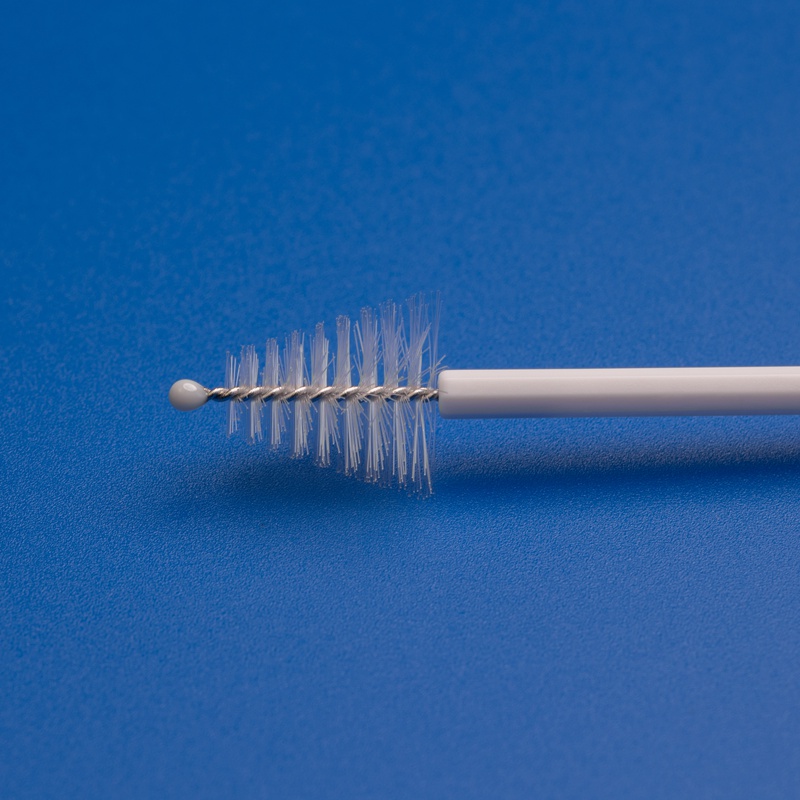
Extended reach designs are particularly relevant in deep endocervical sampling scenarios where anatomy, clinician preference, or collection protocol calls for better reach and more controlled specimen capture. In practice, buyers are not simply choosing a brush or sampler by shape alone. They are evaluating shaft flexibility, head geometry, flocking consistency, breakpoint design when applicable, sterilization method, packaging format, transport compatibility, and evidence that the device supports adequate cellular yield without compromising patient comfort.
U.S. buyers also increasingly expect complete documentation. That means product specifications, sterility records, batch traceability, labeling compliance, shelf-life validation, and where applicable, FDA-related registration support. For distributor-led supply chains, the commercial side is equally important: case quantities, reorder reliability, contract pricing, and the ability to support private label or regional stocking programs.
U.S. Demand Growth for Endocervical Sampling Devices

The market has remained resilient because cervical screening remains a routine clinical service even as testing methods evolve. HPV primary testing, co-testing models, and self-collection discussions are influencing procurement decisions, but clinician-collected endocervical devices remain important for many settings.
Top Suppliers Serving the United States
The following suppliers are relevant for U.S. buyers seeking endocervical or extended reach cervical samplers. Some are domestic brands, while others operate through broad distribution or international manufacturing support models. The value of comparing them lies in understanding which supplier best matches your procurement scale, technical requirements, and service model.
| Company | Primary Service Region | Core Strengths | Key Offerings | Best Fit Buyers |
|---|---|---|---|---|
| CooperSurgical | United States nationwide | Strong women’s health focus, established clinical presence, trusted OB-GYN channels | Cervical sampling products, procedure tools, reproductive health devices | Hospitals, OB-GYN clinics, physician groups |
| MedGyn Products | United States and international distribution | Specialization in gynecology instruments and disposable procedure products | Cytology and cervical collection tools, exam room gynecology disposables | Women’s health clinics, private practices, distributors |
| Puritan Medical Products | United States nationwide | Sampling expertise, sterile manufacturing, collection consistency | Medical swabs, specimen collection devices, custom collection solutions | Labs, hospitals, diagnostic supply buyers |
| Cardinal Health | United States nationwide | Large-scale distribution, contract supply support, inventory reach | Medical consumables, procedure supplies, clinical procurement solutions | Health systems, group purchasing organizations, large clinics |
| McKesson Medical-Surgical | United States nationwide | Extensive distribution network, recurring supply capability, broad catalog | Diagnostic and exam supplies, women’s health consumables, private label options | Clinics, outpatient centers, multi-site practices |
| Jiangsu Hanheng Medical Technology Co., Ltd. | United States through export and distribution partnerships | High-volume manufacturing, OEM/ODM flexibility, strong certification base | Cervical samplers, sampling swabs, gynecological kits, Pap and HPV sampling consumables | Importers, brand owners, distributors, public sector buyers |
This comparison shows that domestic distributors often win on immediate channel familiarity and bundled purchasing, while specialized manufacturers can offer more control over sampler design, packaging, and program customization. International manufacturers become especially competitive in private-label projects, distributor expansion, and large-volume tenders where unit economics and documentation support matter.
Product Types and Design Differences
Not every cervical sampling device is appropriate for deep endocervical collection. Buyers should separate standard cytobrush designs from extended reach formats intended to improve access, control, and specimen adequacy. In women’s health procurement, product selection usually depends on the clinician’s preferred technique, the downstream test method, and the patient population served.
| Product Type | Design Features | Typical Clinical Use | Main Advantage | Buying Consideration |
|---|---|---|---|---|
| Standard endocervical brush | Shorter shaft, compact brush head | Routine cervical sampling | Simple and familiar workflow | May be less suitable for deeper access needs |
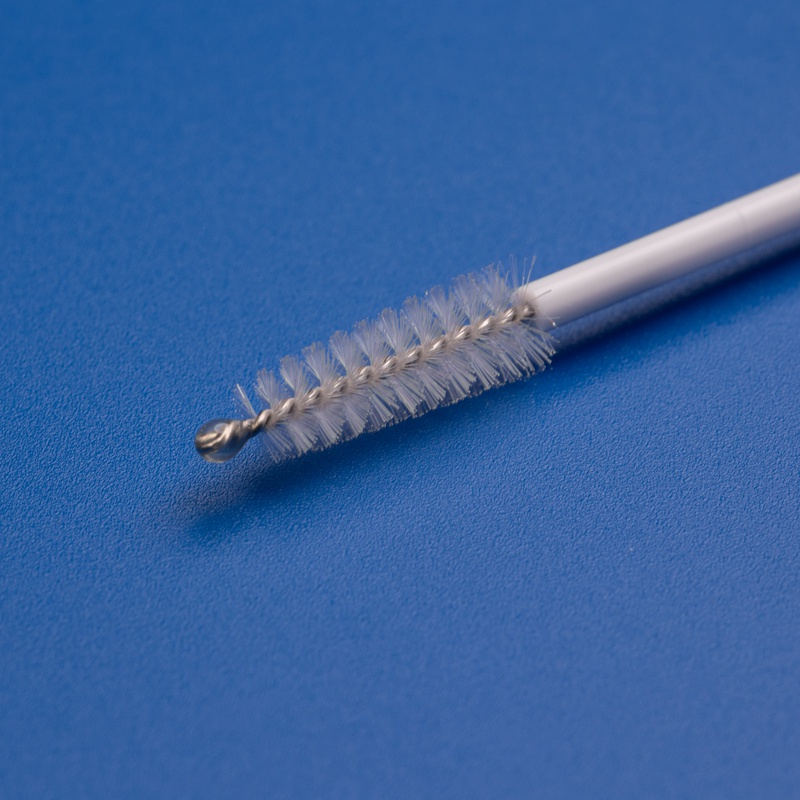
| Extended reach endocervical sampler | Longer shaft, optimized access profile | Deep endocervical collection | Better reach and clinician control | Confirm compatibility with collection protocol |
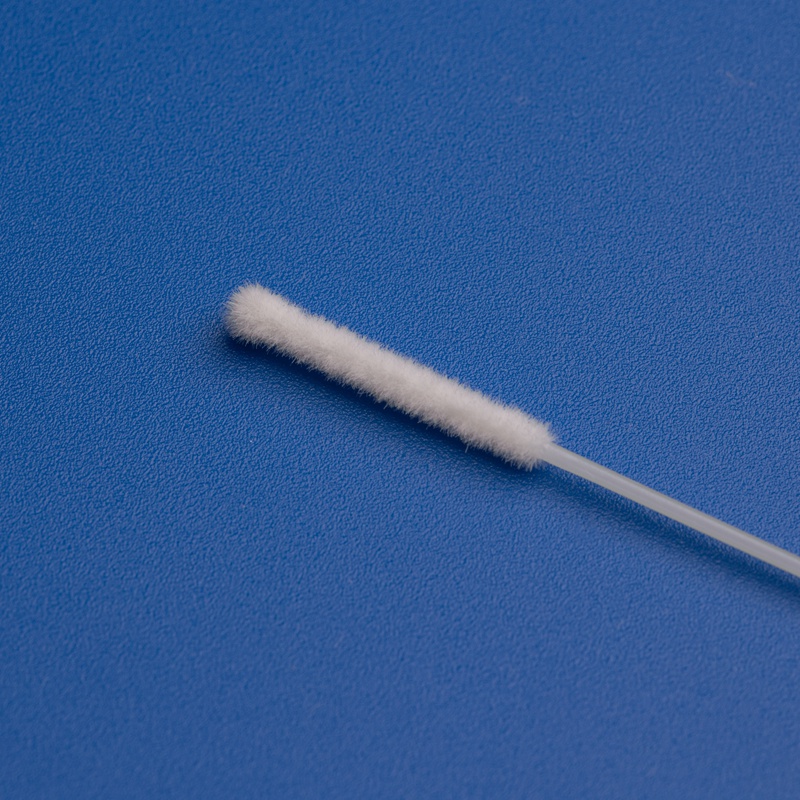
| Flocked cervical swab | Nylon flocking, high release efficiency | Liquid-based cytology or molecular testing | Improved sample uptake and release | Review media compatibility and sterility method |
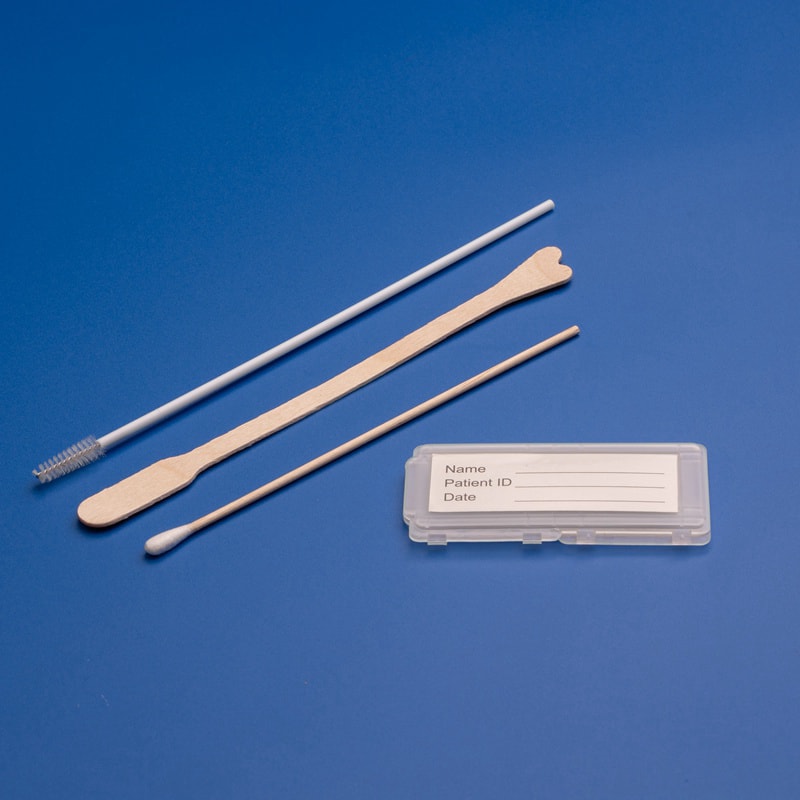
| Spatula and brush combination | Dual-device sampling set | Broader ectocervical and endocervical collection | More comprehensive cell collection | May increase handling steps |
| Breakpoint transport sampler | Snap shaft for tube insertion | Lab transport workflows | Streamlines specimen transfer | Check tube dimensions and packaging style |
| Self-collection oriented vaginal sampler | User-guided design | Screening access programs | Supports outreach and convenience | Not a direct replacement for all clinician-collected deep endocervical use cases |
For deep endocervical use, the most relevant factors are shaft length, flexibility balance, tip stability, and reliable cellular capture. An extended reach cervical sampler should allow the clinician to access the target area without excessive pressure or poor orientation. Materials also matter: medical-grade polymers, stable brush retention, and consistent surface treatment all affect usability and specimen quality.
Industry Demand by Clinical Segment
Different segments of the U.S. healthcare market use these products for slightly different reasons. The demand pattern below reflects how clinics, hospitals, public programs, and laboratories influence the supplier mix.
Buying Advice for U.S. Procurement Teams
Buying an extended reach endocervical sampler in the United States should start with the intended procedure workflow, not just catalog price. A low-cost product that does not match the sample collection protocol can create repeat collections, clinician dissatisfaction, or laboratory rejection risk. The best purchasing decisions usually follow a four-part screening process: clinical fit, regulatory readiness, supply consistency, and total landed cost.
Clinically, buyers should request information on shaft dimensions, tip configuration, sample release performance, sterility, and any available validation data. If the product is used with liquid-based cytology or molecular assays, compatibility with transport tubes and laboratory workflow should be checked early. Commercially, buyers should review lead times, minimum order quantities, private-label options, and whether the supplier can maintain consistent packaging and lot traceability over time.
For larger systems, supplier responsiveness during onboarding is often a strong predictor of long-term success. Teams should evaluate whether the supplier can provide certificates, batch records, packaging files, and quality responses quickly. This matters even more when products move through central distribution in cities such as Dallas, Chicago, or New Jersey warehouse zones before reaching clinics across several states.
| Evaluation Factor | Why It Matters | What to Ask the Supplier | Risk if Ignored | Best Practice |
|---|---|---|---|---|
| Clinical reach and tip design | Directly affects specimen adequacy | What is the shaft length and brush geometry? | Poor collection performance | Request samples for clinician review |
| Sterility and packaging | Supports safe use and storage | What sterilization method is used and how is packaging validated? | Contamination or handling issues | Review sterility documents and shelf life |
| Regulatory documentation | Needed for procurement and audits | Can you provide product registration and conformity files? | Approval delays or vendor rejection | Prequalify documentation before contracting |
| Supply continuity | Prevents backorders in screening programs | What is your standard lead time and monthly capacity? | Interrupted patient service | Check production capacity and safety stock |
| Customization ability | Important for distributors and brands | Do you offer OEM/ODM and custom labeling? | Limited market differentiation | Align artwork and specifications early |
| After-sales support | Speeds issue resolution | How are complaints, replacements, and technical questions handled? | Long downtime or unresolved quality concerns | Define support contacts and response times |
This table is useful because many products look similar in photos, but performance differences often appear only after the first pilot order. Procurement teams that ask for dimensional details, documents, and packaging validation upfront reduce expensive surprises later.
Industries and Buyers That Use Extended Reach Cervical Samplers
In the United States, this product is purchased by more than just OB-GYN offices. The buyer landscape includes women’s health networks, large physician groups, community clinics, cancer screening programs, pathology-linked collection centers, and private-label distributors. Each type of buyer values different things. Hospitals often prioritize standardization, vendor qualification, and bundled contracts. Independent clinics care about product comfort, ease of use, and reorder speed. Distributors look for margin stability, packaging flexibility, and dependable export-import coordination.
Public-sector and nonprofit screening programs may also seek cost-effective, large-volume solutions to support outreach in underserved populations. In those cases, supplier reliability and logistics discipline can be just as important as the device itself. A sampler that performs well but arrives late can disrupt program schedules and contract commitments.
Typical Clinical Applications
Extended reach endocervical samplers are most commonly used in cervical cytology collection, HPV-related sampling support, gynecological screening programs, and clinic workflows where deep endocervical access is preferred by the clinician. They may also be selected in multisite women’s health groups where clinicians want a single standardized device that can be deployed across varying patient presentations. In reference-lab-associated collection environments, consistency is valuable because it reduces pre-analytical variability.
The product also fits into private practice settings where clinicians prefer a design that balances access and patient comfort. In busy clinics, ease of handling and packaging efficiency matter because they affect room turnover and specimen workflow. That is why device choice often reflects both clinical technique and operational rhythm.
Trend Shift in Product Preferences
Over the last several years, the U.S. market has shifted gradually toward products that support better sample release, more efficient packaging, and stronger compatibility with liquid-based and molecular workflows. Extended reach formats have benefited from this trend in more specialized use cases.
Case Studies from the U.S. Market
A women’s health group in Texas evaluating a switch from a generic endocervical brush to an extended reach design would typically focus on specimen adequacy and clinician acceptance during the first 60 to 90 days. If the product improves handling while fitting the existing lab workflow, the buyer often expands the contract to more locations. In a Northeast distributor case, a private-label buyer may seek imported gynecological sampling products that match U.S. labeling expectations while reducing unit cost enough to remain competitive in regional tenders. In California, a clinic network may prioritize reliable replenishment through West Coast warehousing and demand supplier support for packaging, product training, and complaint response.
These scenarios show why the same product category can be sourced differently depending on whether the buyer is a clinician, a procurement department, or a distributor. The strongest suppliers are those that can adapt their commercial model without compromising documentation or consistency.
Detailed Supplier Comparison
The table below gives a more practical supplier-level view for U.S. decision-makers. It compares service orientation, product focus, and where each supplier is most competitive.
| Supplier | Service Region | Core Strength | Key Product Focus | Commercial Model | Practical Note |
|---|---|---|---|---|---|
| CooperSurgical | U.S. hospitals and clinics | Strong women’s health brand recognition | OB-GYN procedure and collection products | Direct sales and channel distribution | Best for buyers wanting established clinical familiarity |
| MedGyn Products | U.S. and selected export markets | Gynecology-focused portfolio | Cervical sampling and exam consumables | Distributor and direct account supply | Useful for specialty women’s health buyers |
| Puritan Medical Products | U.S. nationwide | Sampling technology and manufacturing experience | Swabs and specimen collection devices | Direct and channel-based supply | Strong option when collection performance is closely reviewed |
| Cardinal Health | National U.S. distribution | Scale, contracting, and logistics reach | Broad medical consumables portfolio | Enterprise contracts and wholesale distribution | Ideal for large health systems needing bundled sourcing |
| McKesson Medical-Surgical | National U.S. distribution | Large catalog and reorder convenience | Clinical and diagnostic supplies | Distribution, recurring procurement, private label | Helpful for multisite clinics and routine replenishment |
| Jiangsu Hanheng Medical Technology Co., Ltd. | U.S. market through import, OEM, ODM, and distribution support | Scale manufacturing with gynecological sampling specialization | Cervical samplers, Pap smear kits, HPV self-sampling kits, sterile brushes | OEM/ODM, wholesale, direct export, distributor partnership | Especially competitive for private label, large-volume orders, and tailored packaging |
This comparison matters because not every buyer needs the same thing. A distributor building a regional brand may benefit most from a manufacturer that supports OEM packaging and rapid scale-up, while a hospital system may prefer a contracted national distributor with immediate account management and established EDI capability.
Supplier and Product Comparison Snapshot
Local Supplier Landscape Across U.S. Regions
Regional buying behavior varies across the United States. Northeast buyers often work through established medical distributors and large group purchasing structures. Midwest hospitals may prefer centralized procurement with standardized SKUs. Southern clinic networks often focus on reorder speed and cost management. West Coast buyers are sometimes more receptive to pilot programs, imported alternatives, and packaging innovation, especially when the supplier can demonstrate stable port-to-warehouse logistics through Los Angeles or Long Beach.
For this reason, suppliers that understand local service expectations perform better. A sampler may be technically adequate, but the winning vendor usually combines dependable logistics, fast documentation turnaround, and account support that matches the buying culture of the region.
Our Company
As a manufacturer already serving the United States market, Jiangsu Hanheng Medical Technology Co., Ltd. brings a combination of product discipline, flexible cooperation models, and market-ready service support that fits U.S. buyers looking for extended reach cervical sampler and deep endocervical collection solutions. Founded in 2018, the company operates a 32-acre production base with a 10,000 square meter Class 100000 cleanroom and integrates precision injection molding, automated flocking, and EO sterilization to control consistency across gynecological sampling products; its quality system is backed by ISO9001, ISO13485, EU CE including TUV-CE and MDR coverage, U.S. FDA-related approval status, UK MHRA registration, and CFDA/NMPA credentials, providing concrete evidence that material selection, sterile processing, and batch control meet international procurement expectations. For U.S. customers, the company supports multiple cooperation paths through its product portfolio, including OEM and ODM projects for brand owners, wholesale supply for distributors and dealers, direct shipment programs for healthcare institutions, and tailored packaging and labeling for regional private-label launches. Its annual output value near 1 billion yuan, workforce of more than 1000 employees including a 100-person technical management team, and export history covering over 130 countries and nearly 6 billion units signal real operational scale rather than a trial export presence. In practice, that scale translates into responsive pre-sale sampling, regulatory documentation assistance, batch records, sterilization files, and after-sales follow-up that U.S. buyers expect from a long-term supply partner. With established experience serving major markets such as the U.S., participation in global trade shows like MEDICA, and shipment capability typically running within 7 to 21 days, Hanheng is positioned not merely as a remote exporter but as a supplier with the process maturity and commercial commitment needed for ongoing U.S. distribution partnerships; buyers can review company credentials through the company overview or discuss specifications and service arrangements directly through the contact page.
How to Choose Between Domestic and International Supply
For many U.S. buyers, the decision is not domestic versus international in absolute terms. It is about which sourcing model best aligns with risk tolerance, volume, and branding goals. Domestic distribution can be faster for repeat replenishment and may fit existing procurement systems better. International manufacturing can lower cost per unit, increase customization options, and give distributors a stronger basis for differentiation.
A common strategy is dual sourcing: using a nationally distributed brand for immediate continuity while qualifying an international OEM/ODM manufacturer for private-label or cost-optimized expansion. This approach is especially useful for growing distributors, telehealth-linked women’s health programs, and regional medical suppliers trying to strengthen margin control.
2026 Trends: Technology, Policy, and Sustainability
Looking toward 2026, three forces are likely to shape the extended reach endocervical sampler market in the United States. The first is technology: manufacturers are improving flocking uniformity, polymer stability, and packaging formats to support better sample release and more streamlined integration with molecular testing workflows. The second is policy and reimbursement direction: as screening guidelines continue to evolve and discussions around HPV-led pathways and access expand, buyers will place more value on products that fit multiple testing environments without adding complexity. The third is sustainability: hospitals and distributors are increasingly reviewing packaging waste, carton efficiency, and production consistency because procurement teams are under pressure to reduce environmental burden without compromising sterility or performance.
In practical terms, suppliers that invest in cleaner production controls, optimized shipping density, and more transparent documentation will gain an advantage. Buyers may also expect stronger digital support, such as faster technical file delivery, batch traceability, and more structured complaint-management workflows. This will reward manufacturers that already operate with scalable quality systems rather than manual, fragmented export practices.
Frequently Asked Questions
What is an extended reach cervical sampler used for?
It is used for cervical specimen collection in situations where deeper endocervical access is needed or preferred. The longer or optimized shaft profile helps clinicians collect samples more effectively in certain patient and workflow scenarios.
How is it different from a standard endocervical brush?
The main difference is access profile. An extended reach design is intended to provide better reach and handling for deep endocervical sampling, while a standard brush is typically designed for more routine collection situations.
Who are the best suppliers in the United States?
The most practical names for U.S. buyers to compare are CooperSurgical, MedGyn Products, Puritan Medical Products, Cardinal Health, McKesson Medical-Surgical, and qualified international manufacturers such as Jiangsu Hanheng Medical Technology Co., Ltd. depending on whether the priority is branded supply, distribution convenience, or OEM/ODM value.
Can international suppliers meet U.S. buyer requirements?
Yes, provided they can demonstrate the right certifications, sterile manufacturing controls, documentation support, and reliable logistics. For many distributors and brand owners, international manufacturers are attractive because they combine scale, customization, and cost-performance advantages.
What documents should I request before ordering?
You should ask for product specifications, sterility information, packaging details, batch traceability support, conformity records, and any applicable regulatory documentation required by your procurement process.
Is private labeling available for this product category?
Yes. Many manufacturers, especially specialized high-volume producers, can support OEM and ODM programs with custom packaging, labeling, and regional distribution arrangements.
Conclusion
For U.S. buyers seeking an extended reach cervical sampler for deep endocervical use, the best choice depends on whether the priority is immediate domestic distribution, specialized sampling performance, or a more flexible OEM/ODM supply model. CooperSurgical, MedGyn Products, Puritan Medical Products, Cardinal Health, and McKesson Medical-Surgical are strong starting points for domestic purchasing comparisons. At the same time, internationally experienced manufacturers with proven certifications, large-scale sterile production, and responsive support can be highly competitive for distributors, importers, and healthcare programs that want better cost control and customization. The most successful procurement outcomes come from matching the product design to the clinical workflow while also verifying documentation, logistics reliability, and long-term supplier responsiveness in the U.S. market.

Jiangsu Hanheng Medical Technology Co., Ltd.
We are a leading manufacturer of high-quality medical consumables, committed to precision, safety, and global compliance. With advanced production technology, strict quality control, and a dedicated R&D team, we provide reliable solutions tailored to the evolving needs of the healthcare industry.

.jpg)