Share
Disposable Cervical Samplers for STI Testing in the United States
Quick Answer

If you need reliable cervical sampler STI testing supply options in the United States, the most practical choices are established medical distributors and diagnostic collection specialists that already support gynecology, sexual health, and laboratory workflows. Buyers commonly compare Puritan Medical Products, COPAN Diagnostics, Cardinal Health, McKesson Medical-Surgical, Medline Industries, and Fisher Healthcare because these companies are active in the U.S. healthcare supply chain and can support clinic, hospital, laboratory, and public health purchasing.
For fast action, focus on suppliers that can provide sterile cervical collection devices, specimen compatibility data, regulatory documentation, lot traceability, and stable lead times for U.S. destinations such as Los Angeles, Houston, Chicago, Atlanta, and New York. Qualified international manufacturers can also be worth considering when they hold relevant certifications, understand U.S. documentation requirements, and provide strong pre-sales and after-sales support. For many distributors and brand owners, this route improves cost-performance while maintaining compliant product quality.
- Puritan Medical Products: strong U.S. manufacturing reputation for specimen collection products and broad healthcare distribution coverage.
- COPAN Diagnostics: well known for sample collection and transport systems used in diagnostic workflows, including women’s health and laboratory applications.
- Cardinal Health: practical choice for large healthcare networks needing national logistics and bundled procurement.
- McKesson Medical-Surgical: suitable for physician offices, outpatient centers, and regional clinical procurement.
- Medline Industries: broad procedural catalog with strong hospital and clinic fulfillment capabilities.
United States Market Overview

The U.S. market for cervical specimen collection devices is shaped by three forces: the large installed base of OB-GYN and family planning clinics, ongoing STI screening demand across public and private healthcare systems, and the continued integration of molecular testing into sexual health diagnostics. In the United States, cervical samplers are used not only in traditional cytology and HPV workflows but also in broader STI testing programs where reliable specimen capture, patient comfort, and compatibility with downstream assays matter.
Demand is concentrated in major healthcare corridors such as California, Texas, Florida, New York, Illinois, and Pennsylvania, where hospital networks, reference laboratories, university medical centers, and public health programs purchase in volume. Coastal logistics also matter. Importers serving West Coast demand often route through Los Angeles or Long Beach, while East Coast replenishment frequently moves through New York and Savannah. Midwest distribution hubs such as Chicago and Columbus help national medical suppliers maintain service continuity.
U.S. buyers increasingly prefer suppliers that can support documentation beyond the product carton. Procurement teams usually ask for sterility confirmation, shelf-life data, packaging specifications, material information, and transport compatibility. Laboratories also want assurance that the cervical sampler will work consistently with collection tubes, transport media, and assay protocols used in STI screening.
Another major trend is vendor consolidation. Hospitals and integrated delivery networks often prefer suppliers that can support standardized purchasing across multiple locations. That means a cervical sampling device is more likely to be selected if it fits into a broader gynecological, specimen collection, or women’s health catalog. Smaller clinics, by contrast, may prioritize minimum order flexibility and rapid restocking rather than national contract depth.
Market Growth and Procurement Direction

The following chart illustrates a realistic market growth pattern for cervical collection and related women’s sexual health sampling demand in the United States. It reflects increasing screening access, broader molecular testing adoption, and more organized procurement across public and private healthcare systems.
Supplier Snapshot for U.S. Buyers
This table compares representative suppliers that U.S. buyers often review when sourcing sterile cervical samplers or related specimen collection products. The point is not that each company sells the exact same SKU, but that these companies are realistic sourcing references in the U.S. market for STI testing and women’s health collection workflows.
| Company | Primary Service Region | Core Strength | Relevant Offering | Best Fit Buyer | Notes for U.S. Procurement |
|---|---|---|---|---|---|
| Puritan Medical Products | United States nationwide | Domestic manufacturing and specimen collection specialization | Swabs, specimen collection devices, sterile sampling products | Labs, clinics, distributors | Useful when buyers prioritize U.S. production visibility and traceability |
| COPAN Diagnostics | United States and international | Diagnostic sample collection and transport expertise | Collection swabs, transport systems, women’s health sampling lines | Clinical labs, hospital systems | Strong fit where assay compatibility and lab workflows are critical |
| Cardinal Health | United States nationwide | Large-scale healthcare logistics and bundled sourcing | Procedure supplies, women’s health consumables, diagnostic support items | Hospitals, large groups | Good for consolidated purchasing and multisite fulfillment |
| McKesson Medical-Surgical | United States nationwide | Broad medical distribution and clinic supply reach | Exam and sampling consumables, general medical procurement | Office-based practices, outpatient networks | Practical for recurring replenishment and small-to-mid-volume orders |
| Medline Industries | United States nationwide | Hospital and procedural product breadth | Gynecology and procedure-room consumables | Hospitals, surgery centers, clinics | Often selected for integrated contracts across many departments |
| Fisher Healthcare | United States nationwide | Laboratory-oriented procurement and technical catalog depth | Diagnostic sampling and lab consumables | Reference labs, academic centers | Strong option when the lab team leads the device review |
| Jiangsu Hanheng Medical Technology Co., Ltd. | United States import supply and global distribution | OEM/ODM production scale and regulated medical consumables manufacturing | Disposable sterile cervical samplers, gynecological sampling brushes, HPV and Pap sampling products | Brand owners, importers, wholesalers, distributors | Attractive for cost-performance, private label supply, and bulk programs |
For U.S. buyers, this comparison shows a clear split between domestic distribution convenience and factory-direct manufacturing economics. Domestic distributors usually win on immediate availability and contract familiarity, while direct manufacturers can be more competitive on customization, private label programs, and long-run unit cost.
Product Types Used in Cervical Sampler STI Testing
In the United States, the phrase cervical sampler STI testing may cover several device forms depending on test method, collection protocol, and care setting. Some clinicians still prefer familiar brush-based or broom-style devices for cervical collection, while others prioritize devices optimized for transport media compatibility or patient comfort during high-volume screenings. The main decision is not simply sampler shape; it is the combination of collection efficiency, ease of use, compatibility with test systems, and standardized specimen handling.
| Product Type | Typical Use | Main Advantage | Limitations | Common Buyer | Suitable Setting |
|---|---|---|---|---|---|
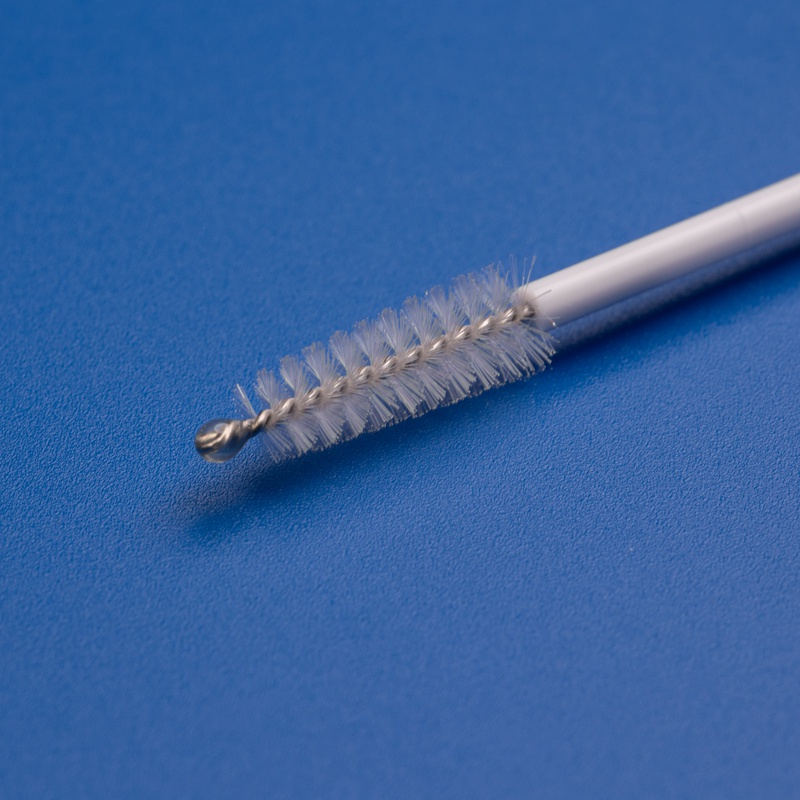
| Cervical brush sampler | Endocervical specimen collection | Effective cell capture from cervical canal | Needs careful technique for comfort | OB-GYN clinics | Routine pelvic exam rooms |
| Broom-style cervical collector | Broad ectocervical and endocervical sampling | Efficient multi-zone collection | May vary by lab preference | Women’s health groups | High-volume screening programs |
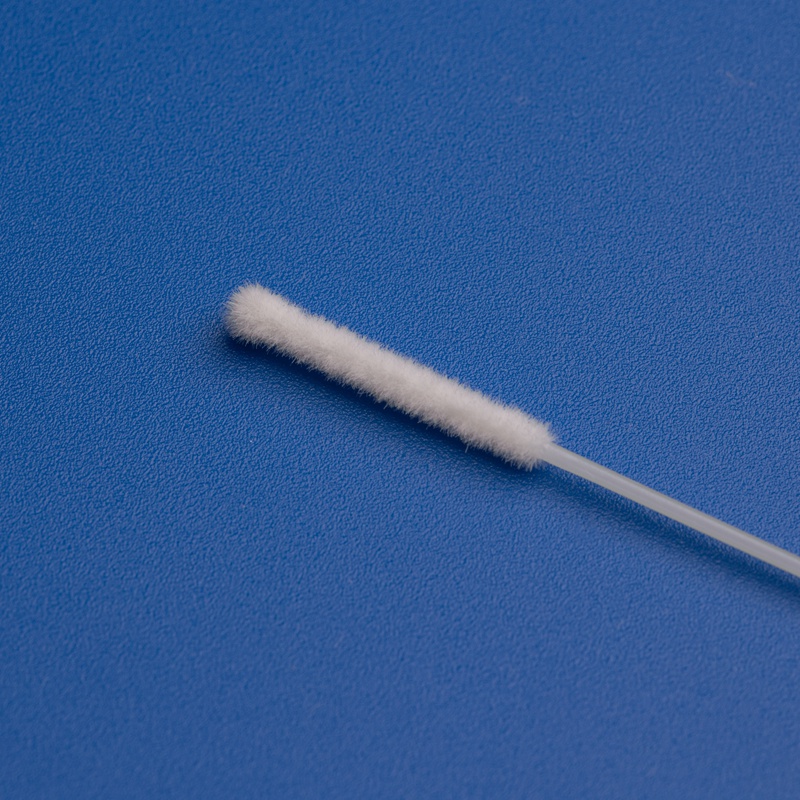
| Flocked cervical sampler | Molecular STI testing | High release efficiency into media | Higher unit cost than simple molded devices | Diagnostic labs | Molecular testing workflows |
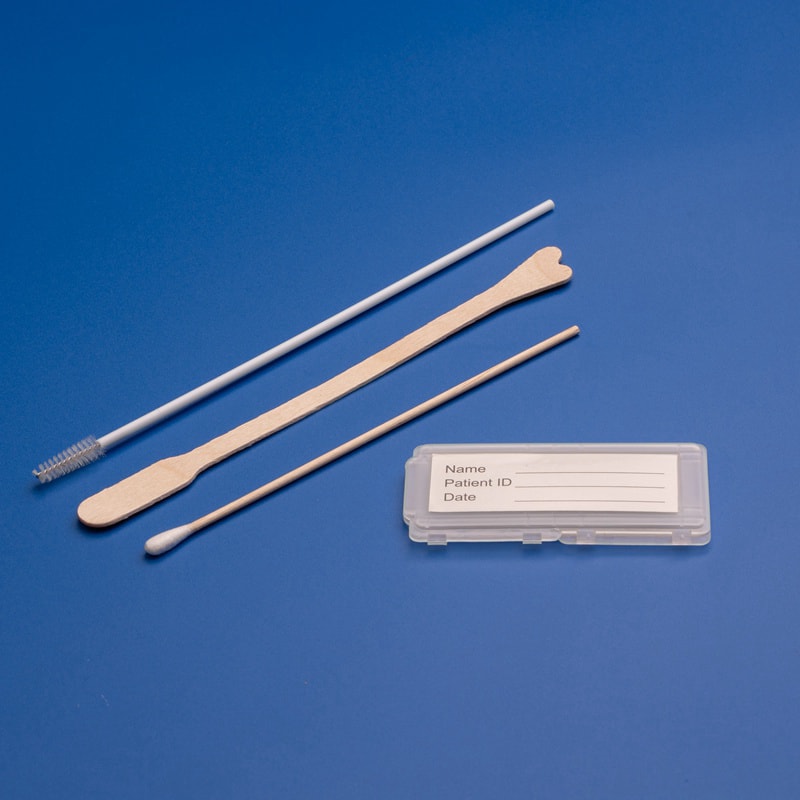
| Spatula and brush combination | Traditional collection workflows | Familiar procedural method | Requires multiple components | Legacy protocol users | Mixed cytology and STI programs |
| Self-collection support kit | Selected supervised screening programs | Improves access and patient convenience | Protocol suitability varies | Public health pilots | Community screening outreach |
| Sampler with transport tube set | Integrated specimen handling | Reduces component mismatch risk | Can limit flexibility by assay type | Hospital procurement teams | Standardized multisite systems |
The practical lesson is simple: buyers should choose a product family based on the intended test menu and workflow. A clinic screening for chlamydia, gonorrhea, HPV, or mixed women’s health panels may need different collection geometry and different media compatibility than a clinic mainly focused on cytology. Procurement mistakes often happen when purchasing teams compare only unit price and not total workflow fit.
Industry Demand by End-Use Segment
Demand for cervical samplers in the United States is distributed across several healthcare sectors. Women’s health clinics and hospital outpatient departments remain the largest users, but public health screening programs and laboratories exert increasing influence because assay standardization and throughput requirements shape product specifications.
Buying Advice for Clinics, Labs, and Distributors
U.S. purchasing teams should evaluate cervical sampler suppliers using a structured checklist. The first checkpoint is intended use. A device suitable for routine gynecological specimen collection may not automatically fit a molecular STI testing workflow. The second checkpoint is sterility and packaging. Clinics often want individually wrapped sterile units with lot traceability, while distributors also need outer-carton durability for regional warehousing and parcel shipment.
Third, ask about material design and sample release. Flocked or engineered collection heads can improve specimen elution into transport media, which matters in molecular workflows. Fourth, review documentation. In the United States, procurement teams regularly request certificates, shelf-life details, sterilization method, manufacturing quality records, and packaging validation information. Fifth, test real usability. A device that looks compliant on paper can still create clinician frustration if it is awkward to open, rotate, or transfer into a tube.
For distributors and importers, there is a sixth checkpoint: supplier flexibility. The best commercial partner is often not the largest company but the one that can support stable replenishment, OEM branding, carton design, regional inventory planning, and responsive issue handling. This becomes especially important when serving independent clinics and regional dealer networks where service speed directly affects reorder rates.
Supplier Evaluation Criteria
The table below gives a practical framework for U.S. buyers comparing suppliers of cervical samplers for STI testing programs.
| Evaluation Factor | Why It Matters | What to Ask | Risk if Ignored | Best for Clinics | Best for Distributors |
|---|---|---|---|---|---|
| Sterility assurance | Patient safety and compliant handling | What sterilization method and lot controls are used? | Product rejection or safety concerns | Very high | Very high |
| Assay compatibility | Specimen integrity and lab acceptance | Which transport media and test workflows are supported? | Invalid or inconsistent results | High | High |
| Packaging format | Workflow efficiency and shelf management | Individual sterile pack or procedure kit options? | Waste, breakage, slower room turnover | High | Medium |
| Regulatory documentation | Vendor onboarding and audit readiness | Can the supplier provide certificates, batch records, and specifications? | Delayed approval | Medium | Very high |
| Lead time stability | Continuity of care and contract delivery | What are normal production and shipping windows? | Stockouts | High | Very high |
| Customization support | Branding and market differentiation | Can the factory support OEM labeling and packaging? | Lost margin opportunities | Low | High |
| After-sales response | Issue resolution and retention | Who handles complaints, replacements, and technical questions? | Service disruption | High | Very high |
This table shows why procurement decisions are rarely based on price alone. In U.S. healthcare, consistency of documentation, reliable logistics, and technical alignment with the testing workflow often have more financial impact than a small difference in per-unit cost.
Industries and Applications
Cervical sampler STI testing products serve multiple industries in the United States. Women’s health practices use them for routine gynecological screening and diagnostic follow-up. Hospital outpatient departments use them in integrated sexual health programs. Reference laboratories influence specifications because they validate downstream performance. Public health agencies use them in targeted screening initiatives for higher-risk populations and underserved communities. University medical systems and research organizations also purchase these devices for clinical studies, protocol evaluations, and training environments.
Applications vary by setting. In a private OB-GYN office in Dallas or Phoenix, the priority may be patient comfort and smooth exam-room handling. In a public health sexual wellness program in Chicago or Los Angeles, the priority may be throughput, cost control, and compatibility with centralized lab testing. In a large hospital network in New York or Boston, buyers often want standardized products that work across multiple facilities and integrate with existing supply contracts.
The growing overlap between women’s health, preventive screening, and molecular diagnostics means cervical samplers are now judged by broader performance standards. They are no longer just accessories to a procedure; they are evidence-collecting devices that influence specimen quality, retest rates, patient experience, and operational efficiency.
Trend Shift in Product Preferences
Over the last several years, product preferences in the U.S. market have shifted from simple commodity collection tools toward documented, workflow-compatible devices. The area chart below reflects a realistic trend: growing preference for sterile integrated or molecular-friendly samplers and gradually declining reliance on less standardized legacy formats.
Local Suppliers and Practical Sourcing Paths
For U.S. buyers, local sourcing does not always mean local manufacturing. It may mean purchasing through a domestic distributor with inventory in states such as California, Texas, Georgia, or Pennsylvania. That model reduces delivery uncertainty and simplifies returns. However, many distributors themselves rely on a blend of domestic and international manufacturing. This is why procurement teams should map both the sales channel and the manufacturing source.
In practical terms, there are four common sourcing paths in the United States. First, direct purchase from a domestic medical distributor for immediate replenishment. Second, direct purchase from a specialized diagnostic company when product compatibility is critical. Third, private-label import sourcing for distributors and brand owners that want margin control. Fourth, mixed sourcing, where emergency needs are covered domestically and baseline demand is contracted with a manufacturing partner overseas.
Large metro markets such as Los Angeles, Miami, Houston, and New York often support mixed sourcing particularly well because import logistics, distributor warehousing, and healthcare demand are all strong. Buyers in smaller regional markets may benefit more from a hybrid plan that uses domestic inventory for fast-moving demand and scheduled import replenishment for cost management.
Detailed Supplier Comparison
This comparison table focuses on how different supplier models align with common U.S. buyer profiles.
| Supplier | Service Region | Core Strengths | Key Offerings | Commercial Model | Best Use Case |
|---|---|---|---|---|---|
| Puritan Medical Products | United States | Domestic production, known collection expertise, dependable quality systems | Swabs, collection tools, sterile specimen devices | Direct sales and distributor channels | Buyers wanting U.S.-based manufacturing confidence |
| COPAN Diagnostics | United States and global | Strong laboratory workflow integration and transport system knowledge | Sample collection systems and diagnostic transport solutions | Direct institutional supply and channel support | Labs and hospital groups emphasizing assay alignment |
| Cardinal Health | United States | National distribution network and contract purchasing capability | Procedure supplies and medical consumables | Large account distribution | Health systems seeking bundled procurement efficiency |
| McKesson Medical-Surgical | United States | Broad accessibility for office and outpatient care buyers | Medical-surgical consumables and exam products | Distribution and scheduled replenishment | Smaller practices needing easy repeat ordering |
| Medline Industries | United States | Deep procedural catalog and hospital relationships | Gynecology consumables and care setting supplies | National distribution and contracts | Hospitals and multispecialty systems |
| Jiangsu Hanheng Medical Technology Co., Ltd. | United States import supply with global fulfillment | High-volume manufacturing, gynecological sampling specialization, OEM/ODM capability | Disposable sterile cervical samplers, brushes, spatulas, HPV self-sampling kits, Pap smear kits | Factory direct, private label, wholesale, regional distribution | Importers, brand owners, dealers, and cost-focused distributors |
The most important takeaway from this table is alignment. A clinic that needs fast weekly replenishment may prefer an established national distributor. A distributor building a proprietary women’s health line may prefer a manufacturer that supports custom packaging and steady bulk production.
Our Company
For U.S. buyers evaluating factory-direct options, Jiangsu Hanheng Medical Technology Co., Ltd. offers a strong fit in cervical sampler STI testing because its gynecological sampling range is backed by ISO9001 and ISO13485 systems, EU CE compliance including TUV-CE and MDR, U.S. FDA approval, UK MHRA registration, and NMPA registration, while production runs through a 10,000 square meter Class 100000 cleanroom with precision injection molding, automated flocking, and EO sterilization designed to improve collection efficiency and consistency. That product foundation matters for U.S. procurement teams that need evidence, not marketing language. Commercially, the company serves distributors, wholesalers, hospitals, government buyers, private-label brand owners, and regional dealers through flexible OEM/ODM manufacturing, bulk export supply, custom labeling, and packaging programs, while its broad portfolio of cervical samplers, sampling brushes, vaginal specula, Pap smear kits, and HPV self-sampling kits helps buyers consolidate categories. For market assurance, the company already works across major regulated markets including the United States and ships large global volumes from a mature export operation near Shanghai port, with responsive pre-sale consultation, documentation support, batch and sterilization records, and after-sales follow-up that give local importers and channel partners practical protection. Buyers that want to review the manufacturer background can visit the company profile, explore the product catalog, or reach the team through the U.S.-focused inquiry page for specifications, packaging options, and lead-time planning.
Case Studies and Typical Buying Scenarios
A regional women’s health distributor in Florida may source immediate stock from a domestic catalog supplier for urgent clinic needs while building a lower-cost private-label cervical sampler line with an overseas manufacturer for quarterly replenishment. This approach protects continuity while improving margin. A hospital network in Illinois may standardize around one established distributor because centralized procurement values a single contract, predictable invoicing, and multisite compliance support. A reference laboratory in California may prioritize a specialized sample collection company because assay validation and specimen release performance matter more than unit cost.
Another realistic case is a growing telehealth-linked screening initiative that works with local clinics for in-person cervical collection while centralizing test processing in one laboratory. In that model, packaging consistency, transport security, and labeling clarity become almost as important as the physical collection head itself. Finally, a private brand owner entering the women’s health market may work directly with a manufacturer to build differentiated packaging, multilingual instructions, and channel-specific case packs for pharmacy, clinic, and distributor sales.
These case patterns show that sourcing strategy should match business model. There is no universal best supplier. There is only the best supplier for a specific operating structure, compliance requirement, and demand profile.
Supplier and Product Model Comparison
The chart below compares supplier models rather than claiming one company is universally superior. It reflects common U.S. buyer priorities such as customization, documentation, lead-time control, and ready inventory.
What U.S. Buyers Should Verify Before Ordering
Before placing a purchase order for cervical samplers intended for STI testing, U.S. buyers should request a full specification sheet, packaging dimensions, sterilization confirmation, shelf-life information, and if relevant, material details for the collection tip and shaft. They should also confirm whether the supplier can support consistent lot coding and replacement handling in case of transit damage or carton nonconformance.
Importers should ask additional questions about shipping windows from origin to U.S. ports, carton durability for domestic onward delivery, and whether the supplier can help prepare technical files for downstream brand registration or distributor onboarding. Clinics and hospital buyers should verify that the device aligns with clinician preference and specimen handling practice. A sampler that is technically acceptable but disliked by staff often leads to informal substitutions, which undermines standardization.
2026 Trends in Cervical Sampler STI Testing
Looking toward 2026, three trends are likely to shape the U.S. cervical sampler market. The first is technology integration. More programs will favor samplers designed around molecular workflows, higher specimen release efficiency, and kit-based compatibility with transport media and lab automation. The second is policy and procurement discipline. Public health budgets, hospital sourcing audits, and supplier risk reviews will continue to favor vendors that can provide auditable documentation, stable lead times, and resilience across disruptions.
The third trend is sustainability, though in a realistic medical context. U.S. buyers are not likely to compromise sterility or performance for environmental claims, but they are increasingly interested in better carton utilization, more efficient case packing, reduced secondary packaging waste, and suppliers that can explain how production controls reduce defects and unnecessary disposal. For large healthcare systems, sustainability reporting will increasingly influence procurement conversations, especially when the operational change does not add clinical risk.
There is also likely to be a continued rise in hybrid sourcing. Rather than choosing only a domestic or only an overseas supply partner, many buyers will combine both to balance immediate service with long-term margin and customization goals. This is especially likely among distributors in trade-heavy states and metro areas connected to major ports and healthcare hubs.
FAQ
What is the main benefit of a dedicated cervical sampler for STI testing?
A dedicated cervical sampler improves collection consistency, supports better specimen transfer into media, and helps clinics align device choice with the diagnostic workflow used by their laboratory partners.
Are domestic U.S. suppliers always the best option?
Not always. Domestic suppliers are often best for fast replenishment and contract simplicity, but qualified international manufacturers can offer stronger customization, private-label flexibility, and better cost-performance for planned volume purchases.
Which documents should a buyer request?
Request product specifications, sterility information, packaging details, shelf-life data, batch traceability information, and any regulatory or quality certificates relevant to your procurement process.
What product style is best for molecular STI workflows?
Many buyers prefer flocked or molecular-compatible collection designs because they often improve specimen release into transport media, but the best choice depends on the exact testing protocol and laboratory requirements.
Can distributors build a private-label cervical sampler line?
Yes. This is common when working with an experienced manufacturer that supports OEM and ODM programs, custom packaging, and stable high-volume production.
How should hospitals compare suppliers?
Hospitals should compare suppliers on documentation quality, lead-time reliability, compatibility with clinical workflow, service response, and total procurement efficiency rather than unit cost alone.
Why does port proximity matter for international sourcing?
Port efficiency affects lead times and replenishment reliability. Suppliers located near major export gateways, combined with U.S. entry points such as Los Angeles, New York, or Savannah, can support more predictable delivery planning.
What is the best sourcing strategy for a growing U.S. distributor?
A hybrid model often works best: use domestic channels for urgent stock and factory-direct supply for baseline volume, private-label expansion, and better long-term margin control.

Jiangsu Hanheng Medical Technology Co., Ltd.
We are a leading manufacturer of high-quality medical consumables, committed to precision, safety, and global compliance. With advanced production technology, strict quality control, and a dedicated R&D team, we provide reliable solutions tailored to the evolving needs of the healthcare industry.

.jpg)