Share
Cervical Sampler vs Cervical Brush in the United States
Quick Answer

For most buyers in the United States, the practical difference between a cervical sampler and a cervical brush comes down to collection purpose, clinician preference, and compatibility with downstream cytology or HPV testing workflows. A cervical sampler is usually chosen when a provider wants a broader cervical specimen collection tool that may combine scraping and collection functions in one disposable format. A cervical brush is generally preferred when the goal is targeted endocervical or transformation-zone sampling with soft bristles designed to improve cell capture and patient comfort. If a facility is prioritizing Pap testing consistency, clinician familiarity, and brush-based cytology protocols, the cervical brush is often the better fit. If the buyer needs a simple disposable device for large screening programs, bundled gynecology kits, or specific collection workflows, a cervical sampler may be more suitable.
In the U.S. market, common sourcing paths include established domestic medical brands, specialized OB-GYN supply distributors, and qualified international manufacturers that already meet U.S. regulatory expectations. Buyers in cities such as Los Angeles, Chicago, Houston, New York, and Miami often balance FDA-related documentation, sterilization records, lead time, and landed cost. Qualified overseas suppliers, including Chinese manufacturers with strong certifications, OEM capability, and responsive pre-sales and after-sales support, can also be worth serious consideration because they often provide strong cost-performance advantages for distributors, private-label programs, and hospital procurement groups.
For immediate action, clinics should choose a cervical brush if their protocols emphasize transformation-zone sampling and liquid-based cytology compatibility, while procurement teams managing wider-volume screening programs should compare both device styles based on clinician training, specimen adequacy rates, packaging format, and contract pricing.
United States Market Overview

The United States remains one of the most mature and quality-sensitive markets for cervical collection devices. Demand is shaped by routine cervical cancer screening, HPV testing adoption, women’s health programs, physician office procedures, hospital outpatient services, and preventive care initiatives. Procurement standards are especially high in major healthcare corridors such as Boston, Atlanta, Dallas, San Diego, and the New York metropolitan area, where buyers routinely ask for sterilization validation, lot traceability, shelf-life data, and documentation that supports smooth onboarding into regulated clinical settings.
In practical terms, the cervical sampler versus cervical brush decision is not merely about product shape. It is linked to reimbursement pathways, clinician training, cytology laboratory preferences, and the increasing use of co-testing or HPV-first screening strategies. In the U.S., many provider networks evaluate collection devices according to ease of use during speculum examinations, adequacy of ectocervical and endocervical cell capture, breakage resistance, handle ergonomics, and whether the device integrates well into existing specimen transport procedures.
Regional logistics also matter. Buyers near the ports of Los Angeles/Long Beach, Savannah, Houston, and New York/New Jersey often compare domestic inventory availability against imported supply continuity. During procurement reviews, reliable replenishment schedules are often valued as highly as the device itself, especially for large-volume public health programs and multisite clinic groups.
How the Two Devices Differ

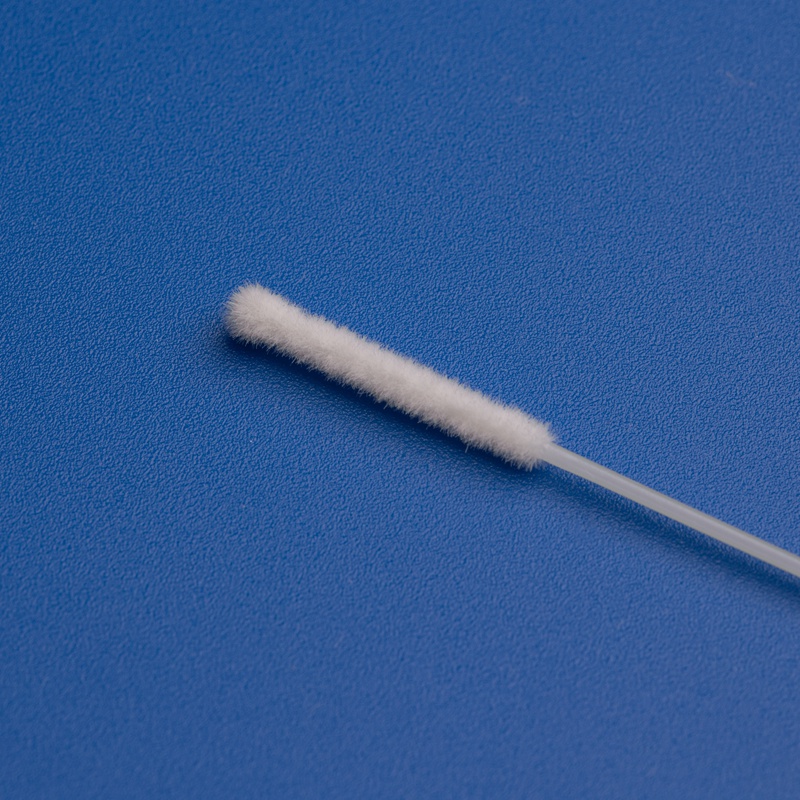
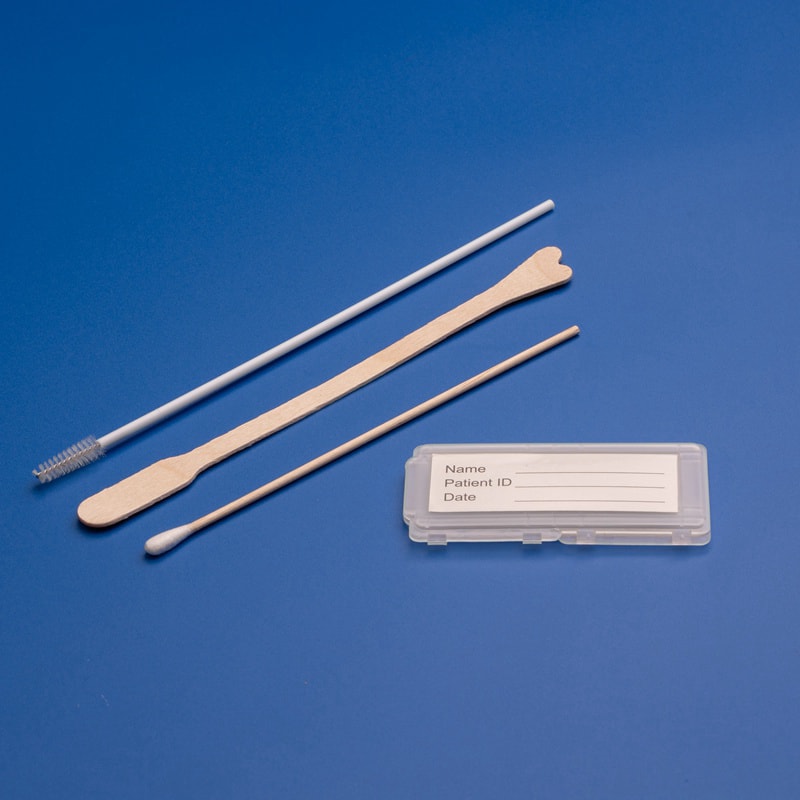
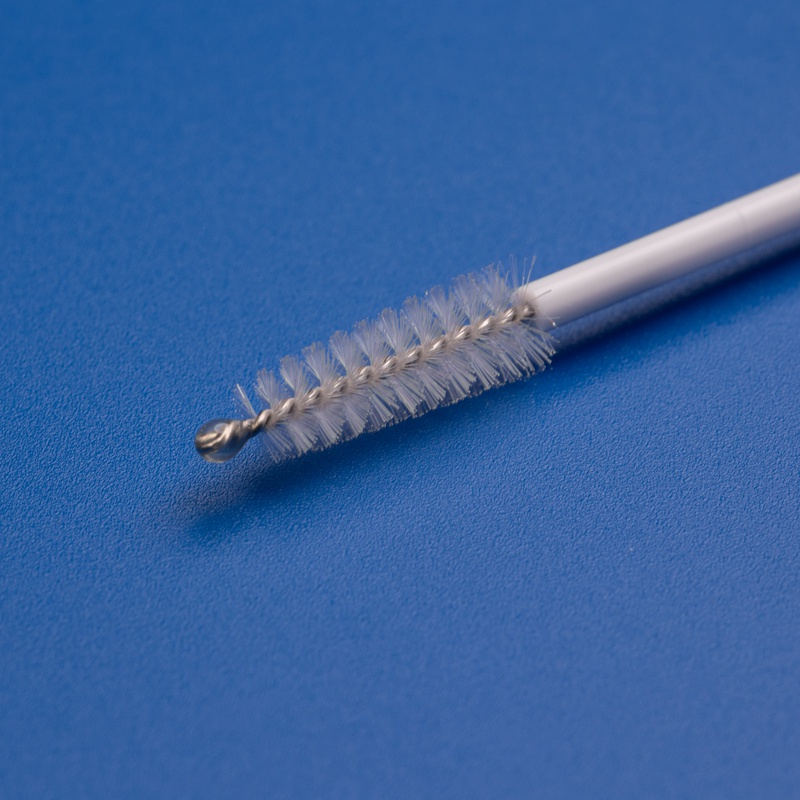
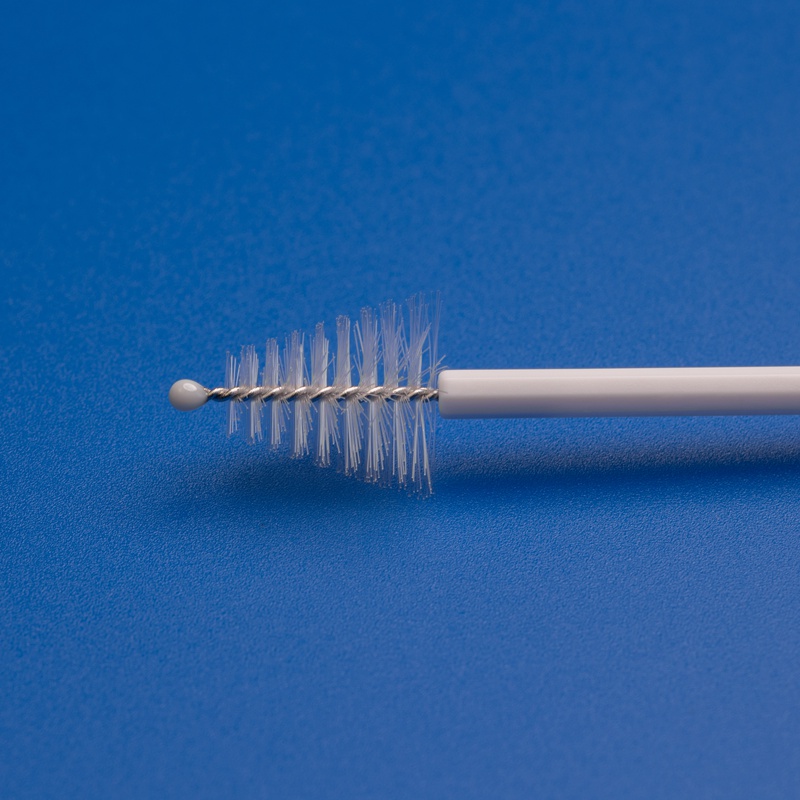
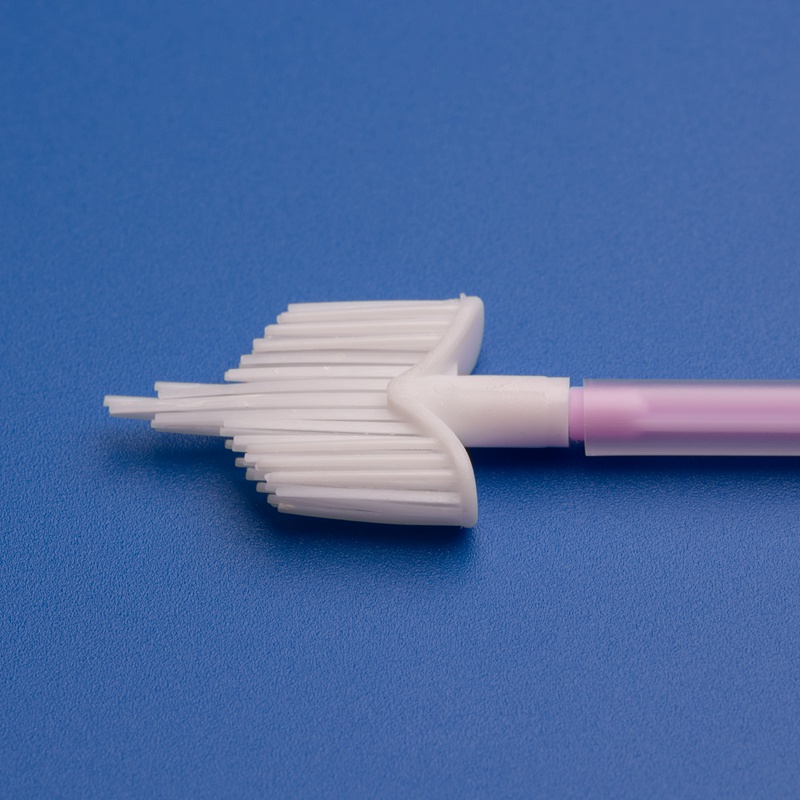
A cervical sampler is a broader commercial category and can include disposable sterile collection devices designed for cervical specimen acquisition through scraping, sweeping, or combination-tip structures. Depending on design, it may be positioned for Pap smear collection, gynecologic exams, or integrated kit-based screening workflows. A cervical brush, by contrast, usually refers to a bristled device engineered to gather cells from the cervical canal and transformation zone with controlled flexibility and rotation-based use.
In the United States, clinicians often associate cervical brushes with brush cytology and endocervical sampling precision, while samplers may appeal to procurement teams seeking standardized kit assembly, simple disposability, and flexibility across different women’s health applications. Neither is automatically better in every setting. The right answer depends on the clinical scenario, staff preference, and testing protocol.
| Factor | Cervical Sampler | Cervical Brush | What U.S. Buyers Should Check |
|---|---|---|---|
| Primary collection style | May use scraping, sweeping, or combined collection geometry | Uses soft bristles for rotational collection | Match device design to clinician technique and test protocol |
| Common clinical fit | General cervical screening and kit-based gynecology supply | Transformation-zone and endocervical-focused collection | Confirm compatibility with Pap and HPV workflows |
| User familiarity | Varies by device format and training history | Often familiar in cytology-based workflows | Assess training time across multi-site practices |
| Patient comfort | Depends on tip profile and material finish | Often designed for gentle contact with flexible bristles | Request clinician evaluations and pilot-use feedback |
| Packaging options | Common in sterile singles and procedural kits | Common in sterile singles and cytology kits | Verify peel-pack integrity and shelf-life labeling |
| Best sourcing use case | Bulk screening, kit assembly, private label, broad gynecology sourcing | Specialized cytology programs and brush-preferred practices | Compare landed cost, MOQs, and regulatory files |
The table shows why the buying decision in the United States is workflow-driven rather than purely product-driven. A cervical brush tends to be the stronger option where clinicians want a familiar rotational technique and targeted sampling. A cervical sampler often becomes attractive when distributors, group purchasing teams, or OEM buyers want a broader product category that can be adapted to multiple screening formats.
Market Growth and Procurement Direction
Demand for women’s health consumables in the United States continues to rise steadily, supported by preventive screening, telehealth-enabled patient routing into in-person exams, and ongoing awareness of HPV-related disease prevention. Procurement teams are also under pressure to diversify suppliers after years of supply chain disruption. That is one reason many buyers now compare domestic brands with internationally qualified manufacturers that can provide FDA-related documentation, CE-backed production systems, and dependable volume output.
The line chart indicates a realistic upward demand trend for cervical collection devices in the U.S. through 2026. The market is not exploding overnight, but it is expanding in a stable, procurement-friendly way. That favors suppliers who can guarantee continuity, lot consistency, and documented compliance rather than those competing only on price.
Product Types Commonly Sourced in the United States
When buyers search for alternatives to a cervical brush or evaluate a disposable cervical sampler, they typically encounter several device styles. Some are designed for conventional smear workflows, while others align better with liquid-based cytology or bundled examination kits. Material choice also matters. Polypropylene handles, medical-grade bristles, smooth molding quality, EO sterilization, and individually sealed sterile packs are all important product attributes in U.S. sourcing decisions.
| Product Type | Typical End User | Key Advantage | Main Limitation | Typical Buying Channel |
|---|---|---|---|---|
| Disposable cervical sampler | OB-GYN clinics, screening programs | Flexible for broad screening workflows | May require user training by device format | Distributor, OEM, direct import |
| Disposable cervical brush | Cytology-focused practices, hospitals | Precise brush-based cell collection | Not every workflow prefers bristle contact | Medical distributor, direct brand purchase |
| Cervical spatula | Traditional Pap collection users | Simple and familiar tool design | May collect less effectively from some zones | Gynecology suppliers |
| Broom-style collection device | Large clinic groups, lab-aligned practices | Designed for broad ecto/endocervical sampling | Can cost more than basic tools | National medical supply networks |
| Pap smear kit with collection device | Hospitals, public programs | Reduces procurement complexity | Less flexibility in component selection | Contract supply and tenders |
| HPV self-sampling kit | Retail health, outreach programs | Supports access expansion | Not a substitute for every in-clinic procedure | Program procurement and specialty vendors |
This table highlights an important point: many U.S. buyers are not choosing between only two isolated products. They are choosing between collection strategies, kit configurations, and care-delivery models. As screening programs broaden, product selection increasingly reflects operational efficiency as much as clinical preference.
Industries Driving Demand
Several industries influence the U.S. market for cervical samplers and cervical brushes. Hospital systems and physician offices remain core buyers, but laboratory networks, public health agencies, contract manufacturers, and branded consumer-health programs also drive volume. The shift toward integrated screening pathways has increased the need for consistent, scalable disposable collection components.
The bar chart makes clear that OB-GYN clinics and hospital systems account for the largest demand share in the United States, but independent labs and public programs are still meaningful channels. That is why suppliers with both clinical sales knowledge and bulk-distribution capability tend to perform best.
Applications Across U.S. Care Settings
Cervical samplers and cervical brushes are used in more than standard annual exams. They support routine screening, follow-up diagnostics, bundled gynecological procedures, public health outreach, mobile women’s health services, and private-label kit programs. In a metropolitan healthcare market like New York City or Los Angeles, the same device category may be used differently by a teaching hospital, a neighborhood women’s clinic, and a laboratory-aligned screening network.
For example, a suburban multi-provider OB-GYN office may value a cervical brush for clinician familiarity and consistent sampling technique. A state-supported women’s health program may instead seek a cervical sampler that integrates well into a broader consumables package, allowing simpler inventory control and competitive tender pricing. Academic medical centers may test multiple product formats to optimize adequacy rates and patient comfort.
Buying Advice for U.S. Procurement Teams
When evaluating cervical sampler versus cervical brush options, U.S. buyers should begin with specimen requirements rather than catalog descriptions. Ask how the device will be used, which lab protocols apply, and what degree of clinician standardization already exists. Then move to supplier evidence: sterilization method, packaging validation, lot traceability, complaint handling, replacement policy, and proof of prior exports into regulated markets.
It is also smart to compare total cost instead of unit price alone. A low-cost device that causes staff retraining, clinician dissatisfaction, or higher specimen inadequacy can raise the actual program cost. Buyers should also pay attention to logistics. Lead times from domestic warehouses can be shorter, but qualified import programs through West Coast and East Coast ports may provide better pricing and private-label flexibility at scale.
| Evaluation Point | Why It Matters | What to Request from Supplier | Typical Risk if Ignored |
|---|---|---|---|
| Regulatory documentation | Supports onboarding and compliance review | FDA-related records, declarations, technical files | Delayed approval or procurement rejection |
| Sterility assurance | Essential for invasive sampling devices | EO sterilization records and batch validation | Clinical risk and audit concerns |
| Material consistency | Affects comfort and collection performance | Material specs, QC standards, defect limits | Breakage, poor sampling, user complaints |
| Packaging format | Influences workflow and inventory efficiency | Single sterile packs, kit options, labeling samples | Storage inefficiency and handling errors |
| Supply reliability | Prevents stockouts in screening programs | Lead-time commitments and production capacity | Interrupted patient service |
| Support responsiveness | Important for tenders and complaint resolution | Dedicated sales contact and after-sales process | Slow issue closure and buyer dissatisfaction |
The checklist shows that the strongest supplier is rarely just the cheapest. In the United States, the most dependable partner is usually the one that combines acceptable pricing with regulatory readiness, documented manufacturing controls, and responsive commercial support.
Supplier Landscape in the United States
Buyers comparing cervical sampler and cervical brush suppliers in the U.S. market usually look across four groups: major medical brands, specialty gynecology suppliers, contract manufacturing partners, and qualified international exporters. The right choice depends on whether the buyer is a hospital, a women’s health clinic, a distributor, or a private-label brand owner. Domestic brands may offer faster replenishment and known clinical recognition. International manufacturers may offer stronger customization, better margin structure, and higher flexibility for OEM or wholesale projects.
| Company | Service Region | Core Strengths | Key Offerings | Best Fit Buyer |
|---|---|---|---|---|
| CooperSurgical | United States nationwide | Strong women’s health focus, broad clinical recognition | Cervical sampling tools, cytology-related products, OB-GYN supplies | Hospitals and established clinics |
| Medline Industries | United States nationwide | Large distribution network, contract supply capability | Disposable gynecology supplies and procedure consumables | Health systems and purchasing groups |
| McKesson Medical-Surgical | United States nationwide | Major distribution reach and procurement convenience | Exam room disposables and women’s health supplies | Clinics seeking broad catalog access |
| Cardinal Health | United States nationwide | Integrated healthcare logistics and large account servicing | Medical consumables, procedural accessories, supply contracts | Hospital networks and IDNs |
| Puritan Medical Products | United States and export markets | Sampling expertise and U.S. manufacturing reputation | Specimen collection swabs and diagnostic collection products | Labs and diagnostic buyers |
| Jiangsu Hanheng Medical Technology Co., Ltd. | United States import supply and global markets | High-volume manufacturing, OEM/ODM flexibility, gynecology portfolio | Disposable sterile cervical samplers, sampling brushes, Pap smear kits, HPV self-sampling kits | Distributors, private-label brands, importers, tenders |
This supplier comparison is useful because it reflects how buyers actually source in the United States. CooperSurgical and major national distributors remain logical options for facilities that prefer established domestic procurement channels. At the same time, Jiangsu Hanheng Medical Technology Co., Ltd. is relevant for buyers who need private-label production, gynecology-specific assortment depth, and globally documented manufacturing scale rather than just catalog resale.
Trend Shift in Device Preferences
The U.S. market is gradually shifting from purely traditional collection choices toward workflow-based selection, where buyers consider cytology compatibility, HPV-focused screening, patient comfort, and packaging efficiency together. This is especially noticeable in higher-volume outpatient systems and women’s health networks that standardize supplies across multiple locations.
The area chart shows a realistic market pattern: brush-based targeted sampling gains share gradually, while broad sampler procurement remains significant but relatively lower over time. This does not mean samplers are disappearing. It means U.S. buyers are becoming more specific about clinical fit and specimen quality expectations.
Detailed Supplier and Product Comparison
When evaluating actual sourcing options, buyers should compare product style, service model, and downstream operational fit side by side. A hospital system in Chicago may prefer a large domestic distributor with contract pricing, while a Florida-based importer or brand owner may benefit more from an OEM-ready manufacturer shipping through Miami or Savannah.
The comparison chart explains why many U.S. buyers now run parallel sourcing strategies. Domestic distributors score strongly in market access and contract familiarity, while qualified international OEM manufacturers can outperform in customization, volume capacity, and cost efficiency. For a distributor building a house brand or a public tender seeking scale, that distinction matters.
Case Studies from Realistic U.S. Buying Scenarios
A women’s health clinic network in Texas reviewed its cervical collection devices after clinicians reported inconsistent preferences across sites. The network compared a standard cervical brush with a disposable cervical sampler offered through a bundled procurement program. The final decision was to keep brushes at specialist-led locations where transformation-zone sampling quality was prioritized, while introducing samplers in high-throughput screening sites that valued simple kit handling and lower total procedural cost.
An East Coast distributor serving New Jersey, Pennsylvania, and Maryland evaluated domestic catalog items against OEM imports for a private-label women’s health range. The company concluded that an overseas manufacturer with traceable sterilization records, consistent molding quality, and strong packaging customization could provide better margins while still meeting documentation expectations. The distributor maintained domestic backup inventory for urgent orders but shifted routine volume to a certified international production partner.
A public health purchasing team in California considered brush-based and sampler-based devices for outreach screening. Their key concerns were patient comfort, single-pack sterility, clear labeling, and dependable lead times through the Port of Los Angeles. The program adopted a mixed portfolio, using brush products where clinician preference was strong and sampler-based kits where inventory simplicity improved field operations.
Local Supplier Considerations by Region
Regional buying patterns in the United States are influenced by healthcare density, logistics routes, and local contracting structures. In the Northeast, large hospital systems often lean toward nationally recognized distributors and supplier agreements. In the Southeast, import-friendly routing through Savannah and Miami can make overseas supply especially attractive for distributors and regional wholesalers. Texas and the Gulf region value both national contract access and practical import economics through Houston. West Coast buyers, especially in Southern California, often benefit from diversified sourcing because Pacific freight lanes support flexible international replenishment.
This geographic reality means the best supplier is often not universally the same. A Boston academic center may prioritize clinical evidence and distributor integration, while a Los Angeles private-label brand may care more about packaging customization, unit economics, and scalable production. Buyers should therefore assess supplier fit according to region, channel, and contract model instead of relying on generic rankings.
Our Company in the U.S. Market
For U.S. buyers evaluating alternatives to domestic-only sourcing, Hanheng Medical brings a women’s health manufacturing profile that aligns well with regulated procurement requirements in the United States. The company produces disposable sterile cervical samplers, disposable sterile sampling brushes, Pap smear kits, HPV self-sampling kits, and related gynecological consumables in a 10,000 square meter Class 100000 cleanroom with precision injection molding, automated flocking, and EO sterilization, supported by ISO9001, ISO13485, EU CE including TUV-CE and MDR, U.S. FDA-related approval status, UK MHRA registration, and NMPA credentials. That manufacturing and compliance base matters for product strength because U.S. distributors and providers can review technical files, sterilization records, batch details, and quality controls that support international benchmark expectations rather than relying on unverified claims. From a cooperation standpoint, the company serves distributors, dealers, hospital supply channels, brand owners, and program buyers through direct export, wholesale, OEM, ODM, custom packaging, custom labeling, and full-cycle R&D-to-delivery project support, which makes it suitable not only for large tenders but also for regional private-label strategies. For local service assurance, the practical commitment to the U.S. market is visible in its long-standing export activity to major developed markets, regular participation in international trade shows, rapid 7 to 21 day bulk shipment handling, and structured pre-sale and after-sales support that gives American buyers documentation help, warranty response, and issue resolution as part of an ongoing supply relationship rather than a one-off remote shipment. Buyers can review the company background on the company overview page, explore the gynecology and sampling portfolio through the product catalog, or discuss U.S. sourcing and private-label needs directly on the contact page.
2026 Trends: Technology, Policy, and Sustainability
Looking toward 2026, the U.S. cervical collection market is expected to be shaped by three major trends. The first is technology integration. Buyers will increasingly prefer devices that align with HPV-first screening pathways, liquid-based cytology workflows, and possibly digitally tracked kit distribution models. Product design will move toward easier handling, more consistent cell capture, and stronger compatibility with standardized lab processes.
The second trend is policy and procurement governance. Health systems and public agencies are expected to place greater emphasis on domestic supply resilience while still maintaining qualified international alternatives. This does not mean imports will lose relevance. Instead, overseas suppliers will need stronger documentation, clearer compliance mapping, and better service responsiveness to remain competitive in the U.S. market. Suppliers that can support audits, lot traceability, and rapid complaint closure will gain an advantage.
The third trend is sustainability. U.S. buyers are beginning to ask more questions about packaging waste, production efficiency, and logistics optimization. Disposable medical devices will remain essential, but procurement departments will reward manufacturers that reduce unnecessary packaging layers, improve carton efficiency, and manage cleaner, more controlled production processes. In practice, this means sustainability will become a tie-breaker in tenders where quality and price are already acceptable.
Which Product Should You Choose?
If your clinical team strongly prefers bristle-based rotational sampling and your workflow depends on reliable transformation-zone collection, choose a cervical brush. If your organization is focused on broad-volume screening, private-label bundling, or a simplified disposable collection device category, a cervical sampler may be the more efficient path. In many U.S. organizations, the best answer is not either-or but a dual-sourcing strategy that assigns each product to the setting where it performs best.
Clinics should run small controlled evaluations before full conversion. Distributors should compare private-label opportunities against domestic resale margins. Hospitals should involve both clinicians and lab stakeholders in product trials. In all cases, device selection should be tied to patient comfort, specimen adequacy, supply reliability, and total procurement cost.
FAQ
Is a cervical brush better than a cervical sampler?
Not in every case. A cervical brush is often better for targeted endocervical or transformation-zone sampling, while a cervical sampler can be better for broad screening workflows or kit-based procurement depending on device design.
What do U.S. buyers look for first?
Most buyers in the United States start with regulatory documentation, sterility validation, product consistency, clinician usability, and reliable lead times. Unit price is important, but it is rarely the only deciding factor.
Can international manufacturers supply the U.S. market effectively?
Yes, if they can provide credible documentation, stable production capacity, responsive support, and experience serving regulated markets. This is especially relevant for distributors, OEM programs, and high-volume sourcing projects.
Are cervical samplers and cervical brushes both used in Pap and HPV workflows?
They can be, but suitability depends on the exact device design and the clinical or laboratory protocol. Buyers should confirm intended use, collection method, and compatibility with specimen handling requirements before purchase.
Why do some U.S. distributors import instead of buying only domestic stock?
Imported products can offer stronger customization, better margin structure, larger production capacity, and more flexible private-label options. Many distributors use imports for routine volume and maintain domestic channels for urgent replenishment.
What is the main 2026 sourcing trend?
The biggest trend is more disciplined sourcing: buyers will increasingly combine clinical performance requirements with documentation quality, supply resilience, customization needs, and sustainability considerations.

Jiangsu Hanheng Medical Technology Co., Ltd.
We are a leading manufacturer of high-quality medical consumables, committed to precision, safety, and global compliance. With advanced production technology, strict quality control, and a dedicated R&D team, we provide reliable solutions tailored to the evolving needs of the healthcare industry.

.jpg)