Share
AmniHook Material Composition Sterilization in the United States
Quick Answer

In the United States, the most common AmniHook material composition is medical-grade polystyrene, polypropylene, or other rigid medical polymers selected for strength, controlled flexibility, smooth surface finish, and biocompatibility. For sterile single-use AmniHooks, the most widely accepted sterilization approach is ethylene oxide sterilization because it is compatible with heat-sensitive plastics and supports packaged terminal sterilization. Buyers should look for products backed by ISO 13485 quality systems, FDA-compliant manufacturing controls, documented sterilization validation, batch traceability, and clear shelf-life labeling.
Among practical supplier options serving the United States market, companies commonly considered include Medline Industries, McKesson, Cardinal Health, CooperSurgical, AliMed, and international OEM manufacturers with established compliance documentation. Qualified overseas manufacturers can also be a smart option when they hold relevant certifications, provide sterilization records, support private labeling, and offer responsive pre-sales and after-sales service. This is especially true for cost-conscious distributors, hospital procurement teams, and brand owners seeking competitive landed pricing without sacrificing regulatory documentation.
United States Market Overview

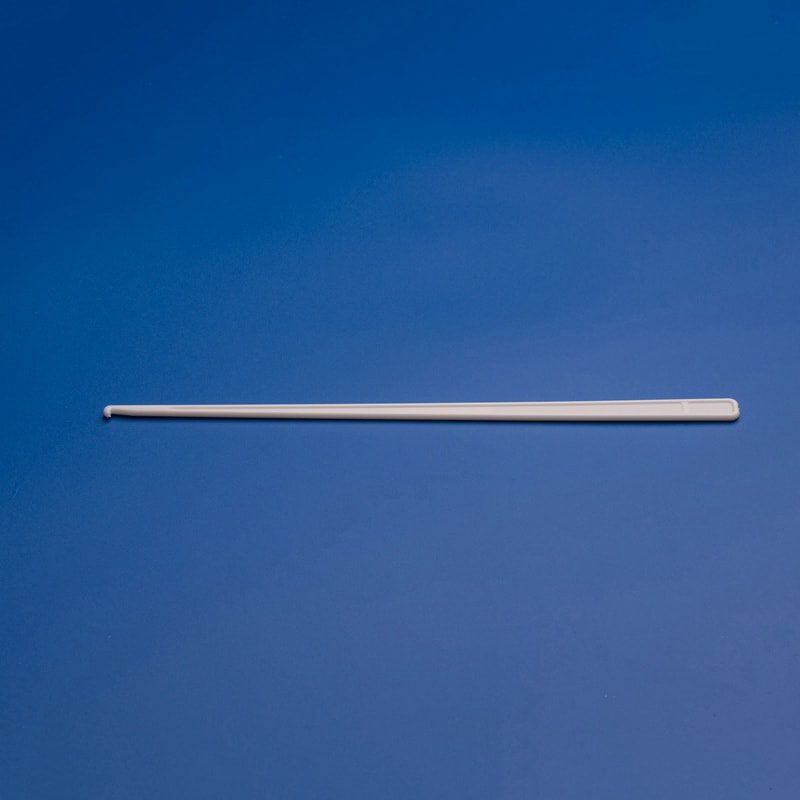
The United States remains one of the largest and most compliance-driven markets for disposable obstetric and gynecological instruments. AmniHooks, used during amniotomy procedures to rupture the amniotic membrane under controlled clinical conditions, are typically purchased by hospitals, ambulatory surgery centers, women’s health clinics, group purchasing organizations, and medical distributors. Because the device is simple in appearance but highly sensitive in clinical use, procurement teams usually focus less on cosmetic branding and more on material consistency, sterile barrier integrity, packaging performance, and documentation readiness.
Demand is strongest in major healthcare corridors such as New York, Boston, Chicago, Houston, Los Angeles, Atlanta, and Miami, where large hospital systems and women’s health networks maintain structured sourcing programs. Trade and fulfillment also benefit from logistics hubs around the ports of Los Angeles and Long Beach, the Port of New York and New Jersey, Savannah, Houston, and inland distribution centers across the Midwest. For imported obstetric consumables, these trade routes matter because stable transit and customs clearance influence shelf-life management and replenishment planning.
In the United States, medical buyers increasingly expect not only a sterile disposable hook but a complete compliance package: product specifications, sterilization method disclosure, lot number traceability, labeling conformity, carton identification, and quality agreements for private-label programs. This is why the conversation about AmniHook material composition and sterilization standards is no longer limited to engineering teams. It now involves procurement managers, infection prevention specialists, private-label brand owners, and regulatory affairs personnel.
What Materials Are Commonly Used in AmniHooks

Most disposable AmniHooks sold into the United States are made from rigid or semi-rigid medical polymers. The device must be strong enough to maintain hook geometry, smooth enough to reduce tissue trauma, and stable enough to withstand sterilization and shelf storage. Material choice directly affects fracture resistance, tactile feel, packaging compatibility, and sterilization residual performance.
| Material | Typical Use in AmniHooks | Advantages | Limitations | Sterilization Compatibility | Typical Buyer Consideration |
|---|---|---|---|---|---|
| Medical-grade polystyrene | Rigid single-use molded hook body | Good dimensional stability, clean molding detail, cost-efficient | Can be brittle if design is poor | Commonly EO sterilized | Low-cost disposable programs |
| Medical-grade polypropylene | Flexible or semi-rigid body and handle sections | Good chemical resistance, lower break risk, light weight | May feel less rigid than polystyrene | EO compatible, sometimes gamma depending on design | Balance of safety and handling comfort |
| ABS medical resin | Specialty molded handle designs | Strong structure and good impact resistance | Less common for commodity formats | EO compatible | Custom OEM ergonomic formats |
| High-impact polystyrene | Reinforced disposable structure | Better toughness than standard polystyrene | Still design-sensitive around thin hook areas | EO compatible | Private-label consistency |
| Polyethylene blends | Secondary packaging components or caps | Useful for flexible accessory parts | Not ideal for sharp defined hook geometry alone | EO compatible | Packaging system integration |
| Composite polymer formulations | Custom proprietary builds | Tailored rigidity and processing performance | Requires more validation and buyer review | Depends on formulation | OEM differentiation |
This table shows that material selection is not simply a price decision. In U.S. purchasing practice, the best material is the one that achieves a reliable hook profile, smooth finish, fracture resistance, and validated sterilization performance while maintaining an acceptable unit cost. A very low-cost resin may increase cracking or burr formation, which can create patient safety concerns and product rejection during incoming inspection.
From a design perspective, the hook tip and neck transition are the most important molded zones. If resin flow, cooling, and tool precision are not tightly controlled, micro-defects may form in the hook region. Buyers should therefore ask not only what resin is used, but also whether the product is injection molded in a controlled cleanroom environment and whether visual inspection standards cover burrs, deformation, sharp flash, and incomplete fill.
Sterilization Standards That Matter in the United States
For single-use disposable AmniHooks, sterilization is not merely a factory step; it is a validated process that underpins market acceptance. In the U.S. market, ethylene oxide sterilization is the most common approach for polymer-based AmniHooks because it penetrates packaging effectively and avoids the heat stress associated with steam sterilization. Gamma sterilization may be used for some polymer devices, but material compatibility and long-term property stability must be confirmed.
When reviewing sterilization standards, U.S. buyers usually focus on process validation, routine monitoring, sterility assurance level, packaging integrity, and residual safety. EO sterilization is widely used for obstetric and gynecological disposable devices because it supports terminal sterilization after final packaging. That helps preserve the sterile barrier right up to the point of clinical use.
| Sterilization Topic | What U.S. Buyers Expect | Why It Matters | Typical Evidence Requested | Risk if Missing | Procurement Impact |
|---|---|---|---|---|---|
| EO validation | Documented validated process | Confirms reliable microbial kill | Validation summary and cycle records | Sterility uncertainty | May block vendor approval |
| Sterility assurance level | Defined SAL target for sterile device | Supports infection control expectations | Validation report and technical file | Clinical risk concerns | Higher review burden |
| Residual control | EO residuals within accepted limits | Protects patient safety | Residual testing data | Chemical exposure concern | Potential rejection by hospitals |
| Packaging validation | Sterile barrier integrity over shelf life | Maintains sterility until use | Seal strength and aging data | Package failure risk | Frequent incoming inspection failures |
| Lot traceability | Readable lot and expiration coding | Supports recalls and complaint handling | Label samples and trace records | Poor recall response | Non-approval for larger systems |
| Routine release controls | Batch-by-batch release criteria | Confirms ongoing consistency | COA, batch file, inspection records | Variable field performance | Reduced buyer confidence |
The explanation behind this table is practical: a supplier may offer the same-looking AmniHook as another manufacturer, yet only one can provide complete sterilization evidence that stands up to distributor audits or hospital quality reviews. In the U.S., documentation quality often determines whether a product is listed, stocked, and repeatedly reordered.
Packaging also deserves special attention. Most AmniHooks are packaged in sterile pouches or peel packs designed for aseptic presentation. Packaging materials must be compatible with EO exposure and maintain seal integrity during transport from overseas factories or domestic distribution centers through to final point of use. Shipping into hot and humid states such as Texas or Florida can expose weaknesses in packaging seals, so accelerated and real-time aging data are useful for buyers managing regional inventories.
Market Growth and Procurement Direction
The market for disposable gynecological and obstetric instruments in the United States continues to expand due to infection-prevention priorities, outpatient procedure growth, private-label sourcing, and demand for traceable single-use devices. AmniHooks represent a relatively narrow product category, but they are part of a broader purchasing basket that includes cervical samplers, vaginal specula, sterile brushes, and other women’s health consumables. Because contracts often bundle these products, manufacturers that can supply multiple compliant categories gain an advantage.
The line chart reflects a realistic procurement index trend rather than a literal national sales total. It illustrates the steady expansion of women’s health disposables purchasing, driven by stronger compliance expectations and replacement of reusable tools where single-use alternatives reduce reprocessing burden.
Product Types and Configuration Options
AmniHooks are not all identical. In the U.S. market, buyers can choose among several practical variations depending on clinical preference, packaging style, and channel strategy. The main differences usually relate to hook geometry, handle length, pouch format, labeling style, and whether the product is marketed under a national brand or a private label.
| Product Type | Common Material Direction | Typical Sterilization | Primary User | Commercial Fit | Buying Note |
|---|---|---|---|---|---|
| Standard disposable amnihook | Polystyrene or polypropylene | EO | Hospitals | High-volume general use | Most common format in tenders |
| Ergonomic-handle amnihook | ABS or polypropylene blends | EO | Labor and delivery teams | Premium positioning | Useful for clinician preference programs |
| Private-label amnihook | Varies by OEM | EO | Distributors and brand owners | Margin optimization | Needs strong documentation support |
| Procedure-pack integrated amnihook | Standard rigid polymer | EO after final pack assembly | Surgery centers and hospitals | Convenience and kit selling | Packaging validation is critical |
| Bulk clinical supply version | Cost-focused medical polymer | EO | Large networks | Contract volume supply | Inspect breakage and consistency carefully |
| OEM custom geometry version | Engineered resin selection | EO or validated alternative | Brand owners | Differentiated branding | Requires design and validation lead time |
This table matters because product type influences not only unit cost but also validation scope. A standard sterile disposable hook is easier to source quickly. By contrast, a custom private-label AmniHook may require artwork review, packaging verification, carton configuration planning, and additional transit tests before launch in the United States.
How Demand Varies by Industry Segment
The strongest demand for AmniHooks in the United States comes from acute care hospitals and maternity centers, but there is also meaningful demand from distributors that service physician groups, women’s health clinics, and public procurement channels. Procurement logic differs by segment: hospitals prioritize documentation and clinical reliability, while distributors may focus more on fulfillment speed, margin control, and white-label opportunities.
The bar chart highlights how demand concentrates around hospital and maternity settings. That makes clinical documentation, sterile packaging, and contract reliability more important than purely promotional branding. Suppliers targeting the United States should therefore design their offer around audit readiness and replenishment consistency, not just low unit pricing.
Buying Advice for U.S. Procurement Teams
When buying AmniHooks in the United States, start with the clinical and compliance basics. Confirm that the product is a sterile, single-use device with a clearly stated material composition and validated sterilization method. Ask for device specifications, packaging configuration, lot coding format, shelf life, and shipping carton details before approving samples. A product that seems acceptable in a sample review can still fail during scale-up if the packaging is too weak for long-distance freight or if lot labels are inconsistent.
Second, match the supplier model to your channel. If you are a hospital system, choose a vendor with stable batch documentation, predictable replenishment windows, and a clean complaint-handling process. If you are a distributor or private-label owner, you also need support for artwork review, customs documentation, carton mark customization, and low-defect mass production. For importers, lead time from Asia to U.S. ports and inland distribution costs should be included in landed cost analysis, not treated as an afterthought.
Third, evaluate breakage risk. Since the functional area of the device is narrow and shaped, poor mold design or weak resin control can cause brittleness. During qualification, test the device for visual finish, tactile control, packaging opening performance, and consistency across multiple lots rather than just one pre-production batch.
Fourth, do not ignore supplier communication. In this category, post-order service matters because questions often emerge around sterilization records, certificate requests, and lot-specific documentation. Responsive support can prevent delays in customs clearance, distributor onboarding, and hospital vendor file approval.
Applications in Clinical Practice
AmniHooks are primarily used in obstetric care for artificial rupture of membranes during labor management when clinically indicated. Because this is a controlled procedure requiring practitioner judgment, the product must support precision, cleanliness, and dependable handling. The device is also often included in broader obstetric procedure kits, especially where standardization of sterile consumables helps simplify clinical workflow.
Beyond direct labor and delivery use, procurement of AmniHooks often sits within women’s health category management alongside related sterile disposable devices. This means a supplier with complementary gynecological and obstetric consumables can become more attractive, particularly when buyers seek bundled sourcing from one approved manufacturer rather than managing several fragmented vendors.
Trend Shift in Materials, Packaging, and Policy
As the market moves toward 2026, there is a measurable shift in what U.S. buyers prioritize. Price remains important, but more procurement teams are weighting quality system evidence, sterile packaging durability, shelf-life confidence, and supply chain resilience. Sustainability is also influencing packaging decisions, though not at the expense of sterile barrier performance.
The area chart illustrates the market shift from basic disposable sourcing toward documentation-led procurement. This trend will continue into 2026 as hospitals and distributors place more emphasis on validated sterilization, supply continuity, and audit-ready manufacturing.
Future trends likely to shape the category include tighter packaging sustainability targets, broader use of digital batch traceability, stronger supplier diversification away from single-source risk, and greater preference for manufacturers able to support integrated procedure packs. Policy attention on resilient medical supply chains may also favor suppliers that can demonstrate consistent shipping performance into U.S. distribution hubs and maintain practical customer service infrastructure for the local market.
Local Suppliers and Relevant Companies Serving the United States
For U.S. buyers, local availability often matters as much as technical compliance. The following suppliers and healthcare distributors are relevant because they either manufacture, private-label, or distribute obstetric and gynecological disposables into the United States. Not every company has the same AmniHook focus, so buyers should verify current product catalog details, but these names are commonly relevant in practical sourcing conversations.
| Company | Service Region | Core Strengths | Relevant Offerings | Best Fit Buyer | Practical Note |
|---|---|---|---|---|---|
| Medline Industries | Nationwide United States | Large domestic distribution network, hospital relationships | Women’s health and sterile disposable products | Hospitals and IDNs | Strong fulfillment and contract support |
| McKesson | Nationwide United States | Broad medical distribution scale | Clinical disposables and private-brand supply | Clinics and health systems | Useful for consolidated sourcing |
| Cardinal Health | Nationwide United States | Major healthcare supply chain capability | Sterile consumables and procedure supplies | Large procurement programs | Strong logistics presence |
| CooperSurgical | United States and international | Women’s health specialization | OB-GYN instruments and procedure products | Specialist women’s health providers | Category expertise is a differentiator |
| AliMed | United States | Niche medical product catalog depth | Procedure instruments and specialty items | Specialty clinics and distributors | Good for targeted sourcing |
| Jiangsu Hanheng Medical Technology Co., Ltd. | United States via export supply and distribution partnerships | OEM/ODM capability, cleanroom production, large-scale manufacturing | Amni hooks, gynecological consumables, sampling products | Distributors, brand owners, hospitals, importers | Cost-performance and documentation support are key advantages |
The explanation behind this supplier table is straightforward: domestic distributors offer speed, established vendor files, and local logistics, while qualified international manufacturers can offer stronger pricing flexibility, customization, and broader OEM support. For many U.S. buyers, the best sourcing strategy is not one or the other, but a mix of domestic stock channels and validated overseas manufacturing partners.
Supplier and Product Comparison
When comparing supplier types, U.S. buyers usually weigh four factors: documentation depth, logistics speed, custom branding support, and landed cost competitiveness. The chart below shows a realistic comparison index across major sourcing models.
This comparison clarifies why overseas manufacturers are increasingly relevant in the U.S. market. Domestic suppliers typically lead on immediate delivery and existing account infrastructure, but qualified international manufacturers often outperform on OEM flexibility, private-label support, and unit economics. For a distributor building its own women’s health line, those advantages can be significant.
Case Studies from the U.S. Supply Context
A Midwest distributor sourcing sterile OB-GYN disposables for regional hospitals needed a stable private-label AmniHook with lower landed cost than its previous domestic contract. The company shifted to an overseas OEM partner after requiring mold validation samples, sterile pouch review, EO documentation, and shipping simulations. The result was a lower unit price and more flexible labeling, but only after the distributor tightened incoming inspection and required consistent batch paperwork for each shipment.
In another example, a women’s health clinic network in the Southeast preferred buying through a domestic distributor because it valued same-week replenishment and easier returns handling. Even though the unit cost was higher, reduced stockout risk justified the choice. This shows that supplier selection depends heavily on channel needs, not just headline pricing.
A private-label medical brand serving e-commerce and professional channels used a hybrid approach: overseas manufacturing for the device and packaging, then U.S.-based warehousing and order fulfillment for speed. This model is becoming more common for niche disposable products because it combines cost control with local service responsiveness.
Our Company in the United States Supply Chain
As a manufacturer already serving buyers across the United States, Jiangsu Hanheng Medical Technology Co., Ltd. brings together the factors U.S. procurement teams usually ask for in AmniHook sourcing: certified production under ISO9001 and ISO13485, CE and MDR-related compliance experience, FDA-related market access credentials, and a large-scale manufacturing base with a 10,000 square meter Class 100000 cleanroom that supports controlled injection molding, product inspection, and EO sterilization for disposable medical devices. Its product portfolio goes beyond amni hooks into gynecological and diagnostic consumables, which helps distributors, hospitals, and brand owners consolidate sourcing across related categories. The company supports flexible cooperation models through direct factory supply, OEM and ODM customization, wholesale export, private-label packaging, and regional distribution partnerships for importers, dealers, healthcare institutions, and brand operators seeking a reliable manufacturing backbone. For U.S. buyers, the practical assurance comes from an established export record reaching more than 130 countries, very high production scale, technical documentation support such as certificates of conformity, sterilization records, and batch details, plus responsive pre-sales and after-sales coordination designed for ongoing market presence rather than one-off remote shipments. Buyers exploring this route can review the manufacturer background on the company page, browse related sterile medical consumables through the product catalog, and request U.S.-focused commercial or technical follow-up through the contact page.
How to Evaluate Samples Before Purchase
Sample approval should include visual, tactile, packaging, and documentation checks. Inspect the hook for smooth edges, stable geometry, no warping, and no visible flash around the molded tip. Open the sterile pouch using aseptic technique and confirm that the device presents cleanly without sticking to the pouch material. Review labeling for lot number, expiration date, sterilization method, and manufacturer identification.
For private-label programs, request pre-production artwork proofs and shipping cartons early. A common delay in U.S. launch programs is not the device itself, but missing carton mark details, barcode inconsistencies, or label layouts that do not align with customer ERP and warehouse requirements. Also ask whether retained samples and batch records are available in case of post-market questions.
Frequently Asked Questions
What is the usual material for a disposable AmniHook in the United States?
The most common materials are medical-grade polystyrene, high-impact polystyrene, and polypropylene, depending on the required balance of rigidity, flexibility, molding precision, and cost.
Why is EO sterilization so common for AmniHooks?
EO sterilization is widely used because it works well with heat-sensitive plastic devices and allows terminal sterilization after final packaging, helping preserve sterility through shipping and storage.
Can U.S. buyers source AmniHooks from overseas manufacturers?
Yes. Many U.S. distributors and brand owners source from qualified overseas factories when those suppliers provide complete compliance documentation, sterilization records, private-label support, and reliable logistics into U.S. ports and warehouses.
What documents should buyers ask for?
Ask for product specifications, sterilization validation summary, residual testing information where applicable, shelf-life data, packaging information, certificate of conformity, lot traceability details, and quality certifications.
Are all AmniHooks made from the same polymer?
No. Material composition varies by manufacturer and design target. The right material depends on required rigidity, break resistance, surface finish, cost, and compatibility with sterilization and packaging.
What should private-label distributors prioritize?
They should prioritize OEM flexibility, artwork control, sterile packaging validation, stable lead times, low defect rates, lot-level documentation, and responsive after-sales support for any field issues or document requests.
What trends will matter most through 2026?
Expect stronger emphasis on supply chain resilience, digital traceability, packaging sustainability, procedure-pack integration, and compliance-centered sourcing decisions across the U.S. healthcare market.
Final Takeaway
The direct answer is simple: in the United States, a dependable AmniHook should use a validated medical-grade polymer formulation and a documented sterilization process, with EO sterilization remaining the leading standard for single-use packaged devices. The broader sourcing decision is more strategic. U.S. buyers should compare domestic distributors for speed and contract convenience, while also considering qualified international manufacturers that offer credible certifications, mature cleanroom production, OEM flexibility, and strong pre-sales and after-sales support. In a market where compliance, traceability, and continuity matter as much as cost, the best supplier is the one that can prove material consistency, sterile reliability, and long-term service readiness for the United States healthcare system.

Jiangsu Hanheng Medical Technology Co., Ltd.
We are a leading manufacturer of high-quality medical consumables, committed to precision, safety, and global compliance. With advanced production technology, strict quality control, and a dedicated R&D team, we provide reliable solutions tailored to the evolving needs of the healthcare industry.

.jpg)