Share
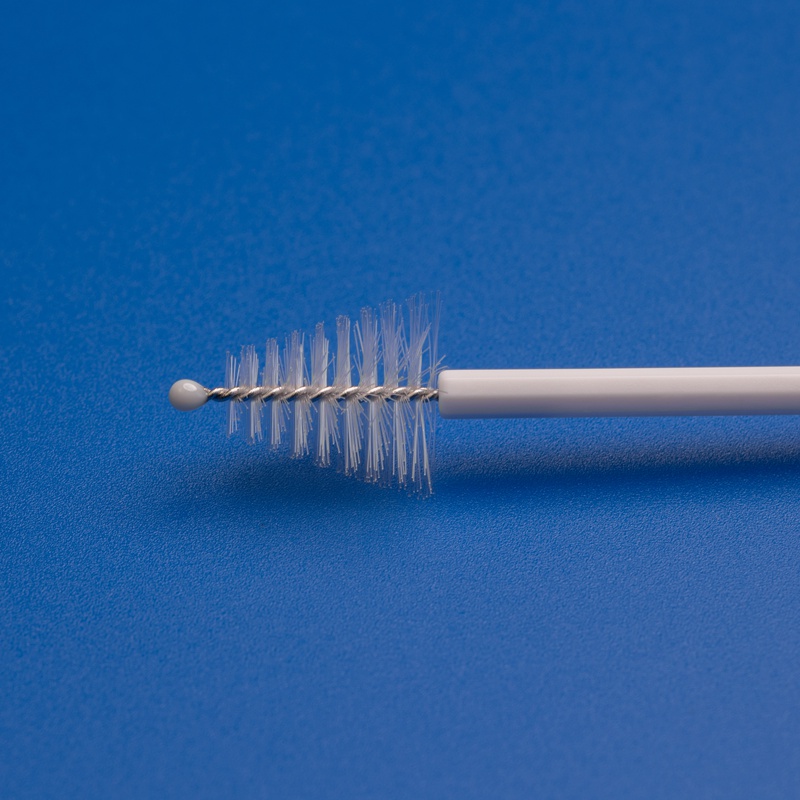
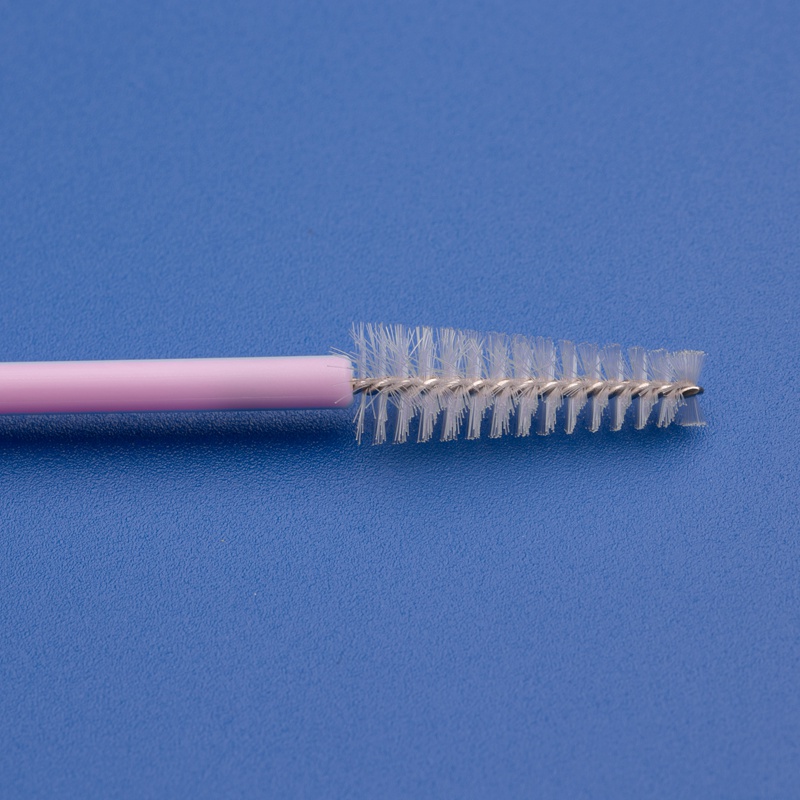
Detachable Head Cervical Cytology Brush Options in the United States
Quick Answer

If you need a detachable head cervical cytology brush in the United States, the most practical shortlist includes CooperSurgical, Medgyn Products, Puritan Medical Products, Cardinal Health, and McKesson as widely recognized supply channels for gynecology and specimen collection workflows. These companies are relevant for hospitals, physician groups, outpatient clinics, distributors, and procurement teams that need dependable access, regulatory familiarity, and established domestic delivery coverage.
For buyers comparing performance and total landed cost, the best option depends on whether the priority is Pap testing workflow compatibility, sterile single-use packaging, private labeling, distributor pricing, or large contract supply. U.S. buyers should also consider qualified international manufacturers that already serve the American market with FDA-related compliance experience, documented quality systems, and responsive pre-sale and after-sale support. In many cases, certified Chinese manufacturers offer a strong cost-performance advantage for bulk procurement, OEM programs, and regional distribution expansion.
- CooperSurgical: strong fit for hospitals and women’s health networks needing established gynecologic sampling portfolios.
- Medgyn Products: practical for OB-GYN practices and distributors looking for procedure-focused women’s health products.
- Puritan Medical Products: relevant when specimen collection quality and domestic manufacturing reputation are top priorities.
- Cardinal Health: useful for large integrated delivery networks that prefer broad contract purchasing and logistics support.
- McKesson: a common route for clinics and multi-site practices seeking dependable nationwide medical supply distribution.
- Qualified overseas suppliers such as Jiangsu Hanheng Medical Technology can be attractive for OEM, private label, and high-volume purchasing when certifications, documentation, and support depth are verified.
United States Market Overview

The United States remains one of the most important markets for cervical screening consumables because of its large network of hospitals, pathology labs, women’s health centers, community clinics, and private OB-GYN practices. Demand for detachable head cervical cytology brushes is supported by routine cervical cancer screening, HPV testing programs, ThinPrep and SurePath style liquid-based cytology workflows, and the ongoing need to standardize sample transfer from collection point to laboratory processing.
Major healthcare demand centers include New York, Los Angeles, Chicago, Houston, Atlanta, Miami, Dallas, Boston, and San Diego. On the import and distribution side, logistics channels through Los Angeles/Long Beach, New York/New Jersey, Savannah, and Houston matter because they affect landed cost, lead time, and inventory planning for imported disposable gynecological sampling products. Domestic buyers are increasingly balancing three factors at once: clinical consistency, compliance documentation, and procurement efficiency.
Another notable market shift is the growing preference for devices that reduce sampling variability. A detachable tip design can help transfer the sample head directly into preservative solution, which may reduce material loss during specimen release. In practical terms, this matters for cytology adequacy, repeat-test avoidance, and workflow speed for nurses and clinicians working under tight patient schedules.
The line chart indicates steady growth rather than sudden spikes. That pattern reflects a mature medical consumables segment where growth comes from population screening, replacement demand, standardization of collection techniques, and procurement modernization across hospital systems and diagnostic networks.
Why Detachable Head Designs Matter

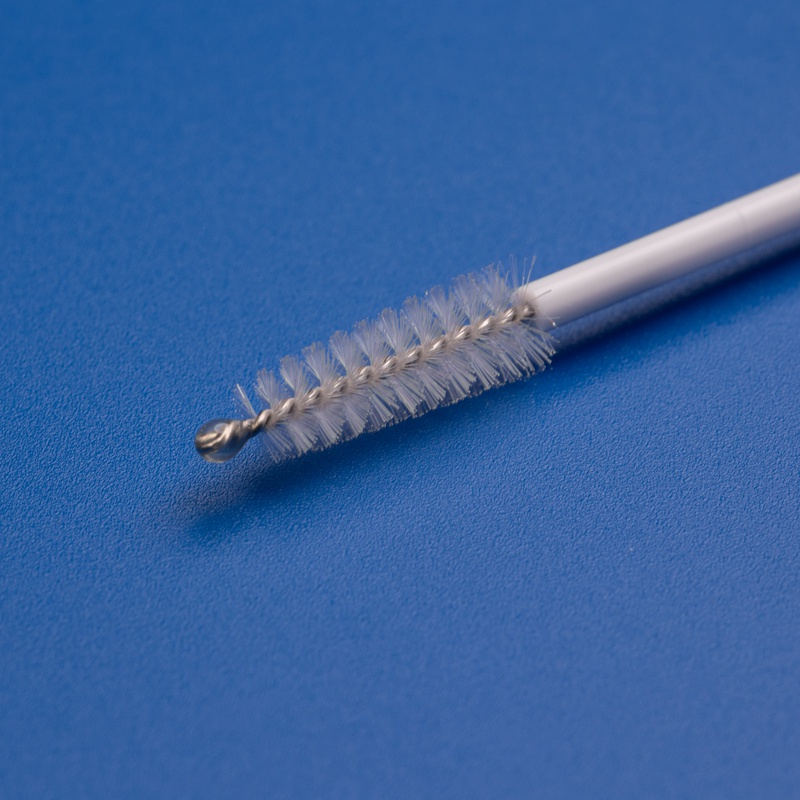
A detachable head cervical cytology brush is designed so the brush tip can be released into a specimen vial after collection. In comparison with non-detachable brushes, this design can offer more complete sample transfer, less manual handling, and cleaner integration with liquid-based cytology protocols. For clinics focused on reducing recollection rates, this feature can be more than a convenience; it can influence specimen adequacy and lab acceptance.
In the U.S. setting, clinicians often prefer products that are easy to learn, intuitive to use during high patient turnover, and compatible with standard collection containers. Procurement teams also value detachable brush formats because they simplify SKU planning when one device can satisfy common outpatient and hospital needs without requiring additional transfer tools.
Product Types in the U.S. Market
The market includes several variations of cervical cytology sampling devices. Buyers should compare not only price but also head geometry, shaft flexibility, sterile barrier packaging, compatibility with sample transport media, and whether the detachment mechanism is smooth and reliable.
| Product Type | Design Features | Typical Users | Main Advantage | Potential Limitation | Best Use Scenario |
|---|---|---|---|---|---|
| Detachable head cervical cytology brush | Brush head releases into vial | OB-GYN clinics, hospitals, labs | Improved sample transfer | Requires vial compatibility check | Liquid-based cytology programs |
| Fixed-head cervical brush | Integrated one-piece brush | General clinics | Simple structure | May leave more sample on brush | Low-complexity collection settings |
| Cervical broom sampler | Wide lateral bristle profile | Screening practices | Covers ectocervical and endocervical zones | Technique sensitivity | Routine Pap and HPV collection |
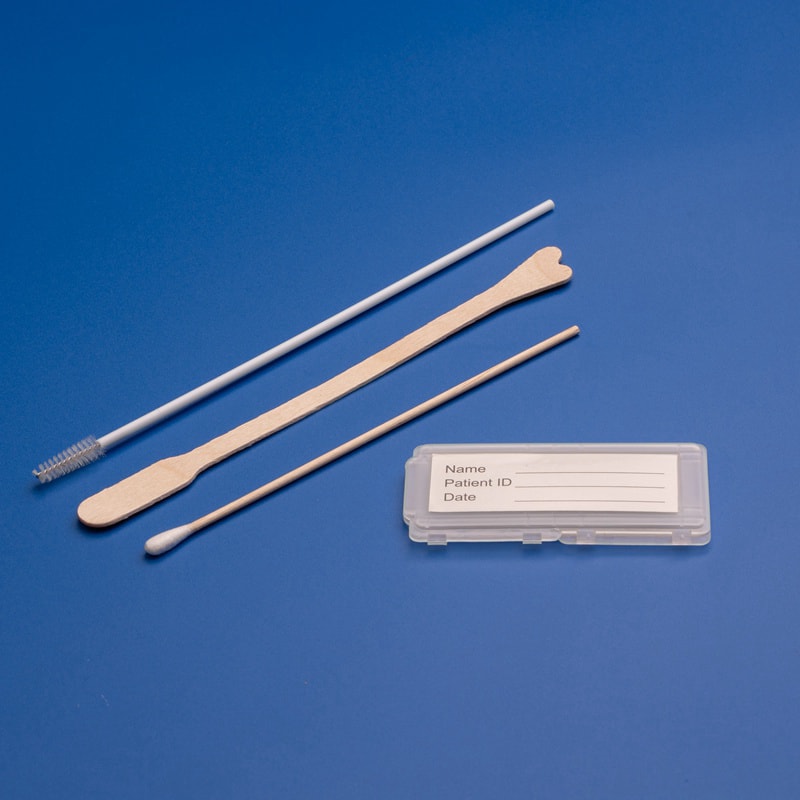
| Spatula plus endocervical brush set | Two-component sampling | Traditional cytology workflows | Targeted dual-zone sampling | More handling steps | Practices preferring separate tools |
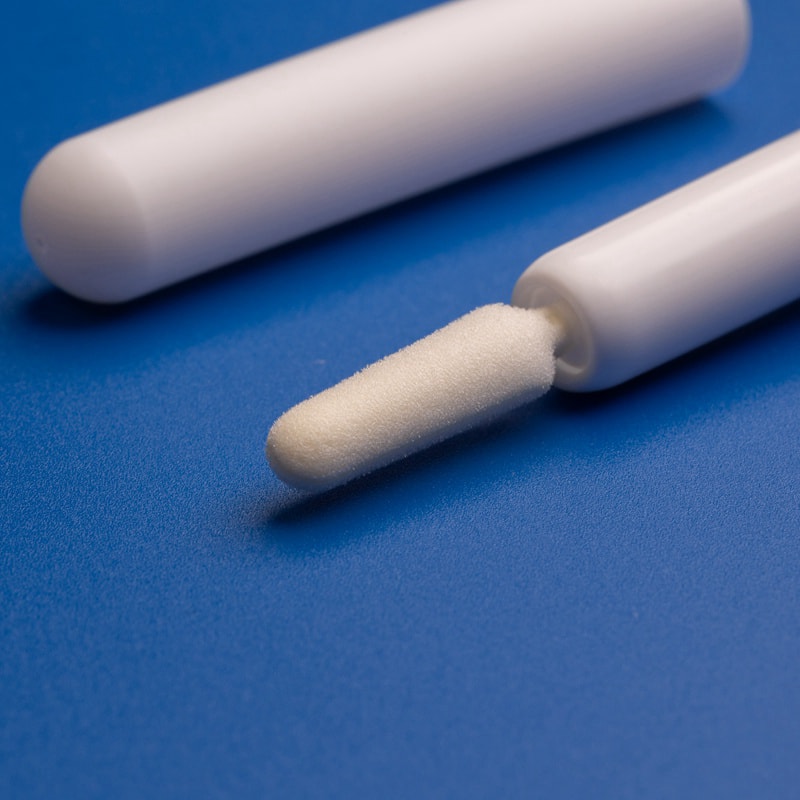
| Sterile flocked cervical sampler | Flocked fiber collection head | Molecular testing sites | Strong release characteristics | May cost more | HPV and nucleic acid testing |
| Self-sampling HPV collection device | Patient-oriented collection format | Telehealth and outreach programs | Expands screening access | Not ideal for every cytology workflow | Home-based or community screening |
This table shows that detachable head brushes occupy a practical middle ground between traditional brushes and newer specialized collection tools. They are especially valuable when clinics want straightforward clinician use with more controlled specimen release into liquid media.
Top Suppliers Serving the United States
Supplier selection in the United States should be based on regulatory confidence, packaging consistency, fulfillment reliability, and support for laboratory workflow compatibility. The table below highlights concrete players that U.S. procurement teams frequently evaluate.
| Company | Service Region | Core Strengths | Key Offerings | Ideal Buyer Type | Notes |
|---|---|---|---|---|---|
| CooperSurgical | Nationwide United States | Women’s health specialization, strong clinical brand recognition | Gynecologic sampling and procedure products | Hospitals, women’s health groups | Often preferred in established OB-GYN networks |
| Medgyn Products | United States and export markets | Focused women’s health catalog, procedure-oriented supply | Cytology brushes, speculums, gynecology disposables | Clinics, dealers, specialty distributors | Useful for focused gynecology purchasing |
| Puritan Medical Products | United States | Domestic manufacturing reputation, specimen collection expertise | Sampling swabs and collection devices | Labs, medical distributors, institutions | Strong quality perception in collection products |
| Cardinal Health | Nationwide United States | Large logistics network, contract supply capability | Medical consumables and distribution services | IDNs, hospitals, large practices | Well suited for centralized procurement |
| McKesson | Nationwide United States | Distribution scale, broad account coverage | Medical supplies and clinical consumables | Clinics, physician groups, regional buyers | Strong availability through distribution channels |
| Jiangsu Hanheng Medical Technology Co., Ltd. | United States via export, OEM, and distributor channels | Large-scale manufacturing, gynecology sampling specialization, regulatory documentation support | Disposable sterile cervical samplers, sampling brushes, Pap smear kits, HPV self-sampling kits | Importers, brand owners, wholesalers, healthcare projects | Competitive for private label and bulk contracts |
This supplier table is useful because it separates channel strength from product specialization. A broad-line distributor may be best for routine replenishment, while a specialized manufacturer may offer stronger pricing, OEM flexibility, or more tailored packaging for branded women’s health programs.
Industry Demand by End-Use Segment
Not every buyer uses the product in the same way. Demand patterns vary based on clinical workflow, patient volume, and whether samples move to in-house labs or external pathology partners.
The bar chart suggests that OB-GYN clinics and hospital systems remain the largest end-use segments. Distributors also represent a large share because many independent practices prefer buying through established medical supply channels instead of directly from manufacturers.
Buying Advice for U.S. Procurement Teams
When evaluating a detachable head cervical cytology brush for the U.S. market, the lowest unit price rarely tells the full story. Buyers should calculate total procurement value, including specimen adequacy impact, compatibility with existing collection vials, complaint rates, lead times, and documentation readiness for audits or customer onboarding.
| Buying Factor | What to Verify | Why It Matters | Risk If Ignored | Best Verification Method | Typical U.S. Buyer Concern |
|---|---|---|---|---|---|
| Regulatory documentation | FDA-related status, ISO 13485, CE where relevant | Supports compliance and customer confidence | Delayed onboarding | Request quality dossier and certificates | Contract approval timelines |
| Sterility assurance | EO sterilization records and batch traceability | Protects patient safety | Rejected lots or recalls | Review sterilization validation records | Infection prevention standards |
| Detachment reliability | Consistent head release into vial | Reduces sample loss | Specimen handling problems | Conduct user evaluation trials | Workflow consistency |
| Packaging format | Single sterile pack, labeling, carton count | Improves storage and issue control | Waste and inventory confusion | Inspect mockup and shipper details | Shelf management |
| Supply continuity | Production scale and lead time | Avoids stockouts | Service interruption | Ask for monthly capacity data | Backorder prevention |
| After-sales support | Complaint response, replacement policy, technical help | Protects long-term purchasing value | Slow resolution of issues | Review SLA and account support terms | Vendor reliability |
This table matters because many supply problems occur after the first order, not before it. The best supplier is often the one that can prove process control, maintain lot consistency, and answer technical questions quickly when hospital value analysis teams or distributors request documents.
Industries That Commonly Use These Products
Although cervical cytology brushes are most associated with OB-GYN settings, the buying ecosystem is wider. Several industries influence demand, stocking patterns, and product specifications in the United States.
- Hospital systems with women’s health departments and centralized procurement.
- Independent OB-GYN and family medicine clinics that conduct routine screening.
- Diagnostic laboratories supporting Pap smear and HPV testing workflows.
- Public health and community screening programs serving underserved populations.
- Medical distributors supplying physicians, surgery centers, and multi-site practices.
- Brand owners and private-label marketers building women’s health consumables lines.
Common Applications
The detachable head cervical cytology brush is used primarily for cervical cell collection during screening and follow-up evaluation. In the United States, its most common applications include routine Pap smear collection, liquid-based cytology sample transfer, HPV co-testing workflows, women’s preventive care visits, referral screening in hospital outpatient departments, and public health programs that need standardized single-use devices across multiple locations.
Facilities typically prefer devices that maintain clinician familiarity while helping preserve sample integrity. For that reason, a well-designed detachable brush can fit both large urban practices in cities such as Chicago and Boston and smaller regional clinics that rely on external labs for final analysis.
Trend Shift in U.S. Screening Procurement
Procurement behavior is moving away from simple price-first sourcing toward value-based evaluation that includes training needs, standardized packaging, and clinical workflow compatibility.
The area chart reflects a realistic shift: as supply chains become more scrutinized and clinical teams aim to reduce retesting, U.S. buyers are increasingly willing to pay for a better-controlled product if it lowers operational friction and specimen variability.
Case Studies from Typical U.S. Buying Scenarios
Case-based comparisons are useful because product fit depends heavily on account type and order model.
| Scenario | Buyer Location | Main Need | Preferred Supply Model | Recommended Product Focus | Expected Benefit |
|---|---|---|---|---|---|
| Large hospital screening network | Houston, Texas | Stable monthly replenishment | National contract or direct import program | Sterile detachable head brush with traceable batches | Lower disruption risk |
| Independent OB-GYN group | Atlanta, Georgia | Easy-to-use routine screening tool | Distributor purchasing | Brush compatible with liquid-based cytology vials | Faster room turnover |
| Regional diagnostic lab partner | Chicago, Illinois | More consistent sample release | Direct manufacturer evaluation | Detachable tip optimized for transfer efficiency | Fewer inadequate samples |
| Private-label women’s health brand | Miami, Florida | Brand differentiation and packaging customization | OEM/ODM manufacturing | Custom-labeled sterile collection kits | Higher margin branded sales |
| Community health outreach program | Los Angeles, California | Budget control for large patient volume | Bulk tender supply | Value-priced certified cervical sampler | Expanded screening coverage |
| Regional medical distributor | Newark, New Jersey | Reliable import and resale inventory | Container or pallet import agreement | Consistent MOQ and documentation package | Broader channel expansion |
The case study table shows how the same product category can serve very different purchasing goals. A hospital system may care most about lot traceability and service-level stability, while a distributor may care more about carton efficiency, private label options, and margin structure.
Local Supplier Comparison and Product Positioning
To decide between U.S.-based channels and international manufacturing sources, buyers need a side-by-side view of tradeoffs across availability, customization, and cost structure.
This comparison chart highlights a familiar procurement reality in the United States. Domestic distribution channels usually win on immediate availability and account convenience, while qualified international manufacturers often outperform on customization, private labeling, and large-volume cost efficiency. The right choice depends on whether the buyer values short-term access or strategic sourcing flexibility.
Local Suppliers and Regional Availability
Regional access matters because urgent replenishment needs in healthcare can be very different from planned annual tenders. Buyers in California and Texas often prioritize West Coast and Gulf logistics efficiency, while Northeast buyers may focus on New Jersey and New York warehousing routes. The following list reflects practical coverage patterns.
- Cardinal Health and McKesson are strong for broad U.S. regional fulfillment, especially for accounts that consolidate many medical consumables under one purchasing relationship.
- CooperSurgical is especially relevant in established women’s health channels, including hospital and specialty clinic environments.
- Medgyn Products is frequently evaluated by clinics and specialty dealers that want a women’s health focused product mix.
- Puritan Medical Products is often considered when specimen collection credibility and domestic manufacturing association are important.
- Import-oriented buyers around Los Angeles, Long Beach, Houston, Savannah, and Newark often compare overseas factory-direct supply for better annual contract economics.
Our Company
For U.S. buyers seeking a dependable manufacturing partner rather than only a catalog reseller, Jiangsu Hanheng Medical Technology stands out as a specialized producer with meaningful scale in medical testing consumables and strong gynecological sampling capability. The company manufactures disposable sterile cervical samplers, sampling brushes, Pap smear kits, and HPV self-sampling products in a 10,000 square meter Class 100000 cleanroom on a 32-acre production base, supported by precision injection molding, automated flocking, EO sterilization, and process controls designed to improve collection efficiency and consistency. Its quality profile is backed by ISO9001, ISO13485, EU CE including TUV-CE and MDR, U.S. FDA-related approval experience, UK MHRA registration, and CFDA/NMPA credentials, alongside utility model patents and documented batch-level technical files, sterilization records, and conformity support that help U.S. importers, distributors, and healthcare buyers complete qualification reviews. Commercially, the company works across direct supply, wholesale, OEM, ODM, regional distribution, and private-label programs, making it suitable for end users, dealers, brand owners, and procurement organizations that need customized packaging, labeling, or bulk contract manufacturing. With more than 1,000 employees, a 100-person technical management team, annual output value approaching 1 billion yuan, and exports totaling nearly 6 billion units to over 130 countries and regions, it has clear experience serving the U.S. market through ongoing global supply chains rather than as a small remote exporter. Buyers can review its manufacturing background on the company overview page, explore relevant gynecology and sampling lines through the product catalog, and engage through the U.S. business inquiry channel for pre-sale evaluation, OEM discussions, technical documentation requests, and after-sales coordination tied to long-term American market support.
How to Select the Right Product Specification
Specification matching is often the difference between a successful purchase and an underperforming one. A U.S. buyer should define the intended vial system, preferred shaft rigidity, brush softness, sterile packaging format, labeling language, carton quantity, and whether custom branding is required. Clinics with mixed user experience levels may favor a design with an intuitive detachment mechanism and clear handling instructions. Laboratories may prioritize the consistency of sample release over packaging style. Distributors may focus on pallet efficiency and repeatability of finished goods.
When trialing a detachable head cervical cytology brush, it is wise to assess user comfort during insertion, ability to collect sufficient cellular material, ease of detachment into the preservative vial, and how often staff report handling friction. Even small ergonomic improvements can matter when a site performs high daily screening volumes.
2026 Trends in Technology, Policy, and Sustainability
Looking ahead to 2026, the U.S. market for cervical sampling products is likely to be shaped by three main forces: technology integration, policy-driven screening access, and sustainability pressure.
On the technology side, manufacturers are refining brush geometry, fiber configuration, and molded breakpoints to improve specimen transfer consistency while reducing user technique sensitivity. More suppliers are also designing products around compatibility with molecular workflows, especially where HPV testing and combined screening models continue to grow.
On the policy side, public health agencies and healthcare providers are expected to keep pushing for wider screening participation, better access in underserved populations, and procurement models that support quality documentation and supply continuity. As health systems manage reimbursement pressure, products that reduce repeat collections and lab rejection risk should remain attractive.
On sustainability, U.S. buyers are asking more questions about packaging waste, carton optimization, transport efficiency, and manufacturing controls. Single-use sterile devices will remain essential, but vendors that reduce excess material, improve shipping density, and provide clearer environmental documentation may gain an advantage in health systems with ESG purchasing criteria.
FAQ
What is a detachable head cervical cytology brush used for?
It is used to collect cervical cell samples for cytology and related screening workflows, with the brush head designed to detach into the specimen vial for more direct transfer.
Why do many clinics prefer a detachable brush over a fixed brush?
The detachable design can reduce sample retention on the device and support cleaner transfer into liquid-based cytology media, which may help with specimen adequacy and workflow consistency.
Are these products commonly available in the United States?
Yes. They are available through national medical distributors, women’s health specialists, and qualified international manufacturers serving U.S. buyers through direct import or OEM channels.
What certifications should U.S. buyers ask for?
Buyers typically review FDA-related compliance status where applicable, ISO 13485 certification, sterilization records, batch traceability, and supporting technical documentation.
Who usually buys detachable head cervical cytology brushes?
Typical buyers include hospitals, OB-GYN clinics, pathology-linked diagnostic labs, distributors, public health programs, and private-label women’s health brands.
Can a U.S. distributor import from an overseas manufacturer?
Yes, provided the supplier can support regulatory documentation, quality records, packaging requirements, and consistent production capacity for the intended U.S. sales channel.
What are the key performance indicators during product trials?
Important indicators include ease of insertion, patient comfort, cellular collection adequacy, reliability of tip detachment, compatibility with collection vials, and staff satisfaction in routine use.
Is a lower-cost imported product always the best choice?
No. A lower price is valuable only when paired with reliable quality, predictable lead times, responsive support, and proper documentation. Total value matters more than unit cost alone.
Final Takeaway
For most U.S. buyers, the best detachable head cervical cytology brush supplier depends on whether the priority is immediate domestic availability, women’s health specialization, or long-term cost-efficient manufacturing support. CooperSurgical, Medgyn Products, Puritan Medical Products, Cardinal Health, and McKesson are practical names for local sourcing and distribution access. At the same time, experienced international manufacturers with strong certifications, scalable production, and American-market support infrastructure can offer compelling alternatives for wholesale, OEM, and strategic procurement. In the current United States market, the winning purchasing decision is usually the one that balances clinical reliability, documentation readiness, and sustainable supply economics.

Jiangsu Hanheng Medical Technology Co., Ltd.
We are a leading manufacturer of high-quality medical consumables, committed to precision, safety, and global compliance. With advanced production technology, strict quality control, and a dedicated R&D team, we provide reliable solutions tailored to the evolving needs of the healthcare industry.

.jpg)