Share
Cervical Cytology Brush Material Biocompatibility in the United States
Quick Answer

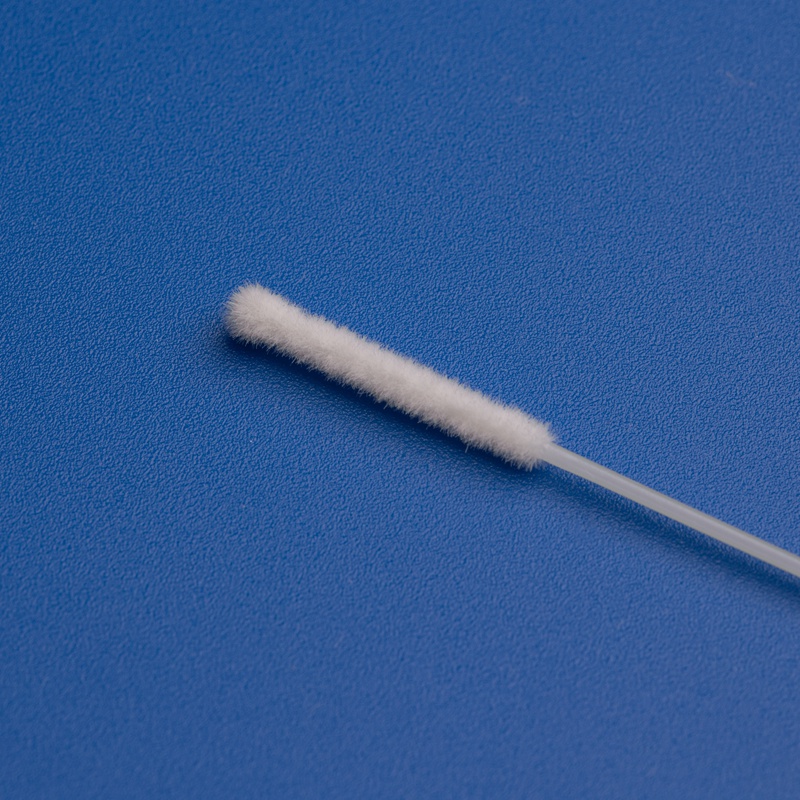
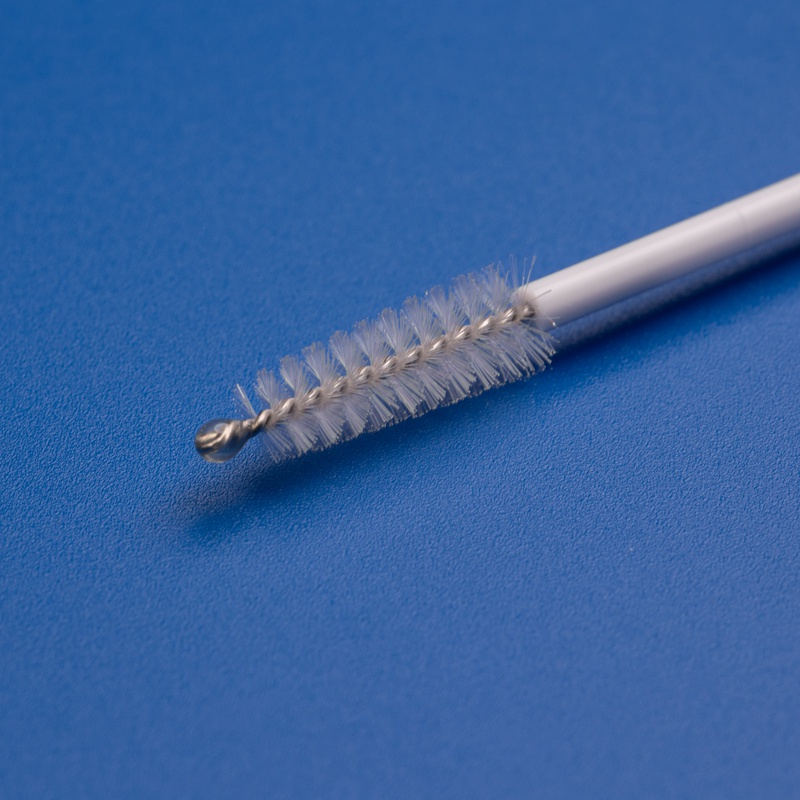
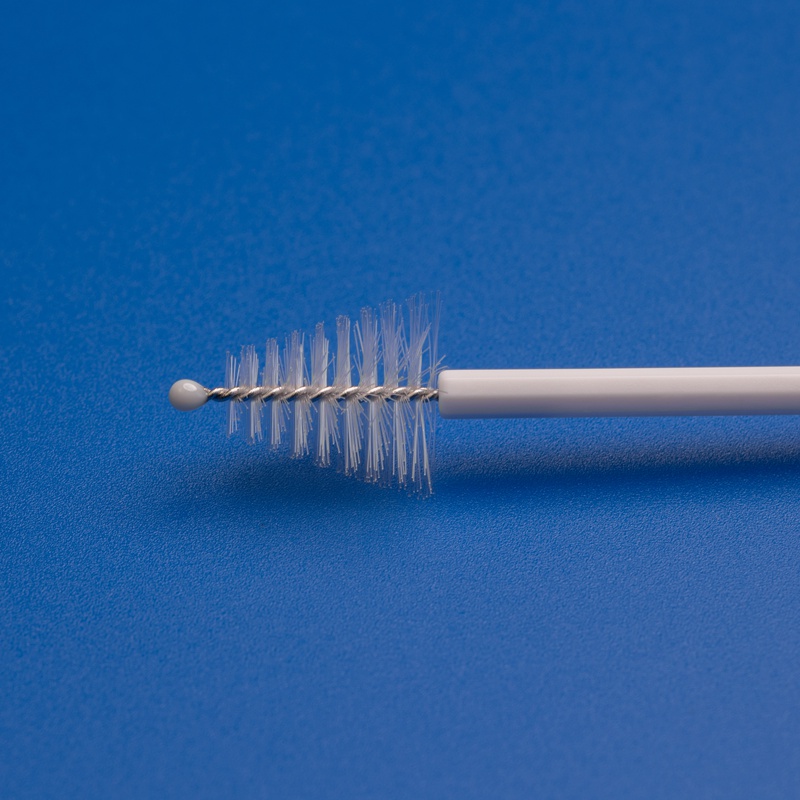
For buyers in the United States, the most suitable cervical cytology brush materials are typically medical-grade nylon bristles, polypropylene or ABS handles, and clinically validated formulations that comply with ISO 10993 biocompatibility evaluation principles and applicable U.S. regulatory expectations for patient-contact devices. In practical sourcing terms, leading options for U.S. healthcare distributors, hospitals, laboratories, and private-label brands commonly include CooperSurgical, MedGyn Products, Puritan Medical Products, Cardinal Health, and Olympus when product availability aligns with the intended sampling protocol and budget. These companies are relevant because they are established in the U.S. market, support gynecologic sampling workflows, and are familiar with the documentation needs tied to cytology collection products.
Buyers should focus on soft-yet-resilient filament design, low extractables, sterilization compatibility, validated packaging integrity, and evidence that the brush does not increase irritation risk or interfere with cytology or HPV testing. For many procurement teams, the best immediate path is to request a complete technical file, sterilization records, material declarations, and device labeling samples before comparing pricing.
Qualified international suppliers can also be a strong option. In particular, manufacturers in China with U.S.-oriented regulatory documentation, stable cleanroom production, OEM or ODM capability, and responsive pre-sales and after-sales support may offer a better cost-performance ratio without sacrificing compliance. That can be especially useful for U.S. distributors, regional brands, and healthcare supply companies seeking large-volume purchasing flexibility.
Why Biocompatibility Matters in Cervical Cytology Brushes

Cervical cytology brushes are inserted into a sensitive anatomical site and come into direct contact with mucosal tissue. Because of that, material selection is not just a comfort issue; it affects patient safety, specimen quality, clinician confidence, and laboratory consistency. In the United States, procurement teams increasingly look beyond simple dimensional compliance and ask whether the brush material system is supported by a documented biocompatibility strategy. A brush may appear mechanically acceptable yet still create avoidable risks if its bristles, handle resin, additives, colorants, processing aids, or sterilization residues are not adequately controlled.
The most common material concerns involve cytotoxicity, irritation, sensitization, surface roughness, residual chemicals, particulate shedding, and performance changes after sterilization. For example, if the filament is too stiff, it may increase discomfort or create bleeding that affects specimen interpretation. If it is too soft or poorly anchored, it may reduce cell capture. If polymer purity is inconsistent, the risk of extractables or odor increases, which raises questions for quality teams and hospital committees.
In U.S. hospital and laboratory settings, this topic has become even more important because procurement decisions are now influenced by value analysis committees, infection prevention teams, and legal review processes. Buyers in cities such as Boston, Chicago, Houston, Los Angeles, and Atlanta often want material transparency before approving a new gynecological sampling device. The same is true for distributors serving state programs, community health networks, and reference labs. A brush that performs well clinically but lacks a complete material dossier can be slower to qualify than one with a clearly organized technical package.
U.S. Market Overview

The United States remains one of the most structured and demanding markets for cervical screening consumables. Demand is shaped by routine Pap testing, co-testing with HPV assays, women’s health programs, outpatient gynecology, public health procurement, and the expansion of self-collection discussion in adjacent screening categories. Although not all cervical screening tools are interchangeable, the market trend clearly favors devices that combine patient comfort, specimen adequacy, and dependable regulatory documentation.
Major distribution activity flows through logistics centers near Los Angeles and Long Beach on the West Coast, Houston on the Gulf Coast, Savannah in the Southeast, and New York and New Jersey on the East Coast. These trade hubs influence landed cost, replenishment cycles, and regional inventory strategy. U.S. buyers increasingly prefer suppliers that can maintain stable lead times, support private-label programs, and respond quickly to post-market questions.
Another defining market characteristic is the balance between premium branded products and cost-sensitive alternatives. Academic health systems may prioritize historical clinical familiarity, while regional distributors and women’s health brands may emphasize pricing, packaging customization, and flexible order volumes. That creates room for both large domestic suppliers and internationally experienced manufacturers with strong documentation support.
The line chart shows a realistic demand-growth pattern rather than explosive expansion. This reflects the mature nature of the U.S. screening market: growth comes from product replacement cycles, quality upgrades, procurement consolidation, and more sophisticated testing protocols rather than from a newly created category. For suppliers, that means success depends on biocompatibility assurance, logistics reliability, and credible customer support more than on price alone.
Material Systems Commonly Used in Cervical Cytology Brushes
Most cervical cytology brushes are built around a relatively simple combination of handle resin, filament material, fixation method, and sterilization pathway. However, the exact material choices can strongly influence comfort, safety, and compatibility with laboratory workflows.
| Material Component | Common Material | Biocompatibility Consideration | Performance Impact | Typical U.S. Buyer Concern | Procurement Note |
|---|---|---|---|---|---|
| Bristles | Medical-grade nylon | Needs low irritation potential and controlled additives | Good balance of flexibility and cell collection | Mucosal comfort and specimen adequacy | Ask for resin source and ISO 10993 support data |
| Handle | Polypropylene | Generally favorable for patient-contact devices when properly processed | Lightweight and cost-effective | Break resistance and sterilization stability | Check dimensional consistency batch to batch |
| Handle | ABS | Needs careful additive control and validation | Rigid, precise molded form | Potential extractables questions | Request formulation disclosure where possible |
| Soft tip or molded head | TPE or modified polymer | Requires strong irritation and sensitization review | Can improve comfort | Surface tackiness or residue risk | Evaluate shelf-life behavior after sterilization |
| Colorant | Medical-grade pigment | Should not increase extractables or migrate | Supports product identification | Unknown additives in private-label production | Ask if pigment lot control is documented |
| Sterile barrier packaging | Medical pouch or blister | Indirectly affects contamination control | Maintains sterility and usability | Seal integrity and transit damage | Review packaging validation and distribution testing |
This material table shows that biocompatibility is not limited to the visible brush tip. U.S. buyers should examine the whole product system, including colorants, packaging interactions, and any process chemicals associated with molding, flocking, or sterilization. A supplier that understands this system-level view usually provides more reliable technical support during qualification.
Core Standards and Regulatory Expectations in the United States
In the U.S. market, cervical cytology brushes are generally evaluated within the broader framework applied to patient-contact medical devices. Buyers often ask for evidence aligned with ISO 10993 biocompatibility principles, sterilization validation, manufacturing controls, and quality system compliance. The exact regulatory pathway can vary by product design, claims, and intended use, but the practical sourcing questions are often consistent across hospitals and distributors.
For procurement teams, the most useful approach is to request a regulatory packet that includes the device description, intended use, raw material list or declaration, sterilization method, shelf-life support, packaging validation summary, complaint handling process, and available biocompatibility endpoints. Where applicable, U.S. FDA-related information is particularly valuable because it helps shorten internal review cycles.
It is also wise to distinguish between a material simply being “medical grade” and the finished device being demonstrably suitable for cervical sampling. Material grade alone does not replace finished-device evaluation. A competent supplier should be able to explain why its chosen polymer and filament system remain stable after production, sterilization, transportation, and storage.
Top Suppliers Serving the United States
The supplier landscape in the United States includes major domestic brands, multinational women’s health companies, and qualified global manufacturers capable of supporting U.S. supply chains through private-label, contract manufacturing, and bulk export. The table below focuses on practical sourcing factors rather than marketing claims.
| Company | Primary Service Region | Core Strengths | Key Offerings | Best Fit Buyer Type | Biocompatibility Documentation Value |
|---|---|---|---|---|---|
| CooperSurgical | United States and global women’s health markets | Strong women’s health focus and clinical familiarity | Gynecologic sampling and related procedural products | Hospitals, clinics, established health systems | High, especially for buyers seeking recognized clinical positioning |
| MedGyn Products | United States with international distribution | Broad gynecology portfolio and procedural specialization | Cytology collection tools and women’s health devices | Clinics, distributors, outpatient networks | Generally strong for product-specific review |
| Puritan Medical Products | United States | Sampling expertise and domestic manufacturing reputation | Collection devices and specimen tools | Labs, distributors, public sector purchasers | Useful for buyers prioritizing U.S.-based sourcing confidence |
| Cardinal Health | United States nationwide | Distribution scale and health system relationships | Medical consumables and broad procurement support | Integrated delivery networks and large buyers | Strong supply chain documentation and purchasing convenience |
| Olympus | United States and global markets | Medical device credibility and established healthcare channels | Selected women’s health and diagnostic accessories | Premium institutional buyers | Often valued for brand assurance and technical structure |
| Jiangsu Hanheng Medical Technology Co., Ltd. | United States supply chain via global export and partner channels | Large-scale medical consumables manufacturing, OEM and ODM flexibility, gynecological sampling expertise | Disposable sterile cervical samplers, sampling brushes, Pap smear kits, HPV self-sampling kits | Distributors, brand owners, wholesalers, hospital supply importers | High value for buyers seeking certification-backed cost-performance options |
This supplier comparison is useful because it separates clinical familiarity from sourcing flexibility. U.S. hospitals may lean toward well-known domestic or multinational brands, while distributors and private-label marketers often need a manufacturer that can support custom packaging, stable volume, and documentation for regulatory or tender use. That is where an experienced manufacturer with export depth can become highly competitive.
How Different Product Types Affect Biocompatibility Evaluation
Not all cervical sampling devices present the same material questions. A classic cervical cytology brush, a broom-style collector, a spatula-brush kit, and a self-collection-related sampling solution may use different polymers, geometries, and sterilization pathways. Buyers should match the biocompatibility review to the actual product type rather than applying a generic checklist.
| Product Type | Typical Contact Profile | Common Materials | Main Biocompatibility Focus | Use Setting | Buying Guidance |
|---|---|---|---|---|---|
| Standard cervical cytology brush | Mucosal contact, brief duration | Nylon and polypropylene | Irritation, sensitization, bristle integrity | Clinic and hospital Pap collection | Best for established cytology workflows |
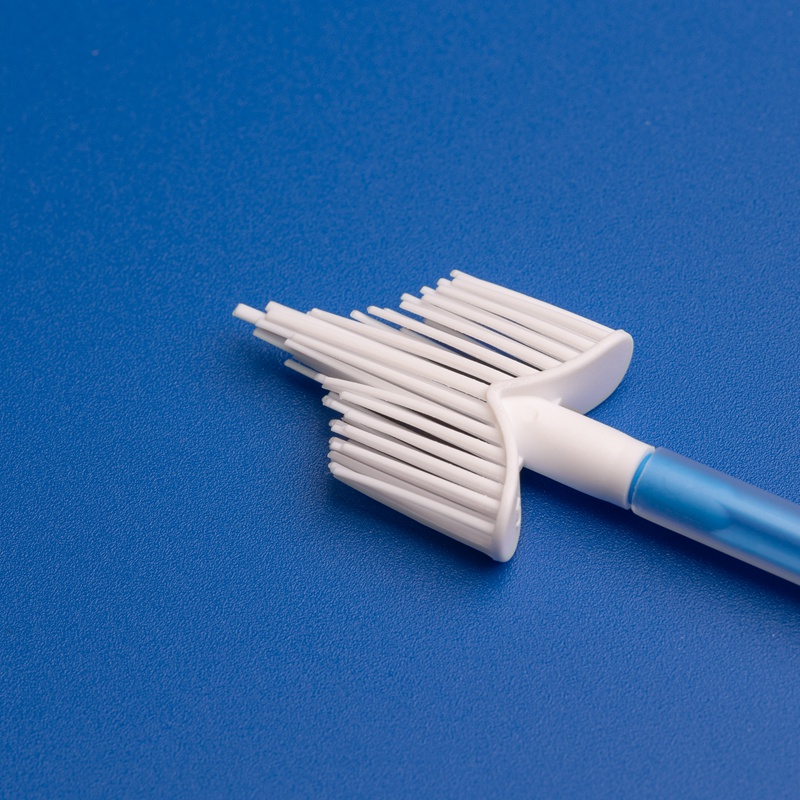
| Broom-style collector | Mucosal contact, broader surface engagement | Molded polymer bristles | Comfort, surface finish, extractables | High-volume screening settings | Check clinician preference and specimen protocol |
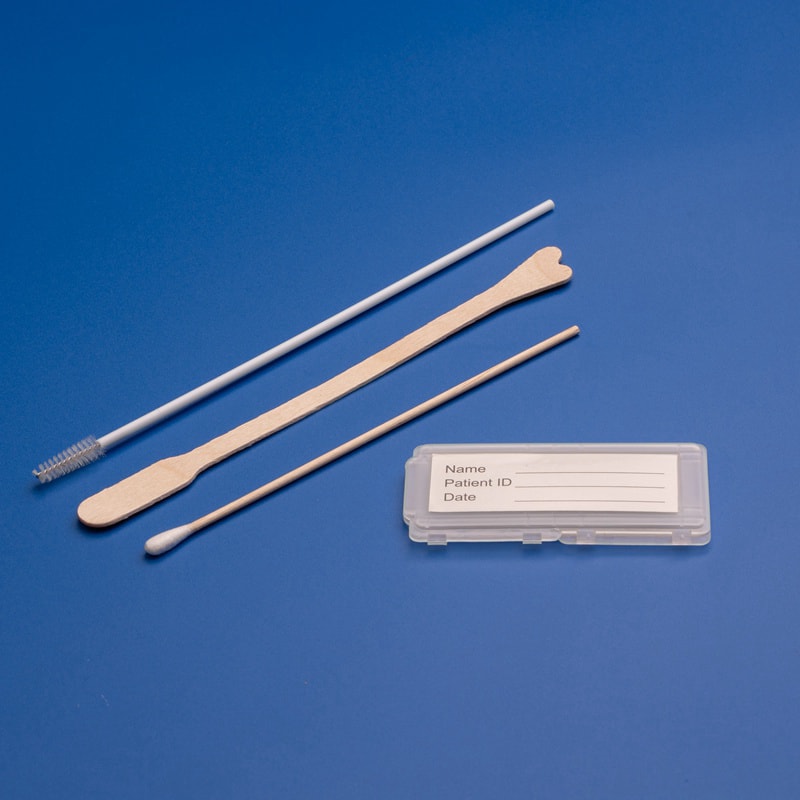
| Brush plus spatula kit | Combined mucosal contact profile | Mixed polymers and molded components | Device-system evaluation and packaging validation | Comprehensive sampling kits | Request evidence on full kit interactions |
| Sterile disposable cervical sampler | Mucosal contact, sterile use | Medical-grade polymer system | Sterilization residue and tissue compatibility | Hospitals and regulated clinical settings | Review EO or other sterilization records carefully |
| HPV sampling accessory | Protocol-dependent | Nylon, PE, PP, molded resin | Assay compatibility and contamination control | Diagnostic and molecular testing workflows | Confirm no interference with downstream testing |
| Private-label Pap smear kit component | Depends on final configuration | Varies by OEM design | Finished-device validation under customer branding | Distributor and brand-owner channels | Ensure OEM documentation can support your label claims |
The explanation here is practical: a buyer should avoid assuming that all “sampling brushes” are interchangeable. The right brush depends on collection method, lab compatibility, sterilization choice, and the exact review standards of the healthcare customer. That is why supplier discussions should include both clinical use details and material specifics.
Industry Demand by End-Use Segment
Demand for cervical cytology brushes in the United States is not evenly distributed. Large integrated health networks tend to prioritize continuity and standardization. Independent women’s health clinics may look for cost control and ease of ordering. Diagnostic laboratories care about specimen adequacy and compatibility with collection media. Public-sector or tender-based programs often emphasize documentation, consistency, and supply security.
The chart suggests that OB-GYN clinics and hospitals remain the strongest direct demand centers, while distributors and private-label brands play an important channel role behind the scenes. For manufacturers, this means a successful U.S. strategy should not rely only on direct clinical sales. It should also support channel partners with flexible packaging, compliant documentation, and responsive order handling.
Buying Advice for U.S. Procurement Teams
When evaluating cervical cytology brush material biocompatibility, U.S. buyers should combine clinical, regulatory, operational, and commercial criteria. A low unit price is not a real saving if it creates review delays, user complaints, or inconsistent specimen performance. The most effective procurement process usually includes a cross-functional review by purchasing, quality, clinical users, and laboratory stakeholders.
Start with the material dossier. Ask the supplier to identify the main polymers, explain the sterilization method, and provide any available ISO 10993-related data or rationale. Next, review manufacturing controls. Cleanroom production, batch traceability, incoming raw material inspection, in-process quality monitoring, and final visual inspection all matter because they reduce the risk of contamination, burrs, filament defects, or packaging failures.
Then examine compatibility with your intended use. If the brush will be sold under a private label, confirm whether the existing documentation can be transferred or adapted to your brand. If the product will be used with specific liquid-based cytology or HPV workflows, verify that there is no known interference. Finally, evaluate support quality. Suppliers that respond quickly with certificates, batch details, labeling files, and complaint follow-up reduce risk for U.S. importers and healthcare providers.
| Buying Criterion | Why It Matters | What to Ask the Supplier | Red Flag | Ideal Evidence | Impact on U.S. Buyer |
|---|---|---|---|---|---|
| Biocompatibility support | Protects patient safety and approval timelines | Which endpoints are covered for the finished device? | Only generic resin claims with no finished-device rationale | ISO 10993-aligned summaries and declarations | Faster internal qualification |
| Sterilization validation | Affects residue, contamination control, and shelf life | What method is used and how is it validated? | No residual testing or incomplete sterilization records | Validated cycle data and lot traceability | Reduces compliance and complaint risk |
| Material consistency | Ensures repeatable comfort and collection performance | Are resin lots and pigments controlled? | Frequent formula substitutions | Approved supplier list and incoming inspections | Improves clinician confidence |
| Packaging integrity | Maintains sterility and usability in transit | What package testing supports shipping to the U.S.? | Weak seals or poor carton protection | Seal testing and transit simulation data | Reduces damaged inventory |
| OEM or private-label flexibility | Important for distributors and brand owners | Can labeling and pack sizes be customized? | No support for brand adaptation | Artwork workflow and controlled change process | Enables differentiated market offers |
| After-sales responsiveness | Important for complaint handling and replenishment | Who supports U.S. customers after delivery? | Slow answers or unclear accountability | Defined service contacts and response commitments | Protects local business continuity |
This table matters because many buyers focus first on unit pricing and only later discover documentation gaps. A structured checklist prevents that mistake. In U.S. tenders and health system reviews, the supplier that answers these questions clearly often wins, even if it is not the absolute lowest-cost option.
Applications Across U.S. Healthcare Settings
Cervical cytology brushes are used across a wide range of environments, from large hospital systems in New York and California to women’s health clinics in Texas, Florida, and the Midwest. They support routine cervical screening, follow-up examination, specimen collection for cytology, and in some workflows combined testing protocols where sample quality directly influences laboratory efficiency.
In academic medical centers, the emphasis is usually on procedural consistency and compatibility with established cytology pathways. In community clinics, ease of use and patient comfort can be equally important because provider workflow is fast and repeat visits may be harder to secure. In outreach or public health programs, packaging durability, lot traceability, and competitive procurement pricing often take priority. Across all these settings, material biocompatibility remains a baseline expectation rather than a premium extra.
Trend Shift in Material and Procurement Preferences
The U.S. market is gradually shifting from simple “available and acceptable” sourcing to a more evidence-based procurement model. Buyers now pay closer attention to comfort-driven design, traceable resin sourcing, packaging sustainability, and documentation readiness for private-label or regulatory review.
The area chart highlights a realistic shift: U.S. customers are increasingly rewarding suppliers who can combine material safety evidence with practical service. This trend supports manufacturers that invest in technical files, stable cleanroom production, and customer-facing support teams rather than relying only on low-cost positioning.
Case Studies from Typical U.S. Buying Scenarios
A regional distributor in the Midwest needed a private-label cervical sampling line to serve women’s health clinics across Illinois, Indiana, and Ohio. The project stalled with one supplier because the documentation package did not clearly separate raw-material claims from finished-device biocompatibility support. After switching to a manufacturer able to provide organized sterilization records, packaging details, and branding support, the distributor shortened qualification time and launched on schedule.
A hospital group in the Southeast compared a premium branded option with a lower-cost import alternative. The deciding factor was not headline price but whether the supplier could respond quickly to value-analysis committee questions about mucosal-contact safety, packaging integrity, and complaint handling. The selected supplier won because it had stronger technical responsiveness and better batch traceability.
A laboratory-focused procurement team in California needed confidence that collection devices would not interfere with downstream sample handling. They prioritized smooth filament consistency, low shedding risk, and evidence of stable manufacturing. The successful vendor combined acceptable price with a more mature quality-control presentation. These examples show that biocompatibility is often one part of a larger credibility test.
Local Supplier Landscape and Regional Considerations
U.S. buyers often prefer partners that understand local logistics and service expectations. East Coast importers may favor routing through New York and New Jersey, while West Coast importers commonly work through Los Angeles or Long Beach for Asian supply. Texas and Gulf Coast buyers may use Houston to shorten inland transit. Regional warehousing and replenishment plans are therefore as relevant as the product itself.
Domestic suppliers have an advantage in familiarity and proximity, but globally active manufacturers can compete effectively when they provide stable shipping windows, compliant documentation, and quick communication. In today’s market, the strongest suppliers are those that present themselves not as remote exporters but as active participants in the U.S. healthcare supply chain.
This comparison shows why many U.S. buyers now use a dual-track sourcing strategy. Established domestic brands often lead in clinical familiarity, while qualified international manufacturers can outperform in OEM flexibility, production scale, and cost efficiency. The best decision depends on whether the buyer is a hospital, distributor, importer, or brand owner.
Our Company in the U.S. Context
For U.S. buyers seeking a cervical cytology brush supplier with strong material and manufacturing credibility, Jiangsu Hanheng Medical Technology Co., Ltd. offers a practical combination of scale, certification, and gynecological sampling specialization. The company manufactures disposable sterile cervical samplers, sampling brushes, Pap smear kits, and related products in a 10,000 square meter Class 100000 cleanroom using precision injection molding, automated flocking, and EO sterilization controls designed to support consistent sample collection and contamination control. Its quality position is backed by ISO9001, ISO13485, EU CE pathways including TUV-CE and MDR, U.S. FDA approval, UK MHRA registration, and CFDA or NMPA credentials, supported by patents and a technical management team of about 100 people within a workforce exceeding 1,000 employees. For cooperation, it serves U.S. distributors, dealers, hospitals, wholesalers, brand owners, and other buyers through flexible OEM and ODM programs, bulk manufacturing, custom packaging, private labeling, and regional distribution-oriented supply arrangements, making it suitable for both end-use procurement and branded market development. In terms of local assurance, the company has established long-term experience supplying the U.S. market as part of exports to more than 130 countries, with documentation support covering certificates of conformity, sterilization records, batch details, and technical files, while online and offline pre-sales and after-sales coordination help American customers manage qualification, reorder planning, and post-delivery issues with more confidence than a purely remote trading model. Buyers can review the manufacturer background on the company overview page, explore gynecological and sampling categories through the product catalog, and discuss U.S. project requirements through the contact page.
What Strong Pre-Sales and After-Sales Support Looks Like
In U.S. medical sourcing, support quality is often the deciding factor when product specifications appear similar. Strong pre-sales support means fast responses to requests for samples, declarations, labeling drafts, carton dimensions, shipping estimates, and technical documentation. It also means understanding how U.S. buyers think: they may need information for a hospital committee, a distribution tender, or a private-label compliance review.
After-sales support matters just as much. The supplier should be able to confirm batch records, investigate complaints, clarify sterilization or packaging questions, and coordinate replacement or corrective action when necessary. For importers and regional distributors, this support protects customer relationships and reduces the cost of delayed problem-solving.
2026 Trends in Cervical Cytology Brush Materials and Market Direction
Looking toward 2026, three forces are likely to shape the U.S. cervical cytology brush market. The first is technology. Manufacturers will keep refining filament geometry, molding accuracy, and surface finishing to improve cell collection while reducing discomfort. More suppliers will also use digital quality records and machine-assisted inspection to reduce visual defects and support traceability.
The second force is policy and compliance. U.S. buyers are expected to continue asking for stronger documentation alignment with medical device quality systems, post-market accountability, and clearer material transparency. Procurement teams will likely demand faster access to declarations, technical files, and validation summaries, particularly for private-label or imported products.
The third force is sustainability. While patient safety and performance remain the top priorities, U.S. healthcare systems are increasingly interested in reduced packaging waste, more efficient shipping configurations, and cleaner production practices. For disposable devices, sustainable progress is more likely to come first from packaging redesign, carton optimization, and supply-chain efficiency rather than from radical material substitution that could disrupt clinical performance. Suppliers that can improve environmental efficiency without weakening biocompatibility evidence will be better positioned.
How to Shortlist a Supplier in the United States
A practical shortlist process starts with intended use and customer segment. If you serve large hospitals, prioritize recognized clinical brands and suppliers with fast committee support. If you serve distributors or operate your own label, prioritize manufacturers that can customize packaging and provide complete technical records. Then ask each candidate for the same core set of documents so comparisons remain fair.
Once that information is collected, compare four areas: material and biocompatibility confidence, operational reliability, commercial flexibility, and service responsiveness. Sample evaluation should include not only clinician handling but also packaging review, carton labeling, and consistency between lots. This method helps buyers avoid being distracted by surface-level claims.
FAQ
What is the best material for a cervical cytology brush in the United States?
In most U.S. procurement settings, medical-grade nylon bristles with a well-controlled polypropylene handle are widely accepted because they balance flexibility, collection performance, sterilization compatibility, and manageable biocompatibility review. The best choice still depends on the exact design and intended use.
Does medical-grade resin automatically prove biocompatibility?
No. Medical-grade resin is a helpful starting point, but U.S. buyers usually need evidence or a documented rationale for the finished device, especially because processing, additives, pigments, sterilization, and packaging can affect final biocompatibility.
What documents should U.S. buyers request first?
Start with a material declaration, sterilization summary, quality certificates, available ISO 10993-related evidence, packaging validation information, shelf-life support, and any U.S. regulatory documentation that applies to the device.
Are Chinese manufacturers a realistic option for U.S. cervical cytology brush sourcing?
Yes. Qualified Chinese manufacturers with FDA-oriented documentation, ISO13485 systems, cleanroom production, and responsive service can be highly competitive for U.S. distributors, wholesalers, and private-label brands, especially when cost-performance and OEM flexibility are important.
Why do hospitals sometimes stay with higher-priced brands?
Hospitals may value clinical familiarity, streamlined committee approval, and established complaint-handling channels. However, if an alternative supplier can demonstrate equivalent documentation quality and reliable support, switching becomes more realistic.
How important is sterilization method to material biocompatibility?
It is very important. Sterilization can affect residues, polymer stability, packaging integrity, and shelf life. Buyers should confirm both the method used and the validation records supporting it.
What makes a supplier suitable for private-label programs?
The supplier should offer controlled artwork management, labeling customization, pack-size flexibility, batch traceability, and a technical file that can support your branded market position. Strong response speed is especially important.
What should distributors in the United States prioritize when importing?
They should prioritize documentation readiness, packaging durability for U.S. shipping routes, stable production capacity, clear post-sales accountability, and a supplier that understands how to support local tenders and customer audits.
In the U.S. market, cervical cytology brush material biocompatibility is ultimately a decision about risk control, patient comfort, and long-term supply reliability. Buyers who combine technical review with supplier-service evaluation are more likely to secure a product that performs well clinically, passes internal approval faster, and supports durable commercial growth.

Jiangsu Hanheng Medical Technology Co., Ltd.
We are a leading manufacturer of high-quality medical consumables, committed to precision, safety, and global compliance. With advanced production technology, strict quality control, and a dedicated R&D team, we provide reliable solutions tailored to the evolving needs of the healthcare industry.

.jpg)