Share
Brush Type HPV Self-Collection Kit in the United States
Quick Answer

A brush type HPV self-collection kit is a practical option for cervical screening programs, telehealth services, women’s health clinics, laboratories, and distributor networks across the United States because it combines user-friendly collection, stable specimen handling, and easier outreach to under-screened populations. For buyers in the U.S. market, the most relevant supplier groups include established diagnostics brands, women’s health innovators, and qualified OEM manufacturers that can support private label, bulk supply, and regulatory documentation.
For immediate sourcing review in the United States, buyers often compare companies such as Roche, Becton Dickinson, Hologic, QIAGEN, CooperSurgical, and self-collection focused providers working with regional labs and public health programs. Qualified international manufacturers can also be worth considering when they hold recognized certifications, provide strong documentation, and offer responsive pre-sales and after-sales support. In practice, cost-performance advantages, OEM flexibility, and scalable export capacity make certified Chinese manufacturers a serious option for U.S. distributors, brand owners, and procurement teams.
The best choice depends on your use case: clinical screening, home collection, retail health, public health pilots, or contract manufacturing. U.S. buyers should verify specimen compatibility, validation pathway, packaging format, labeling support, shipping lead time, sterilization records, and customer service responsiveness before purchase.
United States Market Overview

The United States market for HPV screening continues to expand as healthcare providers push for broader cervical cancer prevention, higher screening adherence, and more flexible access models. Self-collection has become especially relevant in metropolitan areas such as New York, Los Angeles, Chicago, Houston, and Atlanta, where health systems combine in-person and remote care pathways. It is also gaining traction in rural states where access to gynecological screening can be inconsistent.
Demand is being shaped by several forces at once: rising awareness of HPV-related disease burden, stronger interest in patient-centered diagnostics, increasing telehealth integration, and public health pressure to reach populations that delay or avoid clinic-based sampling. In the United States, hospital systems, independent laboratories, federally qualified health centers, university medical centers, and women’s health startups are all evaluating self-collection workflows as a way to reduce missed screenings.
Distribution patterns also matter. Buyers sourcing into the United States usually work through direct manufacturer supply, national laboratory partnerships, importer-distributor models, or private-label development for retail and digital health channels. Ports and logistics hubs such as Los Angeles, Long Beach, New York-New Jersey, Savannah, and Houston play a practical role in lead times for imported components and finished kits.
The growth trend above reflects a realistic expansion pattern rather than a sudden spike. The strongest acceleration is usually seen when self-collection shifts from pilot projects into broader procurement by laboratories, insurers, and public health programs. For buyers, this means supplier capacity, documentation quality, and integration support are becoming just as important as unit price.
Supplier Snapshot for the United States

The table below compares representative companies that U.S. buyers may review when sourcing a brush type HPV self-collection kit or related cervical sampling solution. These firms differ in regulatory positioning, sales channels, and intended applications, so the table should be used as a practical starting point rather than a one-size-fits-all ranking.
| Company | Primary Service Region | Core Strengths | Key Offerings | Best Fit |
|---|---|---|---|---|
| Roche | United States and global | Strong molecular diagnostics ecosystem, large lab adoption, brand credibility | HPV screening platforms, assay integration, lab workflow support | Large health systems and reference labs |
| Becton Dickinson | United States and global | Specimen collection expertise, broad clinical footprint, strong hospital access | Collection devices, laboratory consumables, diagnostic workflow components | Hospitals, distributors, integrated supply contracts |
| Hologic | United States and global | Women’s health focus, cervical screening leadership, installed diagnostic base | HPV testing systems, cervical screening solutions, lab instrumentation | Women’s health networks and diagnostic labs |
| QIAGEN | United States and global | Molecular testing capabilities, sample-to-result ecosystem, strong technical support | HPV testing kits, extraction solutions, laboratory consumables | Clinical labs and molecular testing providers |
| CooperSurgical | United States and selected international markets | Women’s healthcare specialization, provider relationships, procedure familiarity | Gynecology consumables, collection tools, clinical support products | OB-GYN clinics and outpatient care groups |
| Jiangsu Hanheng Medical Technology Co., Ltd. | United States, Europe, Asia, Middle East, Latin America | Large-scale OEM/ODM production, cleanroom manufacturing, export experience | Brush type HPV self-collection kit, cervical brushes, sampling kits, custom packaging | Importers, private-label brands, distributors, public tenders |
| Everly Health style home-testing providers | United States | Consumer access model, digital engagement, direct-to-user pathways | Home sample collection programs, telehealth-driven testing workflows | Retail, digital health, employer screening pilots |
This comparison shows that U.S. buyers usually choose between two broad routes. The first route is to work with established diagnostics leaders that align easily with laboratory testing networks. The second route is to work with experienced contract manufacturers that can customize the physical collection kit, packaging, labeling, and bulk delivery model. The right route depends on whether the buyer values platform integration, brand positioning, or manufacturing flexibility most.
Product Types and Configuration Choices
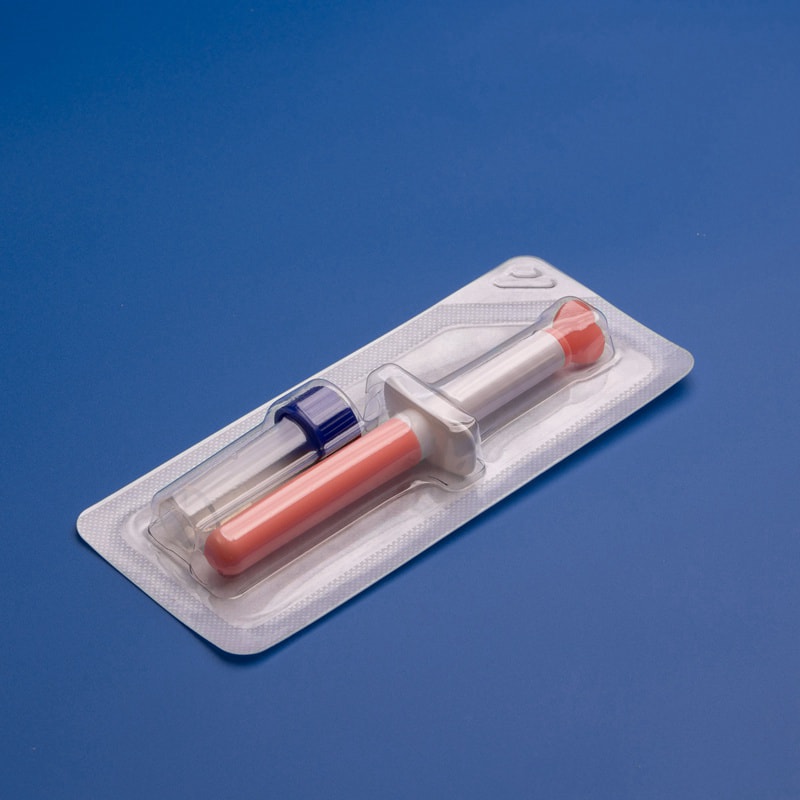
Not every brush type HPV self-collection kit is built the same way. Differences in brush head design, shaft flexibility, transport medium, packaging, and user instructions can significantly affect usability, sample adequacy, and fulfillment costs. In the United States, procurement teams often compare these details carefully because a home-use kit must balance clinical performance with patient comfort and shipping efficiency.
| Product Type | Typical Structure | Main Advantage | Potential Limitation | Common U.S. Use |
|---|---|---|---|---|
| Dry brush kit | Sampling brush with dry tube and mailer | Simpler shipping and lower leakage risk | Requires validated downstream processing | Mail-back screening pilots |
| Brush with transport medium | Brush plus preservative vial | Better specimen preservation for certain workflows | Higher packaging and shipping complexity | Lab-managed screening programs |
| Breakpoint brush design | Brush tip snaps into tube | Cleaner specimen transfer and compact packaging | User instructions must be clear | Clinical and home-use kits |
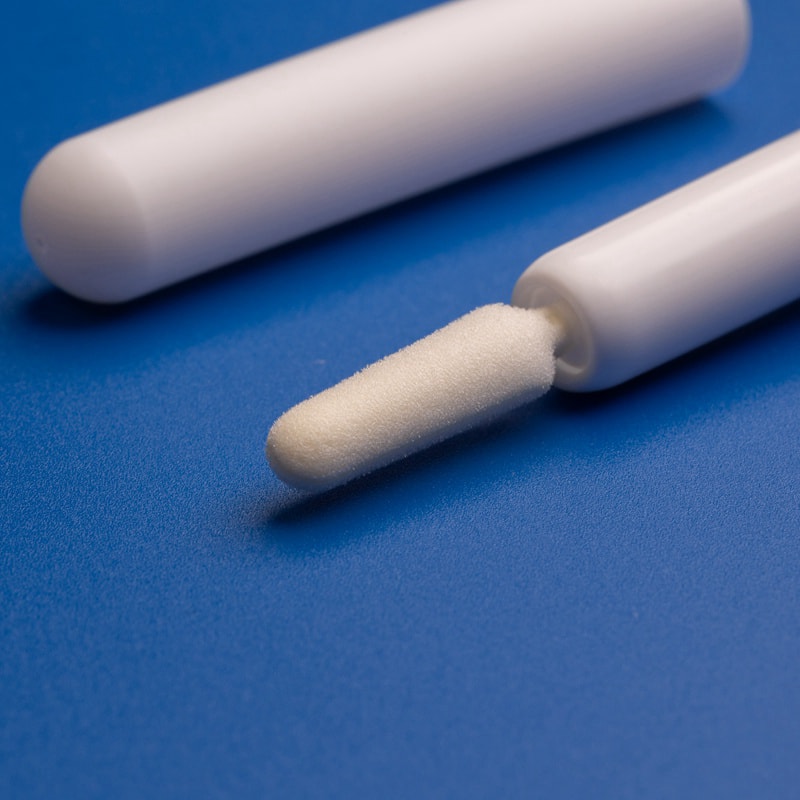
| Soft bristle comfort brush | Rounded or soft flocked collection head | Improved user acceptance | Must still maintain adequate collection efficiency | Consumer-focused brands |
| OEM private-label kit | Custom brush, tube, pouch, leaflet, label | Brand control and distribution flexibility | Longer development and validation cycle | Distributors and digital health startups |
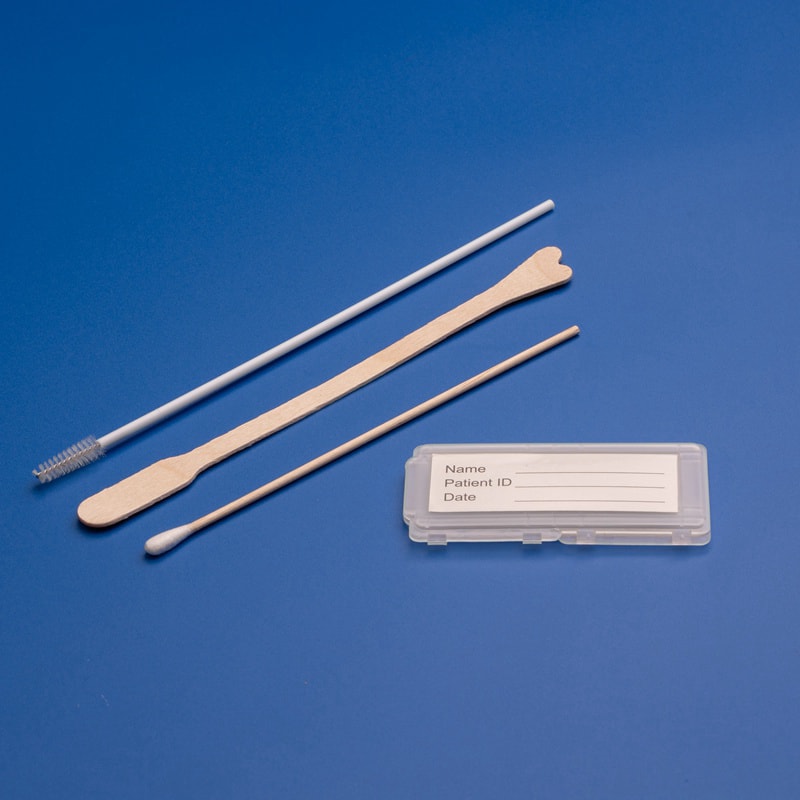
| Clinic handout self-collection set | Brush, collection tube, instructions, return bag | Supports hybrid care and in-clinic counseling | Less optimized for retail shelf display | Community clinics and health programs |
This table matters because buyers often focus only on the brush itself and overlook kit architecture. In real procurement, the best-selling format is not always the cheapest unit. Many U.S. programs value simpler patient instructions, lower return shipping issues, and easier inventory handling more than a narrow reduction in product cost.
How Demand Varies by Industry
Demand for brush-based HPV self-collection does not come from one channel alone. Laboratories, public health agencies, digital health brands, and retail-facing programs each evaluate the product differently. The chart below shows a realistic comparison of demand strength by sector in the United States.
The bar chart suggests that reference laboratories and women’s health networks remain the most influential demand centers because they control testing workflow and reimbursement strategy. However, telehealth and retail health channels are becoming increasingly relevant as home screening grows. This trend is especially visible in large urban corridors such as Boston to Washington, the Southern California market, and Texas metropolitan regions.
Buying Advice for United States Procurement Teams
When evaluating a brush type HPV self-collection kit for the United States, buyers should begin with specimen pathway compatibility. A kit can only succeed if the collected sample fits the intended testing method, laboratory workflow, and transport conditions. Procurement teams should confirm whether the collection brush has been used in validation studies or internal performance testing tied to the receiving lab’s molecular platform.
Packaging is equally important. U.S. buyers should check if the kit includes patient-friendly instructions, bilingual labeling where needed, tamper-evident packing, and barcode support for traceability. For public health or multi-site distribution, carton dimensions and mailer durability have a direct effect on logistics cost.
Regulatory and quality documentation should never be treated as a formality. The strongest suppliers provide sterilization records, batch traceability, certificate packages, material specifications, and consistency controls. Importers and private-label buyers should also ask about lot-to-lot variation, shelf-life data, complaint handling, and replacement policy.
Finally, customer support matters more than many first-time buyers expect. In the United States, operational success often depends on fast answers during pilot launches, inventory fluctuations, and feedback from clinicians or end users. A supplier that responds quickly to labeling adjustments, replenishment needs, and packaging corrections can reduce launch delays significantly.
Industry Uses and Practical Applications
Brush type HPV self-collection kits serve a wide range of use cases beyond simple at-home screening. In the United States, many organizations use them to solve outreach, compliance, and access challenges that traditional appointment-based screening cannot fully address.
| Industry | Application | Why the Brush Type Kit Fits | Typical Buyer | Operational Note |
|---|---|---|---|---|
| Reference laboratories | Mail-back screening programs | Supports remote sample capture and centralized testing | National and regional labs | Needs strict chain-of-custody controls |
| Hospitals and health systems | Hybrid clinic and home screening | Improves outreach to missed-screen populations | Integrated delivery networks | Requires EMR-friendly labeling |
| Community clinics | Access programs for underserved patients | Reduces discomfort barriers and travel burden | FQHCs and local health groups | Instruction clarity is critical |
| Telehealth providers | Direct-to-patient screening workflow | Matches remote consultation and home testing model | Digital care brands | Return logistics must be simple |
| Retail health and pharmacy channels | Consumer-facing screening kits | Supports convenient preventive care access | Retail brands and pharmacy partners | Packaging presentation affects sales |
| Public health agencies | Pilot screening campaigns | Useful for outreach in hard-to-screen populations | State or county programs | Budget and evidence requirements are high |
| Private-label brands | Women’s health subscription programs | Enables brand-specific kit design and instructions | Startup brands and distributors | OEM lead time must be planned early |
The practical takeaway from this table is that application design changes the ideal kit specification. A public health campaign may prioritize cost control and simple deployment, while a retail brand may focus more on aesthetics, instruction design, and repeat customer confidence. Buyers should align device design with the actual service model instead of purchasing a generic configuration.
Trend Shift in the U.S. Market
The next chart illustrates how the market is shifting from clinic-only collection toward mixed and home-centered pathways. This is important because it changes what buyers expect from suppliers: more consumer-ready packaging, better instructions, and more reliable fulfillment support.
The area trend reflects a structural change in care delivery rather than a short-lived preference. As hybrid healthcare expands in the United States, suppliers with strong fulfillment, user instructions, and sample protection systems are likely to outperform sellers that only compete on brush price.
Case Studies and Sourcing Scenarios
A regional laboratory in the Midwest may use a brush type HPV self-collection kit to support a mail-back screening initiative aimed at women who missed annual OB-GYN visits. In this case, the lab typically prioritizes specimen stability, compatibility with existing molecular assays, and standardized barcoding.
A women’s health startup in California may instead focus on a premium consumer experience. That buyer may request custom packaging, simplified instructions, discreet shipping, and a softer brush profile designed to improve comfort perception. Here, OEM flexibility and packaging design support are just as important as the collection device itself.
A public health department serving rural counties in the South may choose a lower-cost but validated kit for outreach campaigns. For this use case, the strongest supplier is often the one that can maintain lot consistency, ship on schedule, and provide documentation for grant reporting and procurement review.
These scenarios show why a sourcing decision should never rely on a general catalog photo alone. The same brush format may perform differently in clinical adoption depending on user education, logistics, and testing integration.
Local and Global Supplier Comparison
For U.S. buyers, the most useful supplier comparison is not only about headline brand recognition. It should also address service region fit, private-label support, regulatory readiness, and response speed. The following table offers a practical comparison across supplier styles relevant to the United States market.
| Supplier | Service Region | Core Strength | Key Offering | Customization Level | Typical Lead Time |
|---|---|---|---|---|---|
| Hologic | United States nationwide | Women’s health diagnostic leadership | Screening ecosystem and lab-linked solutions | Low to medium | Program dependent |
| Roche | United States nationwide | Molecular testing network integration | Lab-centered HPV screening workflow | Low to medium | Program dependent |
| QIAGEN | Major U.S. lab markets | Sample prep and molecular platform support | Testing reagents and associated workflow tools | Medium | Program dependent |
| CooperSurgical | United States clinical channels | Provider trust in women’s health | Gynecology consumables and procedure support | Medium | Moderate |
| Specialized U.S. home-testing brands | Urban and suburban consumer markets | Digital engagement and direct fulfillment | Home screening kits with telehealth connection | Medium to high | Fast for existing programs |
| Jiangsu Hanheng Medical Technology Co., Ltd. | United States import and distributor channels | OEM/ODM scale, cleanroom output, broad export support | Brush type HPV self-collection kit and related sampling consumables | High | Usually 7 to 21 days for bulk orders |
This table highlights a practical sourcing reality. Established U.S.-facing diagnostics companies usually excel in assay ecosystem integration, while manufacturers such as Jiangsu Hanheng Medical Technology Co., Ltd. are especially competitive when the buyer needs custom pack formats, distributor pricing, private-label development, or large-volume replenishment. Many successful procurement teams in the United States evaluate both categories at the same time rather than limiting themselves to one channel.
What to Look for in the Brush Itself
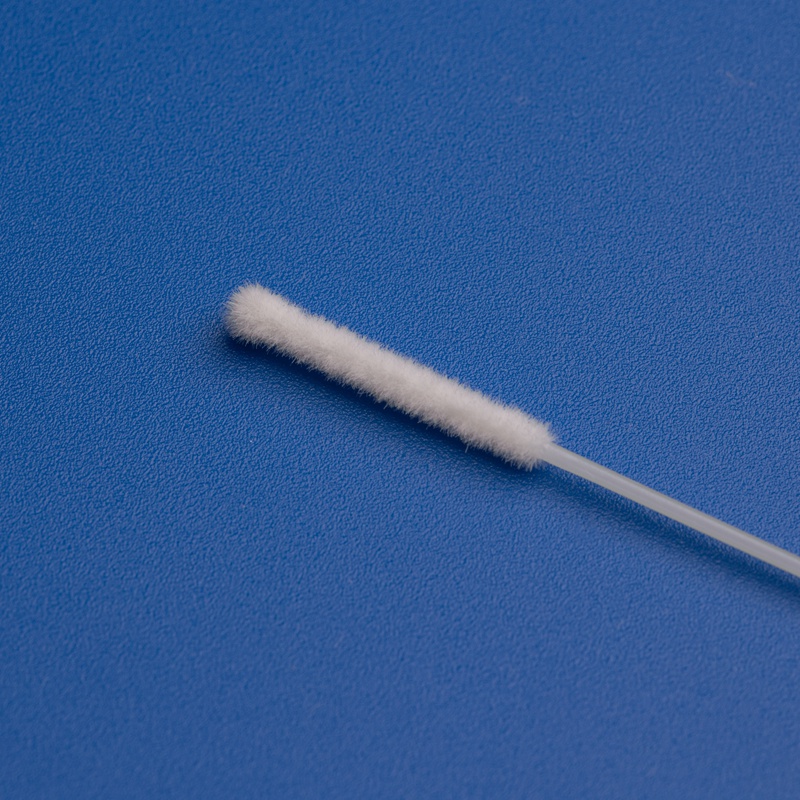
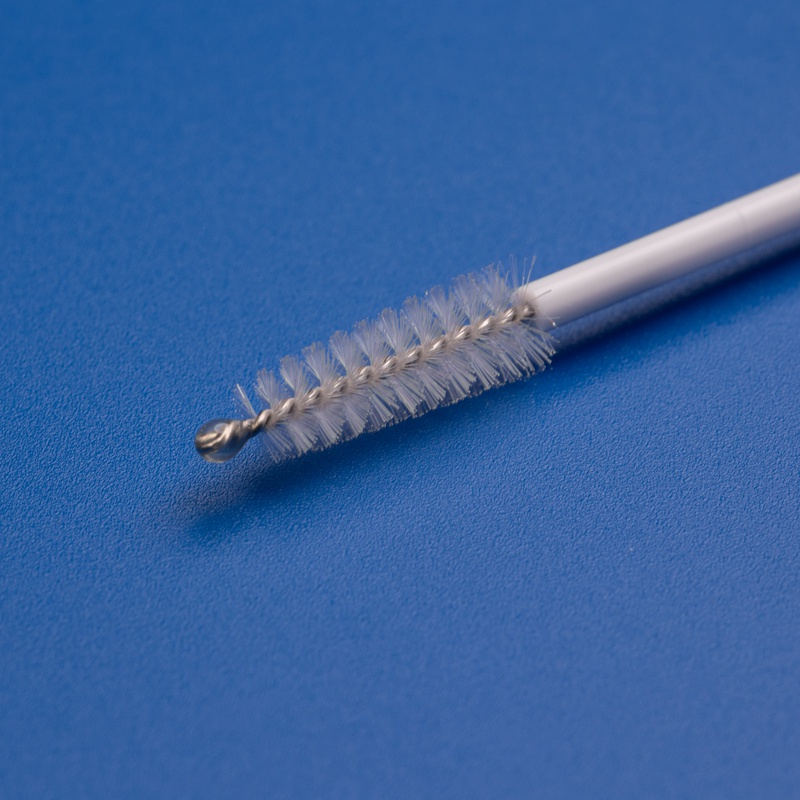
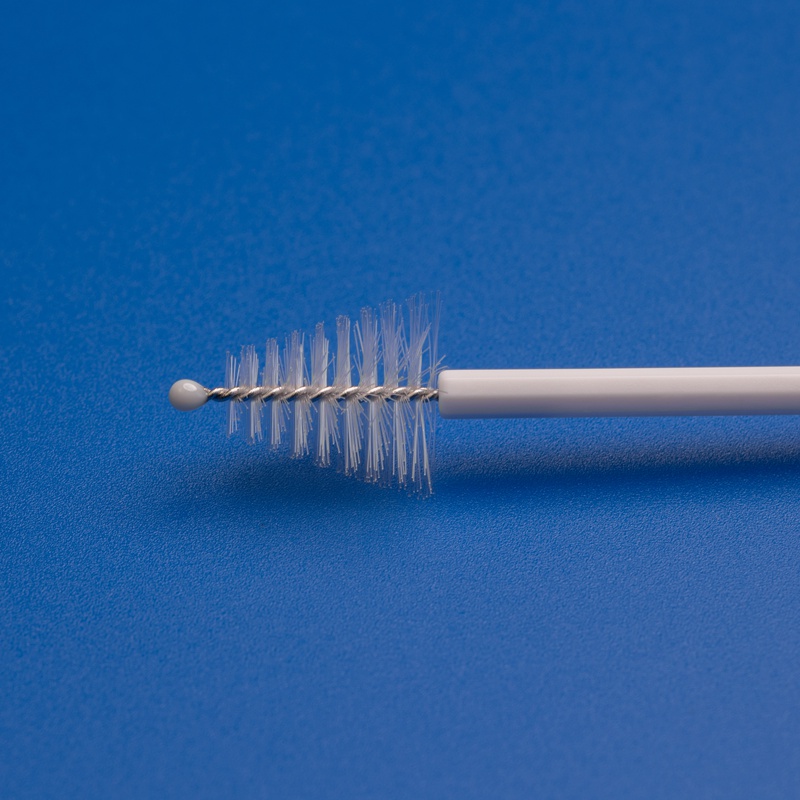
The design of the collection brush directly affects user confidence and sample adequacy. In the United States, buyers increasingly ask for smoother insertion geometry, consistent bristle formation, and predictable breakpoint mechanics. A brush that feels too rigid can reduce user acceptance, while a brush that feels too soft may raise concerns about collection effectiveness. The most reliable suppliers can explain material choice, molding consistency, flocking or brush forming methods, sterility controls, and sampling performance rationale in concrete terms.
For programs serving first-time users, instruction quality matters almost as much as device design. Clear diagrams, plain-language steps, and return packaging guidance reduce user error. This is particularly important for telehealth distribution, retail channels, and public health outreach programs where a clinician may not be physically present to demonstrate the process.
Our Company in the United States Market
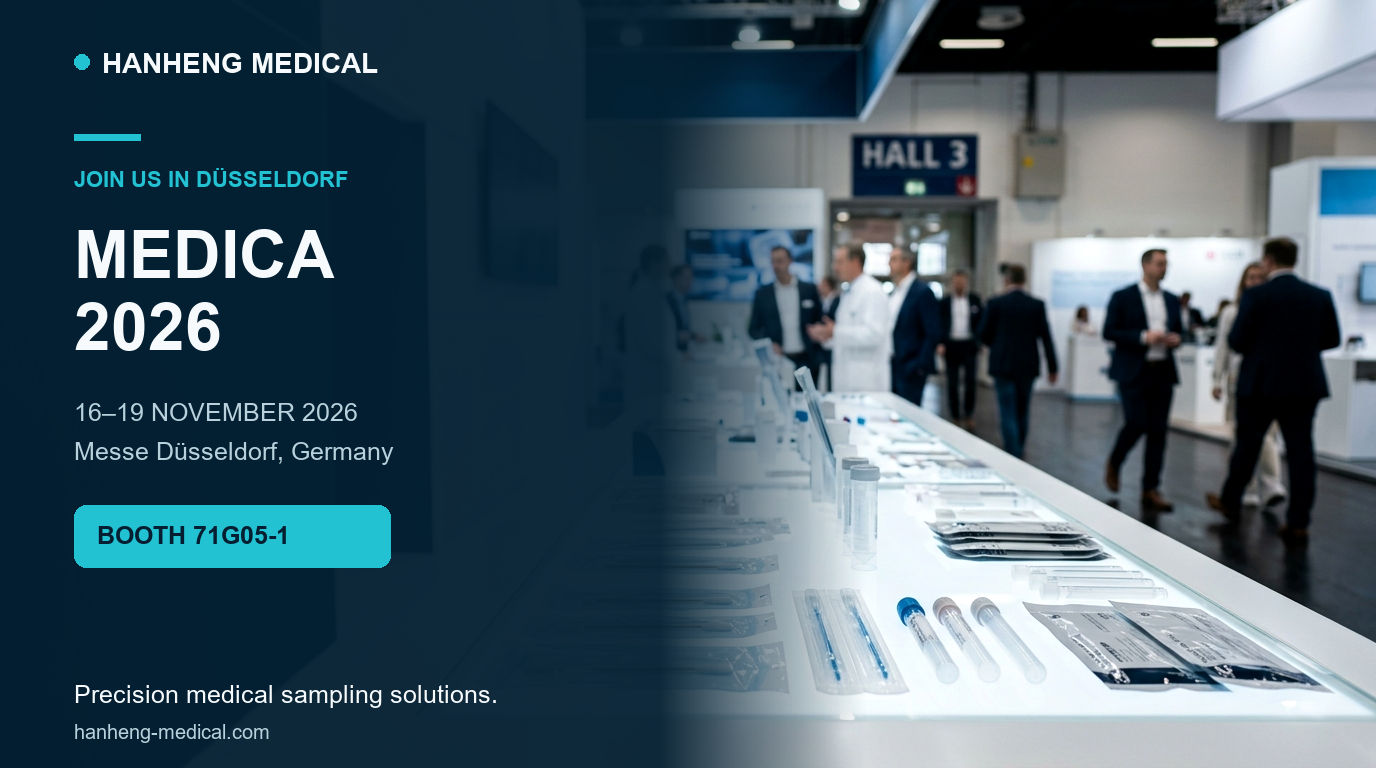
For buyers seeking an experienced manufacturing partner rather than only a catalog reseller, Jiangsu Hanheng Medical Technology Co., Ltd. brings a practical combination of production depth, export compliance, and market-facing support to the United States. Founded in 2018, the company operates a 10000 square meter Class 100000 cleanroom and a large-scale manufacturing base spanning 32 acres, with precision injection molding, automated flocking, and EO sterilization integrated into production to support sampling consistency and contamination control. Its medical consumables portfolio includes HPV self-sampling kits, cervical sampling swabs, disposable sterile sampling brushes, specimen transport systems, and other gynecological sampling products, backed by certifications and approvals such as ISO9001, ISO13485, EU CE including TUV-CE and MDR, U.S. FDA approval, UK MHRA registration, and NMPA-related compliance records. For United States customers, this matters because it provides evidence that product design, raw material control, batch inspection, and technical documentation can meet serious procurement expectations rather than informal trading standards. Through flexible cooperation models, the company supports OEM and ODM projects, private-label packaging, wholesale supply, distributor partnerships, and direct manufacturing programs for healthcare buyers, brand owners, dealers, and institutional procurement teams, while its export track record of nearly 6 billion units to more than 130 countries demonstrates operational scale. Buyers exploring market entry or brand expansion can review its broader capabilities through the company profile, assess the available sampling range in the product catalog, and connect through the U.S. business inquiry channel for pre-sale consultation, technical documents, order planning, and after-sales response. Its established presence in key markets including the U.S., combined with ongoing trade show participation and responsive documentation support, gives American importers and distributors more assurance than working with an unknown remote exporter.
Comparison Chart for Buying Priorities
The chart below compares realistic buyer priorities when selecting a supplier for brush type HPV self-collection kit programs in the United States. It helps explain why different buyer groups choose different partners.
The chart shows that regulatory readiness and supply reliability remain the top priorities for most U.S. buyers. Customization and cost still matter, but they usually rank behind documentation quality, lot consistency, and delivery confidence when the product is tied to screening programs and laboratory workflows.
How to Evaluate Cost Beyond Unit Price
Many procurement teams in the United States make the mistake of comparing only per-kit pricing. In practice, the total cost of ownership includes freight mode, packaging efficiency, failed sample rates, relabeling needs, inventory carrying cost, customer support burden, and replacement shipments. A slightly higher-priced supplier can be more economical if the kit reduces user errors, return damage, or compliance delays.
For imported products, buyers should also consider customs planning, carton optimization, and replenishment rhythm. Suppliers located near export hubs such as Shanghai often have logistical advantages for consolidated international shipping, especially when the manufacturing system is already built for high-volume medical consumables.
Future Trends Through 2026
Looking toward 2026, three trends are likely to shape the U.S. market for brush type HPV self-collection kit products. The first is technical refinement. Buyers will increasingly prefer devices optimized for improved comfort, clearer instructions, and stronger compatibility with automated laboratory workflows. Design simplification and better specimen protection will be key differentiators.
The second trend is policy and reimbursement evolution. As self-collection gains broader acceptance in screening strategies, more hospitals, laboratories, and payers in the United States are expected to test scalable deployment models. Suppliers that can support pilot studies, documentation review, and implementation planning will have an advantage.
The third trend is sustainability. Healthcare buyers are paying more attention to packaging waste, material efficiency, and supply chain transparency. While sterility and regulatory performance remain non-negotiable, there will be stronger pressure to reduce excess plastics, optimize carton sizes, and improve environmental reporting. Manufacturers that balance compliance with smarter packaging design will be better positioned for long-term contracts.
FAQ
What is a brush type HPV self-collection kit?
It is a screening kit that uses a brush-style sampling device for users to collect a cervical or vaginal sample themselves, usually for HPV testing through a laboratory.
Who buys these kits in the United States?
Common buyers include reference laboratories, hospitals, OB-GYN groups, telehealth providers, public health agencies, distributors, and private-label women’s health brands.
Are international suppliers practical for the U.S. market?
Yes, especially when they can provide recognized certifications, FDA-related documentation support, sterilization records, batch traceability, stable export logistics, and responsive pre-sale and after-sale communication.
What should a distributor verify before ordering?
Verify intended test compatibility, sterility method, shelf life, labeling format, shipping configuration, batch documentation, lead time, complaint handling process, and customization capability.
Why is the brush design so important?
The brush affects user comfort, collection adequacy, consistency, and confidence. A poorly designed brush can reduce compliance or increase the likelihood of unusable samples.
What is the difference between a standard collection device and a full self-collection kit?
A standard device may only include the brush, while a full kit typically includes a tube or vial, instructions, pouch, return packaging, labels, and sometimes transport medium.
Can these kits be private-labeled?
Yes. Many manufacturers offer OEM and ODM services that allow custom branding, instruction leaflets, carton design, label printing, and specific kit assembly formats.
What regions in the United States show strong demand?
High-demand areas include large healthcare and distribution markets such as California, Texas, Florida, New York, Illinois, and the Northeast corridor, along with underserved rural regions where access solutions are urgently needed.

Jiangsu Hanheng Medical Technology Co., Ltd.
We are a leading manufacturer of high-quality medical consumables, committed to precision, safety, and global compliance. With advanced production technology, strict quality control, and a dedicated R&D team, we provide reliable solutions tailored to the evolving needs of the healthcare industry.

.jpg)