Teilen Sie
Zervixzytologie: Bürste oder Spatel in Deutschland?
Schnelle Antwort

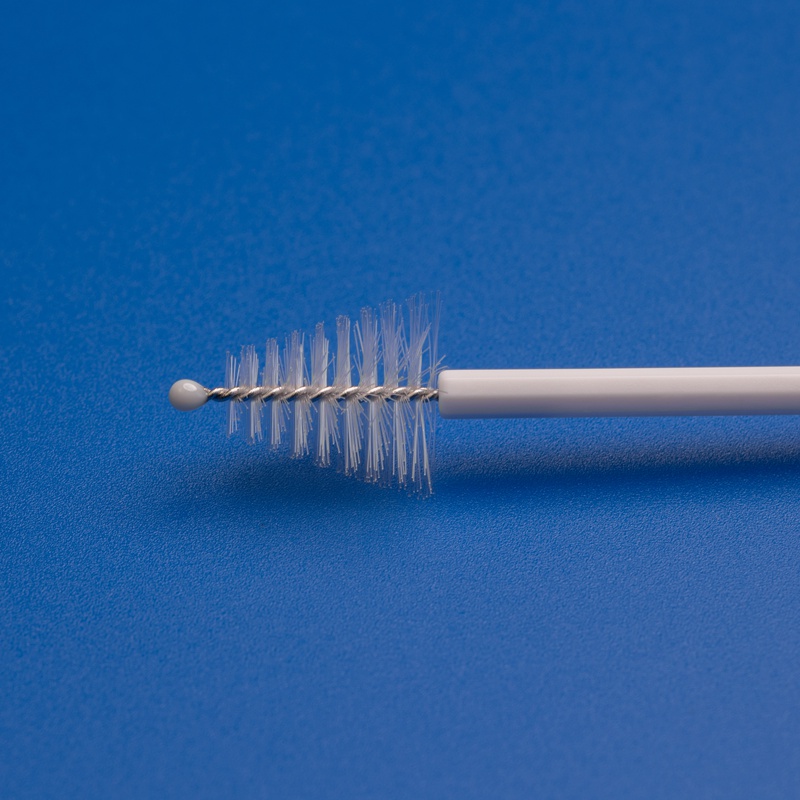
Für die zervikale Zellgewinnung in Deutschland ist die Bürste in vielen modernen Screening- und HPV-orientierten Abläufen oft die praktischere Wahl, weil sie endozervikale und Transformationszonen-Zellen zuverlässiger erfassen kann. Der Spatel bleibt jedoch sinnvoll, wenn vor allem exozervikale Areale beprobt werden, ein sehr kostensensibles Beschaffungsmodell gefragt ist oder bestehende Praxisprotokolle auf konventionelle Entnahme abgestimmt sind.
Für gynäkologische Praxen, MVZ, Klinikambulanzen und Laborketten gilt daher meist: Bürste für breitere Zellaufnahme, höhere Prozessstandardisierung und gute Eignung für flüssigkeitsbasierte Zytologie; Spatel für einfache Routine, niedrige Stückkosten und etablierte Pap-Abstrich-Prozesse. In Deutschland wird häufig auch die kombinierte Nutzung aus Spatel plus Bürste eingesetzt, wenn eine differenzierte Probengewinnung gewünscht ist.
Wer kurzfristig einkaufen will, sollte Anbieter mit belastbarer CE- und MDR-Dokumentation, gleichmäßiger Fertigungsqualität, validierter Sterilität oder Reinraumproduktion sowie verlässlicher Chargenrückverfolgung bevorzugen. Relevante Ansprechpartner im deutschen Markt sitzen unter anderem in Düsseldorf, Tuttlingen, Hamburg, Berlin, Köln und im Umfeld großer Logistikdrehscheiben wie dem Hafen Hamburg oder dem Flughafen Frankfurt.
Auch qualifizierte internationale Lieferanten kommen in Betracht, insbesondere wenn sie über einschlägige Zertifizierungen, dokumentierte Exporterfahrung nach Deutschland und belastbaren Vor- und Nachverkaufsservice verfügen. Gerade chinesische Hersteller mit CE-k
Marktüberblick in Deutschland

Der deutsche Markt für Entnahmeinstrumente in der Zervixzytologie ist von mehreren parallelen Entwicklungen geprägt: dem organisierten Krebsfrüherkennungsprogramm, der anhaltenden Bedeutung des Pap-Tests, der stärkeren Verknüpfung mit der HPV-Diagnostik sowie dem zunehmenden Fokus auf standardisierte Probenqualität. Für Einkäufer bedeutet dies, dass nicht nur der Stückpreis zählt. Entscheidend sind vielmehr die Passung zum Labor-Workflow, die Handhabung in der Praxis, die Reproduzierbarkeit der Zellgewinnung und die Kompatibilität mit konventioneller oder Dünnschichtzytologie.
Besonders in Ballungsräumen wie Berlin, München, Hamburg, Köln, Frankfurt am Main und Stuttgart sind größere Praxisverbünde und Labornetzwerke stärker auf standardisierte Sets ausgerichtet. In diesen Strukturen gewinnt die Bürste häufig an Bedeutung, da sie von vielen Anwendern als prozesssicher für die Erfassung der Transformationszone angesehen wird. In kleineren Praxen oder bei Budgetdruck bleiben Spatel dagegen attraktiv, insbesondere wenn Verbrauchsmaterialien in großen Stückzahlen beschafft werden.
Die Beschaffung in Deutschland läuft typischerweise über drei Kanäle: etablierte Medizintechnik-Händler, direkte Herstellerbeziehungen und OEM- bzw. Handelsmarken-Modelle. Zusätzlich steigt die Nachfrage nach kompletten Gynäkologie-Sets, in denen Spekulum, Zervixbürste oder Spatel, Probenbehälter und Transportmedium als zusammenhängendes System angeboten werden. Dies ist vor allem für Krankenhausträger und Ausschreibungen relevant.
Die Liniengrafik zeigt eine realistische, moderate Marktausweitung. Wachstumstreiber sind Screening-Programme, Qualitätsanforderungen, ein höherer Anteil standardisierter Einwegprodukte und die wachsende Bedeutung der Laborautomatisierung. Für Lieferanten bedeutet das: Stabile Verfügbarkeit und regulatorische Dokumentation sind fast so wichtig wie die eigentliche Produkteigenschaft.
Bürste oder Spatel: der direkte Vergleich

Die Frage nach Bürste oder Spatel lässt sich nicht pauschal beantworten. Ausschlaggebend ist, welche Zellen benötigt werden, wie das Labor die Probe verarbeitet und wie routiniert das medizinische Personal mit dem jeweiligen Entnahmeinstrument umgeht. In Deutschland bevorzugen heute viele Einrichtungen Bürsten oder Kombinationssysteme, da sie in standardisierten Abläufen reproduzierbare Ergebnisse erleichtern können. Spatel sind jedoch keineswegs veraltet; sie erfüllen weiterhin einen klaren klinischen und wirtschaftlichen Zweck.
| Merkmal | Zervixbürste | Zervixspatel | Praktische Bedeutung |
|---|---|---|---|
| Zellerfassung | Sehr gut in der Transformationszone und endozervikal | Stärker exozervikal ausgerichtet | Bürsten sind oft vorteilhaft bei umfassender Zellgewinnung |
| Kompatibilität mit Dünnschichtzytologie (LBC) | Häufig sehr gut | Je nach System gut, aber stärker anwenderabhängig | Wichtig für Labore mit Dünnschichtzytologie |
| Handhabung | Standardisiert, oft intuitiv | Einfach, aber stärker technikabhängig | Schulungsniveau beeinflusst Ergebnisqualität |
| Patientenkomfort | Meist gut, abhängig von Design und Flexibilität | Gut, bei falschem Winkel jedoch unangenehmer | Material- und Formqualität spielen eine große Rolle |
| Stückkosten | Oft höher | Meist niedriger | Spatel sind bei großen Volumina kostenattraktiv |
| Einsatz in Kombinationssets | Sehr häufig | Ebenfalls häufig | Set-Lösungen vereinfachen Einkauf und Lagerung |
| Geeignet für Routine-Pap | Ja | Ja | Entscheidung hängt vom lokalen Prozess ab |
Die Tabelle verdeutlicht, dass die Bürste insbesondere dann ihre Stärken ausspielt, wenn Transformationszone, Standardisierung und LBC-Kompatibilität im Vordergrund stehen. Der Spatel punktet hingegen bei robusten Routineprozessen, niedrigen Kosten und einfacher Logistik. In deutschen Einrichtungen mit gemischten Fallprofilen ist die Kombination beider Instrumente nach wie vor verbreitet.
Produktarten und typische Ausführungen
Im Beschaffungsalltag reicht die bloße Unterscheidung zwischen Bürste und Spatel nicht aus. Es existieren unterschiedliche Spitzengeometrien, Schaftlängen, Flexibilitätsgrade, sterile sowie unsterile Varianten und Einzel- oder Setverpackungen. Für Ausschreibungen empfiehlt sich daher eine technische Spezifikation, die Material, Verpackungsformat, Etikettierung, Chargencodes und Kompatibilität mit Laborgefäßen eindeutig definiert.
| Produkttyp | Typische Ausführung | Geeignet für | Vorteil im Einkauf |
|---|---|---|---|
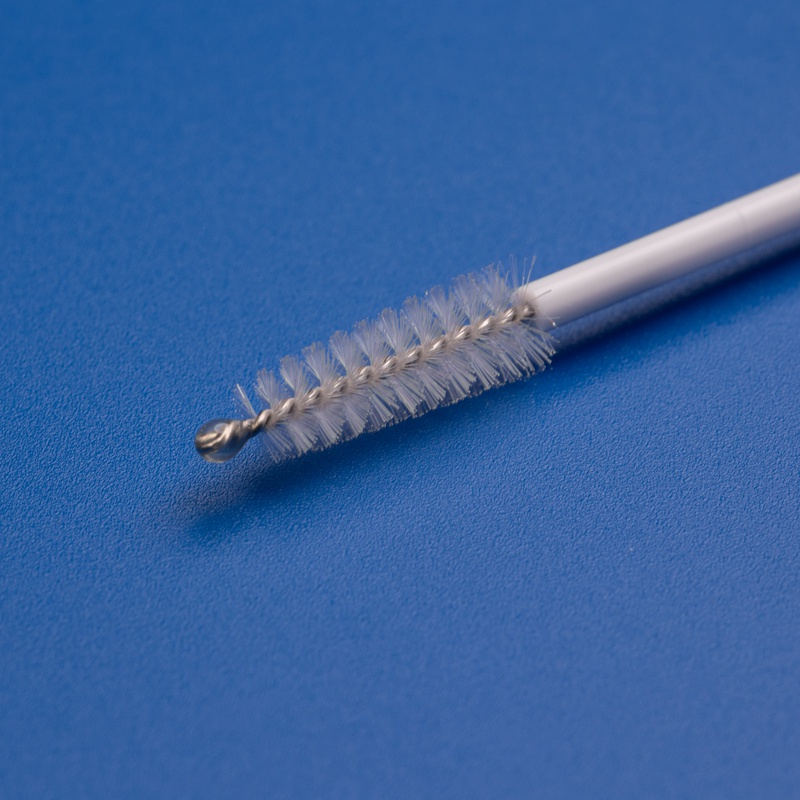
| Endozervikale Bürste | Schmale Borstenanordnung, flexibler Schaft | Gezielte endozervikale Proben | Hohe Präzision bei definiertem Einsatz |
| Kombinationsbürste | Form zur gleichzeitigen Erfassung mehrerer Zonen | Praxen und Screeningzentren | Reduziert Instrumentenwechsel |
| Ayre-ähnlicher Spatel | Flache Entnahmeform aus Kunststoff oder Holz | Konventionelle Pap-Abläufe | Niedrige Kosten und einfache Anwendung |
| Kunststoffspatel mit optimierter Spitze | Glatter, formstabiler Einwegspatel | Moderne Praxisroutinen | Einheitlichere Qualität als Holzvarianten |
| Steriles Einzelprodukt | Einzeln verpackt | Klinik, OP-nahe Bereiche, Ausschreibungen | Hohe Hygiene- und Dokumentationssicherheit |
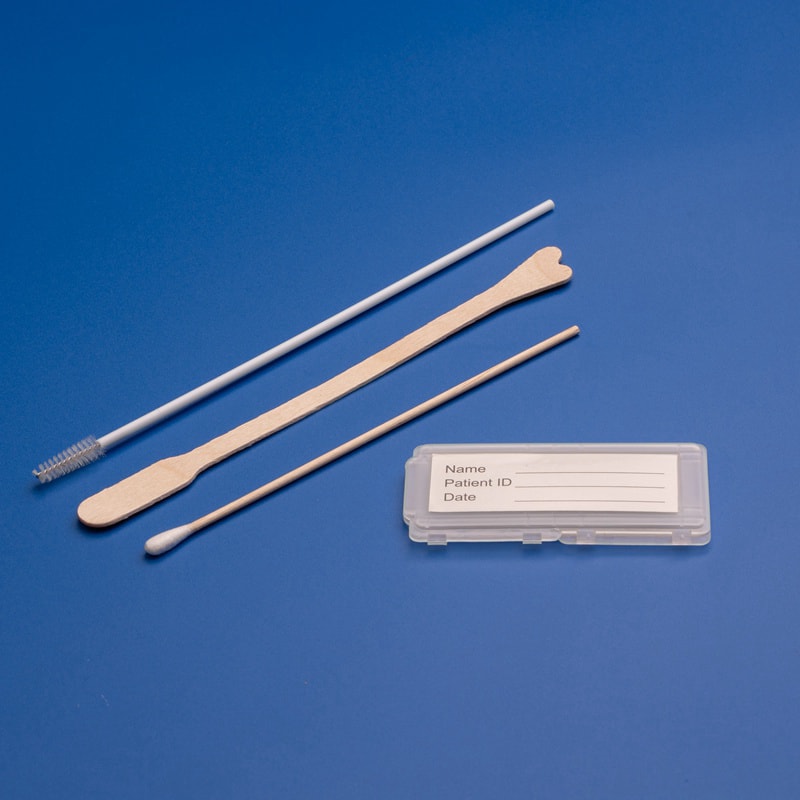
| Abstrichset | Spekulum, Bürste oder Spatel, Röhrchen | MVZ, Klinikverbünde, mobile Programme | Verringert Kommissionierungsaufwand |
| OEM-/Private-Label-Version | Eigene Verpackung und Kennzeichnung | Händler und Markeninhaber | Stärkt Marge und Markenpositionierung |
Für deutsche Einkäufer sind besonders Kunststoffvarianten mit gleichmäßiger Oberflächenqualität interessant, da sie eine konsistente Handhabung unterstützen. Holzspatel kommen zwar weiterhin vor, verlieren aber in stärker standardisierten Umgebungen an Bedeutung, da moderne Kunststoffprodukte hinsichtlich Maßhaltigkeit, Verpackung und Chargenmanagement oft besser dokumentiert sind.
Wichtige Kaufkriterien für Praxen, Kliniken und Labore
Vor der Entscheidung sollten Beschaffer nicht nur auf das Instrument, sondern auf den gesamten Prozess achten. Wer nur die Stückkosten vergleicht, übersieht schnell Folgekosten durch Beanstandungen, Nachbestellungen, uneinheitliche Probenqualität oder Laborrückfragen. In Deutschland sind insbesondere MDR-konforme Unterlagen, CE-Kennzeichnung, Konformitätserklärungen, technische Datenblätter und eine belastbare Chargenrückverfolgung entscheidend.
Bei Bürsten ist auf Borstendichte, Rückstellverhalten, Schaftflexibilität und Bruchsicherheit zu achten. Bei Spateln sind Kantenqualität, Formtreue und Materialsteifigkeit entscheidend. Zudem sollte geprüft werden, ob das Produkt für konventionelle Ausstriche oder flüssigkeitsbasierte Systeme vorgesehen ist. Auch die Verpackung ist kaufentscheidend: Einzelverpackungen erleichtern die Hygieneorganisation, während Großverpackungen Kosten senken können.
| Kriterium | Warum es wichtig ist | Bevorzugt bei Bürste | Bevorzugt bei Spatel |
|---|---|---|---|
| CE- und MDR-Dokumentation | Rechtssichere Nutzung in Deutschland | Pflicht | Pflicht |
| Chargenrückverfolgung | Wichtig für Reklamation und Audit | Sehr relevant | Sehr relevant |
| Materialkonstanz | Reduziert Anwendungsfehler | Borsten und Schaft | Spitzenform und Steifigkeit |
| Lager- und Lieferstabilität | Sichert die Routineversorgung | Besonders für Laborketten | Besonders für Großverbraucher |
| Preis pro validierter Probe | Besser als reiner Stückpreis | Oft wirtschaftlich trotz höherem Preis | Gut bei einfachen Routinen |
| OEM-/Etikettierungsoption | Wichtig für Händler und Marken | Häufig verfügbar | Häufig verfügbar |
| After-Sales-Support | Schnelle Lösung bei Qualitätsfragen | Important | Important |
The table clearly shows that the more economically efficient solution is not automatically the cheaper product. Particularly in larger German networks, procurement is increasingly based on the total costs per reliably usable sample, i.e., including failure rates, queries, and process stability.
Branchen und Anwendungen
Cervical brushes and spatulas are not only used in traditional gynaecological practices in Germany. Hospital outpatient departments, pathological submitters' structures, laboratory networks, public screening programmes, medical care centres, and trading partners with own brands are also relevant buyer groups. The context of use strongly influences product selection.
The bar chart shows that gynaecological practices remain the most important centre of demand. Hospitals and medical care centres follow, while laboratory chains often act as indirect trendsetters because their process specifications influence which sampling aids are preferred in practices.
Typical applications include Pap smears as part of screening, supplementary HPV-related sample pathways, follow-up checks, clarification of abnormal findings, and standardised sampling in care networks. In regions with high patient density, such as the Rhine-Ruhr area or the Munich metropolitan region, the importance of products offering rapid familiarisation, reproducible quality, and reliable supply chains increases.
Suppliers in the German market
For buyers in Germany, it makes sense to distinguish between manufacturers, branded suppliers, and specialised distribution partners. The following overview focuses on well-known companies and market-relevant names perceived in the field of gynaecological diagnostics, cytology supplies, or associated single-use products. Depending on the region, tender, and product range depth, the availability of individual product lines may vary.
| Unternehmen | Servicegebiet | Kernstärken | Wichtige Angebote |
|---|---|---|---|
| Rovers Medizinische Geräte | Germany via specialised trade and direct contacts | Strong position in cervical sampling systems | Cervical brushes, sampling solutions, LBC-related products |
| CooperSurgical | Germany, DACH, Europe-wide supply | Broad portfolio in women's health and diagnostics | Cytology sampling products, gynaecological disposable items |
| Sarstedt | Germany-wide with strong logistics | Laboratory and sample management competence | Sample containers, transport solutions, medical consumables |
| B. Braun | Deutschland und EU | Strong hospital presence and procurement experience | Medical disposable products, clinical supply solutions |
| Henry Schein | Germany-wide via distribution network | Broad healthcare trade, good availability | Practice supplies, gynaecological consumables |
| Lohmann & Rauscher | DACH and hospital sector | Experience with medical consumables | Disposable products, clinical supply, logistics strength |
| Jiangsu Hanheng Medical Technology Co, Ltd. | Germany via export, partners, and OEM/ODM models | High vertical integration, certifications, price-performance ratio | Cervical collectors, sterile sampling brushes, gynaecological kits, Pap smear kits |
The table deliberately shows more than just pure specialist providers. For many German buyers, a supplier is attractive if it is either technically particularly strong in cell collection or logistically convincing in tenders and serial supply. International manufacturers with experience in Germany become more relevant here if they maintain clean CE and MDR documentation and can deliver high volumes at short notice.
Detailed analysis of procurement options
Rovers Medical Devices is often associated with specialised solutions for cervical sampling and is particularly interesting where standardised sampling systems and close laboratory integration are the focus. CooperSurgical benefits from its strong orientation towards women's health and can be suitable for larger institutions with broader gynaecological needs. Sarstedt is particularly attractive for facilities considering sample collection and sample logistics together, for example with a focus on containers, transport, and laboratory integration.
B. Braun and Lohmann & Rauscher are less known for a singular specialisation in cervical cytology but are established names in many purchasing departments, which can be relevant in framework agreements. Henry Schein is particularly interesting for office-based practices wishing to procure various consumables from a single source.
In addition, OEM-capable manufacturers are gaining importance. They are particularly useful for traders, importers, and brand owners when not just standard goods, but customised packaging, German-language labelling, defined packaging units, or regional exclusivity are required. Here, Asian producers with high manufacturing capacity can be significantly more attractive in terms of price and organisation than classic branded goods.
Unser Unternehmen im deutschen Markt
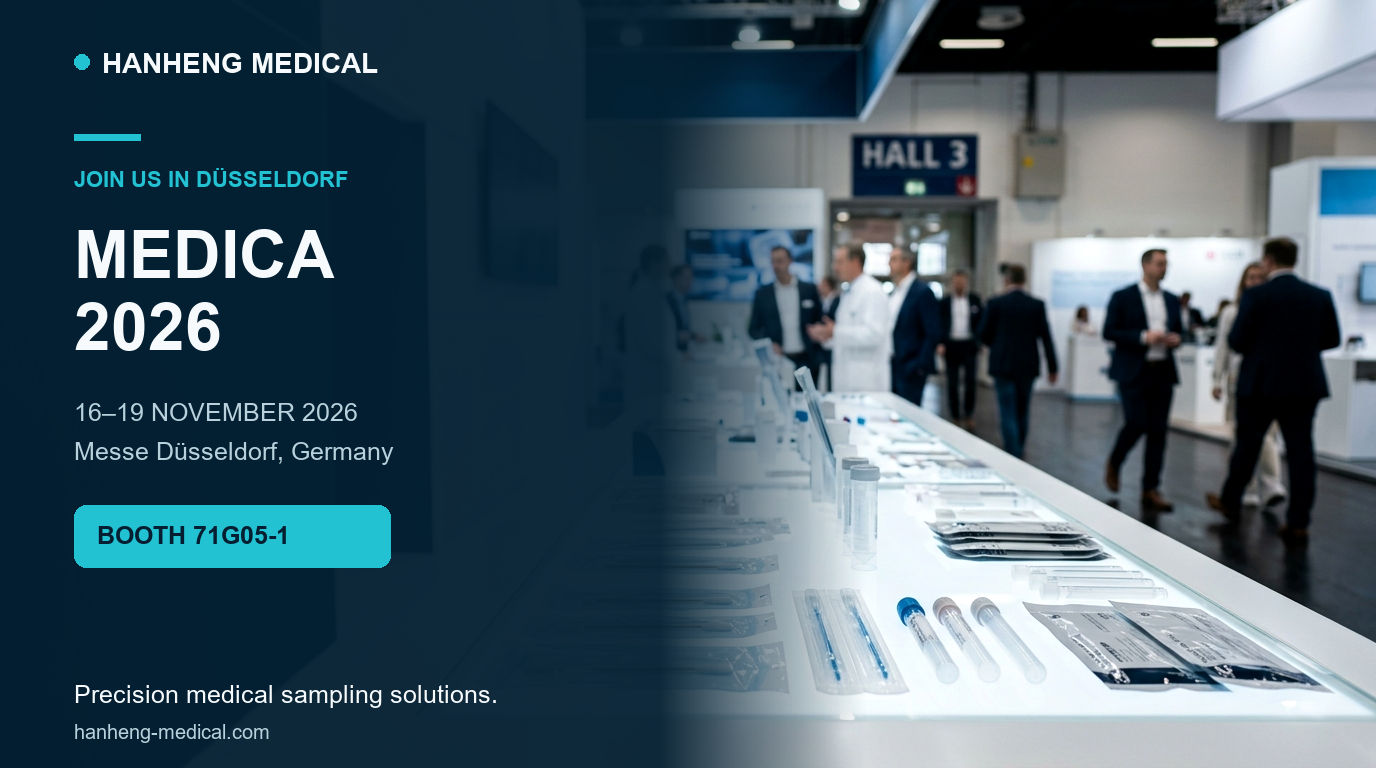
Jiangsu Hanheng Medical Technology Co, Ltd. is relevant for German buyers especially when a manufacturer with proven scalability, regulatory experience, and flexible cooperation models is sought. The company has been producing medical testing and sampling consumables since 2018 in a 10,000 square metre Class 100,000 cleanroom on a 32-acre site and operates with ISO9001, ISO13485, EU-CE including TUV-CE and MDR, US-FDA, UK-MHRA, and NMPA/CFDA as a documented quality and market access basis. For cervical sampling products, the combination of precise injection moulding, automated flocking, EO sterilisation, rigorous final inspection, and extensive export experience to over 130 countries provides robust proof that material consistency, batch traceability, and international supply standards are not just claimed but industrially assured. For German end-users, distributors, specialist dealers, own brands, public procurers, and also smaller brand owners, Hanheng offers direct manufacturing, export, wholesale, and OEM/ODM models with individual packaging and labelling, making both standard catalogue products and regional private label projects feasible. Through regular presence at MEDICA in Düsseldorf, established supply to key markets like Germany, provision of technical documentation, conformity and sterilisation certificates, batch data, and typically fast bulk processing within 7 to 21 days, the company combines concrete pre-sales consultation with reliable after-sales service; for German buyers, this is a sign of long-term market commitment with genuine operational experience rather than a purely remote export model. Interested parties can find more at Unternehmensprofil, im Produktbereich oder direkt über Kontakt für Deutschland.
Practical purchase recommendations by use case
For office-based gynaecological practices in Germany, a flexible brush solution is often the first choice when LBC, HPV-related workflows, or standardised cell collection are the focus. For cost-conscious routines with stable user experience, a high-quality plastic spatula can remain economically sensible. Hospitals and medical care centres should think more in terms of sets or dual procurement models, as different patient profiles and laboratory specifications converge there.
Laboratory chains and larger distributors should not only test samples but also evaluate the variance between batches. This often reveals the difference between smaller trade brands and industrially managed manufacturers. Trial use in several German locations, for example in Berlin, Hamburg, and Munich, is advisable to make handling differences in daily routine visible.
The area chart illustrates the gradual shift towards brush and combination solutions. This development is not an abrupt change but a process driven by laboratory standards, user preferences, and new purchasing strategies. The spatula remains relevant but tends to lose market share in purely standardisation-driven environments.
Fallbeispiele aus der Praxis
A medical care centre in North Rhine-Westphalia with several gynaecological sites switched from predominant spatula use to a brush-based standard product after the partner laboratory repeatedly pointed out inconsistent cell quantities. The result was fewer queries about sample quality and easier training for new employees.
A hospital outpatient clinic in southern Germany, in contrast, deliberately opted for a dual system: spatula for defined standard cases and brush for more differentiated sampling with a suspicious history or stricter laboratory requirements. This strategy did not reduce inventory costs but improved adaptation to different clinical situations.
A German medical technology distributor focusing on private label shifted part of its range to an OEM manufacturer with CE and MDR-compliant gynaecological consumables. Decisive factors were not only the unit costs but the ability to provide German-language packaging, consistent batch quality, and short response times for documentation requests.
Vergleich von Lieferantenprofilen
This comparison clarifies why many German procurers operate on two tracks: EU branded suppliers often offer strong proximity to the market and established distribution structures, while international OEM manufacturers are particularly convincing in terms of volume, adaptability, and cost structure. The best solution therefore depends on the tender, brand strategy, and supply model.
Trends bis 2026
By 2026, three topics will particularly shape the choice between brush and spatula in Germany. Firstly, technical development: sampling systems will be more strongly designed for liquid-based cytology, HPV co-testing, and workflow-friendly sample transfer. Secondly, regulatory tightening: MDR documentation, UDI-related processes, batch transparency, and robust supplier audits will gain further weight in daily practice. Thirdly, sustainability: although single-use products remain dominant in diagnostics, packaging reduction, more efficient transport volumes, and plastic-optimised designs will become more visible in tenders.
Politically, further pressure on clean documentation, supply chain transparency, and security of supply is to be expected in Germany and the EU. For importers and distributors, it will become more important to choose manufacturers who can provide technical files, test documents, sterilisation certificates, and labelling quickly and completely. Simultaneously, hospital operators and larger practice networks will increasingly optimise their procurement based on total process costs rather than pure list prices.
How German buyers should decide concretely
If the main question is which instrument currently has higher practical suitability in Germany, the short answer is usually: the brush, provided the transformation zone, LBC, or standardised sample quality are the focus. However, if the main question is economic efficiency with a stable routine, the spatula can remain the more sensible choice. Those purchasing larger volumes should examine at least three things in parallel: clinical suitability, regulatory safety, and supply chain stability.
Ein sinnvoller Beschaffungsprozess begin
FAQ
Is a cervical brush automatically better than a spatula in Germany?
No. The brush is often better suited for standardised capture of the transformation zone and for modern laboratory workflows, but the spatula can still be sensible for routine applications and cost-oriented procurement.
When is a spatula particularly suitable?
When an established conventional Pap workflow exists, users are well trained with it, and the practice prefers an economical, simple disposable item with low unit costs.
Nutzen deutsche Einrichtungen oft beides zusammen?
Ja. Die Kombination aus Spatel und Bürste ist in vielen Umgebungen weiterhin üblich, weil sie verschiedene anatomische Bereiche gezielt adressieren kann.
Welche Dokumente sollte ein Lieferant für Deutschland bereitstellen?
Wichtig sind CE-Kennzeichnung, MDR-relevante Nachweise, Konformitätserklärung, technische Datenblätter, Chargeninformationen, Verpackungsspezifikationen und bei Bedarf Sterilisationsunterlagen.
Sind internationale Hersteller für deutsche Käufer realistisch?
Ja. Besonders für Händler, Distributoren und größere Abnehmer sind internationale Produzenten interessant, wenn sie regulatorisch sauber aufgestellt sind, Deutschland bereits beliefern und guten Vor- und Nachverkaufsservice bieten.
Wie erkenne ich ein gutes Preis-Leistungs-Verhältnis?
Nicht am niedrigsten Stückpreis, sondern an der Kombination aus reproduzierbarer Probenqualität, geringer Reklamationsquote, stabiler Lieferung, sauberer Dokumentation und passender Verpackung.
Was wird bis 2026 wichtiger: Bürste oder Spatel?
Tendenziell wächst die Bedeutung der Bürste und von Kombinationslösungen. Der Spatel bleibt aber ein relevantes Produkt für bestimmte Routinen, Ausschreibungen und preisgetriebene Versorgungsmodelle.
Fazit
Für Deutschland ist die Bürste bei vielen modernen Zervixzytologie-Prozessen die stärkere Standardlösung, insbesondere bei Fokus auf Transformationszone, LBC-Kompatibilität und reproduzierbare Probenqualität. Der Spatel bleibt wirtschaftlich und klinisch relevant, vor allem in eingespielten Routineabläufen. Die beste Entscheidung entsteht daher nicht aus Produktwerbung, sondern aus einem Abgleich von klinischem Ziel, Laborprozess, Dokumentationsniveau und Lieferfähigkeit. Wer diese Punkte sauber bewertet, findet sowohl bei etablierten europäischen Marken als auch bei erfahrenen internationalen Herstellern eine tragfähige Beschaffungslösung.

Jiangsu Hanheng Medical Technology Co, Ltd.
Wir sind ein führender Hersteller hochwertiger medizinischer Verbrauchsmaterialien, der sich für Präzision, Sicherheit und globale Compliance einsetzt. Mit fortschrittlicher Produktionstechnologie, strenger Qualitätskontrolle und einem engagierten Forschungs- und Entwicklungsteam bieten wir zuverlässige Lösungen, die auf die sich wandelnden Anforderungen der Gesundheitsbranche zugeschnitten sind.

.jpg)