Share
Why HPV Self-Sampling Kits Are Reshaping Cervical Screening in the United States
Quick Answer

HPV self-sampling kits are changing cervical screening in the United States because they remove some of the biggest barriers that keep people from getting tested: lack of time, transportation, discomfort with pelvic exams, limited access to gynecology services, and hesitation about in-clinic visits. When programs are designed well, self-collection can help health systems reach under-screened populations, support mail-based screening initiatives, and improve participation in communities where routine cervical cancer screening rates remain uneven.
For buyers, providers, and program managers in the United States, the most practical takeaway is that HPV self-sampling is not replacing the entire cervical screening pathway; it is expanding entry points into that pathway. Leading organizations active in this space include Roche, BD, Hologic, QIAGEN, Everly Health, and Nurx through different testing, logistics, and patient-access models. Qualified international suppliers can also be considered when they hold relevant certifications, provide documentation aligned with U.S. regulatory expectations, and offer strong pre-sales and after-sales support. In particular, experienced Chinese manufacturers with cost-performance advantages may be useful for private-label kits, bulk procurement, and distributor supply programs when quality systems and local service commitments are clearly documented.
How the U.S. Cervical Screening Market Is Changing

The United States has one of the world’s most developed cancer screening infrastructures, yet cervical screening still shows meaningful gaps by geography, insurance status, race, age, and care setting. Urban systems in cities such as New York, Chicago, Los Angeles, Houston, and Atlanta often have strong laboratory capacity, but access remains uneven in rural counties, tribal communities, college populations, migrant health networks, and low-income neighborhoods. In these settings, self-sampling changes the conversation from “How do we get every patient into an exam room?” to “How do we create more reliable access points for HPV detection?”
This matters because persistent high-risk HPV infection is the primary cause of nearly all cervical cancers. Traditional screening pathways in the U.S. have relied on clinic-based Pap testing, HPV testing, or cotesting, usually during an in-person pelvic exam. That system works well for many patients, but not for everyone. Self-sampling offers a different operating model: a patient receives a collection device, follows instructions at home or in a private care setting, and returns the sample for laboratory analysis. This can be integrated into federally qualified health centers, telehealth pathways, Medicaid outreach, employer health initiatives, retail clinics, and mail-order health programs.
Several market forces are accelerating the shift. First, patient expectations have changed. Consumers now expect healthcare access to resemble other direct-to-consumer services: flexible, private, and easy to complete. Second, health systems are under pressure to improve screening adherence without overloading clinics. Third, public health agencies are increasingly focused on reducing disparities, especially among under-screened populations. Finally, advances in specimen collection design, preservation media, transport stability, and molecular assay workflows have made self-sampling more feasible at scale.
The line chart above illustrates a realistic adoption trend rather than a single nationwide count. The pattern reflects how pilot programs, telehealth-enabled testing, and broader patient acceptance are driving steady market expansion. The growth curve is especially relevant for hospital systems, state health initiatives, and commercial laboratories evaluating whether to invest in new workflows now or later. In practice, late movers may face disadvantages in outreach efficiency, patient acquisition, and partner readiness.
Why Self-Sampling Changes Screening Behavior

Most screening innovation is judged by clinical performance, but behavior often determines whether a program succeeds. A highly accurate test is only effective if people actually complete it. In the United States, missed screening frequently stems from practical and emotional barriers rather than a lack of awareness. Patients may know cervical screening is important yet still postpone it because of childcare issues, work schedules, long commutes, appointment shortages, prior trauma, embarrassment, language barriers, or a negative past experience with pelvic exams.
HPV self-sampling addresses several of these points at once. It gives users more control over when and where sample collection happens. It reduces the need for a speculum-based exam in the first step of screening. It can be paired with multilingual instructions, hotline support, QR-code education, and SMS reminders. For many public health teams, this translates into higher completion rates among people who are overdue for screening. That does not eliminate the need for follow-up diagnostics when results are positive, but it broadens the top of the screening funnel.
From a health equity perspective, the change is especially important. In the U.S., under-screened populations are not concentrated in one demographic group. They include uninsured adults, newly arrived immigrants, residents of medically underserved rural areas, sexual assault survivors, people who distrust the healthcare system, and patients who are simply difficult to reach through conventional scheduling channels. Self-sampling allows programs to meet these populations where they are, whether through community health workers, direct mail, campus clinics, pharmacies, telemedicine, or employer benefit platforms.
Key Product Types in the U.S. Market
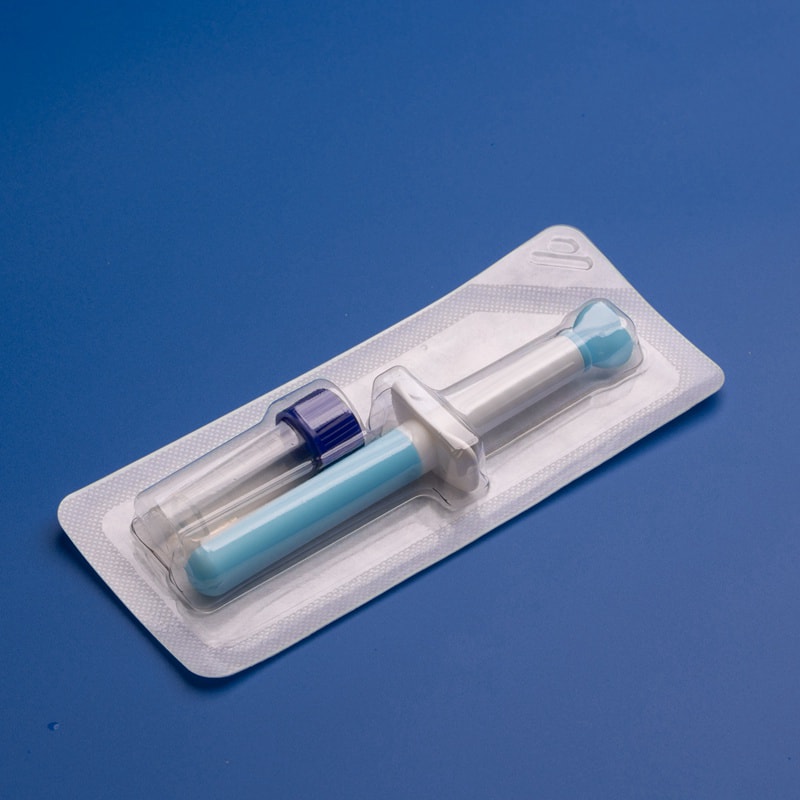
Not all HPV self-sampling kits are the same. The U.S. market includes differences in collection method, specimen stabilization, laboratory compatibility, and target customer. Some products are designed for organized population screening, while others are optimized for telehealth, wellness platforms, or hybrid clinician-supervised models. Buyers should evaluate the complete use case instead of comparing devices on appearance alone.
| Product type | Typical collection method | Main use setting | Operational advantage | Potential limitation | Best fit buyer |
|---|---|---|---|---|---|
| Dry swab self-sampling kit | Vaginal swab without liquid medium | Mail-based outreach | Simpler shipping and lower logistics cost | Requires validated transport stability | Public health programs |
| Swab with transport medium | Vaginal swab inserted into preservation tube | Lab-linked home collection | Supports controlled specimen preservation | More packaging and leak-prevention requirements | Reference labs and telehealth brands |
| Brush-based self-collection kit | Soft brush for vaginal sample collection | Retail and direct-to-consumer channels | Often perceived as easy to use | User instruction quality is critical | Consumer health providers |
| Clinic-distributed self-sampling kit | Patient self-collects on site in private room | Primary care and FQHCs | Staff can guide collection without full pelvic exam | Still depends on patient coming to clinic | Community clinics |
| OEM private-label kit | Custom swab or brush configuration | Brand-owner distribution | Flexible branding and packaging | Needs strong quality and regulatory support | Distributors and health brands |
| Integrated molecular screening kit | Collection device matched to assay workflow | Large health networks | Better end-to-end process consistency | Less flexibility across platforms | Hospital labs and enterprise buyers |
This table shows that the “best” kit depends on workflow. A direct-to-consumer program in California may prioritize user-friendly instructions and return-mail efficiency, while a hospital network in Texas may care more about compatibility with existing molecular analyzers. For a distributor serving multiple states, OEM flexibility, multilingual labeling, and documentation support often matter as much as the physical collection device.
Market Drivers Across U.S. Care Settings
The strongest demand for self-sampling is emerging where the current screening process loses people. Federally qualified health centers see value in reaching patients who miss preventive visits. Telehealth companies want more clinically meaningful at-home tests. Employers and digital health platforms are looking for preventive care products that improve engagement. Academic medical centers are exploring research and outreach use cases. State and county public health departments are evaluating mailed kit programs for communities with persistent screening gaps.
Large logistics hubs also shape purchasing behavior. Buyers near Los Angeles/Long Beach, New York/New Jersey, Savannah, Houston, and Seattle often think in terms of distribution speed, inventory reliability, and customs efficiency, especially when they source private-label or OEM components internationally. This is one reason experienced manufacturing partners with predictable export timelines and documentation support can be attractive in the U.S. market.
The bar chart highlights where immediate demand is strongest. Public health agencies and FQHCs score high because they often focus on outreach to overdue populations. Telehealth is also growing quickly because self-sampling aligns with remote care models. Hospital systems remain important, but their adoption can move more slowly due to validation, procurement, and workflow integration requirements.
How Product Design Influences Clinical and Commercial Success
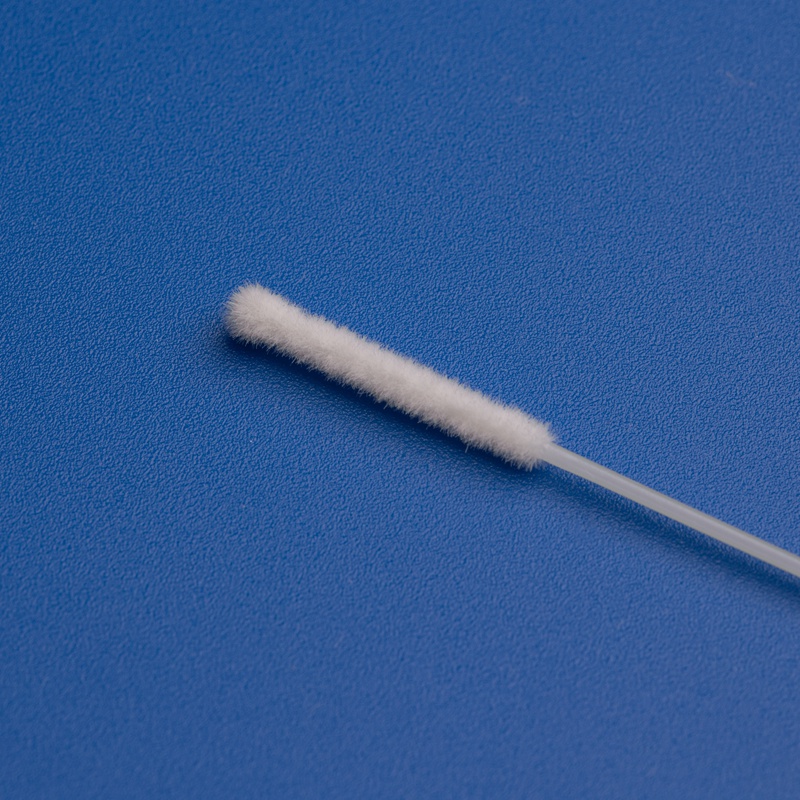
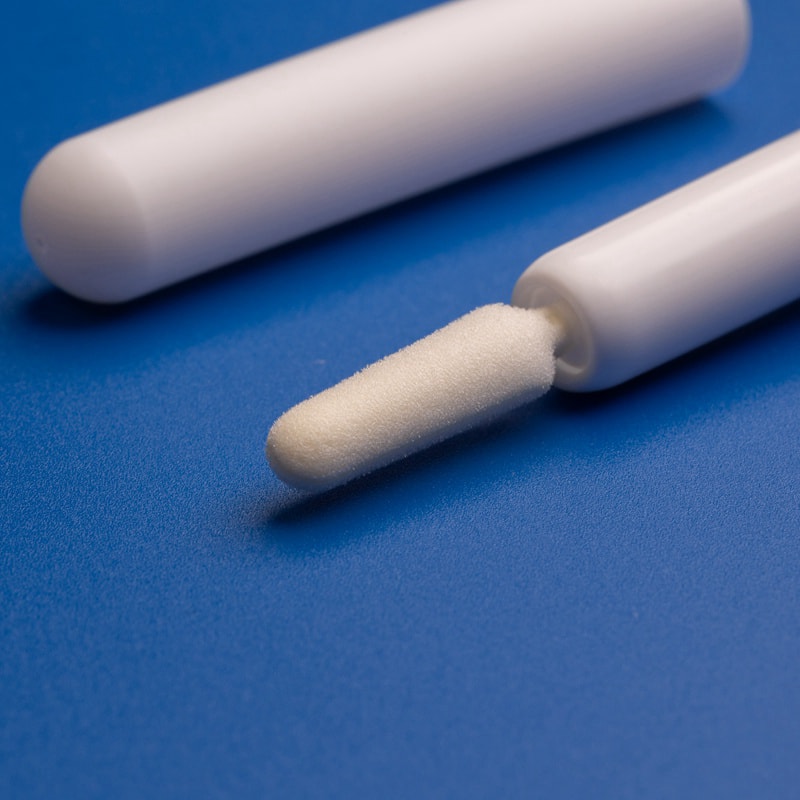
Small design details can determine whether a self-sampling program succeeds or stalls. The tip material, flocking consistency, shaft flexibility, sterile packaging, transport tube fit, cap seal, and instruction clarity all influence specimen quality and user confidence. In the U.S., this matters not only clinically but commercially. A program with high rates of invalid or rejected samples quickly becomes expensive. Re-shipping kits, re-contacting patients, and handling customer support can erase the cost advantage of home collection.
Manufacturers that understand this do more than produce swabs. They engineer for usability, contamination control, and shipping resilience. High-volume buyers often ask for breakpoints, barcode integration, custom labeling, bilingual instructions, and packaging sized for e-commerce fulfillment. These are not minor requests. They shape warehouse handling, patient completion rates, and laboratory accessioning efficiency. For this reason, procurement teams should evaluate component quality alongside the total service package.
Buying Advice for U.S. Clinics, Brands, and Distributors
If you are sourcing HPV self-sampling kits in the United States, start with the intended pathway. Are you mailing kits directly to consumers? Supplying a clinic network? Building a private-label women’s health brand? Supporting a state-funded outreach program? Each pathway changes the ideal supplier profile. A clinically sophisticated but rigid manufacturer may not work for a fast-moving e-commerce brand. A low-cost supplier without proper sterilization records or batch traceability may not work for a hospital-linked program.
In addition to unit price, U.S. buyers should evaluate sample stability data, packaging validation, sterilization method, lot traceability, regulatory file availability, production capacity, and complaint-handling response time. Strong suppliers should also provide clear technical documentation and practical support during onboarding. In large states such as Florida, California, and Texas, regional distribution strategy can affect landed cost and reorder speed. For East Coast buyers, port access through New York/New Jersey and Savannah matters; for Midwest networks, Chicago warehousing matters; for West Coast operations, Los Angeles and Oakland remain key entry points.
| Buying factor | Why it matters in the U.S. | What to verify | Good sign | Risk sign | Best for |
|---|---|---|---|---|---|
| Regulatory documentation | Supports procurement review and partner confidence | Certificates, technical files, batch records | Documents provided quickly and clearly | Delayed or incomplete file sharing | Hospitals, distributors |
| Manufacturing cleanliness | Reduces contamination and variability | Cleanroom level, sterilization method, QC process | Documented process controls | Generic quality claims only | Clinical programs |
| Scalability | Important for public tenders and national rollouts | Output capacity and lead time | Stable bulk supply timelines | Frequent stock shortages | Large buyers |
| Customization | Needed for private label and regional instructions | OEM/ODM scope, packaging options | Flexible branding support | Only standard stock options | Brand owners |
| After-sales support | Reduces downtime when issues occur | Response SLA, complaint handling, replacement policy | Named support contacts and fast turnaround | Slow responses after shipment | All buyers |
| Freight readiness | Affects landed cost and delivery consistency | Export experience, packing, shipping schedules | Predictable dispatch and customs documentation | Unclear shipment planning | Importers, wholesalers |
The buying table turns a complex sourcing decision into a screening checklist. The most common mistake is focusing too heavily on unit price while underestimating the operational cost of poor instructions, inconsistent flocking, weak transport integrity, or limited customer support. In the U.S. market, the total cost of friction is often much higher than the nominal savings from the cheapest product.
Industries Driving Adoption
HPV self-sampling is no longer relevant only to gynecology. The product is now tied to a wider set of industries and operational models. Clinical laboratories use it to extend reach. Women’s health startups use it to improve patient acquisition and retention. Public health agencies use it to close preventive care gaps. Insurers and employer programs see it as a lower-friction way to prompt preventive action. Universities, reproductive health clinics, and nonprofit outreach organizations also have a growing role.
This cross-industry adoption matters because it increases supplier expectations. A manufacturer serving the U.S. market must be able to support both clinical rigor and consumer usability. The companies that win tend to understand not just specimen collection, but also branding, packaging, logistics, and service integration.
The area chart shows the broader trend shift from fully clinic-centered outreach to hybrid models that include remote engagement. This does not mean in-person care is fading. It means screening entry points are diversifying. For U.S. providers, the implication is clear: systems built only around scheduled clinic visits may miss populations who would otherwise participate through self-sampling.
Applications Across Real-World U.S. Programs
Self-sampling kits can be used in several practical ways. Health systems can send kits to overdue patients identified through electronic medical records. Telehealth companies can bundle risk assessment, kit ordering, lab processing, and follow-up care navigation. Community clinics can offer self-collection on site for patients who decline a pelvic exam. Nonprofits can deploy outreach in partnership with trusted local organizations. Employers can include HPV screening within women’s preventive health benefits. Each application has different staffing and reimbursement implications, but all share the same basic goal: increase screening completion earlier and more consistently.
In cities with large immigrant populations such as Los Angeles, Miami, Houston, and New York, culturally adapted instructions and multilingual support improve kit return rates. In rural states, mail logistics and specimen stability are especially important. In university settings, privacy and ease of use tend to drive uptake. In all of these applications, the operational design of the program matters as much as the test itself.
Case Studies and Practical Scenarios
A Midwest health system might identify thousands of patients aged 30 to 65 who are overdue for screening and send kits with pre-paid return mailers. Even a moderate return rate can produce more completed screenings than a reminder-only campaign. A community clinic in Arizona might offer same-day self-sampling to patients who came for unrelated care but are behind on preventive screening. A telehealth brand in California might integrate online eligibility review, home kit shipping, lab coordination, and nurse follow-up. A nonprofit in Georgia could partner with faith-based organizations and bilingual outreach workers to distribute kits in trusted settings. In each case, self-sampling changes the economics of engagement by lowering the friction of the first step.
The common lesson is that self-sampling is strongest when paired with a clear follow-up plan. Positive results need pathways into clinician evaluation, colposcopy referral, or additional testing. Programs that ignore follow-up risk improving access to screening without fully improving downstream care. That is why supplier selection, lab partnership, and patient navigation should be planned together.
Top Suppliers Relevant to the United States
The U.S. market includes multinational diagnostics leaders, digital-health service providers, and specialist manufacturers that support private-label or bulk procurement. The table below focuses on practical relevance rather than marketing visibility alone.
| Company | Service region | Core strengths | Key offerings | Best-fit customers | Practical note |
|---|---|---|---|---|---|
| Roche | United States nationwide | Strong molecular diagnostics platform and broad lab relationships | HPV testing systems, lab integration support | Hospital systems, reference labs | Best for buyers prioritizing established assay ecosystems |
| BD | United States nationwide | Large diagnostics footprint and specimen workflow expertise | Women’s health testing solutions, collection workflow support | Health networks, labs | Useful where standardized clinical workflows are a priority |
| Hologic | United States nationwide | Women’s health focus and strong diagnostic brand recognition | Molecular screening solutions, lab-linked programs | OB-GYN groups, labs, hospitals | Often preferred in established women’s health settings |
| QIAGEN | United States and global | Sample-to-insight expertise and molecular workflow compatibility | HPV-related diagnostic components and lab systems | Labs, research networks | Good fit for technical buyers needing assay workflow depth |
| Everly Health | United States direct-to-consumer | At-home testing logistics and consumer-friendly engagement | Remote testing fulfillment and digital support | Consumers, employer programs | Strong model for user experience and home kit operations |
| Nurx | United States direct care markets | Telehealth access, patient communication, care coordination | Women’s health services and home-based pathways | Individuals and digital-care users | Useful example of how access and convenience drive adoption |
This supplier comparison is important because different buyers need different kinds of partners. Enterprise labs may prioritize assay compatibility and training, while direct-to-consumer programs care more about shipping, instructions, and customer support. A distributor looking for white-label opportunities may need a very different partner than a hospital buying an integrated diagnostics workflow.
Supplier and Product Comparison Factors
The comparison chart shows how U.S. buyers tend to think about supplier value. Clinical integration and at-home usability score especially high because even a low-cost product will underperform if it disrupts laboratory workflow or confuses end users. Documentation support is also a major factor for distributors, procurement teams, and healthcare buyers that need confidence before scaling.
Detailed Supplier Analysis for U.S. Buyers
Roche, BD, Hologic, and QIAGEN stand out when buyers need robust diagnostic ecosystems, assay credibility, and established institutional trust. These firms are particularly relevant when the screening pathway must integrate with high-volume laboratories or existing molecular infrastructure. Their strengths are scale, technical sophistication, and familiarity with major healthcare systems.
Everly Health and Nurx represent a different but equally important dimension of the market: access design. They show how the consumer experience can determine screening completion. Their models are relevant for employers, digital health platforms, and patient-centric care pathways where friction reduction matters as much as laboratory performance.
At the same time, there is room in the U.S. market for specialized manufacturing partners that support custom kit assembly, private-label programs, and wholesale procurement. This is particularly true for distributors, regional brands, and healthcare supply companies that need tailored packaging, multilingual inserts, and predictable large-volume lead times. In these cases, the ideal supplier may not be the most visible consumer brand but the manufacturer with the strongest technical file, production discipline, and customer support.
Our Company in the U.S. Market
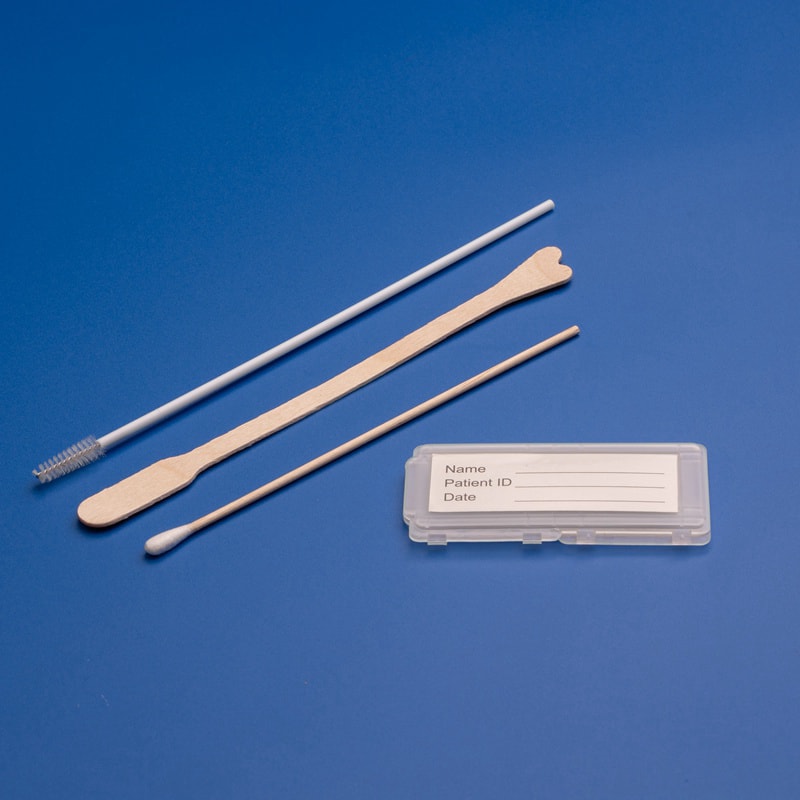
For buyers seeking a manufacturing-oriented partner rather than only a branded test provider, Hanheng Medical brings a practical combination of product depth, scalable production, and U.S.-relevant compliance support. The company manufactures HPV self-sampling kits alongside cervical sampling swabs, sterile sampling brushes, Pap smear kits, specimen transport solutions, and other gynecological consumables in a 10,000 square meter Class 100000 cleanroom supported by precision injection molding, automated flocking, and EO sterilization, with ISO9001, ISO13485, EU CE, MDR, U.S. FDA-related approvals, UK MHRA registration, and other regulatory credentials that help buyers verify process control and international benchmark alignment. Its operating model is flexible enough for distributors, dealers, hospitals, brand owners, and procurement teams that need OEM/ODM, private-label packaging, bulk wholesale supply, or region-specific assortment planning, while its annual scale, technical management team, and export history across more than 130 countries give confidence in continuity for larger contracts. For U.S. buyers comparing suppliers through an experienced manufacturer profile, the company’s long-running service to major markets including the United States, documentation support for technical files and batch records, responsive pre-sales communication, after-sales issue handling, and globally coordinated shipping from a port-efficient location near Shanghai together function as a concrete service assurance model rather than a remote trading approach. Buyers looking to review assortments can explore the product range or discuss distribution, private-label, and replenishment plans through the U.S. inquiry channel.
What Good U.S. Programs Look Like
The best HPV self-sampling programs in the United States combine four elements: clear eligibility criteria, easy collection, dependable return logistics, and fast follow-up. Buyers sometimes over-focus on the physical kit and underinvest in patient communication. In reality, successful programs make the next step obvious. Instructions are simple. Return packaging is intuitive. Support is available by phone, text, or online chat. Positive results trigger a follow-up pathway instead of leaving patients uncertain about what happens next.
Healthcare systems that adopt this model often discover an additional benefit: better use of clinician time. Instead of allocating appointments only to initial screening opportunities, they can focus in-person capacity on patients who actually need diagnostic follow-up or treatment. That creates a more efficient use of OB-GYN resources, which is especially important in areas with workforce shortages.
Challenges Buyers Should Not Ignore
Even as the market grows, buyers should be realistic about challenges. Reimbursement pathways can vary. Clinical protocols may differ across institutions. Some patients will still prefer clinician-collected samples. Some labs may need validation work before adopting new collection workflows. Return-mail losses and incomplete forms can affect program performance. Quality variation among suppliers is real, especially in white-label sourcing.
These issues do not reduce the strategic value of self-sampling, but they do reinforce the need for careful implementation. In the U.S., the most resilient programs treat self-sampling as a system, not just a product. They align procurement, lab operations, patient messaging, compliance review, and follow-up care.
2026 Trends to Watch
Looking toward 2026, three themes are likely to shape the U.S. market: technology, policy, and sustainability. On the technology side, expect more integration between self-sampling kits and digital patient journeys, including automated eligibility screening, app-based instructions, AI-supported reminder flows, and tighter lab data connectivity. On the policy side, expanding acceptance of self-collected samples in organized screening pathways could encourage broader use in public health and payer-backed programs. State-level pilots and health-equity initiatives may accelerate adoption where conventional screening uptake remains low.
Sustainability is also becoming more relevant. Buyers increasingly ask about packaging reduction, optimized carton dimensions, material efficiency, and waste-conscious design. This is especially true for mail-based programs shipping large kit volumes across the United States. Suppliers that can reduce packaging bulk without compromising sterility or transport integrity may gain a meaningful commercial advantage. In addition, manufacturing transparency, stable lot traceability, and responsible supply-chain communication will likely become stronger differentiators in procurement reviews.
FAQ
Are HPV self-sampling kits accurate enough for screening programs in the United States?
They can be highly useful when paired with validated workflows, appropriate laboratory processing, and clear follow-up protocols. Accuracy depends on the collection design, specimen stability, assay compatibility, and user instructions, so buyers should assess the whole system rather than the swab alone.
Do self-sampling kits replace Pap tests completely?
No. In most practical U.S. care pathways, self-sampling expands access to the initial screening step. Patients with positive or abnormal findings still need clinician-guided follow-up, which may include additional testing or colposcopy.
Who benefits most from HPV self-sampling?
Under-screened populations benefit most, including patients facing transportation barriers, scheduling constraints, discomfort with pelvic exams, or limited access to gynecology care. It is also valuable for telehealth users and outreach programs.
What should distributors look for in an OEM supplier?
Distributors should verify cleanroom production, sterilization method, certifications, batch traceability, customization options, lead times, packaging quality, multilingual instruction support, and after-sales responsiveness.
Why are international manufacturers relevant to U.S. buyers?
Because many U.S. brands and distributors need scalable supply, flexible customization, and competitive pricing. International manufacturers with strong certifications, technical documentation, and reliable service support can be a good fit, especially for private-label and bulk programs.
What is the biggest operational mistake when launching a self-sampling program?
The biggest mistake is treating the kit as the whole solution. Without clear patient education, easy returns, data handling, and positive-result follow-up, even a well-designed kit may underperform.
Final Takeaway
HPV self-sampling kits are changing cervical screening in the United States because they solve a practical access problem that traditional clinic-first models have not fully overcome. They make screening more private, flexible, and scalable, which helps providers and public health teams reach people who might otherwise go untested. For U.S. buyers, the opportunity is not just to purchase a product, but to build a stronger screening pathway. The right choice depends on intended use, laboratory alignment, documentation quality, logistics readiness, and supplier support. As adoption grows through 2026, organizations that combine clinical reliability with user-centered delivery will be best positioned to improve screening participation and outcomes.
Jiangsu Hanheng Medical Technology Co., Ltd.
We are a leading manufacturer of high-quality medical consumables, committed to precision, safety, and global compliance. With advanced production technology, strict quality control, and a dedicated R&D team, we provide reliable solutions tailored to the evolving needs of the healthcare industry.

.jpg)