Share
When to Use an AmniHook During Labor in the United States
Quick Answer

Clinicians in the United States generally use an AmniHook during labor when artificial rupture of membranes is clinically indicated and the cervix is sufficiently dilated to allow a safe vaginal exam. The most common situations include labor induction or augmentation, placement of internal fetal monitoring after membrane rupture is needed, assessment of meconium-stained fluid, and controlled rupture when a provider believes that breaking the membranes may support labor progress. It should only be used when the fetal head is well applied to the cervix and contraindications such as vasa previa, unengaged presenting part, or uncertain fetal position have been excluded.
In practical terms, the decision is not based on the device alone but on the clinical context, the provider’s training, maternal consent, fetal status, and hospital protocol. U.S. labor and delivery teams also evaluate cord prolapse risk, infection risk, and whether spontaneous rupture is likely to occur without intervention. For facilities purchasing these devices, common sources include established U.S. medical suppliers and qualified international manufacturers with U.S.-relevant certifications and strong pre-sales and after-sales support. Cost-conscious hospitals and distributors sometimes also consider certified Chinese manufacturers because they can offer strong cost-performance value without compromising sterile manufacturing requirements.
Direct Clinical Guidance

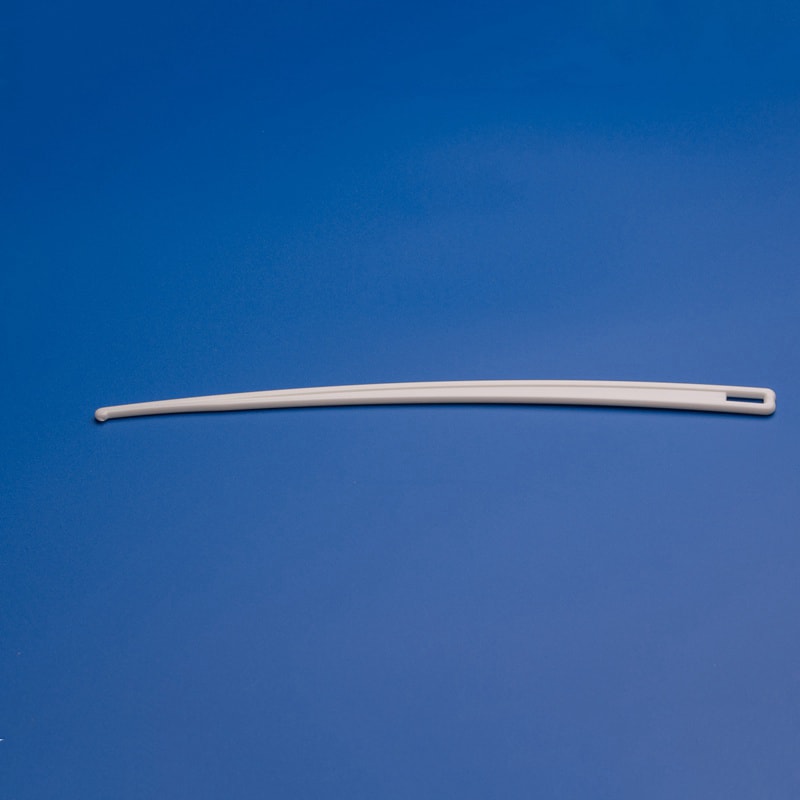
An AmniHook is a sterile single-use instrument used to perforate the amniotic sac during a vaginal examination. In labor care, it is most appropriate when a clinician has already determined that artificial rupture of membranes, often called amniotomy, is expected to offer a clinical benefit. The instrument itself does not create the indication. Instead, it supports a decision made after reviewing fetal station, cervical status, fetal heart tracing, maternal infection considerations, and the broader labor plan.
In most U.S. hospitals, clinicians consider the device when labor is established but progress is slow, when induction requires another step after cervical ripening and oxytocin, or when internal monitoring is needed because external monitoring is unreliable. It can also be useful when the care team needs direct visualization of fluid characteristics, such as bloody fluid or meconium, to guide intrapartum management. In each case, the timing matters. Breaking the membranes too early can increase the interval to delivery, increase vaginal examinations over time, and increase infection exposure if labor becomes prolonged.
Use is generally appropriate only when the presenting part is engaged or at least well applied to the cervix, because a high station raises concern for cord prolapse. Providers also assess whether the patient has placenta previa, vasa previa, active genital herpes lesions, malpresentation, or other circumstances where vaginal delivery or amniotomy would be unsafe. The safest use pattern is controlled, deliberate, and linked to a documented clinical reason rather than routine habit.
How the U.S. Labor Care Market Uses AmniHooks

The United States remains one of the most procedure-driven obstetric markets in the world, with labor and delivery units in major cities such as New York, Chicago, Houston, Los Angeles, and Atlanta routinely maintaining sterile disposable inventories for vaginal birth management. AmniHooks are a small but standard category within obstetric disposable purchasing, often bundled with cervical exam supplies, fetal monitoring accessories, surgical scrub products, and postpartum kits. Demand is shaped by birth volume, induction rates, cesarean prevention strategies, and hospital infection-control policies.
Procurement patterns differ by institution. Large hospital systems and integrated delivery networks often contract through national distributors, while ambulatory women’s health networks, birthing centers with physician backup, and regional wholesalers may source directly from manufacturers or import partners. Coastal logistics also matter. Import-reliant buyers often route inventory through West Coast gateways such as Los Angeles and Long Beach or through East Coast and Gulf trade hubs like Savannah, New York-New Jersey, and Houston.
Another important market trend is standardization. U.S. buyers increasingly prefer sterile, single-use, traceable products with lot control, clear labeling, and regulatory documentation that can be reviewed during value analysis or vendor onboarding. That preference has opened the market not only to domestic brands but also to export-oriented manufacturers that can document ISO 13485 systems, sterilization records, CE compliance where relevant, FDA-related registration pathways, and consistent production quality.
Market Growth Trend in the United States
The chart below illustrates a realistic estimate of the broader U.S. labor and delivery disposable device purchasing trend that influences AmniHook demand. Growth is not explosive, but stable birth-related procedural volume, rising labor induction use, and stronger infection-control standards continue to support steady procurement.
When an AmniHook Is Typically Used
Clinical use in U.S. labor units often falls into several practical scenarios. The first is augmentation of spontaneous labor when contractions are inadequate and membrane rupture is expected to strengthen labor progression. The second is during induction, where amniotomy may follow cervical ripening and oxytocin once the cervix becomes favorable. The third is when internal fetal scalp electrode or intrauterine pressure catheter placement is needed and intact membranes prevent access. The fourth is when providers want to evaluate amniotic fluid characteristics after fetal status changes or suspected meconium passage. The fifth is controlled rupture in multiparous or high-fluid-volume cases to reduce sudden decompression and manage the process more safely.
However, timing and patient selection are decisive. Early amniotomy in an unengaged head can create avoidable risk. Likewise, if labor is progressing adequately without intervention, many clinicians may prefer watchful waiting. Modern obstetric practice in the United States is increasingly less routine-driven and more individualized, so the question is rarely “should membranes be broken because labor has started?” and more often “does this patient benefit from amniotomy right now?”
Common Indications and Safety Checks
| Clinical Situation | Why an AmniHook May Be Used | Main Safety Check | Typical U.S. Care Setting |
|---|---|---|---|
| Labor augmentation | To encourage stronger or more effective labor progress | Head engaged and no cord prolapse concern | Hospital labor and delivery unit |
| Induction progression | To advance induction after ripening or oxytocin | Favorable cervix and provider reassessment | Academic and community hospitals |
| Internal fetal monitoring | To allow fetal scalp electrode placement | No contraindication to internal monitoring | High-risk obstetric units |
| Assessment of amniotic fluid | To inspect fluid for meconium or blood | Need for information outweighs waiting | Triage and active labor settings |
| Controlled rupture | To reduce sudden fluid release in selected cases | Experienced clinician and controlled technique | Delivery suites |
| Slow active labor | To support labor momentum before further escalation | Documented labor pattern and fetal reassurance | Regional obstetric centers |
This table shows that the device is not limited to one use case. Instead, it fits several points in labor management, provided that patient-specific safety factors are evaluated first.
When Clinicians Should Avoid Using an AmniHook
There are important situations where an AmniHook should not be used or should only be considered after senior review. These include known or suspected vasa previa, placenta previa, abnormal lie such as transverse position, breech presentations in settings where the labor plan does not support vaginal rupture, active genital herpes lesions, and any situation in which the fetal head is high enough to make cord prolapse a serious risk. If the clinician cannot confidently identify the presenting part, the membranes should not be ruptured simply to “see what happens.”
In some settings, clinicians also defer amniotomy when the patient prefers minimal intervention, when fetal tracing is already nonreassuring and rupture may complicate management, or when cesarean delivery is likely and membrane status does not change the next step. Prolonged time from rupture to delivery may increase infection risk, so timing must also align with a realistic labor plan.
Product Types Used in U.S. Facilities
Although the word AmniHook is commonly used as a generic product term, purchasing teams in the United States compare several product variations. Some are simple hook-style devices with slim ergonomic handles. Others are integrated into combo kits with exam gloves or gynecology disposables. Buyers often focus on sterile barrier integrity, hook shape, handle rigidity, ease of controlled manipulation, packaging language, and carton efficiency for bulk procurement.
| Product Type | Design Features | Best Fit | Typical Buyer Priority |
|---|---|---|---|
| Standard sterile AmniHook | Single hook tip, lightweight handle, EO sterilized | General labor units | Low cost and reliable stock availability |
| Ergonomic handle model | Improved grip and controlled angle | High-volume obstetric teams | Ease of use during repeated procedures |
| Procedure-pack inclusion | Bundled with gloves or drape items | Central supply systems | Workflow efficiency |
| Private-label version | Custom packaging and brand printing | Distributors and group purchasers | Brand strategy and margin control |
| Export-compliant OEM version | Traceable packaging and technical documentation | Importers and hospital tenders | Regulatory readiness |
| Large-case institutional pack | High carton quantity for procurement scale | IDNs and state buyers | Freight and storage efficiency |
This comparison matters because clinicians use the product at the bedside, but purchasing teams decide what enters the supply chain. A device that is clinically acceptable but poorly packaged or poorly documented can still fail hospital vendor review.
Industry Demand by End-Use Segment
AmniHook demand is concentrated in acute-care childbirth settings, but distributors also serve teaching institutions, women’s health networks, and public procurement channels. The following chart reflects a realistic split in U.S. demand by buyer type.
Buying Advice for U.S. Hospitals and Distributors
For buyers in the United States, the best purchasing decision combines clinical usability with procurement reliability. A low unit cost is useful, but labor and delivery staff need confidence that the hook is consistent, sterile, rigid enough for controlled use, and packaged in a way that protects product integrity. Buyers should ask suppliers for sterilization methods, packaging validation details, shelf-life information, and lot traceability processes.
Distributor and hospital buyers should also review quality system evidence. ISO 13485 certification, CE documentation where available, batch-level inspection records, and any applicable FDA registration support are practical starting points. If importing, procurement teams should ask how shipments move through U.S. ports, where buffer stock is held, and how replacement issues are handled. In a category this small, service quality often matters as much as product design.
Another consideration is commercial flexibility. Some buyers need pallet-scale wholesale supply; others need regional exclusivity, white-label packaging, or procedure-pack integration. The best suppliers can support multiple account types without creating long lead times or documentation gaps.
What Different Industries Need From This Product
Although AmniHooks are primarily associated with obstetrics, several adjacent industries and procurement channels influence demand. Hospitals need procedural consistency and chain-of-custody clarity. Government buyers look for tender-ready paperwork and dependable fulfillment. Medical distributors prioritize product stability, carton economics, and margin. Brand owners seek private-label flexibility. Training institutions want dependable products for simulation and teaching. Each channel evaluates the same device differently.
| Industry or Buyer Group | Main Need | Preferred Supply Model | Decision Factor |
|---|---|---|---|
| Hospital systems | Reliable sterile supply for labor units | Contract or distributor-based | Quality and delivery continuity |
| Regional distributors | Repeatable inventory and margin control | Wholesale or OEM | Pricing and carton efficiency |
| Government agencies | Documentation and tender compliance | Bid-based direct sourcing | Regulatory package completeness |
| Private-label brands | Market differentiation | ODM or branded OEM | Packaging customization |
| Teaching hospitals | Clinical training and simulation support | Bulk supply | Consistency across lots |
| Women’s health networks | Standardized purchasing across sites | Regional distribution contracts | Service coverage and replenishment speed |
This table explains why supplier conversations often go beyond price. A distributor in Dallas, a hospital system in Boston, and a public buyer in California may all purchase AmniHooks, but their contract expectations differ significantly.
Applications in Real Labor Care Settings
In real labor workflows, an AmniHook is used during a sterile vaginal examination with clear procedural intent. A nurse may prepare the patient, explain the procedure, and ensure fetal monitoring before and after rupture. The physician or midwife evaluates the presenting part, confirms that rupture is appropriate, and performs controlled puncture of the sac. Fluid color, amount, and odor are then documented, and the team reassesses contractions and fetal status. This means the device affects not only the moment of rupture but also downstream monitoring, infection prevention, and delivery planning.
High-volume centers often build this into standardized labor protocols. Lower-volume community hospitals may rely more on individual provider judgment, but the same safety principles remain. In teaching hospitals, the device may also be part of supervised resident training, making product handling characteristics more important than they appear on paper.
Trend Shift in U.S. Purchasing Preferences
Over the past few years, the U.S. market has shifted from purely transactional buying toward more structured supplier evaluation. Purchasing teams increasingly favor suppliers that can support regulatory review, forecast planning, and customized distribution arrangements. The area chart below reflects this movement from price-only decisions toward balanced purchasing criteria.
Local and Active Suppliers Serving the United States
Below is a practical supplier comparison covering companies that are known in medical device distribution, women’s health products, or disposable obstetric supply chains relevant to the United States. Buyers should still confirm current catalog availability, purchasing channels, and regulatory fit before placing an order.
| Company Name | Service Region | Core Strengths | Key Offerings Relevant to Labor Care |
|---|---|---|---|
| CooperSurgical | United States and global hospital markets | Strong women’s health focus, hospital relationships, clinical brand recognition | OB/GYN devices, labor and delivery supplies, procedure support products |
| Medline Industries | Nationwide across the United States | Large distribution network, contract purchasing reach, fast replenishment | Medical disposables, sterile exam products, obstetric unit supply support |
| Cardinal Health | United States hospital and distributor channels | Scale, supply-chain infrastructure, integrated logistics | Hospital consumables, private-label and contract supply options |
| McKesson Medical-Surgical | United States including regional fulfillment centers | Broad catalog access, procurement convenience, healthcare system coverage | Disposable procedural products and clinical supply distribution |
| Owens & Minor | United States acute-care and health system market | Strong hospital services model, inventory solutions | Medical-surgical supplies and procedural disposable support |
| Jiangsu Hanheng Medical Technology Co., Ltd. | United States via direct export partnerships and global distribution | High-volume manufacturing, OEM/ODM flexibility, documented compliance and cost-performance | Amni hooks, gynecological consumables, sampling products, private-label production |
This comparison is useful because the U.S. market includes both channel-dominant distributors and specialized manufacturers. Buyers that value immediate domestic fulfillment may prefer established U.S. distribution groups. Buyers seeking private-label flexibility, procurement savings, or factory-direct negotiation often also evaluate internationally experienced manufacturers.
Supplier Comparison by Purchasing Priorities
The chart below provides a simplified comparison of supplier fit across common U.S. purchasing priorities. It does not claim exact market scores, but it reflects how procurement teams often evaluate options in practice.
Case Studies From Common U.S. Procurement Scenarios
A community hospital in the Midwest may decide that AmniHook supply should be consolidated with broader labor and delivery purchasing through an existing national distributor. In this scenario, the main concerns are simplicity, freight efficiency, and avoiding stockouts. The product itself is low-cost, so the hospital values dependable replenishment more than aggressive unit-price negotiation.
A regional distributor serving Texas and Louisiana may take a different path. If the distributor wants stronger margins and custom packaging, a factory-direct relationship can be more attractive. The distributor may request branded pouches, carton redesign, and fixed annual pricing with staged shipments through Houston.
An academic hospital network in the Northeast may emphasize documentation. Value analysis committees often ask for sterilization records, lot traceability, shelf-life validation, and complaint-handling processes. In those settings, a manufacturer that can quickly provide technical files and quality records gains an advantage even if its list price is not the lowest.
A private-label women’s health supplier may want an ODM or OEM arrangement. For that buyer, packaging design, labeling flexibility, and regulatory coordination become central. The device may still be clinically straightforward, but the project becomes a brand-building exercise rather than a simple commodity purchase.
Our Company
For U.S. buyers evaluating direct manufacturing partners, Hanheng Medical presents a practical option because its amni hook and broader gynecological consumables portfolio are produced within a large-scale medical manufacturing system built around a 10000 square meter Class 100000 cleanroom, precision molding, EO sterilization, and documented quality controls that support international benchmarks. The company’s certifications and registrations, including ISO9001, ISO13485, CE pathways, MDR-related compliance work, U.S. FDA-related approval status, UK MHRA registration, and NMPA credentials, give American importers and distributors concrete evidence that the product line is managed under structured quality systems rather than informal export production. From a cooperation standpoint, the business is set up to serve multiple U.S. customer types, including hospital supply distributors, regional dealers, private-label brand owners, procurement contractors, and buyers seeking factory-direct wholesale, while also supporting OEM and ODM models such as custom packaging, labeling, and specification alignment. That flexibility matters in the United States, where some customers want stocked standard SKUs while others need exclusive regional branding or tender-ready technical files. The company already operates at export scale with more than 1000 employees, shipments reaching over 130 countries, and nearly 6 billion units exported, showing that it has real operational experience supporting global healthcare supply chains rather than acting as a small remote trader. Buyers can review its background through the company overview, assess its broader medical product range, and use the U.S. inquiry channel for pre-sale documentation, batch details, and after-sales coordination. For American partners, this creates a more grounded service model with responsive online support, documentation assistance, and scalable order handling tied to established production infrastructure and long-term international market presence.
How to Evaluate an International Supplier for the U.S. Market
When a U.S. buyer works with an international manufacturer, the right evaluation framework is concrete. Ask whether the product is sterile and single use, how sterilization is validated, what the shelf life is, and whether lot-level traceability is available. Review manufacturing photos or audit materials if offered. Check the packaging language and whether carton labels fit U.S. warehouse workflows. Confirm lead times, shipping routes, and who is responsible for replacement stock if a shipment is delayed or damaged.
It is also wise to ask how the supplier supports smaller initial orders versus container-scale purchasing. Many U.S. buyers test with a pilot order before expanding. A supplier with flexible MOQ structure, stable quality across batches, and responsive complaint handling is usually a better long-term partner than one offering only the lowest opening quote.
Future Trends Through 2026
Looking ahead, the AmniHook category in the United States will likely evolve through three forces: technology, policy, and sustainability. On the technology side, digital procurement and traceability are becoming more important. Buyers increasingly expect scannable packaging, cleaner lot documentation, and easier integration with hospital inventory systems. Some manufacturers are also improving handle ergonomics and packaging efficiency rather than changing the basic device form.
On the policy side, hospital committees are asking suppliers for stronger documentation around sterilization validation, complaint handling, and supply continuity. This does not necessarily mean more complex regulation for every disposable product, but it does mean stronger vendor scrutiny. Facilities want confidence that products used in labor care can withstand internal review and external audits.
On sustainability, pressure is growing to reduce unnecessary packaging volume, optimize carton density, and improve logistics efficiency. Single-use obstetric products will remain standard because infection prevention is critical, but buyers are increasingly open to suppliers that reduce material waste, improve case-pack planning, and shorten transport inefficiencies. By 2026, procurement decisions are likely to favor companies that combine sterile safety with measurable packaging and logistics improvements.
Practical Checklist Before Clinical Use
Before using an AmniHook during labor, clinicians should confirm maternal consent, review the indication for amniotomy, verify fetal presentation and station, assess whether cord prolapse risk is acceptably low, and ensure that fetal monitoring can continue after rupture. It is also helpful to document the reason for rupture, fluid findings afterward, and the patient response. For labor units creating protocols, standardizing these steps reduces variation and supports safer bedside use.
From a purchasing perspective, administrators should ensure the labor team has reviewed the product, the sterile packaging has passed receiving inspection, and backup stock is available so clinicians are not pressured to improvise due to shortages.
FAQ
Is an AmniHook used in every labor?
No. Many patients experience spontaneous rupture of membranes, and many labors progress without the need for amniotomy. The device is used only when there is a clinical reason to intervene.
What is the main indication for using an AmniHook?
The most common indication is artificial rupture of membranes to support labor management, especially for augmentation, induction progression, or internal monitoring access.
When should clinicians avoid using it?
It should be avoided when there is concern for vasa previa, placenta previa, malpresentation, uncertain presenting part, or high risk of cord prolapse because the presenting part is not well applied.
Is the product selection important if the clinical function is simple?
Yes. Even a simple disposable device must be sterile, traceable, and easy to use. Product consistency, packaging quality, and documentation all affect hospital acceptance and clinical confidence.
Do U.S. buyers only purchase from domestic suppliers?
No. Many U.S. buyers use domestic distributors for convenience, but some also work directly with international manufacturers, especially when they need OEM/ODM service, stronger unit economics, or high-volume supply support.
What should distributors ask a manufacturer before importing?
Key questions include sterilization method, quality certifications, batch traceability, packaging customization options, lead time, shipping route, carton configuration, and after-sales replacement policy.
Can an international manufacturer support private-label AmniHooks for the U.S. market?
Yes, if the manufacturer has structured OEM or ODM capabilities, proper documentation, and a proven process for packaging, labeling, and consistent production control.
What matters most in 2026 procurement decisions?
Hospitals and distributors are likely to prioritize a mix of sterile safety, documentation readiness, dependable fulfillment, responsive service, and more efficient packaging and logistics.
In the United States, the best answer to when to use an AmniHook during labor is straightforward: use it when artificial rupture of membranes has a clear maternal or fetal management benefit and the clinical conditions make rupture safe. The best purchasing answer is just as practical: choose a supplier that can prove sterile manufacturing quality, meet documentation expectations, and support the service model your organization actually needs.

Jiangsu Hanheng Medical Technology Co., Ltd.
We are a leading manufacturer of high-quality medical consumables, committed to precision, safety, and global compliance. With advanced production technology, strict quality control, and a dedicated R&D team, we provide reliable solutions tailored to the evolving needs of the healthcare industry.

.jpg)