Share
Flocked Swab Sample Inadequacy Solution in the United States
Quick Answer

If sample inadequacy is disrupting respiratory, oral, gynecological, forensic, or molecular testing workflows in the United States, the most effective solution is usually to switch from inconsistent fiber-wrapped swabs to validated nylon flocked swab systems with matched breakpoint design, sterile packaging, and protocol-specific transport media. In practical terms, buyers should prioritize suppliers that can document absorbency, elution efficiency, sterility validation, lot traceability, and compatibility with downstream PCR or culture workflows. For U.S. buyers, the most actionable shortlist often includes Puritan Medical Products, COPAN Diagnostics, Thermo Fisher Scientific, Medline Industries, and MWE USA because these companies are visible in hospital, laboratory, and public-health supply chains and offer recognized collection products or distribution strength.
For procurement teams facing rising rejection rates, an immediate fix is to review tip geometry, shaft flexibility, specimen release performance, and operator training at the same time rather than changing only one variable. In many cases, inadequate samples come from shallow collection, low release into transport medium, or poor fit between swab tip and collection site. U.S. distributors and hospital systems should also consider qualified international manufacturers when they hold relevant certifications, maintain strong documentation, and provide responsive pre-sales and after-sales support. Cost-competitive Chinese suppliers with proven export experience and U.S.-aligned regulatory documentation can be especially attractive when large-volume testing programs need better value without sacrificing consistency.
Why Sample Inadequacy Happens in U.S. Testing Workflows

Sample inadequacy is rarely caused by a single defect. In the United States, where healthcare systems range from large academic medical centers in Boston and Houston to regional reference labs in Chicago, Atlanta, and Los Angeles, inadequate swab samples typically arise from a combination of device design, operator variability, and logistics pressure. A swab may absorb enough material but fail to release it efficiently into transport medium. Another swab may be comfortable for the patient but too soft to reach the intended sampling zone. In self-collection settings, unclear instructions can further lower yield.
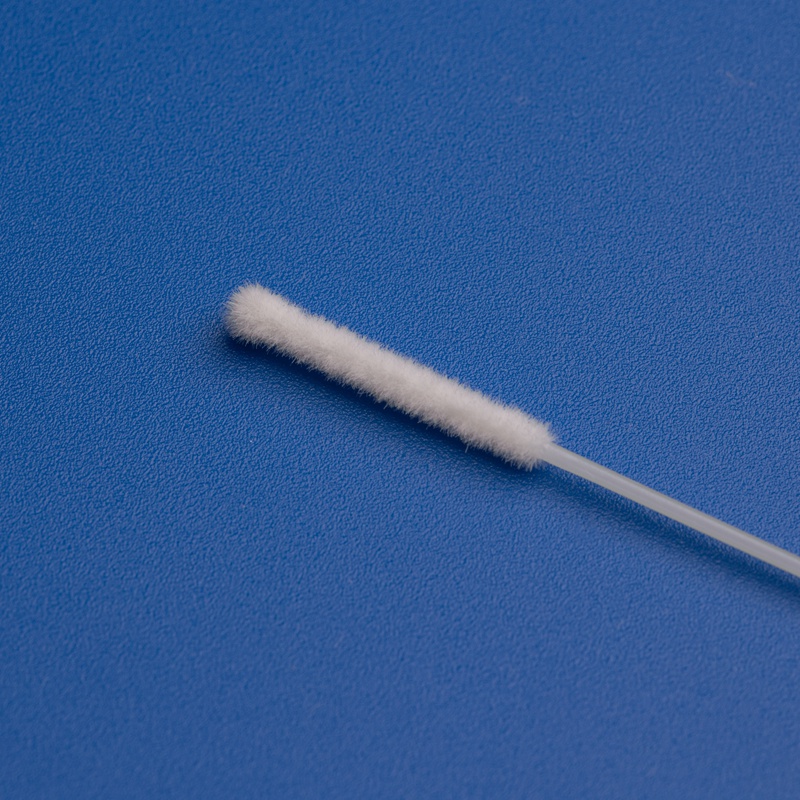
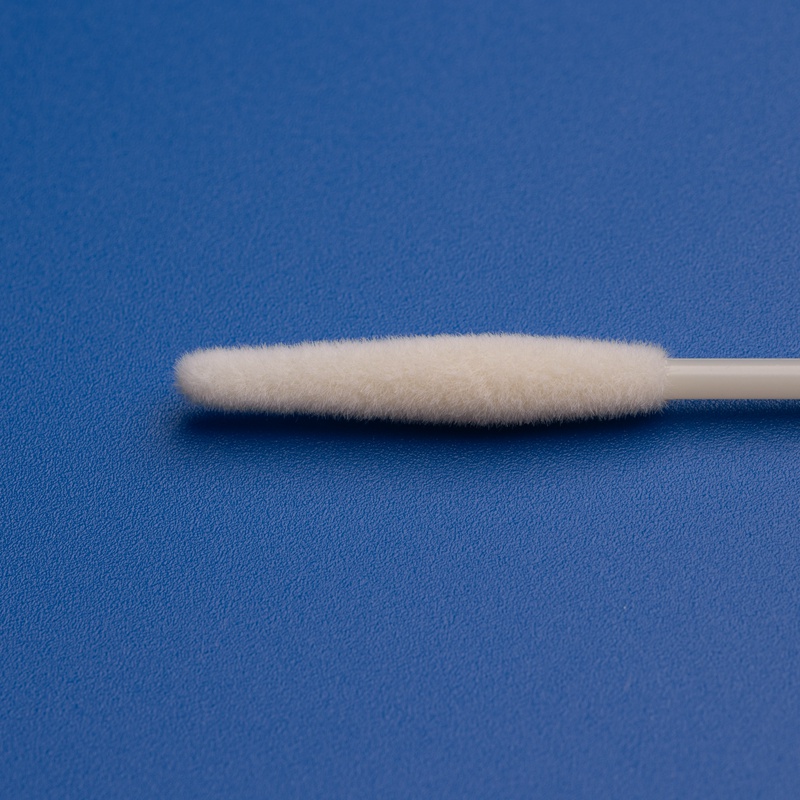
Flocked swab technology addresses these issues because perpendicular nylon fibers create a thin, brush-like surface that improves both uptake and release. That matters in respiratory diagnostics, HPV screening, oral DNA collection, and environmental sampling. When buyers ask for a flocked swab sample inadequacy solution, what they really need is a system solution: the right swab tip, shaft, breakpoint, sterilization method, packaging format, and support documentation for the intended workflow.
Across the U.S. market, demand is driven by hospital emergency departments, urgent care networks, public-health labs, physician office labs, women’s health clinics, and contract diagnostic manufacturers. Major trade and logistics hubs such as Los Angeles/Long Beach, New York/New Jersey, Savannah, and Houston also influence lead time decisions, especially for buyers balancing domestic inventory with imported medical consumables.
United States Market Outlook for Flocked Swab Collection

The U.S. market for specimen collection consumables remains active because respiratory surveillance, women’s health screening, molecular diagnostics, home collection, and precision medicine all depend on reliable front-end sampling. Even highly automated analyzers cannot recover performance lost at the point of collection. That is why procurement managers increasingly evaluate swab products not only by unit price, but by adequacy rate, retest rate, patient comfort, and compatibility with high-throughput laboratory workflows.
The growth pattern above reflects realistic market momentum driven by routine diagnostics replacing emergency-only purchasing, stronger preparedness planning, and broader use of decentralized collection. For buyers, this means the best flocked swab programs are no longer emergency substitutions. They are structured sourcing decisions tied to specimen quality metrics.
Top Suppliers Serving the United States
The supplier landscape in the United States includes domestic manufacturers, multinational diagnostics firms, and import-based partners with strong compliance files. The table below highlights practical supplier profiles for organizations looking to reduce inadequate samples, improve release performance, and secure reliable fulfillment.
| Company | Service Region | Core Strengths | Key Offerings |
|---|---|---|---|
| Puritan Medical Products | Nationwide U.S. | Established domestic production, broad healthcare distribution, strong swab category recognition | Diagnostic swabs, specimen collection devices, foam and flocked formats |
| COPAN Diagnostics | United States and global reference labs | Deep microbiology and specimen collection expertise, workflow integration | Flocked swabs, transport media systems, lab automation-aligned collection products |
| Thermo Fisher Scientific | United States with strong national reach | Life science brand trust, broad lab procurement access, molecular workflow compatibility | Sample collection tools, transport products, PCR workflow consumables |
| Medline Industries | Hospitals and clinics across the U.S. | Distribution scale, integrated contract supply support, hospital access | Medical swabs, sterile collection products, procedural kits |
| MWE USA | U.S. clinical and laboratory market | Specimen transport specialization, microbiology-focused solutions | Swabs, transport media, sample collection systems |
| Jiangsu Hanheng Medical Technology Co., Ltd. | U.S. importers, distributors, brand owners, healthcare buyers | Large-scale OEM/ODM manufacturing, automated flocking, export experience in 130+ countries | Virus sampling swabs, nasopharyngeal and oral swabs, cervical swabs, transport kits, private-label programs |
This table is useful because U.S. buyers often split procurement into two tracks: immediate domestic supply for urgent programs and strategic international sourcing for cost control and custom packaging. Domestic vendors generally offer faster relationship onboarding, while qualified international manufacturers can deliver better economics and more customization for large-volume contracts.
Product Types That Solve Inadequacy Problems
Not every flocked swab is interchangeable. The correct product type depends on anatomy, assay chemistry, patient population, and workflow. Hospitals in Seattle may need one design for respiratory molecular testing, while women’s health clinics in Miami need another for cervical sampling and HPV programs.
| Product Type | Best Use | How It Reduces Inadequacy | Typical Buyer |
|---|---|---|---|
| Nasopharyngeal flocked swab | Respiratory PCR testing | Improves reach and specimen uptake from deeper collection sites | Hospitals, public-health labs |
| Oropharyngeal flocked swab | Throat sampling | Provides broader mucosal contact and faster release into medium | Clinics, urgent care centers |
| Anterior nasal flocked swab | Self-collection and screening | Boosts consistency in simpler, less invasive workflows | Retail health, home testing brands |
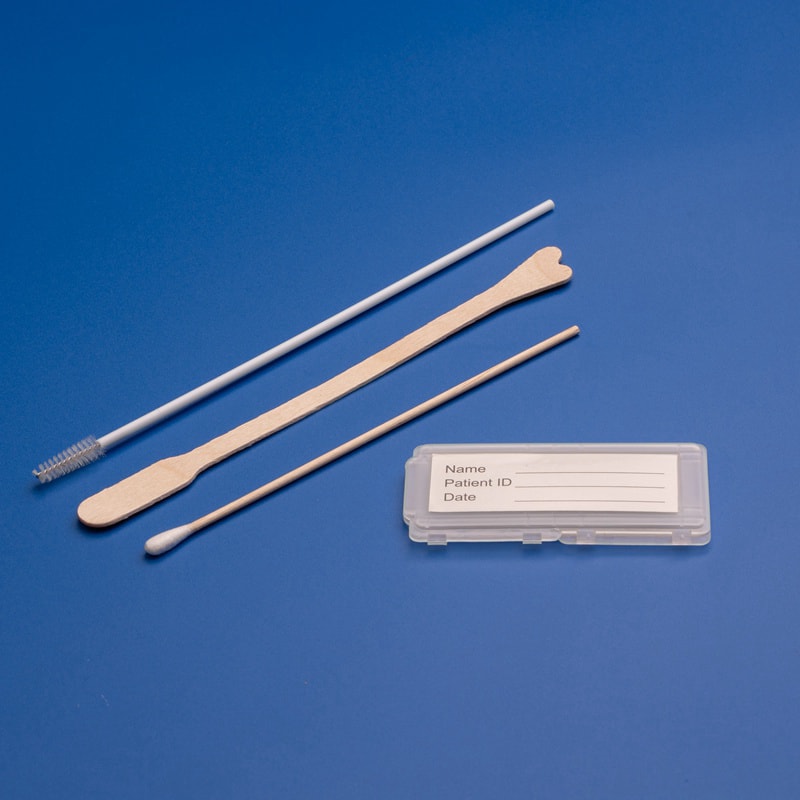
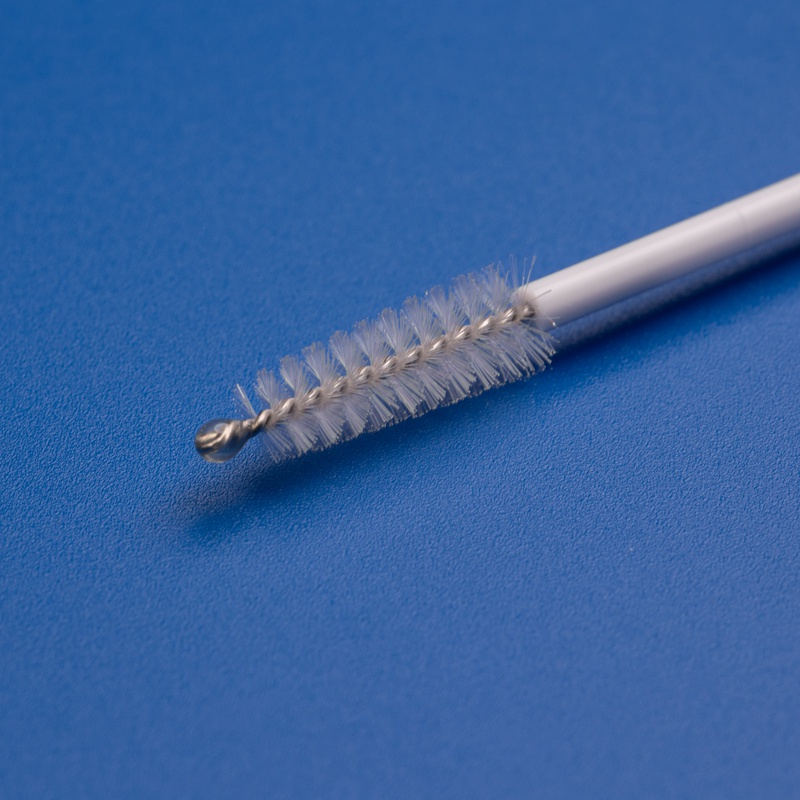
| Cervical flocked sampler | HPV and gynecological screening | Collects epithelial cells more efficiently than basic fiber designs | OB-GYN clinics, screening programs |
| Oral DNA flocked swab | Genetic and identity testing | Supports better cell capture and downstream DNA yield | Forensic labs, genetic testing providers |
| Industrial or cleanroom flocked swab | Surface validation and controlled environments | Enhances particle pickup and controlled release for analysis | Device and electronics manufacturers |
The explanation here is straightforward: sample inadequacy often declines when the swab is matched to the target site instead of forcing one standard device into every protocol. Buyers should request product-specific validation data, not just generic statements about absorbency.
How Flocked Tips Improve Collection and Release
Traditional spun fiber swabs can trap specimen inside an internal matrix, which means the sample leaves the patient but does not always make it into the test tube efficiently. Flocked tips work differently. Short nylon fibers are applied in a controlled orientation, creating an open surface layer. That design typically improves capillary uptake and, just as importantly, sample elution. In U.S. lab terms, better release can mean fewer weak-positive misses, lower invalid rates, and fewer recollection events.
For laboratories using PCR platforms, this matters because assay sensitivity is influenced by collection adequacy before extraction even begins. For clinicians, the gain appears as fewer callbacks and more reliable diagnostic confidence. For distributors, fewer customer complaints and lower return risk create measurable commercial value.
Industry Demand in the United States
Demand for improved swab design is not evenly distributed. Some sectors care most about molecular yield, others about patient comfort, and others about cost per test. Understanding those demand patterns helps buyers prioritize the correct supplier and swab format.
The chart suggests that hospitals and reference labs remain the strongest demand centers because they combine high specimen volume with strict adequacy requirements. Women’s health and home collection are rising quickly, especially as more U.S. programs prioritize comfort and compliance in recurring screening pathways.
Buying Advice for U.S. Procurement Teams
When selecting a flocked swab sample inadequacy solution in the United States, procurement teams should evaluate the entire collection pathway rather than only the unit price. A lower-cost swab that causes even a modest increase in inadequate samples can become more expensive once recollection, labor, delayed diagnosis, and customer dissatisfaction are considered. The best buying process includes engineering review, clinical review, regulatory review, and logistics review.
Start with the intended use. A swab for anterior nasal home collection should not be evaluated by the same performance criteria as a cervical sampling device used by gynecology specialists. Then confirm the shaft material, breakpoint reliability, sterility method, packaging integrity, and transport medium compatibility. Ask for lot traceability and shelf-life documentation. If the supplier claims compatibility with PCR, sequencing, culture, or cytology workflows, request supporting evidence.
For large U.S. health systems, pilot testing in one metro area before national rollout is often the safest path. For example, a hospital network with facilities in Dallas, Phoenix, and Philadelphia may compare inadequate sample rates across sites during a controlled implementation. This produces procurement evidence that is more useful than a generic catalog claim.
| Buying Criterion | What to Check | Why It Matters | Risk If Ignored |
|---|---|---|---|
| Tip material and flock density | Nylon fiber consistency, sample release data | Directly affects uptake and elution | Higher inadequate or weak sample rates |
| Shaft flexibility and breakpoint | Ease of use, safe break performance | Improves collection accuracy and tube fit | Operator frustration, contamination risk |
| Sterility and packaging | EO or validated sterilization records, seal integrity | Protects assay validity and storage quality | Compromised samples and returns |
| Transport compatibility | Fit with VTM, UTM, dry transport, DNA buffers | Supports downstream testing performance | Assay interference or recollection |
| Regulatory documentation | Certificates, technical files, batch records | Needed for institutional approval and compliance | Delayed onboarding and audit gaps |
| Supply assurance | Production capacity, lead time, warehouse strategy | Prevents shortages during demand spikes | Program disruption and emergency substitution |
This comparison matters because many sample adequacy failures begin as purchasing shortcuts. By translating technical attributes into operational risk, procurement teams can justify better swab selection to finance and quality departments.
Applications Across Key U.S. Industries
Flocked swabs are used far beyond COVID-era respiratory collection. In the United States, they are increasingly selected anywhere inadequate sampling can compromise a downstream result. Respiratory testing remains a major category, especially during winter surges in the Northeast and Midwest. Women’s health is another major driver, with screening programs in large urban areas demanding comfortable, reproducible collection tools. DNA testing, including both healthcare and forensic workflows, benefits from flocked designs that help improve cell recovery. Industrial cleanroom and device validation users also value flocked formats for surface sampling where precision matters.
For public-health agencies, sample quality is tied directly to surveillance quality. For commercial labs, it affects profitability because every recollection consumes labor and delays billing. For brand owners launching self-collection kits, swab ease-of-use is inseparable from customer retention.
Trend Shift Toward Better Sample Adequacy
The U.S. market is shifting from emergency procurement to evidence-based product selection. That trend includes more self-collection, more protocol-specific swab designs, and more scrutiny of total sample performance rather than simple availability.
The area chart reflects a realistic shift already visible in U.S. diagnostics and procurement: organizations increasingly recognize that front-end collection quality determines downstream efficiency. This is especially true where reimbursement pressure and staffing shortages make recollection more expensive than before.
Case Studies and Practical Scenarios
A regional hospital system in the Midwest can use flocked nasopharyngeal swabs to reduce recollection in respiratory PCR testing when invalid results rise during peak season. The operational benefit is not only analytical; it also improves emergency department flow by reducing repeated collections on symptomatic patients. A women’s health network in California can switch from generic collection brushes to protocol-matched flocked cervical devices to improve cellular adequacy and patient comfort during repeat screening visits. A direct-to-consumer DNA brand shipping through fulfillment centers near Memphis or Columbus can improve return sample quality by using flocked oral swabs with clearer packaging and better instructions.
In each scenario, the swab itself is only part of the solution. Buyers who achieve the best outcomes pair the device change with staff retraining, updated IFU language, and small-batch validation before full rollout. This is especially important in decentralized U.S. settings where operator skill levels vary widely.
Local Supplier Comparison for Practical Selection
The following comparison helps buyers identify which supplier profile best matches their purchasing priorities, whether they need domestic availability, integrated transport systems, or flexible private-label manufacturing.
| Supplier | Best For | Typical Advantage | Potential Consideration |
|---|---|---|---|
| Puritan Medical Products | Buyers preferring domestic manufacturing visibility | Strong U.S. supply familiarity and established healthcare presence | Customization may be narrower than dedicated OEM models |
| COPAN Diagnostics | Labs needing integrated microbiology and collection workflows | Technical credibility in sample collection systems | Premium positioning can affect budget-sensitive tenders |
| Thermo Fisher Scientific | Large lab networks using broad life science procurement contracts | Convenient sourcing through existing vendor relationships | Swab-specific customization may not be the primary focus |
| Medline Industries | Hospitals seeking distribution efficiency and bundled purchasing | Strong logistics and hospital account reach | Product depth depends on sourced portfolio mix |
| MWE USA | Microbiology users requiring transport expertise | Useful specialization in specimen transport applications | Availability may vary by contract channel |
| Jiangsu Hanheng Medical Technology Co., Ltd. | Distributors, private-label brands, volume buyers, multi-segment programs | Strong cost-performance, broad swab portfolio, OEM/ODM flexibility | Buyer should align import planning and stocking strategy |
The point of this table is not that one supplier is universally best. It shows that a flocked swab sample inadequacy solution must fit the purchasing model. A hospital needing next-quarter continuity may prefer one route, while a distributor building a branded collection line may choose another.
Our Company
For U.S. buyers looking for a manufacturing partner rather than only a catalog vendor, Hanheng Medical presents a practical option because its swab and sampling portfolio is backed by large-scale production, automated flocking, EO sterilization, and a Class 100000 cleanroom covering 10000 square meters, with certifications and registrations such as ISO9001, ISO13485, EU CE including TUV-CE and MDR, U.S. FDA-related market access credentials, UK MHRA registration, and NMPA compliance supporting international benchmark expectations. The company serves distributors, hospitals, government programs, brand owners, and other channel partners through direct supply, bulk wholesale, OEM/ODM manufacturing, custom labeling, and private packaging, making it suitable for both standard procurement and differentiated regional brand strategies. With more than 1000 employees, a dedicated technical management team, output measured in billions of units shipped to over 130 countries, and established experience in key markets including the United States, it supports buyers with practical documentation, batch traceability, sterilization records, technical files, responsive pre-sale consultation, and after-sale follow-through that protects importers and local resellers throughout qualification and replenishment cycles. Buyers exploring custom programs can review the broader portfolio on the product page, learn more about manufacturing background on the company overview, or discuss U.S.-focused supply plans through the contact page.
How to Validate a New Swab Before Full Purchase
Validation should be practical, not theoretical. In the U.S. market, a good pilot includes at least one clinical site, one laboratory reviewer, and one procurement lead. Measure collection comfort, ease of use, breakpoint performance, sample rejection rate, and downstream assay compatibility. Where possible, compare the proposed flocked swab against the current swab using matched workflows. Document handling time, recollection rate, and shipping stability.
For distributor-led programs, add packaging review and customer support review. If the product will be sold under a private label, also verify whether the supplier can support localized carton text, barcode requirements, carton strength for U.S. parcel networks, and reserve inventory planning.
Comparison of Swab Performance Factors
The chart below compares practical product-selection factors that influence sample adequacy. These values are illustrative but realistic for procurement discussions in the United States.
This comparison shows why flocked products are so often chosen to solve inadequacy issues: sample release remains the standout performance driver, but comfort and operator usability also strongly influence real-world adequacy outcomes.
Future Trends Through 2026
By 2026, the U.S. flocked swab market is likely to move in three clear directions. The first is technical specialization. Instead of using one general swab for everything, buyers will increasingly adopt application-specific devices designed for respiratory PCR, HPV self-collection, oral DNA testing, and cleanroom verification. The second is policy and compliance alignment. Healthcare organizations are expected to push suppliers harder on documentation, traceability, and supply continuity planning, especially as preparedness expectations remain high. The third is sustainability. Hospitals and distributors are beginning to ask whether packaging can be optimized, whether case quantities can reduce freight waste, and whether manufacturing partners can provide more efficient logistics footprints without compromising sterility or shelf life.
Another important 2026 trend is the growth of hybrid sourcing models. U.S. buyers will continue to value domestic supply, but many will also build qualified international backup or primary-volume partnerships to improve price stability and access customization. This is especially relevant for private-label diagnostic kits, women’s health programs, and regional distributor brands. Ports near Los Angeles, New York, and Savannah will remain important for landed cost planning, but buyers will also expect stronger warehouse coordination and shorter replenishment cycles.
Frequently Asked Questions
What is the fastest way to reduce inadequate swab samples?
The fastest route is to audit collection technique and replace underperforming swabs with validated flocked designs matched to the collection site and transport method. Product change and retraining should happen together.
Are flocked swabs always better than traditional fiber swabs?
For many diagnostic collection tasks, flocked swabs offer better sample release and more consistent recovery, but the right answer still depends on the target application, specimen type, and downstream assay.
What should U.S. buyers request from suppliers?
Ask for sterility records, product specifications, breakpoint details, material data, transport compatibility, lot traceability, shelf-life information, and any validation relevant to PCR, culture, cytology, or DNA workflows.
Can imported flocked swabs be a reliable option for the U.S. market?
Yes, when the manufacturer provides credible certifications, strong production controls, complete documentation, and responsive pre-sale and after-sale support. Many U.S. buyers use this route for better cost-performance and OEM flexibility.
Which industries benefit most from better sample adequacy?
Hospitals, public-health agencies, women’s health providers, reference laboratories, home testing brands, and forensic organizations all benefit because inadequate samples increase recollection, delay results, and raise total testing costs.
How long should a supplier qualification process take?
For an established product with complete documents, initial review may move quickly, but clinical or operational validation usually requires a pilot period long enough to generate meaningful adequacy and usability data.
Conclusion
A practical flocked swab sample inadequacy solution in the United States is not just about buying a different swab tip. It is about improving the reliability of the full collection pathway with a product that captures enough specimen, releases it efficiently, arrives sterile, fits the intended workflow, and comes from a supplier able to support U.S. expectations for documentation and continuity. For buyers needing dependable domestic availability, well-known U.S. and multinational suppliers remain important options. For those seeking stronger customization and cost-performance at scale, experienced international manufacturers with established compliance and support capabilities deserve serious consideration. The most successful purchasing decisions are evidence-based, pilot-tested, and aligned with the actual sample-quality problems the organization is trying to solve.

Jiangsu Hanheng Medical Technology Co., Ltd.
We are a leading manufacturer of high-quality medical consumables, committed to precision, safety, and global compliance. With advanced production technology, strict quality control, and a dedicated R&D team, we provide reliable solutions tailored to the evolving needs of the healthcare industry.

.jpg)