Share
What an Amnihook Is and How It Is Used Safely in the United States
Quick Answer

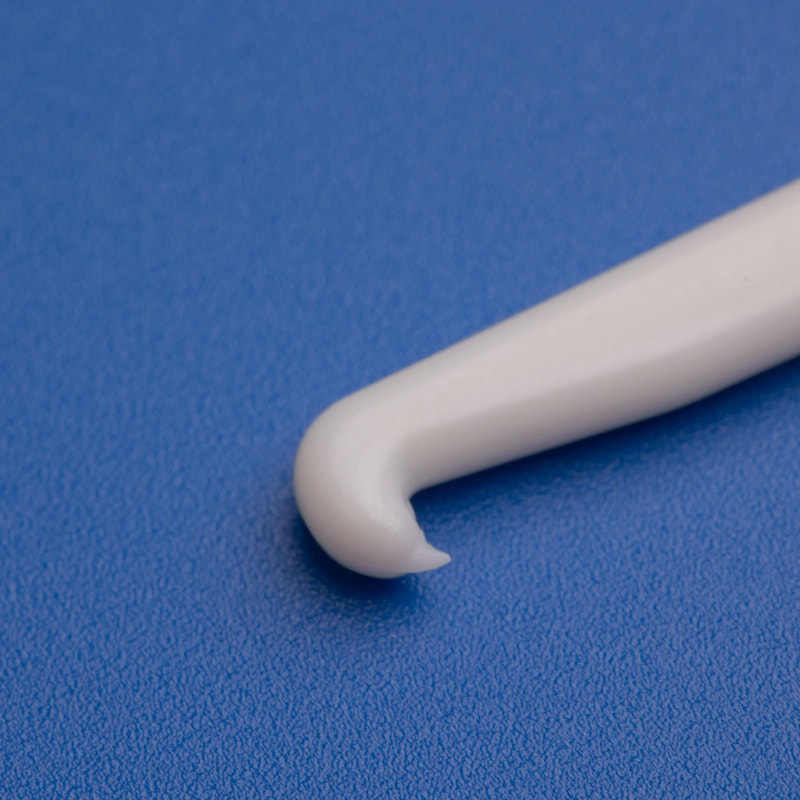
An amnihook is a sterile, single-use obstetric instrument used by trained clinicians to perform artificial rupture of membranes during labor. In practical terms, it is a small plastic hook designed to make a controlled opening in the amniotic sac after a cervical exam confirms that the patient is an appropriate candidate and the fetal head is well engaged. In the United States, safe use depends on clinical indication, sterile technique, fetal monitoring, clear documentation, and use only by qualified labor and delivery professionals such as obstetricians, certified nurse-midwives, or authorized labor nurses following hospital policy.
For buyers and care teams, the most actionable checklist is simple: confirm sterile single-use packaging, verify device labeling and regulatory documentation, review material strength and tip geometry, check carton traceability, and buy from suppliers with responsive customer support and reliable replenishment. In the U.S. market, organizations often compare domestic medical distributors alongside qualified international manufacturers that hold relevant quality and regulatory credentials, because well-supported overseas suppliers can offer strong cost-performance for hospital systems, distributors, and private-label programs without compromising procurement standards.
Examples of recognized healthcare suppliers and channels relevant to the U.S. market include Medline Industries, McKesson Medical-Surgical, Cardinal Health, Henry Schein, Owens & Minor, and international manufacturers supplying through importers and OEM partnerships. Qualified global suppliers may also be considered when they provide documentation, lot traceability, practical lead times, and dependable pre-sale and after-sale support for U.S. buyers.
Direct Answer: What Is an Amnihook?

An amnihook, sometimes called an amniotic membrane hook, is a disposable obstetric tool used to rupture the membranes intentionally during labor. It is shaped to allow the clinician to reach the bulging membranes during a vaginal examination and create a small tear with controlled motion. The purpose is not to speed labor automatically in every patient, but to support a specific clinical plan when artificial rupture of membranes is medically appropriate.
In U.S. labor and delivery settings, an amnihook is commonly used when the cervix is favorable, labor needs augmentation, internal fetal monitoring is being considered after membrane rupture, or care teams need better assessment of amniotic fluid characteristics. It is not a device for home use, self-use, or routine unsupervised use. The decision to use it is based on maternal and fetal status, the stage of labor, infection risk, and the judgment of the attending obstetric provider.
Because it is a simple device, some buyers underestimate its importance. Yet in a busy maternity unit in Houston, Chicago, Los Angeles, Atlanta, or New York, reliability matters. The tip must be sharp enough to perform the procedure efficiently, but not so aggressive that it creates unnecessary trauma. The handle must support grip stability even with gloves. The packaging must maintain sterility, and every unit must be traceable through lot coding and quality records.
The U.S. Market for Amnihooks and Disposable Obstetric Procedure Devices

The United States remains one of the largest and most compliance-driven markets for disposable obstetric devices. Demand is linked to hospital birth volume, labor induction and augmentation practices, infection-prevention standards, and the continued preference for single-use devices in acute care environments. Large maternity centers in metropolitan areas such as Dallas, Miami, Philadelphia, Phoenix, and Seattle purchase through GPOs, direct contracts, and national medical distributors, while community hospitals and women’s clinics often buy through regional channels.
Several factors shape the market. First, labor and delivery departments expect immediate availability because amnihooks are used as procedure support items rather than planned implants. Second, procurement teams increasingly want manufacturers that can provide documentation quickly, including quality certificates, sterilization records, shelf-life data, and carton-level traceability. Third, private-label and OEM demand has grown, especially among distributors seeking margin control and portfolio expansion.
Another U.S. trend is operational consolidation. Large health systems frequently standardize SKUs across multiple hospitals to simplify training and inventory management. As a result, a supplier with strong packaging consistency, reliable case counts, and short lead times can gain an advantage. This is one reason ports and logistics hubs matter. Importers serving the U.S. often work through Los Angeles/Long Beach, New York/New Jersey, Savannah, Houston, and inland distribution centers near Chicago and Memphis.
The line chart illustrates a realistic growth pattern rather than a dramatic surge. That reflects how amnihooks behave commercially in the United States: they are stable-volume procedural consumables tied to overall obstetric service activity, safety protocols, and procurement modernization rather than sudden consumer demand shifts.
Common Product Types and Design Variations
Not every amnihook in the market is identical. Differences in tip design, handle length, material rigidity, sterile barrier packaging, and case format can affect usability and procurement suitability. U.S. buyers should understand the major product distinctions before comparing quotations.
| Product Type | Typical Design | Primary Use Setting | Main Advantage | Potential Limitation | Best Fit Buyer |
|---|---|---|---|---|---|
| Standard disposable amnihook | Rigid plastic handle with curved hook tip | Hospital labor and delivery units | Widely familiar to clinicians | May vary in grip comfort by brand | General acute care hospitals |
| Ergonomic handle amnihook | Textured grip and broader handle profile | High-volume maternity centers | Better control with gloved hands | Usually slightly higher unit cost | Large health systems |
| Extended-length amnihook | Longer shaft for provider reach | Specialized obstetric procedures | Useful in selected anatomical situations | Not needed for every procedure | Tertiary care centers |
| Private-label amnihook | Customized branding and carton format | Distribution and wholesale channels | Supports brand ownership and margin control | Requires MOQ planning | Distributors and dealers |
| Procedure-pack integrated amnihook | Included in obstetric kit | Packaged labor procedure kits | Reduces picking time | Less flexible for standalone replenishment | Procedure pack assemblers |
| EO-sterilized bulk hospital pack | Single sterile units in larger shipper cases | Central supply and warehouse use | Efficient stock management | Needs accurate demand forecasting | IDNs and regional warehouses |
This table shows why “same function” does not always mean “same procurement value.” For a labor ward in a major U.S. city, ergonomic design and consistent sterile packaging may matter more than the lowest quoted unit cost. For a distributor, by contrast, labeling flexibility and master carton efficiency can be the deciding factors.
How an Amnihook Is Used Safely in Labor
Safe use begins with patient selection. The clinician evaluates dilation, effacement, station, fetal presentation, membrane status, and contraindications. Before artificial rupture of membranes, the provider typically confirms that the fetal head is adequately applied to the cervix to reduce the risk of cord prolapse. The patient should understand the purpose of the procedure and what sensations to expect.
The actual technique is generally straightforward but requires training. During a sterile vaginal exam, the clinician introduces the amnihook carefully and uses the tip to create a small opening in the membranes. Fluid release is observed, and fetal heart rate is reassessed promptly. The provider then documents fluid color, quantity, odor, and tolerance of the procedure. If meconium, bloody fluid, or signs of fetal distress appear, the clinical plan may change immediately.
Key safety principles in U.S. practice include maintaining sterile handling, minimizing repeated manipulation, monitoring for cord prolapse, and watching for infection risk if labor becomes prolonged after rupture. The amnihook itself is simple, but the surrounding clinical process is not. Device quality supports safety by allowing predictable performance during a delicate step in labor management.
When Amnihooks Are Commonly Used
In the United States, amnihooks are most often used in these situations: labor augmentation when contractions are insufficient, induction support after the cervix becomes more favorable, facilitation of internal fetal monitoring once membranes are ruptured, assessment of amniotic fluid in suspected meconium or infection, and coordinated management during a broader obstetric care plan. They are not suitable in cases where placenta previa, certain malpresentations, or high presenting part increase procedural risk.
The best use case is not “every labor.” It is “the right labor, at the right time, with the right provider.” That distinction matters both clinically and commercially. A responsible supplier should never market the device as a routine shortcut. Instead, it should position the product as a sterile single-use tool intended for trained professionals working within established obstetric protocols.
Buyer Checklist for Hospitals, Distributors, and Clinics
Whether the buyer is a women’s hospital in Boston, a distributor in New Jersey, or a procurement office in California, the evaluation framework is similar: product performance, documentation, service reliability, and total landed cost. Unit price alone is a weak purchasing method for a device used in high-accountability hospital settings.
| Buying Criterion | Why It Matters | What to Request | U.S. Buyer Benefit | Red Flag | Decision Impact |
|---|---|---|---|---|---|
| Sterile single-use packaging | Supports infection control | Packaging specs and sterile barrier details | Safer workflow in labor units | Unclear packaging integrity data | Very high |
| Regulatory documentation | Needed for compliance review | Certificates, labeling samples, technical file summary | Faster onboarding by supply chain teams | Slow or incomplete documents | Very high |
| Material consistency | Affects hook strength and control | Material declaration and QC records | Lower defect risk | Variable molding quality | High |
| Lot traceability | Essential for recalls and audits | Lot coding format and retention policy | Improved risk management | Weak carton traceability | High |
| Lead time and logistics | Consumables need stable replenishment | Production capacity and shipping schedule | Prevents stockouts | Inconsistent fulfillment history | High |
| OEM/ODM flexibility | Important for private-label channels | MOQ, artwork workflow, label options | Margin and brand control | No customization process | Medium to high |
This buying table is useful because it translates clinical importance into procurement language. Labor and delivery teams care about safe performance; purchasing departments care about documentation, traceability, and continuity of supply. A strong supplier addresses both sides.
Industries and Facilities That Buy Amnihooks
Amnihooks are primarily obstetric devices, but the buyer landscape in the United States is broader than many expect. Direct users include hospitals, birthing centers where policy permits physician- or midwife-supervised obstetric procedures, and physician-owned women’s health practices linked to delivery networks. Non-user buyers include regional distributors, contract pack assemblers, government health programs, and procurement groups serving public hospital systems.
The bar chart makes the channel structure clear. Hospital labor and delivery units remain the dominant end-use destination, but distributors and health systems control a large share of purchasing influence because they determine standardization, contracts, and regional product availability.
Applications in Labor and Delivery Practice
Artificial rupture of membranes is the central application, but operationally the device supports several clinical goals. It may be used to help assess the color and character of amniotic fluid, especially if meconium is suspected. It may also be part of a labor augmentation strategy when contractions and cervical progress are not aligning. In some situations, ruptured membranes enable placement of internal monitoring methods if indicated by the care team. Each use case requires trained judgment; the device only supports the plan.
In large U.S. maternity centers, procedure efficiency also matters. A predictable, sterile single-use amnihook reduces setup complexity and helps standardize care across shifts. That is especially relevant in hospitals with high annual delivery volumes where clinicians work under time pressure and quality departments monitor infection prevention and procedural consistency closely.
Case Studies from the U.S. Buying Environment
A Midwest regional hospital network reviewed its obstetric consumables after recurring backorders from a legacy vendor. The system’s labor and delivery managers asked for improved carton traceability and more consistent sterile pouch opening. After comparing several suppliers, the network selected a product with stronger documentation response times and clearer labeling. The change did not alter clinical technique, but it reduced internal supply complaints and simplified receiving checks at the distribution center.
On the East Coast, a private-label distributor serving women’s health clinics wanted to add amnihooks to a branded obstetric line. Its main need was not only manufacturing capacity but also packaging flexibility, regulatory documentation, and stable lead times through the Port of New York and New Jersey. The project succeeded because the manufacturer could align artwork approval, lot coding, master carton configuration, and replenishment schedules rather than simply quoting a low ex-factory price.
In Texas, a hospital group compared a domestic distributor offer with an imported OEM option. The imported program became competitive only after the supplier demonstrated sterilization records, quality certifications, sample consistency, and responsive after-sales communication during onboarding. This is increasingly common in the U.S.: international sourcing is accepted when the support model feels local, accountable, and audit-ready.
Local Suppliers and Relevant Market Players in the United States
U.S. buyers usually source amnihooks either from broad-line medical distributors or from manufacturers working through importer, OEM, or private-label channels. The companies below are relevant names that buyers commonly recognize when building an obstetric supply shortlist.
| Company | Service Region | Core Strength | Key Offering | Buyer Type | Practical Note |
|---|---|---|---|---|---|
| Medline Industries | Nationwide United States | Large distribution footprint and hospital contracting | Broad acute care and maternity supply portfolio | Hospitals and health systems | Strong for integrated sourcing programs |
| McKesson Medical-Surgical | Nationwide United States | Extensive medical-surgical distribution network | Facility supply fulfillment and purchasing support | Hospitals, clinics, distributors | Useful for standardized recurring orders |
| Cardinal Health | Nationwide United States | Supply chain scale and clinical channel reach | Medical consumables and logistics support | IDNs and acute care buyers | Preferred where system-wide contracts matter |
| Henry Schein | United States and North America | Strong provider relationships and ordering systems | Clinical supplies for office and facility settings | Specialty practices and facilities | Practical for mixed-category purchasing |
| Owens & Minor | Nationwide United States | Distribution and healthcare logistics capability | Hospital supply chain solutions | Large provider organizations | Good fit for centralized procurement models |
| Specialized OEM import partners | Major U.S. port and inland markets | Private-label flexibility and cost control | Custom-packaged disposable obstetric devices | Brand owners and regional dealers | Best when documentation and service are strong |
This supplier table should be read as a channel map rather than a product endorsement list. Some organizations want a single distributor relationship, while others want direct-import economics with branded packaging. The right choice depends on order volume, internal compliance resources, and how much control the buyer wants over specification and branding.
How Supplier Preferences Are Shifting
Buyer behavior in the United States is moving away from a simple domestic-versus-imported comparison and toward a risk-adjusted value model. Procurement teams now ask whether a supplier can provide audit-ready records, faster document turnaround, dependable replenishment, and responsive account support. That shift favors both established U.S. distributors and international manufacturers that invest in structured service for the American market.
The area chart reflects an important commercial reality. Low price still matters, but it no longer wins on its own. Especially in obstetric care, buyers are prioritizing documentation speed, compliance confidence, and vendor accountability because any supply failure affects frontline maternity services directly.
Supplier and Product Comparison Factors
This comparison chart is useful during supplier qualification meetings. It highlights that buyers are not only purchasing a molded plastic device. They are purchasing procedural reliability, supply continuity, and operational support that protects labor units from disruption.
Detailed Analysis of Supplier Options
| Supplier Category | Service Region | Strengths | Limitations | Best For | Buying Advice |
|---|---|---|---|---|---|
| National broad-line distributor | All major U.S. regions | Fast ordering, consolidated invoicing, existing contracts | Less spec customization | Hospitals and health systems | Use when procurement simplicity is the top priority |
| Regional medical distributor | State or multi-state territories | Closer account service and flexible stocking | Smaller catalog depth | Community hospitals and clinics | Confirm back-up inventory policy |
| Direct OEM manufacturer | Imported into U.S. ports and warehouses | Price efficiency and custom branding | Needs stronger onboarding work | Distributors and brand owners | Demand full documentation before launch |
| Procedure pack assembler | National and regional healthcare markets | Convenient kit integration | Less flexible for individual SKU changes | Hospitals using custom kits | Review inclusion rates and pack revisions carefully |
| Private-label specialist | U.S. brand and dealer channels | Brand control and reseller margin protection | MOQ and artwork cycle management | Dealers and wholesalers | Align packaging specs early |
| Global certified manufacturer with local support partners | United States via import and service channels | Competitive landed cost with structured support | Requires due diligence on service model | Cost-conscious but compliance-focused buyers | Best when local communication and documents are strong |
The explanation behind this comparison is straightforward. No single route is best for every buyer. Hospitals tend to favor availability and contract simplicity, while distributors and brand owners look harder at private-label flexibility, margins, and replenishment predictability.
Our Company in the U.S. Market
For U.S. buyers evaluating qualified international supply partners, Hanheng Medical presents a practical option because its amnihooks and related gynecological consumables are supported by a large-scale manufacturing system built around a 10,000 square meter Class 100000 cleanroom, precision molding, automated production processes, and EO sterilization, with internationally recognized quality credentials such as ISO9001, ISO13485, EU CE pathways, U.S. FDA-related market access experience, UK MHRA registration, and NMPA credentials that help buyers verify process discipline rather than rely on claims alone. For distributors, dealers, healthcare providers, and brand owners in the United States, the company’s model is flexible: it supplies direct manufacturing and export, supports OEM and ODM projects with custom packaging and labeling, serves wholesale procurement needs, and can align product development with private-label or regional distribution programs through its broad catalog shown on its product pages. Its authority is backed by more than 1,000 employees, a technical management team of around 100 people, annual output approaching 1 billion yuan, and exports of nearly 6 billion units to more than 130 countries and regions. Just as important for local buyers, the company is not approaching the United States as an occasional remote seller; it already serves core markets such as the U.S., supports clients with regulatory files, certificates of conformity, sterilization records, batch details, responsive pre-sale consultation, and after-sales follow-up, and provides structured logistics planning that typically moves bulk orders in 7 to 21 days. Buyers that want a deeper view of operating capability can review the company background at about us or request documentation and commercial support through the contact channel.
How to Evaluate an International Supplier for a U.S. Contract
If a U.S. buyer is considering an overseas manufacturer, the evaluation should mirror domestic standards rather than become looser. Ask for device photos, packaging specifications, sterilization approach, shelf-life information, labeling samples, quality certificates, shipping carton dimensions, and proof of batch traceability. Then test responsiveness: how long does it take to answer a regulatory question, revise a label, or investigate a complaint? Those are the signals that determine whether the supplier will support you after the purchase order is issued.
For a port-based importing program, logistics planning is also essential. Buyers importing through Los Angeles, Long Beach, Houston, Savannah, or New York/New Jersey should compare freight timing, customs documentation readiness, and inland replenishment strategy. The most competitive supplier is often not the one with the absolute cheapest FOB price, but the one with the most stable landed-cost model and the least administrative friction.
Regulatory and Quality Expectations in the United States
The U.S. market expects more than a product brochure. Hospitals and distributors want evidence that the device is manufactured under a mature quality system, that sterilization processes are controlled, that labeling is suitable for the intended market, and that complaints can be investigated with documented traceability. For imported products, buyers also want confidence that product master data, carton markings, and shipment records are consistent from one lot to the next.
Quality in this category is about repeatability. A clinician should not notice unexpected variability in hook shape, pouch opening, or handling characteristics from case to case. From a procurement perspective, that means molded dimensions, raw material consistency, seal integrity, and inspection protocols matter. Reliable suppliers know this and share concrete records instead of generic marketing claims.
Future Trends Through 2026
Looking toward 2026, several trends are likely to shape the amnihook and disposable obstetric device market in the United States. On the technology side, manufacturing lines will continue moving toward greater automation, in-line inspection, and digital traceability, which should improve lot consistency and simplify audit response. On the policy side, hospitals will continue tightening vendor qualification and supplier-risk programs, especially for imported consumables, making documentation readiness even more important. On the sustainability side, healthcare systems are increasingly asking about packaging reduction, shipping efficiency, and waste considerations, even when single-use sterile devices remain necessary for infection control.
Another trend is closer integration between suppliers and procedure-pack programs. Rather than buying standalone products only, some provider networks will prefer customized obstetric kits that reduce storage complexity and picking time. In parallel, more distributors will seek OEM and private-label relationships to maintain pricing flexibility while still offering clinically acceptable, documented products. Suppliers that combine regulatory discipline with flexible commercial models will be best positioned.
Finally, the service model will become more local even when production is global. U.S. buyers increasingly expect online and offline support, responsive documentation, and operational familiarity with American procurement requirements. International manufacturers that invest in this experience will gain credibility, while those acting only as remote exporters will struggle to pass modern qualification reviews.
Practical Buying Advice for Different U.S. Buyer Types
Hospitals should prioritize reliability, standardized SKUs, packaging usability, and documentation turnaround. Integrated delivery networks should negotiate continuity terms, alternative fulfillment planning, and quality escalation procedures across all facilities. Regional distributors should focus on packaging flexibility, consistent carton labeling, and reorder predictability. Brand owners should evaluate artwork control, MOQ thresholds, and market differentiation. Public-sector and government-related buyers should insist on clean documentation sets and clear complaint-response pathways.
If product samples are available, test them with actual labor and delivery staff. Clinicians can quickly identify whether a handle feels secure, whether the hook geometry seems practical, and whether packaging opens cleanly during time-sensitive care. That frontline feedback is often more valuable than a small unit-price difference.
FAQ
Is an amnihook the same as a general surgical hook?
No. An amnihook is a specialized obstetric instrument designed specifically for controlled rupture of membranes during labor. Its design, use environment, and safety expectations are different from general surgical hooks.
Who is allowed to use an amnihook in the United States?
Use is typically limited to trained, authorized clinicians such as obstetricians, certified nurse-midwives, and other labor and delivery professionals operating under facility policy and scope-of-practice rules.
Is an amnihook reusable?
In modern U.S. practice, it is generally supplied as a sterile, single-use disposable device. Reuse would conflict with infection-control expectations and the intended product format.
What documentation should a buyer ask for?
Request quality certificates, sterilization information, labeling samples, packaging specifications, shelf-life details, and lot traceability records. For OEM projects, also request artwork workflow details and carton specifications.
Why do some U.S. buyers consider overseas manufacturers?
Because a qualified international supplier can provide competitive cost-performance, production scale, and OEM flexibility. The key is whether it also offers documentation, traceability, and responsive support that match U.S. procurement expectations.
What is the main safety concern during use?
The major concern is not the device alone but the clinical situation: proper patient selection, sterile technique, monitoring after membrane rupture, and awareness of complications such as cord prolapse or infection risk.
What makes one amnihook supplier better than another?
Consistency. Buyers benefit most from suppliers that combine reliable device performance with stable logistics, clear documentation, fast communication, and strong after-sales support.
Conclusion
An amnihook is a simple but important obstetric device used to rupture membranes intentionally during labor under controlled clinical conditions. In the United States, safe use depends on trained providers, proper patient selection, sterile handling, and careful monitoring after the procedure. For procurement teams, the strongest buying strategy is to focus on documentation, sterile packaging, lot traceability, service response, and replenishment reliability. Domestic distributors remain central to the market, but qualified international manufacturers with proven certifications, scalable production, and locally grounded support are increasingly viable options for hospitals, dealers, and brand owners seeking value without sacrificing compliance or dependability.

Jiangsu Hanheng Medical Technology Co., Ltd.
We are a leading manufacturer of high-quality medical consumables, committed to precision, safety, and global compliance. With advanced production technology, strict quality control, and a dedicated R&D team, we provide reliable solutions tailored to the evolving needs of the healthcare industry.

.jpg)